
What Is The Difference Between A Photographic Print And A Fine Art Print?
What Is the Difference Between a Photographic Print and a Fine Art Print?
Over the years, I’ve come to realize that how we print a photograph is just as important as the moment it was captured. A fine art print whispers through texture, depth, and durability—its very material becomes a vessel for memory and emotion. A photographic print, by contrast, is like a breath—fleeting yet vivid in its immediacy.
Many collectors and nature lovers exploring my Fine Art Prints page often ask me about the differences. They want their chosen image to last, to resonate, to carry soul. That’s what sets master-level nature photography apart—when the photograph becomes a timeless imprint.
In this post, I’ll walk you through what I’ve learned from the field, the lab, and the heart. From the gentle fibers of archival cotton paper to the precision of pigment-based inks, we’ll explore how each choice you make as a collector reflects a deeper relationship with beauty and presence.
“When the light of the wild is printed with intention, it becomes more than an image—it becomes an echo of the Earth.” ~ Robbie George
What Is a Photographic Print?
A photographic print is typically created on light-sensitive paper using a chemical process or digital exposure. While it can showcase vibrant tones and remarkable detail, it is not designed for permanence. These prints often use standard photo papers, which may contain acids that gradually degrade the image over time.
For casual display or affordable décor, photographic prints are a viable option. But for those seeking a print that endures—one that can be passed down or archived—a fine art alternative may be the better path. You can explore more about this contrast in my reflections on fine art printing.
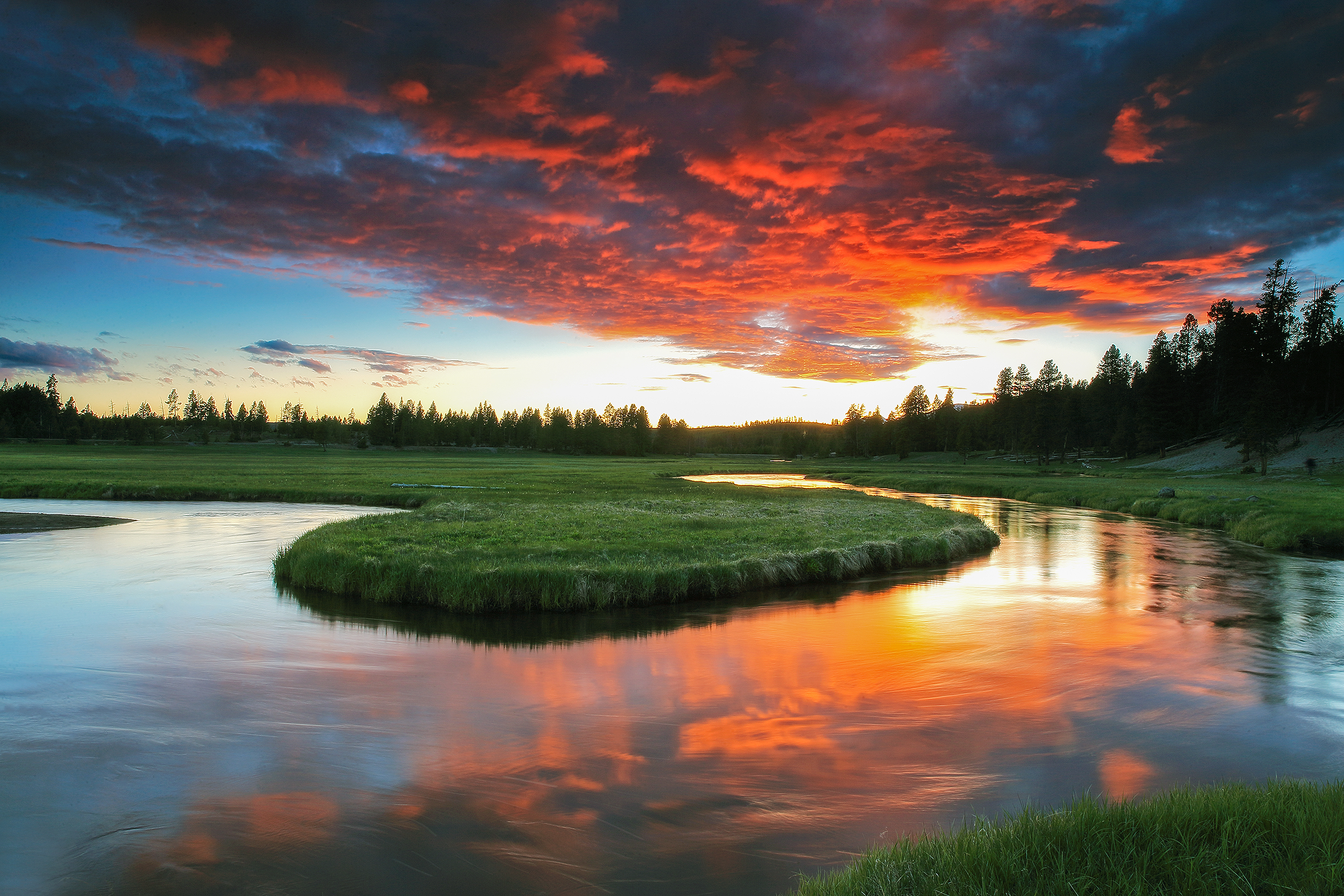
Key Characteristics of Photographic Prints
- Material: Printed on standard photographic paper.
- Longevity: More prone to fading or cracking over time.
- Affordability: Generally lower cost, ideal for casual spaces.
What Is a Fine Art Print?
Fine art prints, also known as giclée prints, are crafted with intention—printed using pigment-based archival inks on museum-quality, acid-free papers. These materials are chosen for their ability to preserve detail, resist fading, and carry the spirit of the image into future generations.
The surface of a fine art print becomes part of the story. Whether smooth or textured, cotton-based or watercolor-like, it brings depth and authenticity to the image. This is why I offer a curated selection of paper types for my fine art prints—each aligned with the essence of the photograph itself.
If you’re seeking an image that evokes, endures, and becomes a focal point in your home or gallery, a fine art print is more than a product—it’s a timeless portal. Many of these pieces also live within the Signature Series, where science, soul, and nature converge.
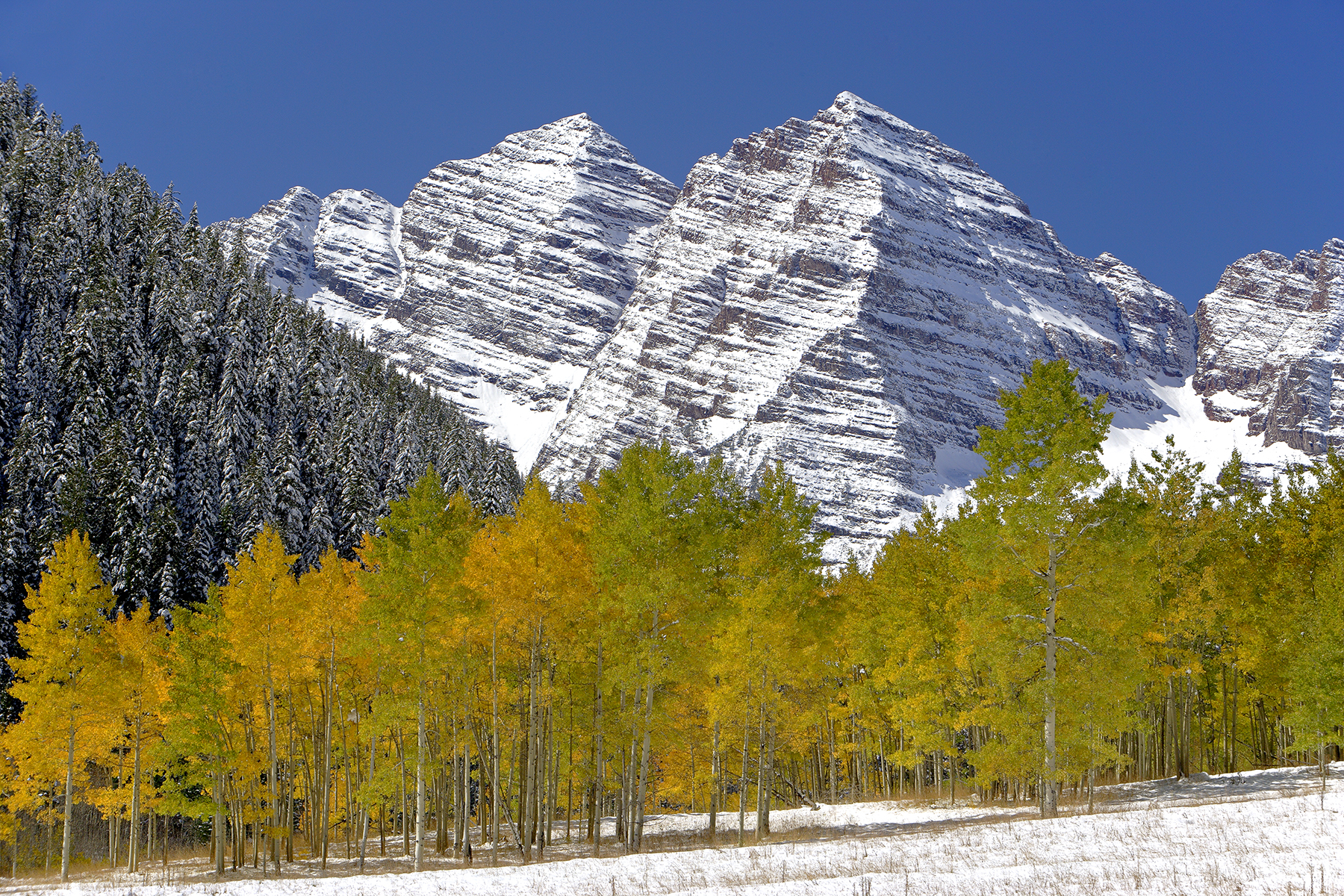
Key Characteristics of Fine Art Prints
- Material: Acid-free, museum-grade cotton or textured paper.
- Longevity: Archival quality lasting over 100 years.
- Quality: Rich tonal range, exceptional detail, soulful presentation.
What Are Archival Inks?
Archival inks are pigment-based inks formulated to resist fading and preserve tonal range over decades. When paired with acid-free papers, they create fine art prints that hold memory, detail, and soul—capturing the moment as it was intended to live on.
I use a curated selection of fine art papers—each chosen for its texture, finish, and relationship with light. These papers form the canvas for many prints across my print education archive, allowing each photograph to breathe as a living field.

CANSON® Infinity Platine Fibre Rag – 310 GSM
A semi-gloss, darkroom-style paper that excels in black and white printing. 100% cotton, smooth texture, museum-grade. Revered for its deep blacks and subtle highlights.
EPSON Cold Press Bright White
Watercolor-like texture with rich surface depth. 100% cotton, 19 mil thickness. Ideal for high color fidelity and bold tonal shifts in landscape and wildlife work.

MOAB Entrada Bright Rag – 290 GSM
Smooth and bright, this fine art favorite is 100% cotton and acid-free. It brings a sense of clarity and intimacy to nature prints, allowing light to softly radiate from within.

EPSON Premium Luster – 260 GSM
A luster finish that enhances saturation and detail. Resin-coated (RC) for a balance between gloss and matte. Excellent for prints that need vibrancy without glare.

HAHNEMÜHLE Torchon – 285 GSM
A richly textured, 100% a-cellulose paper that evokes the feel of classic handmade stock. Ideal for prints that benefit from tactile warmth and fine tonal transitions.
Professional Photographic Paper Options
While my fine art prints are the heart of archival longevity, I also offer high-end photographic prints for collectors who prefer traditional finishes. These papers are engineered for clarity, vibrance, and cost-effective beauty—ideal for casual display or dynamic gifts.
Each paper type below has been selected for its print integrity, tonal depth, and ability to showcase nature’s colors with precision.
Premium Photographic Paper Types
- Kodak ENDURA Lustre “E” Paper: A classic surface with fine grain pebble texture. Delivers deep blacks and smooth gradients with a subtle sheen.
- Kodak ENDURA Glossy “F” Paper: High-gloss professional finish with striking contrast and vibrancy. Ideal for photos that demand bold color.
- Kodak ENDURA Metallic Paper: Glossy with a metallic sheen that creates an almost 3D effect. Adds richness and luminous depth to wildlife and landscape prints.
- Fuji Pearl Paper: Offers crisp details and luminous whites. The pearl-like surface adds dimension and refinement to colorful compositions.
- Fuji Deep Matte Velvet Paper: Ultra-matte and smooth to the touch. Non-reflective, soft finish—perfect for quiet, contemplative pieces that invite stillness.
Whether you choose photographic or fine art, the surface you select becomes part of the story. It shapes how the image breathes, how the light is held, and how the moment is remembered.
Closing Reflections: Holding Light in Print
A photograph is more than an image—it’s a presence. The medium you choose to print it on determines how that presence moves through a room, how it is seen, and how it is felt. Whether it lives quietly on a wall or becomes the focal point of a gathering space, the choice between photographic and fine art printing carries lasting resonance.
I’ve walked this journey with both mediums. I’ve seen how the paper, the ink, and the care behind the process shape the life of a print long after the shutter closes. There’s no one right answer—only the one that matches the soul of the piece and the heart of the viewer.
May you choose what feels true. May the light you hang on your wall reflect the light within.
“The print is the breath of the photograph—the way memory becomes matter.” ~ Robbie George
Explore More on Prints, Presence, and Nature’s Light
If this post inspired you to think differently about prints and permanence, I invite you to continue exploring.
Visit the Fine Art Prints post to dive deeper into paper types, archival inks, and gallery-quality selections. You might also enjoy the Signature Series or learn how to photograph nature with soul in Nature Photography Mastery.
Every print tells a story. Every story begins with light.
FAQs About Photographic and Fine Art Prints
Explore Fine-Art Prints
Bring the season home—browse Wildlife, Landscapes, and Seascapes by National Geographic–published photographer Robbie George. See framing, editions, and care on the Collectors page.
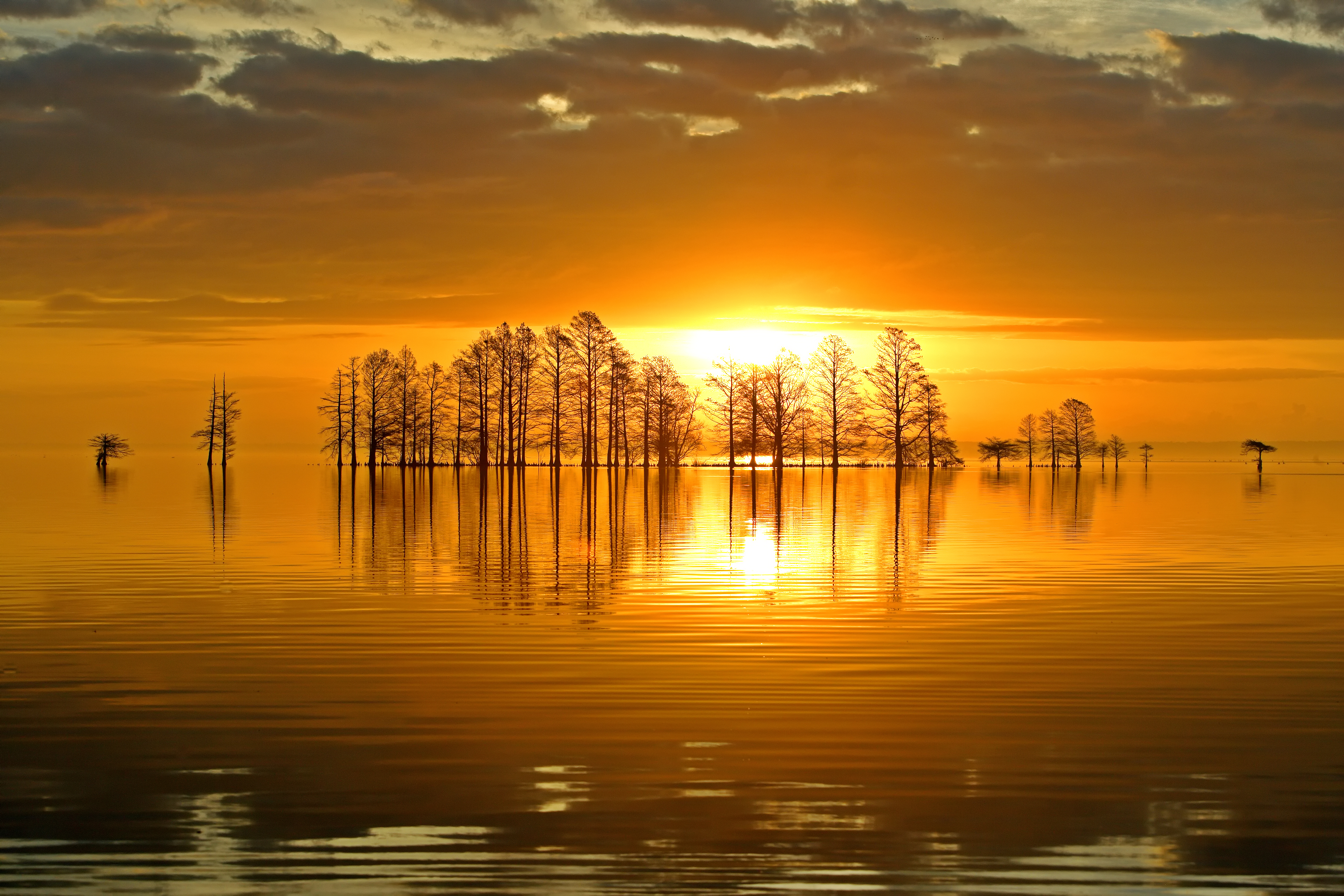 Landscape
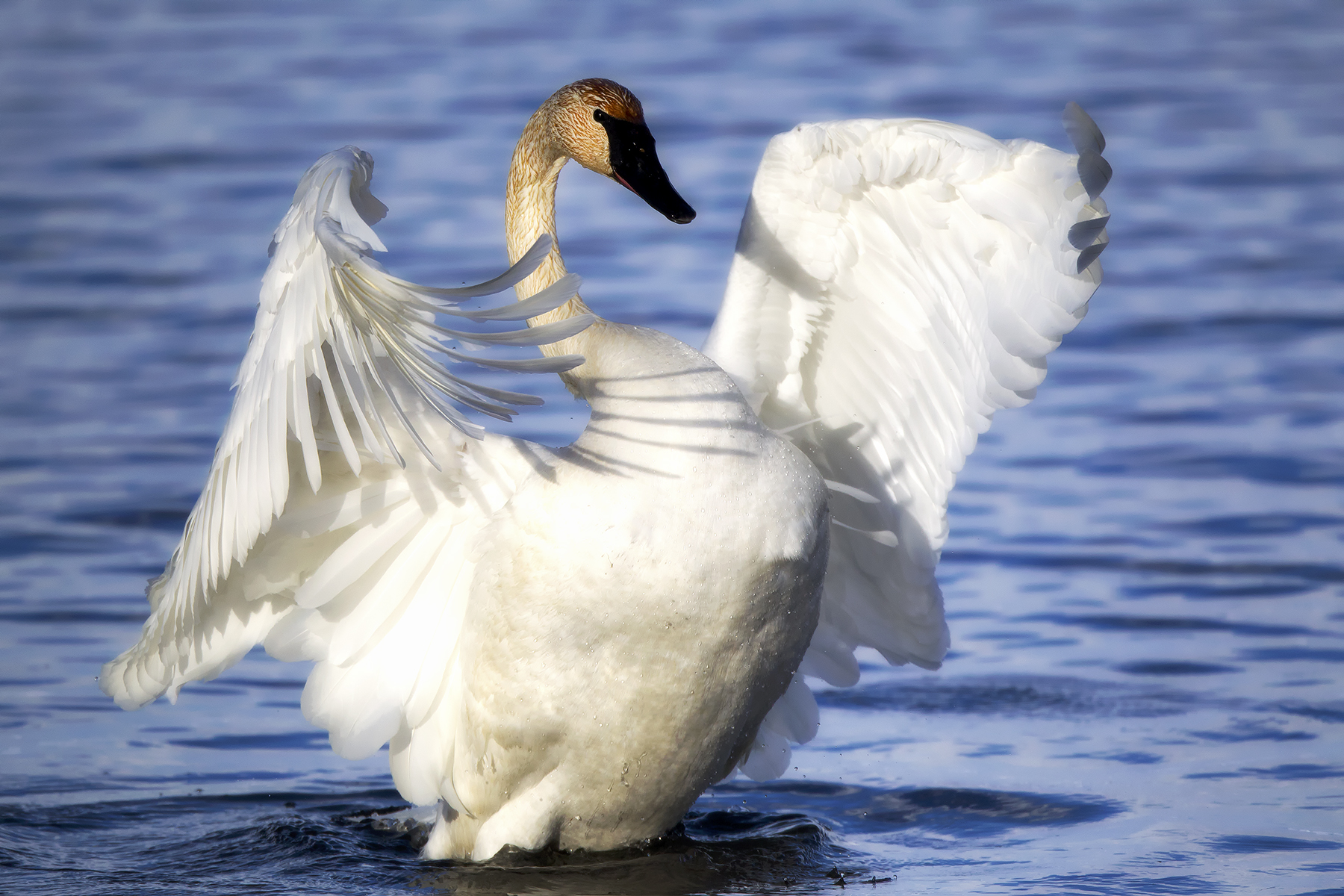 Wildlife
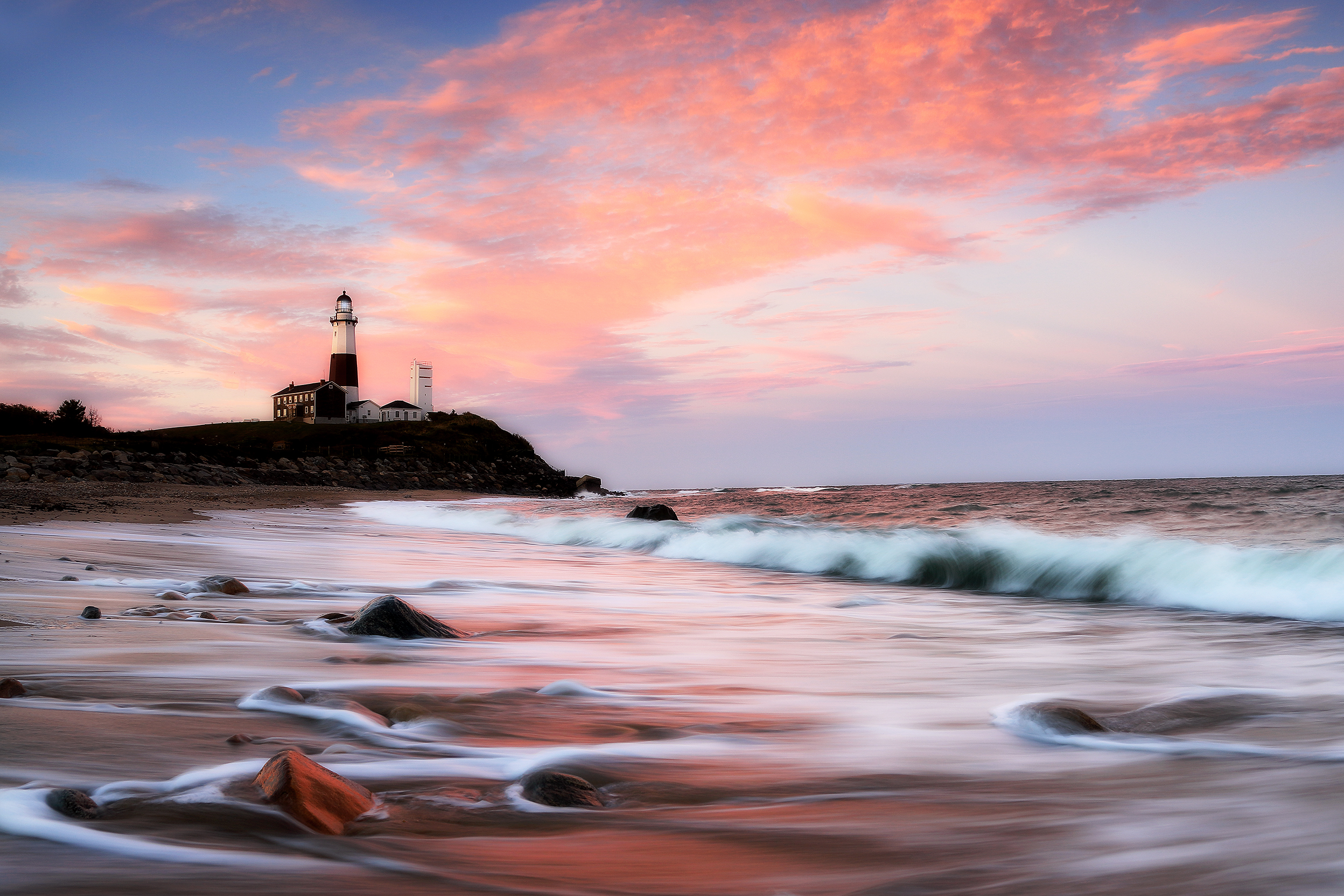 Seascapes

About Robbie George
Robbie George is a National Geographic–published photographer and resonant naturalist. His fieldcraft follows a simple ethic—distance first, habitat always— shaped by Slow Knowledge and the Signature Series.
Explore calm, undisturbed behavior in the Wildlife Gallery or plan your next trip with the Seasonal Wildlife Calendar, Golden Hour & Moon, and Photography Maps.
“Attention first, image second. The shutter is the period at the end of a sentence you learned by walking.”
1. What is the main difference between a photographic print and a fine art print?
The primary difference lies in the materials. Photographic prints use standard photo paper, while fine art prints are created with acid-free paper and archival inks, offering greater longevity and visual richness.
2. How long do fine art prints last compared to photographic prints?
Fine art prints can last over a hundred years without noticeable fading. Photographic prints tend to degrade more quickly due to the acids in the paper and exposure to light or humidity.
3. What are archival inks?
Archival inks are pigment-based inks designed to resist fading over time. When paired with fine art paper, they create prints with rich tones, deep blacks, and exceptional permanence.
4. Can I order custom sizes for my prints?
Yes, I offer customizable print sizes to suit your space. Feel free to reach out with your dimensions or vision.
5. Are fine art prints worth the investment?
Absolutely. Fine art prints offer superior image quality and archival durability, making them ideal for collectors and anyone seeking visual storytelling that lasts generations.
6. What type of paper is used for fine art prints?
Papers like Canson Infinity Platine, Moab Entrada Bright Rag, Epson Cold Press, and Hahnemühle Torchon are common choices—each bringing its own texture and tone to the artwork.
7. How should I care for my photographic or fine art prints?
Keep prints away from direct sunlight and moisture. Use protective framing, and clean gently with a soft, dry cloth to ensure their longevity.
8. Can I see samples of the different print types before I order?
Yes! I’m happy to guide you with paper previews, descriptions, or sample prints so you can feel confident in your selection.