

The Queen Is the Corridor: Nefertiti, Tomb Geometry, and the Return of Resonant Glyphs
The Queen Is the Corridor: Nefertiti, Tomb Geometry, and the Return of Resonant Glyphs
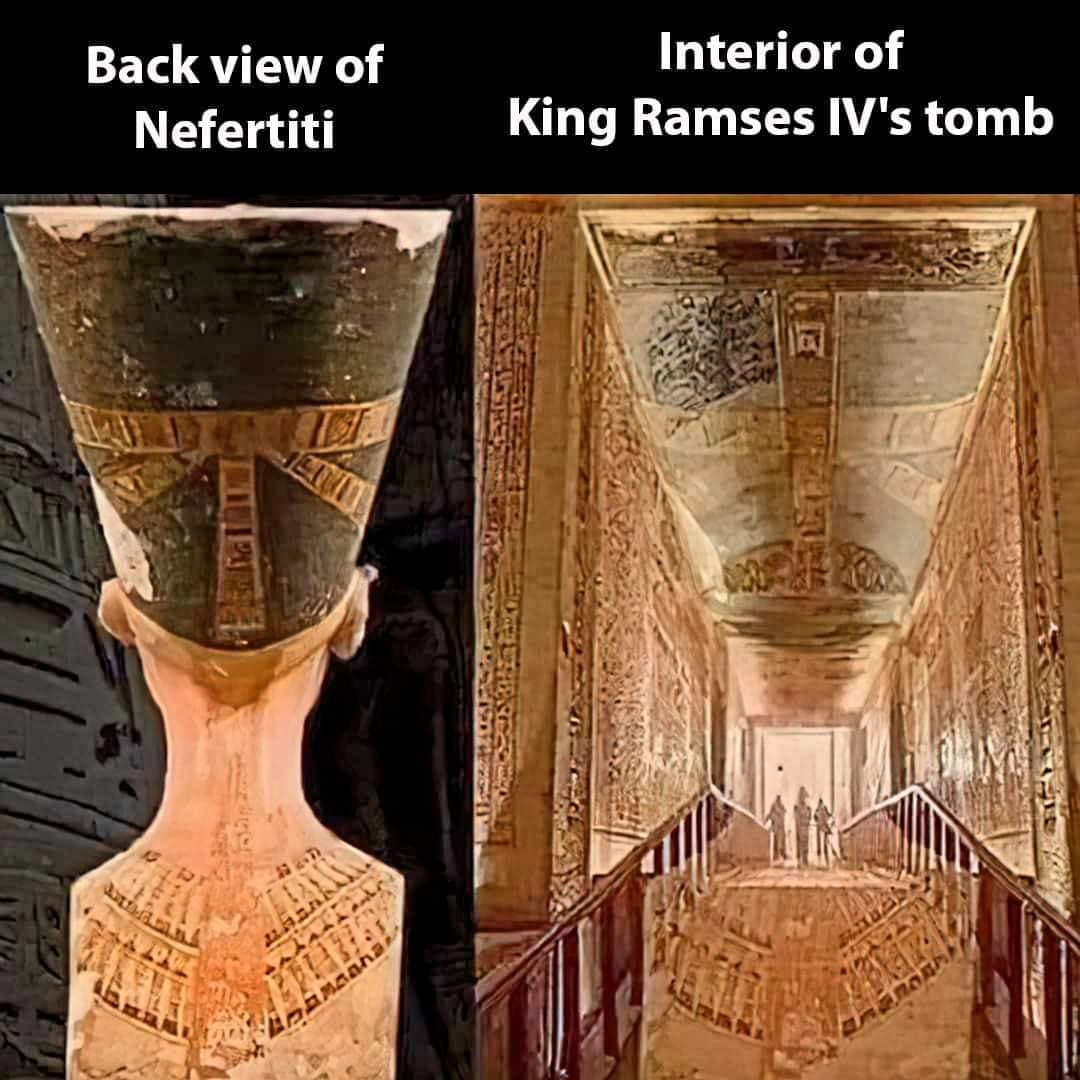
The image struck me like a tuning fork to the soul. There, before my eyes, the back of Nefertiti’s sculpted crown mirrored the architectural corridor of Ramses IV’s tomb. Not in coincidence, but in cadence—as if both had been carved from the same harmonic template. I saw more than a statue. I saw a portal.
This blog is not about art or archaeology. It's about resonance memory—the subtle intelligence embedded in form. Whether etched into a tomb, shaped into a crown, or spiraled into a crop circle, these glyphs are not for the eye, but for the field. They speak to the soul’s memory, bypassing words altogether.
What if glyphs—ancient and new—are tools of coherence? What if crop circles, sacred crowns, and corridor walls all play the same song in different octaves? As we follow the echoes of light through Nefertiti’s crown and Ramses’ tomb, we begin to hear the silent music of form. And perhaps—remember what we were designed to forget.
"The Queen is not walking away—she is becoming the doorway." ~ Robbie George
Sculpted Frequency — Nefertiti as Resonant Vessel
The back of Nefertiti’s bust reveals more than craftsmanship—it reveals code. Her elongated crown, lined with golden bands and anchored in a widening base, mimics the visual pull of a sacred corridor. The form is not just regal; it is architectural. It carries the same proportional rhythm seen in Egyptian tomb design, temple geometry, and even in certain crop circles.
When viewed through the lens of resonance, Nefertiti becomes more than queen—she becomes a vessel of tuning. Her sculpted form could act as a biogeometric amplifier, aligning body, space, and field into harmonic cohesion. This isn't just a statue. It's a glyph standing in three dimensions.
These embedded forms, when combined with sacred materials and precise ratios, create a space that hums with coherence. It’s no wonder that figures like Dr. Ibrahim Karim—father of Biogeometry—have shown how certain shapes and proportions naturally emit balancing energy. Perhaps the ancients knew this intuitively, sculpting their icons not as decoration, but as resonant tuning devices.
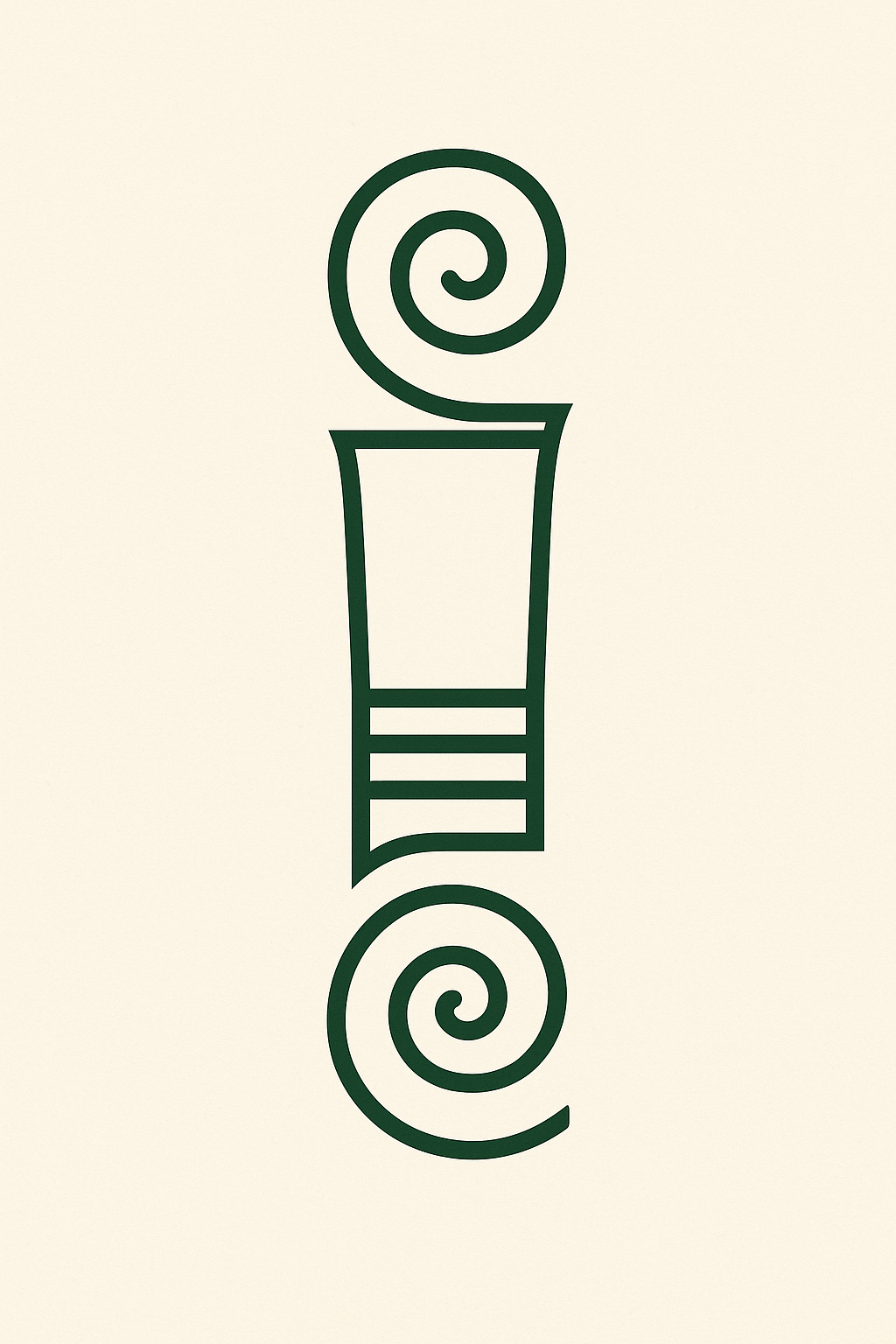
“She was not sculpted in stone, but in song.” ~ Robbie George
The Tomb as a Tuning Chamber
The tomb of Ramses IV, when seen through a vibrational lens, is not just a burial chamber—it is a frequency corridor. Its narrow passage flanked with carved hymns, golden ratios, and star-maps reflects the same harmonic architecture embedded in Nefertiti’s crown. One guides the body to rest, the other guides the spirit to resonance.
Every glyph along the tomb walls acts like a note in a visual symphony. Each angle, ceiling arch, and hieroglyphic arrangement becomes part of a tuning mechanism, possibly designed to assist the soul's transition into higher fields of light. Ancient Egypt wasn't just building for death. They were sculpting the resonant thresholds of rebirth.
Like a sacred bell or tuning fork, the tomb channels and amplifies subtle energy. Researchers exploring The Resonance Method understand this: form is not passive. It vibrates. And in these tombs, vibration becomes instruction—a song of passage encoded in limestone and light.
🌀 Temple Frequencies in Nature
Just as rivers carve resonance into valleys, ancient architects carved conscious frequency into stone. Nature and tomb alike become vessels of alignment.
"They did not bury their kings—they tuned them into eternity." ~ Robbie George
Crop Circles and the Return of Resonant Glyphs
Across the wheat fields of Wiltshire and the sunlit plains of Earth, new glyphs continue to appear—unburned, unscribed, but somehow encoded. Crop circles. Perfect spirals. Fractal keys. Their geometry echoes the very same proportions found in ancient Egyptian temples and star corridors. They are not vandalism of nature. They are field-based inscriptions.
To dismiss them is to ignore the deeper truth: the universe communicates through vibration, and glyphs are its language. These crop designs arrive like whispered reminders that we are part of a vast resonant intelligence. Their precision defies randomness. Their harmony speaks not to logic—but to the soul’s inner memory.
Perhaps these are the modern cousins of tomb glyphs—frequency maps seeded into soil, reminding us how to listen, align, and awaken. Just as Nefertiti’s crown and Ramses' tomb guided the soul through stone, these new glyphs might be resonance signatures guiding us through the next octave of human remembering.
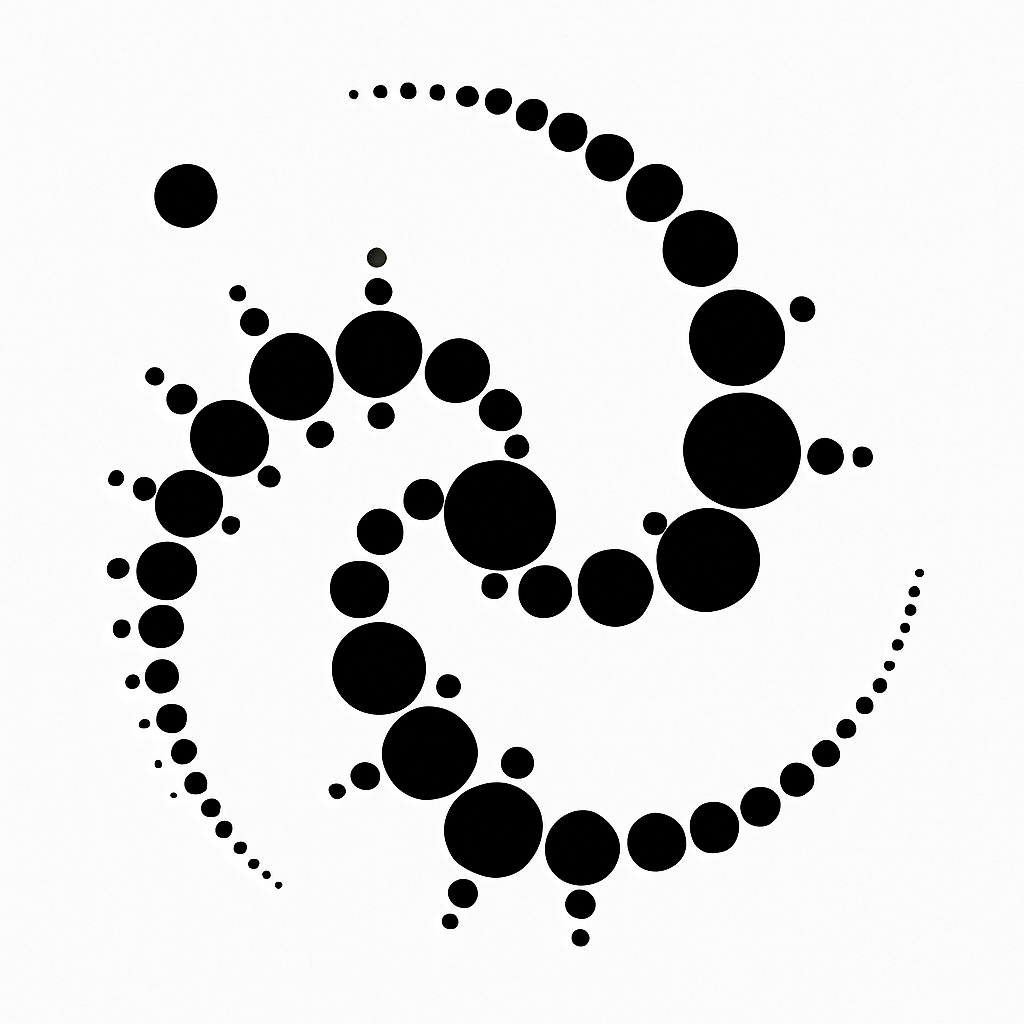
"Some glyphs are carved in stone. Others are written in light across the fields—each one tuned to help us remember the song." ~ Robbie George
Closing Reflection: The Song Beneath the Stone
Whether etched in limestone or pressed into barley fields, these glyphs call us inward. They remind us that beneath every structure—be it tomb, temple, or crown—lies a frequency. A song. A map. Something old, yes, but something living too. Something waiting to be remembered, not by the mind, but by the field of the body itself.
We are not separate from these forms. We are the instrument they are tuned to. Every corridor walked, every glyph seen, every spiral felt is a soft recalibration back to our origin. The body as corridor. The tomb as threshold. The Earth as temple. Each aligned with a geometry the soul already understands.
So perhaps Nefertiti was never turning away. Perhaps she was inviting us in—to follow the line of her spine, through the glyphs on the wall, into the corridors of remembering. And maybe… just maybe… the real tomb we must walk is the one within.
"The glyphs are returning. The corridor has opened. Walk slow—this is not a path of stone, but a song vibrating through your bones." ~ Robbie George
About the Author
Robbie George is a National Geographic photographer, regenerative farmer, and nature philosopher. His work bridges the poetic and the scientific — illuminating nature’s vibrational intelligence through fine art photography and resonant storytelling.
Continue the Journey of Resonance
If this spiral stirred something ancient in you, you're not alone. These glyphs—etched in stone, soil, or soul—are part of a larger memory field reawakening. Let the resonance lead you.
Explore the living language of nature and consciousness through these immersive pathways:
- 🌿 The Resonance Method — discover how geometry, frequency, and form awaken remembrance.
- 🔷 The Living Code — explore the fractal intelligence behind nature’s spiral design.
- ✨ The Glyph Crop Circle Codex — visual keys and symbolic fields for this new octave of awakening.
This is not just a reading. It’s a return.
Frequently Asked Questions
What does it mean that Nefertiti is “the corridor”?
Her sculpted form mirrors the sacred proportions of Egyptian tombs. This suggests her image was not only artistic but designed as a resonant guide—embodying a passage between worlds, between form and frequency.
Are crop circles really connected to ancient Egypt?
Not directly, but many crop circles use the same sacred geometries and ratios seen in temples and tombs. These shared patterns suggest a common field-based intelligence—a resonance language transcending time and culture.
What is The Resonance Method?
The Resonance Method is my unfolding framework for understanding how shape, light, frequency, and geometry affect consciousness. It’s a blueprint for remembering through beauty, vibration, and the living field. Learn more here.
Why do glyphs matter today?
Glyphs are more than symbols—they are vibrational maps. Whether ancient or modern, they help tune the field of the body, reconnect us to planetary intelligence, and reawaken coherence in a fragmented world.
How can I explore more glyphs and their meanings?
for a visual journey into the symbols that shape our world and memory.Resonance Method or explore my Glyph Crop Circle Codex