

Nature-Based Solutions - Understanding NbS and Global Implementation
Across every landscape I’ve worked in—coastlines, wetlands, forests, and agricultural systems—the pattern is consistent: when natural systems are intact, they regulate themselves. Water filters. Soil regenerates. Vegetation stabilizes climate. Wildlife behavior remains aligned with season and habitat. When those systems are disrupted, the same processes begin to fail.
This is where Nature-Based Solutions (NbS) come in—not as new inventions, but as a return to how systems are meant to function. These approaches work by restoring ecological relationships: wetlands absorbing floodwater, forests regulating temperature, coastal systems buffering storms, and soil rebuilding fertility from within.
What makes NbS powerful is not just what they fix—but what they prevent. When ecosystems are allowed to function, they reduce risk before it becomes crisis. Climate pressure, water instability, biodiversity loss, and even human health outcomes are all tied back to how well these systems hold.
This page is not just about sustainability strategies. It’s about understanding how the Earth already solves the problems we are trying to engineer our way out of—and what happens when we choose to work with those systems instead of against them.
Explore This Guide
Ecological Role — How Nature-Based Systems Actually Work
Nature-Based Solutions work because they restore ecological relationships that already know how to regulate a system. They do not impose stability from the outside. They rebuild the internal connections between soil, water, vegetation, biodiversity, and climate so that function can return from within.
That distinction matters. In a functioning landscape, water does not simply move—it is absorbed, slowed, filtered, stored, and released through living processes. Soil does not just hold plants—it cycles nutrients, stores carbon, supports microbial life, and regulates moisture. Vegetation does not just cover land—it cools temperature, stabilizes habitat, reduces erosion, and supports the wider food web.
When these systems are degraded, their functions do not disappear one at a time. They begin to fail together. Water runs faster. Soil loses structure. Biodiversity declines. Habitat fragments. Climate pressure intensifies. What appears to be a collection of separate environmental problems is often the visible expression of one deeper issue: ecological systems are no longer functioning as systems.

This is why Nature-Based Solutions are so effective. A restored wetland does not just reduce flooding. It also filters water, creates habitat, stores carbon, and supports biodiversity. A healthy forest does not just sequester carbon. It regulates temperature, stabilizes hydrology, supports wildlife movement, and reduces erosion. A living soil system does not just grow food. It holds moisture, stores nutrients, supports microbial exchange, and increases long-term resilience.
These are not isolated benefits. They are the natural outcome of systems functioning in relationship. This is why NbS connect directly to broader layers across your site, including Ecosystems of North America, Wildlife Conservation & Habitat, Biodiversity & Ecosystem Balance, and eventually the deeper Naturepedia system itself.
The deeper truth is that Nature-Based Solutions are not “alternatives” to infrastructure in the simplistic sense. They are reminders that living systems have always been infrastructure. The difference is that natural systems adapt, self-repair, and gain strength over time when they are allowed to function.
“When we restore function, we do not just solve a problem—we allow the system to remember what it already knows how to do.” ~ Robbie George
What Is Changing — Climate Pressure, Degradation, and System Breakdown
Nature-Based Solutions only make sense when you understand what has changed. The challenge is not simply climate change as an abstract concept—it is the breakdown of ecological systems that once absorbed, buffered, and stabilized environmental pressure.
Across landscapes, the same pattern is repeating. Forests are removed or fragmented, reducing their ability to regulate temperature and water cycles. Wetlands are drained, eliminating natural flood absorption and filtration. Soil is degraded through overuse, losing its ability to hold moisture and nutrients. Coastal systems are hardened or altered, removing the natural buffers that once softened storm energy.
When these systems are intact, they absorb stress. When they are degraded, that stress moves through the system unchecked. Water moves faster. Heat accumulates. Biodiversity declines. Events that were once moderated—storms, droughts, floods—become more extreme because the systems that regulated them are no longer functioning.

Biodiversity loss is one of the clearest signals of this breakdown. Pollinators decline. Food webs simplify. Species lose access to habitat and movement corridors. What looks like a loss of individual species is often a deeper issue—the system no longer supports the relationships those species depend on. This is directly tied to broader patterns explored in Biodiversity & Ecosystem Balance and Food Webs & Ecological Relationships.
Climate pressure amplifies all of this. Rising temperatures, shifting precipitation patterns, and more frequent extreme events are not isolated forces—they expose weaknesses in already degraded systems. A healthy ecosystem adapts. A fragmented one fails faster.
This is why the conversation cannot stay at the level of symptoms. Flooding, drought, heat, and biodiversity loss are not separate problems to solve independently. They are connected outcomes of systems that have lost their ability to regulate themselves.
Understanding what is changing is what makes Nature-Based Solutions necessary. They are not optional enhancements—they are responses to system-level breakdown. Without restoring function, the pressure continues to build.
“What we call crisis is often the system showing us where it has stopped working.” ~ Robbie George
Human Impact — Extraction, Fragmentation, and Disconnection
The changes we see across ecosystems are not random. They are the result of how human systems interact with natural systems. Most environmental pressure can be traced back to three patterns: extraction, fragmentation, and disconnection.
Extraction removes function from a system faster than it can regenerate. This shows up in deforestation, intensive agriculture, overfishing, and resource-driven land use. When biomass, nutrients, or biodiversity are removed without being restored, the system weakens. Soil loses structure. Water cycles become unstable. Productivity declines over time.
Fragmentation breaks systems apart. Roads divide habitat. Development interrupts migration routes. Urban expansion isolates ecosystems into smaller, less functional pieces. Wildlife may still be present, but movement becomes restricted, genetic diversity declines, and the system loses its ability to operate as a whole. This is directly connected to patterns explored in Habitat & Ecosystem Zones and Migration & Seasonal Patterns.

Disconnection is the least visible, but often the most important. Modern systems are designed in ways that separate cause from effect. Water is redirected without considering downstream impact. Soil is treated as a medium rather than a living system. Urban environments are built without integrating natural processes. As this disconnection grows, decisions become less aligned with how ecosystems actually function.
The result is not just environmental degradation—it is inefficiency. Systems require more input to produce less stability. Infrastructure becomes more complex and more expensive while solving fewer problems over time. This is the opposite of how natural systems operate.
Nature-Based Solutions respond directly to these patterns. They reduce extraction by restoring regenerative capacity. They reduce fragmentation by reconnecting systems. And they reduce disconnection by aligning design with ecological function.
Understanding human impact is not about assigning blame. It is about recognizing how systems have been altered—and what must change for them to function again.
“When we disconnect from the system, the system stops working for us.” ~ Robbie George
Conservation Response — Restoration, Regeneration, and Design
Nature-Based Solutions are effective because they restore function rather than replace it. Instead of adding layers of control to a degraded system, they rebuild the relationships that allow the system to regulate itself again—water flow, soil structure, vegetation cover, biodiversity, and feedback between them.
This shows up across multiple scales. Wetland restoration slows and stores water, reducing flood risk while improving water quality. Reforestation stabilizes temperature, supports carbon storage, and reconnects habitat. Regenerative agriculture rebuilds soil biology, increasing resilience while reducing external inputs. Coastal restoration—through dunes, marshes, and oyster reefs—absorbs wave energy while rebuilding ecosystems.
What makes these approaches different is that they do not solve one problem at a time. They re-establish systems that solve multiple problems simultaneously. This is why NbS connect directly to frameworks like Wildlife Conservation & Habitat, Biodiversity & Ecosystem Balance, and Ecological Relationships.
Regeneration is a key distinction here. Restoration brings a system back toward function. Regeneration allows it to improve beyond its current state. A restored wetland begins to filter water again. A regenerated system expands its biodiversity, strengthens soil, improves resilience, and increases long-term stability.
Design also plays a role—but in a different way than traditional infrastructure. Instead of designing systems from scratch, NbS design works with existing ecological patterns. It aligns human activity with water movement, soil capacity, vegetation growth, and habitat structure. This reduces long-term maintenance while increasing system performance.
The result is not just environmental improvement—it is systemic efficiency. Systems require fewer inputs, adapt more effectively to change, and continue functioning over time without constant intervention.
This is what defines a successful conservation response: not control, but continuity. The system works because it has been allowed to function again.
“Restoration begins when we stop forcing systems and start allowing them to function.” ~ Robbie George
Field Observation — What Functional Systems Look Like in Reality
Once you understand how systems are supposed to function, you begin to see the difference immediately in the field. A healthy system is not static—it is active, but stable. Movement is continuous, but not chaotic. Relationships hold. Nothing feels forced.
In a functioning landscape, water does not rush without control—it moves with structure. Soil does not erode easily—it holds. Vegetation does not appear stressed—it distributes according to light, moisture, and terrain. Wildlife behavior aligns with habitat, not pressure. These are signals that the system is intact.
You can see this clearly in agricultural systems as well. Healthy soil produces consistent plant structure, moisture retention, and resilience across changing conditions. Degraded soil produces variability—patches of stress, inconsistent growth, and higher dependence on external inputs. The difference is not subtle once you know what to look for.
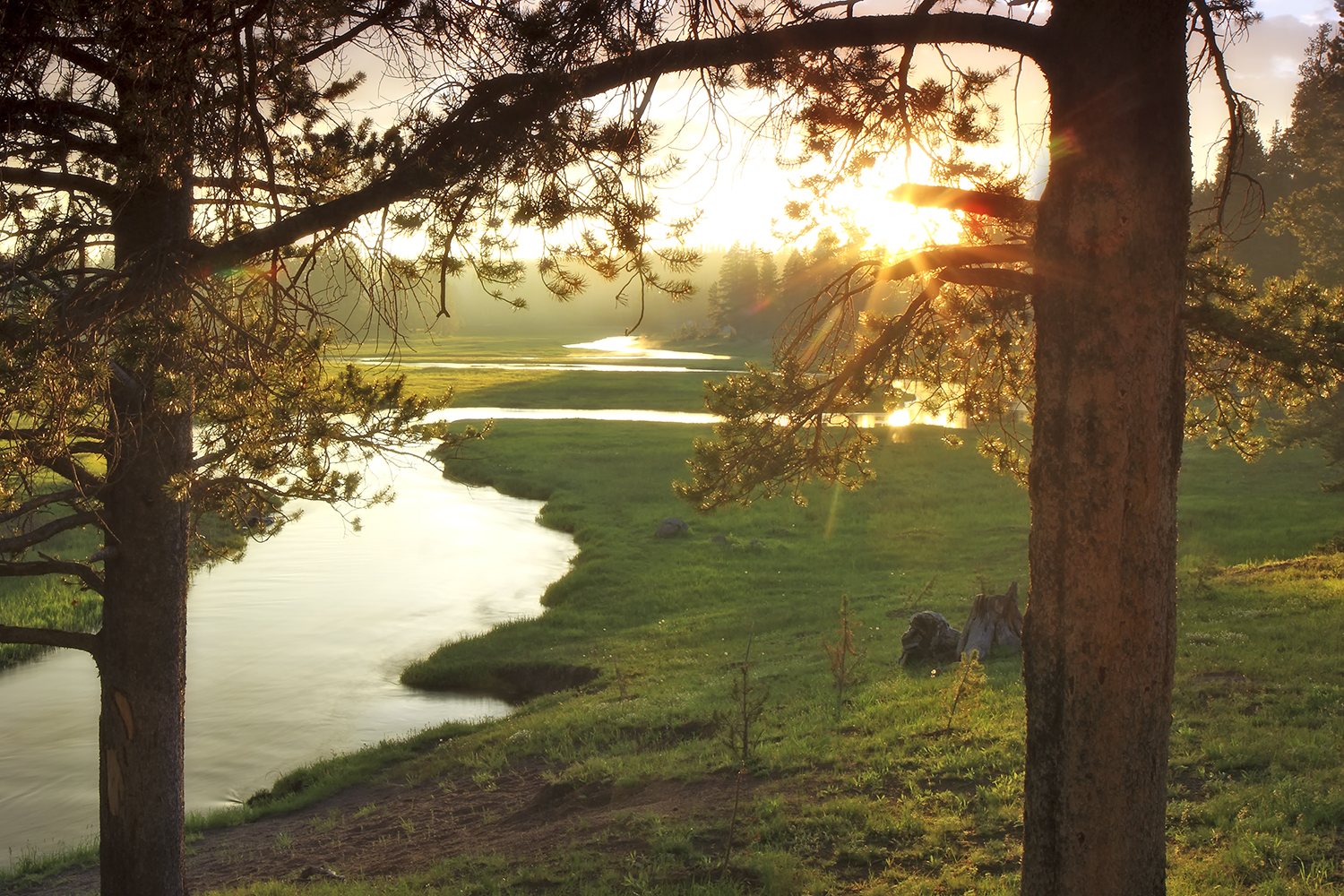
There are also signals when a system is not functioning. Water moves too quickly or pools unnaturally. Soil appears compacted or dry even after rain. Vegetation becomes sparse or uneven. Wildlife behavior shifts—either avoiding areas or concentrating unnaturally due to limited habitat. These are indicators of fragmentation or system stress.
Field observation connects directly to understanding Nature-Based Solutions. It allows you to see not just what a landscape looks like, but how it operates. This is the same observational layer that informs field techniques, ecosystem understanding, and your broader Naturepedia system.
The more time you spend observing, the clearer the pattern becomes: functioning systems are efficient, adaptive, and stable. Degraded systems require constant intervention to maintain even basic output. Nature-Based Solutions work by shifting landscapes back toward that natural efficiency.
This is where theory becomes visible. You are not just learning about systems—you are seeing them operate in real time.
“When you learn to read a landscape, you stop guessing what works—you can see it.” ~ Robbie George
Field Observation — What Functional Systems Look Like in Reality
Once you understand how systems are supposed to function, you begin to see the difference immediately in the field. A healthy system is not static—it is active, but stable. Movement is continuous, but not chaotic. Relationships hold. Nothing feels forced.
In a functioning landscape, water does not rush without control—it moves with structure. Soil does not erode easily—it holds. Vegetation does not appear stressed—it distributes according to light, moisture, and terrain. Wildlife behavior aligns with habitat, not pressure. These are signals that the system is intact.
You can see this clearly in agricultural systems as well. Healthy soil produces consistent plant structure, moisture retention, and resilience across changing conditions. Degraded soil produces variability—patches of stress, inconsistent growth, and higher dependence on external inputs. The difference is not subtle once you know what to look for. There are also signals when a system is not functioning. Water moves too quickly or pools unnaturally. Soil appears compacted or dry even after rain. Vegetation becomes sparse or uneven. Wildlife behavior shifts—either avoiding areas or concentrating unnaturally due to limited habitat. These are indicators of fragmentation or system stress.
Field observation connects directly to understanding Nature-Based Solutions. It allows you to see not just what a landscape looks like, but how it operates. This is the same observational layer that informs field techniques, ecosystem understanding, and your broader Naturepedia system.
The more time you spend observing, the clearer the pattern becomes: functioning systems are efficient, adaptive, and stable. Degraded systems require constant intervention to maintain even basic output. Nature-Based Solutions work by shifting landscapes back toward that natural efficiency.
This is where theory becomes visible. You are not just learning about systems—you are seeing them operate in real time.
“When you learn to read a landscape, you stop guessing what works—you can see it.” ~ Robbie George
Frequently Asked Questions — Nature-Based Solutions
These questions focus on how Nature-Based Solutions function at the system level and why they are increasingly central to climate, conservation, and long-term resilience.
1. What are Nature-Based Solutions (NbS)?
Nature-Based Solutions are approaches that restore and work with natural systems—such as forests, wetlands, soil, and coastal ecosystems—to address environmental challenges like climate change, flooding, biodiversity loss, and water instability.
2. Why are Nature-Based Solutions effective?
They restore system function instead of replacing it. When ecosystems are functioning, they regulate water, store carbon, support biodiversity, and stabilize climate conditions without requiring constant external input.
3. How do NbS differ from traditional infrastructure?
Traditional infrastructure is static and often solves a single problem. Nature-Based Solutions are dynamic and multi-functional, addressing multiple challenges simultaneously while improving over time as ecosystems recover.
4. Can Nature-Based Solutions be used in cities?
Yes. Urban applications include green roofs, urban forests, permeable surfaces, and stormwater systems that mimic natural hydrology. These approaches reduce heat, manage water, and improve livability in built environments.
5. What problems do Nature-Based Solutions address?
They address interconnected issues such as climate change, flooding, drought, soil degradation, biodiversity loss, and water quality—often through a single restored system.
6. Are Nature-Based Solutions enough on their own?
In many cases, they are most effective when combined with thoughtful planning and infrastructure. However, restoring system function often reduces the need for more complex engineered solutions over time.
7. What is the long-term benefit of NbS?
They increase resilience. Unlike static systems, natural systems adapt, regenerate, and strengthen over time, making them more effective as environmental conditions change.
About Robbie George
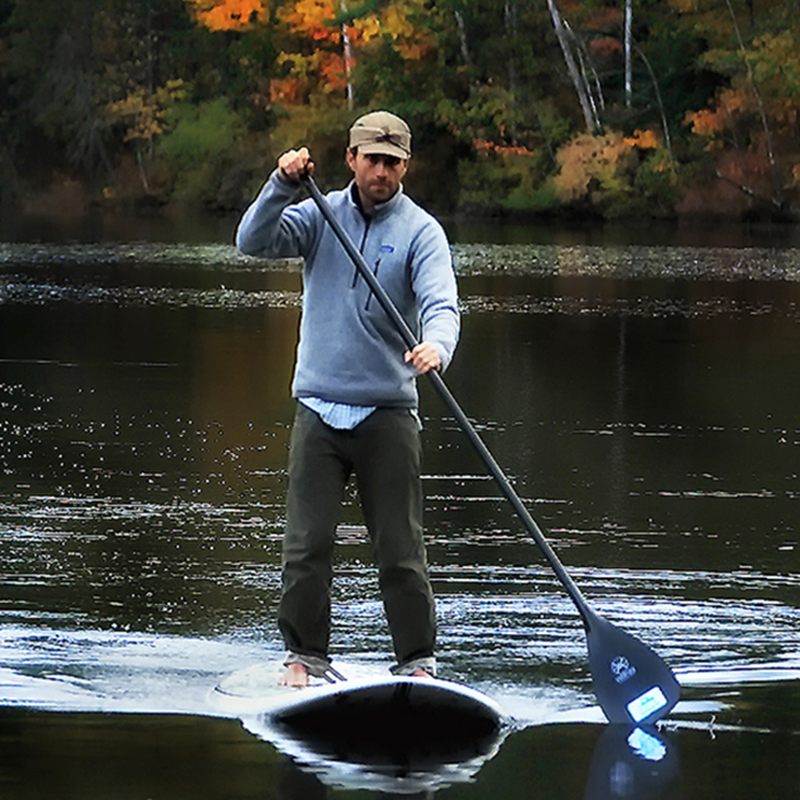
Robbie George is a National Geographic–published photographer whose work is grounded in field observation, ecological systems, and long-term relationship with the natural world. Across forests, coastlines, wetlands, and agricultural landscapes, his focus is not just on what a place looks like—but how it functions.
His approach is built on a simple principle: systems first. Whether observing wildlife behavior, soil health, or water movement, the goal is to understand how relationships hold—or break—within a landscape. This perspective connects directly into his broader work across Naturepedia, Ecosystems of North America, and Wildlife Conservation & Habitat.
Through photography and writing, Robbie translates complex ecological processes into visible patterns—showing how soil, water, vegetation, and biodiversity operate together as integrated systems. His work bridges field experience, environmental understanding, and visual storytelling, helping others see what is often overlooked: that stability, resilience, and regeneration are already built into nature when systems are allowed to function.
Explore his Wildlife Photography, Landscape Photography, and Seascapes galleries, or plan time in the field using the Seasonal Wildlife Calendar, Photography Maps, and Field Tools.
“The more clearly we understand how a system works, the less we feel the need to control it.”