
Pioneering a Deeper Connection in Nature Photography
Field Context — Where Observation Begins Before the Camera
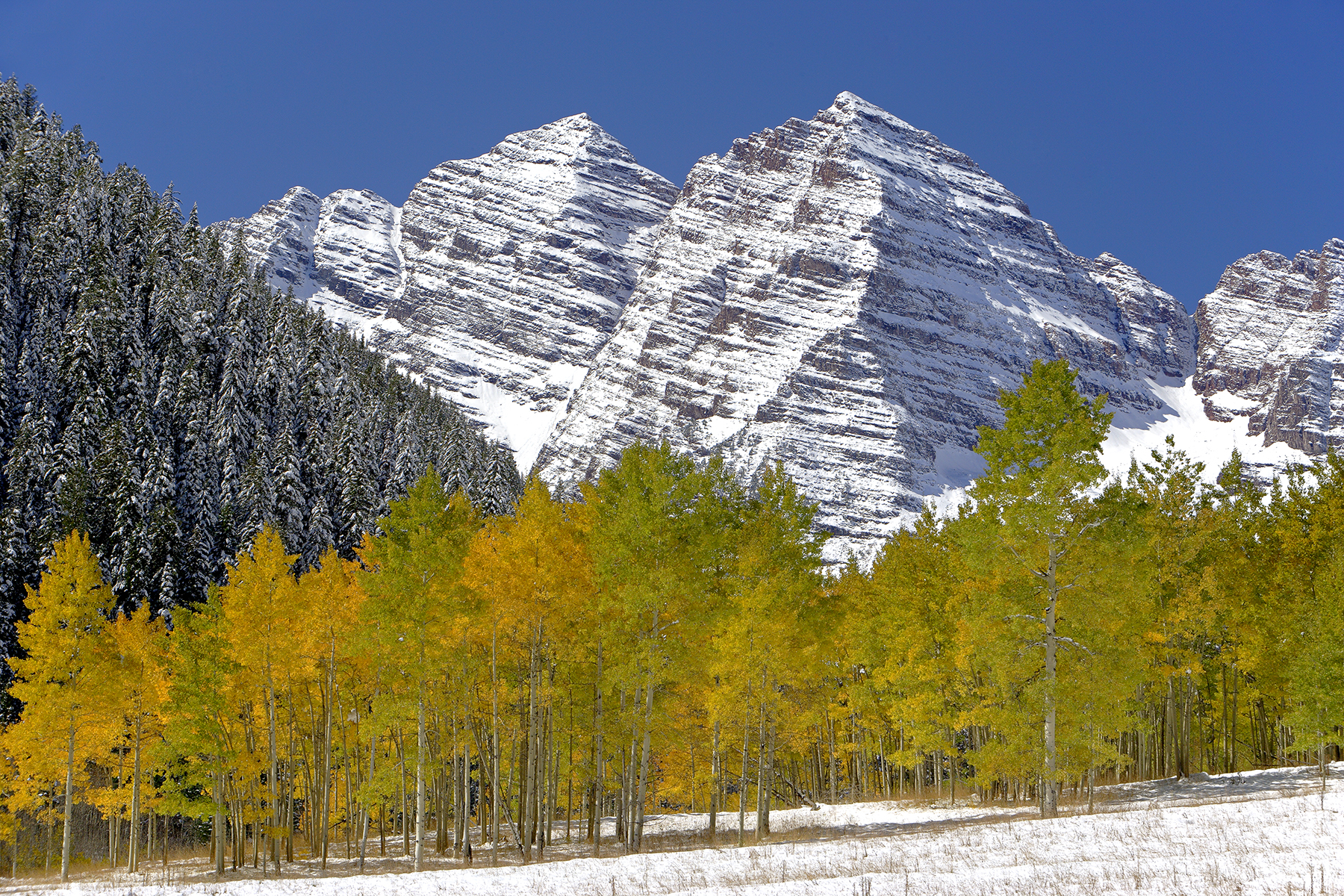
Before any photograph exists, there is a moment like this—still, quiet, and undisturbed. The mountains are not changing for me. The water is not reacting to me. The light is moving on its own timeline. This is the baseline of the field: reality without interference.
What matters most here isn’t composition—it’s awareness. The air is stable. The water is calm. The light is low and directional. These conditions define what is possible before I ever touch the camera. If I miss this stage, I’m no longer working with the field—I’m reacting to it.
This is where photography shifts from taking pictures to reading environments. Every landscape, every animal, every moment exists within a set of conditions. Understanding those conditions is what allows the image to happen naturally instead of being forced.
In a place like the Maroon Bells, everything appears calm—but that calm is temporary. Light will rise. Wind may move the water. Shadows will shift. The entire scene is already changing. The question is whether I recognize it in time.
“The photograph doesn’t begin with the shutter—it begins when the field is still speaking on its own.”
On This Page
Art & Science — Seeing Beyond the Surface
At first, photography feels like an artistic pursuit—composition, color, balance. But over time, it becomes clear that every image is also shaped by underlying systems. Light behaves in predictable ways. Atmosphere filters it. Water reflects it. The landscape itself directs how it moves.
As a nature photographer, I don’t separate art from science—I rely on both. The artistic side guides what feels balanced. The scientific side explains why that balance exists. When those two align, the image becomes more than visual—it becomes accurate to the moment.
This is where deeper exploration begins. Questions about light lead to questions about photons. Observations about structure lead toward patterns found across nature. That path eventually connects to broader ideas like the Unified Field Theory, but those ideas are always grounded in what can be observed first.
The goal is not to force meaning onto a scene. It’s to recognize what is already there. When art and science come together in that way, photography becomes a way of seeing clearly rather than interpreting loosely.
“Art shows us what we feel. Science shows us why it exists. Photography is where they meet.”
Light & Observation — Where the Invisible Starts to Show
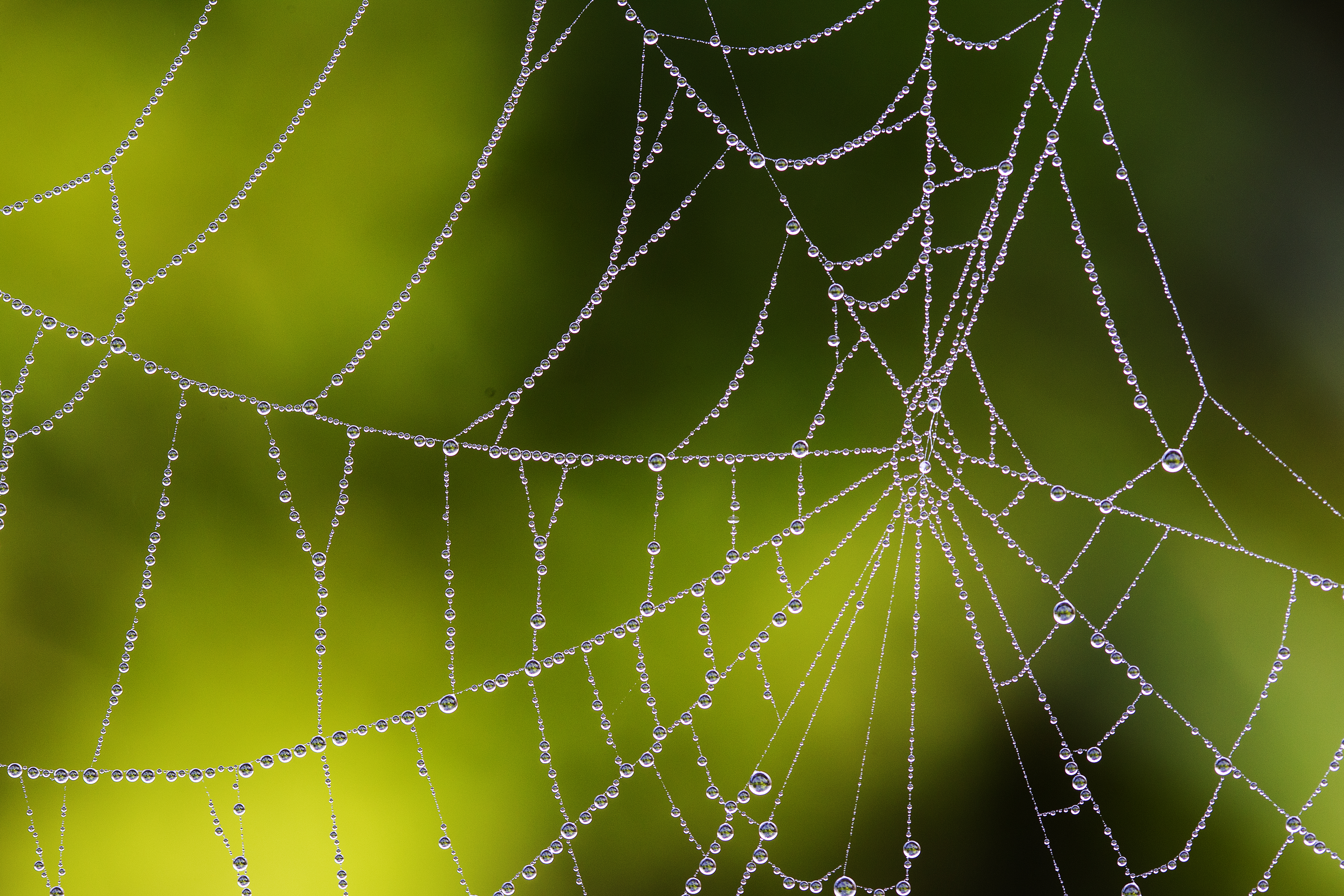
Observation deepens when light begins to reveal what the eye might otherwise miss. A spiderweb covered in dew is easy to walk past until the angle changes, the background softens, and the morning light suddenly makes the structure visible. Nothing about the web changed. What changed was the ability to see it clearly.
That is one of the most important lessons in nature photography. Light does more than illuminate a subject. It defines edges, reveals texture, creates separation, and determines whether a moment feels flat or alive. Good observation means reading those changes early and recognizing when the field is beginning to align.
This is also where science quietly enters the frame. Light moves through atmosphere, moisture, and surface in ways that shape every image we make. Understanding that process doesn’t remove wonder—it strengthens it. It gives structure to what the photographer is feeling in the field.
In work like Captured Light, I explore that idea more deeply, but the practice always begins here: watching what light is doing before deciding what the image needs.
“The field often reveals itself in stages. Light is what makes the hidden structure visible.”
Purpose — Why the Photograph Matters
Once light is understood and the moment begins to form, the next question is simple but important: why take the photograph at all? Not every scene needs to be captured. Not every moment needs to be turned into an image.
Purpose is what separates observation from intention. It defines whether the image is documenting something meaningful or simply reacting to what looks good. In nature photography, that difference is everything. A strong photograph carries context—it reflects behavior, environment, timing, and relationship.
For me, the purpose has always been tied to understanding and connection. Through wildlife photography and landscape work, I’m not just trying to create visually strong images—I’m trying to preserve moments that reflect how the natural world actually functions.
That intention shapes every decision that follows: where to stand, when to wait, when not to shoot. Without purpose, those decisions become random. With purpose, they become consistent—and that consistency is what builds both stronger images and deeper understanding over time.
“A photograph becomes meaningful when it reflects something real—not just something seen.”
Science & Art — Understanding What the Eye Is Seeing
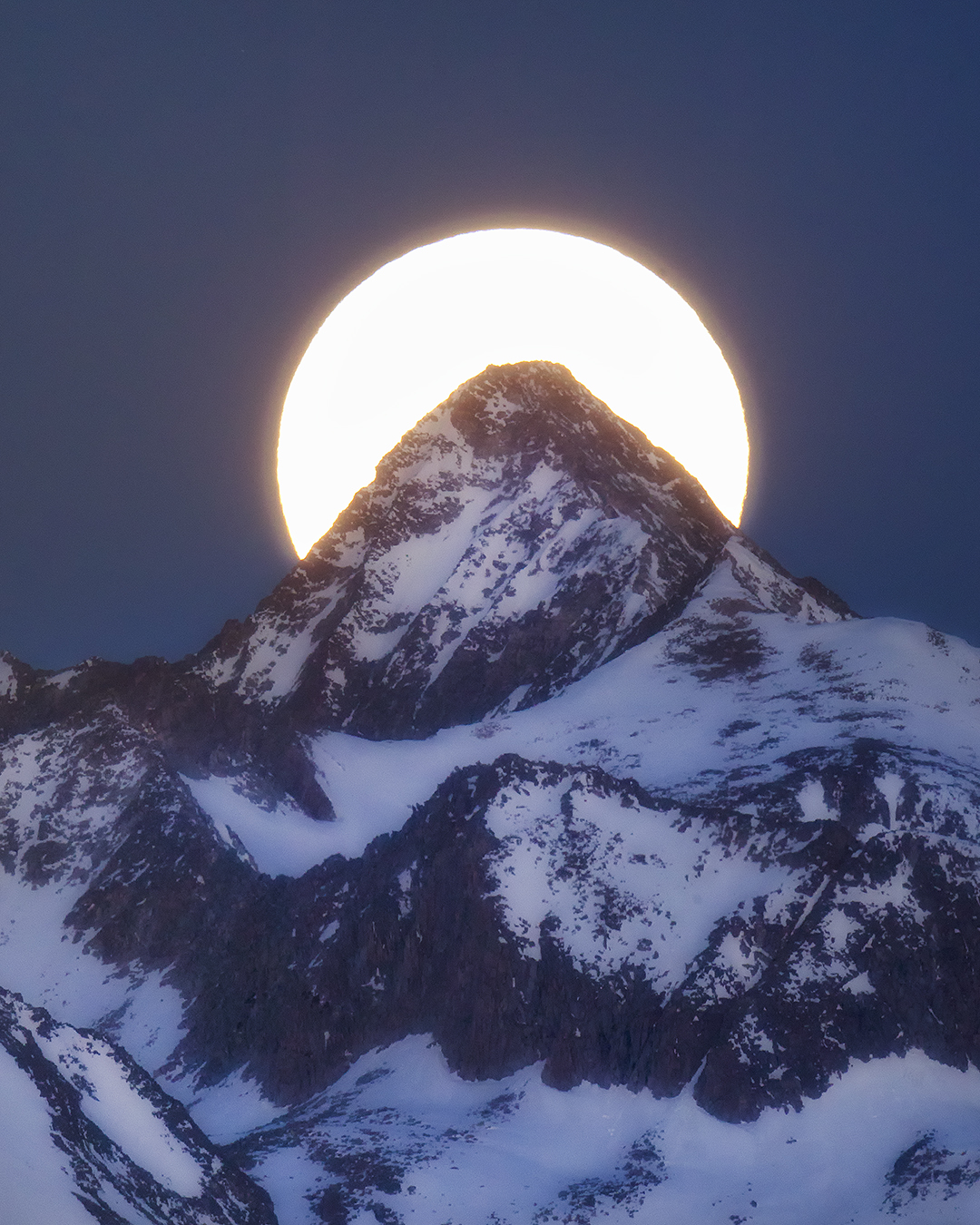
As observation improves, patterns begin to repeat. Light behaves consistently. Atmosphere changes how it travels. Distance affects contrast and color. These are not abstract ideas—they are physical processes shaping every image in real time.
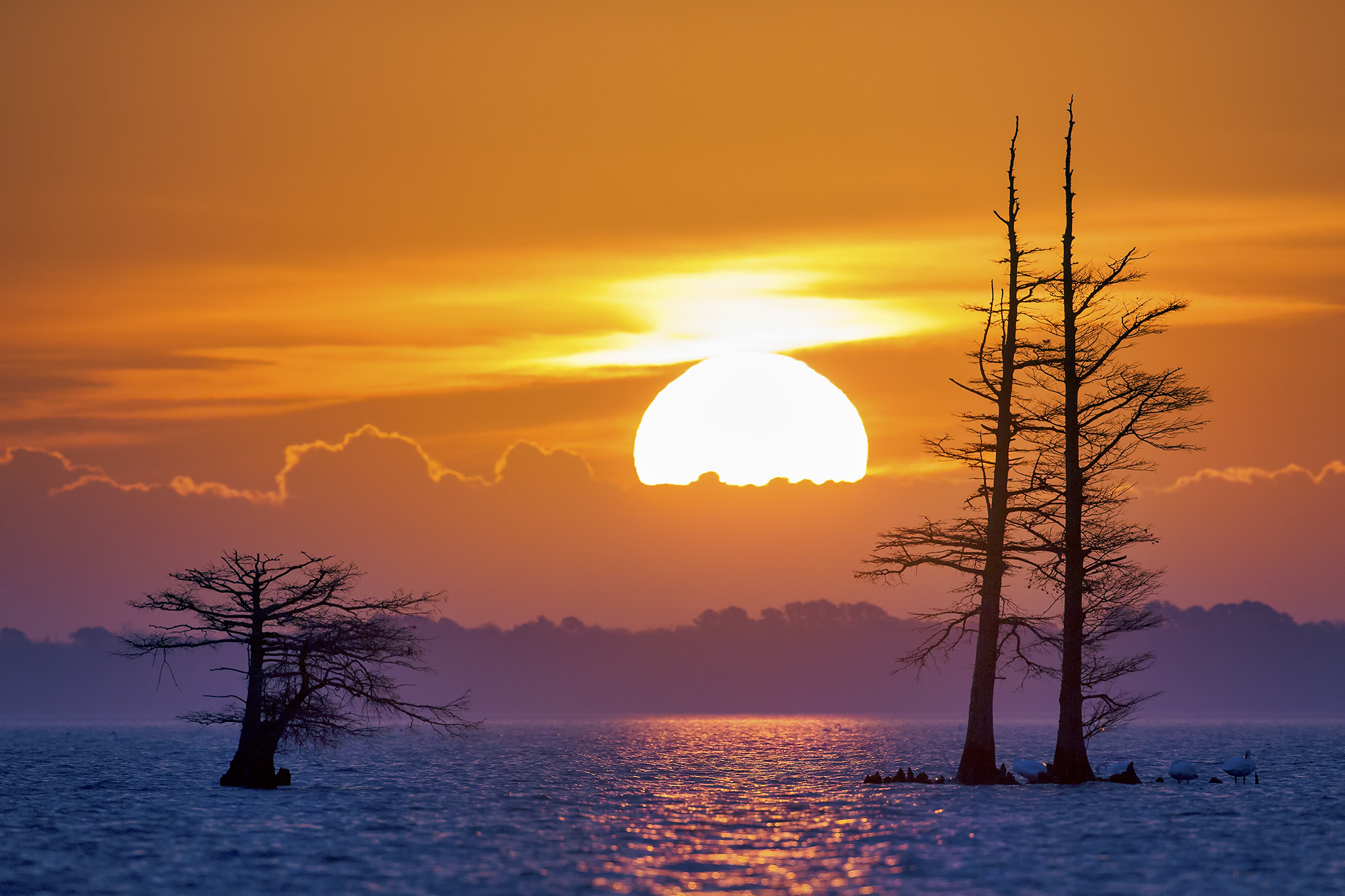
Understanding those processes adds clarity to what would otherwise feel unpredictable. A rising moon appears larger near the horizon because of perception and atmospheric distortion. Light softens as it travels through more air. Color shifts as wavelengths scatter. These are scientific realities, but they are also the foundation of visual storytelling.
This is where science strengthens art. Instead of guessing, I can anticipate. Instead of reacting, I can position myself ahead of the moment. The image becomes more consistent because it is grounded in how the environment actually works.
In deeper explorations like photons and natural patterns, I expand on these ideas—but in the field, it always comes back to the same principle: understand what the light is doing, and the image will follow.
“The more clearly you understand the environment, the less you need to force the photograph.”
Environmental Advocacy — Protecting What the Field Reveals
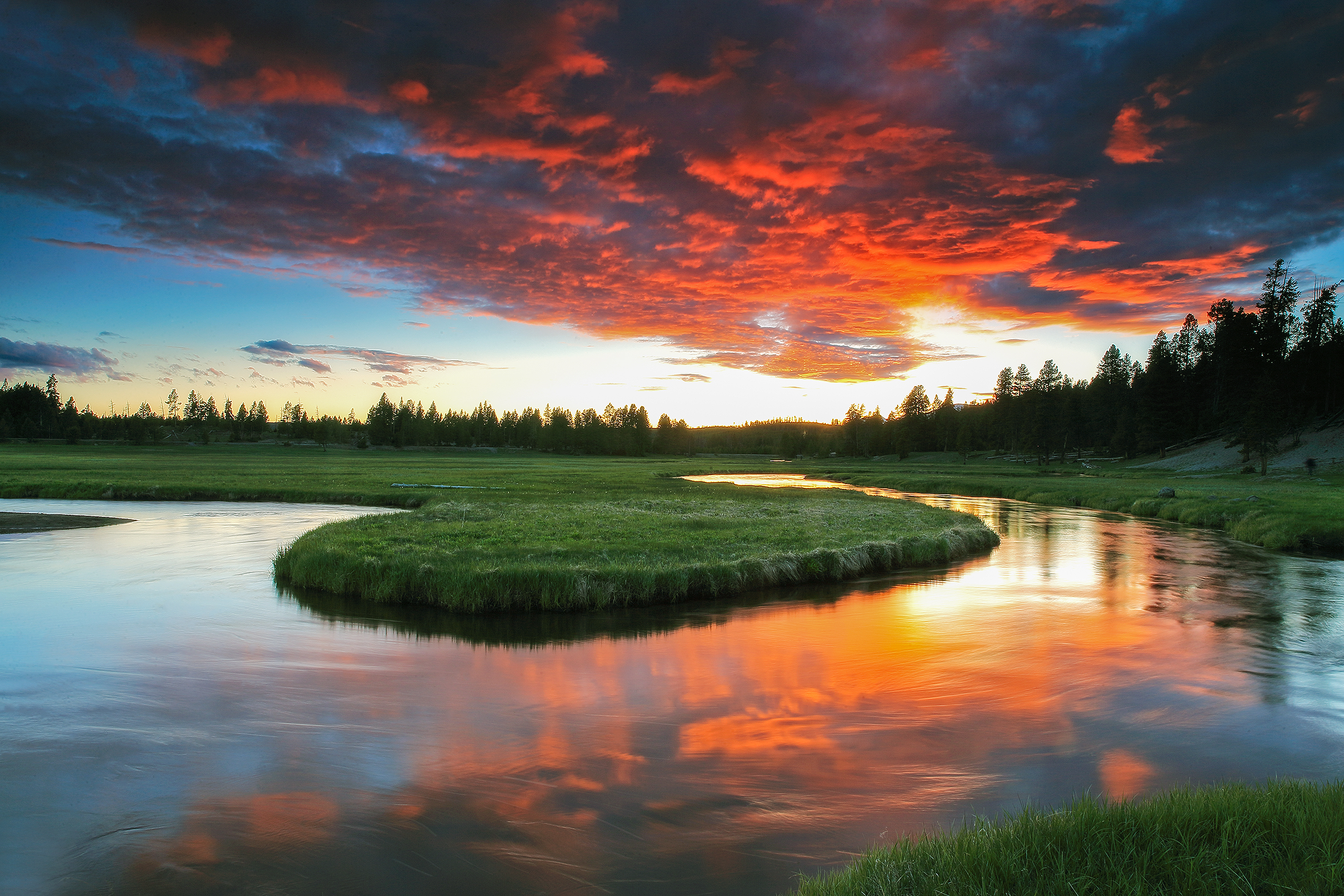
The more time spent in the field, the more one thing becomes clear: these environments are not guaranteed. The conditions that create a moment—the light, the water, the behavior, the balance—depend on systems that can be disrupted or lost.
Photography becomes more than documentation at that point. It becomes evidence. A record of places functioning as they should. Rivers flowing clean. Wildlife behaving naturally. Ecosystems holding together without visible strain.
Through work connected to wildlife conservation and field observation, the goal is not just to show beauty—but to reinforce what healthy environments actually look like. When people recognize that baseline, they are more likely to notice when something changes.
Strong images can create awareness, but awareness only matters if it leads to protection. The field gives us the reference point. Photography helps carry that reference beyond the place where it was experienced.
“You protect what you understand. You understand what you’ve truly observed.”
Water & Frequencies — Reading Motion, Reflection, and Change
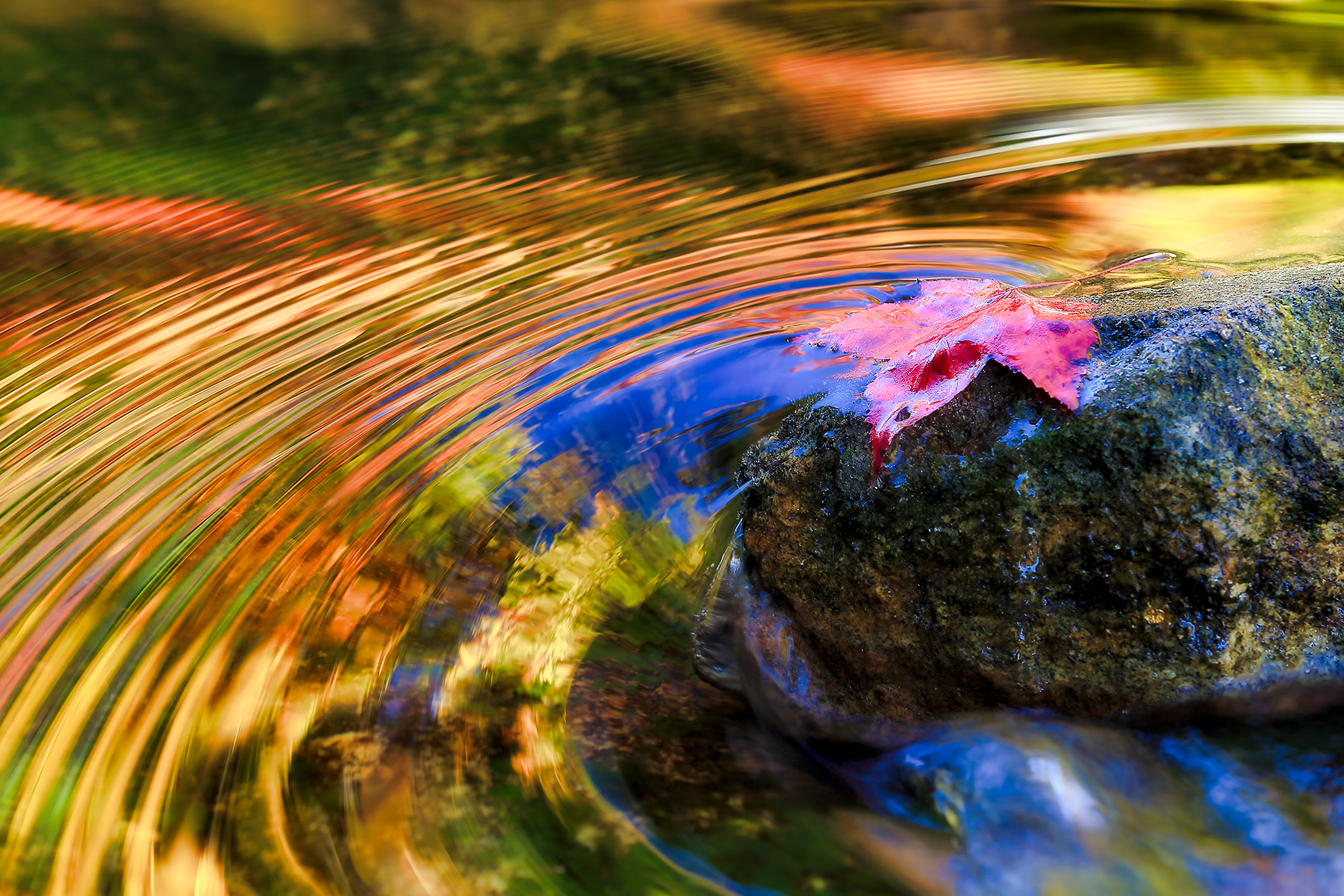
Water is one of the clearest teachers in nature photography because it is never static for long. It reflects light, carries movement, responds to wind, and changes character by the second. A still pond and a moving stream may hold the same sky, but they translate it in completely different ways.
That is why photographing water requires more than composition. It requires timing and attention to rhythm. Surface texture, current, reflection, and color all shift together. What looks simple at first often becomes one of the most dynamic parts of the field once you begin watching closely.
In my work, water often becomes the place where observation deepens into pattern. It reveals how light travels, how season changes a scene, and how motion can either clarify or dissolve form. In pieces like Water as a Photographic Book of Mirrors, I explore those ideas further, but the practical lesson is immediate: water shows you whether you are paying attention.
For that reason, water is never just background. It is often the active layer that tells the truth about the conditions—wind, light angle, season, temperature, and change. If the field is shifting, water usually reveals it first.
“Water records the field in real time. The question is whether the photographer notices what it is saying.”
Personal Journey — Learning Through Time in the Field
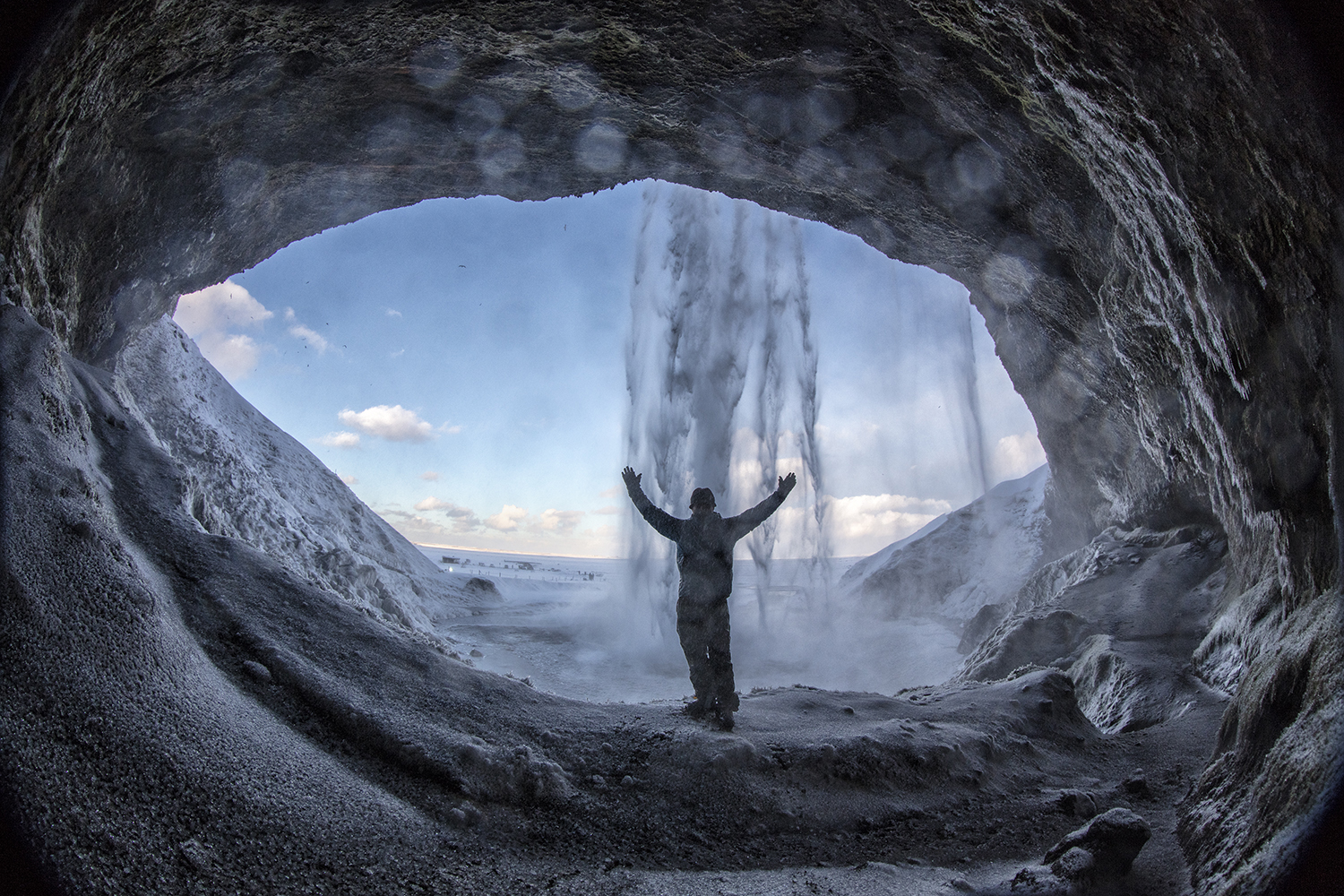
Everything in this process comes from time spent in real environments. There isn’t a shortcut to understanding how light behaves, how landscapes change, or how moments develop. It comes from returning to places repeatedly and seeing how they shift across different conditions.
Over time, patterns start to emerge. You begin to recognize when a scene is building toward something. You notice how weather, season, and time of day influence what is possible. Those observations don’t come from theory—they come from being present enough to see them unfold.
Work shared through landscape photography and field-based writing reflects that accumulation of experience. Each image builds on previous ones. Each location adds context. The process becomes less about individual photographs and more about developing a consistent way of seeing.
That consistency is what allows better decisions in the field. It reduces guesswork. It sharpens timing. It makes the difference between reacting to a moment and recognizing it before it fully forms.
“Experience doesn’t just improve photography—it improves the ability to recognize when a moment is about to happen.”
Naturepedia Connections — Follow the Deeper Patterns
This article connects to the larger Naturepedia system — a field-based knowledge network built to help readers explore how light, water, wildlife, ecosystems, and observation all relate to one another across the natural world.
Naturepedia
Start at the main Naturepedia hub to explore the full field-based knowledge system.
Wildlife Behavior & Ecology
Explore how animal behavior, adaptation, and ecology shape what can be observed in the field.
Wildlife Observation & Field Techniques
Wildlife Migration & Seasonal Patterns
See how season, timing, and movement patterns influence both photography and field understanding.
Ecosystems of North America
Understand how habitats, climate, water, and biodiversity shape the larger systems behind the image.
Field Tools
Use planning tools for light, timing, maps, and field decision-making before the moment unfolds.
This page sits at the intersection of observation, light, field knowledge, and deeper natural systems — making it a bridge between photography, Naturepedia, and your broader knowledge architecture.
Explore More — Deepen Your Understanding of Nature Photography & Science
If you want to go further, these guides and articles expand on the core ideas explored in this page—from light and behavior to deeper scientific and environmental connections.
- Captured Light — How Photons Shape Nature Photography
- How to Read Animal Behavior Through a Lens
- Wildlife Conservation — Protecting Natural Systems
- Water as a Photographic Book of Mirrors
- Hydrogen Qubits & the Unified Field
Or explore full collections in the Landscape Gallery and Wildlife Gallery.
Frequently Asked Questions — Nature Photography & Science
What does it mean to combine nature photography and science?
It means understanding the conditions behind what you’re seeing—how light behaves, how environments function, and how timing shapes the moment. Photography becomes more accurate when it’s grounded in observation and real-world systems.
Why is observation more important than camera settings?
Camera settings only affect how the image is captured. Observation determines whether the moment is worth capturing in the first place. If you understand light, behavior, and timing, the technical side becomes much easier to manage.
How does light influence nature photography?
Light defines everything—shape, color, texture, and mood. The angle, intensity, and quality of light determine whether a scene appears flat or dimensional. Learning to read light is one of the most important skills a photographer can develop.
Do you need to understand science to take better nature photos?
You don’t need formal training, but understanding basic principles—like how light moves, how atmosphere affects color, and how environments change—will improve consistency and decision-making in the field.
What role does timing play in photography?
Timing is critical. The difference between an average image and a strong one often comes down to seconds. Recognizing when conditions are aligning—and waiting for that moment—is what separates reactive shooting from intentional photography.
How does photography connect to environmental awareness?
Photography captures what healthy systems look like. When people see intact ecosystems, natural behavior, and clean environments, they develop a clearer reference point—and that awareness can lead to stronger conservation efforts.
What is the biggest mistake photographers make in nature?
Moving too quickly. Rushing into a scene without understanding it often leads to missed moments or disrupted conditions. Slowing down and reading the environment first leads to better results.
How can beginners improve their nature photography?
Focus on observation before equipment. Spend time watching light, weather, and behavior. Learn how scenes change over time. The more you understand what you’re seeing, the stronger your images will become.
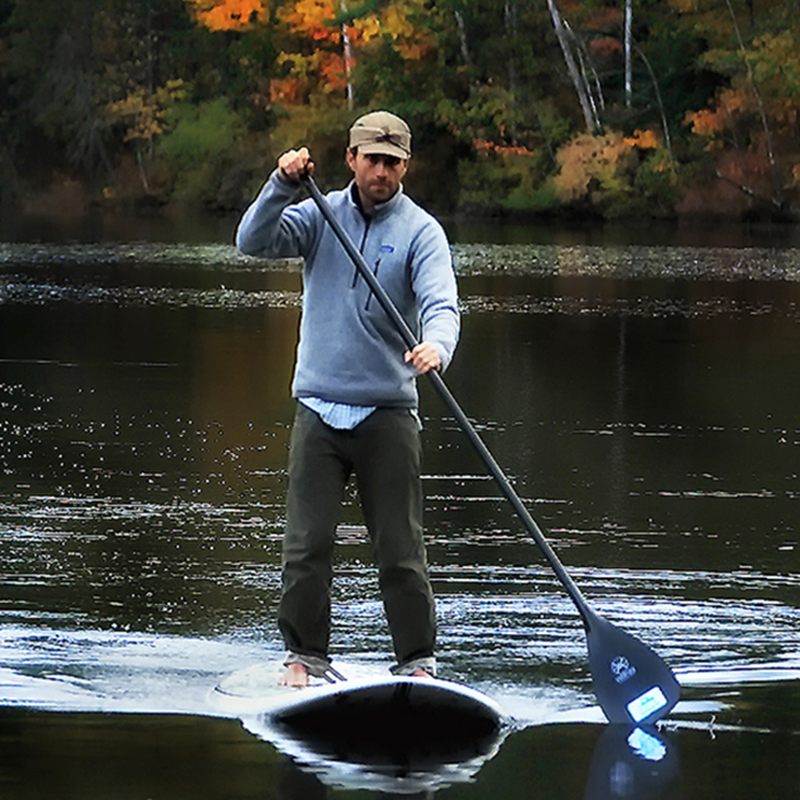
About Robbie George
I’m Robbie George, a National Geographic–published nature photographer whose work is grounded in field observation, timing, and a deep respect for how nature actually functions. My photography grew out of years spent returning to landscapes, wildlife habitats, rivers, wetlands, and mountain environments under changing light, weather, and season.
What matters most to me is not just making strong images, but understanding the conditions behind them — how light shapes perception, how water reveals change, how animal behavior reflects awareness, and how entire ecosystems hold moments together. That field-first way of working now connects across my broader system, including Naturepedia, my Wildlife Gallery, my Landscape Gallery, and deeper writing on art, science, and pattern.
This page reflects that intersection directly: photography as a way of observing clearly, understanding more deeply, and helping people reconnect with the living systems around them. My goal is to create work that is visually strong, ecologically grounded, and meaningful long after the moment has passed.
Explore more through Start Here, Explore Nature Themes, Fine-Art Print Knowledge, and the Field Tools hub.
“The more faithfully we read the field, the more honestly the photograph can speak.”