
Trumpeter Swan: America's Largest Waterfowl Unveiled
Trumpeter Swan: The Return of a Wetland Giant
On This Page
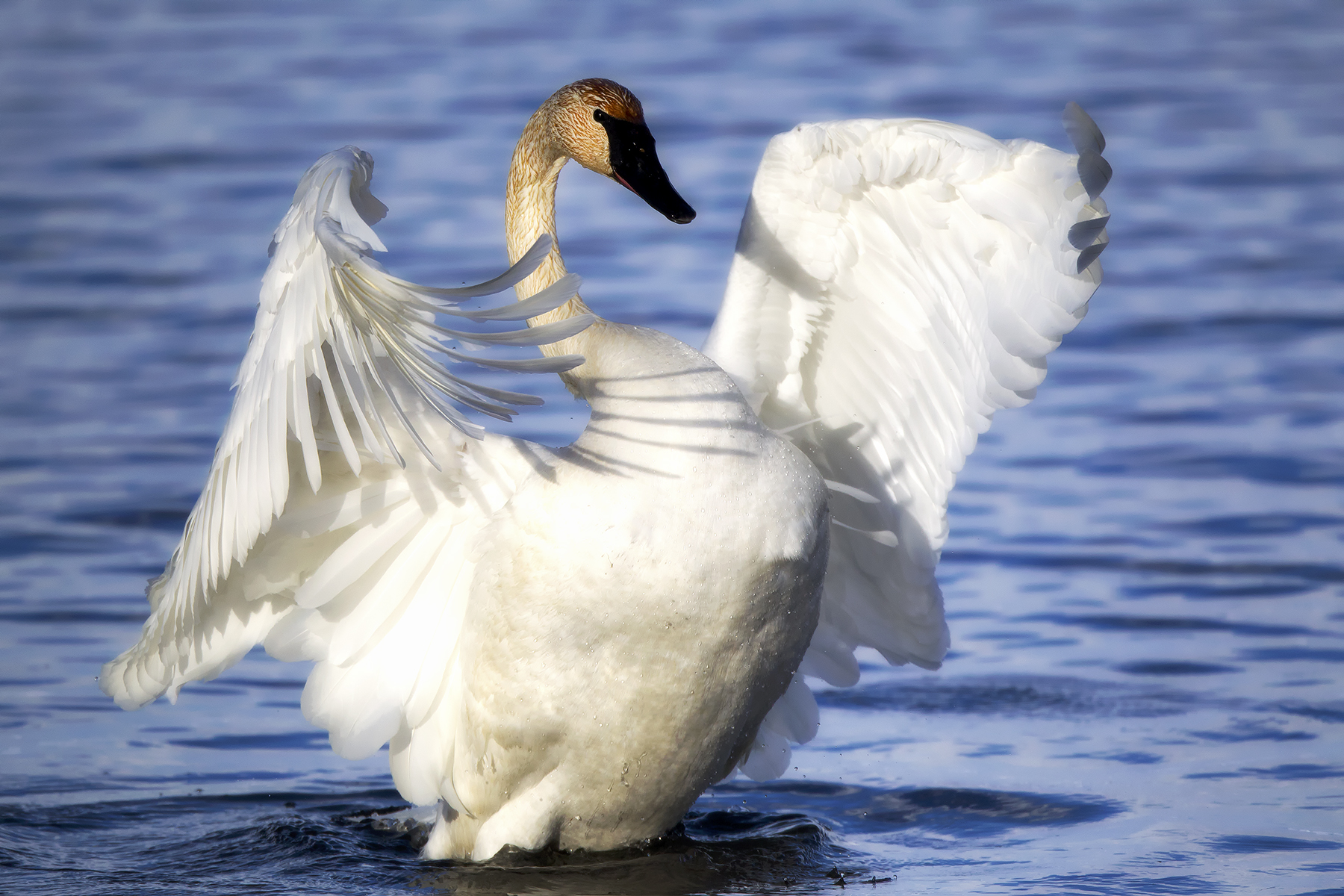
Few birds carry presence the way a Trumpeter Swan does. Standing at the edge of a still marsh or gliding across reflective water, it brings together size, sound, and calm in a way that feels almost elemental. The white body catches light, the black bill defines the face, and the long neck moves with a steadiness that makes the whole wetland seem quieter around it.
This is North America’s largest native waterfowl, but the species is more than a superlative. It is also one of the strongest examples of what wetland conservation can restore. Once pushed close to disappearance by hunting and habitat loss, the Trumpeter Swan now stands as a reminder that recovery becomes possible when breeding habitat, wintering areas, and migration pathways are protected over time.
In the field, swans reveal themselves slowly. You notice how they feed in shallow water, how pairs stay coordinated, how calls carry across distance, and how family groups move with a kind of learned rhythm. Those patterns connect directly to the larger system explored through Waterfowl & Wetland Birds, Wildlife Behavior & Ecology, and Wildlife Conservation & Habitat.
The Trumpeter Swan is not just a beautiful bird to watch. It is a species that helps us read wetlands more clearly — their health, their seasonal timing, and the fragile continuity required for life to return. That field reality is where the page begins, and from there the larger system becomes visible.
“A Trumpeter Swan does not just enter a wetland — it reveals whether the wetland is still alive enough to receive it.” — Robbie George
Habitat: Wetlands That Hold Water, Light, and Life Together
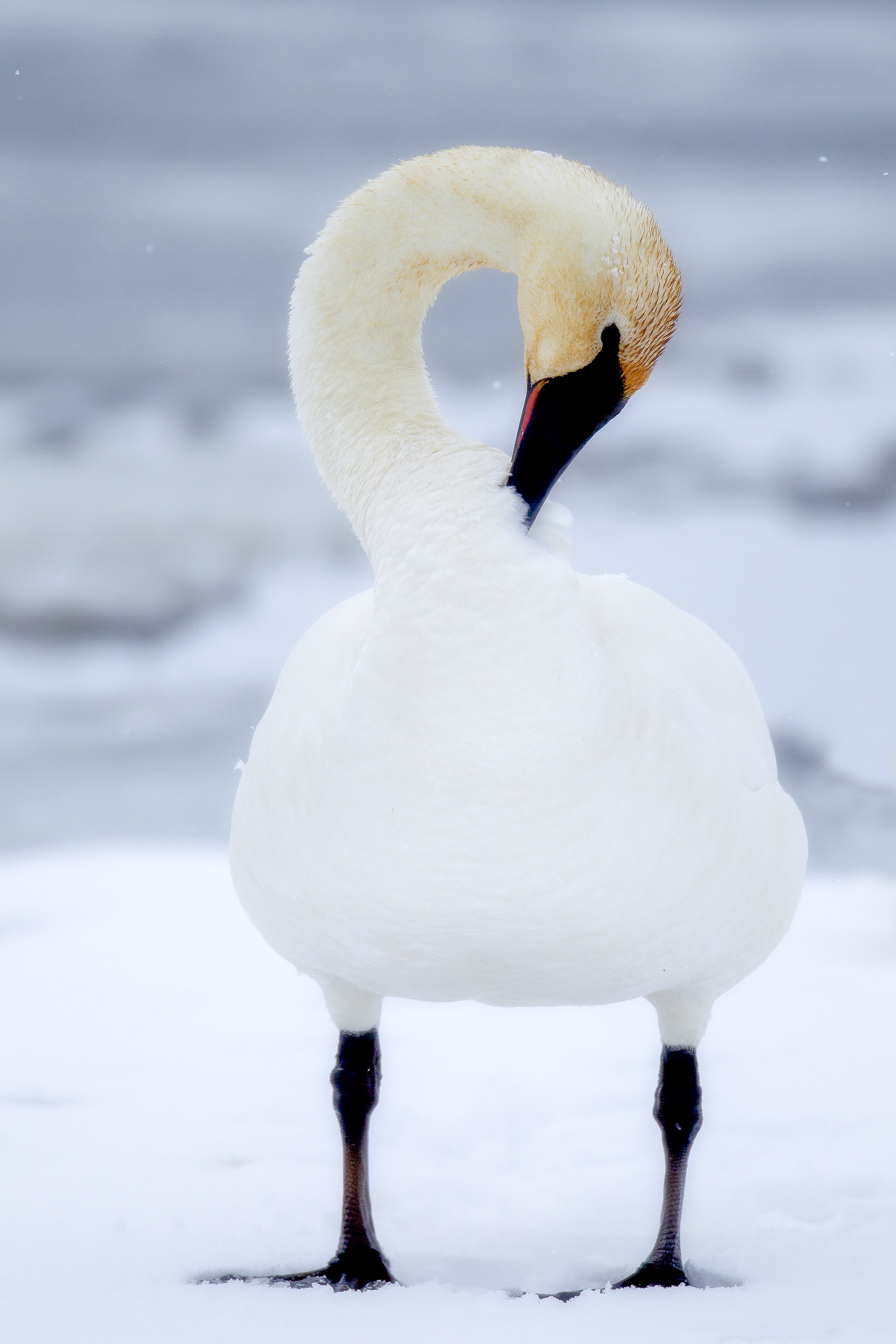
The Trumpeter Swan is a wetland-dependent species, meaning its survival is tied directly to the quality and stability of lakes, marshes, rivers, and shallow freshwater systems. These are not just places where swans are found — they are environments that provide food, nesting structure, visibility, and protection across seasons.
During the breeding season, swans favor remote northern wetlands with minimal disturbance and abundant aquatic vegetation. These areas provide space for nesting, raising cygnets, and maintaining territory. In winter, populations shift toward open water habitats that remain unfrozen, including large lakes, river systems, and protected wetland complexes where food remains accessible.
This habitat dependency connects directly to your Wildlife Habitats & Ecosystem Zones and Ecosystems of North America systems, where wetlands are understood as dynamic environments that support biodiversity, regulate water, and anchor entire food webs.
When wetlands are drained, fragmented, or degraded, swans lose more than space — they lose the continuity required for feeding, breeding, and seasonal movement. Protecting habitat is not optional for this species. It is the foundation of everything that follows.
“A wetland is not a backdrop. It is the system that decides whether a species can remain.” — Robbie George
Behavior: Calm Presence, Strong Bonds, and Wetland Awareness
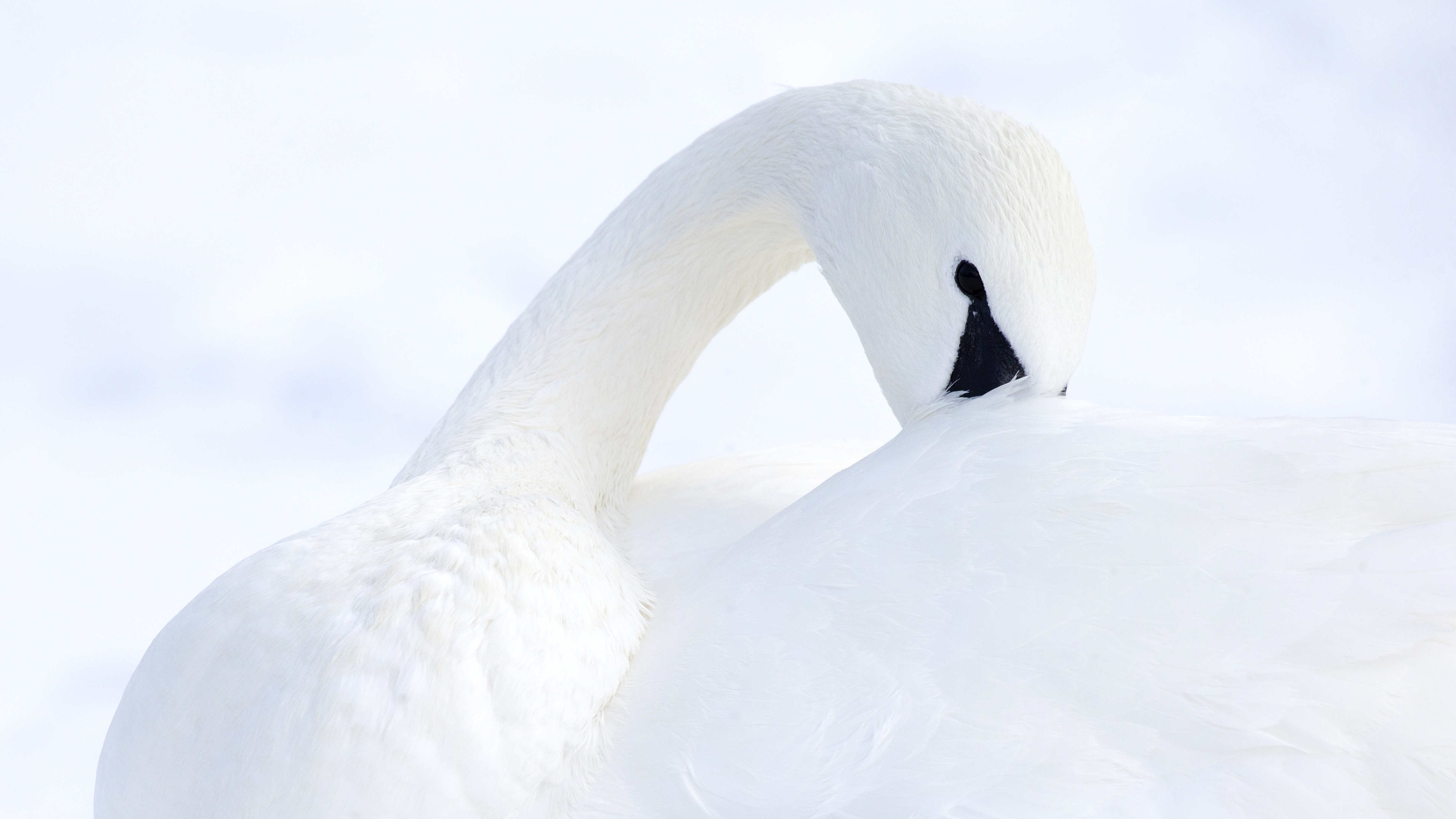
The Trumpeter Swan moves with a kind of calm authority that reflects its place in the wetland system. Unlike smaller waterfowl that cluster in large, fast-moving groups, swans often exist as pairs or family units, maintaining space and awareness across open water. Their behavior is slow, deliberate, and highly tuned to their surroundings.
One of the most defining aspects of their behavior is pair bonding. Trumpeter Swans form long-term, often lifelong partnerships. You’ll see this in synchronized swimming, mirrored movements, and coordinated feeding patterns. These behaviors are not just visual — they are functional, reinforcing communication, territory, and reproductive success.
Their awareness extends beyond social interaction. Swans maintain strong vigilance, especially during breeding season, where territory becomes critical. A raised head, slight wing lift, or change in posture can signal alertness or boundary defense — subtle but effective behaviors that help protect nests and young.
These patterns connect directly to your Wildlife Behavior & Ecology system, where behavior is understood not as isolated action, but as a response to habitat, season, and ecological relationships. The swan’s calm is not passive — it is adaptive.
“Stillness in the wild is rarely inactivity. It is awareness held in balance.” — Robbie George
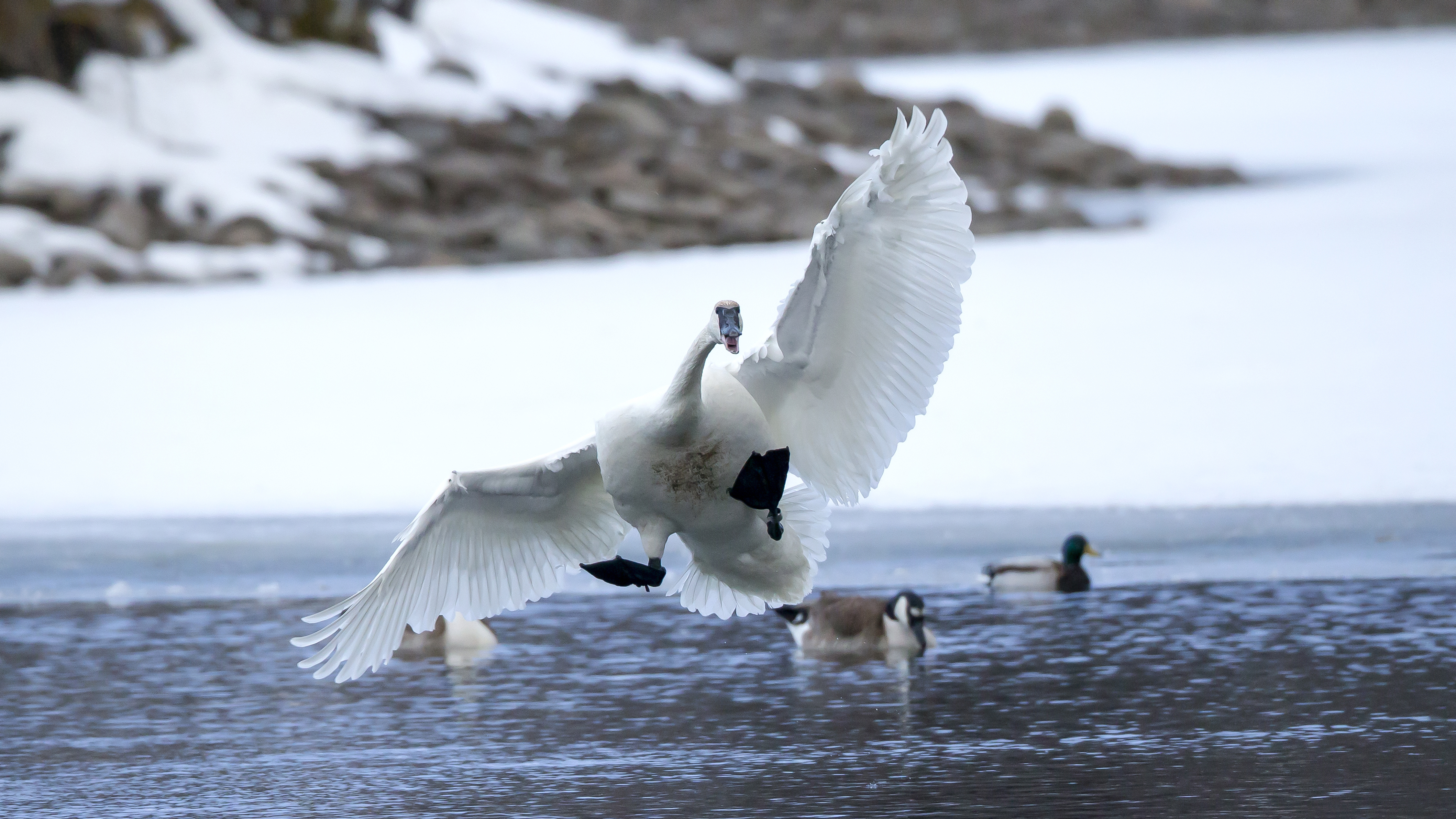
Diet: Aquatic Vegetation and the Role of Wetland Food Systems
The Trumpeter Swan is primarily herbivorous, feeding on submerged and emergent aquatic vegetation that grows in healthy wetland ecosystems. Using its long neck, the swan reaches below the water’s surface to pull up pondweed, wild celery, sedges, and other plant species that form the foundation of its diet.
This feeding method — often called “dabbling” or “upending” — allows swans to access plant life in shallow water while maintaining visibility and balance above the surface. It’s an efficient system that works only when water levels, plant growth, and seasonal timing remain aligned.
In colder months, when wetlands freeze or vegetation becomes limited, swans adapt by grazing on grasses and agricultural grains in nearby fields. This seasonal flexibility helps sustain them, but it also reinforces how closely their survival is tied to landscape conditions across both natural and human-influenced environments.
Their role within the ecosystem extends beyond feeding. As they forage, swans help cycle nutrients, disperse plant material, and maintain aquatic vegetation balance. This connects directly to your Food Webs & Ecological Relationships system — where even large, visible species like swans contribute to the subtle processes that keep wetlands functioning.
“What a species eats is not just diet — it is a map of the system that sustains it.” — Robbie George
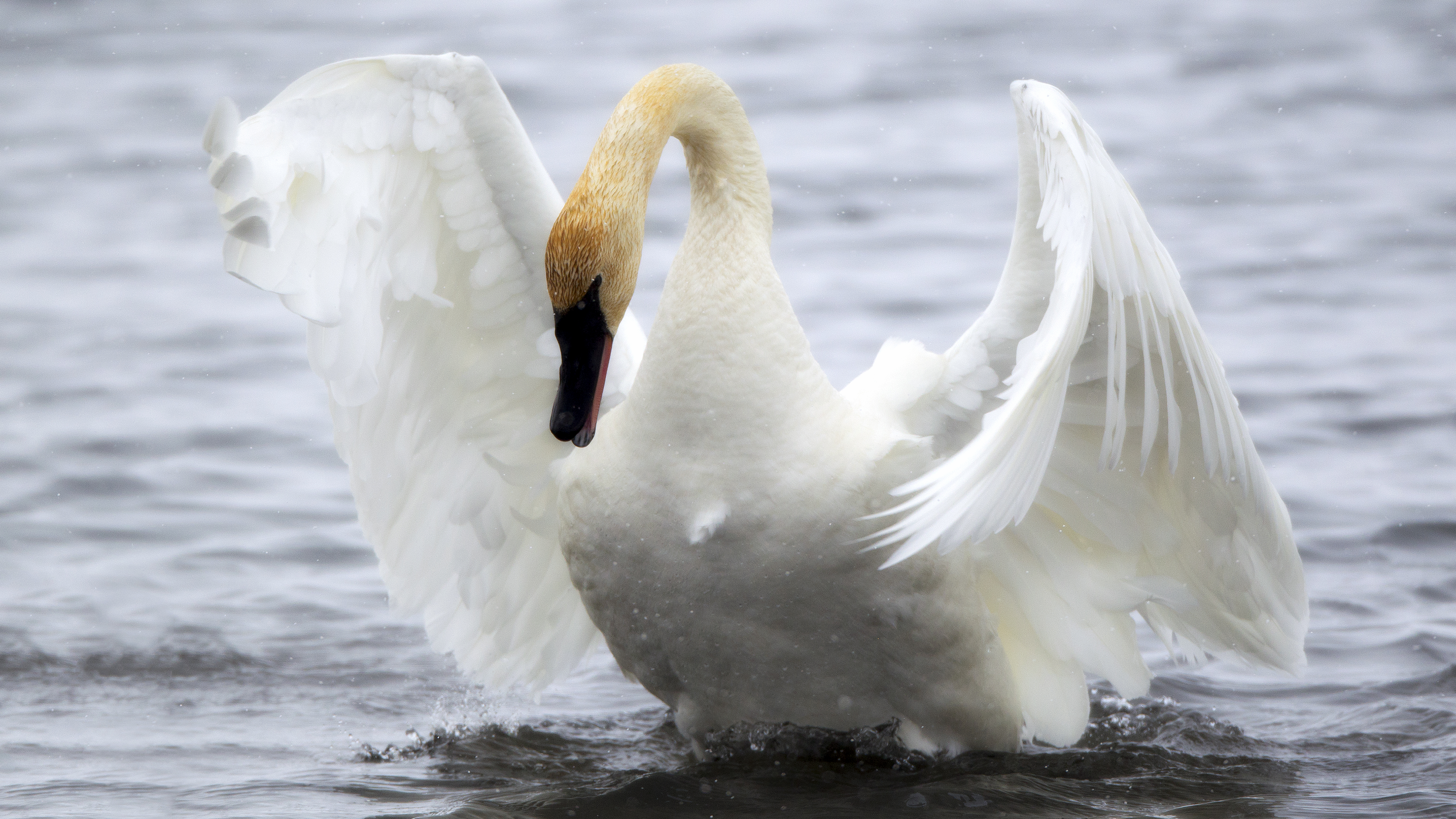
Breeding: Lifelong Bonds and the Continuity of Wetland Life
The Trumpeter Swan is known for forming strong, often lifelong pair bonds — a foundation for successful breeding and raising young in demanding wetland environments. Courtship is expressed through synchronized movement, mirrored posture, and vocal duets that reinforce connection between mates.
Nesting typically begins in early spring, with pairs selecting shallow, protected wetland areas where they build large nests from reeds, grasses, and aquatic vegetation. These nests are often positioned in or near water, providing both access to food and a level of protection from terrestrial predators.
A typical clutch consists of 4–6 eggs. While the female incubates, the male remains nearby, maintaining vigilance and defending the territory. After hatching, cygnets are able to swim quickly, but they remain closely dependent on their parents for warmth, guidance, and protection during the early stages of life.
This stage of life highlights one of the most sensitive points in the swan’s cycle. Breeding success depends on stable water levels, minimal disturbance, and strong habitat quality — reinforcing the importance of your Wildlife Conservation & Habitat system, where protecting breeding environments ensures the continuation of future generations.
“In the raising of young, the health of the entire system becomes visible.” — Robbie George
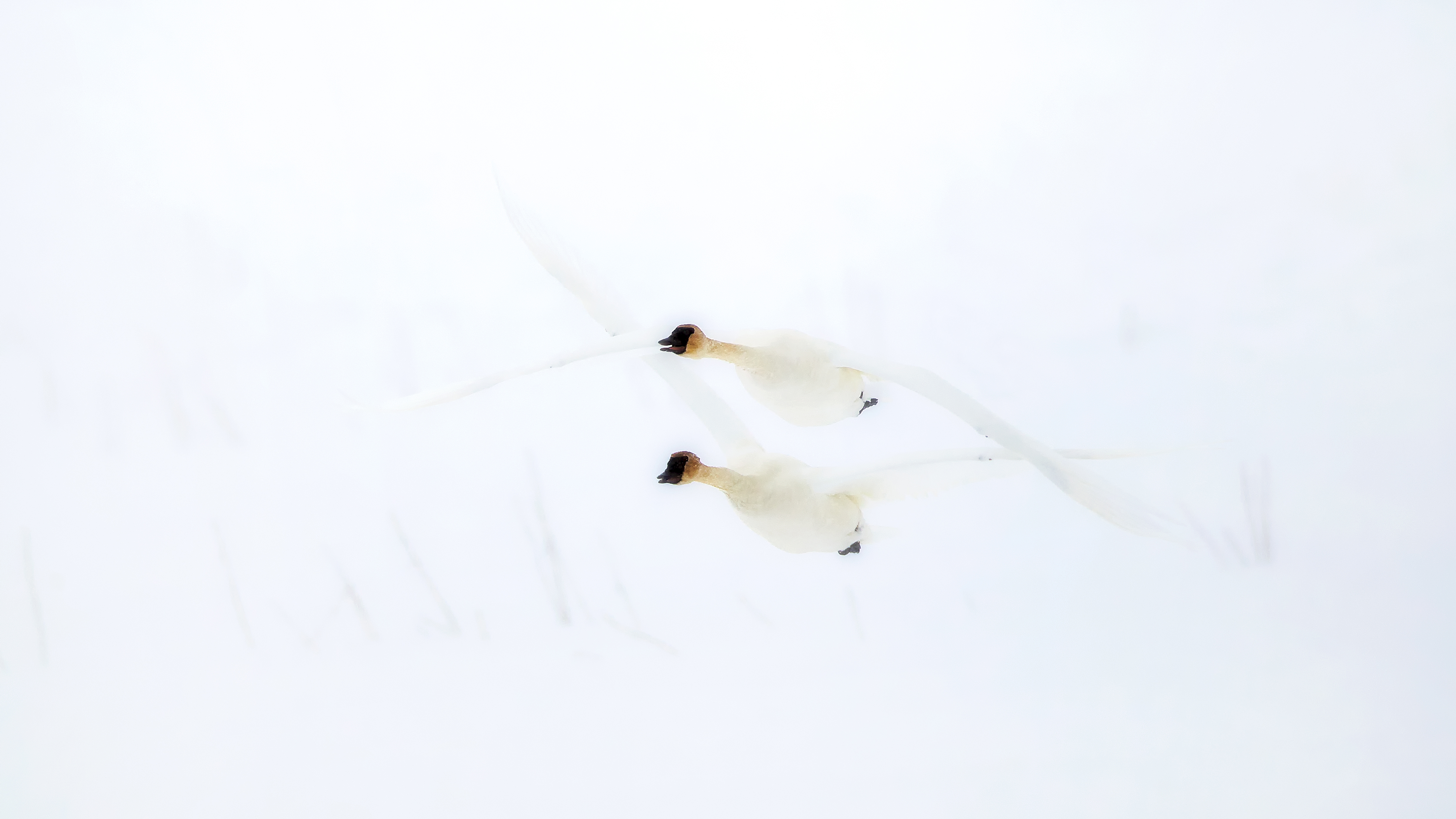
Conservation: From Near Silence to a Measured Return
The story of the Trumpeter Swan is one of North America’s most meaningful conservation recoveries. By the early 1900s, populations had been reduced to a small number of birds due to overhunting and widespread wetland destruction. For a time, it was believed the species might disappear entirely.
What followed was a long-term effort to reverse that trajectory. Habitat protection, reintroduction programs, regulated hunting policies, and coordinated conservation work across the United States and Canada helped stabilize and rebuild populations. Today, Trumpeter Swans are once again present across parts of their historic range.
Despite that progress, the species still depends on intact wetlands, clean water systems, and responsible land use. Lead poisoning from fishing tackle, habitat fragmentation, and human disturbance continue to pose risks, especially during breeding season.
This recovery aligns directly with your Wildlife Conservation & Habitat and Biodiversity & Ecosystem Balance systems — where protecting habitat leads to measurable return, but long-term stability still depends on continued stewardship.
“Recovery is not the end of a story. It is the beginning of responsibility.” — Robbie George
Naturepedia Connections: Trumpeter Swan in the Living System
The Trumpeter Swan is not an isolated species. It is part of a broader ecological system where wetlands, behavior, migration, and conservation all work together. Explore how this species connects across the Naturepedia Wildlife Knowledge System.
Waterfowl & Wetland Birds
See how swans fit within the broader category of North American waterfowl and wetland-dependent species.
Habitats & Ecosystem Zones
Understand the wetland systems that support swans across breeding, migration, and wintering phases.
Behavior & Ecology
Explore swan behavior, pair bonding, and how ecological conditions shape daily activity.
Food Webs & Ecological Relationships
Learn how swans contribute to nutrient cycles and plant dynamics within wetland ecosystems.
Migration & Seasonal Patterns
Understand how seasonal timing and movement shape swan distribution across North America.
Conservation & Habitat Protection
See how habitat protection and restoration enabled the swan’s return from near extinction.
In Naturepedia, species are understood through relationships. The Trumpeter Swan exists within a network of wetlands, seasonal timing, ecological interactions, and conservation systems — a living example of how protecting habitat restores both species and the balance around them.
Trumpeter Swan FAQ
These are some of the most common questions about the Trumpeter Swan — from habitat and diet to breeding, behavior, and conservation.
What is the scientific name of the Trumpeter Swan?
The scientific name of the Trumpeter Swan is Cygnus buccinator. It is the largest native waterfowl species in North America.
Where do Trumpeter Swans live?
Trumpeter Swans live in freshwater wetlands, lakes, marshes, and slow-moving river systems across North America. They are especially associated with northern breeding wetlands, protected marshes, and open water habitats that provide food, space, and nesting security.
How big is a Trumpeter Swan?
Trumpeter Swans are the largest native waterfowl in North America. Adults can weigh more than 25 pounds, and their wingspan can stretch beyond eight feet, giving them a powerful presence both on the water and in flight.
What do Trumpeter Swans eat?
Trumpeter Swans feed primarily on aquatic vegetation such as pondweed, wild celery, sedges, and other submerged plant life. In colder months, they may also graze on grasses and agricultural grain in nearby fields when wetland food becomes limited.
Are Trumpeter Swans monogamous?
Yes. Trumpeter Swans are known for forming strong, often lifelong pair bonds. These bonds are reinforced through synchronized movement, shared territory, and coordinated care during breeding and raising young.
What are the biggest threats to Trumpeter Swans?
The biggest threats include wetland habitat loss, water quality decline, lead poisoning, disturbance during nesting season, and fragmentation of the landscapes they depend on for feeding and breeding.
How did Trumpeter Swans recover from near extinction?
Recovery came through habitat protection, restoration of wetland systems, reintroduction efforts, hunting regulations, and long-term conservation work across the United States and Canada. Their return shows how species recovery depends on protecting the full ecological system, not just the bird itself.
When is the best time to observe Trumpeter Swans?
The best time depends on location, but wintering areas, spring migration, and breeding-season wetlands can all provide excellent viewing opportunities. Your Seasonal Wildlife Calendar is a natural next step for finding the best seasonal timing.
About the Author
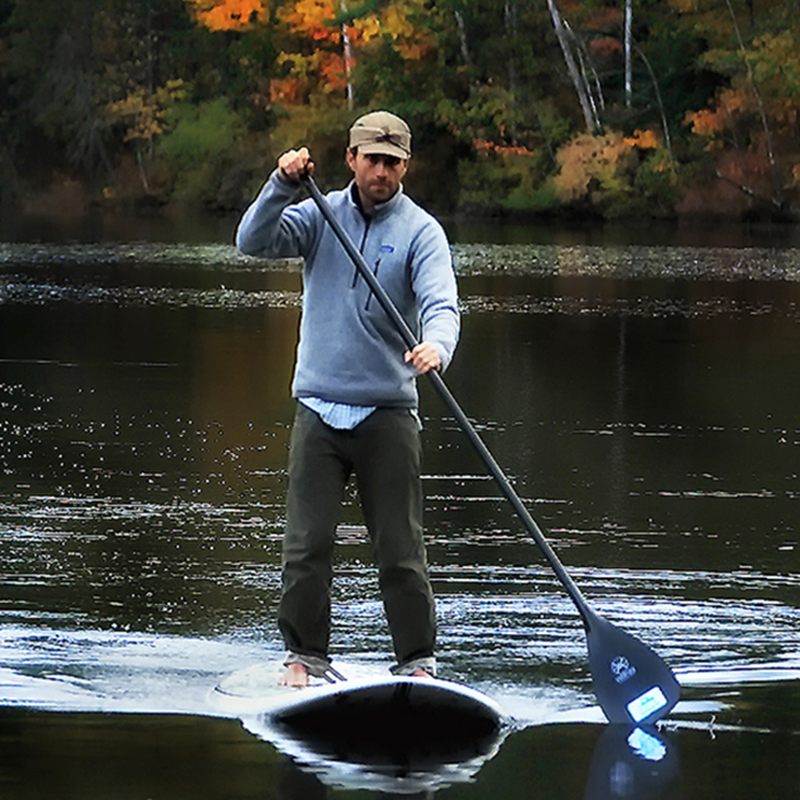
I’m Robbie George, a National Geographic-published nature photographer whose work is rooted in long hours in the field, careful observation, and a deep commitment to the habitats that shape wildlife behavior. My approach is simple: field first, system second.
Birds like the Trumpeter Swan are never just photographic subjects to me. They are part of a larger living system involving wetlands, seasonal movement, breeding behavior, food webs, and conservation. That field-based perspective is what guides Naturepedia, where photography, ecological pattern, and connected knowledge come together.
You can explore more in the Wildlife Gallery, learn more about my field background on the Fine Art Nature Photographer page, or continue deeper through Wildlife Observation Field Techniques and Waterfowl & Wetland Birds.
“Photography begins before the image. It begins with patience, attention, and learning what a place is willing to reveal.”