

Captured Light: How Photons Illuminate the Stories of Nature
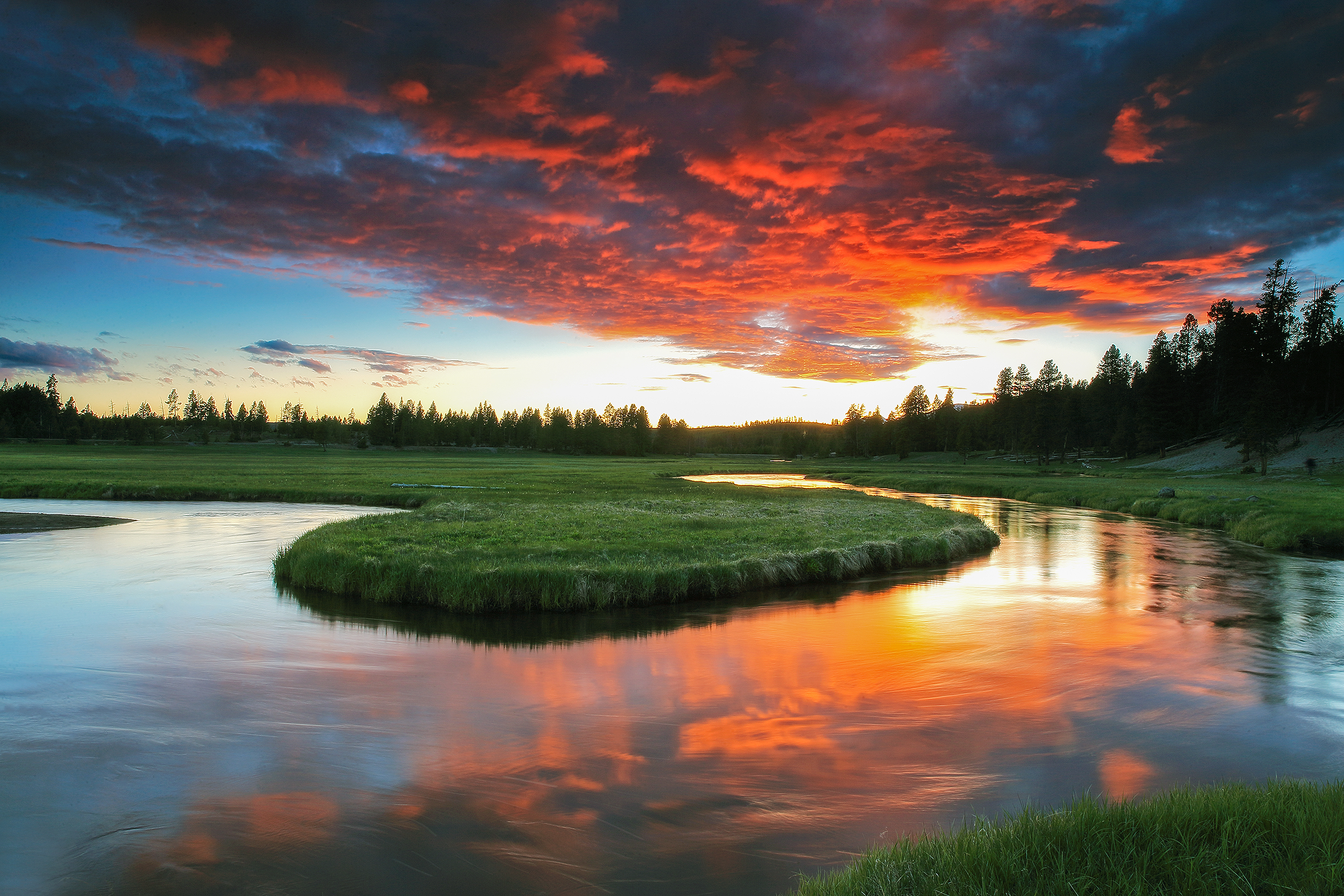
Captured Light: How Photons Illuminate the Stories of Nature in Photography
Every photograph is a conversation with a photon. In The Quantum Threads, I describe photons as not only packets of energy, but carriers of structural intelligence — shaping form, revealing symmetry, and encoding memory. They are light’s smallest units, yet they influence perception, mood, and even the shape of life itself.
Photons behave as both particle and wave — a quantum paradox that enables them to reflect, refract, and resonate. They travel across space carrying stories: the heat of a volcano, the stillness of a forest, the glow of a sunrise. In The Quantum Blueprint, I explore how this dual nature allows light to shape biological systems as much as visual compositions.
Through photography, we become translators of this light — freezing the quantum moment into a visual portal. A photon that may have traveled for thousands of years ends its journey not in disappearance, but in revelation. Through lens and timing, we reveal the photon’s memory. And through reflection, we enter the dialogue.
“Each photograph is a captured resonance — a photon’s final whisper before becoming story.” ~ Robbie George
Photons – The Quintessence of Light
A photon has no mass, yet it holds the power to carve a canyon, grow a forest, or expose a memory. It travels at the speed of light, yet carries time within it. In Photons Across Time, I explore how these light packets are more than visual — they’re vibrational messengers, shaping both matter and emotion through their spin, energy, and coherence.
In photography, photons define everything — color, contrast, texture, tone. But their role is deeper. As I’ve described in Quantum Vitality, light is the first language — shaping biological function and cellular communication long before we had words. When we press the shutter, we are not freezing a scene. We are transcribing the final message of thousands of photons whose story began in the sun.
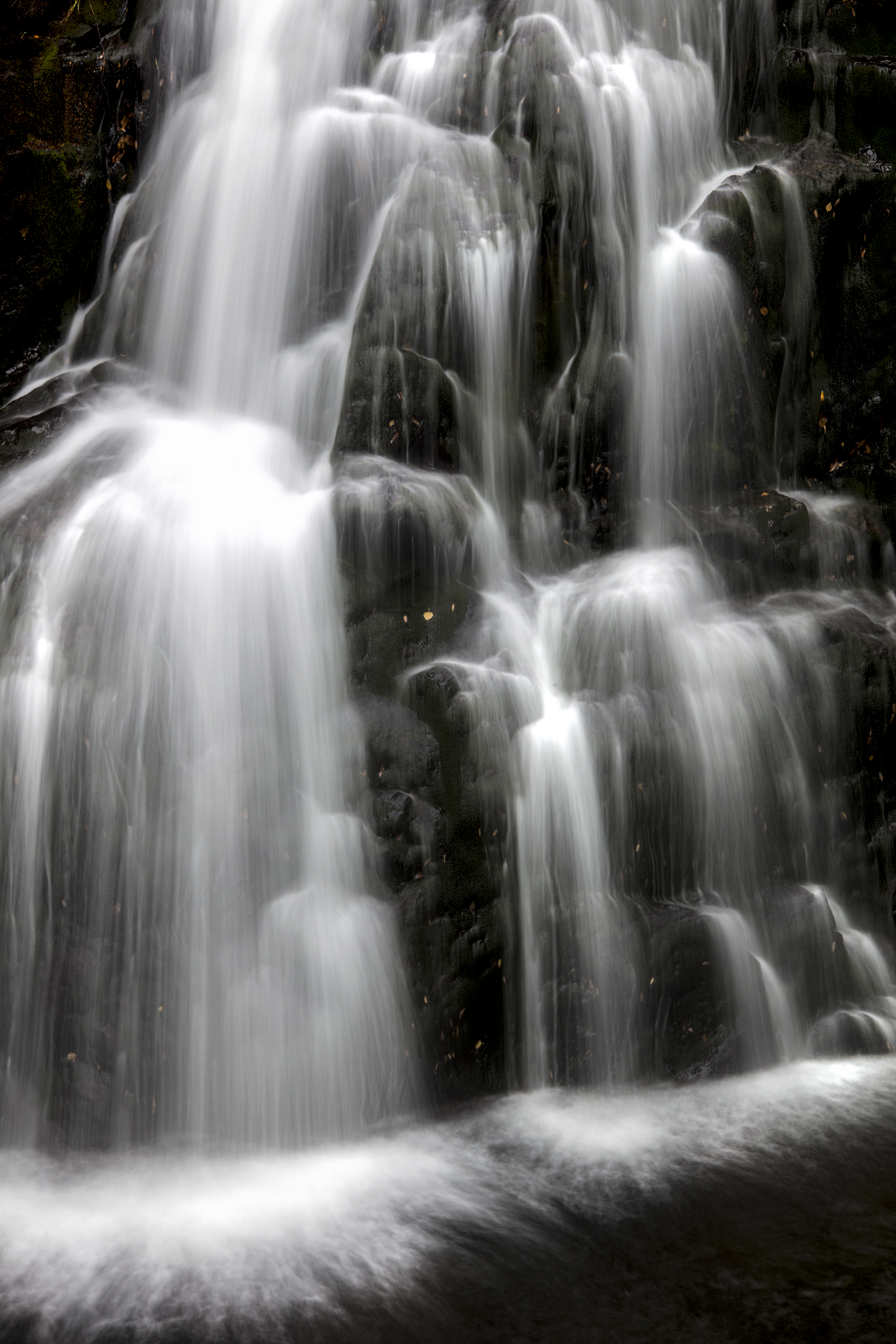
Photons and water are twin forces of memory. One carries vibrational code; the other records it. As waterfalls shimmer and flow, they bend light and encode photons with fractal geometries — visible proof of the field's structure. In The Living Code, I explore how photons reveal not just the beauty of a scene — but the symmetry, pattern, and resonance embedded in it.
“A photon is not just light — it is precision, memory, and message. It is the silent composer behind every frame.” ~ Robbie George
Photons and the Perception of Nature
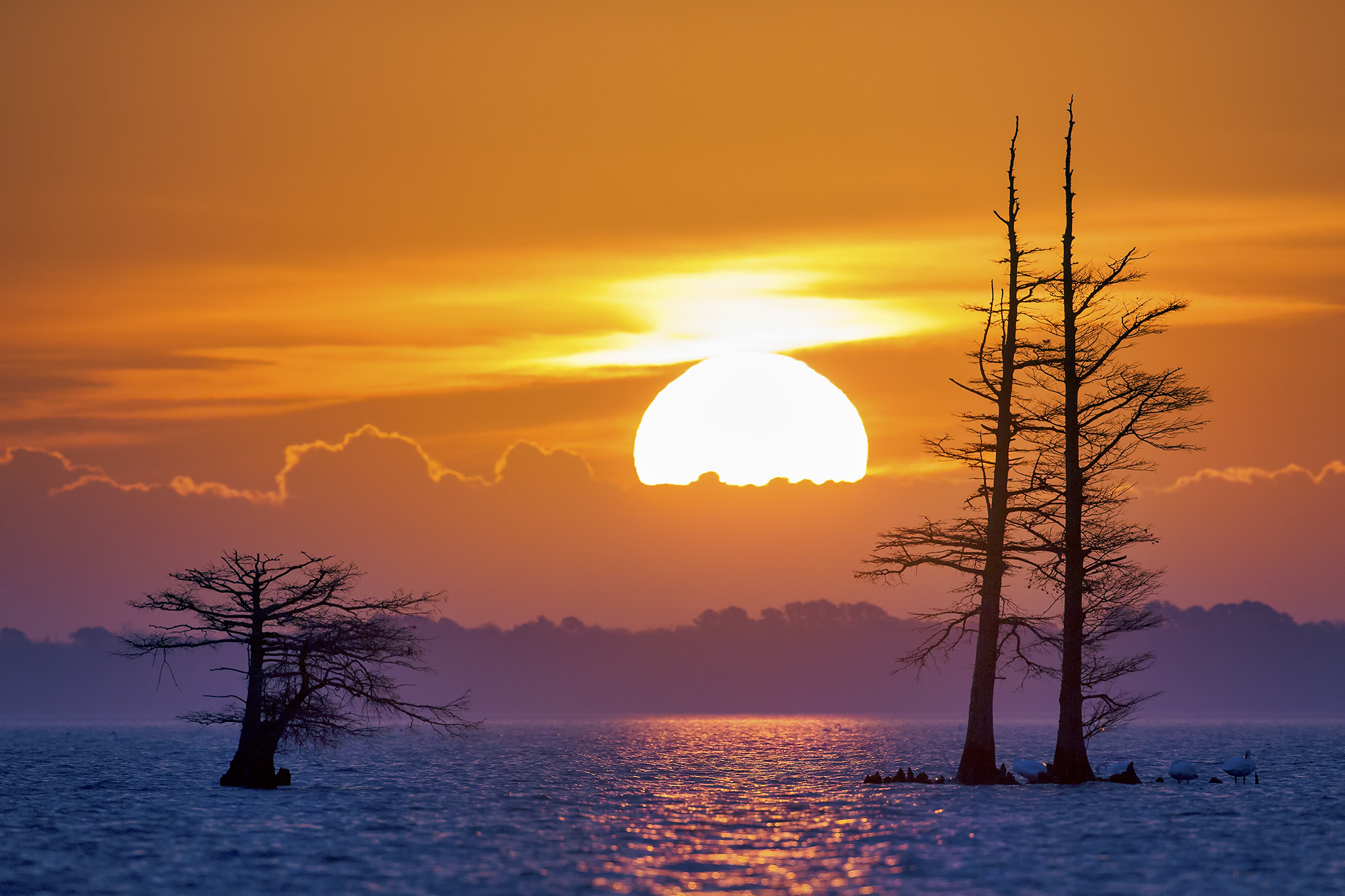
Vision is not passive — it’s vibrational. In The Spark, I reflect on how photons do more than help us see. They activate inner perception. A photon enters the eye, strikes the retina, and initiates a cascade of neural signals. But more than that, it awakens emotion, memory, and presence. This is how a sunrise becomes more than light — it becomes meaning.
Color is coded vibration. Each hue we capture or perceive is the result of a specific wavelength of light — a signature carried by photons. These colors affect us emotionally, psychologically, even physically. In Nature’s Healing Wisdom, I share how golden light opens the heart, blue tones quiet the mind, and green light harmonizes the body. Photons are not just visual tools — they are field modulators.
When we photograph nature, we don’t just capture a place — we record the resonance of a moment. In the Photon Stories series, I explore how images become memory bridges — visual records of light’s mood, structure, and timing. Through photography, we tune into nature’s emotional landscape and bring back visual harmonics that speak to others without words.
“Every beam of light is more than a color — it is a vibration, a field whisper, a key to how nature feels.” ~ Robbie George
Photons as Storytellers in Nature Photography
Photons are more than light — they are narrative strands. Every photograph is composed of millions of tiny decisions made by photons: which angle to reflect, which frequency to carry, how to soften a shadow or ignite a highlight. In Captured Light, I reflect on how this invisible dance becomes visible meaning. A photon doesn’t just hit the sensor — it whispers a visual truth.
In The Living Code, I explore how photons create patterns of coherence — golden spirals, shadow geometry, fractal echoes. These aren’t just aesthetic effects. They are the language of the field, revealed through contrast, angle, texture, and tone. Light sculpts the scene before we ever press the shutter.
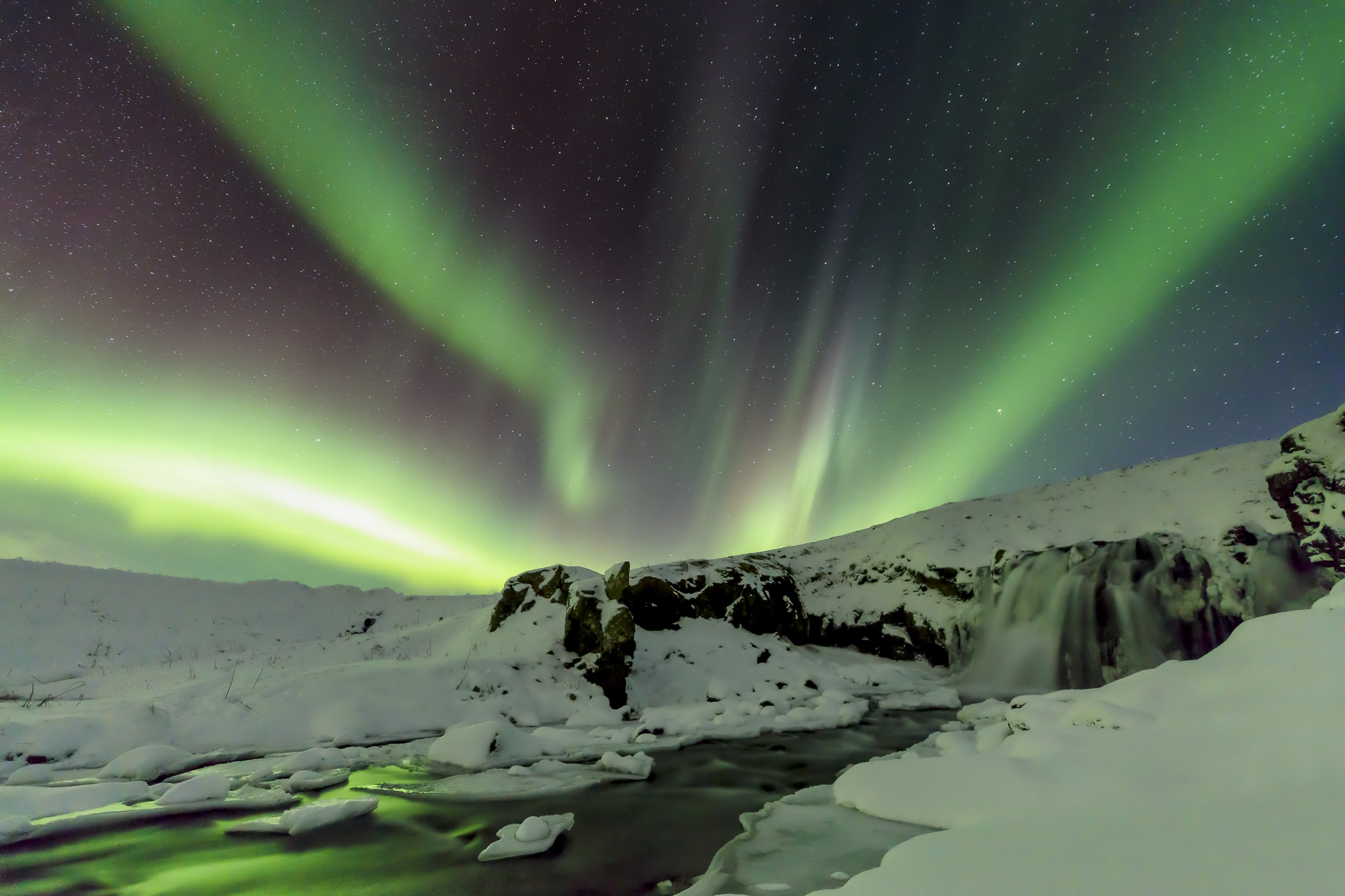
A beam of aurora light is a photon born in the solar wind — shaped by magnetism, pulled into our upper atmosphere, and released as color. When I capture it, I’m not just recording light. I’m photographing the mood of the universe. That’s the essence of Photon Stories — images that don’t just show the world, but reveal its emotional and energetic structure.
“Photons are the field’s storytellers. Photography is how we learn to listen.” ~ Robbie George
Conclusion: Light as the Final Voice
In every photograph, a photon completes its story. From the heart of a star to the surface of a flower, it travels in search of form, color, and meaning — until it lands, is received, and becomes memory. Photography is the act of honoring that journey. It is not just about what we see. It is about how we feel what light reveals.
Through the lens of nature, light becomes a mirror for the soul. It encodes pattern, emotion, rhythm, and story. When we tune in, when we pay attention to the softness of dawn or the drama of sunset, we’re not just observing — we’re witnessing the final whisper of a cosmic breath.
Call to Action
Let light guide your next moment. Watch how it curves through mist, reflects on water, or backlights a tree. Explore the Photon Stories series for deeper insights on how light sculpts the world — and how it speaks through photography.
To bring this resonance into your space, consider fine art pieces like the Sunrise, New England Waterfall, or Aurora Borealis — visual recordings of photons that spoke, and were heard.
Parting Thought
A photograph is not just a memory. It is a listening. A way of saying: I heard the light, and I understood its story.
Naturepedia Connections
This article connects to the broader Naturepedia system—where light, ecosystems, wildlife behavior, and field observation come together through photography.
- Naturepedia — the full interconnected knowledge system
- Ecosystems of North America — how light shapes landscapes and habitats
- Wildlife Behavior & Ecology — observing animals through light and timing
- Wildlife Migration & Seasonal Patterns — light-driven movement in nature
- Wildlife Conservation & Habitat — protecting natural light-driven systems
- Quantum Vitality — light and biological systems
- Water Wonders — reflections of light in nature
Explore Fine-Art Prints
Bring the season home—browse Wildlife, Landscapes, and Seascapes by National Geographic–published photographer Robbie George. See framing, editions, and care on the Collectors page.
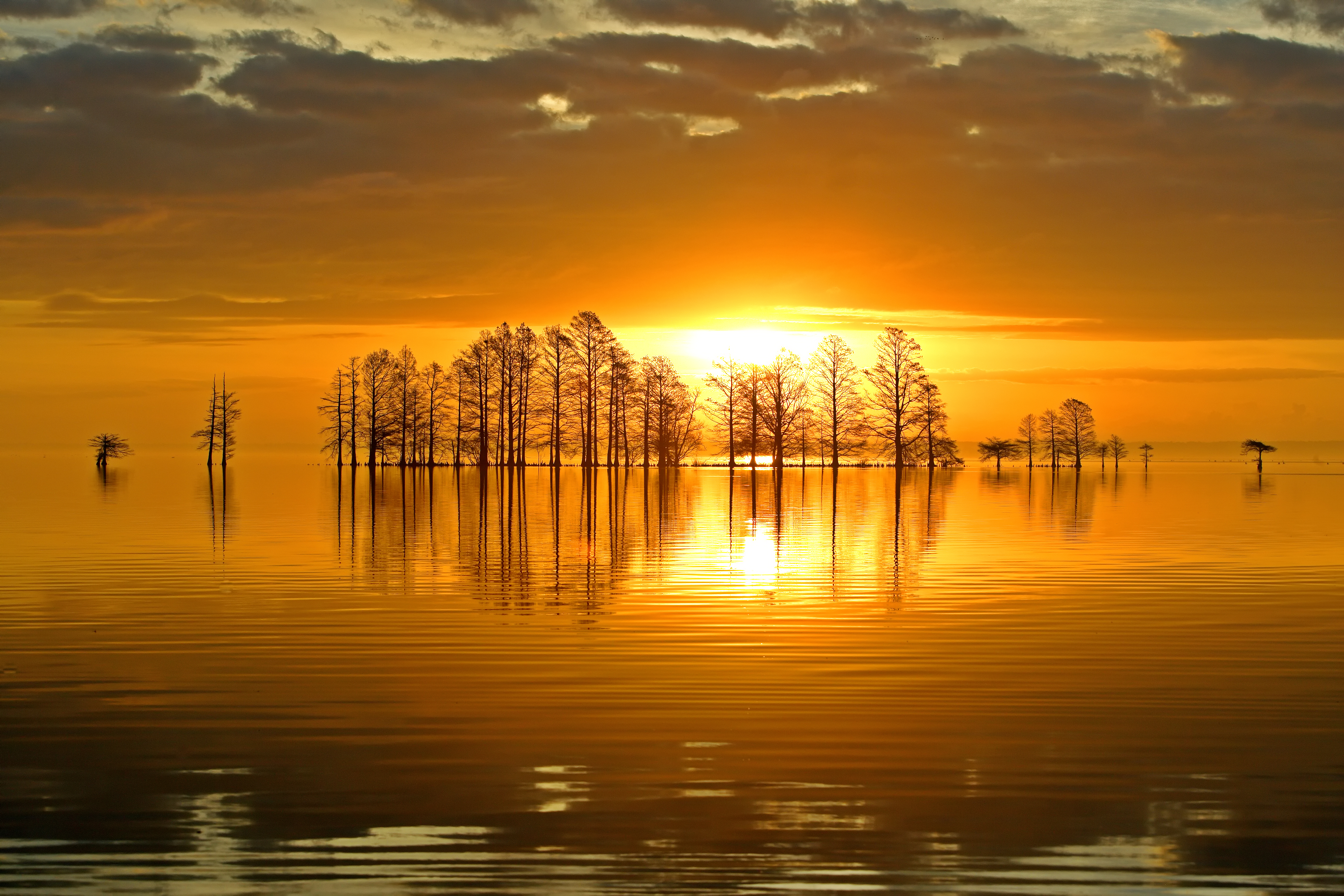 Landscape
  Wildlife
 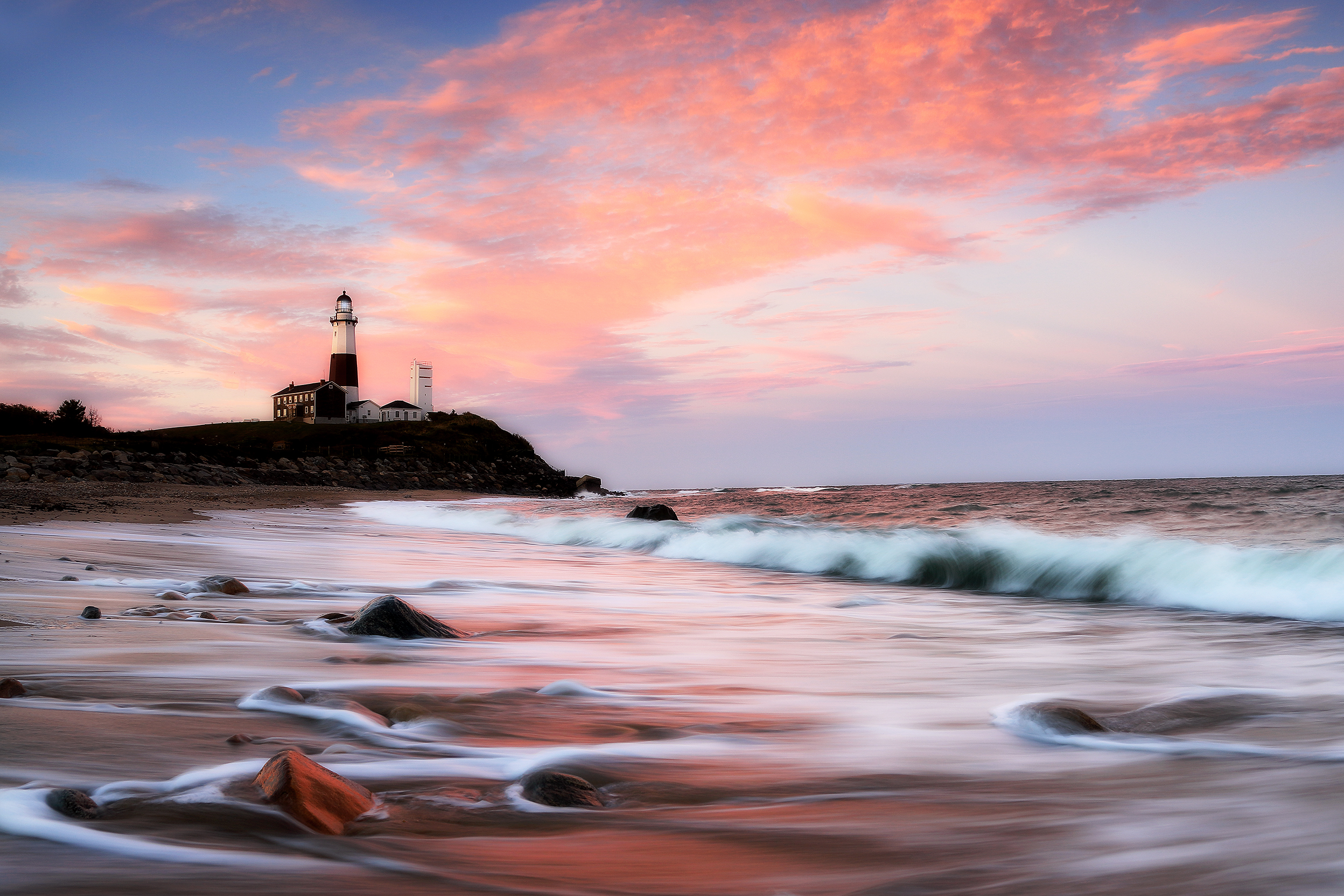 Seascapes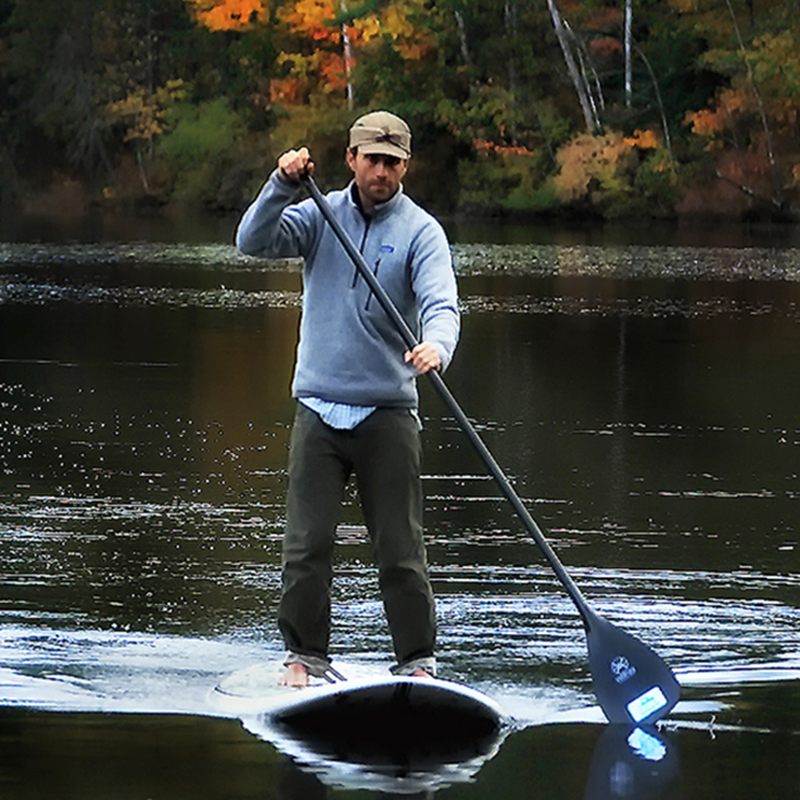
About Robbie George
Robbie George is a National Geographic–published photographer and resonant naturalist. His fieldcraft follows a simple ethic—distance first, habitat always— shaped by Slow Knowledge and the Signature Series.
Explore calm, undisturbed behavior in the Wildlife Gallery or plan your next trip with the Seasonal Wildlife Calendar, Golden Hour & Moon, and Photography Maps.
“Attention first, image second. The shutter is the period at the end of a sentence you learned by walking.”
Frequently Asked Questions
1. How do photons shape what we see in nature photography?
Photons are the smallest measurable units of light and are essential to sight. They carry information about color, intensity, and texture — making vision and photography possible. When a photon reaches a camera sensor, it is translated into a pixel, preserving its energy and story in visual form.
2. Why are photons considered storytellers in photography?
Photons do more than light a scene — they encode emotion, angle, and atmosphere. The light in a sunrise, for example, carries warmth and calm. In nature photography, capturing these subtle photonic signatures allows the image to convey mood and message without words.
3. What does the wave-particle duality of photons mean for photography?
This quantum property allows light to behave as both energy and form. In photography, it explains how light bends around objects (wave) while also creating defined exposure on a sensor (particle). Understanding this helps photographers manipulate light with more precision and creative intent.
4. How does light affect the emotional impact of an image?
Different wavelengths of light produce different colors, which evoke specific emotional responses. Warm light tends to feel peaceful or nostalgic, while cool light evokes calm or clarity. Mastering light’s quality, angle, and color is how nature photographers craft emotional resonance in their work.
5. Can understanding photons improve how I take pictures?
Yes. The more you understand how photons interact with your subject, environment, and camera sensor, the more intentional your photography becomes. You’ll begin to anticipate how light moves, how it shapes emotion, and how to use it to tell more powerful visual stories.