
Wildlife Refuge Conservation: The Essential Role of U.S. National Refuges in Protecting Biodiversity
System Context — Why National Wildlife Refuges Exist
National Wildlife Refuges exist to reduce ecological pressure at critical points in a system. They protect habitat continuity, stabilize migration timing, and allow wildlife behavior to remain intact across seasons. Without these protected nodes, movement patterns fragment, feeding cycles compress, and entire ecological relationships begin to break down.
Refuges are not isolated landscapes. They are part of a connected network of wildlife observation locations that support migration, breeding, and seasonal movement across North America. Places like Bosque del Apache, Blackwater, and Aransas are not important because they are scenic. They are important because they hold the system together at moments where it would otherwise fail.
When that system holds, behavior becomes visible again. Feeding stabilizes. Spacing returns. Movement becomes predictable. This is what makes field observation possible in the first place.
What I Am Actually Seeing
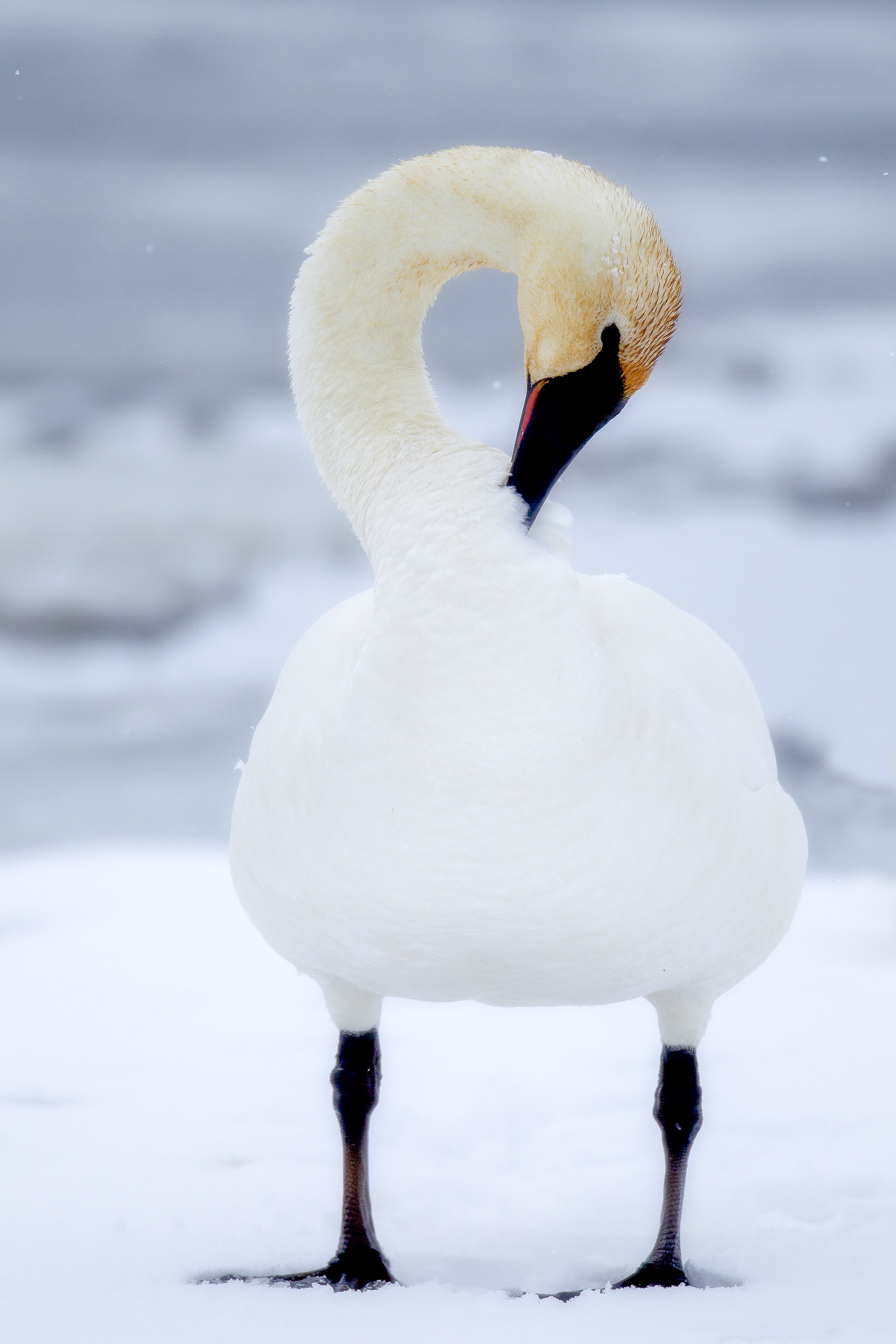
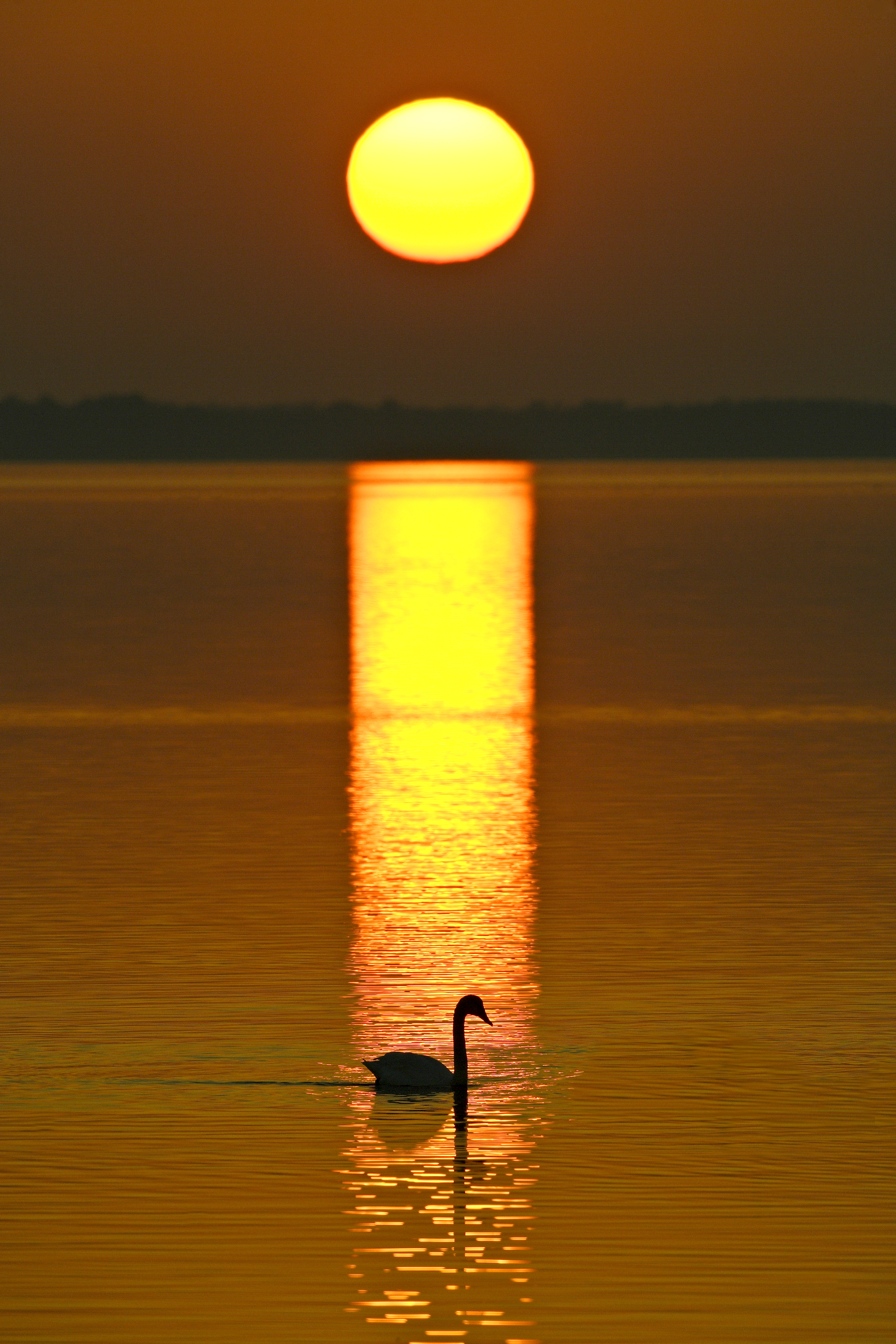
When I step into a refuge, I am not entering a viewing area. I am stepping into a system where pressure has been reduced enough for behavior to stabilize. A swan holding relaxed posture on open water is not just a moment—it is evidence that habitat, distance, and human presence are aligned. A flock maintaining spacing without compression tells me the environment is functioning correctly.
Why This Matters
If these systems break, behavior becomes compressed, migration routes fail, and wildlife is forced into less stable patterns of survival. Refuges are central to wildlife conservation and habitat protection because they preserve not just species—but the conditions those species depend on.
Everything that follows—reading behavior, making decisions, positioning correctly—depends on this baseline. If the system is intact, it can be read. If it can be read, it can be understood.
“A refuge works because the system no longer has to compensate for us.” — Robbie George
Navigate the Refuge System
Reading Behavior — What Refuges Let You See
The biggest difference I notice in a refuge is not just that wildlife is present. It is that behavior becomes readable again. This is the foundation of wildlife behavior and ecology.
In pressured landscapes, animals collapse into reaction. In a refuge, I can observe full behavioral sequences—entry, settling, feeding, scanning, and movement across habitat. This is what makes field observation techniques reliable.
Posture
Posture is the first signal. A trumpeter swan holding a relaxed neck reflects environmental stability. A sandhill crane lifting its head repeatedly reflects rising awareness or pressure.
Posture answers a critical question: is the animal settled, alert, uncertain, or preparing to leave?
Spacing
Spacing reflects system health. Waterfowl distribute naturally across wetlands. Shorebirds separate by feeding depth. Mammals maintain buffer zones. These patterns are tied directly to habitat structure and ecosystem zones.
When spacing collapses quickly, pressure has entered the system.
Movement
Movement reveals intent. Smooth movement reflects continuity—feeding, travel, or repositioning. Erratic movement reflects recalculation. This is especially visible across migration landscapes like Bosque del Apache or Lake Mattamuskeet.
Alert Signals
Small signals matter—head lifts, pauses, body angles, flock lean. These determine whether I am observing behavior or influencing it. Understanding these signals is central to ethical field positioning.
Feeding, Tension, or Stress
Feeding has rhythm. Tension interrupts it. Stress collapses it. These states are directly tied to habitat quality and conservation pressure.
Refuges allow these distinctions to remain visible, which is why they are essential for learning how wildlife systems actually function.
“The wild speaks first through behavior. If I read that well, everything else follows.” — Robbie George
Decision Making — Stay, Move, Wait, or Leave
Once I’ve read posture, spacing, and movement, the next question becomes clear: what is the correct field decision?
That decision is rarely about getting closer. It is about whether the situation is stable enough to remain part of, whether I need to adjust, or whether the right move is to end the encounter entirely.
Stay
I stay when the animal remains within its natural rhythm. Feeding continues. Resting posture holds. The environment feels settled. Nothing is repeatedly orienting toward me, and behavior is not changing because of my presence.
Staying does not mean doing nothing. It means holding still enough to allow the behavior to continue uninterrupted.
Move
I move when the scene is workable, but my position is wrong. This may mean finding a better angle, using terrain to soften my presence, or repositioning before the animal’s movement path creates pressure.
A good move reduces pressure. A poor move increases awareness.
I never move simply to improve an image. I move only if the adjustment makes the encounter more natural, not less.
Wait
Waiting is often the most important decision in a refuge. Not every pause signals disturbance. A bird lifting its head, a deer freezing briefly, or a predator hesitating can simply be part of the natural rhythm of awareness.
Waiting allows the situation to resolve itself. If posture softens, feeding resumes, and movement returns to pattern, then the system has absorbed the moment without stress.
Leave
I leave when the situation shifts from observation to influence.
This shows up clearly: repeated head lifts, compressed spacing, animals angling away, interrupted feeding, nervous pacing, or a group preparing to move.
Leaving is not failure. In many cases, it is the most correct decision available.
A refuge does not exist to guarantee access. It exists to protect conditions. If my presence begins to degrade those conditions, my role ends.
What Changes the Decision
Every decision is shaped by context: species, season, distance, presence of young, habitat openness, escape routes, and cumulative human pressure.
A swan on open water tolerates a different level of presence than a nesting seabird colony. A wintering refuge under heavy visitation may already be operating at a reduced margin before I arrive.
There is no universal move except this: read first, decide second.
“The right field decision is the one that leaves behavior intact.” — Robbie George
Field Technique — Positioning Within the System
Field technique is not about camera settings. It is about where I place myself within a living system.
Every position either preserves behavior or alters it. The goal is not to get closer. The goal is to become neutral within the environment.
Positioning
I position myself where I am not the center of attention. That often means staying low, avoiding skylines, and letting terrain absorb my presence. Shorelines, vegetation edges, elevation changes, and natural cover all help reduce visual pressure.
If an animal has to continually account for me, I am in the wrong position.
Light Awareness
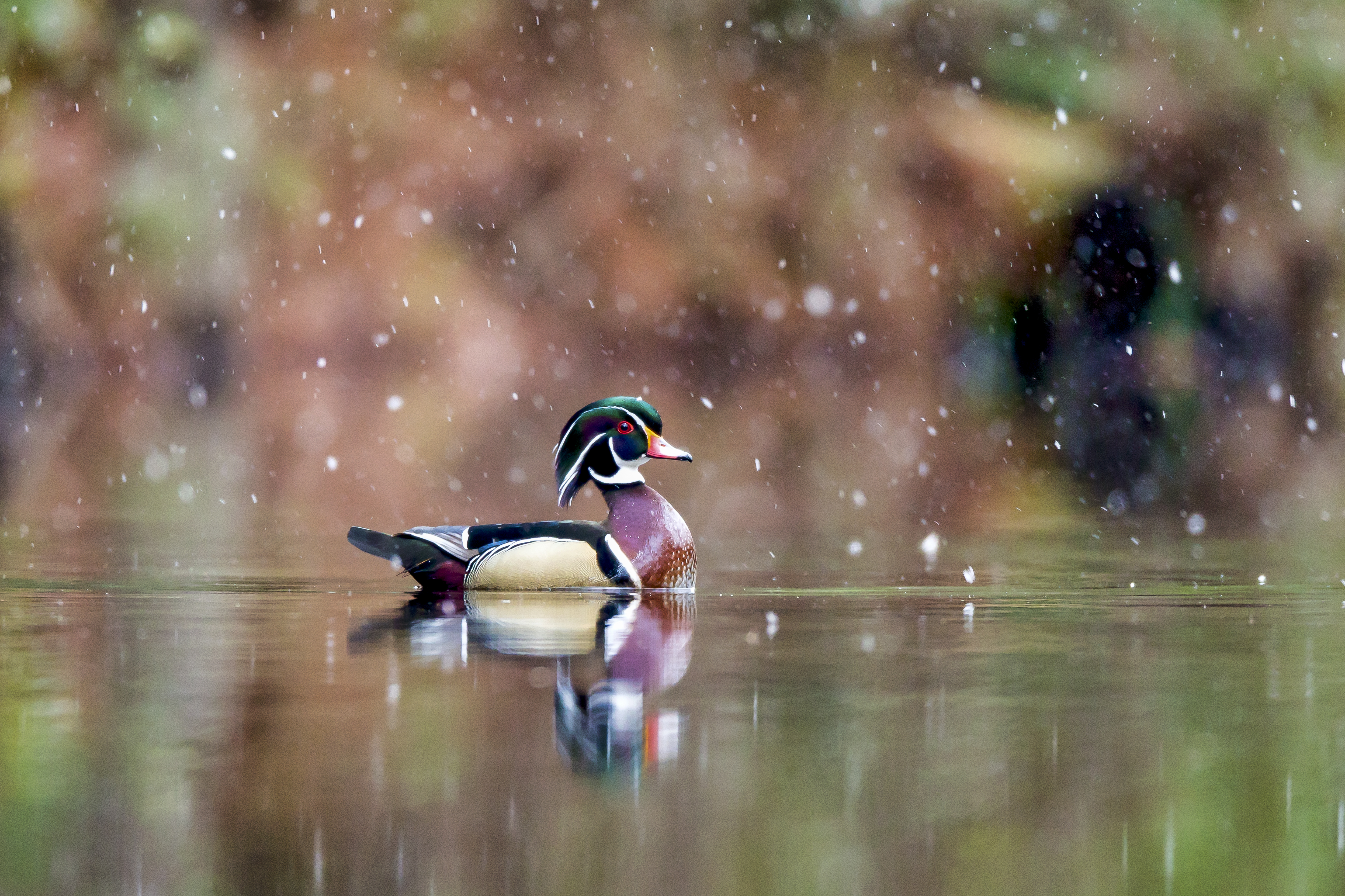
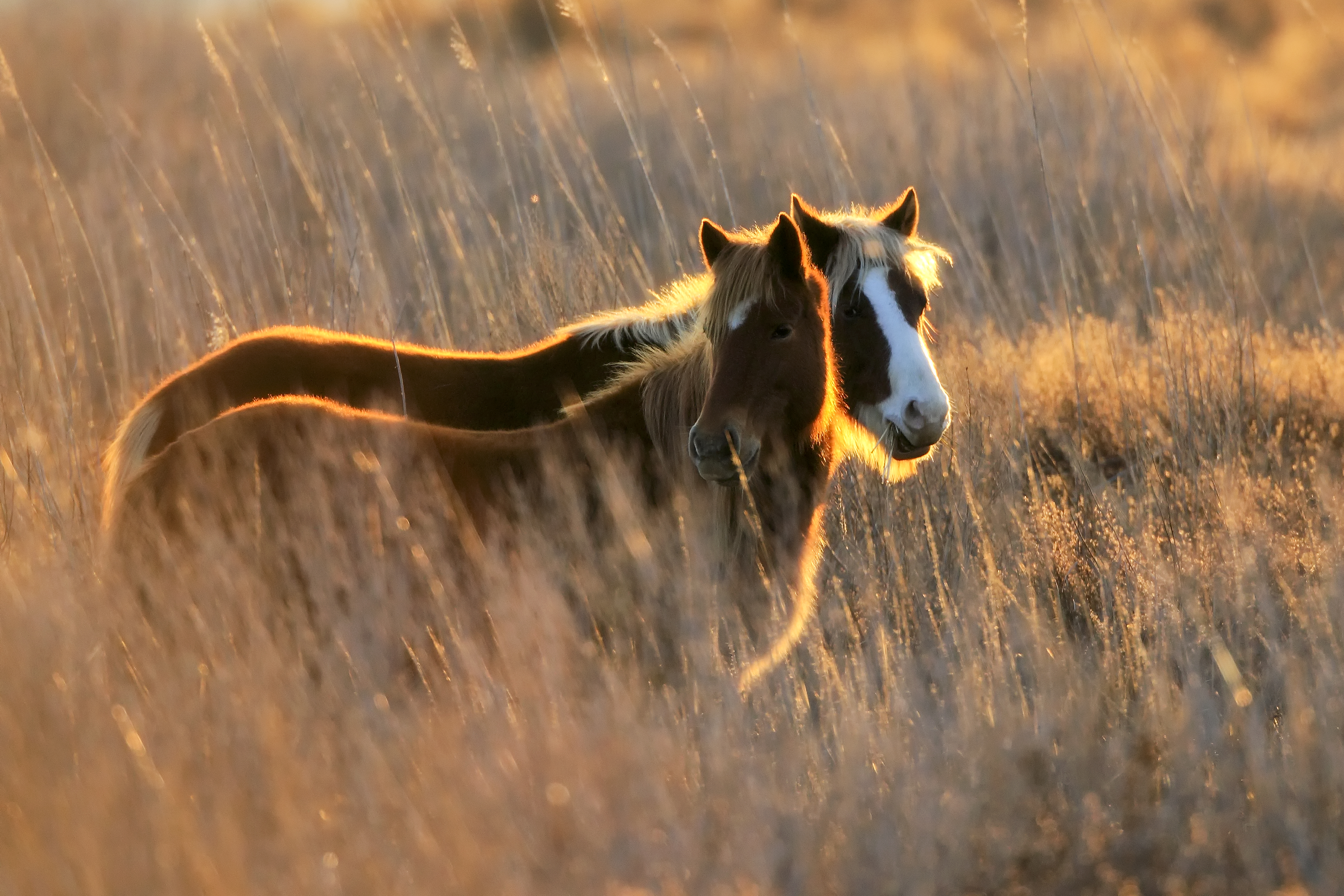
Light is not just aesthetic—it defines how visible I am. Low-angle light can either conceal or expose me depending on direction. Backlighting often allows me to remain less intrusive, while frontal light can increase contrast and make my presence more obvious.
I use light not only to shape the image, but to manage how I exist within the scene.
Using Terrain
Terrain is one of the most effective tools in the field. Slight elevation changes, shoreline curves, reeds, trees, and distance all help shape how animals perceive space. I use terrain to break my outline, soften movement, and stay outside of direct lines of awareness.
Good terrain use allows me to observe without entering the animal’s decision space.
Patience
Patience is not passive—it is strategic. In a refuge, behavior often unfolds in cycles. Animals settle, feed, pause, reposition, and repeat. Rushing breaks that cycle. Waiting allows it to reveal itself.
Most of the strongest moments happen after the initial encounter, not during it.
Angles
Angle determines both visual outcome and behavioral pressure. A slight shift in angle can remove distractions, align background, and reduce the sense of intrusion. I look for angles that feel natural to the animal’s movement, not imposed by mine.
If I have to force the angle, I am no longer working with the scene.
Field technique, at its core, is restraint applied through position. The less I impose, the more the system reveals.
“Where you stand determines what the wild allows you to see.” — Robbie George
Photography Layer — When the Image Emerges
The image is not something I take. It is something that becomes available when behavior, position, and timing align.
If I have read the scene correctly, made the right decision, and positioned without pressure, the photograph begins to form on its own.
Behavior First, Image Second
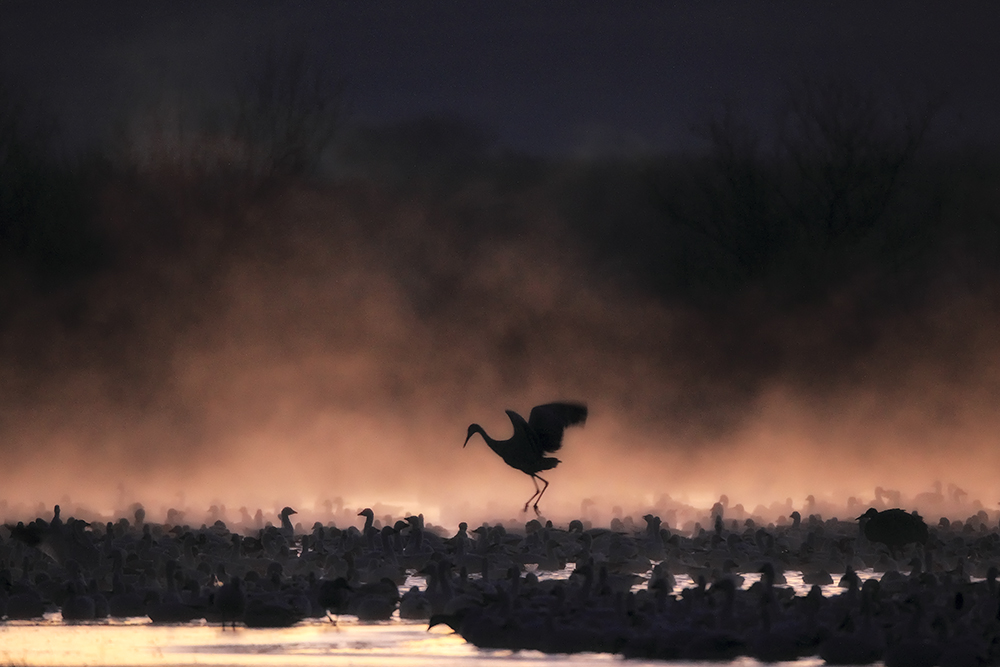
Every strong image starts with intact behavior. A swan gliding naturally through open water. A crane landing within the rhythm of a flock. A mammal feeding without interruption. These moments carry weight because they are real, not forced.
If behavior is compromised, the image may still exist—but it loses truth.
Timing Within the Flow
Timing is not reaction speed—it is anticipation. Once I understand the rhythm of the animal, I begin to recognize when something is about to happen: a head turn, a wing lift, a step into light, a pause in motion.
The image lives inside that transition.
Composition Through Awareness
Composition is not something I impose after the fact. It develops as I choose where to stand, how to align with the environment, and how to let the subject move through space.
Background, light direction, spacing, and subject movement all come together before the shutter is ever pressed.
Letting the Scene Complete Itself
One of the most important shifts is learning not to interrupt the moment. The instinct to capture too early often cuts off the strongest part of the sequence. When I wait, the behavior often resolves into something more complete—more balanced, more expressive, more true.
The image is rarely at the beginning of the encounter. It is usually found deeper inside it.
What the Image Carries
A strong photograph from a refuge carries more than visual appeal. It carries evidence of a system working: intact behavior, healthy spacing, and a moment that was allowed to unfold without interference.
That is what gives the image its depth. Not just what is seen—but how it was allowed to exist.
“The image is the result of correct presence, not control.” — Robbie George
Ethics & Boundaries — Protecting Behavior
Ethics in wildlife photography are not abstract principles. They are field decisions that determine whether behavior remains intact or is altered.
In a refuge, the standard is higher. These landscapes exist to reduce pressure, not absorb more of it. My responsibility is to operate within that purpose, not against it.
Distance
Distance is not a fixed number. It is defined by behavior. If an animal changes posture, interrupts feeding, or begins to orient toward me, I am too close.
The correct distance is the one that allows the animal to continue as if I am not present.
Pressure
Pressure accumulates. It is not only created by proximity, but by movement, noise, repeated approaches, and the presence of multiple people. An animal may tolerate one small disturbance, but not a sequence of them.
I am always asking: is my presence adding to the load this animal is already carrying?
Seasonal Sensitivity
Certain times of year reduce tolerance dramatically. Breeding, nesting, calving, and migration all create narrow margins. During these periods, even minimal disturbance can have outsized consequences.
A refuge may appear open and accessible, but the biological reality within it is often fragile.
Not Forcing Behavior
If an animal changes direction, increases alertness, or modifies its behavior because of me, the moment is no longer authentic. Images created through pressure may appear compelling, but they do not represent the animal’s natural state.
The goal is not to trigger action. The goal is to witness it.
Leaving Situations
Knowing when to leave is one of the most important skills in the field. If behavior begins to degrade, if spacing collapses, or if the animal cannot return to its natural rhythm, the correct decision is to step away.
Respect is not shown by how long I stay. It is shown by how quickly I recognize when I should not.
The Standard
A refuge is not a guarantee of access. It is a protected system where wildlife has priority. Every decision I make must align with that principle.
The measure of ethical fieldwork is simple: when I leave, the behavior continues unchanged.
“If my presence changes the story, I am no longer observing it.” — Robbie George
Naturepedia Connection — Behavior, Habitat, and Living Systems
Refuges are not isolated places. They are nodes within a larger system that connects Naturepedia layers: behavior, species, habitat, geography, time, and conservation.
Behavior → Species
Behavior expresses species identity. A trumpeter swan, snow goose, or whooping crane each carries distinct movement, spacing, and seasonal patterns.
Explore species relationships through Wildlife and Waterfowl & Wetland Birds.
Species → Habitat
Species behavior is shaped by habitat. Wetlands, marshes, coastlines, and forests each define how animals feed, move, and interact. These relationships are detailed in Ecosystems of North America and Habitat & Ecosystem Zones.
Habitat → Geography
Geography determines where these systems stabilize. Refuges like Chincoteague, Bosque del Apache, and Lake Mattamuskeet function as critical nodes across migration routes.
See the full network in Wildlife Observation Locations.
Geography → Time
Behavior only makes sense across time. Migration, breeding, and feeding cycles shift continuously. Align observation using Seasonal Wildlife Calendar and Wildlife Migration Patterns.
Time → Conservation
When behavior, habitat, geography, and timing align, conservation becomes visible. Refuges protect these alignments. Without them, migration breaks, feeding cycles collapse, and species decline.
Explore deeper in Wildlife Conservation and Biodiversity & Ecosystem Balance.
System View
Behavior → Species → Habitat → Geography → Time → Conservation
This is the structure refuges protect—and the structure field observation reveals.
“A refuge protects the relationships that allow life to function.” — Robbie George
Frequently Asked Questions
Why are National Wildlife Refuges so important for wildlife behavior?
They reduce pressure on animals and protect the habitat conditions that allow feeding, resting, migration, breeding, and social behavior to unfold more naturally.
How can I tell if I am too close to wildlife in a refuge?
If posture changes, feeding stops, spacing compresses, or the animal repeatedly orients toward you, you are too close and should back off or leave.
Are refuges only important for rare or endangered species?
No. Refuges support entire living systems, including migratory birds, mammals, pollinators, predators, and the habitat relationships that keep those systems functioning.
What makes a refuge different from a general wildlife viewing area?
A refuge is managed first for wildlife protection. That means habitat, seasonal sensitivity, and behavioral integrity take priority over visitor access or photography opportunity.
When is the best time to visit a National Wildlife Refuge?
That depends on the species, region, and season. Many refuges are most dynamic during migration, wintering periods, or breeding windows, which is why timing matters as much as location.
What is the most important ethical rule when photographing wildlife in a refuge?
Do not alter behavior. If your presence changes the scene, the right decision is to reduce pressure, reposition, or leave.
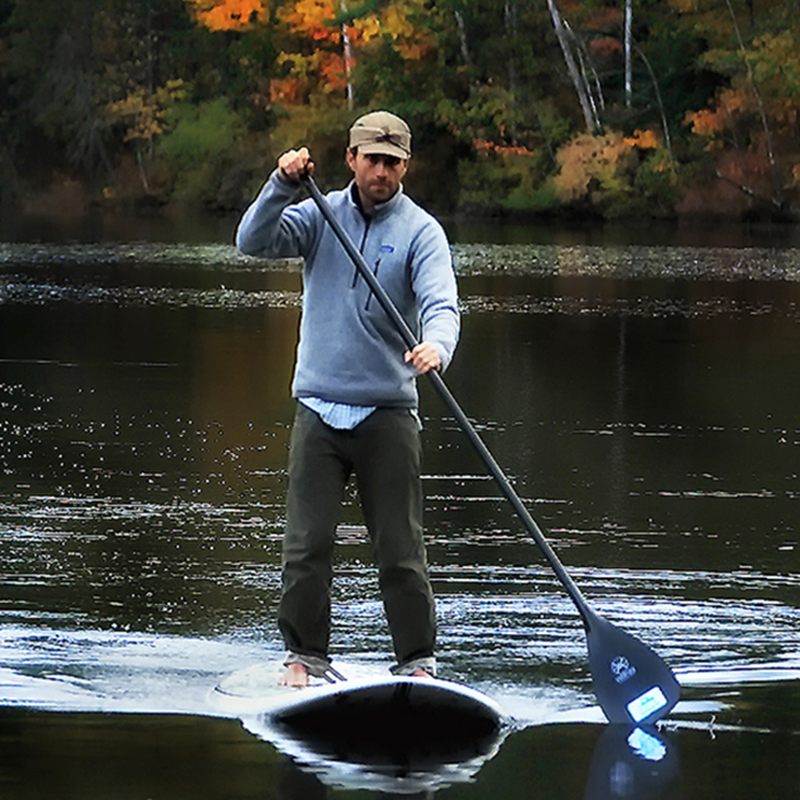
About Robbie George
I’m Robbie George, a National Geographic-published nature photographer whose work is grounded in time in the field, patient observation, and a deep respect for wildlife behavior. My approach begins with reading the animal, understanding the habitat, and making decisions that protect the integrity of the moment before any photograph matters.
Across wildlife refuges, national parks, wetlands, coastlines, and migration corridors, I work from a field-first ethic: distance first, behavior first, habitat always. The goal is never to force a scene, but to witness it clearly enough that the image can emerge without pressure.
This page is part of a larger system I’m building through Naturepedia, where species, behavior, habitats, geography, timing, and conservation are connected into a field-based knowledge framework. You can continue through Wildlife Behavior & Ecology, Wildlife Observation & Field Techniques, and Wildlife Conservation & Habitat.
Explore more of my work in the Wildlife Photography Gallery, use the Seasonal Wildlife Calendar and Nature & Wildlife Photography Maps, or browse additional planning resources in Field Tools.
“The best wildlife photograph is not the closest moment. It is the truest one.” — Robbie George