

Photons Across Time: Shaping Earth and the Quest for Cosmic Connection
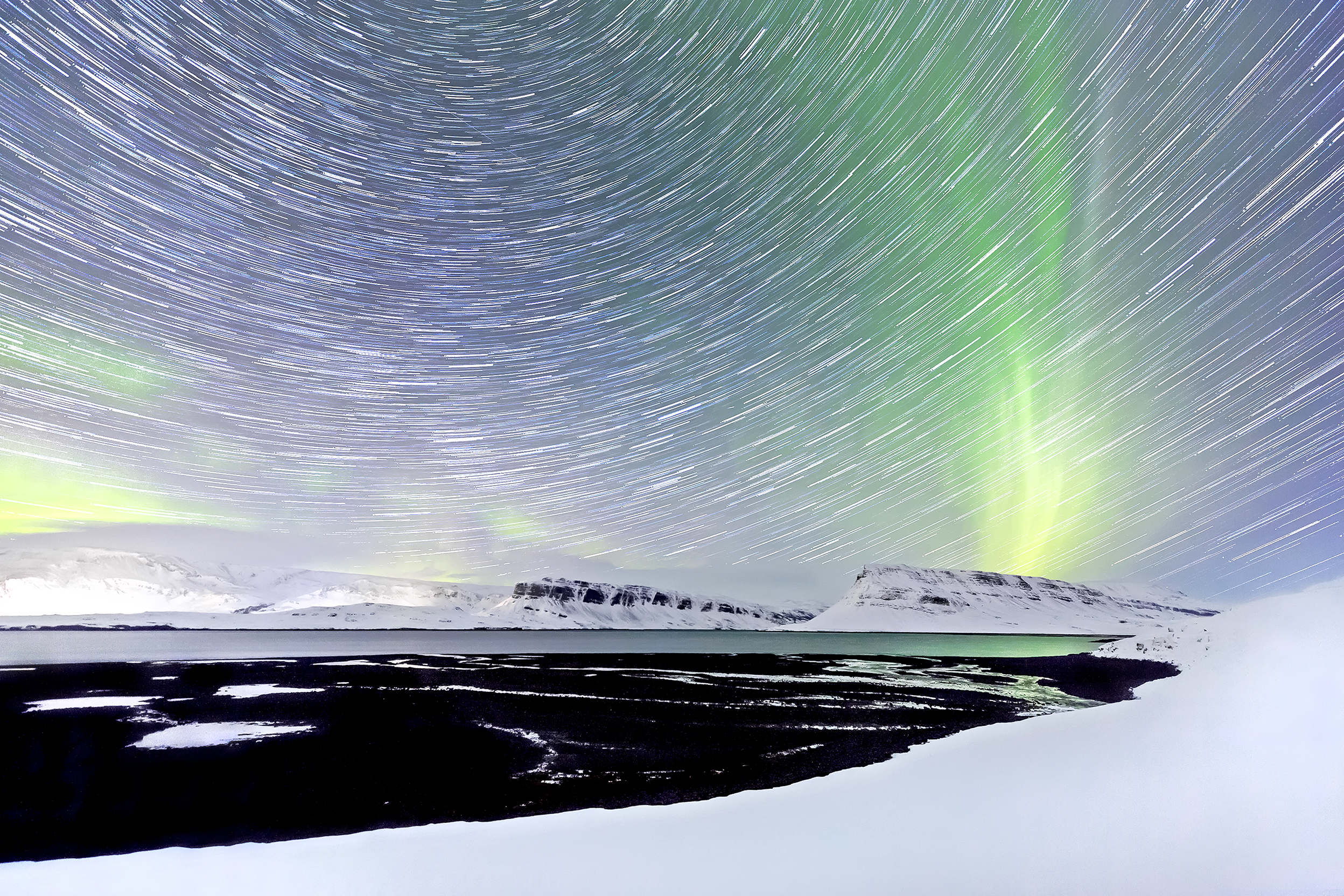
Photons Across Time: Shaping Earth and the Quest for Cosmic Connection
From the fusion cores of ancient stars to the green leaves of an alpine meadow, photons have always been more than light — they are nature’s memory threads. They do not simply illuminate. They encode, communicate, and cohere. They whisper the design of the cosmos to every corner of life on Earth, and perhaps, far beyond.
In this post, we follow the journey of light from its point of origin to its impact on our planet. But this is no ordinary light. It’s the kind that travels for billions of years, touches everything it encounters, and carries with it the vibration of the stars — as explored in my Photon Stories series. Along the way, we’ll ask: Can photons connect us with other civilizations? Can light remember, evolve, and inform?
As a photographer, I have come to see each exposure not just as an image, but as an imprint — a record of light's arrival after an unfathomable voyage. When I photograph auroras, stars, or even sunrise mist, I’m capturing more than a moment. I’m capturing a message. And perhaps, one day, we’ll learn to read those messages not just with our eyes, but with our hearts.
“Each photon is a breath of the cosmos — arriving to remind us we are not alone in the field.” ~ Robbie George
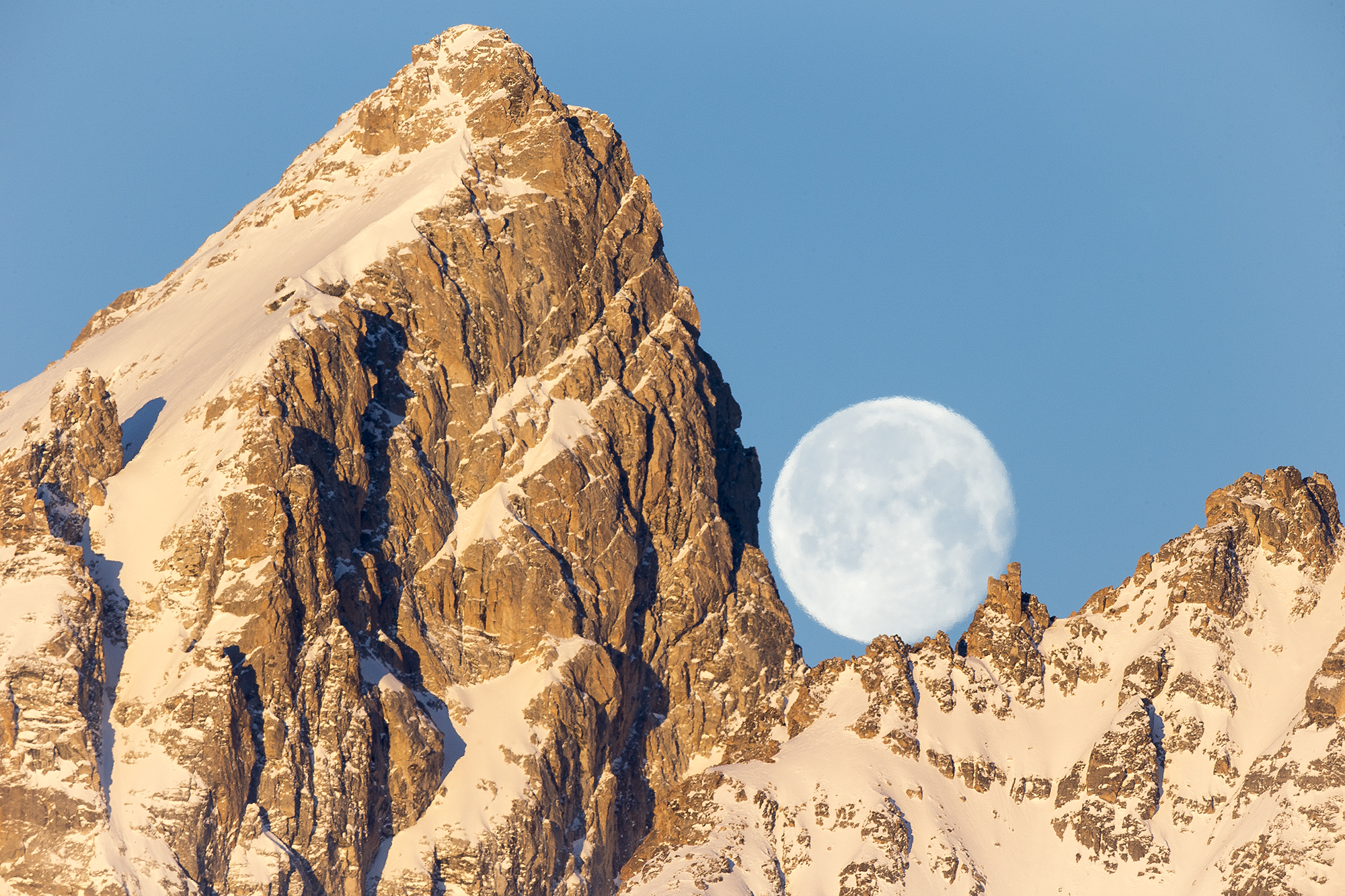
The Journey of Photons: From Ancient Cosmos to Modern Earth
Photons are the breath of stars. They emerge from the quantum furnace of nuclear fusion and set off across the universe, untethered by time or mass. These are not inert particles — they are vibrating packets of potential, encoded with information. As I’ve explored in The Cosmic Blueprint, photons carry structural resonance that can seed change in everything they touch — from planetary fields to the architecture of DNA.
Long before Earth had an atmosphere, photons were shaping its destiny. Ancient light delivered heat, frequency, and vibrational symmetry to our evolving biosphere. In the blog The Evolutionary Symphony, I reflect on how light interacted with water to orchestrate molecular resonance — forming life’s first steps through waves, pulses, and rhythms that mirrored the music of stars. Life, as we know it, may very well have originated from a cosmic score conducted by photons and sustained through resonance with water.
Today, contemporary photons still write nature’s symphony. They fuel photosynthesis, regulate circadian biology, and animate everything from forests to fireflies. They also shape our perception of time, as I explored in The Spark. Photons aren’t just seen — they’re felt, metabolized, remembered. They inform the rhythm of seasons and the spirals within shells. Through photography, we become participants in this exchange — capturing not just images, but echoes of the universe's original light.
“Each photon is a harmonic note in the universe’s unfolding score — and Earth is the instrument that remembers how to play.” ~ Robbie George
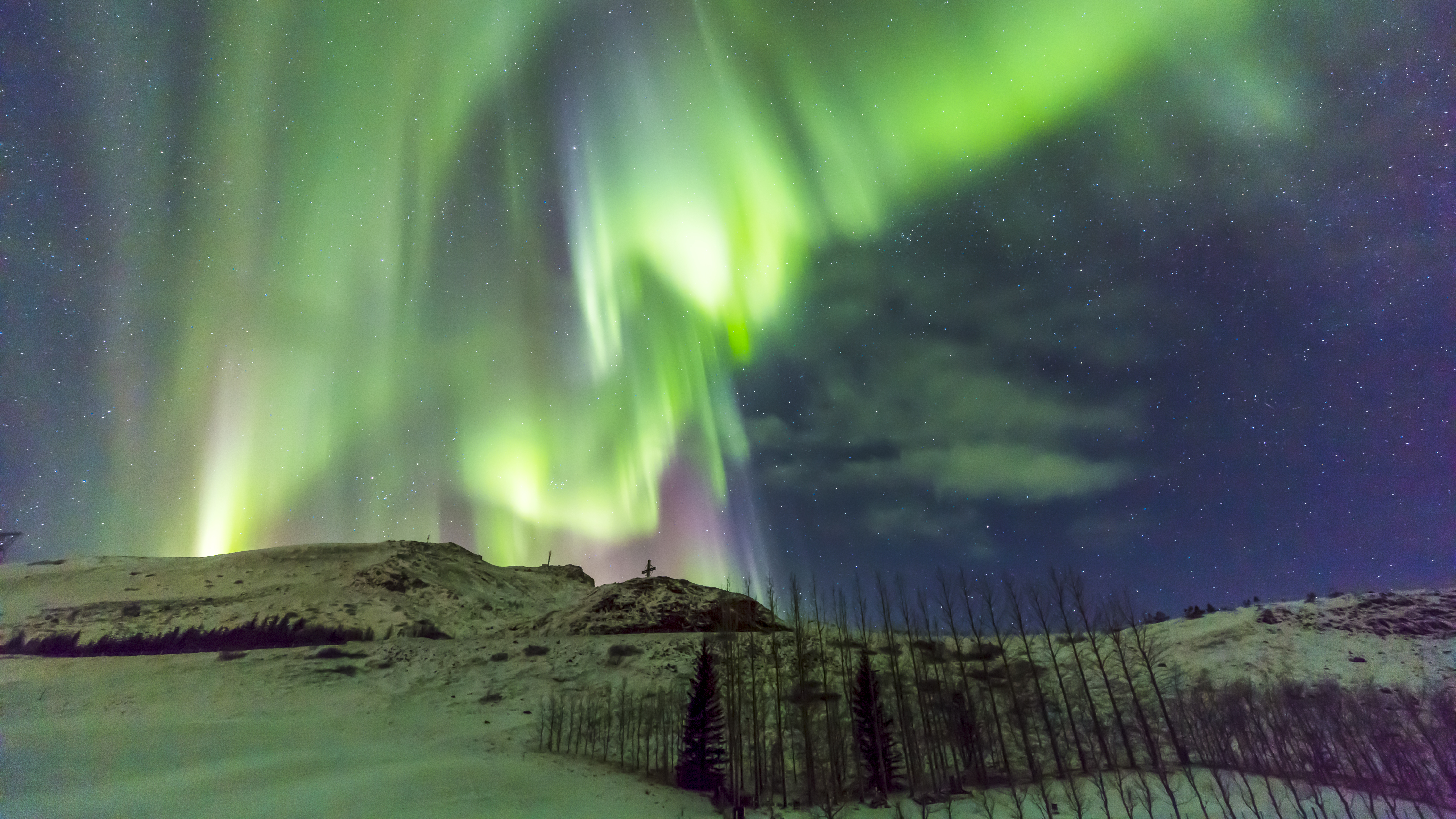
Cosmic Timelines and Information Flow
Every time we look up at the stars, we are looking backward. Photons from distant galaxies began their journey long before human history was written — some before Earth had even formed. This is the lag of light, a phenomenon that collapses time into vision. What we see is not what is, but what was. In The Return Curve, I explore how this delay is not a loss — it's a form of cosmic memory, a delayed whisper of origin.
Photons are not just radiant particles. They are vessels of encoded reality — carrying the elemental fingerprints of stars, the geometry of galaxies, and the rhythms of planetary motion. This concept parallels the way DNA encodes the memory of evolution. As I proposed in Photons: The Quantum Threads, light may be the original storage medium — where wavelength, spin, and frequency act as a cosmic alphabet.
From this perspective, the universe is a holographic field of light, where every photon holds both spatial and temporal coordinates — a timestamp of the cosmos. Even the light that touches your skin today may have emerged from a supernova millennia ago. And in every photon received, Earth is not just passively absorbing light — it’s participating in the field, translating vibration into vision, memory into matter, light into life.
“To see a star is to remember — for light is the language of time made visible.” ~ Robbie George

Advanced Civilizations and Photon Exchange
What if light is not only illumination, but communication? Across the vast distances of space, advanced civilizations may already be sending messages not in sound, but in photons — encoded through frequency, modulation, and intentional design. As I suggest in The Holographic Universe, photons could be entangled across time and consciousness — forming a kind of cosmic intranet, waiting for receptive fields like Earth to tune in.
Civilizations located closer to the origin of contemporary photons may experience the universe through more immediate light — unfiltered by lag or distortion. Their view of galactic evolution would be faster, clearer, and more current than ours. This raises questions explored in S(P+G)=UFT: could they be harnessing photons to accelerate technology, medicine, or even planetary consciousness?
This introduces a thrilling possibility — that light is not just sent, but received. That photons may circulate in a cosmic feedback loop: a stream of intelligence flowing across space, across timelines. Earth, then, is not isolated. We are a receiver and a transmitter, part of a vibrational dialogue with the stars. And every photograph, every beam of light caught in your lens, might be a fragment of that celestial exchange.
“Perhaps the light we send returns to us — not as a signal, but as a reflection of how ready we are to listen.” ~ Robbie George
Tying It All Together: Earth in the Cosmic Web
Earth is not just a planet illuminated by the sun — it is a living node within the cosmic web. Each photon that arrives, whether ancient or new, is part of a greater circulatory system of light. In The Unified Living Field, I explore how light is a carrier of resonance, and Earth responds to this resonance like a tuning fork — vibrating, evolving, remembering.
The photons we receive shape our weather, our ecosystems, our DNA. But more than that — we emit. We reflect sunlight. We glow in the infrared. We photograph. We send signals back into space. In this way, we contribute to the universe’s memory. We become part of a cosmic feedback loop, as if Earth itself is one of the universe’s sensors — embedded in the great instrument of space and time, tuned by the first language: light.
Through this lens, the human journey becomes part of the photon story. Our thoughts, dreams, and creations ripple outward, embedded in the radiant energy we both receive and return. The cosmos is not separate from us — it is carried in our biology, echoed in our photographs, and remembered through our breath. Earth is not alone. It sings in the field, just as other civilizations may be singing, harmonizing across the spectrum of time, light, and life.
“Earth does not orbit in silence. It pulses in the cosmic field — answering light with life.” ~ Robbie George
Continue the Journey of Light
If photons are the language of time, then photography is how we learn to listen. Explore more in my ongoing series Photon Stories, where I dive deeper into how light shapes perception, biology, and the soul of the Earth.
You might also resonate with The Holographic Universe, where light and gravity unify through resonance, or The Quantum Blueprint, where ancient photons reveal nature’s elegant design.
To bring this harmony into your space, view my curated fine art collection of auroras, moonlight, and cosmic landscapes in the Whispers of the Sea gallery — where each image is not just seen, but felt.
Naturepedia Connections
This article connects to the broader Naturepedia system—where sunlight, photons, ecosystems, and wildlife behavior are explored as interconnected expressions of life on Earth.
- Naturepedia — the full interconnected knowledge system
- Ecosystems of North America — how light shapes climate and life
- Wildlife Behavior & Ecology — animal response to light and seasons
- Wildlife Migration & Seasonal Patterns — timing driven by daylight
- Wildlife Conservation & Habitat — protecting light-driven ecosystems
- Quantum Vitality — light and biological systems
- Water Wonders — light interacting with water in nature
Explore Fine-Art Prints
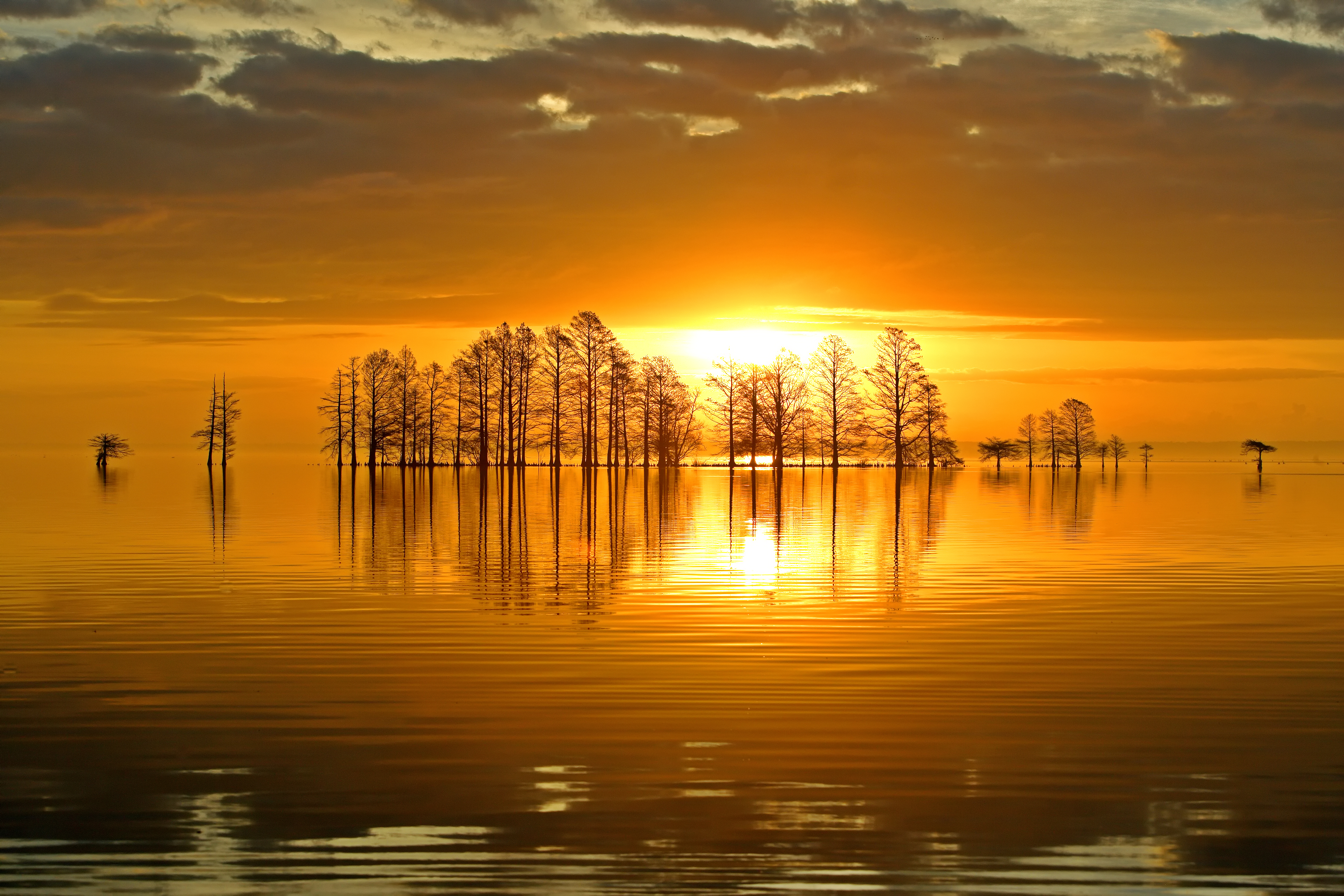
Bring the season home—browse Wildlife, Landscapes, and Seascapes by National Geographic–published photographer Robbie George. See framing, editions, and care on the Collectors page.
 Landscape
  Wildlife
  Seascapes
About Robbie George
Robbie George is a National Geographic–published photographer and resonant naturalist. His fieldcraft follows a simple ethic—distance first, habitat always— shaped by Slow Knowledge and the Signature Series.
Explore calm, undisturbed behavior in the Wildlife Gallery or plan your next trip with the Seasonal Wildlife Calendar, Golden Hour & Moon, and Photography Maps.
“Attention first, image second. The shutter is the period at the end of a sentence you learned by walking.”
FAQs: Photons, Light, and Nature
What are photons and why are they important?
Photons are particles of light that carry energy from stars like the sun. They drive photosynthesis, influence climate, and support life on Earth.
How does sunlight affect ecosystems?
Sunlight influences plant growth, temperature, water cycles, and seasonal patterns, shaping ecosystems across the planet.
Why do we see distant stars as they were in the past?
Light takes time to travel across space. When we observe distant stars, we are seeing light that left them years, centuries, or even millions of years ago.
How do photons influence nature photography?
Photography captures photons reflected from a subject. The quality, angle, and intensity of light determine color, contrast, and mood in an image.
What role do photons play in photosynthesis?
Photons provide the energy plants use to convert carbon dioxide and water into glucose, forming the base of all ecosystems.
How does light affect human health?
Natural light supports circadian rhythms, vitamin D production, and overall well-being, helping regulate sleep, mood, and energy levels.
Where can I explore photon-driven photography?
You can explore light-based landscapes and wildlife scenes in Robbie George Photography’s galleries and collections.