
Mountain Lion Habitat: Unveiling the Majestic Wild Cat
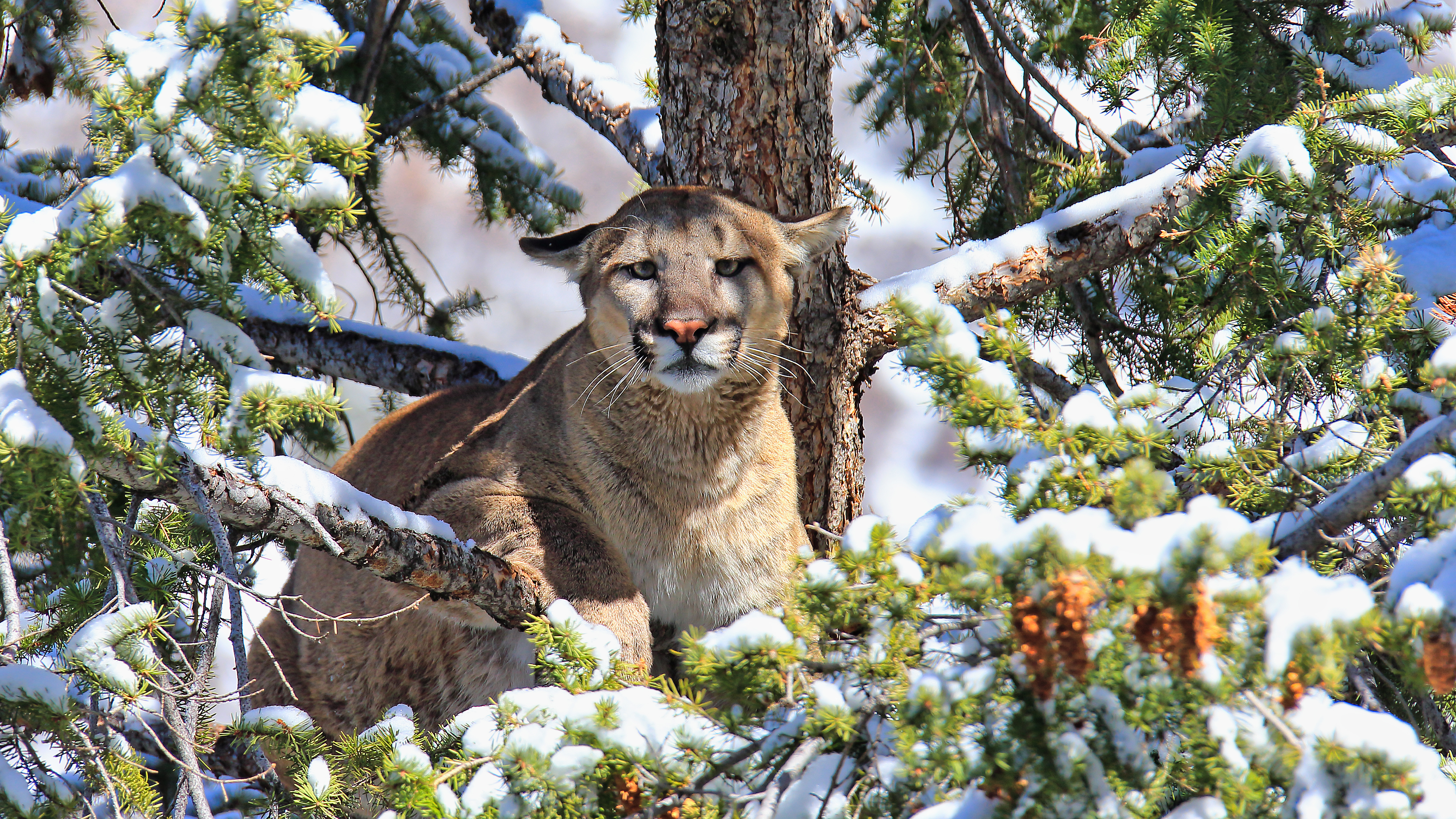
The Mountain Lion in the Field: Presence Without Visibility
Mountain lions don’t move through the landscape the way most animals do. They move through it without being detected. Even when you’re in their territory, you’re usually not aware of it. That’s something I’ve learned over time—just because you don’t see them doesn’t mean they’re not there.
They rely on terrain more than speed. Rocky slopes, ridgelines, dense forest edges, and canyon systems all give them the ability to stay concealed while staying close to prey. This is why they show up so consistently in rugged environments like Yellowstone and across western mountain systems.
What separates mountain lions from many other predators is how they use space. They don’t just occupy territory—they control movement within it. Prey species change behavior when lions are present, even if they’re never seen. That influence connects directly to larger wildlife systems, where predators shape the structure of the ecosystem itself.
In the field, photographing a mountain lion isn’t about chasing the subject. It’s about understanding where it could be—and waiting long enough for the landscape to reveal it.
“The mountain lion isn’t part of the landscape—it controls how the landscape moves.” — Robbie George
On This Page
Explore the mountain lion through field observation, habitat, hunting strategy, life cycle, conservation, seasonal movement, and its place in the larger Naturepedia system.
Mountain Lion Behavior: Solitary Power and Control of Space
What stands out most to me about mountain lions is how completely they control their presence. They are not noisy predators, and they do not waste movement. Almost everything about their behavior is built around concealment, timing, and the efficient use of terrain.
Mountain lions live alone. Outside of breeding and mothers raising kittens, they move through the landscape as solitary animals with large, carefully maintained ranges. That solitude is not incidental—it is part of how they survive. By operating alone, they reduce competition, hunt quietly, and maintain control over prey-rich areas and travel corridors.
Their behavior is closely tied to ambush. Rather than chasing prey over distance, they use cover, elevation, and broken terrain to get close before committing. That is why they fit so naturally into conversations about wildlife behavior and ecology. Every action is shaped by energy efficiency, risk reduction, and precision.
What I’ve always respected about mountain lions is that they change the system without needing to be seen. Deer alter their movement. Smaller predators adjust their patterns. Entire sections of habitat feel different when lions are present. Their behavior is quiet, but its effect on the landscape is not.
“The mountain lion doesn’t announce power. It applies it through silence, distance, and timing.” — Robbie George
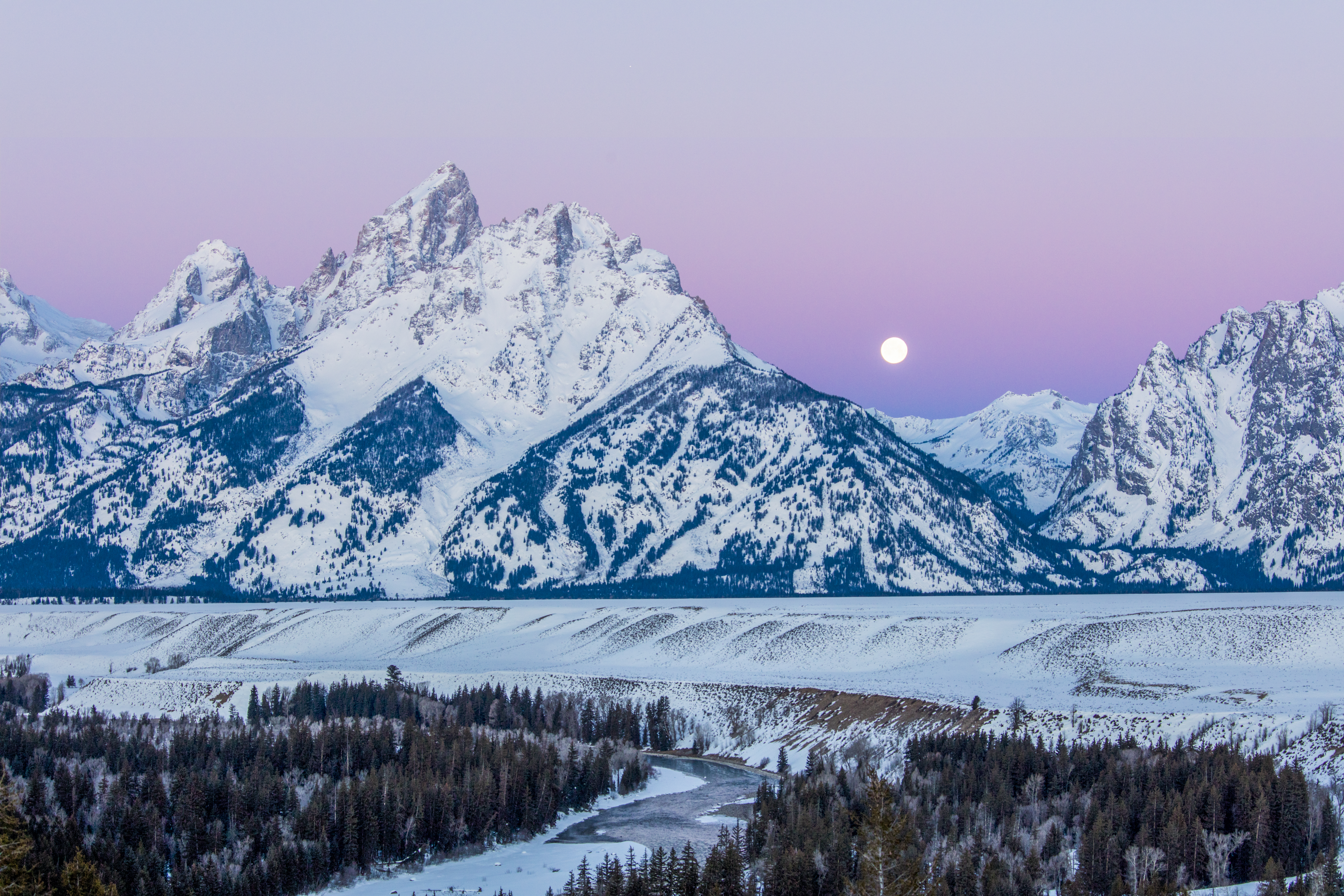
Mountain Lion Habitat: Terrain That Hides Power
Mountain lions don’t depend on one specific environment—they depend on terrain that gives them control. What I’ve seen consistently is that they favor landscapes that break visibility: steep slopes, rock formations, forest edges, canyon systems, and dense cover where movement can stay hidden.
Across North America and into South America, they occupy an incredible range of habitats—from alpine ridges and conifer forests to deserts and scrublands. But the pattern stays the same. Wherever they live, the land provides concealment, access to prey, and the ability to move undetected through space.
In places like Grand Teton and the greater western mountain systems, they use elevation to their advantage—working above or along the edges of prey movement. This ties directly into broader habitat systems, where structure matters more than location.
What defines good mountain lion habitat is simple: prey, space, and cover. When those three elements remain intact, lions persist. When they are fragmented, pressured, or removed, their presence fades—often long before anyone realizes they’re gone.
“A mountain lion doesn’t need wilderness everywhere—just enough of it connected.” — Robbie George
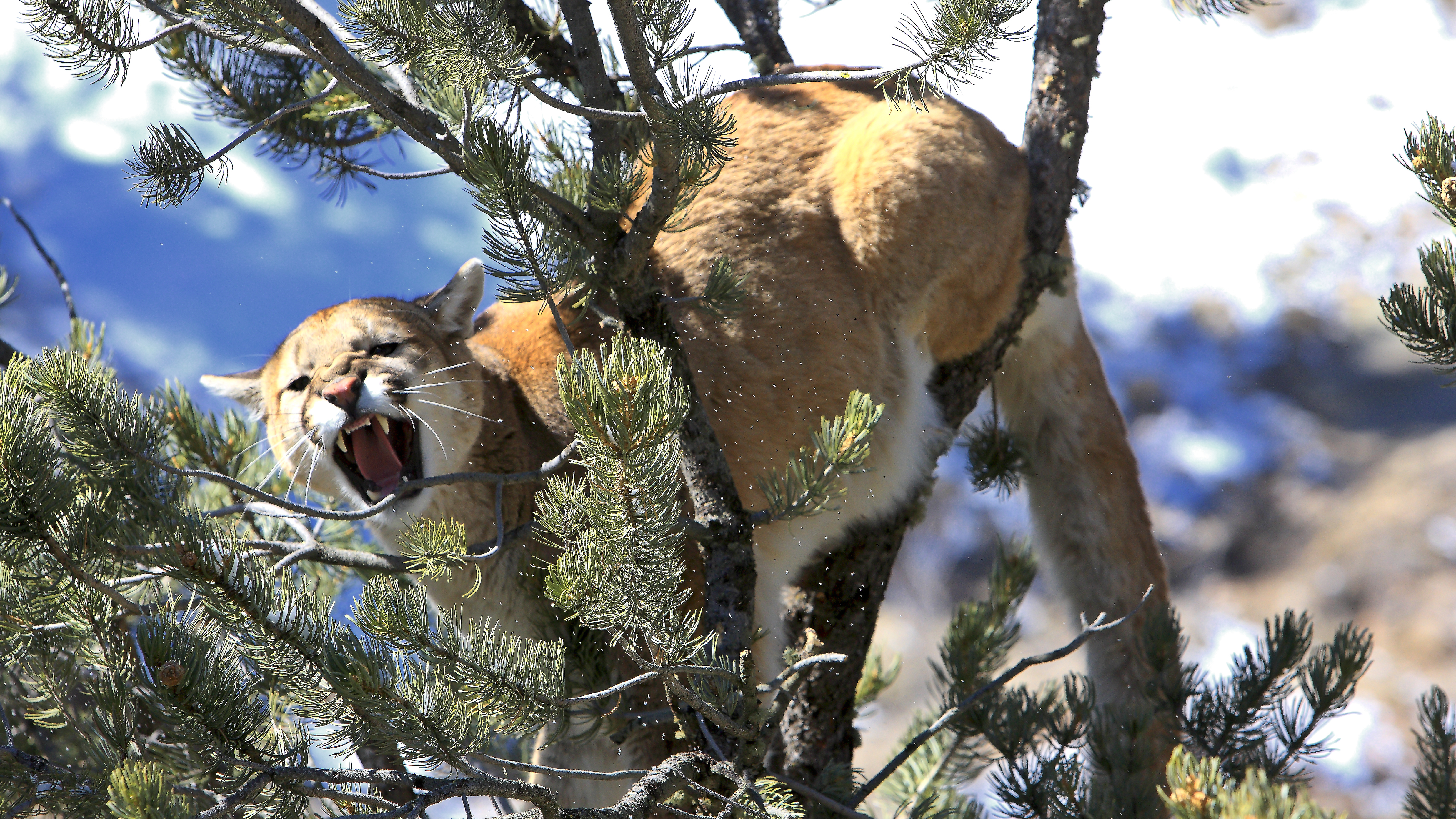
Mountain Lion Diet: Precision Predation and Energy Strategy
Mountain lions are built to take down large prey, and their diet reflects that. In most of North America, deer form the core of their food source. In some regions, they also hunt elk, bighorn sheep, and other large mammals. What matters most is not the species—it’s the availability of consistent, energy-rich prey.
Unlike pursuit predators, mountain lions rely on ambush. They use terrain, cover, and timing to close distance before committing to a short, explosive attack. This hunting strategy connects directly to food web relationships, where predators must balance energy output with successful kills.
After a successful hunt, mountain lions often cache their prey—dragging it to a secluded location and covering it with debris. They will return to feed over several days. This behavior reduces risk, conserves energy, and allows them to maximize the value of each kill.
In areas where large prey is scarce, they adapt. Smaller mammals, birds, and even livestock can become part of their diet. That adaptability is part of what allows them to survive across such a wide range of ecosystems.
“The mountain lion doesn’t hunt often—but when it does, it has to count.” — Robbie George
Mountain Lion Life Cycle: From Hidden Cubs to Solitary Range
The mountain lion’s life begins in complete concealment. Females choose den sites that are nearly impossible to detect—rock crevices, dense brush, fallen timber—places where visibility is broken and protection is highest. What I’ve learned in the field is that early survival depends almost entirely on remaining unseen.
After a gestation of roughly three months, a female gives birth to a litter of one to six cubs. They are born blind, spotted, and fully dependent. For the first weeks, the mother hunts alone and returns to the den, minimizing any sign of movement that could attract other predators.
As the cubs grow, they begin to follow her to kills and learn through observation. There is no direct instruction—only repetition and exposure. By six months, they are moving more confidently through the landscape. By one year, they are beginning to understand how to hunt.
Eventually, they disperse. This is one of the most critical phases of their life cycle. Young lions must leave their mother’s territory and find their own space, often traveling long distances across unfamiliar terrain. This process connects closely to broader patterns of adaptation and survival, where only a portion will successfully establish territory.
What stands out to me is how little of this process is ever seen. Like the rest of their lives, most of it happens quietly—away from view, but deeply shaping the future of the species and the landscapes they inhabit.
“A mountain lion is raised in silence—and survives by carrying that silence forward.” — Robbie George
Mountain Lion Ecology: Shaping Landscapes Through Predation
Mountain lions are apex predators, but what matters most is how they influence everything around them. Their presence changes how prey animals move, where they feed, and how long they stay in one place. That pressure reshapes vegetation, impacts smaller species, and ultimately affects the structure of entire ecosystems.
In areas where mountain lions are active, deer and elk don’t linger as long in open feeding zones. They move more cautiously, which reduces overgrazing and allows plant communities to recover. This cascading effect is why mountain lions are often discussed within keystone species and trophic cascades—their influence extends far beyond direct predation.
They also interact with other predators. Coyotes, foxes, and even bears adjust their behavior in areas where mountain lions are present. Carcasses left behind by lions provide food for scavengers, supporting a wider network of species. This places them directly within broader ecological relationships.
From my perspective, mountain lions represent one of the clearest examples of how predators maintain balance without being constantly visible. You don’t need to see them often to understand their impact—you see it in how the landscape behaves when they’re present.
“The mountain lion doesn’t just live in the ecosystem—it organizes it.” — Robbie George
Mountain Lion Conservation: Space, Connectivity, and Coexistence
Mountain lions are highly adaptable, but they depend on one thing more than anything else—space. Large, connected landscapes allow them to hunt, disperse, and maintain genetic diversity. When those landscapes are fragmented, their survival becomes much more difficult.
The biggest challenge they face is habitat fragmentation. Roads, development, and expanding human presence break up territories into smaller, isolated sections. This limits movement, increases conflict, and reduces long-term population stability. Protecting connected habitat is central to broader conservation efforts.
Human interaction is another key factor. In areas where mountain lions overlap with livestock or suburban expansion, conflict can increase. In my view, most of these situations come down to awareness and planning—understanding how lions move and designing landscapes that reduce direct encounters.
Wildlife corridors, protected land, and informed policy decisions are some of the most effective tools we have. These allow mountain lions to continue moving across the landscape the way they have for generations—without being forced into isolated pockets.
What matters most is maintaining the conditions they require: prey, cover, and uninterrupted movement. When those remain intact, mountain lions persist—and the ecosystems they help regulate remain stable.
“Protect the land, and the mountain lion will take care of the rest.” — Robbie George
Mountain Lion Seasonal Patterns: Movement, Territory, and Timing
Mountain lions don’t migrate long distances the way many species do, but their behavior shifts throughout the year based on prey movement, weather, and breeding cycles. What I’ve seen in the field is that their patterns are tied closely to deer and elk—where prey moves, lions follow.
In winter, movement often becomes more predictable. Snow concentrates prey into lower elevations or specific corridors, and mountain lions adjust accordingly. Tracks reveal how they follow ridgelines, drainage systems, and game trails. This aligns with broader seasonal wildlife patterns, even though lions themselves are not migratory.
Spring and early summer bring changes tied to reproduction and prey abundance. With young animals entering the landscape, hunting opportunities increase. Females with cubs focus on smaller, more frequent kills, staying closer to secure areas.
Summer vegetation provides dense cover, making lions even harder to detect. By fall, activity often increases again as prey populations peak and young lions begin dispersing. These seasonal shifts connect directly to Nature’s Seasons, where timing and environmental conditions shape behavior across the entire ecosystem.
The pattern is consistent: mountain lions don’t follow fixed routes—they follow conditions. Their movements reflect changes in prey, terrain, and season, always adapting to maintain efficiency and control.
“The mountain lion moves with the conditions, not the calendar.” — Robbie George
Naturepedia Connection — Understanding the Mountain Lion in the Larger System
The mountain lion is not just a predator—it is a structural force within the ecosystem. Its presence shapes how prey move, how vegetation recovers, and how other predators behave. What I’ve seen in the field is that you don’t need to see a mountain lion often to understand its role—you see it in how the landscape responds.
This species operates across large territories, linking together habitats, prey populations, and ecological processes. That places it directly within the broader framework of ecosystems, behavior, habitat systems, and conservation.
This is how I’ve structured my work—connecting individual species into a larger system where behavior, terrain, and time all interact. The mountain lion becomes more than an animal. It becomes a reference point for how wild systems maintain balance across scale.
To explore this deeper, continue into the Naturepedia system and follow how species, habitats, and ecological patterns connect across the landscape.
Mountain Lion FAQ: Field Questions About Puma concolor
Where do mountain lions live?
Mountain lions have one of the largest ranges of any land mammal in the Western Hemisphere—from Canada to South America. In my experience, they favor rugged terrain with cover and prey, which you can explore further in habitat systems.
What do mountain lions eat?
Their primary prey is deer, but they also hunt elk, sheep, and smaller mammals depending on the region. Their hunting strategy is based on ambush and efficiency, tying directly into food web relationships.
Are mountain lions dangerous to humans?
Attacks are rare. Mountain lions typically avoid humans. Most encounters happen when the animal is surprised or pressured, often due to habitat overlap.
How large is a mountain lion’s territory?
Male territories can exceed 150 square miles, while females range from about 30 to 60. Territory size depends on prey density, habitat quality, and human presence.
Are mountain lions endangered?
Mountain lions are not globally endangered, but local populations can be impacted by habitat fragmentation, road mortality, and human conflict. Continued conservation efforts are essential.
About Robbie George
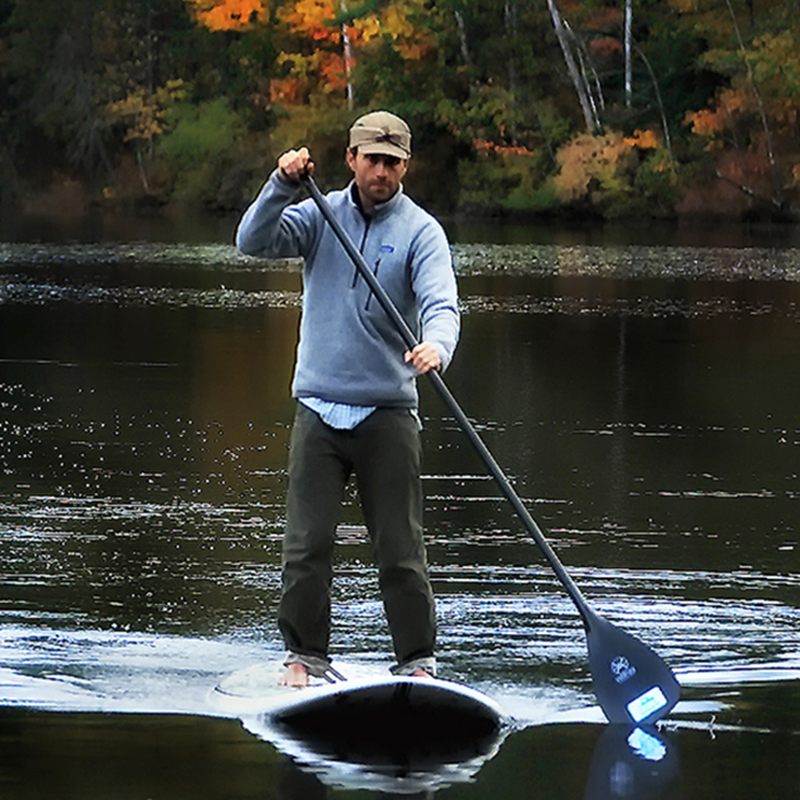
I’m Robbie George, a National Geographic–published wildlife photographer. My work is built through repeated time in the field—returning to landscapes across seasons to understand how animals move, hunt, and exist within the systems around them.
Mountain lions have taught me more about space than almost any other species. To understand them, you have to think in terms of territory, movement, and terrain—not just sightings. They reveal how large predators shape entire systems, which is a core idea behind the Naturepedia Wildlife Knowledge System.
You can explore more field-based work in the Wildlife Gallery, or plan your own time in the field using tools like the Seasonal Wildlife Calendar and Photography Maps.
“The mountain lion teaches you that understanding space is more important than chasing moments.”