

Ocean Photography, Seascape Photography: Mastering the Art
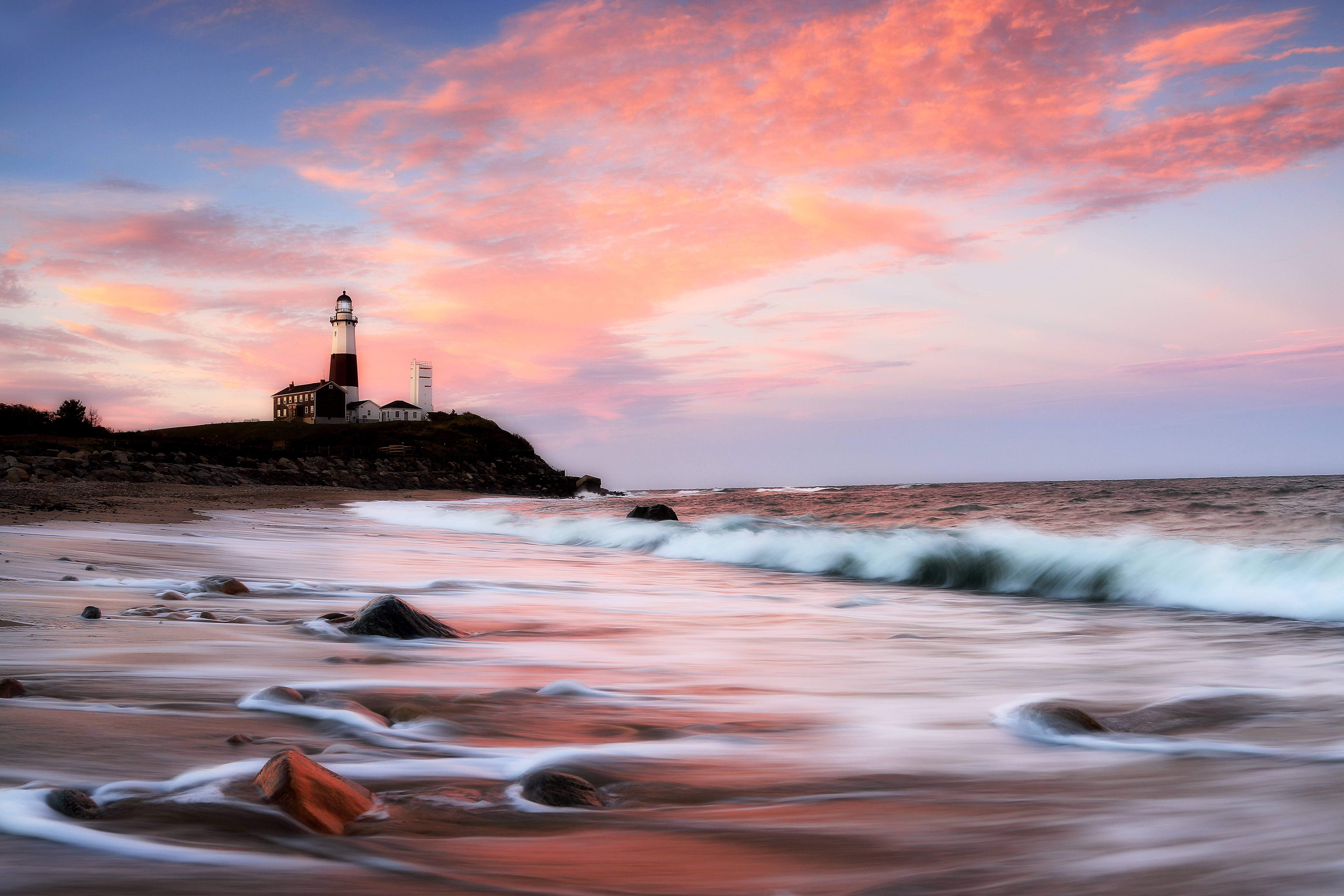
Ocean Photography: Mastering the Art of Seascape Imagery
The ocean is more than a view — it’s a vibration. It breathes in spirals of salt and wind, painting the horizon with moods that shift moment by moment. To photograph the sea is to align with that frequency — to witness the marriage of chaos and calm, fluidity and form.
In this blog, I’ll share not just technical tips, but a deeper approach to seeing the ocean. We'll explore everything from gear to timing, light to composition — not as steps in a checklist, but as energies to tune into. The camera becomes a tuning fork, the shoreline a canvas of movement and emotion.
Whether capturing sunrise shimmer on wet sand or the hush of fog rolling over still water, seascape photography teaches us patience, presence, and precision. Like the tides, your perspective shifts — and in that shift, art is born.
“To photograph the ocean is to mirror its mood — a moment suspended between breath and light.” ~ Robbie George
Understanding the Basics
Essential Gear Selection
Seascape photography begins before you press the shutter — it begins with preparation. A sturdy tripod becomes your anchor on windy shores. A weather-sealed camera body is your compass through salt and mist. Wide-angle lenses open the canvas of the sea, while neutral density filters allow time itself to stretch and blur the motion of waves.
Planning is part of the art. Knowing tide patterns, scouting locations, and observing how light dances across a wet rock at dawn — all of it matters. Study the curves of the coastline like reading a musical score. Let nature direct the tempo.
Mastering Camera Settings
Think of aperture, shutter speed, and ISO as elemental forces — light, time, and sensitivity. A slower shutter speed turns rushing tides into silk. A wide aperture isolates a detail, like driftwood or foam. A subtle ISO adjustment pulls clarity from haze. Mastering these tools is not just technical — it’s intuitive, a practice of tuning into the moment.
For dynamic conditions, I often shoot in manual mode. The sea changes second by second. Embrace that impermanence — it’s what makes each image a one-of-one imprint in the field.
Related Reading
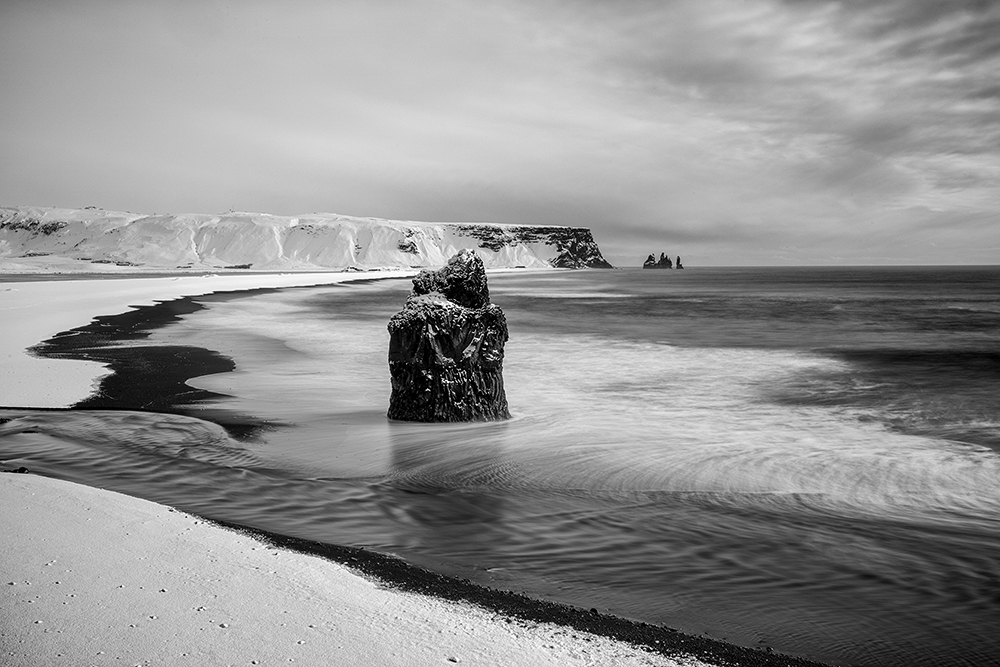
Techniques for Daytime Seascapes
Leading Lines & Golden Light
The golden hours — sunrise and sunset — cast more than just warm light. They unlock mood. Use jetties, sandbars, or receding waves as leading lines that draw the viewer’s eye into the scene. Let the horizon breathe. Let clouds soften or sharpen your frame depending on the tide of the sky.
As explored in seasonal light guides, each time of day sings a different note. Early morning brings clarity. Late evening offers glow. Understanding this tonal palette gives your images emotional depth, not just visual structure.
Harnessing Natural Light
Shooting in manual mode during daylight allows you to react to changes in exposure quickly. Adjust aperture for depth, shutter speed for wave motion, and ISO for atmosphere. Use your histogram as a compass — it tells the story of your scene’s light before the shutter ever clicks.
Exposure compensation is another elegant tool, letting you fine-tune brightness without shifting modes. In Quantum Vitality, we explored how light is not just illumination — it’s information. Ocean photography becomes a dance with that information in motion.
Long Exposure for Mood
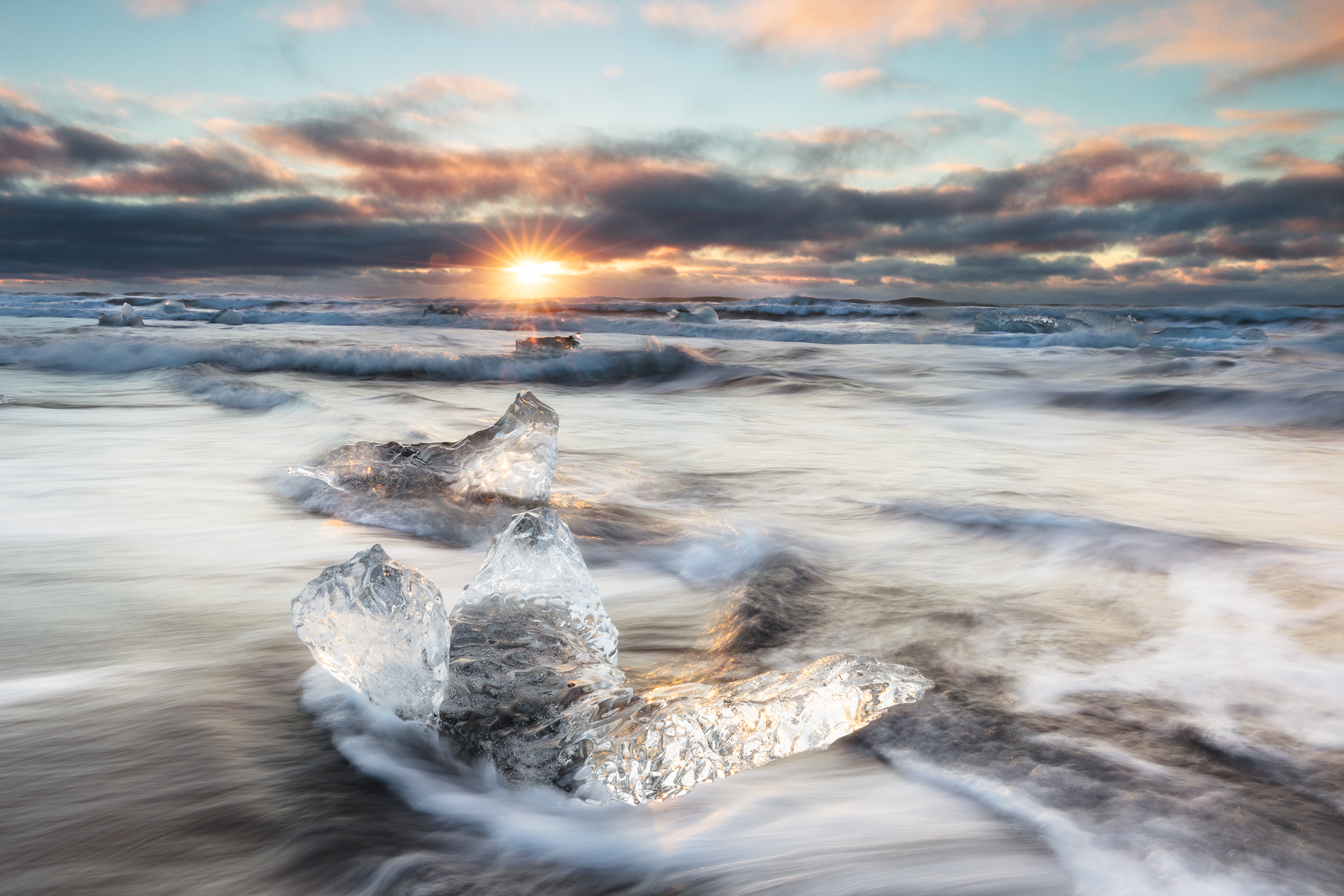
Slow down the shutter and let the sea speak. Long exposures during the day — with the aid of ND filters — transform crashing waves into ethereal mist. The sea blurs into memory. The rocks remain like anchors of presence. These images carry stillness and motion in the same breath.
Seascapes captured this way evoke emotion more than detail. And that’s the gift of long exposure: it shows not just what was seen — but what was felt.
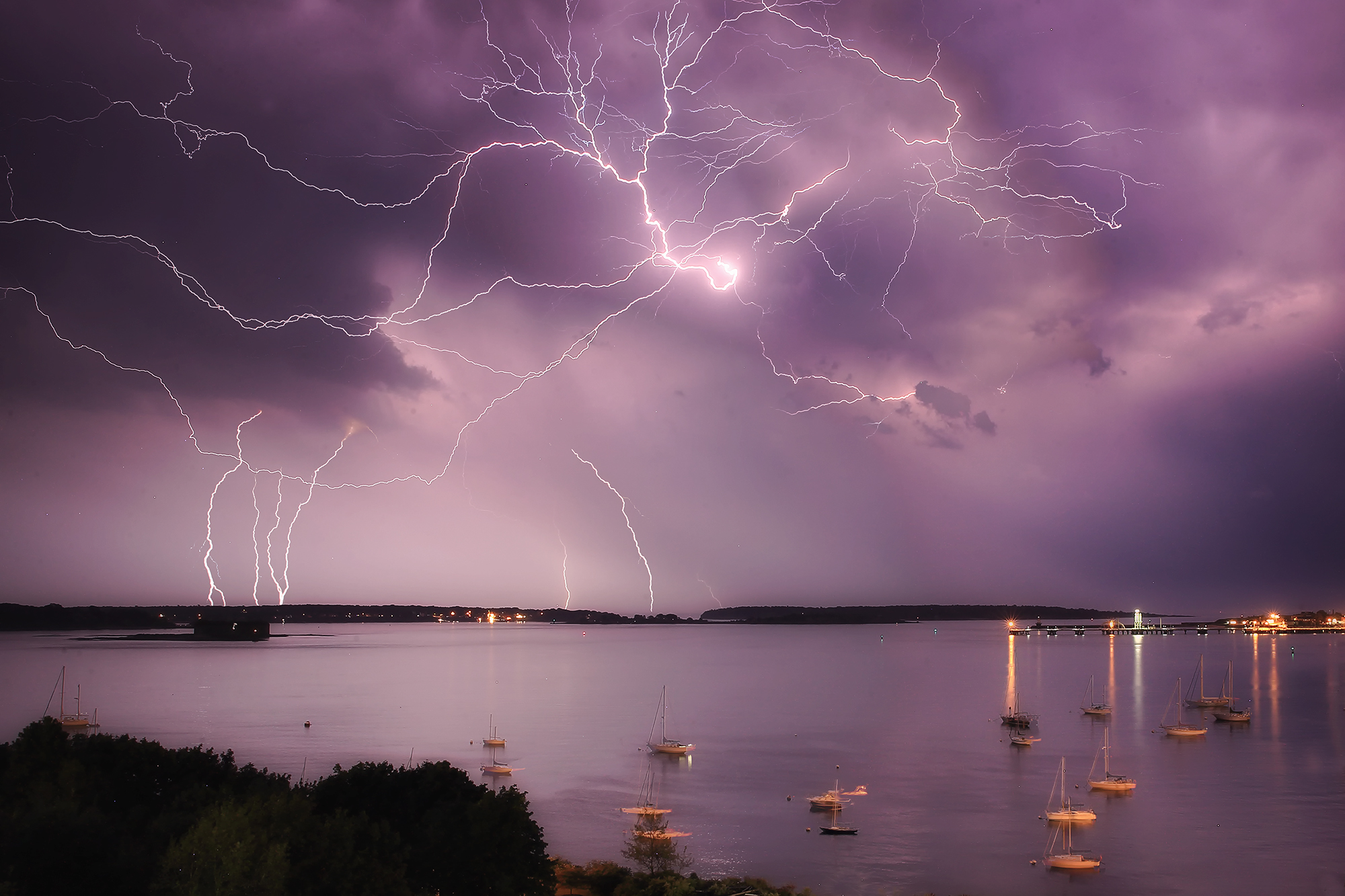
Nighttime Seascape Photography
Capturing Starlight and Surf
When day recedes and darkness hums, the ocean becomes a new canvas. Long exposures under moonlight or starlight invite mystery into your frame. Water transforms into a sheet of glass. Stars stretch across the sky like threads of time. With the right ND filters and settings, you can turn wave crashes into velvet, and sky trails into visual symphonies.
Experiment with ISO, wide apertures, and bulb mode. In the stillness of night, every element slows — making each photo feel like a whispered spell from the cosmos. The process requires patience, but the result is otherworldly.
Moonlit Exposure and White Balance
The moon paints in soft blue, casting cool tones across the sea. Adjust your white balance to embrace this palette or shift it to warmer tones to evoke a dreamlike mood. Use spot metering to properly expose highlights on water crests or reflective rocks — moonlight has a language all its own.
As with all seascape work, feel into the moment rather than force it. Let the moon guide your timing. Let your tripod ground your vision. Let the silence shape your frame.
Night as Narrative
The sea at night is not just a subject — it is a story unfolding in shadow and shimmer. Whether shooting beneath a full moon or tracking star movement, you're photographing a dimension that escapes the eye by day. This is the realm of resonance, where light and time stretch and intertwine — just as explored in Photons Across Time.
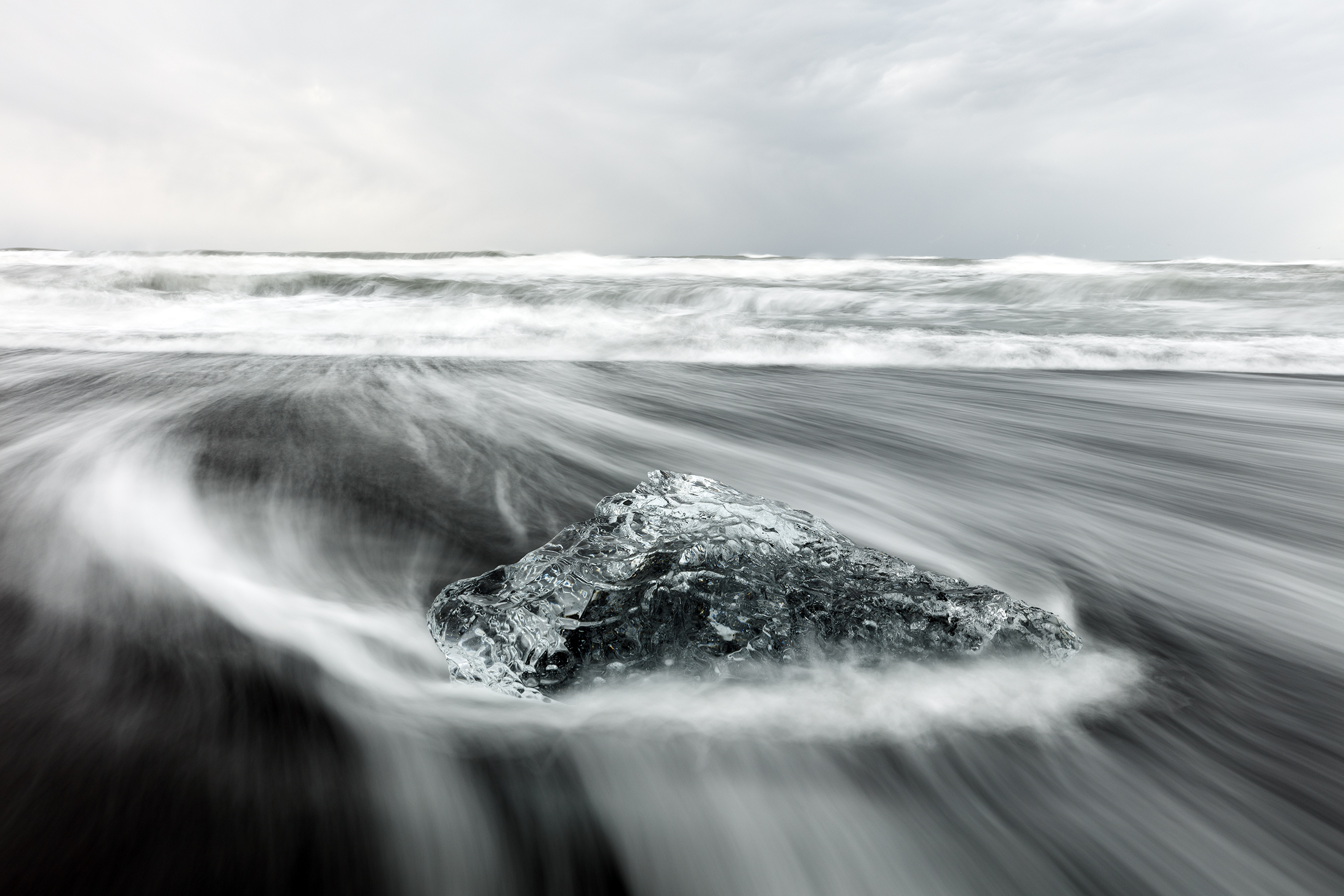
The Art of Capturing Waves
Bracketing for Depth and Detail
The wave is a sculptor of the shoreline — and a muse to the lens. Capturing it requires patience and presence. One technique I return to often is bracketing exposures. By taking multiple frames at varied light levels, you gather the full tonal language of the sea — from sunlit foam to shadowed curl.
Later, these frames can be blended to create an image that doesn’t just show the ocean — it sings it. Paired with graduated ND filters, you can balance sea and sky without compromise. The wave becomes a calligraphy of movement and light.
Silhouettes in Motion
Silhouette techniques at golden hour turn surfers, seabirds, and shoreline figures into timeless icons. When placed against a backlit wave, these shadows speak of wild freedom. They require only a split-second — but the mood lingers forever. Use a faster shutter to freeze spray, or let slower speeds render that motion into brushstrokes.
In the Signature Series, we often explore how contrast creates clarity. Waves framed in silhouette are just that — clarity rising, cresting, and crashing back into mystery.
Lens and Filter Use in Seascapes
Choosing the Right Lens
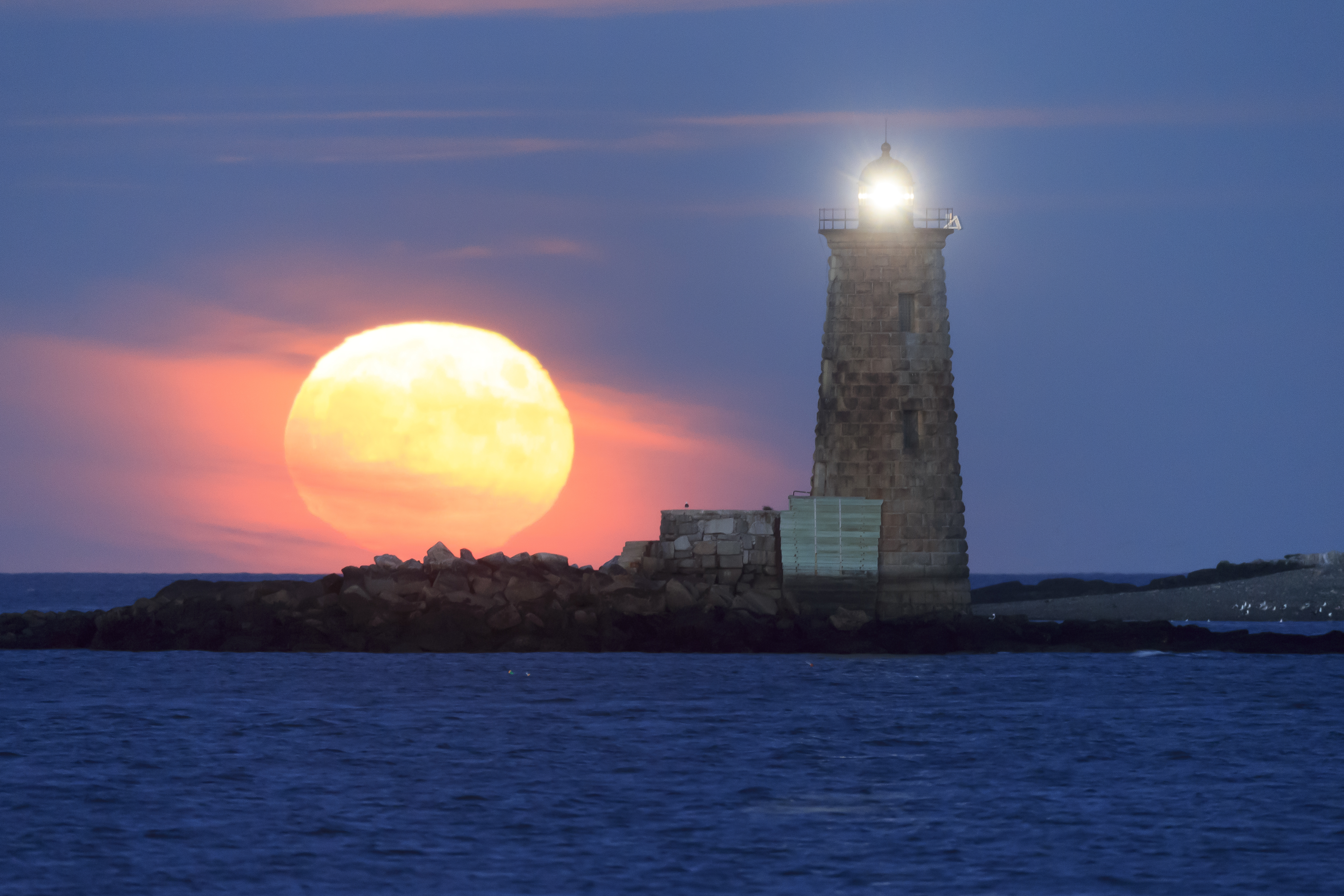
The lens is your eye’s extension — the channel through which the ocean’s vastness finds frame. A wide-angle lens brings the viewer into the scene, stretching shoreline to horizon. A telephoto lens isolates the drama — crashing spray, a distant lighthouse, a lone gull suspended in the wind.
Prime lenses offer edge-to-edge clarity and force you to move — to interact with your environment. Each step becomes part of the composition. And as discussed in Mastering Nature Photography, movement is part of the process — not just a means to an image, but part of the experience itself.
Understanding Filters
A circular polarizing filter transforms midday glare into clarity, revealing textures in water and deepening the blue. It’s not just a tool — it’s a translator of light.
Neutral density filters give you permission to slow time. With them, you can hold the shutter open in daylight and paint the sea into glass. This is the ocean in meditation — a seascape that breathes in long, slow exposures.
Filters are not additions — they’re invitations. They invite new moods, alternate timelines, and subtle transformations that the naked eye might miss but the lens can whisper.
Planning Your Seascape Shoots
Location Scouting with Intention
A powerful seascape begins with presence — not just in the moment, but in the preparation. Scout your location during various times of day. Study how tide, sun, and shadow dance along the coastline. Use tide charts and weather tools as sacred texts for understanding rhythm and timing.
Look for elements that reveal the spirit of a place — jagged rock formations, sea caves, tidal pools. In every coastline lies a story. As touched on in Capturing Nature’s Beauty, your eye will begin to recognize visual metaphors embedded in landscape.
Reading Weather as Light Language
Weather isn’t a hindrance — it’s your creative partner. Overcast skies soften contrast, creating ethereal seascapes. Storms bring drama. Sun breaks deliver contrast. Know what mood you’re seeking and let the atmosphere become your brush.
Visiting the same spot in different weather reveals its many personalities — a technique I’ve often applied in my landscape work. The coast teaches us that no scene is ever the same twice.
Safety as Ritual
Always honor the sea’s power. Stay aware of tide surges, slippery rock surfaces, and shifting sands. Let safety be your grounding ritual. Inform someone of your location. Check gear. Stay respectful — of both nature’s beauty and its unpredictability.
Just as we speak of coherence in The Quantum Blueprint, your preparation brings coherence between vision and environment — between self and seascape.
Composition Techniques in Seascapes
Framing the Story
Composition is how the ocean speaks through your frame. It’s how you choreograph space, balance sky with surf, and choose what the viewer sees first. Use natural elements — driftwood, tide lines, cliffs — to frame your subject and invite the eye into the journey. Let the sea suggest where to point your lens.
I often return to the rule of thirds, the golden ratio, and even sacred geometry when composing — especially in scenes involving horizon lines. These ancient patterns, as explored in The Golden Ratio, exist not to restrict creativity, but to enhance flow.
Foreground as Portal
Foreground elements add dimension, depth, and narrative. Seaweed tangled around a rock. Rippled sand kissed by light. A footprint in the wet shore. These are not distractions — they are invitations. They help the viewer feel the place, not just see it.
Try positioning your camera low to the ground. Let the foreground anchor the scene, pulling the eye toward the vanishing point. This technique transforms seascapes from static views to immersive experiences.
Horizons and Leading Lines
The horizon is more than a division — it’s a threshold. Adjusting its placement can change the emotional tone of the image. Low horizons amplify sky and atmosphere. High horizons emphasize earth and texture. Use leading lines like receding waves or jetty stones to guide the viewer toward that edge — that boundary where water meets air.
These compositional choices become a meditation on balance — a visual echo of the living field we discuss in The Unified Living Field.
Lighting Conditions and Their Effects
Sunrise and Sunset Magic
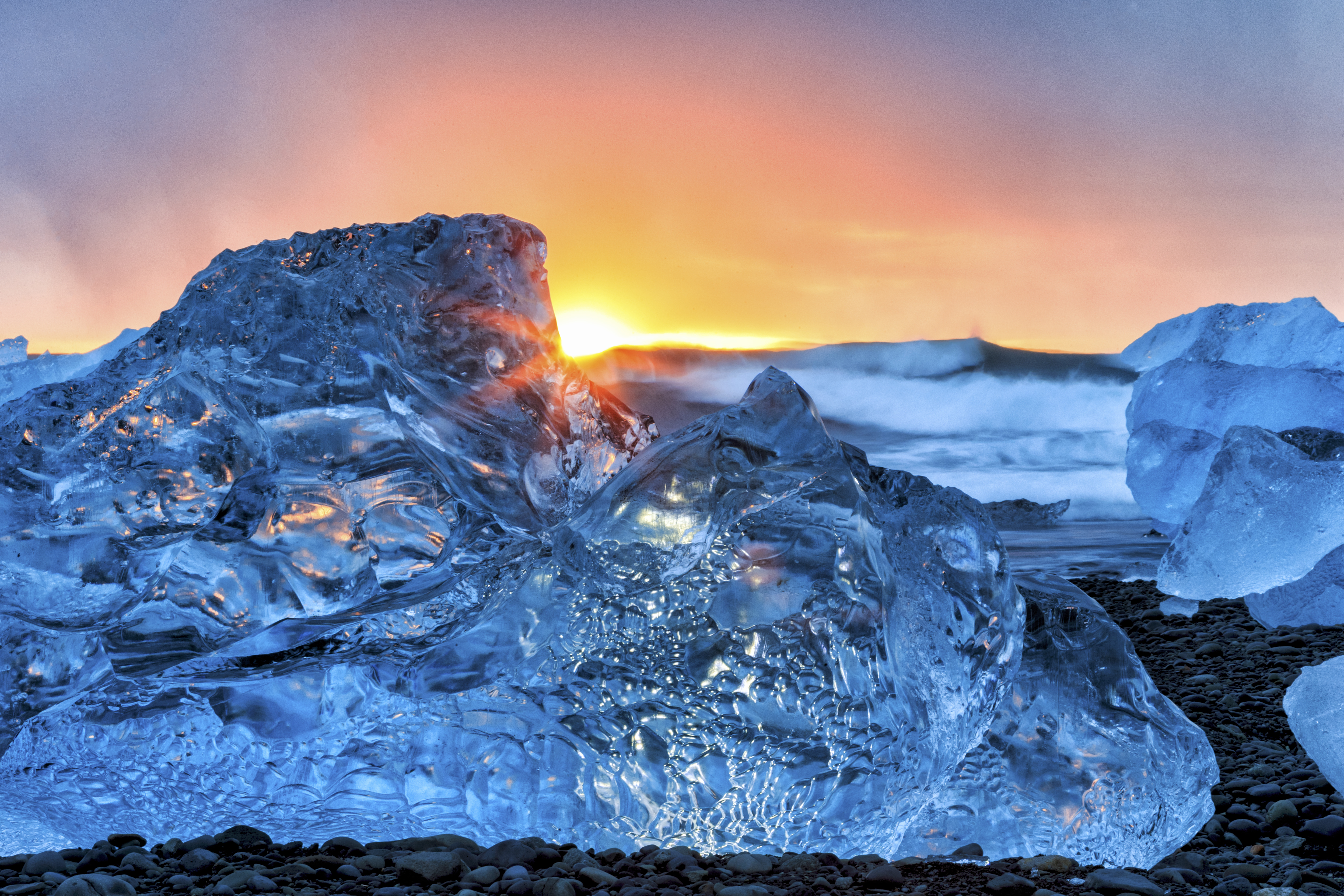
Light is not just illumination — it’s a feeling. And during sunrise and sunset, that feeling becomes cinematic. The golden hours bathe seascapes in warmth, softening textures, stretching shadows, and evoking calm or awe. This is when the ocean speaks in whispers of gold and ember.
In compositions, consider placing the horizon in the upper or lower third of your frame depending on whether the sky or sea is the story. For visual balance, use the golden ratio or rule of thirds to ground your composition while letting emotion rise.
Moody Weather Shots
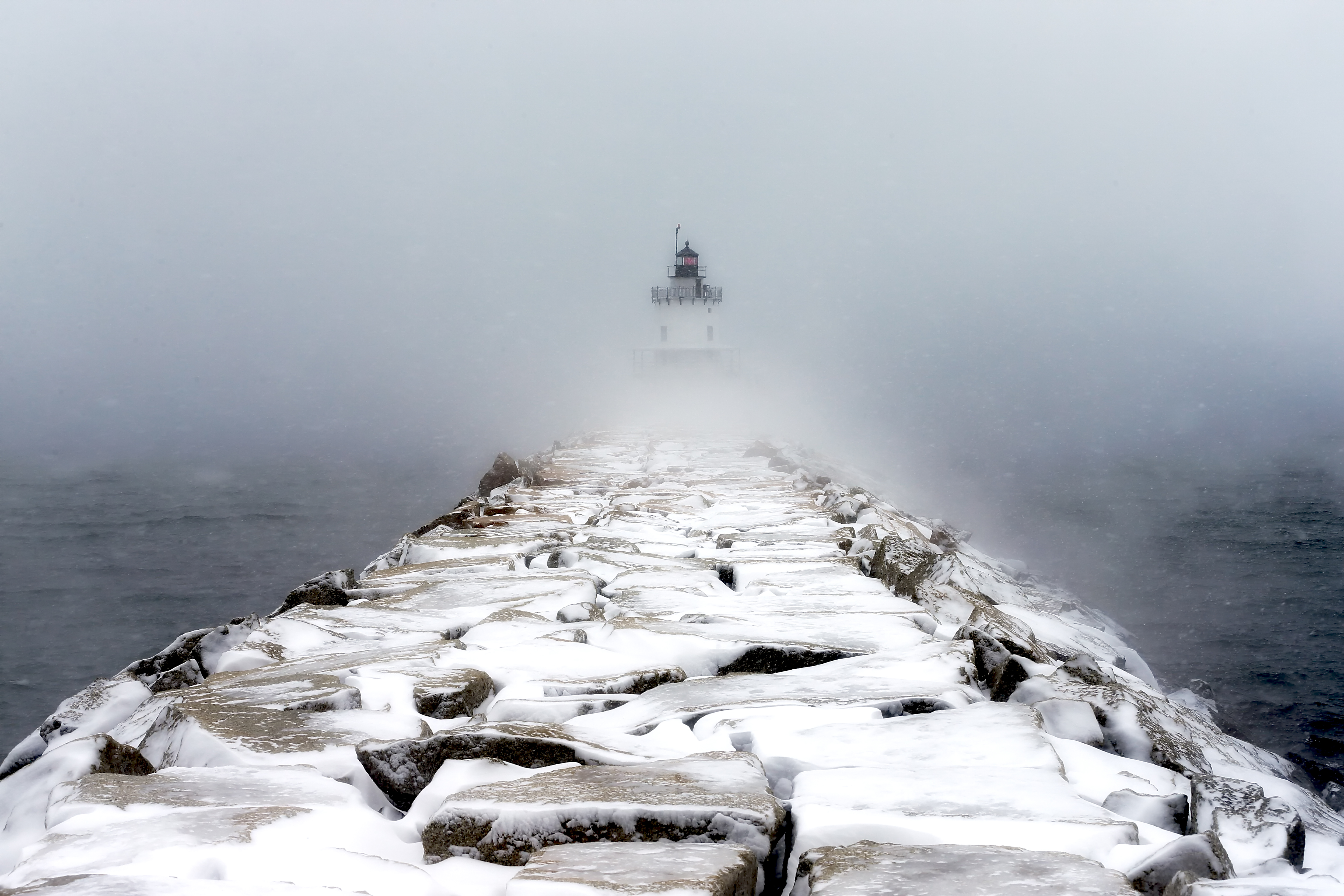
Don’t fear the clouds. Moody skies — storm fronts, fog, overcast diffusions — add drama and depth to coastal scenes. They cloak the ordinary in myth. When rain is pending or wind stirs the tide, nature reveals its narrative power. A turbulent sky often pairs beautifully with a steady sea.
In my work featured in the Ocean Quotes collection, many of my most compelling images were taken under weather that seemed “unfavorable.” Let unpredictability be your muse.
Leveraging Shadows
Shadows are not absence — they are accent. Use backlighting and side lighting to cast long, expressive shadows across rocks, foam, or wet sand. These layers add texture and story. They let the photograph breathe.
Just as we discuss in The Shadow of Reflection, it is often in the dimmer parts of the frame that something quiet and true begins to reveal itself.
Unique Seascape Concepts
Incorporating Wildlife
The ocean isn’t empty — it’s alive with story. Birds in flight. Seals basking on rocks. Dolphins silhouetted against a setting sun. Wildlife brings spontaneity, motion, and soul to seascape photography. You’re no longer photographing just a place — you’re witnessing a moment in the greater rhythm of life.
As shown in Wild Eyes in the Wilderness, even the smallest creature can awaken emotion in a landscape. Be patient. Be quiet. Let wildlife reveal itself without force. The result is resonance — a thread of story woven into the water.
Diverse Location Exploration
Beauty lives beyond the iconic. Don’t be afraid to explore lesser-known coves, tidal flats, marshlands, or fog-draped headlands. These places often whisper their stories, rather than shout them. They offer quiet magic, layered textures, and solitude that the lens can translate into intimacy.
Return often. Just as you never step into the same river twice, you never visit the same coastline twice. As explored in Exploring Change Through Nature’s Lens, the light, tide, and sky will always offer a new version of the story.
Impactful Photography Tips
Be willing to wait. The sea rewards patience. Observe wave rhythms. Anticipate wildlife behavior. Frame intuitively. And always stay open to what’s unexpected — the best images often arrive unplanned, caught in the space between light and intuition.
Above all, approach your work not just as documentation — but as communion. Let the sea speak through you.
Preparing for Ocean Photography Success
Essential Preparation Steps
Preparation is not just logistics — it’s alignment. It’s where intent meets the field. Before setting foot on the sand, check forecasts, tides, and moon phases. Charge batteries. Pack backups. Clean lenses. The ritual of readiness becomes part of your photographic rhythm.
Study the work of great ocean photographers, but don’t imitate — interpret. Draw inspiration from artists like Ray Collins or from the natural principles explored in The Nature Code. You are not just capturing scenes — you are capturing frequency.
Coastal Landscape Best Practices
Bring layers — not just for gear, but for yourself. Coastal environments shift quickly. Bring waterproof covers, sun protection, snacks, and patience. Respect the place. Leave no trace. In this field of vibration, intention matters as much as technique.
If you’re using drones or advanced equipment, study local rules — but also study the light. Let your planning be informed not just by technology, but by sensitivity. Tune into the land before you lift the lens.
Final Advice for Enthusiasts
Every outing is a collaboration with the unknown. Tides will surprise you. Clouds will bless or challenge you. But the ocean will always offer something: stillness, clarity, reflection, rhythm. Let each experience shape your eye. The more you return, the more the sea will trust you.
Just as explored in Water — The Great Informant of Nature, the ocean holds memory. Each image you capture becomes part of that memory. Part of that story. Part of that field.
Closing Thoughts
The sea doesn’t wait for us — but it welcomes us. Each wave is a pulse, each reflection a moment of light suspended in breath. Ocean photography is not about control — it’s about surrender. It’s about knowing when to chase the light and when to stand still long enough for it to arrive.
This craft isn’t just technical — it’s spiritual. It requires intuition, presence, and the willingness to be shaped by your subject. As explored in Nature as the Ultimate Algorithm, the ocean teaches us to balance flow with focus, stillness with spontaneity.
Whether you're chasing surf spray in golden light or tracing moon paths across black water, remember this: each photograph is a collaboration with the sea. Each frame is not a possession — it’s a gift. A mirror of something eternal, captured in the flicker of a shutter.
“The sea doesn’t speak in words — it speaks in waves. And when you listen, your camera becomes an echo of the infinite.” ~ Robbie George
Continue Your Creative Voyage
If the sea has stirred something in you — an urge to see deeper, frame wider, and feel more — your journey doesn’t end here. Let it ripple outward into new perspectives and powerful visuals.
➤ Browse the full Seascape Photography Gallery to explore coastal prints that breathe with light and tide.
➤ Explore insights and inspiration in related blog posts like Ocean Quotes: Sea Wisdom Through the Lens and Photons: Shaping Life and the Universe.
➤ Collect a piece of the shoreline with fine art prints like Montauk Lighthouse, Diamond Beach, or Glacier Lagoon.
The sea is always calling. May your next frame be a mirror of wonder.
Explore Fine-Art Prints
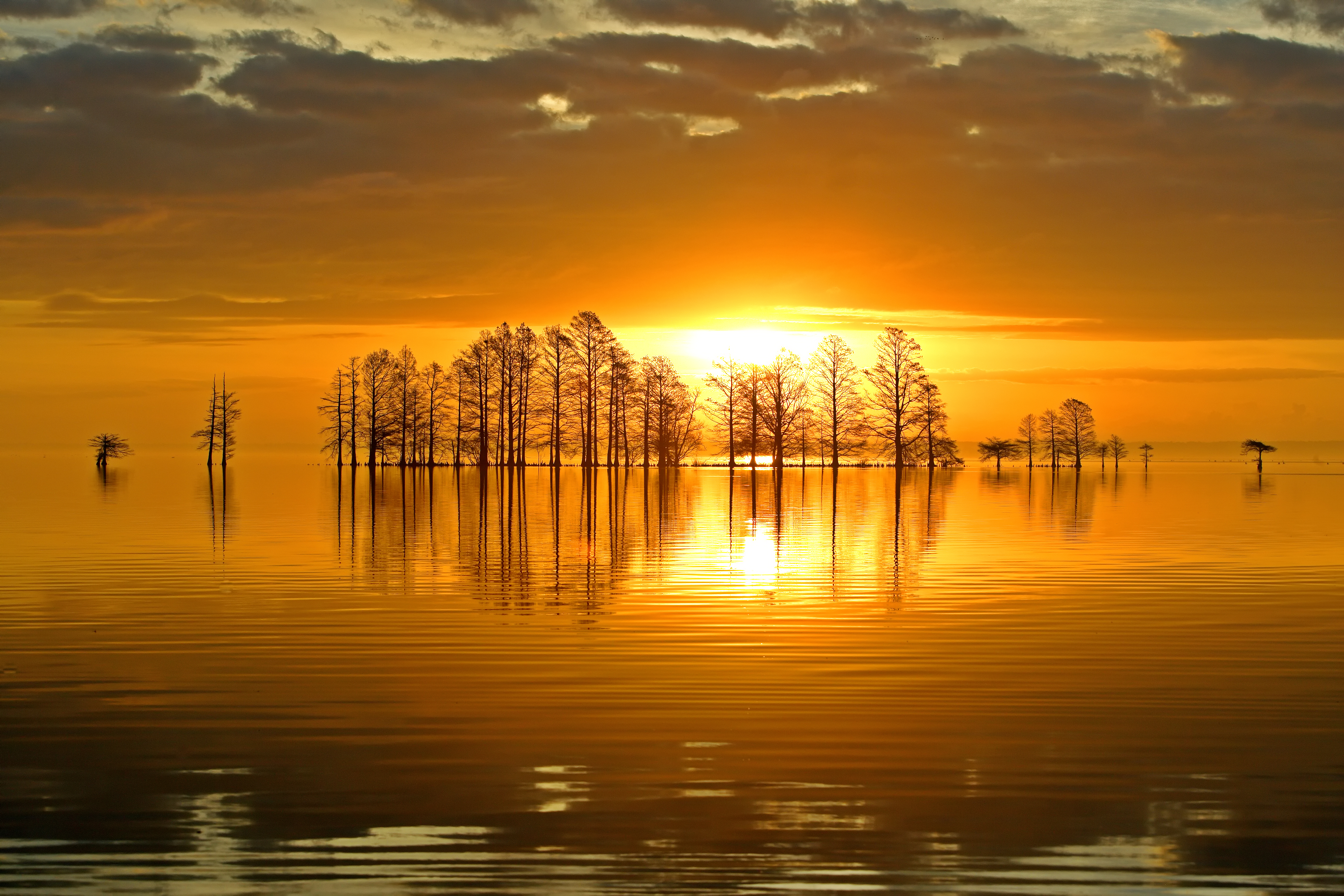
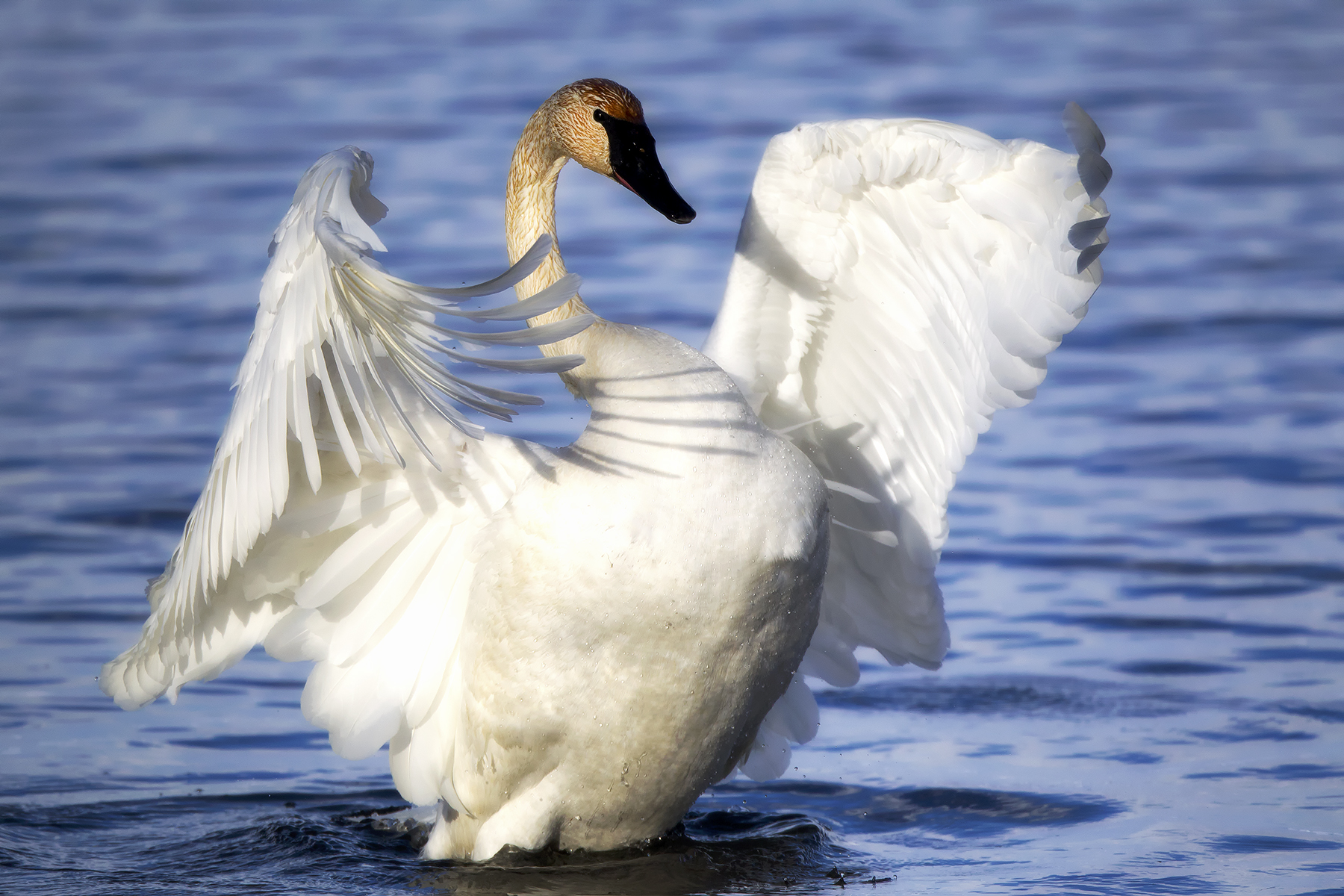
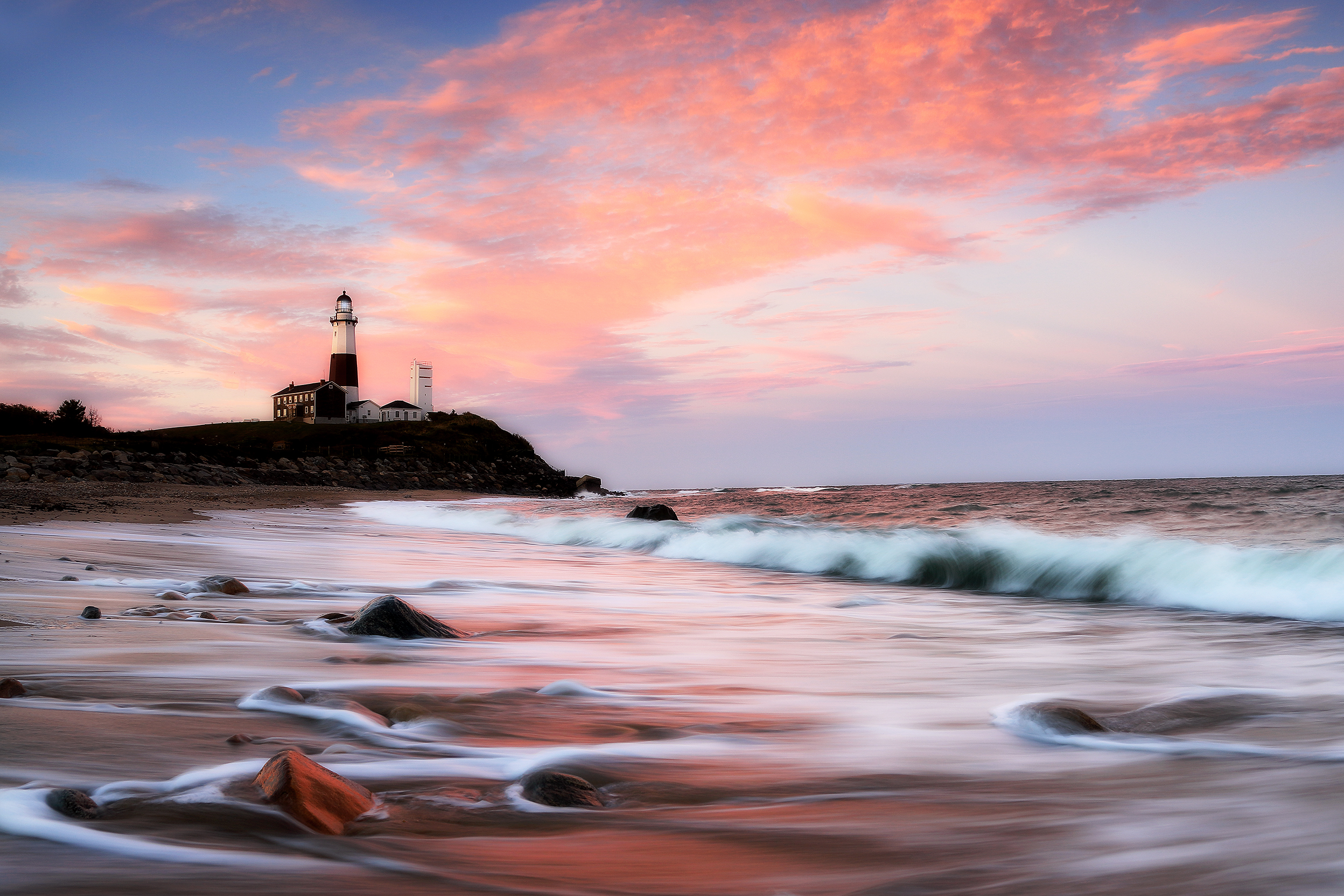
Bring the season home—browse Wildlife, Landscapes, and Seascapes by National Geographic–published photographer Robbie George. See framing, editions, and care on the Collectors page.
 Landscape
  Wildlife
  Seascapes
About Robbie George
Robbie George is a National Geographic–published photographer and resonant naturalist. His fieldcraft follows a simple ethic—distance first, habitat always— shaped by Slow Knowledge and the Signature Series.
Explore calm, undisturbed behavior in the Wildlife Gallery or plan your next trip with the Seasonal Wildlife Calendar, Golden Hour & Moon, and Photography Maps.
“Attention first, image second. The shutter is the period at the end of a sentence you learned by walking.”
Frequently Asked Questions: Ocean Photography
What are the best times to photograph the ocean?
Golden hour — just after sunrise or before sunset — offers warm, directional light that adds depth and emotion. But don’t overlook moody skies or full-moon nights. Each condition brings a unique tone to the seascape story.
What gear should I use for seascape photography?
A weather-sealed DSLR or mirrorless camera, a sturdy tripod, a wide-angle lens, ND filters, and a polarizer are foundational tools. Consider packing lens cloths, rain covers, and extra batteries — the ocean is unpredictable.
How do I protect my equipment from saltwater and sand?
Use waterproof housing or protective covers. Always change lenses in a safe spot, and clean gear immediately after shooting near salt spray. A sealed environment extends the life of your tools — and your trust in them.
How can I capture waves with a silky effect?
Use long exposure techniques with an ND filter and tripod. Slow your shutter speed (1/2 to 30 seconds) depending on light and motion. Let the water blur — revealing the unseen rhythm beneath its surface.
What’s the best way to compose ocean shots?
Use leading lines, foreground interest, and horizon placement to tell a visual story. Apply the rule of thirds or golden ratio to create balance — but let your intuition guide composition just as much as geometry.