

Quantum Agriculture Part 5: Polarity and Regenerative Farming
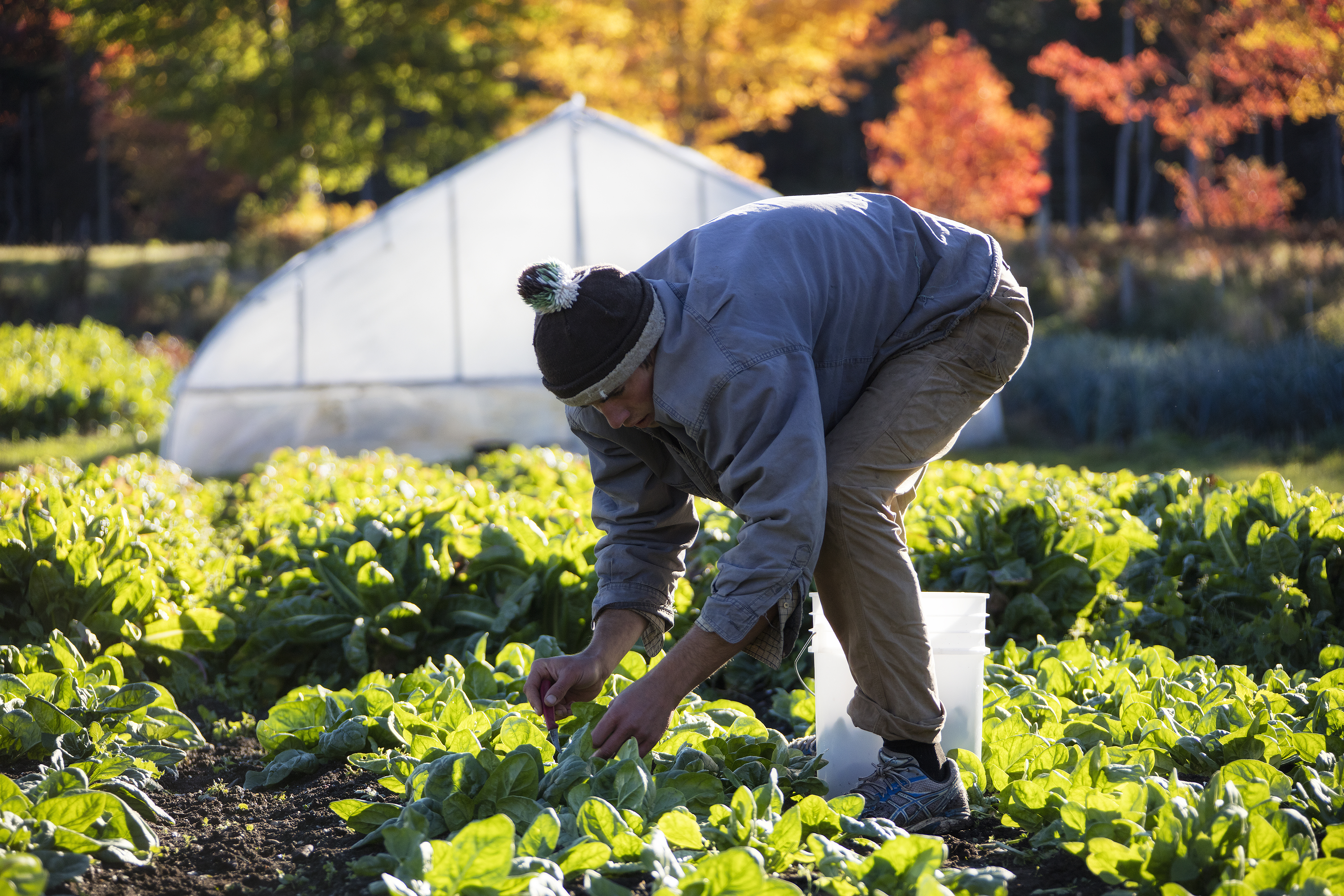
Observation is the beginning of coherence—where human awareness reconnects with the quantum breath of the land.
Polarity and the Quantum Field of Regenerative Farming
Polarity as the Pulse of Regeneration
Polarity—the dance between positive (+) and negative (–) charges—is not abstract. It is the engine that powers soil fertility, microbial vitality, and root resilience. Every breath of growth, every droplet of water, every nutrient pulse rides this subtle but profound field.
In regenerative farming, we don't fight this natural oscillation. We align with it. We cultivate practices that honor the soil’s own electromagnetic field—inviting deeper roots, richer biodiversity, and stronger crops, all synchronized with Earth’s rhythms.
As we explore polarity’s role in agriculture, we awaken an ancient understanding: life thrives when energy is allowed to spiral, pulse, and breathe—undisturbed, yet deeply remembered by the field itself.
Polarity is not a force imposed—it is the quiet breath of the Earth, moving life in a rhythm older than words.
Polarity in Practice: Regenerative Methods that Align with Nature
Polarity reveals itself in the soil through hydrogen ions, charged microbial communities, and the balanced dance of cations and anions. When this energy exchange is supported, fields pulse with vitality. When it’s disrupted, soils fall into stagnation.
Regenerative farmers don’t impose energy—they honor it. Every cover crop planted, every rotation designed, every preserved mycorrhizal thread helps restore the soil’s natural current, synchronizing biology with Earth’s electromagnetic field.
This isn’t just about growing crops—it’s about cultivating a field of vitality that holds memory, resilience, and regenerative intelligence.
- Cover Cropping: Legumes like clover and vetch restore nitrogen (+), energizing root zones and microbial activity.
- Crop Rotation: Alternating plant families prevents charge depletion and strengthens field polarity.
- No-Till Systems: Protect structured water, preserve electrical pathways, and enhance root coherence.
Try This: Plant a rye cover crop this fall—its deep roots and positive ion signature stimulate microbial vitality and can reduce synthetic fertilizer needs by spring.
According to Rodale Institute (2021), regenerative polarity practices can increase soil microbial biomass by up to 30%, amplifying water retention, carbon storage, and the coherence of the field.
Polarity flows not through force—but through the quiet memory of life carried in every root, every raindrop, every breath of the soil.
🌿 How Cover Crops Rebalance Soil Polarity
- Restore Positive Ions: Legume roots inject nitrogen (+) back into depleted fields, recharging the soil.
- Feed Microbial Energy: Cover crops release root exudates that nourish microbes and stimulate bioelectrical flow.
- Deepen Root Resonance: Dense root systems anchor energy, improving conductivity and resilience over time.
Cover crops are not just ground cover—they are living rivers of energy, restoring the breath of the soil's pulse.
Monoculture vs. Regenerative Systems: A Contrast in Polarity
Monocropping’s Imbalance
Monoculture farming treats soil as a static medium—not a living field. Growing the same crop year after year fractures microbial networks, weakens root resonance, and disrupts the soil's natural charge. Without polarity, vitality fades.
- Excess Synthetic Fertilizers: Disrupt microbial polarity and deplete natural charge flow.
- Repeated Tillage: Breaks apart fungal threads and collapses structured water networks.
- Heavy Machinery: Compacts soil, reducing its capacity to breathe, pulse, and conduct energy.
According to USDA (2021), monocropped fields can lose up to 35 tons of topsoil per hectare each year—a symptom of fractured coherence and forgotten field memory.
Regenerative Farming’s Resonant Return
In contrast, regenerative agriculture restores polarity by weaving the land back into rhythm. It honors Earth’s electromagnetic pulse through diversity, timing, and conscious design. Roots become memory conductors. Microbes become harmonizers. The field becomes whole again.
- Cover Crops: Restore nitrogen balance and microbial excitation through seasonal pulses.
- Rotational Planting: Keeps energy cycling through shifting plant–fungal relationships.
- Living Roots Year-Round: Maintain continuous +/– charge and microbial community coherence.
Tiemann et al. (2015) found that diversified regenerative systems can increase microbial biomass by 20–30%, improving soil structure, water retention, and nutrient cycling—all signs of restored polarity.
Monoculture forgets the song of the soil. Regeneration remembers it—and plays it forward, root to root, season to season.
🌿 Pulse Breakers vs. Pulse Builders
Monoculture Breakers
- Synthetic fertilizer overload
- Soil compaction from heavy machinery
- Loss of microbial diversity
- Collapse of structured water networks
- Increased erosion and nutrient runoff
Regenerative Builders
- Cover crops restore polarity
- Living roots maintain field resonance
- Crop rotation energizes microbial webs
- Minimal tillage protects fungal memory
- Water and nutrients cycle naturally
Every choice either fractures the field’s memory—or deepens its living pulse.
Real-World Polarity in Action: Regenerative Farms
🥕 Four Season Farm: Eliot Coleman's Nutrient-Dense Vegetables
At Four Season Farm in Maine, organic farming pioneer Eliot Coleman demonstrates how polarity-driven soil management enhances nutrient density. Using compost-based fertility, diverse crop rotations, and minimal tillage, Coleman cultivates a field of living charge—where energy moves coherently from root to canopy.
Research by Montgomery & Biklé (2022) found that carrots grown under regenerative systems like Coleman's had up to 20% higher beta-carotene levels—a measurable reflection of restored microbial polarity and soil coherence.
When soil breathes in coherence, nutrients rise not by force, but by memory—written into every cell, every root, every harvest.
🐄 Polyface Farm: Joel Salatin’s Systemic Polarity
In Virginia, Joel Salatin at Polyface Farm applies polarity not just to soil—but to whole ecosystems. Through rotational grazing, multi-species stacking, and field composting, Salatin amplifies the land’s natural charge flows—regenerating fertility, biodiversity, and energy without synthetic input.
- Rotational Grazing: Supports microbial pulse recovery and prevents compaction.
- Multi-Species Synergy: Each animal stimulates a unique field signature, enriching soil life.
- On-Field Composting: Returns polarized organic matter directly into the energetic cycle of the farm.
Salatin’s regenerative methods don’t just grow food—they rewire the field to remember abundance.
True regeneration listens not just to soil’s chemistry—but to its living pulse, carried across fields by roots, microbes, and memory.
🌿 Polarity Practices from Real Farms
- Composting: Stores polarized organic energy to feed soil memory and microbial intelligence.
- Rotational Grazing: Rest periods between grazing pulses restore charge balance in the root zone.
- Cover Cropping: Injects positive ions and microbial vibrancy through seasonal field rhythms.
- Minimal Tillage: Preserves fungal EM networks and the flow of underground communication.
- Multi-Species Integration: Diversity of animals maintains bioelectrical variation across the landscape.
Regeneration is not about pushing harder—it’s about remembering how nature moves energy through breath, rhythm, and polarity.
🌿 Summary: Polarity as a Quantum Driver of Regeneration
Polarity is not just a theory—it is a living architecture, present in every soil microbe, water molecule, and breath of root. It is the engine of coherence, the spark of communication, the rhythm that drives regeneration.
When polarity is respected, soil awakens. Roots deepen. Microbes organize into field-aware communities. Water cycles intelligently. Light enters the field not as energy to extract, but as memory to receive.
- Energy Coherence: Charge pathways support nutrient precision and stress resilience.
- Microbial Symbiosis: Diverse organisms create resonant soil fields rich with memory and feedback.
- Root Zone Vitality: Living roots generate continuous +/– polarity and field integrity year-round.
- Water Intelligence: Structured water moves in sync with biological need and vibrational rhythm.
Regenerative farmers who align with polarity don’t just grow plants—they grow systems that breathe. They grow memory. They grow coherence across the seasons.
To regenerate is to remember—and to remember is to breathe once again with the silent music of the Earth.
🌿 What’s Next: Field-Aware Technology
We’ve explored how polarity breathes life into soil, roots, and resilience. Regeneration begins when we tune into the ancient field beneath our feet—where charge flows, microbes sing, and memory roots itself in every harvest.
Next, we step into the present moment of possibility—where field-aware tools like quantum sensors, biophoton scanners, and coherence monitors are helping farmers measure what matters: vitality, energy, and resonance.
Discover how technology aligned with nature’s intelligence is awakening a new era of intuitive, responsive, regenerative farming.
➔ Read Part 6: Field-Aware Technology🌿 Spiral Breathing Practice: Balancing the Field Within
Sit quietly and close your eyes. Inhale slowly, imagining positive (+) energy spiraling downward from the sky into your chest—bright, expansive, full of light.
Pause gently at the heart. Then exhale slowly, releasing negative (–) charge downward into the soil—grounding, stabilizing, restoring the breath of the field.
Repeat this spiral breath 5 times. Feel your inner terrain align with the pulse of the Earth—balanced, coherent, alive.

About the Author
Robbie George is a National Geographic photographer, regenerative farmer, and nature philosopher. He captures the harmonic intelligence of nature through fine art photography, quantum storytelling, and ecological insights.
Explore his signature series The Living Code, dive into Quantum Agriculture, or follow his journey on Instagram and LinkedIn.
🌿 Frequently Asked Questions: Polarity and Regenerative Farming
1. What is polarity in regenerative farming?
Polarity refers to the natural flow of positive (+) and negative (–) charges in living soil systems. Healthy soil pulses with this rhythm, driving nutrient cycling, microbial coherence, and root strength.
2. How does polarity affect crop health?
Charged soils enhance mineral mobility, support microbial synergy, and increase the bioavailability of nutrients. Plants grown in polarity-aligned fields tend to be more resilient, nutrient-dense, and energetically balanced.
3. What farming practices restore polarity?
Regenerative practices like cover cropping, composting, rotational grazing, and minimal tillage preserve the soil’s natural electrical charge and microbial communication networks.
4. Why is monoculture harmful to soil polarity?
Monoculture depletes charges, compacts soil, and disrupts microbial and ionic flow. Without rotation or biological diversity, soils lose their pulse—leading to erosion, lower yields, and nutrient deficiencies.
5. Can polarity practices improve nutrient density?
Yes. Regenerative farms like Four Season and Polyface show up to 20% greater nutrient density in crops due to the coherence of microbial and mineral cycles restored by polarity-aligned systems.