
Wolves: A Comprehensive Guide to Conservation and Reintroduction Efforts
Why Wolves Matter More Than We Think
When wolves disappear from a landscape, the effects are immediate—but not always obvious at first. Prey populations expand, grazing pressure increases, vegetation declines, and over time, entire ecosystems begin to degrade.
I’ve seen this contrast most clearly in places like Yellowstone, where wolves were reintroduced after decades of absence. Their return didn’t just bring back a species—it brought back balance. Elk behavior shifted, vegetation recovered, and biodiversity increased across the system.
This is the foundation of what we explore in ecosystems, behavior and ecology, and conservation:
Predators don’t control ecosystems—they stabilize them.
“The presence of the wolf doesn’t dominate the land—it teaches it how to function again.” — Robbie George
On This Page
Wolves in the Larger System — More Than a Predator
When I think about wolves, I don’t just think about an animal. I think about a force moving through the larger system of the land. Wolves influence prey behavior, vegetation recovery, scavenger activity, water corridors, and the timing of movement across entire ecosystems. That is why they matter so much. Their role is not isolated. It radiates outward.
This page is not only about wolf biology. It is about what wolves do to a landscape by simply being present within it. Their role reaches into trophic cascades, wildlife systems ecology, biodiversity and ecosystem balance, and broader questions of coexistence, culture, and conservation.
We’ll move through several layers of the wolf story here: the different wolf species, the ecological importance of predators, the realities of human-wolf conflict, the cultural meanings wolves carry, and the global conservation pressures they still face. This structure matters because wolves are not just one topic. They sit at the intersection of science, land use, public perception, and the future of wild systems.
What makes wolves especially important is that their influence can be seen. When wolves return, prey move differently. When prey move differently, vegetation recovers. When vegetation recovers, other species return. This chain of response is one of the clearest examples of ecological intelligence in action, and it connects directly to the broader system pages I’ve built around ecosystems, conservation and habitat, and Naturepedia.
So before getting into the details, this is the foundation: wolves are not just animals we should save. They are animals that help landscapes function. Protecting wolves is part of protecting the wider pattern of life that depends on them.
Types of Wolves — Diversity Within the System
Not all wolves are the same. What I’ve come to appreciate over time is how each type of wolf reflects the landscape it lives in. Size, coat, behavior, and even hunting patterns shift depending on terrain, climate, and prey. Understanding these differences is key to understanding how wolves function across ecosystems globally.
Grey Wolf (Canis lupus)
The grey wolf is the most widespread and adaptable wolf species. Found across North America, Europe, and Asia, it occupies forests, mountains, tundra, and grasslands. Grey wolves are highly social pack hunters and are central to many of the ecological processes discussed throughout this site. If you want a deeper breakdown, see the full grey wolf species guide.
- Arctic wolf — adapted to extreme cold with thick white coats and smaller ears for heat retention
- Timber wolf — common in North American forests with strong pack structures
- Mexican wolf — the smallest subspecies, currently part of active conservation recovery programs
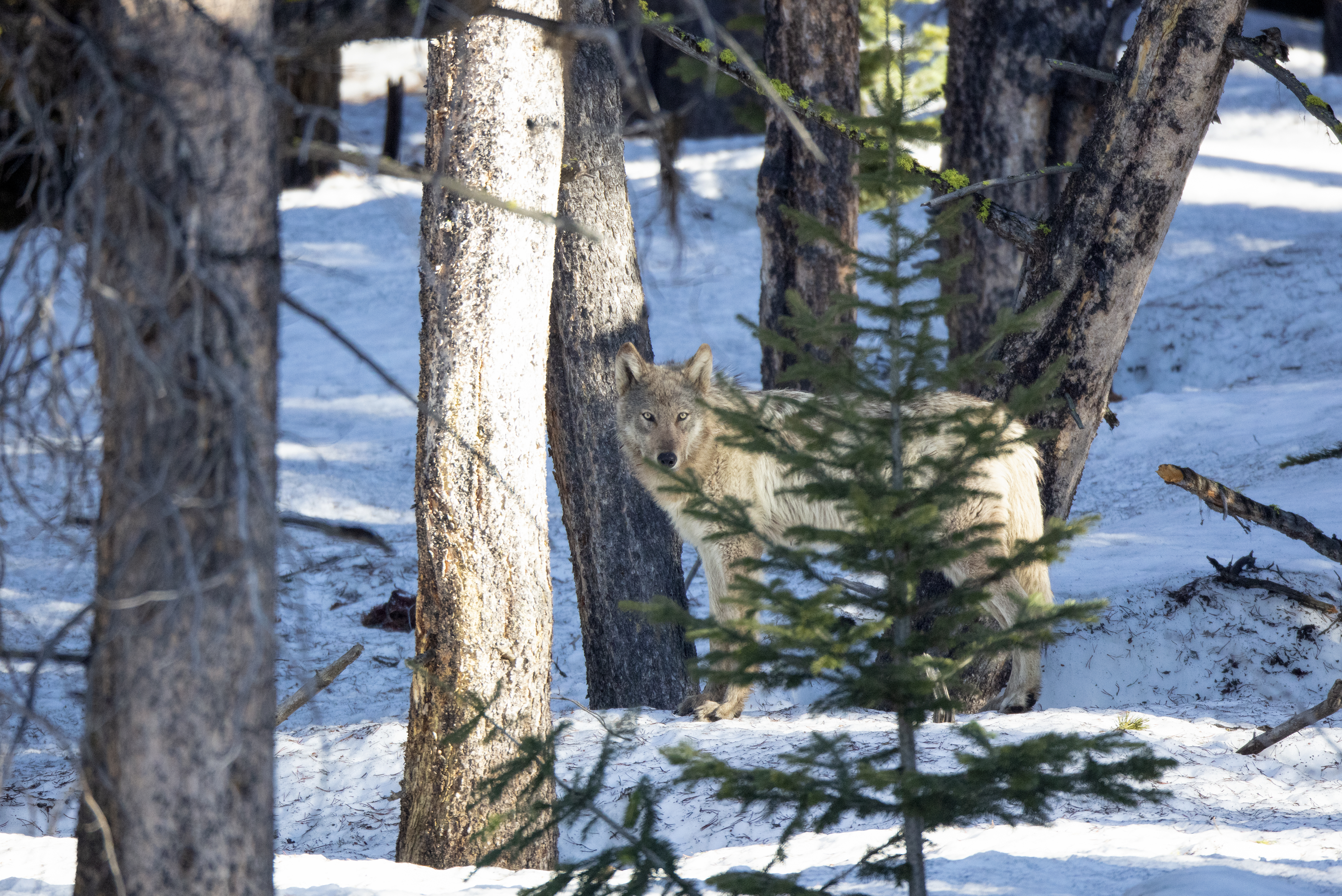
Red Wolf (Canis rufus)
The red wolf is one of the rarest canids on Earth. Native to the southeastern United States, it is smaller and more slender than the grey wolf. Today, it remains critically endangered, with only a very small population in the wild. Learn more in the red wolf conservation guide.
Other Notable Wolves
- Eastern wolf — found in parts of Canada, often considered a hybrid between wolves and coyotes
- Ethiopian wolf — Africa’s rarest carnivore, adapted to high-altitude ecosystems
- Arabian and Himalayan wolves — adapted to arid and mountainous environments
Each of these wolves exists within a specific ecological context. Their differences highlight a larger truth: wolves are not just a species—they are a pattern that adapts to landscape. That adaptability is part of what makes them so important to adaptation and survival and the broader systems explored across Naturepedia.
Why Wolves Matter — Keystone Species and Ecosystem Stability
If there’s one concept that defines the importance of wolves, it’s this: they are a keystone species. Their presence holds ecosystems together. When wolves are present, landscapes function differently—and more effectively.
Wolves regulate prey populations like deer and elk, but the deeper impact is behavioral. Prey species begin to move differently. They avoid overgrazing sensitive areas like riverbanks and open valleys. That shift alone allows vegetation to recover, which then supports birds, insects, and other wildlife.
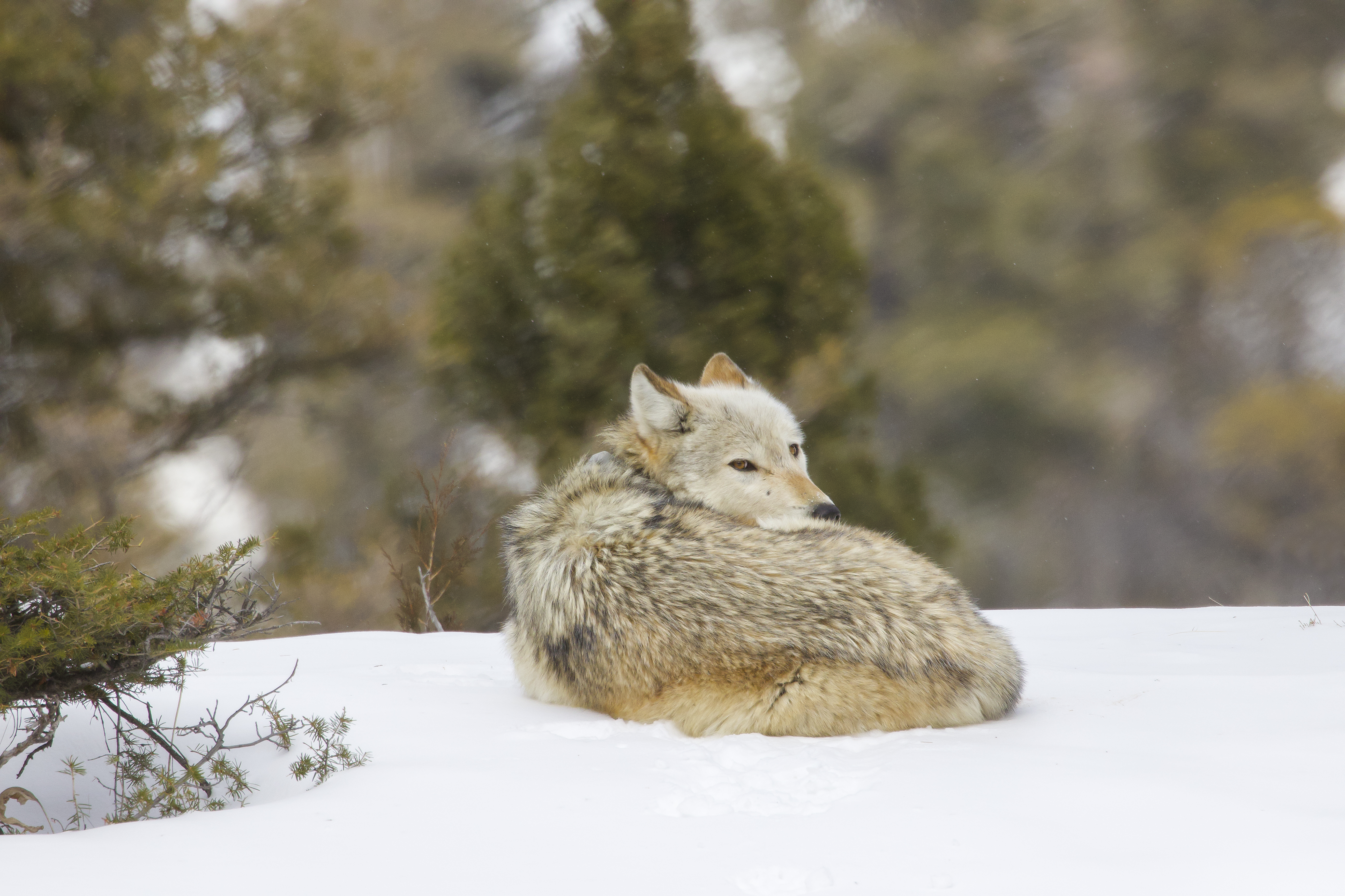
This chain reaction is known as a trophic cascade. It’s one of the clearest examples of how a single species can influence entire ecosystems. When wolves were reintroduced into Yellowstone, these changes became visible within years—vegetation returned, waterways stabilized, and biodiversity increased.
What’s important is that wolves don’t create these systems—they restore them. The balance already exists within the ecosystem. Wolves simply reactivate it. This is why they are so closely tied to wildlife systems ecology and biodiversity and ecosystem balance.
Without wolves, ecosystems don’t immediately collapse—but they begin to drift out of balance. Over time, that imbalance compounds. Understanding this is key to understanding why conservation efforts are not just about protecting a species, but about protecting the function of the landscape itself.
Human–Wolf Coexistence — Conflict, Perception, and Solutions
The relationship between humans and wolves has always been complicated. In the field, it’s clear that wolves are not inherently aggressive toward people—but the perception of them often is. Much of that perception comes from history, folklore, and real economic concerns tied to livestock and land use.
In areas where wolves have returned, conflict tends to follow—not because wolves are out of control, but because they are re-entering landscapes that are already occupied by people. Ranching, hunting, and development all intersect with wolf territory. This creates tension that needs to be addressed thoughtfully, not reactively.
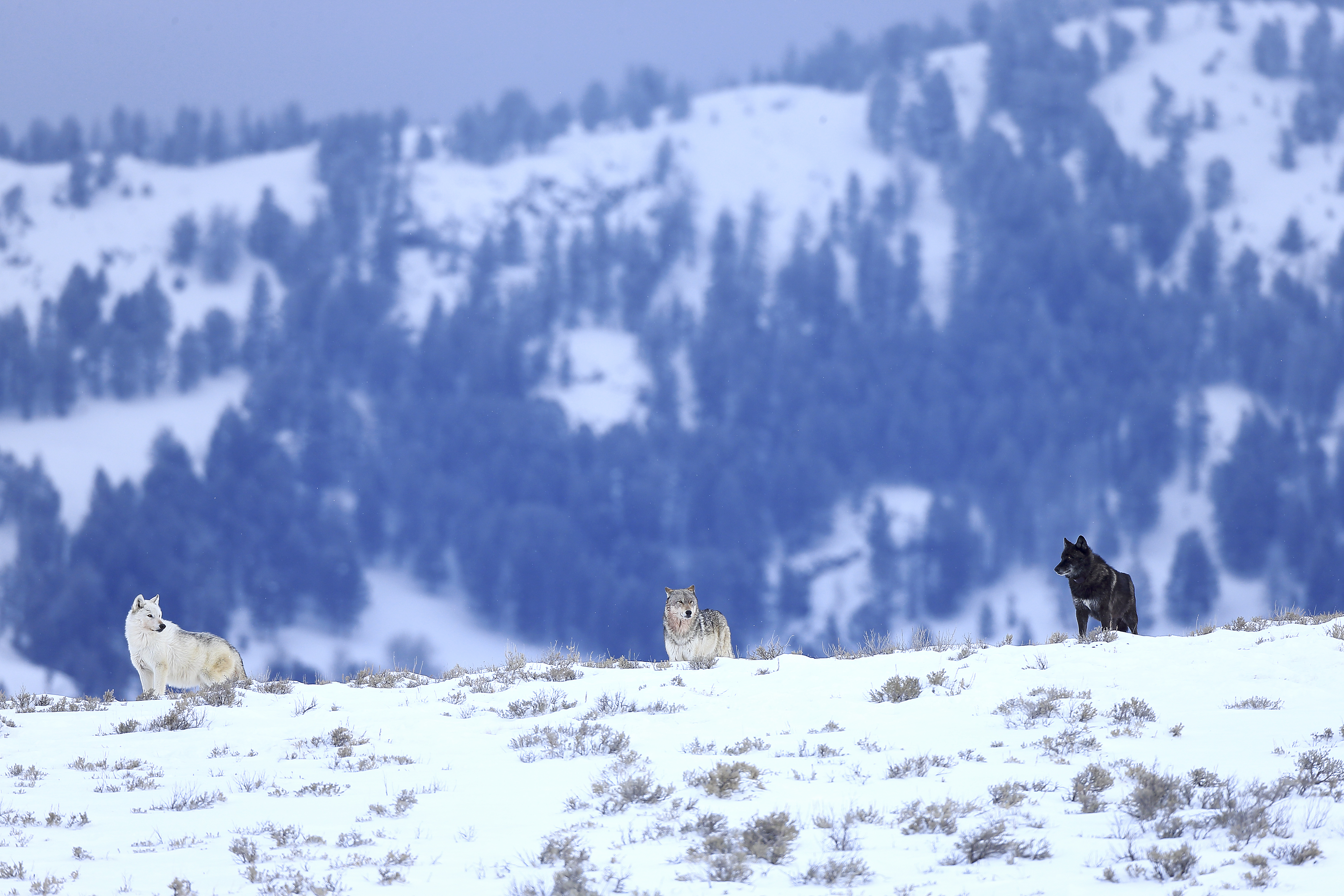
What I’ve seen—and what research continues to support—is that coexistence is possible. Tools like livestock guardian animals, fencing, and deterrents reduce conflict significantly. Programs that compensate ranchers for losses also help bridge the gap between conservation goals and economic reality.
This is where conservation and habitat management becomes critical. Protecting wolves is not just about legal status—it’s about designing landscapes and policies that allow both wildlife and people to function within the same system.
Coexistence ultimately comes down to understanding. When wolves are seen only as a threat, the system breaks down. When they are understood as part of the ecological structure, solutions begin to emerge. This shift—from fear to awareness—is one of the most important steps in modern conservation.
The Cultural Role of Wolves — Symbol, Story, and Meaning
Wolves don’t just exist in ecosystems—they exist in human consciousness. Long before modern ecology explained their role, wolves were already embedded in stories, symbols, and cultural identity. What’s interesting is how often those stories reflect something real about the animal itself.
In many Indigenous cultures, wolves are seen as teachers—symbols of loyalty, intelligence, and family structure. These perspectives align closely with what we now understand scientifically about wolf pack dynamics and cooperation. They are not chaotic predators—they are structured, relational animals operating within a system.
At the same time, wolves have also been misunderstood. In European folklore, they were often cast as villains—symbols of danger or chaos. Those narratives shaped policy and public perception for centuries, contributing to widespread eradication efforts across North America and Europe.
Today, wolves still carry both meanings. They represent wildness, independence, and instinct—but also fear and conflict in certain contexts. That duality matters, because how we see wolves influences how we treat them.
Understanding the cultural role of wolves is part of understanding conservation itself. Science explains what wolves do—but culture often determines whether we allow them to continue doing it. Bridging that gap is one of the most important challenges in modern wildlife conservation.
“To understand the wolf, you have to look at both the land it walks and the stories we tell about it.” — Robbie George
Global Wolf Populations — Distribution, Pressure, and Recovery
Wolves once occupied most of the Northern Hemisphere. Today, their range is far more fragmented. What I’ve come to understand is that wolves don’t just disappear randomly—they disappear where systems break down, and they return where systems are allowed to recover.
Globally, the grey wolf is listed as “Least Concern,” but that label can be misleading. In many regions, local populations are still threatened or heavily managed. In others, wolves are making a comeback—especially where legal protections and habitat continuity exist.
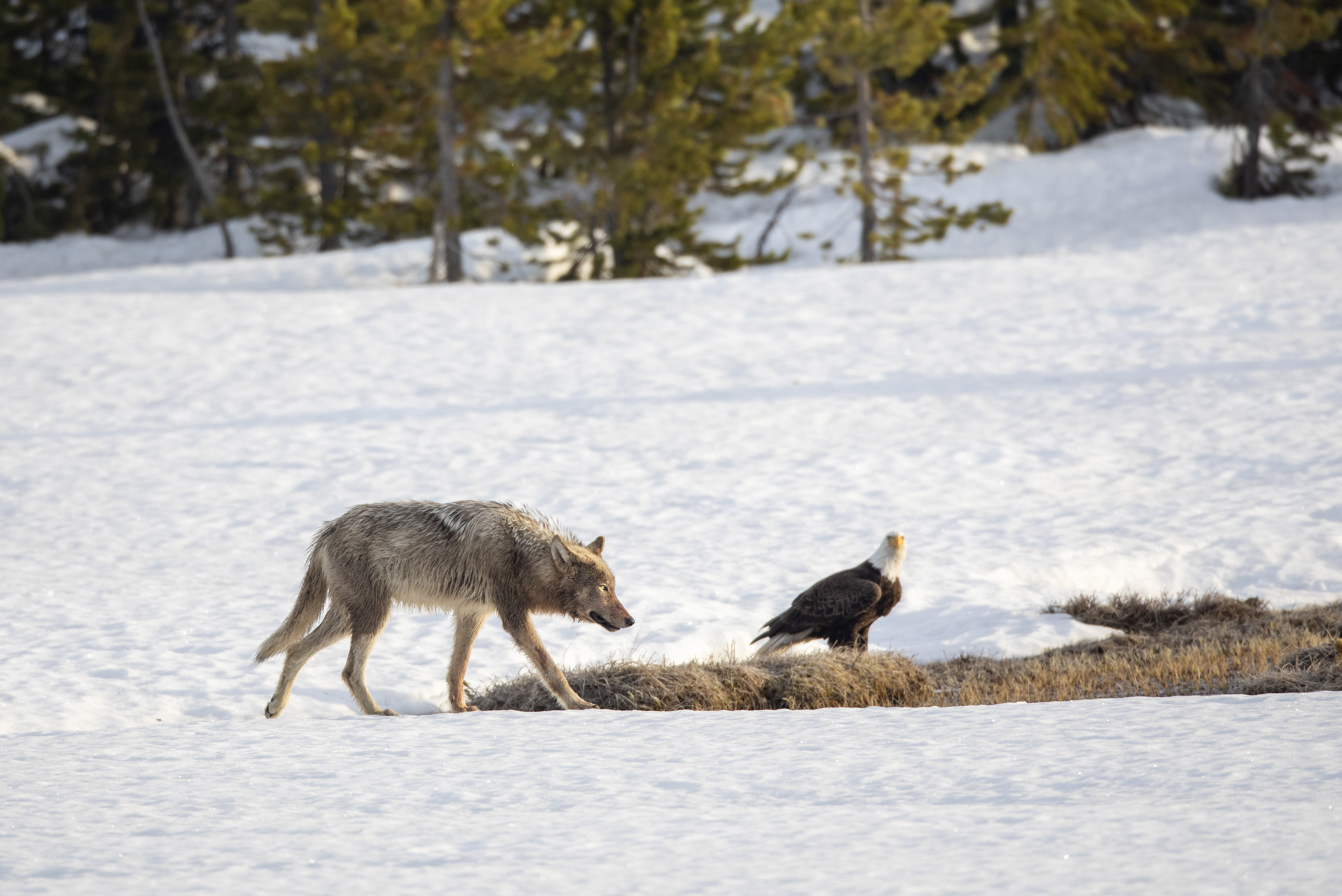
In North America, wolves have returned to parts of the Rocky Mountains and Great Lakes region, but remain absent from large portions of their historic range. In Europe, protections have allowed wolves to recolonize areas where they had been gone for over a century. In contrast, regions of Asia and Africa still face significant pressure from habitat loss and human conflict.
Some species, like the red wolf, remain critically endangered. Others, like the Ethiopian wolf, face challenges from disease, isolation, and shrinking habitat. These variations highlight an important point—there is no single “wolf conservation story.” Each population exists within its own ecological and political context.
Understanding global wolf populations connects directly to broader systems like conservation, ecosystems, and biodiversity. Wolves are global, but their survival depends on local decisions.
Wolves and Climate — Indirect Drivers of Ecosystem Resilience
Wolves are rarely discussed in conversations about climate change, but in the field, their influence is clear. They don’t affect climate directly—but they shape the systems that regulate it. Through their impact on vegetation and landscape structure, wolves play a quiet but important role in ecosystem resilience.
When wolves regulate herbivore populations, they reduce overgrazing. That allows trees, shrubs, and grasses to recover. These plants are critical because they capture and store carbon. Healthier vegetation means stronger carbon storage and more stable ecosystems.
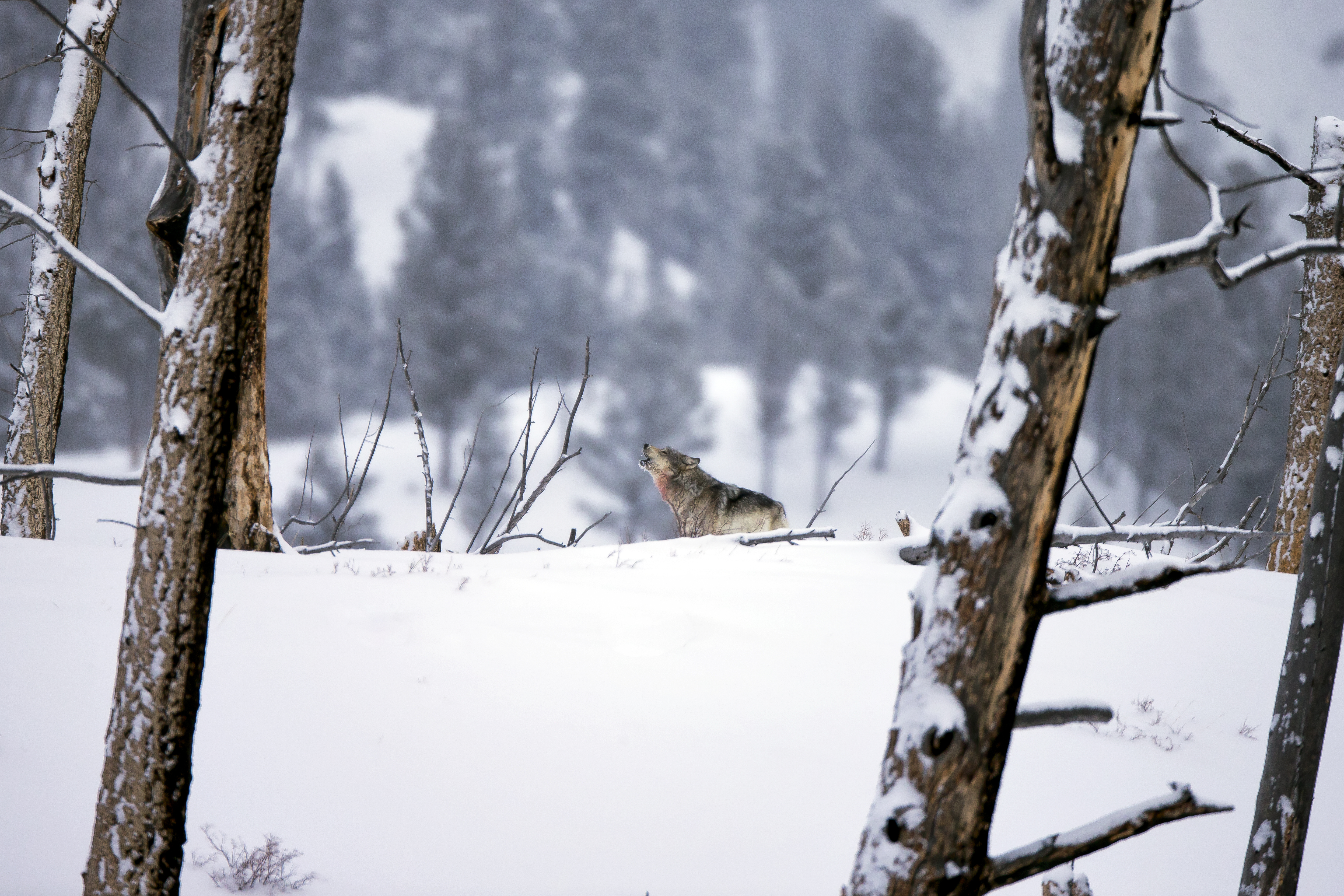
This connection becomes even clearer when you look at landscapes like Yellowstone. After wolves were reintroduced, vegetation rebounded in key areas. That recovery improved habitat for other species and strengthened the overall stability of the ecosystem. Stable ecosystems are more resilient to drought, wildfire, and environmental change.
Wolves also influence soil health indirectly. As plant life returns, root systems deepen and soil structure improves. This ties into larger processes explored in soil microbiomes and how ecosystems store carbon and cycle nutrients.
What this shows is that predators are not separate from environmental systems—they are part of them. Wolves help maintain the conditions that allow ecosystems to function, and functioning ecosystems are one of the strongest natural defenses against climate instability.
Economic Impact — Wolves as a Driver of Ecotourism and Local Economies
Wolves are often discussed in terms of conflict or conservation, but in the field, there’s another side that becomes obvious—people travel long distances just to see them. That movement of people creates real economic value in places where wolves still exist.
In regions like Yellowstone, wolves have become one of the most important drivers of wildlife tourism. Visitors come specifically to observe, track, and photograph them. That demand supports local businesses—guides, lodging, restaurants, and transportation.
Wildlife photography plays a major role in this. When people connect with wolves visually, it changes perception. That shift matters. It turns wolves from something feared into something valued. You can see that connection across the wildlife photography work and how imagery influences awareness and conservation support.
In some regions, wolf-related tourism generates more revenue than traditional extractive uses like hunting or resource exploitation. That creates a shift in how communities view wolves—not as a cost, but as an asset tied to long-term sustainability.
This economic layer connects back into conservation. When wolves have measurable value, there is more incentive to protect them and the habitats they depend on. It’s another example of how ecological systems and human systems are not separate—they influence each other in real, measurable ways.
The Ethics of Wolf Conservation — Balance, Control, and Responsibility
Wolf conservation is not just a scientific issue—it’s an ethical one. In the field, it becomes clear that wolves operate within natural systems that have their own balance. The question is not whether wolves belong, but how we choose to interact with that balance.
In some regions, wolf management includes regulated hunting or culling. The argument is often framed around livestock protection or population control. But what’s important to understand is that wolves are not isolated individuals—they are part of complex social structures. Removing one animal can disrupt the entire pack, sometimes increasing conflict rather than reducing it.
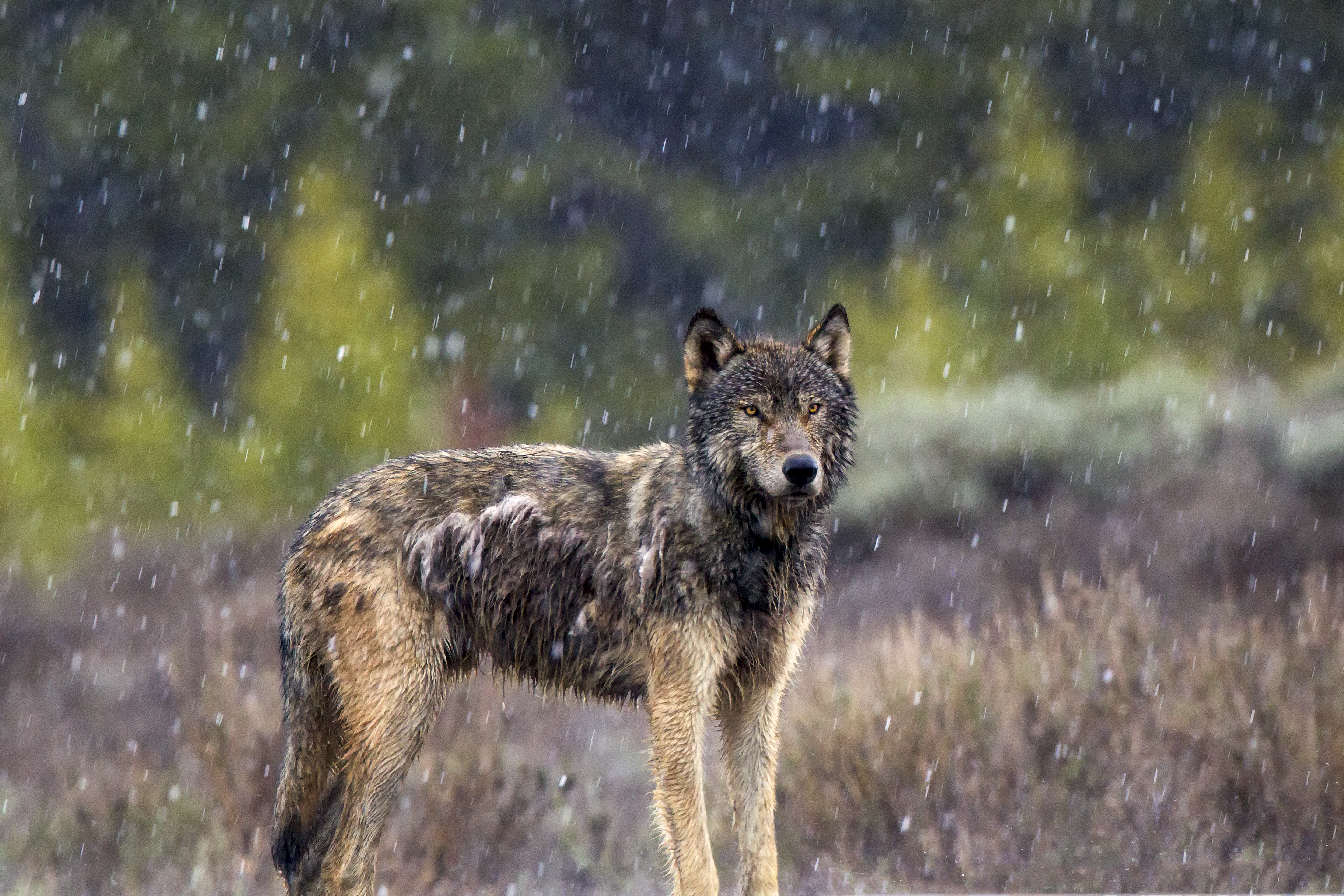
There are alternatives. Non-lethal deterrents, better land-use planning, and compensation programs have all shown success in reducing conflict. These approaches align more closely with how ecosystems naturally function, rather than trying to control them through removal.
Ethically, this comes down to perspective. If wolves are seen as a problem, the solution becomes elimination. If they are understood as part of a larger system, the solution becomes coexistence. That shift is central to modern wildlife conservation.
From what I’ve seen, the most effective conservation strategies are the ones that respect the system as a whole. Wolves are not outside of that system—they are one of the mechanisms that keep it working. Ethical conservation recognizes that and works with it, not against it.
“The question isn’t whether we can control the wild. It’s whether we are willing to understand it.” — Robbie George
Wolves and Other Predators — Different Roles in the Same System
Wolves don’t exist alone in the predator landscape. In many ecosystems, they share space with other apex predators like bears and mountain lions. What’s important is that each of these animals plays a different role—and together, they create balance.
Wolves are unique because they hunt as a coordinated group. Their pack structure allows them to influence prey behavior across large areas. This is why they are so strongly connected to trophic cascades and landscape-level change.
Bears, on the other hand, are mostly solitary and omnivorous. They contribute to ecosystems in different ways—through seed dispersal, nutrient cycling, and soil disturbance. You can explore more about their role in bear ecology.
Mountain lions operate differently again. They are solitary ambush predators, controlling prey populations in more localized ways. Their kills often feed scavengers, creating another layer of ecological interaction across the food web.
What this shows is that ecosystems are not controlled by one species. They are shaped by relationships between species. Wolves are a major part of that system, but they function alongside other predators, prey, and environmental factors. Understanding these connections is key to understanding food webs and ecological relationships at a deeper level.
The Future of Wolves — Recovery, Pressure, and Possibility
The future of wolves is still being written. In some regions, populations are recovering. In others, they remain under constant pressure. What I’ve seen is that wolf survival is not just about biology—it’s about human decisions.
Advances in tracking technology, habitat protection, and conservation science are improving our ability to understand and manage wolf populations. GPS collars, camera traps, and long-term ecological studies are giving us clearer insight into how wolves move, hunt, and interact with human landscapes.
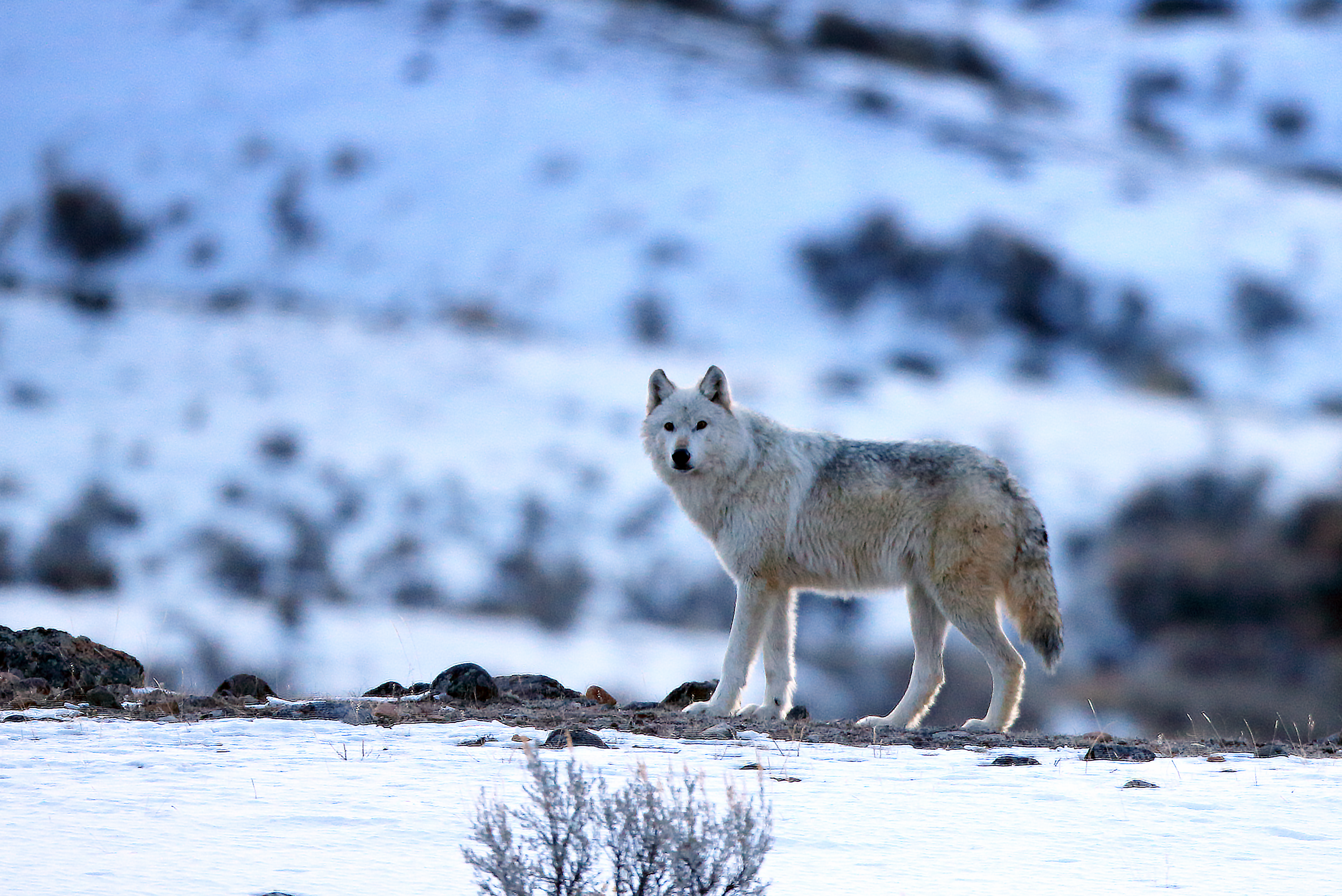
At the same time, challenges remain. Habitat fragmentation, policy shifts, and ongoing conflict with human land use continue to shape where wolves can exist. In some areas, legal protections are strong. In others, they are constantly changing.
There is also a growing recognition that wolves are part of broader environmental resilience. Their presence supports ecosystem stability, which becomes increasingly important in a changing climate. This ties back into everything we’ve explored across ecosystems, conservation, and long-term landscape health.
The path forward is not about returning to the past—it’s about building a future where wolves and people can coexist within functioning ecosystems. That future depends on understanding, policy, and a willingness to let natural systems operate the way they are designed to.
Education and Awareness — Changing the Narrative Around Wolves
If wolves are going to persist into the future, education will play a major role. What people understand, they are more likely to protect. What they misunderstand, they often fear. Changing that perception is one of the most important parts of conservation.
In the field, wolves are not what many people expect. They are cautious, highly aware, and deeply connected to their environment. When people see that for themselves—whether through direct observation or through accurate representation—it shifts how they think about them.
Photography plays a big role in that. Images can show behavior, environment, and presence in a way that data alone cannot. Through wildlife photography, people are able to connect with wolves as living animals rather than abstract ideas.
Education also happens through systems. When species are connected to habitat, behavior, and ecology—as they are in Naturepedia—it becomes easier to understand their role. That understanding builds a stronger foundation for conservation.
The goal is not just awareness, but clarity. When people see wolves accurately—as part of a functioning system—the conversation shifts. And when the conversation shifts, the outcomes tend to follow.
Take Action — Supporting Wolves and the Systems They Sustain
Wolves don’t need attention—they need understanding, protection, and space. The good news is that there are practical ways to support their survival, and those actions often support broader ecosystems at the same time.
Conservation starts with awareness, but it doesn’t end there. Policy, land use, and public perception all influence whether wolves are protected or removed. The more informed those decisions are, the better the outcome for both wildlife and people.
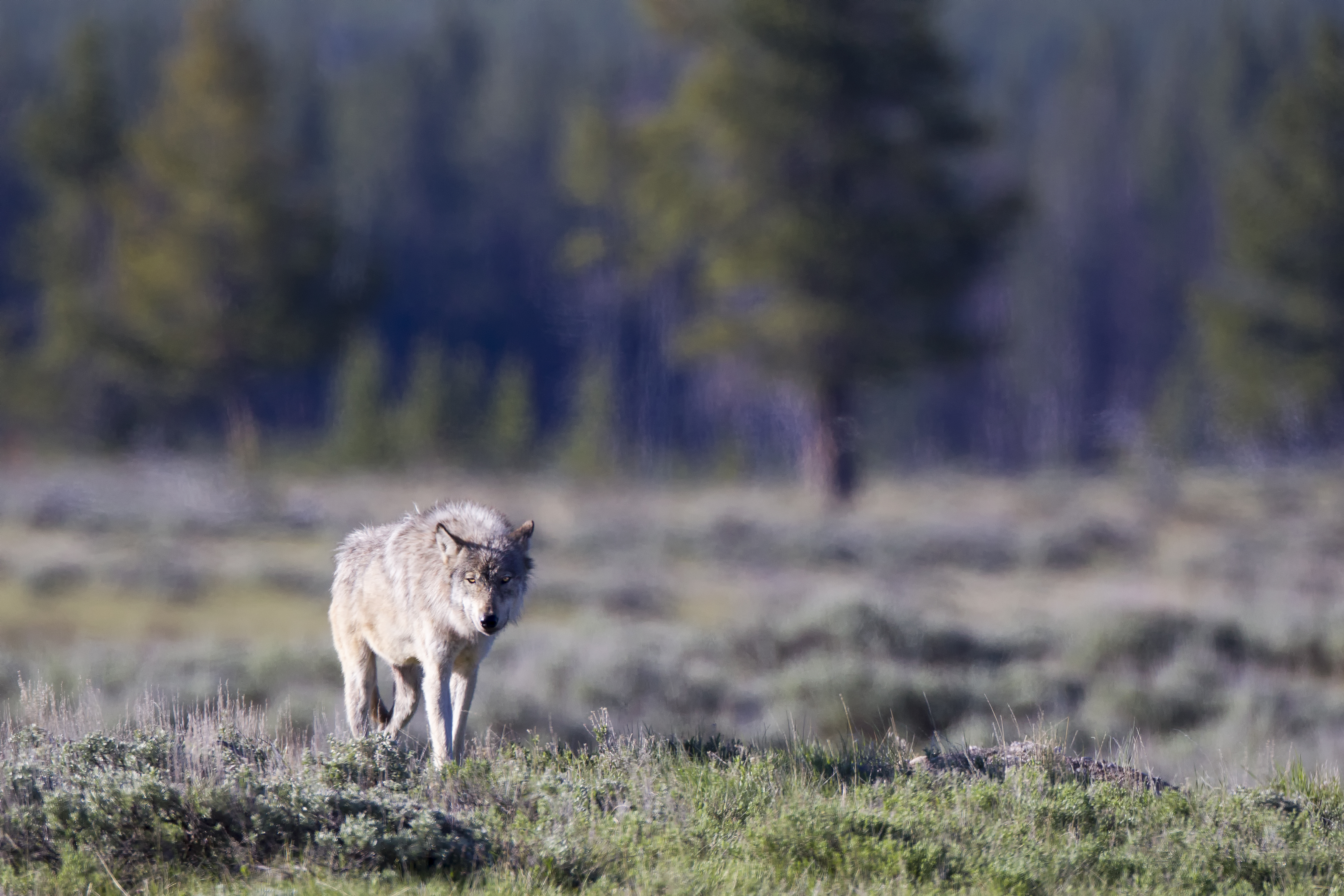
- Support organizations working on wildlife conservation and habitat protection
- Share accurate information that reflects the ecological role of wolves
- Advocate for policies that support coexistence rather than removal
- Use photography and storytelling to shift perception toward understanding
- Stay connected to seasonal patterns and landscapes through tools like the seasonal wildlife calendar
Every action contributes to the larger system. Wolves are one part of that system, but their influence is wide. Supporting them means supporting the balance of ecosystems, the resilience of landscapes, and the continuity of wild processes that extend far beyond a single species.
Naturepedia Connection — Understanding Wolves in the Larger Living System
Wolves are one of the clearest examples of how a single predator can influence an entire ecosystem. On this page, we’ve moved through wolf diversity, ecological role, coexistence, climate connection, cultural meaning, and conservation. All of those threads lead back to one central point: wolves are not isolated animals. They are system-shaping forces.
That is exactly how I’ve built Naturepedia—connecting species to behavior, behavior to habitat, habitat to ecosystems, and ecosystems to conservation. Wolves belong within mammals of North America, wildlife behavior and ecology, ecosystems, and conservation systems.
They also connect directly to larger system pages like keystone species and trophic cascades, food webs and ecological relationships, and biodiversity and ecosystem balance.
This is where wolves become more than a topic. They become a gateway to understanding how nature actually works—through relationship, pressure, adaptation, and balance.
Wolves FAQ — Ecology, Conservation, and Coexistence
Why are wolves considered a keystone species?
Wolves are considered a keystone species because their presence influences prey behavior and population structure, which affects vegetation, waterways, scavengers, and biodiversity across entire ecosystems.
How do wolves help ecosystems?
Wolves help ecosystems by regulating herbivores like deer and elk, reducing overgrazing, and allowing plant communities to recover. This can trigger trophic cascades that benefit many other species.
Are wolves dangerous to humans?
Wolves are generally wary of people, and attacks on humans are extremely rare. Most conflict involving wolves is tied to livestock or competition over land use rather than direct danger to people.
What is the difference between grey wolves and red wolves?
Grey wolves are larger, more widespread, and highly adaptable across many ecosystems. Red wolves are smaller, more limited in range, and critically endangered, with only a very small wild population remaining.
Do wolves help with climate resilience?
Indirectly, yes. By helping restore vegetation and ecosystem balance, wolves support healthier landscapes that store more carbon, improve soil stability, and become more resilient to drought and other environmental pressures.
How can people support wolf conservation?
People can support wolf conservation by learning the science, sharing accurate information, supporting habitat protection, and backing coexistence-based conservation policies rather than fear-driven removal.
About the Author

I’m Robbie George, a National Geographic–published photographer whose work is grounded in field observation, ecological awareness, and long-term relationship with the natural world.
Through photography and writing, I connect species like wolves to the larger systems they shape—behavior, ecosystems, conservation, and the larger architecture of Naturepedia.
You can explore more of my wildlife work through the Wildlife Gallery, follow seasonal movement through the Seasonal Wildlife Calendar, or go deeper into the philosophy behind my fieldwork through Slow Knowledge and the Signature Series.
“The more time I spend with predators in the field, the more clearly I see that balance is not control—it is relationship.”