

Triptych: Enhance Your Space with Triptych and Polyptych Wall Art
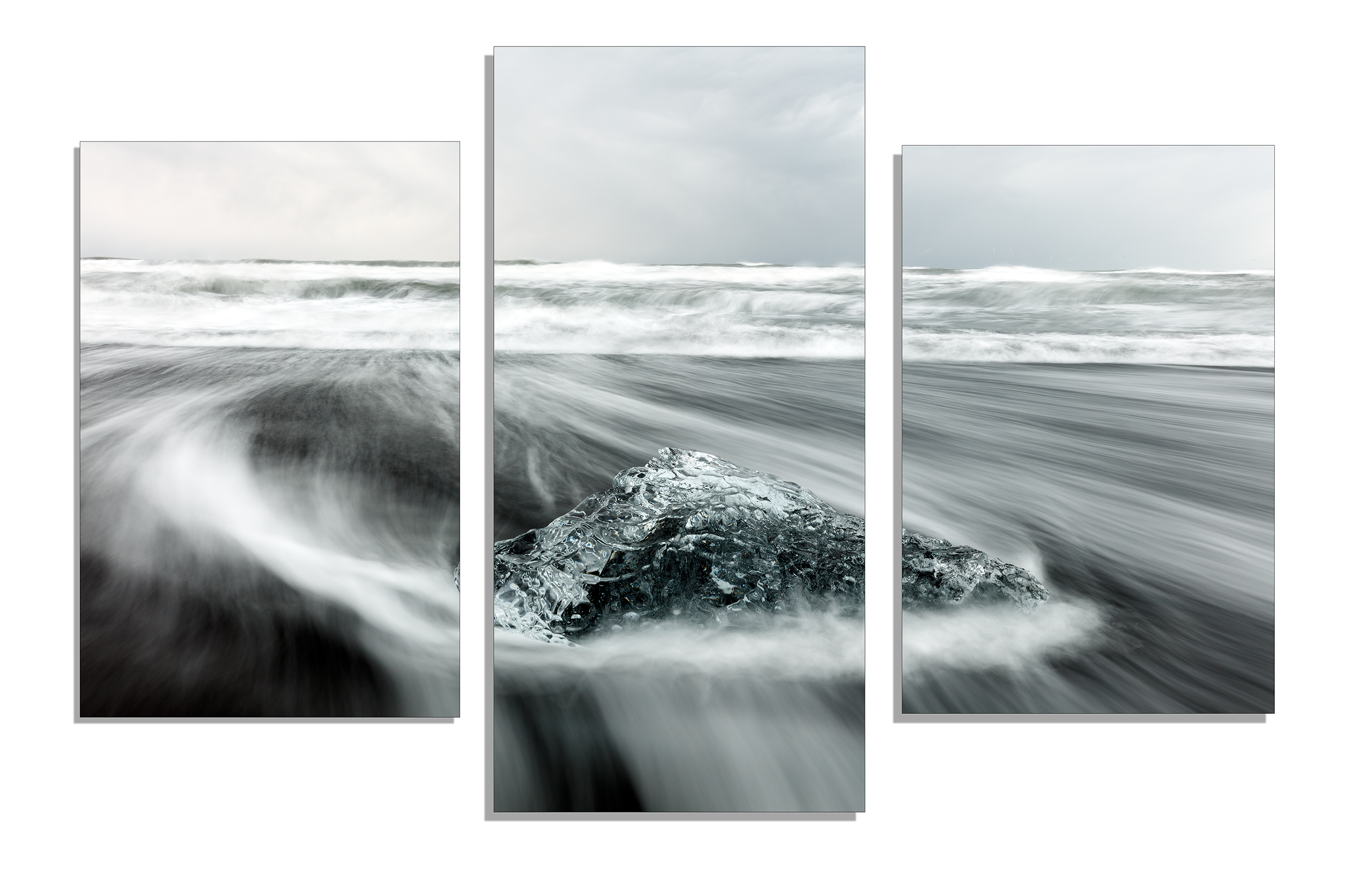
Triptych and Polyptych Wall Art: Unique Nature Displays
Triptychs and polyptychs are more than layout choices—they are visual meditations. By dividing a single image across multiple canvases, we invite the eye to travel, pause, and return, creating a deeper dialogue between the viewer and the landscape.
As a nature photographer, I’ve found that these formats offer a unique way to emphasize depth, symmetry, and movement in my compositions. Whether it's the glacial stillness of Iceland or the warm horizon of a forest, splitting the image into a sequence allows nature’s breath to echo through a room.
In this post, you won’t find checkout links or product listings. Instead, you’ll discover inspiration—an exploration of layout, proportion, and harmony. If you're seeking a more artistic approach to wall art formats, triptychs and polyptychs offer an elegant invitation.
“Some stories unfold best in threes, others in waves—each panel a breath, each breath a return to nature.” ~ Robbie George
What Is a Triptych?
A triptych is a single image divided across three vertical panels—each one contributing a portion of the story. This ancient format, once reserved for sacred altarpieces and classical works, now finds a new voice in modern landscape and seascape photography, where movement and depth are essential to the viewer’s experience.
I typically design triptychs with two side panels sized at 16x20 inches and a center panel at 20x30 inches. Once installed with a 1-inch gap between each piece, the full artwork spans an impressive 54x30 inches. That breathing space between panels isn’t just aesthetic—it’s emotional. It gives the eye room to rest and re-enter.
This layout works especially well for panoramic images and wide natural scenes—such as a glacier lagoon, a golden horizon, or the flow of forest mist. Each division becomes a rhythm, much like a stanza in a poem.
Exploring Polyptych Wall Art
While a triptych is composed of three panels, a polyptych takes the idea further—splitting a single image into four, five, or even more sections arranged across a larger visual plane. These formats offer new dimensionality and artistic freedom, allowing images to echo like refrains through space.
Polyptychs are especially effective for capturing expansive subjects—think glacier panoramas, drifting sea ice, or sweeping desert skies. Each panel acts as a heartbeat in the full expression of the image, giving the viewer the sense that they’re walking through the scene, not just looking at it.
These arrangements often appear in galleries and modern interiors where spatial storytelling matters. And although I don’t currently offer polyptych prints for sale, I find this format deeply inspiring as both a visual and architectural gesture.
Filmstrip Layout
Inspired by classic analog reels, the Filmstrip layout creates a cinematic feel—where each panel becomes a frame in a moving story. This polyptych format includes six 8x8 inch pieces that surround a central 26x26 inch focal panel, resulting in an elegant square-like installation that spans approximately 44x26 inches.
With a recommended 1-inch gap between each panel, this layout encourages flow without overwhelming the space. It’s perfect for interiors that balance minimalism with visual curiosity—places where nature’s detail can whisper rather than shout.
I envision this format working beautifully with wildlife portraits, foggy forests, or subtle seascapes—images that benefit from rhythm and repetition.
Timeless Wall Art Layout
The Timeless Wall Art layout offers a harmonious, symmetrical design perfect for elevating any space. It features four 11.5x11.5 inch square panels surrounding a central 20x24 inch image, forming an overall dimension of 45x24 inches.
This layout is ideal for showcasing delicate tonal transitions, such as fog rolling over alpine lakes, golden sunrises through tall trees, or the movement of waves across time. The repeated spacing and measured proportions create an experience of calm order—like a clock built of light and story.
While I currently use this configuration in my own studio displays rather than in product offerings, I see it as an invitation—a visual meditation—on nature’s geometry and the balanced rhythm of earth's design.
Types of Wall Art Available
Metal Prints
Dyes are infused directly into specially coated aluminum for a luminous finish. The result? Colors that sing and surfaces that resist scratches, moisture, and wear. Ideal for contemporary interiors, metal prints bring light to life.
Canvas Gallery Wraps
Printed on archival paper and bonded to museum-grade canvas, these pieces are stretched over wooden frames—framed or frameless. A soft, timeless feel that works with rustic and modern spaces alike.
ThinWraps
A blend of paper and laminate mounted on lightweight Gatorboard, ThinWraps hover slightly off the wall thanks to a hidden mounting block. Choose from lustre, metallic, or fine art canvas for a modern edge.
Add Nature’s Beauty to Your Home
There’s something timeless about nature split across panels. Whether arranged in perfect symmetry or organic rhythm, triptych and polyptych displays allow you to relive the emotion of a single moment from multiple vantage points.
I created this guide not as a catalog, but as an offering—for those curious about the form, structure, and visual potential of multi-panel artwork. While I do not currently offer these formats for purchase, I often explore them as compositional studies within my own creative process.
For collectors, designers, and nature lovers alike, I invite you to explore the deeper connection between space, story, and stillness. You may just find that a triptych or polyptych lives not only on your wall—but in your imagination.
Why Choose Triptych and Polyptych Art?
- Dynamic Visual Impact: Break a single moment into flowing segments to guide the eye, shape the mood, and anchor attention.
- Versatile Styling: From minimalism to rustic design, these multi-panel pieces adapt seamlessly to any interior narrative.
- Storytelling: More than decoration, triptychs and polyptychs become timelines—unfolding moments that extend beyond a frame.
- Balance and Flow: When spaced thoughtfully, panel arrangements create rhythm across your wall—echoing the cadence of the natural world.
Continue Your Journey into Fine Art Display
If you’ve found inspiration in the idea of triptych and polyptych formats, I invite you to explore more print knowledge, options, and framing insights in the Fine Art Print Knowledge blog series.
Whether you’re curating a gallery wall or simply learning what’s possible, you’ll find a wealth of nature-rooted options to spark your creative vision.
Frequently Asked Questions: Triptych and Polyptych Wall Art
1. What is a triptych?
A triptych is a piece of artwork that is divided into three panels, usually depicting a single image across all three. When displayed together, these panels create a cohesive visual narrative that enhances any space.
2. What is a polyptych?
A polyptych consists of more than three panels featuring the same image, arranged in various layouts. This style allows for creative expression and dynamic visual impact in your decor.
3. How should I hang a triptych or polyptych?
When hanging triptychs and polyptychs, it’s best to space the panels about 1 inch apart. This spacing allows the artwork to breathe and enhances the overall visual appeal.
4. What are the best materials for triptych and polyptych prints?
Popular materials include metal prints, canvas gallery wraps, and ThinWraps. Each medium offers unique characteristics, such as durability, color vibrancy, and texture, making it essential to choose one that fits your aesthetic preferences.
5. Can I customize the size of my triptych or polyptych?
Yes! Many printing services, including mine, can accommodate custom sizes for triptychs and polyptychs. If you have specific dimensions in mind, reach out for assistance.
6. What are the benefits of choosing triptych or polyptych art?
Triptych and polyptych artworks create a dynamic focal point, tell a story, and add depth to your decor. They are versatile and can complement various interior design styles, making them ideal for enhancing your space.
7. How do I care for and maintain my triptych or polyptych art?
To preserve your artwork, keep it out of direct sunlight to prevent fading. For prints, use a soft, dry cloth to dust them regularly. If framed, consider using glass or acrylic protection to guard against scratches and dust buildup.
8. Where can I find high-quality triptych and polyptych prints?
You can explore my full collection of nature photography and discover ideas for multi-panel displays. Each image is crafted with care to ensure it brings harmony, depth, and story into your space—even if it lives in just one frame.