
Harnessing Earth's Resonance: How Animals Use Nature's Rhythms to Soar
Tuning into Earth's Frequency: The Hidden Intelligence of Flight
The elegance of flight is more than a marvel of aerodynamics—it's a living dialogue between biology and resonant physics. Dragonflies, hummingbirds, and bees don’t just defy gravity—they ride a subtle language of frequency, light, and magnetic rhythm that binds life on Earth. Rooted in the concept of the Schumann resonance and explored deeply in our Quantum Vitality series, this planetary heartbeat acts as a tuning fork for life—especially for the winged beings who seem to dance in its invisible currents.
As a nature photographer, I have long sensed that what we see in flight is more than instinct or mechanical movement—it’s resonance in action. Dragonflies that pivot with telepathic timing. Hummingbirds that hum in perfect harmonic lift. Bees whose wings beat in modulated frequencies that echo their own foraging songs. These creatures are not just navigating space—they’re attuned to the frequency-based architecture of nature.
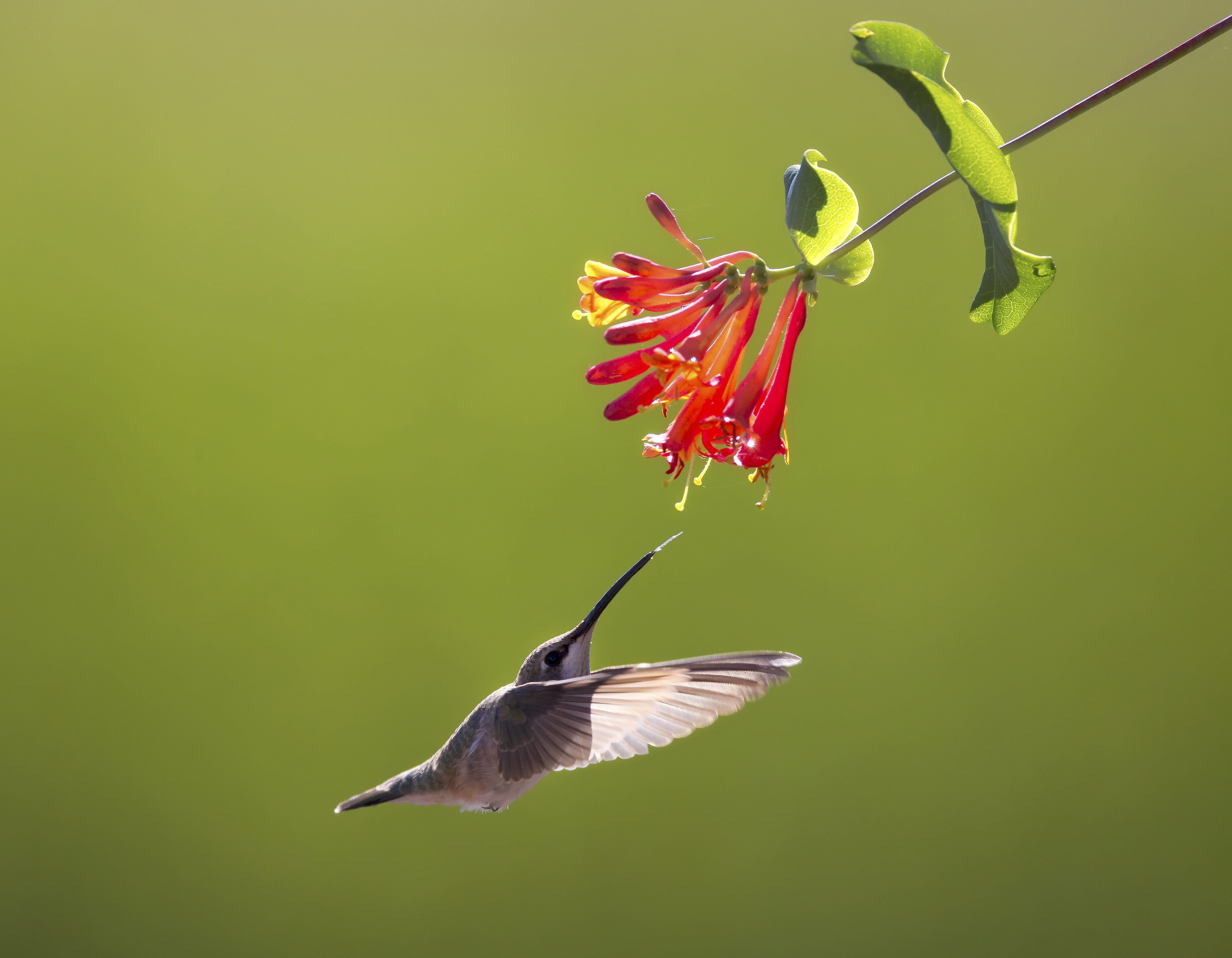
“Hummingbird Nectar” – Robbie George Photography | A glimpse into the vibration-perception dance of flight
In this post, we will unravel how these creatures are not just moving—they are harmonizing. As part of our ongoing exploration into photonic fields, resonance in ecology, and the interconnected wisdom of nature’s rhythms, this journey explores how Earth’s subtle tones shape instinct, motion, and vitality. With lens in hand and curiosity as our compass, let us follow the flight paths of nature’s finest and hear the frequencies they ride.
Dragonflies: Precision Pilots Tuned to the Planet
Dragonflies have long fascinated scientists and photographers alike—not just for their beauty, but for their almost supernatural command of movement. With independently controlled wings capable of flapping at different speeds, they are capable of instant acceleration, hovering, and even flying backward. But what truly elevates them from aerial acrobats to resonance masters is their ability to perceive and respond to environmental vibrations—what we now understand as a tuning into Earth’s ambient frequencies.
These frequencies, often linked to the Schumann resonance around 7.83 Hz, form the Earth’s natural electromagnetic background. Dragonflies are among the few creatures that appear to actively respond to these subtle vibrations, adjusting their aerial pathways in response to invisible cues. Research into their neurological tuning mechanisms reveals that they may sense minor shifts in electromagnetic fields or vibrational cues reflected through water and air—key insights explored in our recent post, Quantum Vitality.
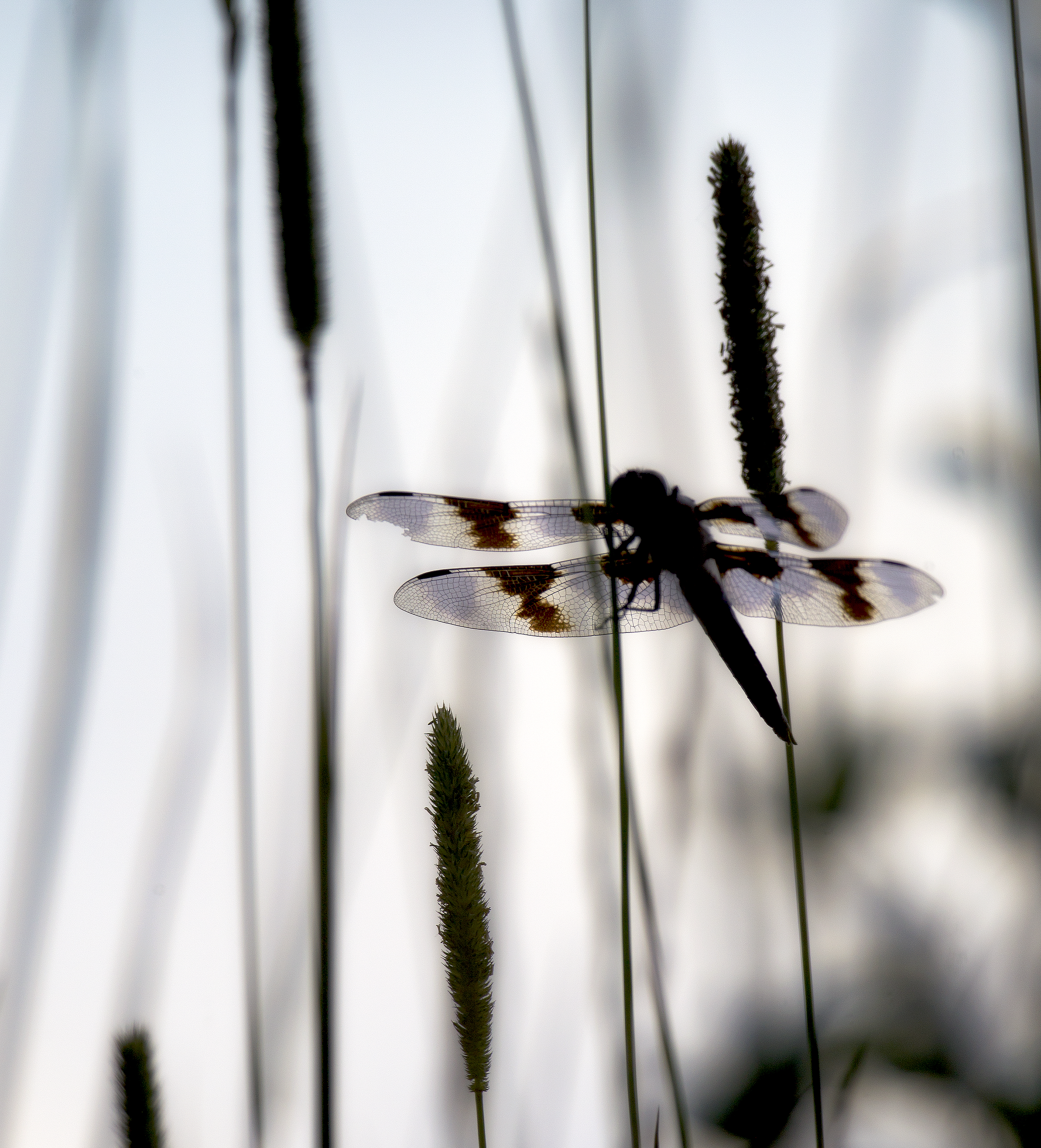
“Dragonfly” – Robbie George Photography | Precision in midair, powered by resonance
Through their refined flight strategy, dragonflies offer a glimpse into how Earth’s energetic web can be felt and translated into action. Like a finely tuned instrument, they respond not just to the visible world, but to frequencies that shape behavior and survival. In future posts within the Nature’s Healing Wisdom series, we’ll dive deeper into how other animals such as hummingbirds and bees ride these same waves of frequency with astonishing grace and intention.
Hummingbirds: Vortex Flight and Quantum Precision
In the symphony of flight, hummingbirds compose some of nature’s most intricate movements—hovering midair with wingbeats reaching up to 80 times per second. But beneath this dazzling display lies something deeper: a finely attuned resonant feedback loop that harmonizes with both air and light. Much like the dragonfly, the hummingbird’s flight is no accident of anatomy—it’s an intentional adaptation that aligns with Earth’s vibrational cues and the quantum mechanics of life itself.
Their signature figure-eight wing pattern generates miniature vortexes—rotating columns of air that provide both lift and forward motion. These vortexes not only optimize energy use but may also align with what we’ve described in Quantum Vitality as coherent biological resonance: the ability to remain in phase with the Earth’s subtle electromagnetic pulses to preserve balance, rhythm, and flow in both movement and health.
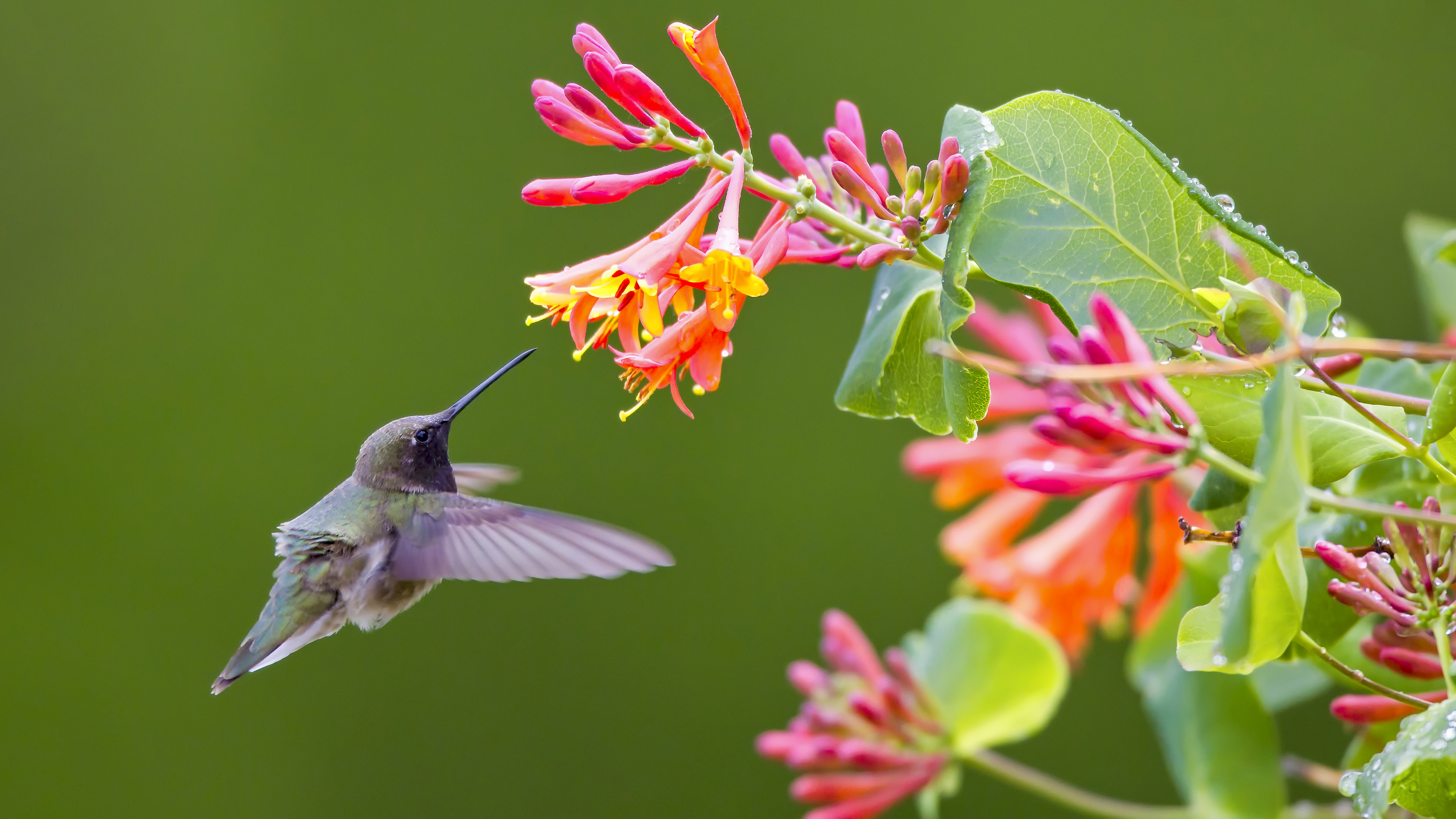
“Hummingbird in Flight” – Capturing the stillness within motion
Studies suggest that hummingbirds can also detect and memorize slight shifts in resonance as they forage, using vibrational and sonic information from flowers and the air to build mental maps of their environment. This fine-tuned awareness resonates with the same frequencies that govern circadian rhythm, bird migration, and the silent language of Earth's resonance.
Within the Nature’s Healing Wisdom series, hummingbirds serve as luminous examples of quantum coherence in motion. They remind us that flight is more than a physical act—it's a conversation between the body, the air, and the rhythms of the Earth. In our next section, we’ll explore more species who join this unseen symphony and highlight their own resonance-based survival strategies.
Other Creatures Harnessing Earth’s Resonance
Beyond dragonflies and hummingbirds, Earth’s resonance pulses through the living world, influencing creatures large and small in ways we’re only beginning to understand. From bees interpreting vibrational data from flowers to bats navigating pitch-black caverns through sonar-like echoes, nature has evolved countless ways to harmonize with the planet’s invisible rhythms.
Bees: Tuning Into Vibrational Nectar Maps
Bees have long been celebrated for their pollination prowess, but their navigational abilities go far deeper than sight. These pollinators decode floral vibrations to determine nectar content, using their antennae and body hairs to perceive micro-resonances produced by each flower. It’s a delicate exchange of electromagnetic data—part of the “Water Wide Web” we’ve explored in our quantum communication series.
Bats: Echoes Within the Resonant Field
Through echolocation, bats transmit high-frequency sound waves into the environment, interpreting returning echoes to build a real-time image of their surroundings. Their sonic vision relies not only on acoustics but on tuning into resonant feedback loops—adjusting call frequencies in relation to the atmospheric and vibrational conditions of the cave, forest, or night sky they’re flying through.
Kiwi Birds and Ground Resonance
In New Zealand’s dark forests, the elusive kiwi relies on low-frequency ground vibrations to communicate and navigate. Their resonance-based vocalizations travel through the dense underbrush more efficiently than high-pitched sounds, allowing for directional signaling without revealing their location to predators—a brilliant adaptation to life in the undergrowth.
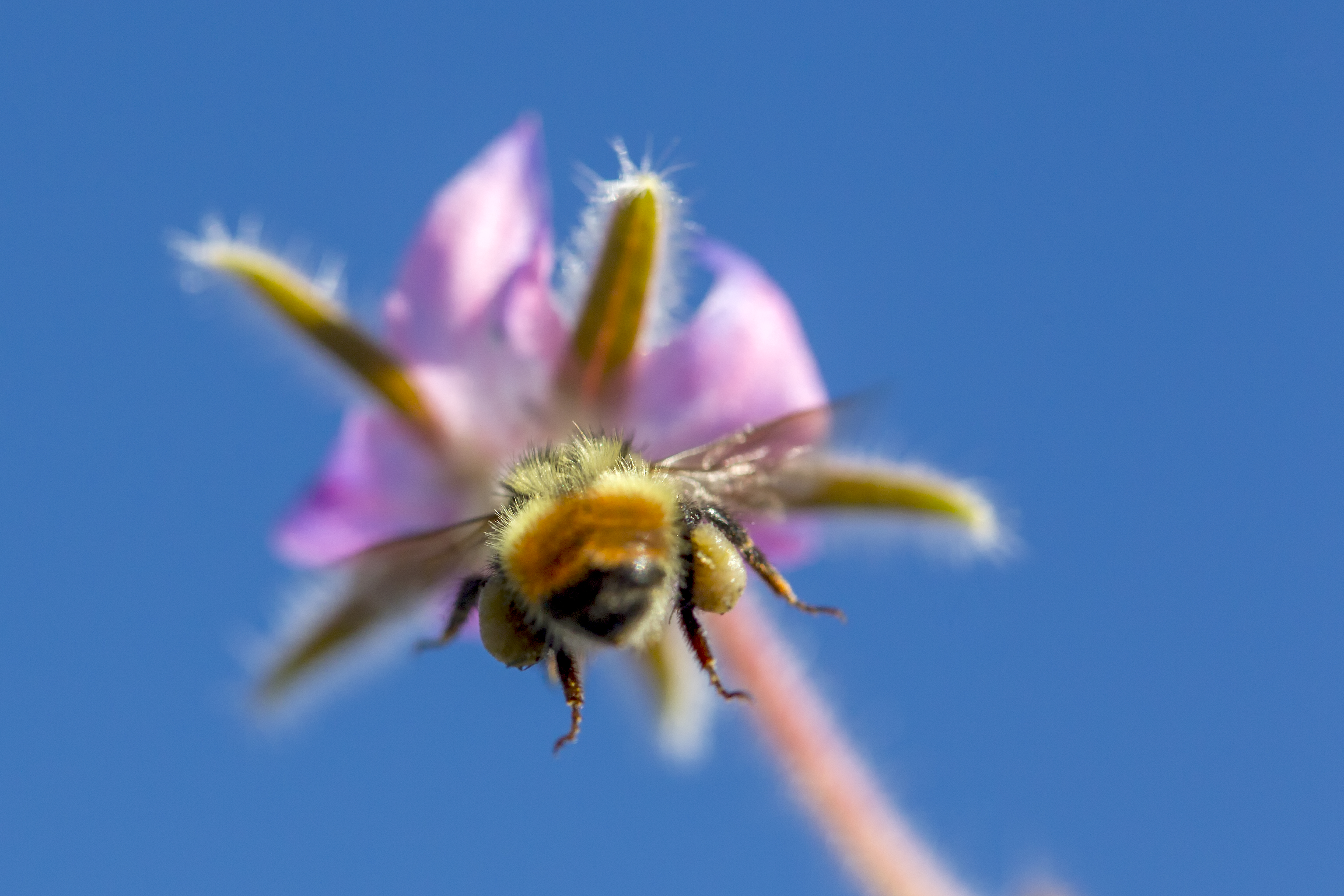
“The Frequency of Flight” – A honey bee resonates with the language of the flower
In every flap, buzz, and call, we find a natural rhythm—one deeply tuned to the resonant field of the Earth. These animals remind us that resonance isn’t merely a passive condition but a tool for communication, survival, and beauty. As we continue into the next block, we’ll examine how this ancient vibrational intelligence may be disrupted by human interference—and what we can do to protect it.
The Connection Between Resonance and Survival
Resonance is not simply an elegant quirk of nature—it’s an evolutionary compass. Through millions of years of adaptation, animals have learned to fine-tune their sensory systems to the subtle, rhythmic language of the Earth, including Schumann resonances and the vibrational data carried through air, water, and soil. These rhythms are foundational to biological navigation, communication, and environmental awareness.
Evolutionary Wisdom in the Field
In earlier blog posts such as The Quantum Biology of Instinct, we explored how migratory species—like monarch butterflies and songbirds—navigate thousands of miles using an internal compass influenced by Earth's magnetic and vibrational fields. These creatures don’t follow maps; they resonate with the pulse of the planet.
Human Disruption of Earth’s Natural Frequencies
Unfortunately, our expanding infrastructure—ranging from radio towers to seismic drilling—creates constant background noise that distorts the natural vibrational environment. Anthropogenic noise and electromagnetic pollution interfere with the subtle cues animals depend on. Bats struggle with sonar disruption in urban environments. Sea turtles, once guided by geomagnetic fields, now encounter disorientation due to coastal light pollution and sonar traffic.
Preserving Nature’s Resonant Symphony
We must ask ourselves: if we interfere with nature’s vibration, how long before we silence its song? If a tree falls in a forest filled with interference, will the web of life still hear it? To ensure the survival of creatures who depend on these vibrational cues, we must protect habitats from unnatural frequencies, champion quiet zones, and reduce sensory pollution where possible.
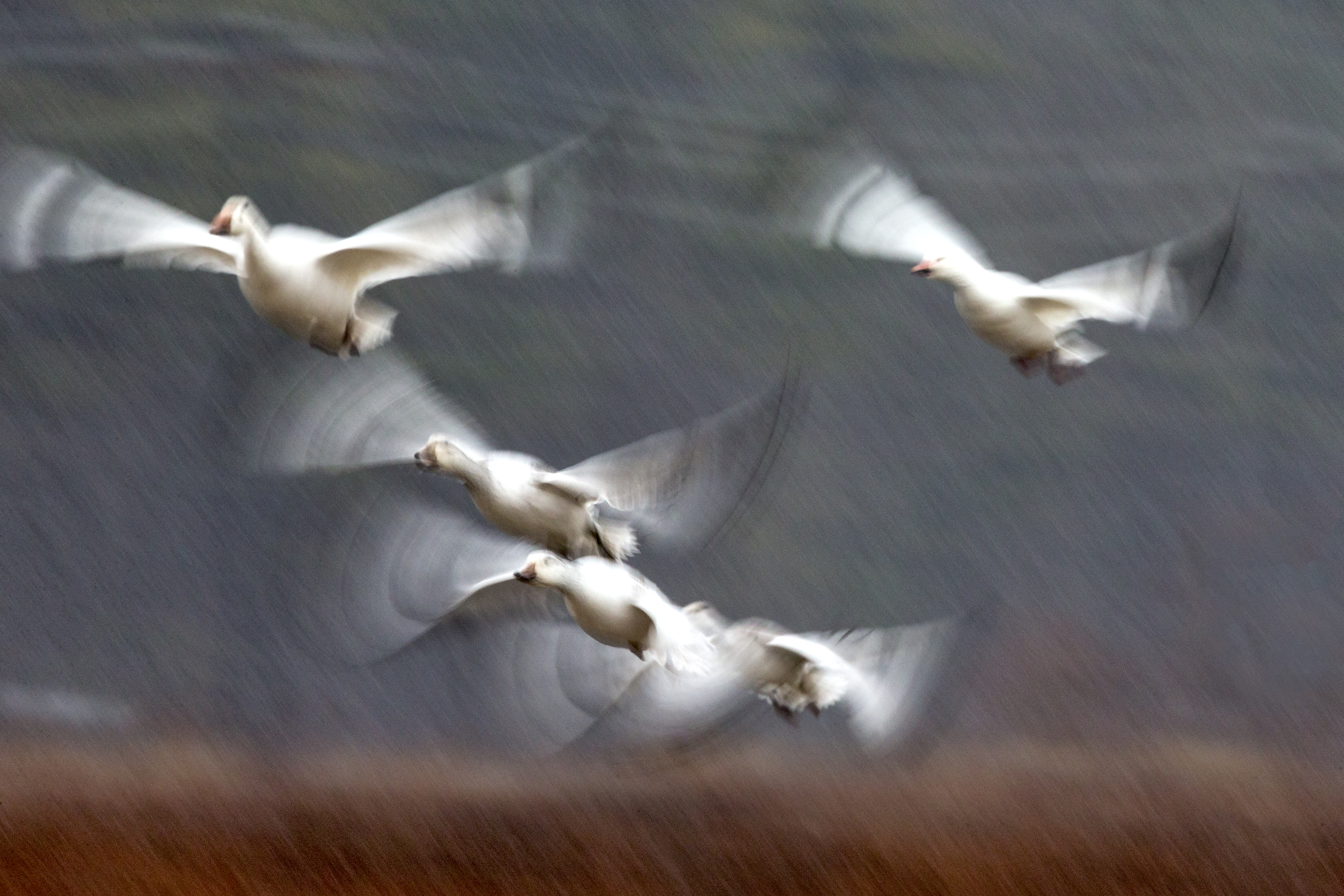
“Tuned to the Wind” – A snow goose rises with instinct in harmony with the Earth
Understanding and preserving Earth’s resonance is about more than appreciating its poetic elegance. It’s about defending the biological wiring of survival that connects all living things—from insect to bird, from flower to human. And as we’ll explore in the next block, that connection can also be captured through the timeless lens of nature photography, bearing witness to life in vibrational motion.
Photographing Nature in Motion
As a nature photographer, I’ve always been drawn to the raw elegance of movement—the burst of a dragonfly lifting off the surface of a still pond, the near-invisible wing blur of a hummingbird suspended midair. These are more than moments; they’re resonant expressions of life itself. In photographing creatures in motion, we don’t just freeze time—we capture resonance in action.
Techniques for Capturing Earth’s Rhythm
Capturing fast-moving subjects like hummingbirds or bees requires a delicate balance of patience, preparation, and precision. I rely on high shutter speeds (1/2000s or faster), burst mode shooting, and continuous autofocus to follow the energy signature of the animal—its flight path, its resonance with the wind, its return to favored flowers or branches. Often, I find that the best shots are those where the subject and the background seem to hum together, as if held in a mutual frequency.
Visual Storytelling to Inspire Conservation
My lens isn’t just a tool—it’s a translator. It conveys the urgency of reconnection, the fragility of species that depend on undisturbed frequencies, and the beauty that could be lost to noise, concrete, and haste. A well-timed photograph can awaken the same reverence for the natural world that scientific facts struggle to convey. When we witness the resonance of a snow goose winging through mist or a hummingbird hovering over a purple blossom, we feel our own heartbeat slow to match the rhythm of the wild.
Your Lens, Your Voice
Every click of the shutter can become a call to action. Share your photographs. Tell the stories of bees that listen to flowers, of birds whose wings mirror the patterns of light and vibration. Whether you’re shooting from a backyard garden or in the wilds of Yellowstone, your images help others see what Earth is trying to tell us—that life moves not just through space, but through harmonic fields of sound, light, and energy.
In the final block, we’ll step back to reflect on the deeper implications of Earth’s resonance—and what we can do to protect it.
The Resonance of Survival: Conservation and Earth's Vibrational Integrity
Every beat of a hummingbird’s wings and every buzz of a pollinating bee echoes Earth’s ancient pulse—a pulse that is being increasingly disrupted. From broadband wireless signals to sonic pollution in our oceans and skies, human activity is altering the natural resonance field upon which so many animals depend.
The Fragile Frequencies of Life
Dragonflies, hummingbirds, bees, and even whales rely on frequency-based systems for navigation, hunting, mating, and migration. These animals aren’t just “hearing” or “seeing” their environment—they’re tuning into it. Just as a violin can be detuned by the wrong vibrations, so too can a species’ behavior, health, and survival be altered by dissonance introduced into their resonant habitat.
Anthropogenic Disruption of Earth’s Resonance
The increase in anthropogenic noise—from highways to air traffic to electromagnetic interference—disrupts natural frequency bands. Studies show that birds alter their songs in cities, whales raise their calls in shipping lanes, and pollinators flee from high-frequency fields. These adaptations come at a biological cost. It’s a growing sign that modern development must take Earth’s vibrational harmony into account, much like we consider water quality or air purity.
What We Can Do
- Conserve Quiet Spaces: Support the creation and preservation of protected lands where wildlife can communicate undisturbed. Silence is a resource in nature—one that is quickly vanishing.
- Advocate for Responsible Technology: Push for policies that reduce EMF pollution and consider wildlife corridors in urban planning to reduce vibrational interference.
- Practice Resonant Living: Spend time in nature regularly. Reduce noise. Plant native species. Observe bees, birds, and butterflies with reverence. Our own biological rhythms benefit from these resonant exchanges, just as theirs do.
- Share Visual Stories: Use nature photography as a bridge to awareness. The more we show the invisible beauty behind the motion—the vibration, the structure, the harmony—the more we protect the systems that depend on it.
"Harmonic Harvest" – A honeybee syncs with flower vibrations, captured in natural resonance
In our final section, we’ll reflect on the deeper unity between movement, vibration, and life—and how photography can inspire a world that listens more closely to the heartbeat of the Earth.
Capturing Earth’s Resonance Through the Lens
As a nature photographer, I’ve come to realize that every frame I capture is more than a moment frozen in time—it’s a visual echo of resonance. From the iridescent shimmer of dragonfly wings in motion to the hovering stillness of a hummingbird suspended mid-flight, each image holds an invisible thread: a vibration that speaks of life’s delicate synchronicity with the planet.
The Silent Dance of Frequency
Whether capturing the synchronized formation of snow geese in flight or the harmonic hum of a honeybee circling a blossom, photography becomes a translator of Earth’s rhythms. These animals are not just moving—they’re resonating with the frequencies of Earth’s fields, sky currents, and biological rhythms, including the photonic threads that guide migration, pollination, and even cellular processes.
Photography as Ecological Witness
Every photo you take can act as a record of resonance. Slow your shutter speed to capture the arc of a bee’s motion. Use high-speed burst to freeze the wingbeat of a hummingbird in golden light. Frame the stillness before takeoff—the calm just before energy transforms. These are the visual signatures of Earth’s vibrational language.
Turning the Lens Inward
In many ways, when we photograph nature’s resonance, we are also photographing ourselves. Our own circadian rhythms, mitochondrial cycles, and internal water structure mirror the animals we photograph. As explored in Quantum Vitality, we too are beings of light and vibration—tuned to the same Schumann frequencies as the creatures we observe. This connection is not just scientific—it’s poetic. When we press the shutter, we honor this kinship.
"Flight of Unity" – Capturing the synchronized motion of snow geese resonating with the Earth's pulse
In the final block, we’ll reflect on the legacy of resonance—what it teaches us about biodiversity, balance, and how to live with attunement in a world of constant motion.
Earth’s Resonance and the Future of Biodiversity
As we zoom out from the intricate flight mechanics of hummingbirds and dragonflies, and the buzzing frequency-sensing of bees, a larger picture emerges: the interconnected web of life is tuned to the planet’s vibrational heartbeat. Known as the Schumann resonance, this global electromagnetic frequency is not just background noise—it’s a guiding rhythm for migratory paths, biological clocks, and ecological harmony.
When Earth’s Rhythm is Disrupted
In recent decades, human activities—deforestation, wireless technologies, and urban noise—have increasingly interfered with these natural rhythms. As discussed in Nature Deficit Disorder, this disruption affects not only animals but also human health. From pollinators losing their navigational cues to marine animals straying off course, the delicate dance of resonance is becoming disoriented.
The Biodiversity Clock is Ticking
Resonance-based survival strategies are not just elegant curiosities; they are critical to the functioning of ecosystems. If bees can no longer find flowers, or if bats lose their sonar sense, cascading effects ripple through food webs and biodiversity. As explored in The Unseen World of Pollinators, small disruptions in resonance perception can lead to large-scale ecological imbalance.
A Resonant Call to Conservation
To preserve these natural symphonies, conservation must go beyond protecting species—it must protect frequency. That means maintaining quiet habitats, reducing electromagnetic interference, and preserving the subtle cues animals rely on to survive. In this way, we don’t just save species; we save their ability to live in harmony with the Earth’s silent signals.
Snow Geese in flight—visually echoing the synchronized harmony of Earth's frequencies
In the final section, we’ll turn our focus inward—how human biology resonates with the Earth, and how we can realign ourselves with nature’s frequencies for healing, balance, and sustainability.
Human Resonance – Aligning with Earth’s Rhythms
As we witness the precision of hummingbirds and the navigational genius of bees, we’re reminded that humans, too, are part of the resonant web of life. Like the species we photograph, our biology is attuned to subtle environmental frequencies—an idea explored deeply in Reflections of the Soul. Our heart rhythms, brain waves, and circadian cycles respond to the vibrational cues of the Earth itself.
The Schumann Resonance and Human Health
Studies have shown that the Schumann resonance—Earth’s natural electromagnetic frequency—closely mirrors the frequency of human alpha brainwaves. This suggests a potential biological harmony between our nervous systems and the Earth's heartbeat. When we spend time in nature, away from artificial interference, we may experience mental clarity, emotional calm, and physical restoration.
The Role of Nature in Resynchronization
Nature acts as a tuning fork for the human body. As discussed in Reconnecting with Nature, time spent outdoors—whether walking barefoot on soil, immersing ourselves in forests, or simply observing wildlife—realigns us with the frequencies we evolved alongside. These moments of resonance are more than poetic; they’re physiologically essential.
Photography as Resonant Practice
As nature photographers, we have a rare opportunity: not only to observe this harmony but to participate in it. Each image we capture—of a dragonfly mid-flight, a snow goose banking over wetlands, or a hummingbird caught in a shimmer of stillness—is a snapshot of resonance in motion. Photography becomes a meditative act, a moment of attunement between the subject, the Earth, and ourselves.
“Hummingbird Nectar” — a visual representation of nature's perfect rhythm in motion
In the final section, we’ll reflect on how resonance is not only vital for animal survival, but also serves as a blueprint for a more sustainable human future—one where we live in harmony with the rhythms of the Earth.
Resonance as a Blueprint for Sustainability
Just as dragonflies and hummingbirds have evolved to master flight through resonance, so too can humanity learn to thrive by aligning with nature’s rhythms. In many ways, resonance offers a blueprint for rethinking our relationship with the natural world—one rooted in coherence, balance, and reciprocity.
Lessons from the Natural World
Insects, birds, and mammals alike all reflect nature's intelligence by moving in harmony with their environments rather than against them. This concept is beautifully explored in the Wood Wide Web, where forests rely on fungal networks and vibrational signals to share resources. This is resonance in action—an invisible symphony of survival and cooperation.
Bio-Inspired Innovation
As we continue to explore the science behind animal behavior, we unlock ideas for biomimicry—designing technologies and systems modeled after natural processes. Imagine flight systems modeled after dragonfly aerodynamics, or energy-saving architectural designs inspired by the wing vortexes of hummingbirds. By learning from these evolved efficiencies, we can build systems that are not just sustainable but regenerative.
The Signature Series Connection
These ideas echo the themes explored in the Nature’s Healing Wisdom and Quantum Vitality series. Resonance is not only the key to efficient movement and energy conservation in animals—it is the unifying force that connects life across all scales, from photons to ecosystems. This vibrational language is written into the architecture of life, and it offers us a path forward—not by domination, but by attunement.
“Snow Goose in Flight” — embodying grace, momentum, and the rhythm of the Earth
In the next and final block, we’ll revisit the importance of aligning with Earth’s resonance—not only as observers, but as participants—and explore how each of us can respond through photography, conservation, and conscious living.
Final Reflection: Aligning with Earth’s Resonance
As we reflect on the extraordinary ways animals navigate and survive using Earth’s subtle vibrations, we’re reminded that resonance is not just a natural phenomenon—it’s a pathway to deeper connection. Whether it’s the spiraling flight of a dragonfly or the pulsing wingbeats of a hummingbird, each movement is a testament to nature’s harmony.
These stories echo throughout our Signature Series, especially in writings like Photons: The Quantum Threads and The Buzzing Symphony. There is a recurring truth that emerges again and again—the living world is not a random collection of creatures, but a synchronized symphony in which we too have a part to play.
Through mindful observation, nature photography, and conscious living, we can begin to resonate in harmony with Earth’s rhythms. Every image captured of a hummingbird in mid-hover or a snow goose in full wingspan becomes more than art—it becomes an affirmation of life’s intelligence, its beauty, and its call to be heard.
“Snow Goose” — gliding on a resonance older than time
Thank you for joining me on this journey into the world of resonance. I invite you to continue exploring the Nature’s Healing Wisdom series and discover how Earth’s vibrations flow through every wingbeat, ripple, and breath.
Let’s continue to listen, to observe, and to photograph the rhythms of our planet—because in doing so, we become part of the harmony.
Call to Action: Tune Into Earth's Rhythms
Now that you've journeyed through the remarkable resonance of dragonflies, hummingbirds, bees, and bats, I invite you to become more attuned to the silent frequencies that pulse through the natural world. Start by observing your local environment: What creatures move with rhythm? How do birds, insects, or the wind echo Earth's subtle vibrations?
Share your own encounters with nature's resonance by posting your photos and stories. Use the hashtag #ResonanceInFlight and tag @robbiegeorgephotography to join the conversation and inspire others to notice the beautiful intelligence that surrounds us daily.
Want to dive deeper? Explore the Buzzing Symphony and Water – The Great Informant to discover how other life forms use vibration, frequency, and resonance to communicate, survive, and thrive.
Finally, consider supporting nature conservation efforts that protect habitats sensitive to vibration and sound interference. Whether it’s minimizing noise pollution or advocating for native plant habitats, your actions can help keep Earth’s resonance intact for the flight masters of today—and tomorrow.
Explore Fine-Art Prints
Bring the season home—browse Wildlife, Landscapes, and Seascapes by National Geographic–published photographer Robbie George. See framing, editions, and care on the Collectors page.
 Landscape
 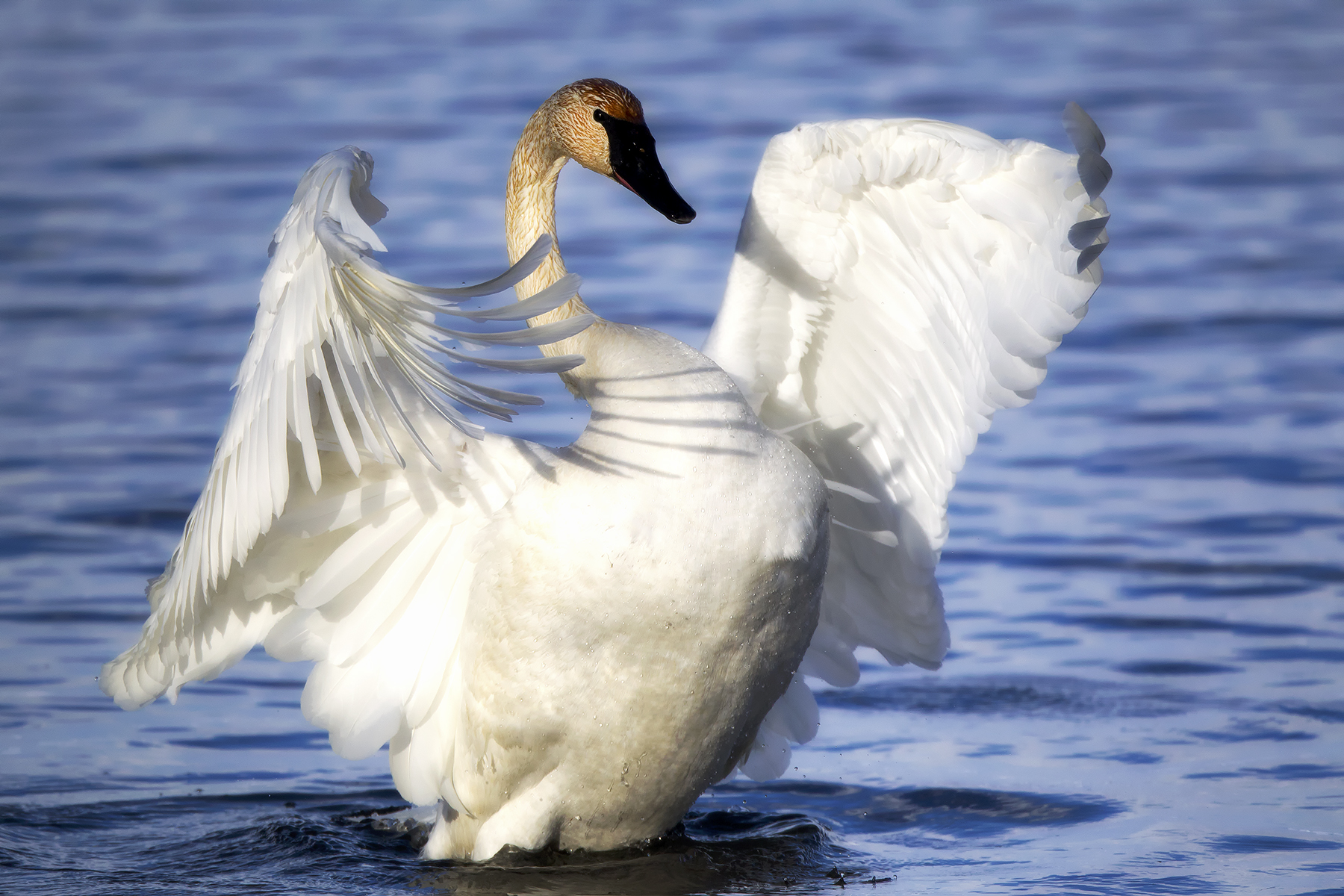 Wildlife
  Seascapes
About Robbie George
Robbie George is a National Geographic–published photographer and resonant naturalist. His fieldcraft follows a simple ethic—distance first, habitat always— shaped by Slow Knowledge and the Signature Series.
Explore calm, undisturbed behavior in the Wildlife Gallery or plan your next trip with the Seasonal Wildlife Calendar, Golden Hour & Moon, and Photography Maps.
“Attention first, image second. The shutter is the period at the end of a sentence you learned by walking.”
FAQs: Harnessing Earth’s Resonance – How Animals Use Nature’s Rhythms to Soar
1. What is Earth’s resonance?
Earth’s resonance refers to the electromagnetic frequencies—such as the Schumann resonances—that naturally vibrate between the Earth's surface and the ionosphere. These frequencies are incredibly subtle but are thought to influence living organisms, especially in their ability to navigate, communicate, and even regulate internal biological rhythms.
2. How do dragonflies and hummingbirds use Earth’s resonance?
Dragonflies are exquisitely sensitive to air pressure shifts and subtle ground vibrations, allowing them to anticipate movement and navigate with lightning precision. Hummingbirds, with their figure-eight wing patterns, generate self-sustaining vortexes that resonate with their environment—helping conserve energy and fine-tune their hovering ability. Their flight patterns mirror natural frequencies found throughout the biosphere.
3. Can bees and bats really sense vibrations?
Yes. Bees detect low-frequency flower vibrations through their legs and antennae, enabling them to evaluate nectar quality and communicate efficiently through the famous “waggle dance.” Bats use echolocation—sound-based vibrations—to map their environment with millimeter-level precision, effectively turning Earth’s resonance into a navigational tool.
4. Does noise pollution interfere with resonance-based navigation?
Absolutely. Anthropogenic noise—like traffic, sonar, and urban hum—can disrupt the natural vibration fields many animals rely on. Studies show that marine mammals and insects can become disoriented or even go silent in noisy environments, which impacts feeding, migration, and mating behaviors.
5. How can nature photographers capture resonance in flight?
While resonance itself is invisible, its effects are vividly expressed through motion. Use high shutter speeds, strong natural light, and patience to capture sharp details of wing beats, hovering, or mid-air turns. Images like “Hummingbird Nectar” or “Dragonfly” reveal the subtle artistry behind resonance-guided flight.