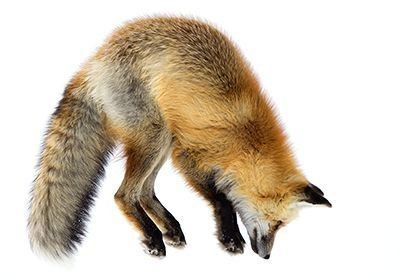

From Geoglyphs to AI: The Evolution of Visual Expression and the Risk of a Lost Generation
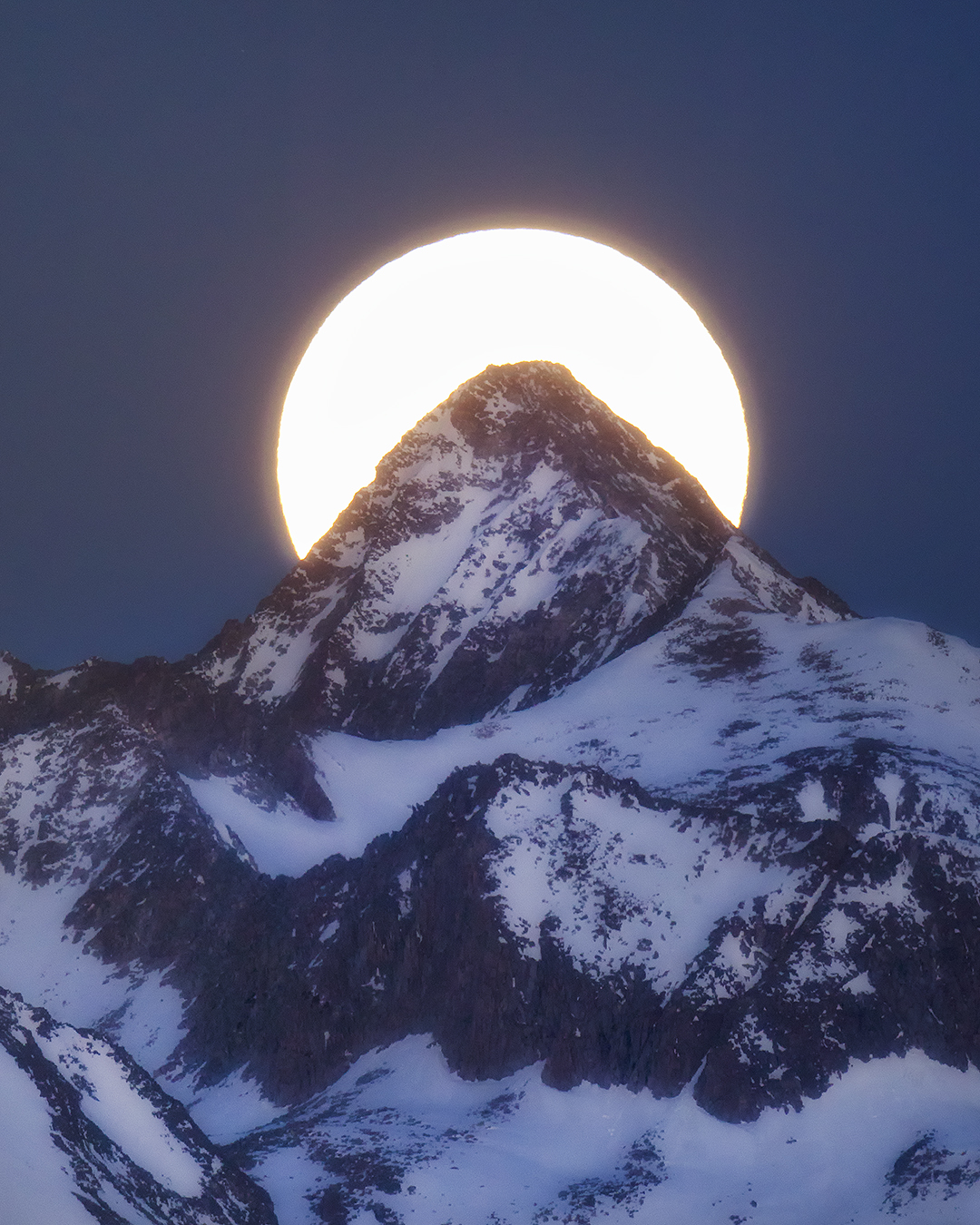
Humanity’s Longing to Leave a Mark
Since ancient times, humans have sought to express identity, meaning, and connection with the cosmos. From the colossal geoglyphs etched into Earth’s surface to the symbolic carvings of petroglyphs, to today’s fleeting AI-generated images—our methods have changed, but the longing remains: to be seen, remembered, and understood across time.
While geoglyphs like the Nazca Lines or recent discoveries in the Amazon rainforest represent ancient civilizations’ desire for eternal visibility, today’s digital creations risk disappearing into technological oblivion. The transition from carving stone to capturing pixels may reveal more than just new tools—it may show a shift in permanence itself.
In this blog, we’ll explore how humanity’s drive for visual storytelling evolved through ancient wisdom, through photography, and into today’s AI creations. We’ll also ask a crucial question: what happens if future generations have nothing tangible left to hold?
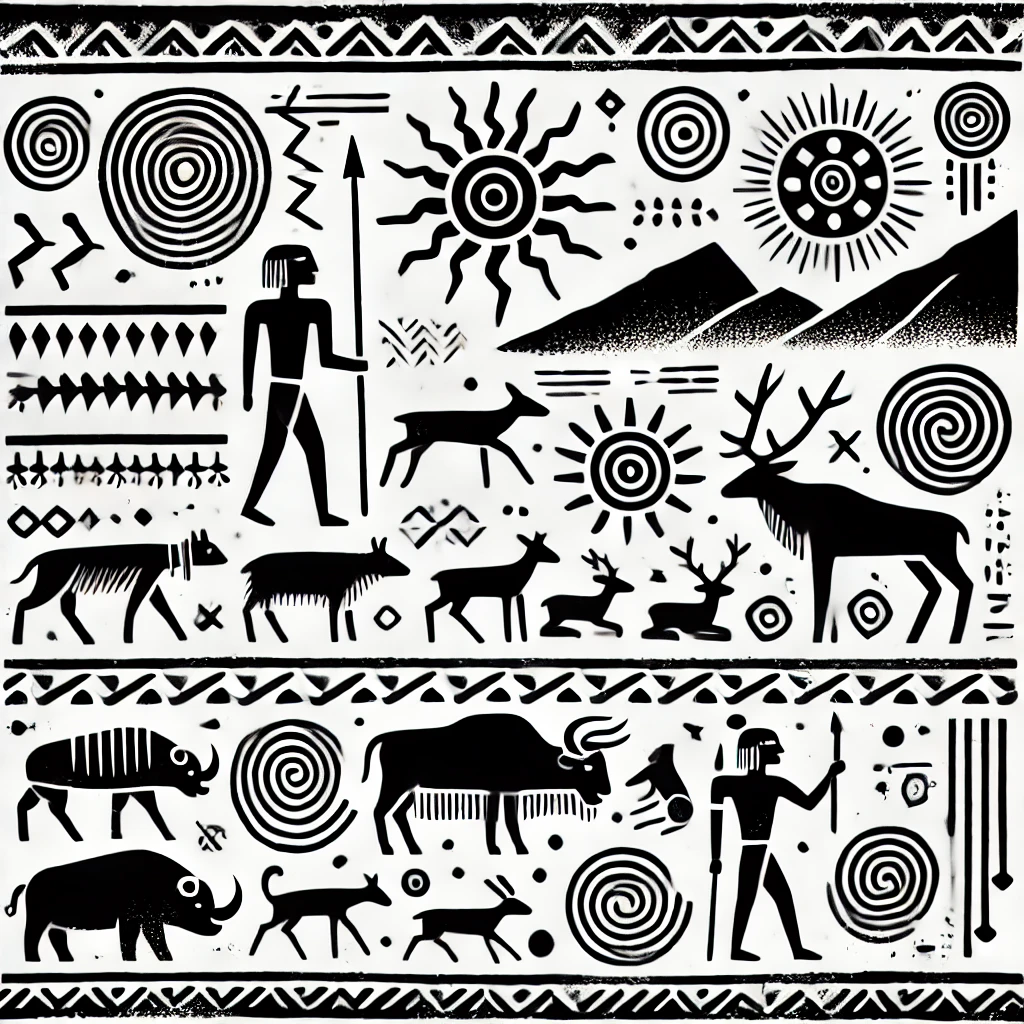
“From stone to screen, the mark we leave is the language of our legacy.”
Geoglyphs and Petroglyphs: Etching Civilization into Stone
Geoglyphs: Sacred Marks for the Sky
Ancient geoglyphs like the Nazca Lines in Peru or Amazonian patterns are Earth’s earliest billboards—etched into soil, designed for eyes in the sky. Formed by clearing stone and brush to reveal lighter soil, these enormous earthworks span hundreds of meters and have withstood the passage of time.
Though their full purpose is still debated—whether astronomical calendars, ceremonial spaces, or messages to the cosmos—what is undeniable is their permanence. These land-based signatures outlived their creators, speaking across millennia to future watchers.
Petroglyphs: The Intimate Imprint of Storytelling
In contrast, petroglyphs offer a more personal touch. Carved into rock faces, cave walls, and cliff shelters, these symbols preserve everyday life, myths, spiritual rites, and astronomical beliefs in stone. They are the original blogs—etched not for virality, but for legacy.
From North America’s canyon walls to the sandstone outcrops of Australia, petroglyphs have endured weather, war, and time. They remind us that every mark made with intention has power—even thousands of years later.
Transition: From Stone to Screen
Both geoglyphs and petroglyphs share something profound—they exist. Tangibly. Permanently. But today, our cultural messages are increasingly stored in pixels, not stone. As we move deeper into a digital age, we must ask: what will remain when our servers fail and our screens go dark?
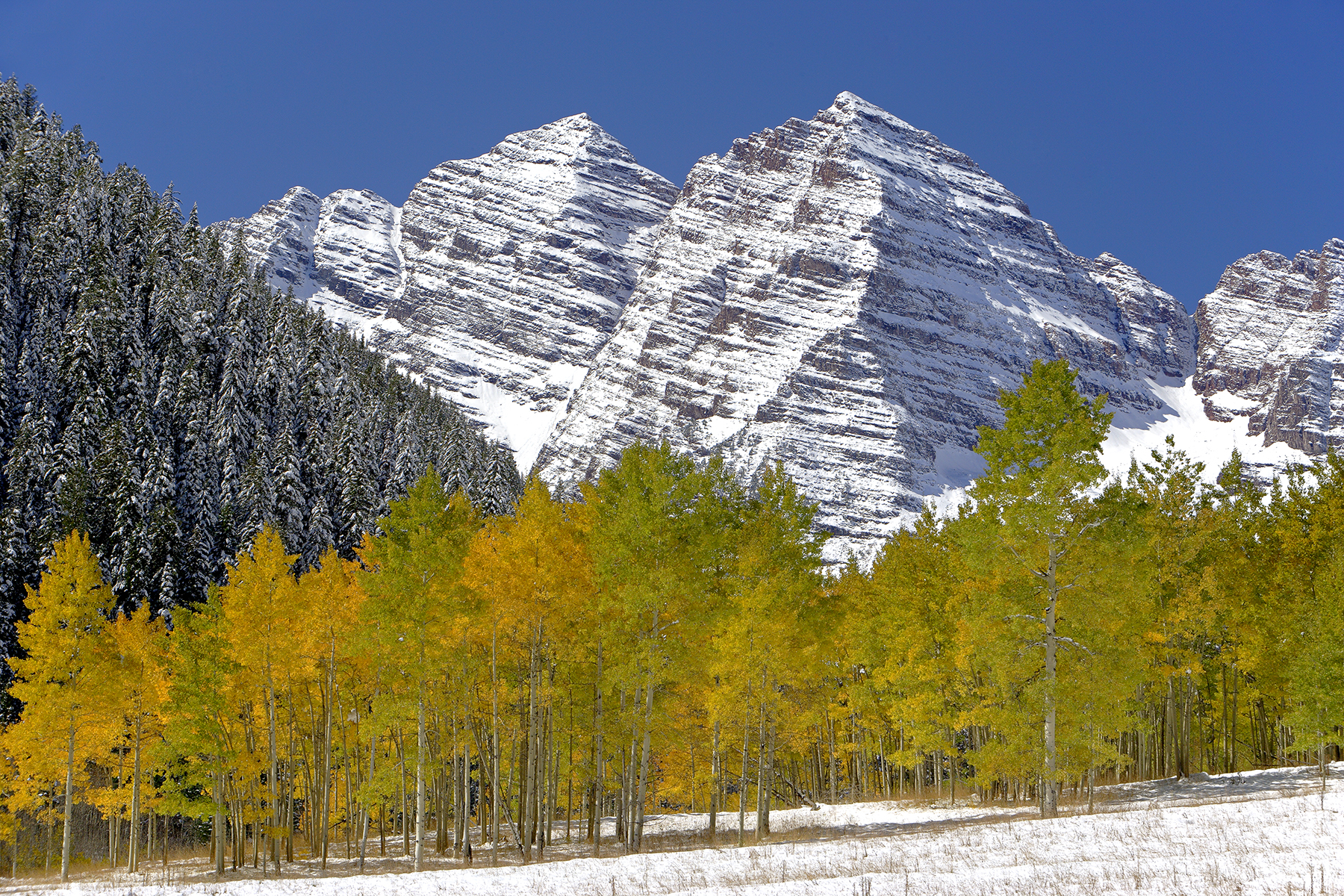
🖼️ Bring timeless landscapes into your space →
“In stone and soil, they whispered to the stars. What will we whisper in pixels?”
The Evolution of Photography: From Prints to Digital Images
Photographs as Personal Geoglyphs
With the invention of photography in the 19th century, humanity gained a new way to leave a mark—not in stone, but in light. Like ancient geoglyphs, early photographs served as visual anchors of memory—capturing time, presence, and meaning in a tangible form.
Printed photographs became modern artifacts: family portraits passed through generations, images of weddings, wars, and wonder—all preserved in albums and shoeboxes. They were personal geoglyphs—etched not into land, but onto paper.
The Shift to Digital
As technology advanced, so did our tools. Photography transitioned from film to digital photography, making image-making faster, easier, and more widespread. Today, we create billions of images each day—many of which will never be printed.
Instead, our memories now live in phones, hard drives, and the cloud. While accessible, they are also more fragile than ever—vulnerable to deletion, platform obsolescence, and digital decay.
The Lost Generation of Photographs
We may be living through a paradox—the most photographed era in history may leave behind the least amount of preserved imagery. Without physical prints, our digital legacies are at risk of vanishing into the ether—lost files, corrupted drives, and unsupported file types could render entire decades invisible to the future.
This raises a haunting question: will future historians look back on our time and find emptiness—an absence of artifacts? Or will we reclaim our visual stories in physical form once again?
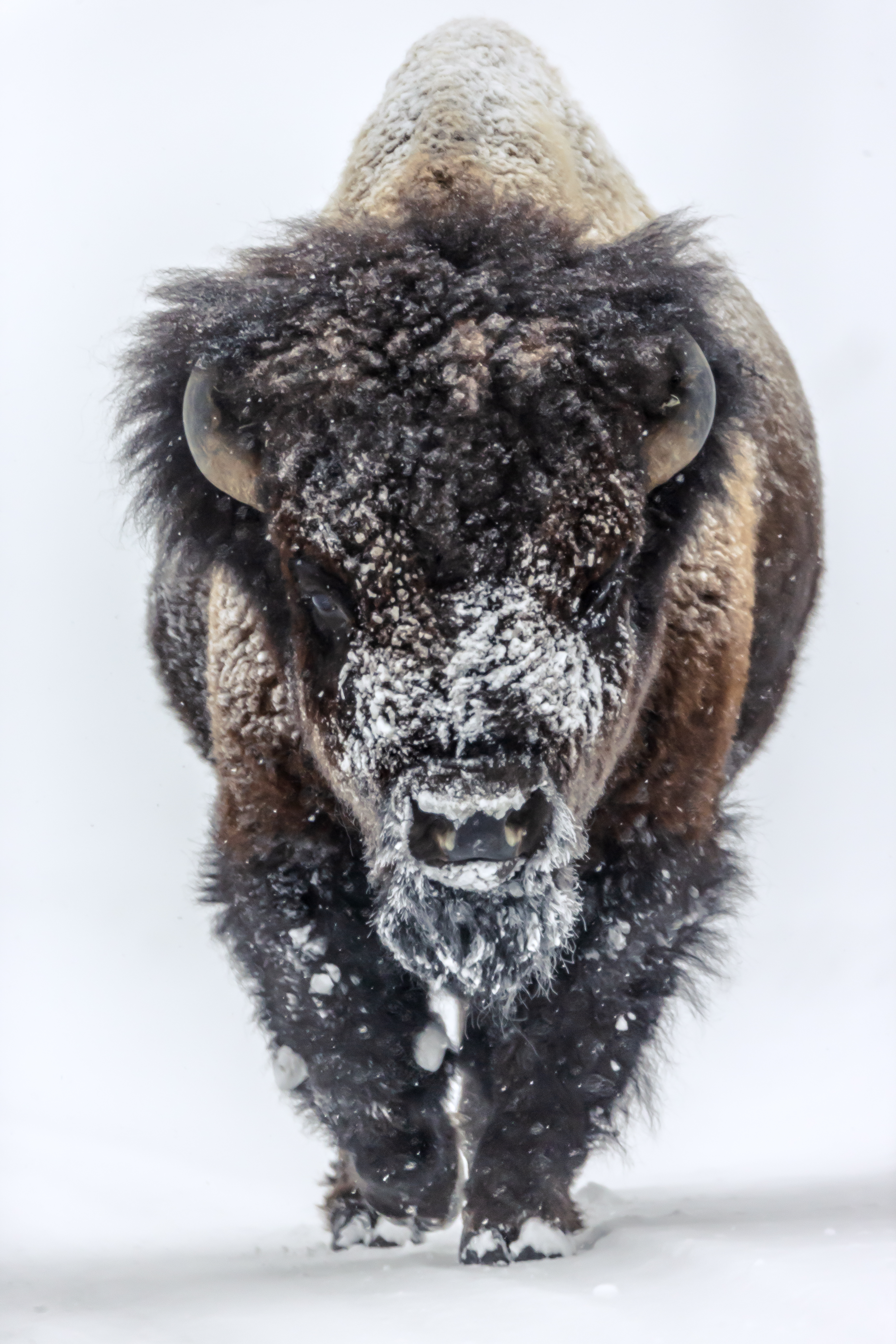
🖼️ Explore timeless wildlife imagery: 'Buffalo in Winter' →
“We once carved on cave walls. Now we swipe through images. The need to be remembered hasn’t changed—only the surface we mark.”
AI-Generated Art: A New Era of Immortalization
Creativity Reimagined Through Algorithms
The rise of AI-generated images marks a new chapter in humanity’s creative journey. Platforms like DALL·E and MidJourney allow us to generate entire worlds, dreamscapes, and visual metaphors from mere prompts. These tools blur the line between artist and algorithm, reflecting a future where imagination is shared between man and machine.
But can these creations be considered legacy artifacts? Or do they risk becoming forgotten echoes, lost in the ever-churning feed of digital content?
Intangible Visions, Tangible Dilemmas
Unlike photographs rooted in physical moments or geoglyphs etched into Earth, AI art often exists only as code—a string of pixels with no body. It may be expressive, symbolic, and profound, but unless printed or archived, it’s vulnerable to the same digital decay that threatens much of modern culture.
In this way, AI art resembles something more ethereal—perhaps closer to dreams than documents. And without form, what chance does it have to survive the test of time?
The Role of Tangibility in Creative Legacy
As we continue to generate billions of digital images and artworks, we must ask: What will we leave behind? Without deliberate printing, archiving, or publication, these creations may be lost. The Mona Lisa still hangs because it was painted. But what of our AI masterpieces?
Physicality may be the price of immortality. And the longer we ignore this truth, the more likely we are to become a lost chapter in art history.
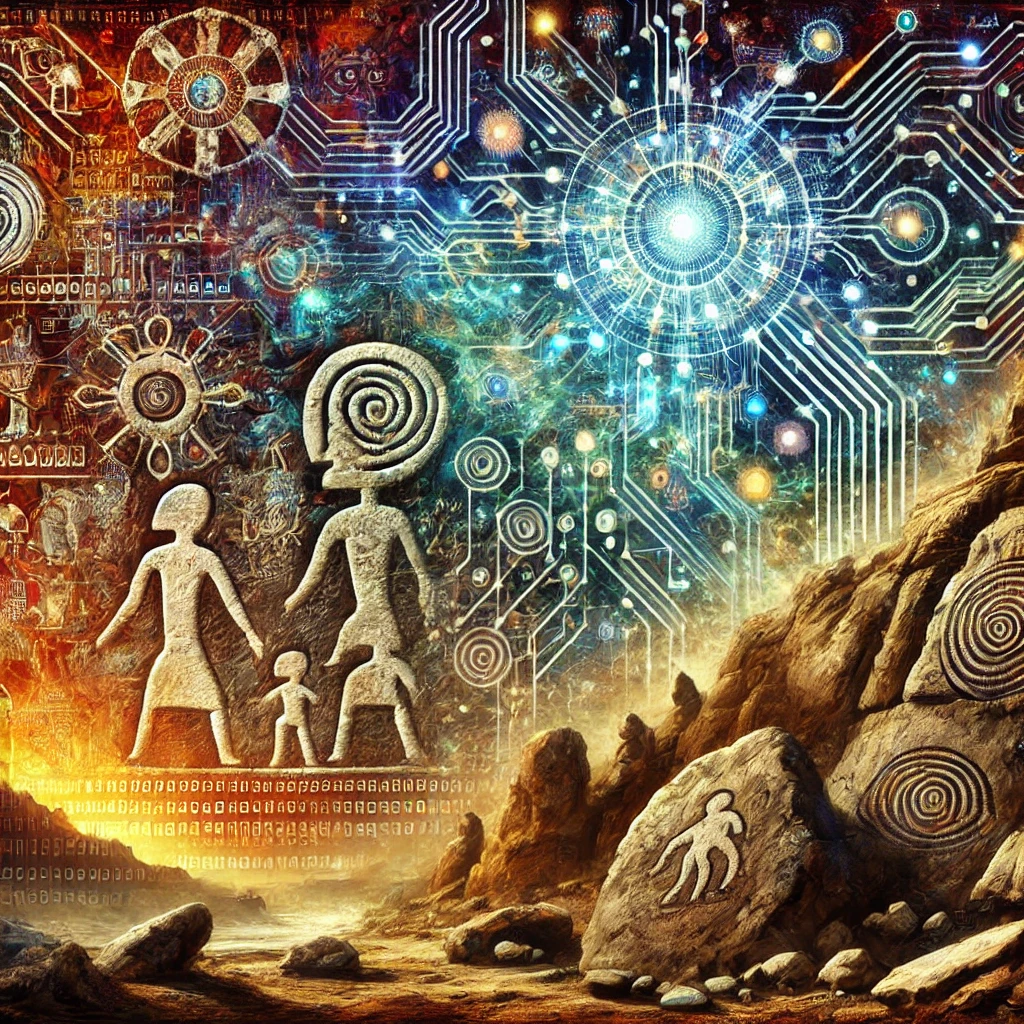
“If a masterpiece is never printed, did it ever really exist?”
The Lost Generation: A Warning for the Future
The Risk of Digital Ephemerality
In our shift from physical media to digital convenience, we’ve created an unexpected threat: a generation of culture, art, and memory that may never be seen again. Hard drives fail. Cloud services close. File formats become obsolete.
Without deliberate efforts to print, archive, or physically preserve today’s creative output, we risk becoming a civilization without artifacts—a ghost to future historians. What geoglyphs were to ancient people, our photographs and AI art should be to us: records of presence.
Preserving the Physical Legacy
Whether it’s a fine art print of a sunrise, a family portrait in a frame, or a handwritten note tucked inside a journal—tangibility is survival. Ancient civilizations used stone and earth; we must rediscover the power of ink, pigment, and print.
The impermanence of pixels is not a flaw—it’s a reminder. To be remembered, we must leave something behind that endures beyond the scroll.
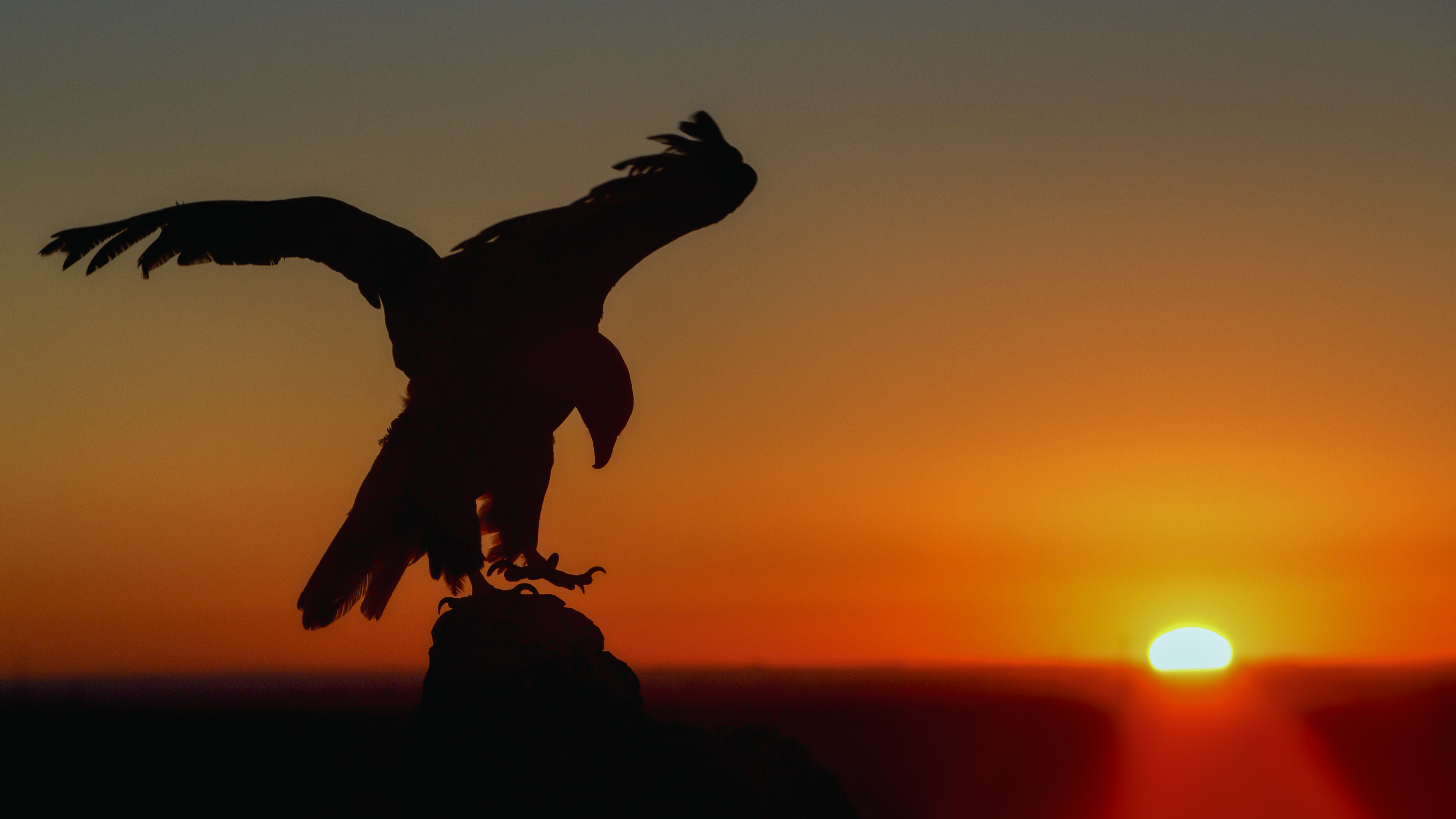
🖼️ Own a piece of permanence: 'Bald Eagle at Sunrise' →
“A culture not printed may vanish. A generation without objects may be forgotten.”
From Geoglyphs to AI: Preserving Our Legacy
A Call for Tangibility in a Digital World
As the world accelerates into the cloud, we must remember the wisdom of our ancestors—those who carved stories into rock, aligned earthworks with stars, and embedded meaning into the landscape. They left visible proof of their existence. Will we?
Ancient wisdom shows us that physical records survive. Whether in clay, stone, or print, permanence requires form. In this moment, we are called to reimagine permanence—not as cloud storage, but as intentionally archived creativity.
The Future of Immortalization
Future civilizations may seek our footprints. But without photographic prints, archived documents, or physically preserved digital art, they may find only silence. Even our most innovative technologies—AI-generated images and holograms—require mediums of transmission.
To truly be remembered, we must stop relying on screens alone. We must return to paper, pigment, and permanence.
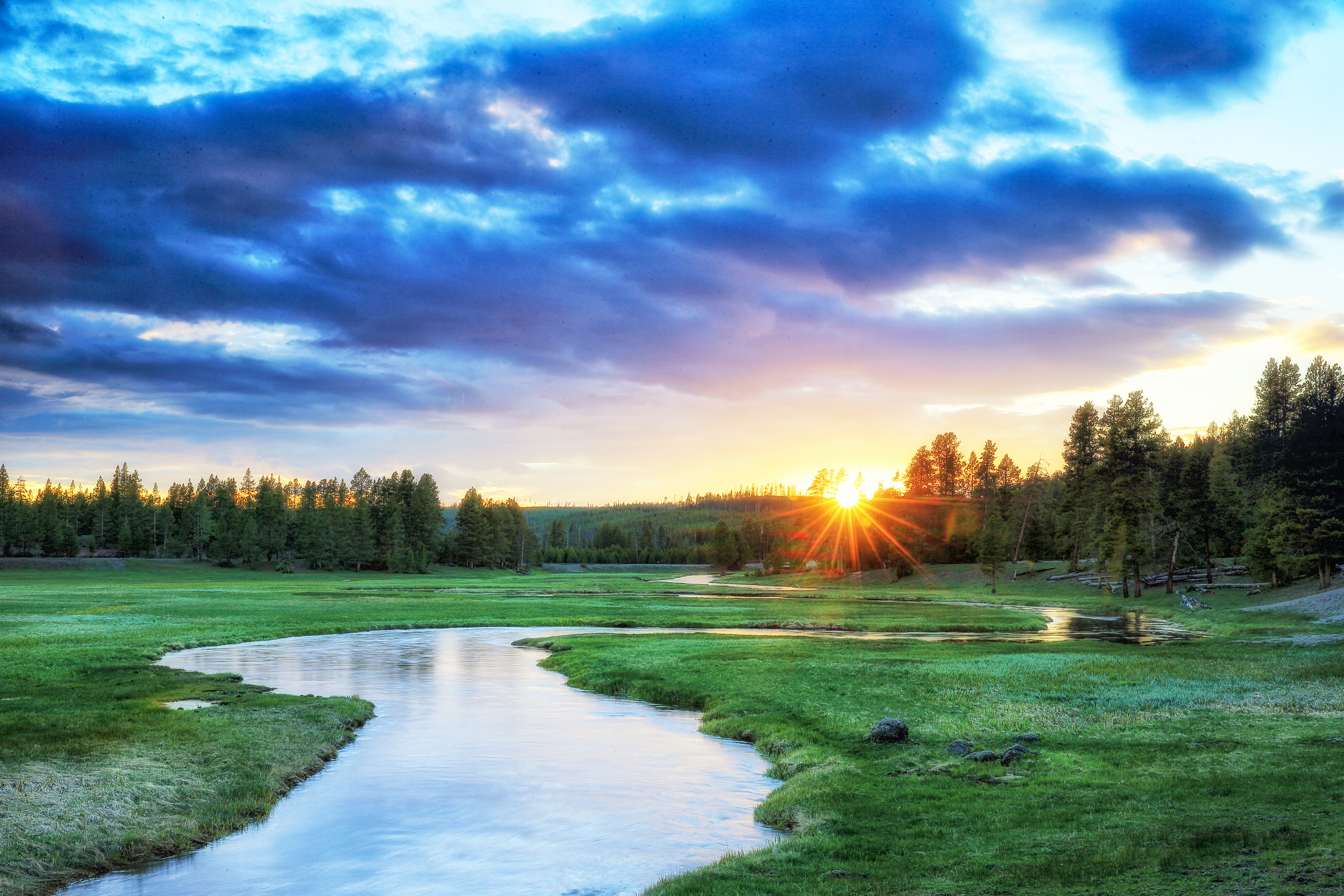
🖼️ Preserve light in form: 'Whispers of the Evening' →
“To leave a mark is not to go viral—it is to remain when no one’s watching.”
Conclusion: Ensuring Our Future Legacy
Throughout history, humanity has always sought to immortalize its culture and identity—from geoglyphs etched into the earth to fine art photography and AI-generated art today. Each generation has left behind a mark, a physical record for the future. But as we shift into a fully digital world, the tangible permanence of the past is fading fast.
Ancient religious texts—like the Dead Sea Scrolls, Torah manuscripts, and Qur'an—were preserved physically, shaping civilizations for millennia. Today, as religion, culture, and art move online, the question becomes: Are we protecting these stories with the same foresight?
Just as ancient civilizations carved their stories into stone, we now have the responsibility to preserve our digital creations in physical form—whether through printed photography, archived documents, or permanent visual art. If we don’t, we risk becoming a lost generation—a ghost in the machine.
Learn from the past. Apply it to the present. Leave a legacy they can touch.
“Legacy isn’t stored in code—it’s carved in intention. Let your mark be tangible.”
Explore Fine-Art Prints
Bring the season home—browse Wildlife, Landscapes, and Seascapes by National Geographic–published photographer Robbie George. See framing, editions, and care on the Collectors page.
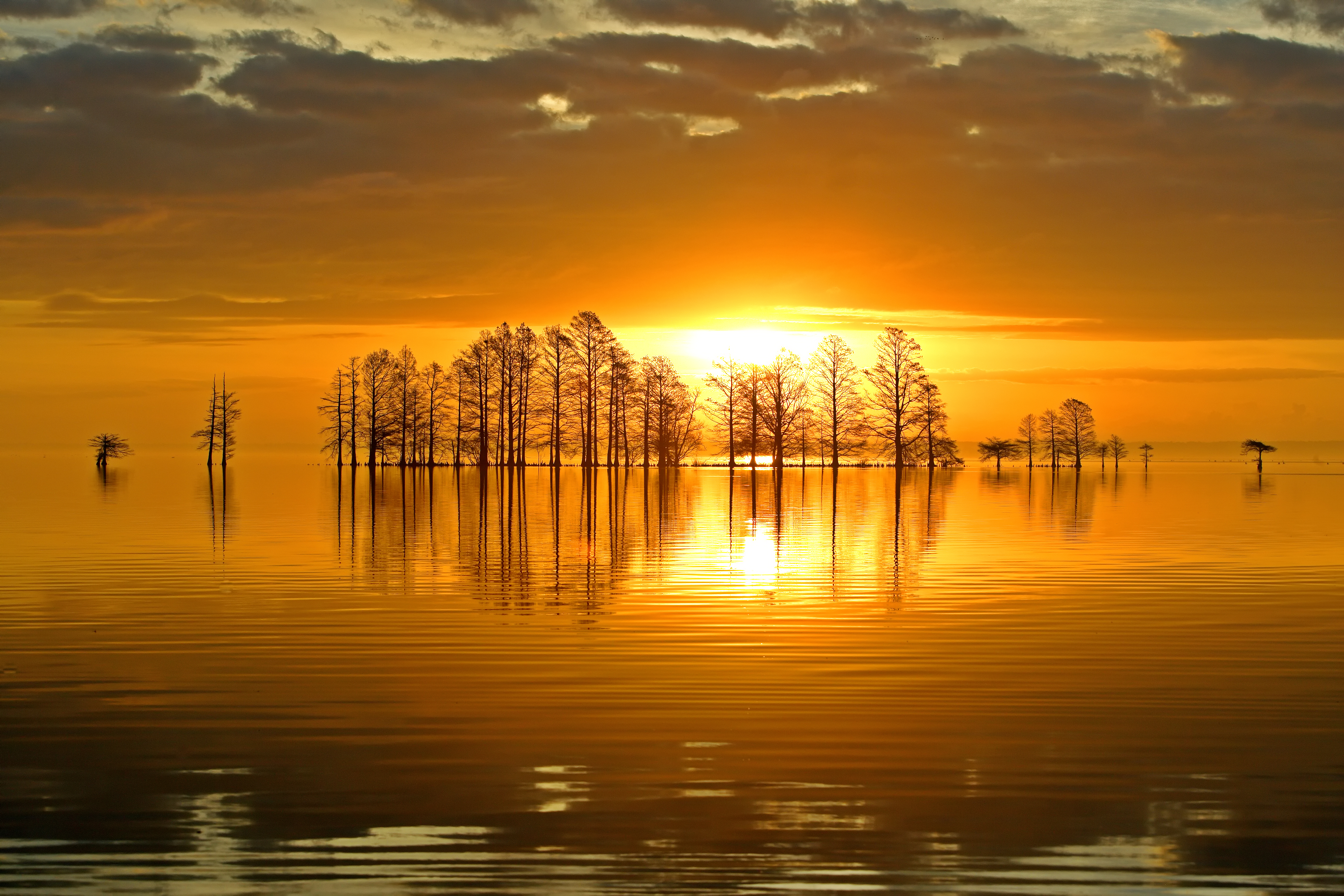 Landscape
 Wildlife
 Seascapes
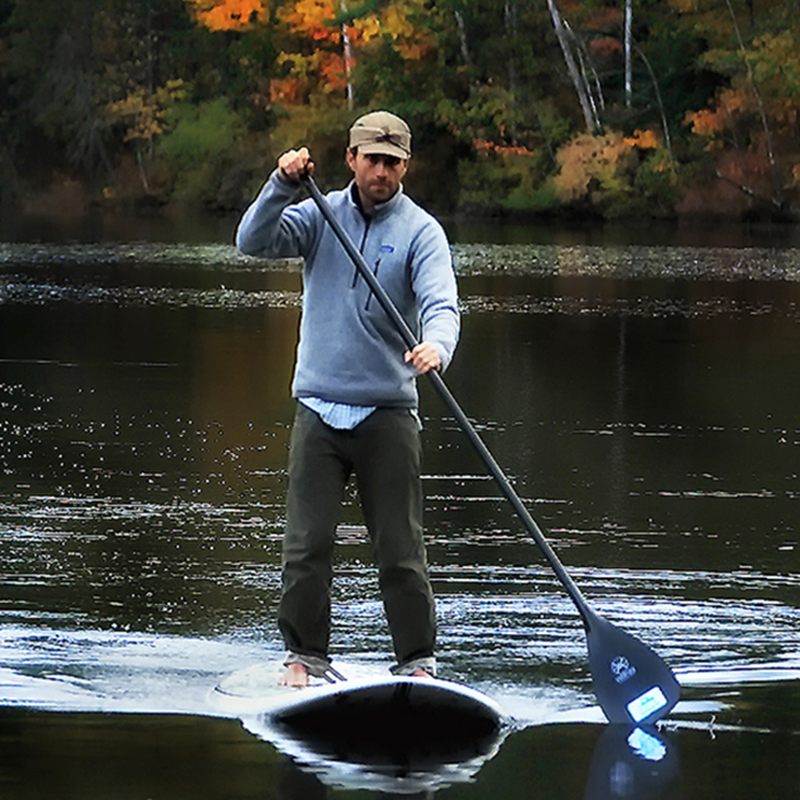
About Robbie George
Robbie George is a National Geographic–published photographer and resonant naturalist. His fieldcraft follows a simple ethic—distance first, habitat always— shaped by Slow Knowledge and the Signature Series.
Explore calm, undisturbed behavior in the Wildlife Gallery or plan your next trip with the Seasonal Wildlife Calendar, Golden Hour & Moon, and Photography Maps.
“Attention first, image second. The shutter is the period at the end of a sentence you learned by walking.”
Frequently Asked Questions: From Geoglyphs to AI
1. What are geoglyphs and why are they important?
Geoglyphs are large-scale earth designs created by removing surface material to reveal patterns or images. Often ceremonial or astronomical in nature, they serve as lasting messages from ancient civilizations—visible even from the sky.
2. How do petroglyphs differ from geoglyphs?
While geoglyphs are etched into the landscape, petroglyphs are symbolic carvings made directly into rock surfaces. They offer more intimate glimpses into daily life, mythology, and storytelling.
3. Why is digital art at risk of being forgotten?
Unlike stone or paper, digital files are fragile—vulnerable to data loss, outdated formats, and platform shutdowns. Without physical printing or archival systems, much of today’s digital art could vanish from the historical record.
4. What makes AI-generated art different from traditional photography?
AI-generated art is built from prompts and algorithms, often lacking a physical or real-world reference. It reflects imagination rather than direct documentation and must be intentionally printed or archived to endure.
5. How can I preserve my creative legacy?
Start by printing your favorite photographs and artworks. Create backups, use archival paper, and explore ways to physically preserve digital pieces. Fine art prints offer one of the most lasting methods for safeguarding your vision.
“The tools evolve. The longing remains. Make it last.”