
Beaver (genus Castor) : Nature's Master Engineer
Intro to the Beaver
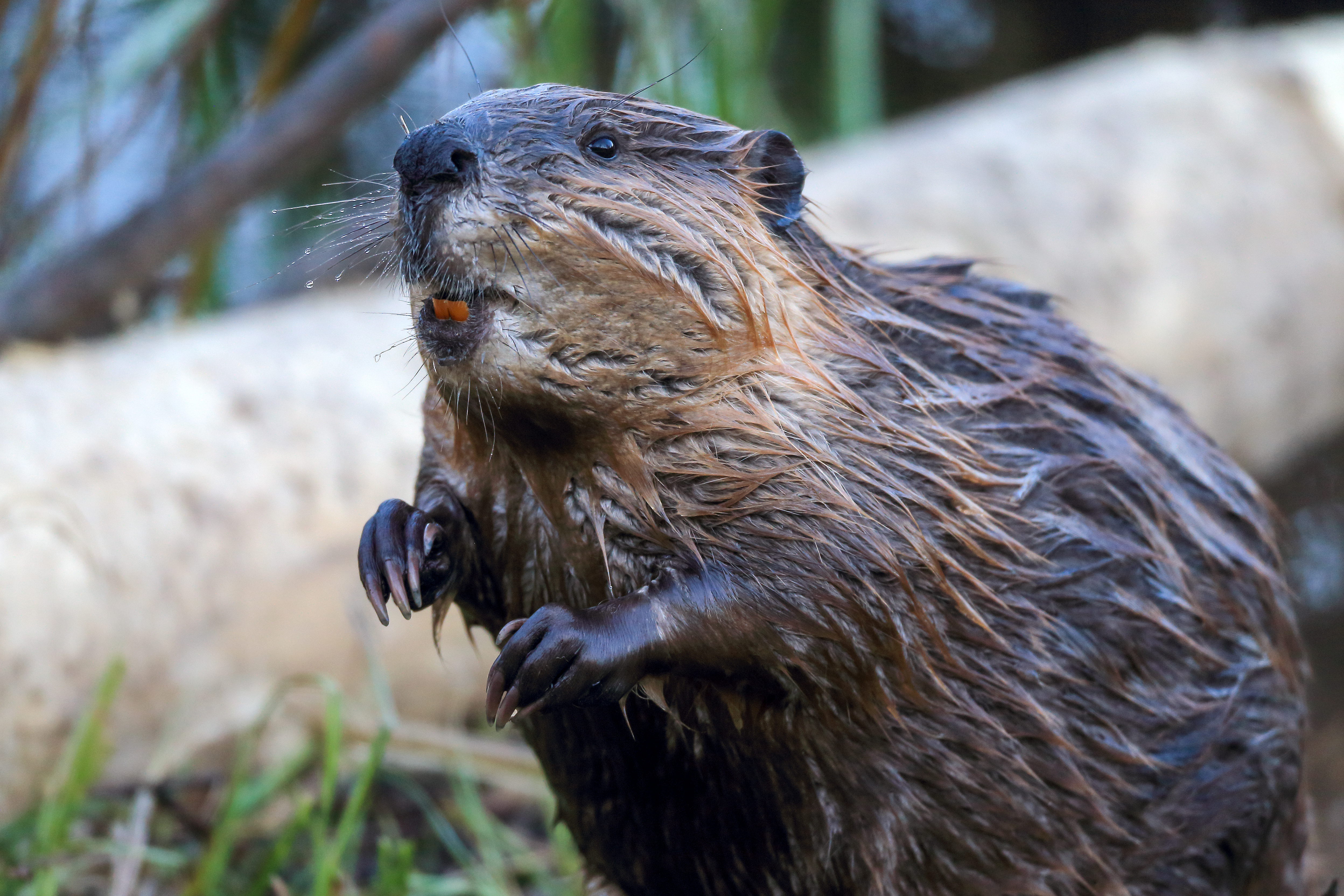
The beaver is one of the most important wetland mammals in North America, not because of its size or speed, but because of what it builds. Beavers slow water, cut channels, raise ponds, and create edge habitat where life gathers. Their work affects everything from sediment and groundwater to nesting birds and seasonal movement through riparian corridors.
From a field perspective, beavers are fascinating because they reveal process. You can often read their presence before you see the animal itself: gnawed trunks, fresh wood chips, a rising pond, an altered streambank, or a lodge standing quietly in evening light. They fit naturally into a larger understanding of wildlife behavior and ecology, wildlife habitats and ecosystem zones, and food webs and ecological relationships.
Beavers are also a strong fit within your mammal layer because they help connect species pages to system pages in a meaningful way. This is not just a profile of one animal. It is a page about what happens when behavior becomes habitat, and when one species reshapes the conditions for many others. That makes the beaver a powerful bridge into Mammals of North America, biodiversity and ecosystem balance, and wildlife observation and field techniques.
“The beaver changes a landscape by working with water, not against it. That is part of what makes it one of the most important wild architects in North America.”
~ Robbie George
As this page develops, it will move from species overview into habitat, diet, behavior, seasonal timing, and conservation — following the same field-first structure that helps connect your wildlife blog posts back into the larger site system through Wildlife, Naturepedia, and your place-based field guides.
On This Page
Explore how beavers shape wetlands, influence biodiversity, and connect to the larger ecological system.
Core Behavior: Engineering, Instinct, and Water Control
The first thing I notice when watching a beaver in the field is not speed or movement — it’s intention. Every action feels deliberate. Whether cutting a branch, dragging material through water, or reinforcing a dam, the behavior is repetitive, focused, and deeply tied to shaping the environment rather than reacting to it.
Beavers operate as builders within a living system. Their primary behavior centers around water control — slowing flow, raising water levels, and stabilizing aquatic environments. This allows them to create safe access to food, protect themselves from predators, and construct lodges with underwater entrances.
This behavior connects directly into larger ecological systems. When a beaver modifies a stream, it changes sediment patterns, plant growth, and species distribution. That’s why beavers are a key example within wildlife systems and ecology and food webs and ecological relationships.
In my experience, beaver behavior is most visible at the edges — the boundary between land and water. You’ll see freshly cut saplings, peeled bark, mud-packed structures, and subtle changes in water level. These signs often tell the story long before you ever see the animal itself.
What makes this behavior remarkable is that it doesn’t just support the beaver. It supports an entire system. That’s why beavers are consistently referenced in discussions around keystone species and biodiversity and ecosystem balance — their actions scale outward into the landscape in ways few species can match.
“The beaver doesn’t just live in a system — it reshapes the system until it works.”
~ Robbie George
Habitat: Where Water Meets Structure
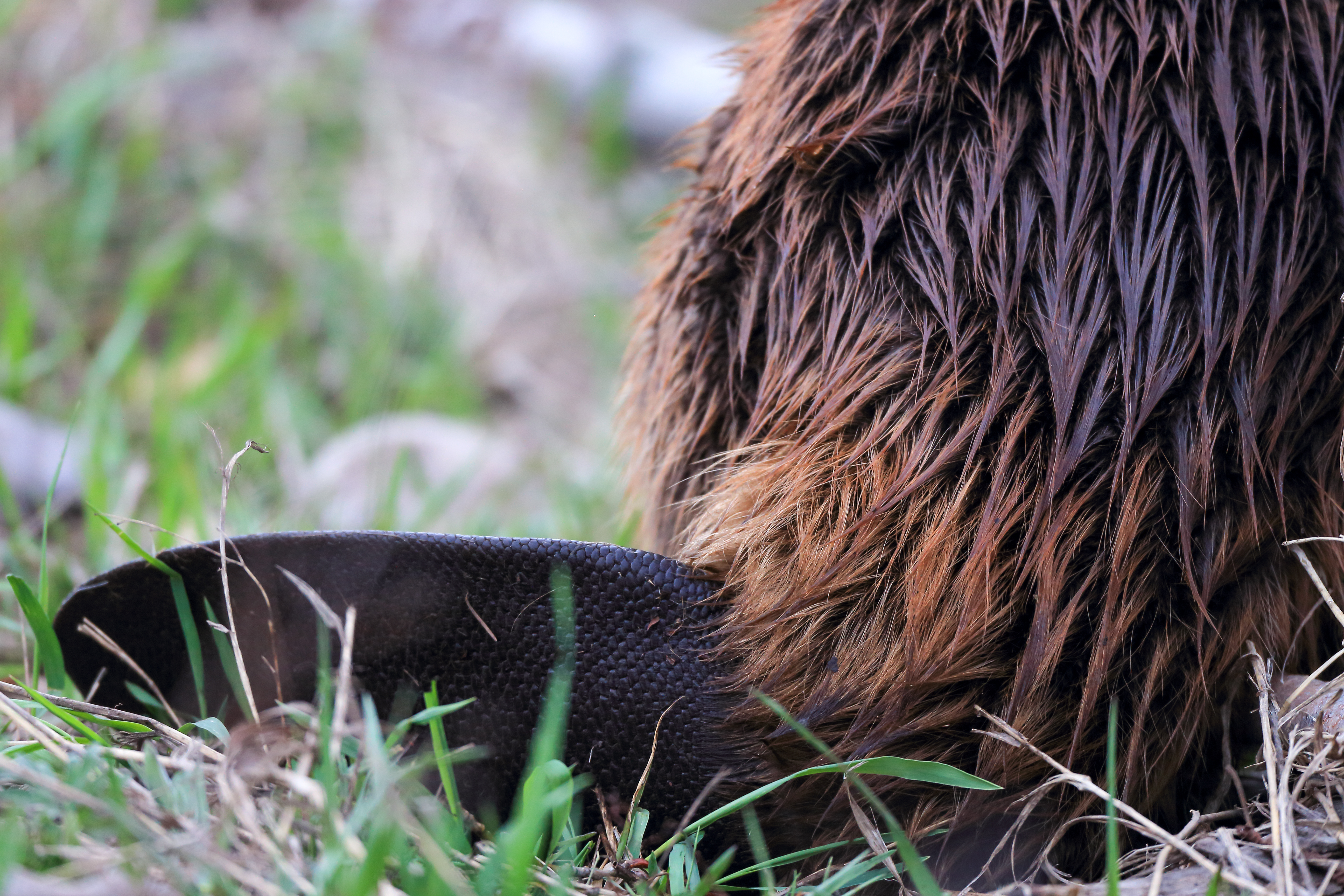
Beaver habitat is always tied to water, but not just any water. What they seek are slow-moving streams, ponds, marsh edges, and shallow river systems where flow can be controlled and reshaped. These environments allow them to build, expand, and stabilize their surroundings over time.
In the field, I’ve found that the best beaver habitat often looks quiet at first — low-gradient streams, willow-lined banks, soft mud edges, and standing water that reflects light in the early morning. But beneath that calm surface is constant change. Beavers are actively modifying these areas, turning simple waterways into layered wetland systems.
Their presence transforms habitat structure completely. A narrow stream becomes a pond. A dry edge becomes saturated soil. Over time, this creates a mosaic of micro-habitats that support species across amphibians, birds, fish, and mammals. This is why beaver habitat is closely tied to wildlife habitat zones and ecosystem structure.
Location matters too. Some of the most productive beaver habitats I’ve worked in include places like Yellowstone, Grand Teton, and Blackwater National Wildlife Refuge, where water systems, vegetation, and seasonal flow create ideal conditions for long-term colony development.
Beaver habitat is not static — it evolves. What starts as a dam becomes a pond, then a wetland, and eventually a meadow if abandoned. This cycle ties directly into seasonal patterns and long-term landscape change, making the beaver one of the most important drivers of habitat succession in North America.
“Where water slows, life gathers — and the beaver is often the reason why.”
~ Robbie George
Diet: Wood, Water, and Seasonal Feeding Patterns
One of the most misunderstood aspects of beavers is what they actually eat. Despite their constant tree cutting, beavers do not consume wood itself. Instead, they feed on the inner bark (cambium layer) of trees, along with aquatic plants, grasses, and seasonal vegetation found along wetland edges.
In my field observations, you can often identify feeding zones by fresh wood chips scattered at the base of trees and clean, angled cuts on trunks. Species like willow, aspen, birch, and cottonwood are common targets — not randomly, but because they provide both nutrition and ideal building material.
Their diet shifts with the seasons. In warmer months, beavers rely more heavily on aquatic vegetation — pond lilies, sedges, and submerged plants. As fall approaches, their behavior changes. They begin harvesting branches and storing them underwater near their lodge, creating what’s known as a winter food cache.
This feeding strategy connects directly into wildlife adaptation and survival and broader food web dynamics. By cutting trees and altering vegetation patterns, beavers influence plant regrowth, nutrient cycling, and habitat availability for other species.
What stands out to me most is how efficient and intentional their feeding behavior is. Nothing is wasted. Every branch serves multiple roles — food, structure, and ecological impact. It’s another example of how beavers operate not just as consumers, but as active participants in shaping the landscape.
“The beaver feeds with purpose — and in doing so, it reshapes the future of the forest.”
~ Robbie George
Life Cycle: Family Structure and Generational Learning
Beavers follow a structured and highly cooperative life cycle centered around family units known as colonies. In most cases, a colony consists of a breeding pair, kits from the current year, and yearlings from the previous season. This multi-generational structure plays a critical role in survival and knowledge transfer.
Kits are typically born in late spring, inside the safety of the lodge. By early summer, they begin venturing into the water, learning basic swimming and feeding behavior under close supervision. Watching this in the field, you can see how quickly they integrate into the rhythm of the colony — always near structure, always near protection.
Yearlings play an important role in the system. They assist with lodge maintenance, help gather food, and often act as early caretakers for younger kits. This is where behavior becomes learned rather than instinct alone — reinforcing patterns tied to wildlife behavior and ecology.
After about two years, young beavers disperse to establish their own territories. This movement connects directly into seasonal and dispersal patterns, as they search for suitable water systems where they can begin building new colonies.
What stands out to me is how much of the beaver’s life cycle is tied to continuity. Structures are maintained across seasons, knowledge is passed across generations, and habitat is inherited, modified, and expanded. It’s not just survival — it’s a living system that carries forward through time.
“A beaver colony is not just a family — it’s a lineage of builders shaping the same water over time.”
~ Robbie George
Behavior: Cooperation, Communication, and Territory
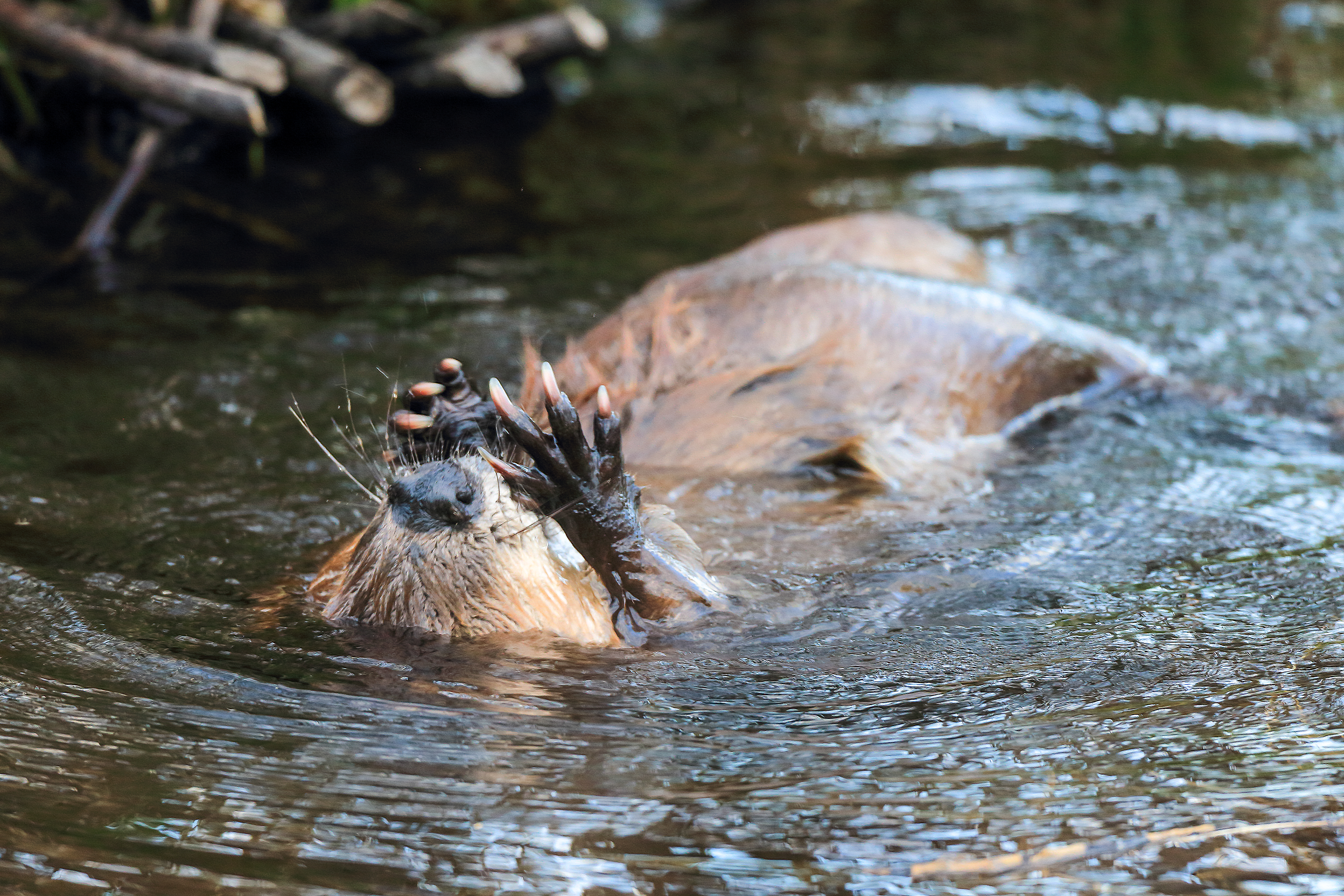
Beaver behavior is built around cooperation. Every colony functions as a coordinated unit, with each individual contributing to construction, maintenance, feeding, and defense. In the field, this becomes obvious when you watch a lodge or dam over time — no single beaver is responsible for the system, yet the system is always maintained.
Communication is subtle but effective. Beavers use vocal sounds, scent marking, and physical signals to maintain order within the colony and define territory. One of the most recognizable behaviors is the tail slap — a loud strike against the water that signals danger and immediately alerts other beavers nearby.
Scent plays an equally important role. Beavers build small mud mounds and mark them with castoreum, creating a chemical boundary that communicates presence without direct conflict. This behavior helps reduce unnecessary encounters and reinforces territory across waterways.
From a systems perspective, these behaviors connect directly into wildlife behavior and ecology and adaptation and survival strategies. Communication, cooperation, and territory management allow the colony to function efficiently without constant conflict or energy loss.
What stands out most when observing beavers is how calm and methodical their behavior is. Even under pressure, they rely on structure — returning to water, returning to the lodge, returning to the system they’ve built. Their behavior is not reactive chaos; it is organized persistence.
“The beaver doesn’t panic — it returns to structure, and structure is what keeps it alive.”
~ Robbie George
Conservation: Recovery, Conflict, and Restoration
Beavers were once pushed to the edge of extinction across North America and Europe due to intensive trapping during the fur trade. By the 1800s, entire watersheds had lost their beaver populations — and with them, the wetlands, biodiversity, and water systems those animals once maintained.
Today, beavers have made a remarkable recovery. Through legal protection, reintroduction programs, and shifting conservation priorities, they are once again present across much of their historical range. But recovery doesn’t mean stability — especially as human development continues to expand into wetland and riparian zones.
The challenge now is coexistence. Beavers build in places that humans also value — near roads, farms, culverts, and suburban waterways. Their dams can flood infrastructure, while their feeding behavior can alter managed landscapes. These conflicts often lead to removal rather than understanding.
What I’ve seen in the field, though, is that when beavers are allowed to remain, landscapes often improve. Water retention increases, drought resilience strengthens, and biodiversity expands. This is why beavers are increasingly recognized within wildlife conservation and habitat restoration and broader ecosystem balance.
Practical coexistence solutions are already working in many areas:
- Flow devices regulate water levels without removing dams
- Tree protection prevents damage to key vegetation
- Habitat planning integrates beavers into watershed design
- Public awareness shifts perception from nuisance to ecological ally
Conservation today isn’t just about protecting beavers — it’s about recognizing their role as partners in restoring damaged ecosystems. In many ways, they are doing the work we’re trying to replicate through restoration projects, but they’re doing it naturally, continuously, and at scale.
“When the beaver returns, the system begins to heal — water slows, life gathers, and balance follows.”
~ Robbie George
Seasonal Patterns: How Beaver Behavior Changes Through the Year
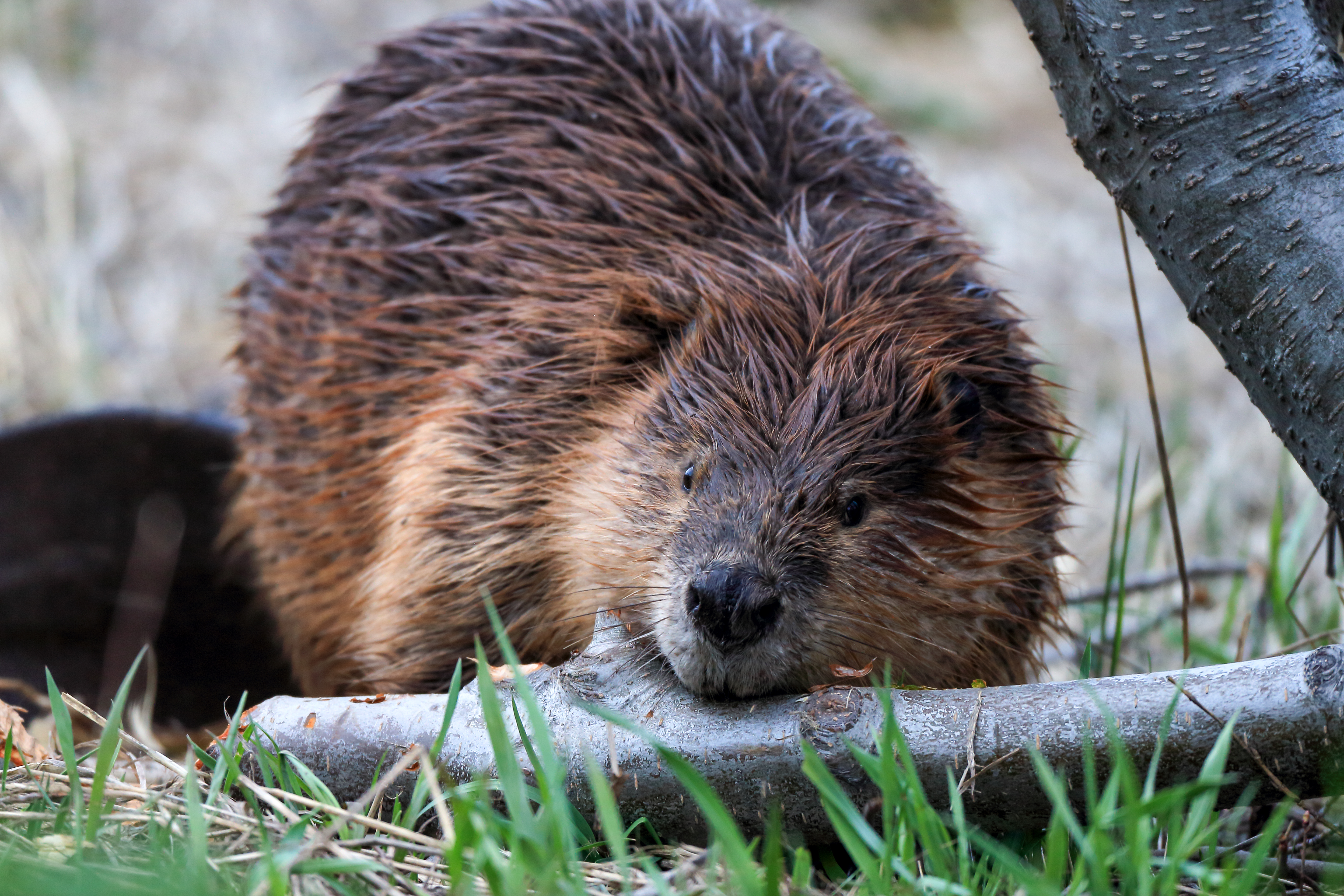
Beaver activity follows a clear seasonal rhythm, tied closely to water temperature, vegetation cycles, and survival needs. While they remain active year-round, their behavior shifts significantly between seasons — especially in northern climates where winter conditions reshape the landscape.
In spring, activity increases rapidly. This is when kits are born and colonies expand their territory. Water levels rise with snowmelt, creating ideal conditions for new dam construction and habitat expansion. It’s one of the best times to observe early-season behavior and movement.
During summer, beavers shift toward maintenance and feeding. Aquatic vegetation becomes the primary food source, and ponds reach their most stable state. Long daylight hours allow extended periods of activity, especially during dawn and dusk.
Fall is the most active and critical season. Beavers begin preparing for winter by cutting branches and building underwater food caches near their lodge. This behavior is highly visible in the field — fresh cuts, increased movement, and rapid structural reinforcement all signal seasonal transition.
In winter, activity becomes more hidden. In colder regions, ponds freeze over, and beavers rely almost entirely on stored food. They move beneath the ice, accessing branches from their cache while remaining protected inside the lodge system.
These seasonal shifts connect directly into nature’s seasons and seasonal wildlife patterns. Understanding timing is essential — not just for observation and photography, but for recognizing how behavior, habitat, and survival are linked across the year.
“The beaver works with the seasons — building when it must, storing when it should, and enduring when it has to.”
~ Robbie George
Naturepedia Connection — Understanding the Beaver in the Larger System
The beaver is one of the clearest examples of how a single species can influence an entire system. Its behavior connects directly to water flow, vegetation patterns, habitat structure, and biodiversity. When a beaver builds a dam, it is not just creating shelter — it is reshaping the conditions that allow ecosystems to function.
This is why beavers sit at the intersection of multiple Naturepedia layers. They are part of mammals of North America, but their influence extends into behavior and ecology, ecosystems, and conservation and habitat.
From a field perspective, this is where the system becomes visible. You can trace the impact of a beaver outward — from the lodge, to the pond, to the surrounding vegetation, to the species that move into that space. It’s a direct example of how ecological relationships and biodiversity are shaped in real environments.
This is how I’ve built the site — connecting species into a larger structure where each animal is not isolated, but part of a living network that includes habitat, behavior, geography, and time.
To explore this system further, continue into the Naturepedia framework.
Beaver FAQ: Key Questions About Behavior, Habitat, and Ecology
Why are beavers considered ecosystem engineers?
Beavers build dams that slow water, create wetlands, and reshape entire landscapes. These changes support biodiversity, improve water quality, and create habitat for many other species, which is why they are classified as ecosystem engineers.
What do beavers eat?
Beavers primarily eat the inner bark of trees such as willow, aspen, birch, and cottonwood, along with aquatic plants. They do not eat wood itself, but use trees for both food and construction.
Where do beavers live?
Beavers live in freshwater environments including rivers, streams, ponds, and wetlands. They prefer areas where water flow can be slowed and controlled, allowing them to build dams and lodges.
How do beavers survive winter?
Beavers store branches underwater near their lodge during fall. In winter, they access this food cache beneath the ice while remaining protected inside their lodge, reducing exposure to predators and harsh conditions.
Are beavers good for the environment?
Yes. Beaver activity improves water retention, reduces erosion, supports biodiversity, and helps ecosystems adapt to drought and climate change. Their presence often signals a healthy or recovering landscape.
When is the best time to see beavers?
Beavers are most active at dawn and dusk. Fall is often the best season to observe them, as they are actively preparing for winter and their behavior is more visible.
About Robbie George
I’m Robbie George, a National Geographic–published wildlife photographer. My work is built through repeated time in the field—returning to the same landscapes across seasons to understand how animals interact with water, habitat, and the systems that sustain them.
Beavers are one of the clearest examples I’ve encountered of how behavior shapes environment. When I photograph them, I’m not just documenting an animal—I’m watching a system being built in real time. Water levels shift, vegetation changes, and entire habitats form around their work. That perspective carries directly into how I’ve built the Naturepedia Wildlife Knowledge System, connecting species to behavior, habitat, ecosystems, and seasonal timing.
You can explore more field-based work in the Wildlife Gallery, or plan your own time in the field using tools like the Seasonal Wildlife Calendar and Photography Maps.
“The beaver teaches you that the landscape is never finished—it’s always being shaped by what lives within it.”