

The Majestic Aspen Trees: Nature's Largest Living Organism
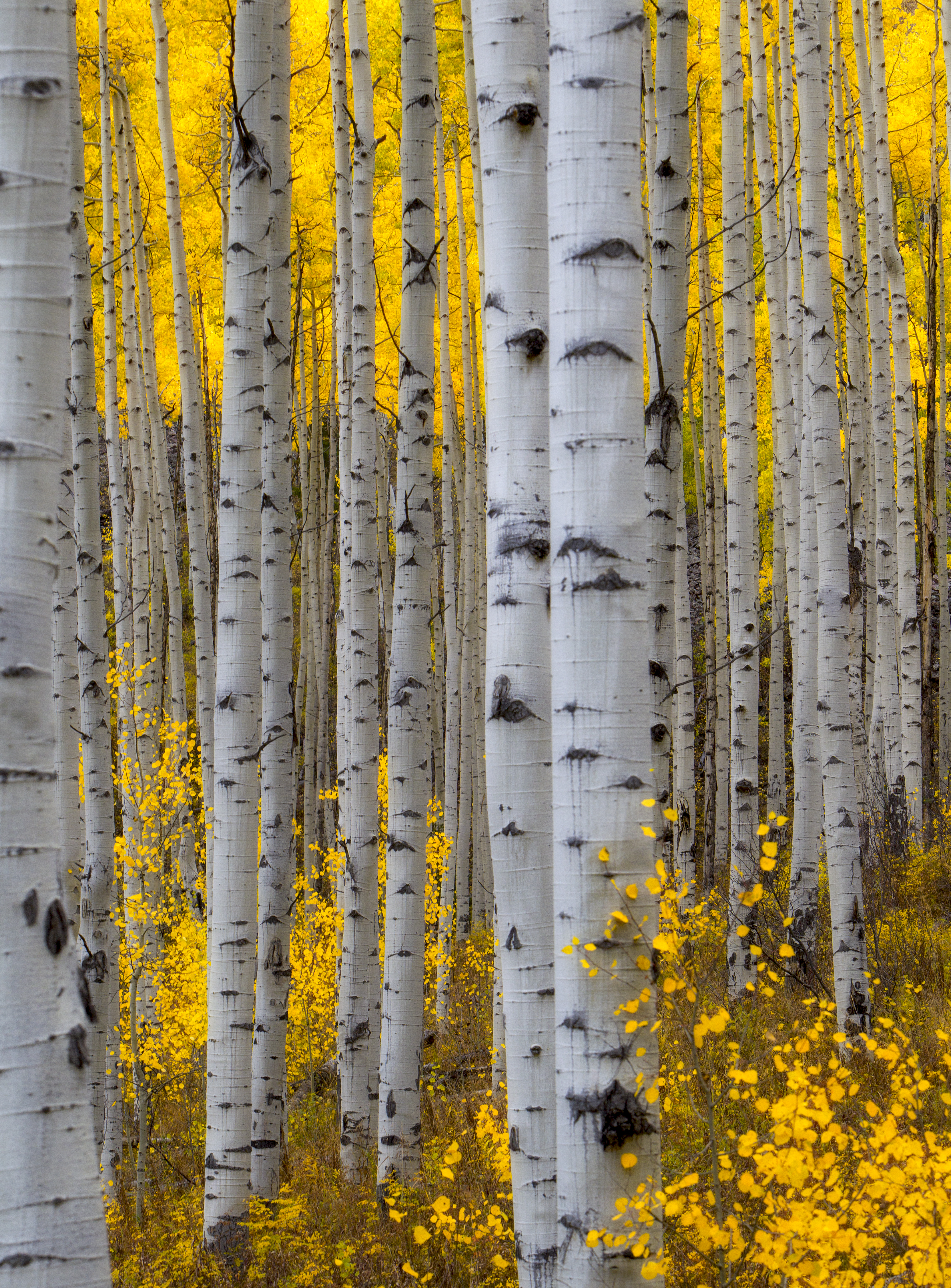
Unveiling the Wonders of Aspen Trees
Aspen trees shimmer with movement. Even on still days, their leaves tremble in the breeze — a gentle quaking that gives them their name. But beneath the surface, their brilliance is not just visual. Aspens are a living intelligence network — vast root systems connecting genetically identical trees across hillsides and valleys. What appears as a forest is, in truth, a single organism.
In the Signature Series, we speak often of resonance and memory in living systems. Aspen trees embody this perfectly. They don’t just grow — they echo. They remember their strength across generations of trunks. Their clonal colonies adapt, regenerate, and survive long after individual stems fall. Their roots are the unwritten biography of the land — a timeline encoded in biology.
Through this blog post, we’ll explore how Aspen trees are more than trees. They are guardians of biodiversity, record-keepers of climate history, and photographic subjects that carry myth and memory in every glowing branch. Their story is one of resilience through relationship — a lesson for all of us.
“What looks like a forest is actually one soul, trembling in light.” ~ Robbie George
Understanding Aspen Trees
Aspen trees are more than seasonal spectacles — they are shape-shifters in the landscape. Known for their paper-white bark, golden autumn brilliance, and leaves that quake like whispers, Aspens are found across North America and thrive in diverse habitats. But what makes them truly extraordinary is how they live: not alone, but as one.
Rather than reproduce by seed, most Aspens spread by root suckering — a regenerative process where new trees emerge from an interconnected root system. These new stems are genetic clones, forming a unified organism called a clonal colony. From the perspective of the Living Code, this is not just reproduction — it’s resonance in action. Each stem pulses with the memory of its root origin, echoing across seasons and soil.
There are two primary types of Aspen found in North America:
- Quaking Aspen: The most widespread tree species in North America, known for its fluttering leaves and high-altitude tenacity. Its range and rhythmic response to light make it a perfect metaphor for vibrational coherence in nature.
- Bigtooth Aspen: Found mainly in the northeast, this species features larger, coarser leaf margins and contributes significantly to biodiversity in boreal forests.
These trees, especially in colonies like Pando, function like a single nervous system spread across acres — a perfect demonstration of nature’s hidden intelligence network. They teach us that resilience is not about standing alone but standing together, as one organism.
Pando – The Trembling Giant
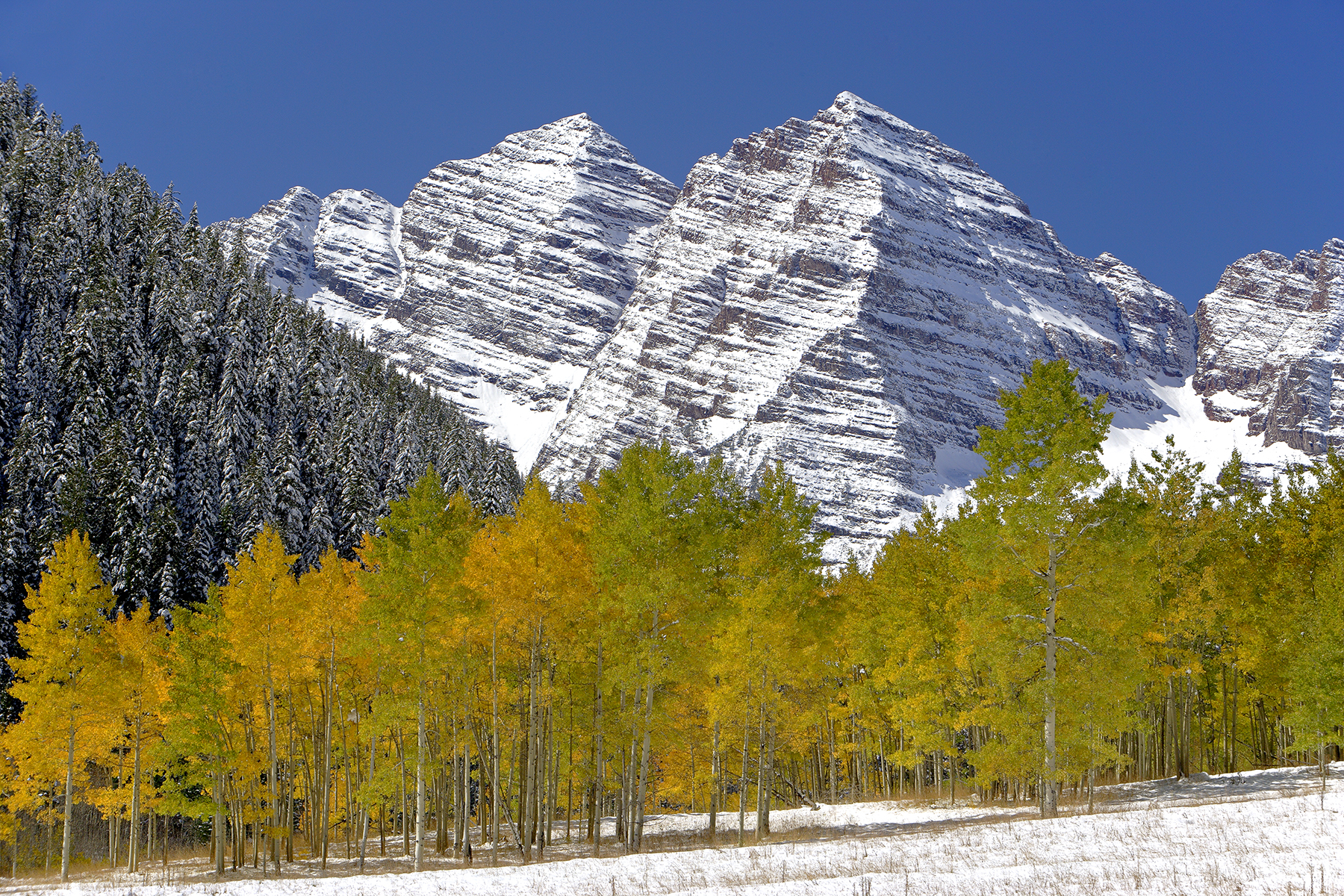
Hidden in the highlands of Utah lies one of the most extraordinary living beings on Earth: Pando, a single aspen organism stretching across 106 acres. What appears to be a forest of 47,000 individual trees is actually one giant, interconnected root system — a single clone named after the Latin word for “I spread.” Scientists estimate Pando’s age at 80,000 years, making it one of the oldest and heaviest living organisms on the planet.
From a *Living Code* perspective, Pando is not just old — it is wise. Each stem is a temporal branch of a deeper intelligence stored underground. Its memory is stored in vibration, soil chemistry, fungal partnerships, and resonance. Its form speaks the language of coherence and shows how nature weaves soil microbiomes, water retention, biodiversity, and carbon sequestration into one interdependent network of life.
Studying Pando reveals more than ecological data — it offers a living model for collective resilience. Pando teaches us that strength is found not in separation, but in connection. It is a living organism built on trust, synchronization, and response to the cycles of nature. And like all great teachers, it listens more than it speaks — its wisdom is found in the quiet shimmering of leaves that share one breath.
Nature’s Largest Living Organism
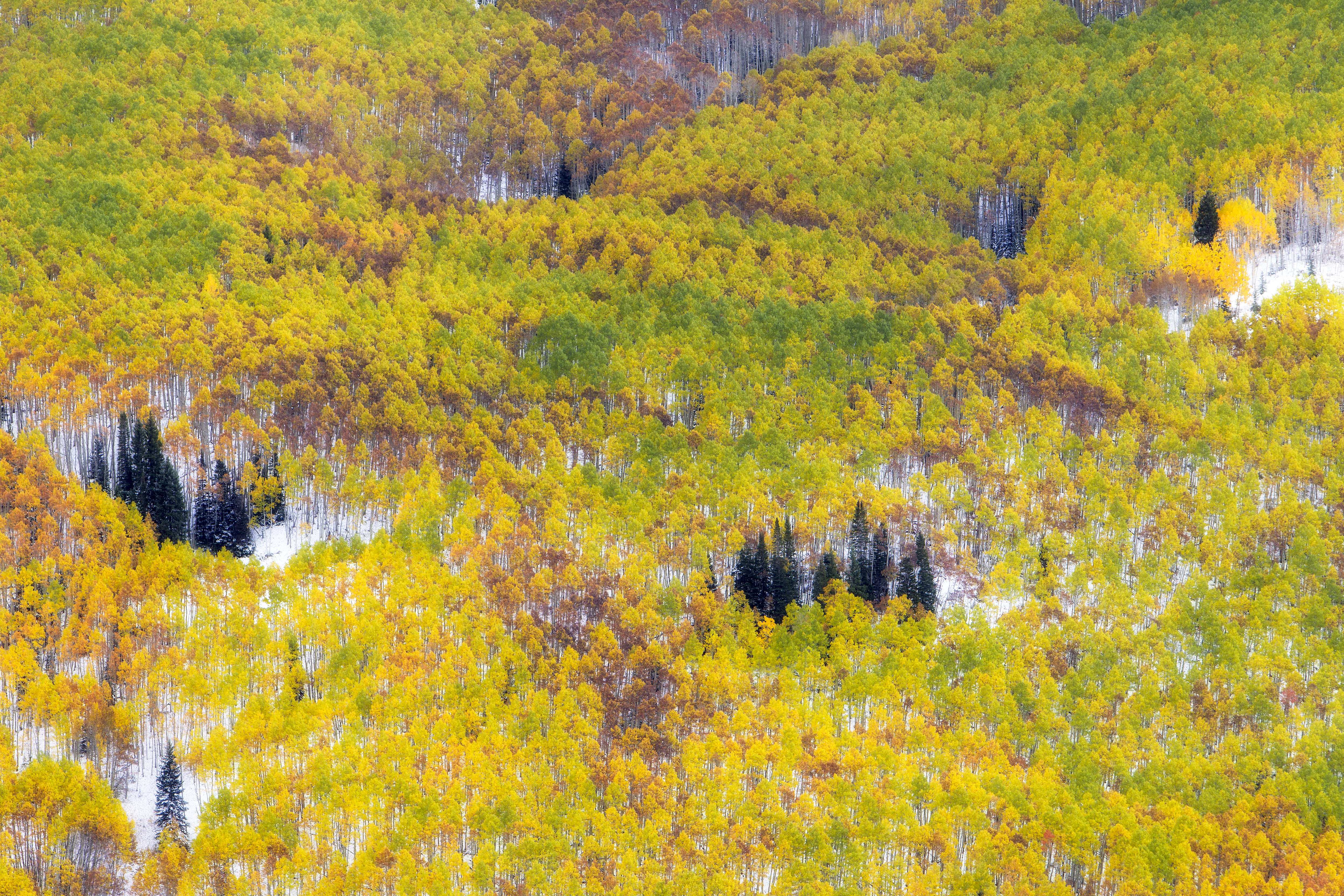
The Pando aspen clone may look like a forest, but it is one massive organism, connected by a single root system and pulsing with unified genetic memory. Weighing an estimated 6,000 tons and covering more than 106 acres, Pando is the largest living being on Earth by mass. Its stems tremble in the wind, but its body remains rooted and whole — a breath of unity extending across thousands of years.
For comparison, the Armillaria ostoyae fungus in Oregon — dubbed the “Humongous Fungus” — covers nearly 2,400 acres and is considered the largest organism by area. Yet Pando, as a visible forest of trembling golden trees, offers something uniquely beautiful: a living bridge between plant intelligence, ecological connectivity, and our human ability to witness it. Pando is not hidden underground — it glows.
In the context of the Quantum Vitality series, Pando represents mass as memory. Its physical presence stabilizes soil, balances water flow, supports vast biodiversity, and stores ecological history in its very structure. Its strength lies not only in its size but in its ability to remain whole while appearing many. Pando doesn’t just survive — it synchronizes.
Ecological Importance of Aspen Trees
An Aspen tree is not just a tree. It is a host, a shelter, a signal. Its presence transforms an entire landscape into a vibrant web of interdependence. Aspen forests support one of the highest levels of biodiversity in North American ecosystems — from understory flowers to songbirds, from browsing elk to burrowing fungi.
Beneath the golden canopy, a rich understory of wildflowers, shrubs, and grasses flourishes. These layers of life provide food and habitat for wildlife like deer, bears, rabbits, and birds. Woodpeckers drum on aging trunks. Owls nest in cavities. Elk and moose browse among young saplings, helping sculpt the forest's renewal.
And below it all, Aspen roots interweave with the soil microbiome — a living field of fungi, bacteria, and organic matter. This unseen network supports nutrient cycling, water retention, and resilience against drought and erosion. As explored in Quantum Vitality, life doesn't just grow in soil — it breathes through it. Aspen trees serve as conduits for this breath.
Threats and Conservation Efforts
Aspen trees are survivors. But even the most ancient beings can be brought to the edge. From disease and drought to development and fragmentation, the harmony of Aspen systems is being disrupted. When the root pulse is silenced, the ripple is felt far beyond the forest.
Climate change threatens the temperature and moisture rhythms that Aspens depend on. Root diseases like Armillaria root rot spread through colonies with devastating speed. Fungal pathogens like Cytospora canker and ink spot disease take hold in weakened stems. Meanwhile, human activities — logging, land development, unmanaged recreation — fragment the once-unbroken web of roots.
Yet across the West, scientists, ecologists, and forest stewards are responding. Through soil microbiome restoration, fire ecology, public awareness campaigns, and wildlife corridor protection, we are learning to listen again. In the words of soil health advocates and regenerative thinkers, the solution lies beneath our feet. Aspen trees will keep growing if we let their roots remember.
Aspen Trees in Photography
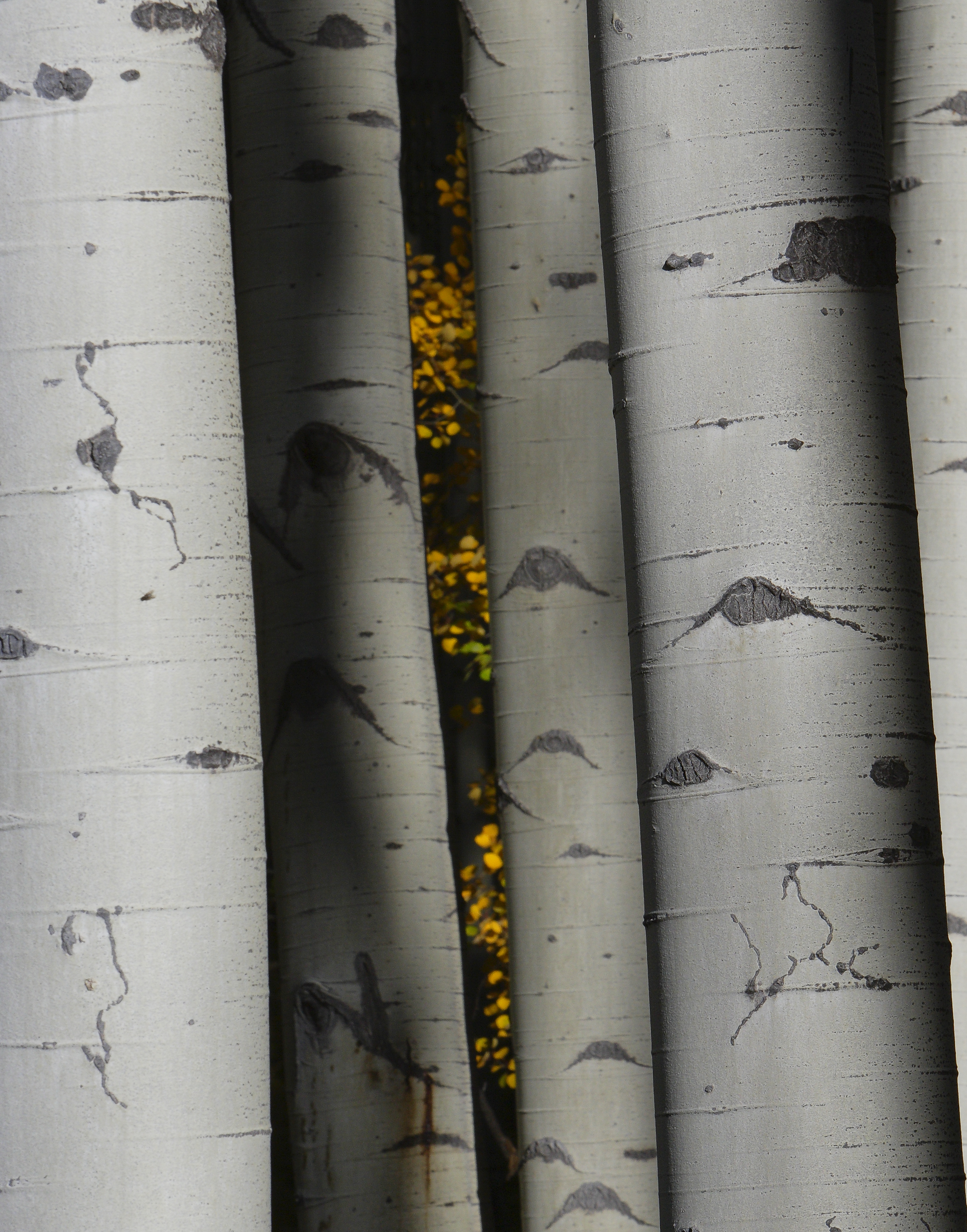
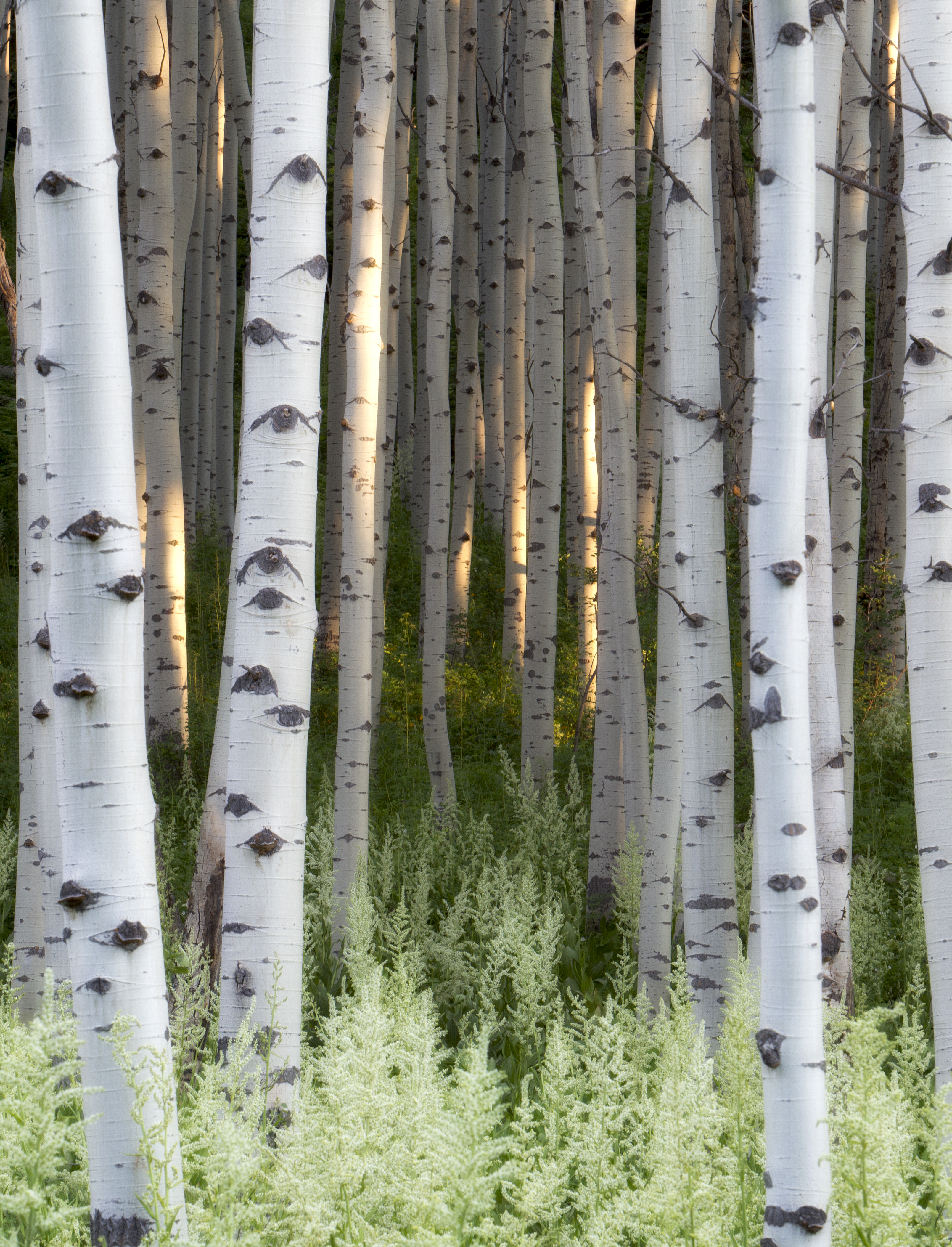
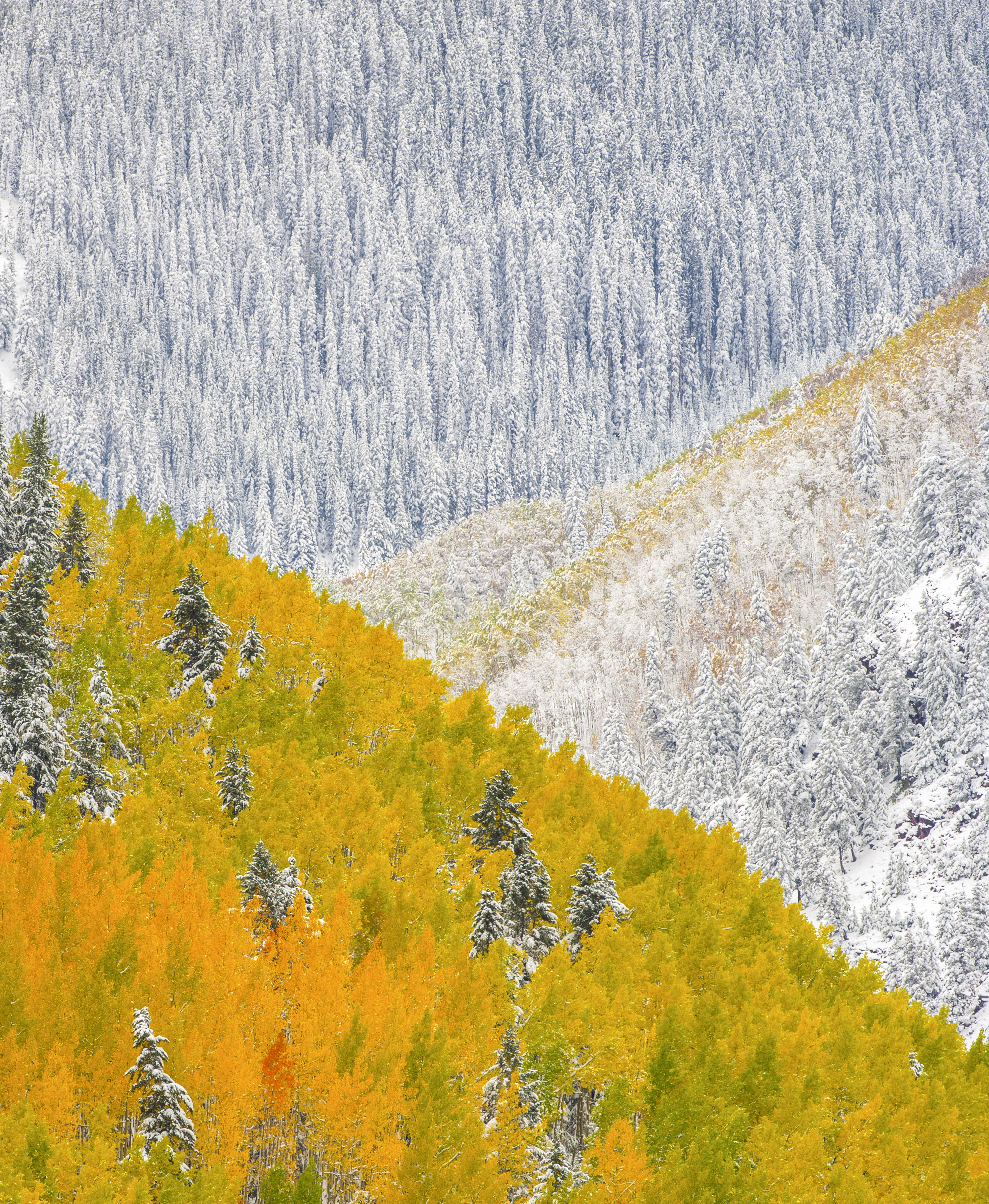
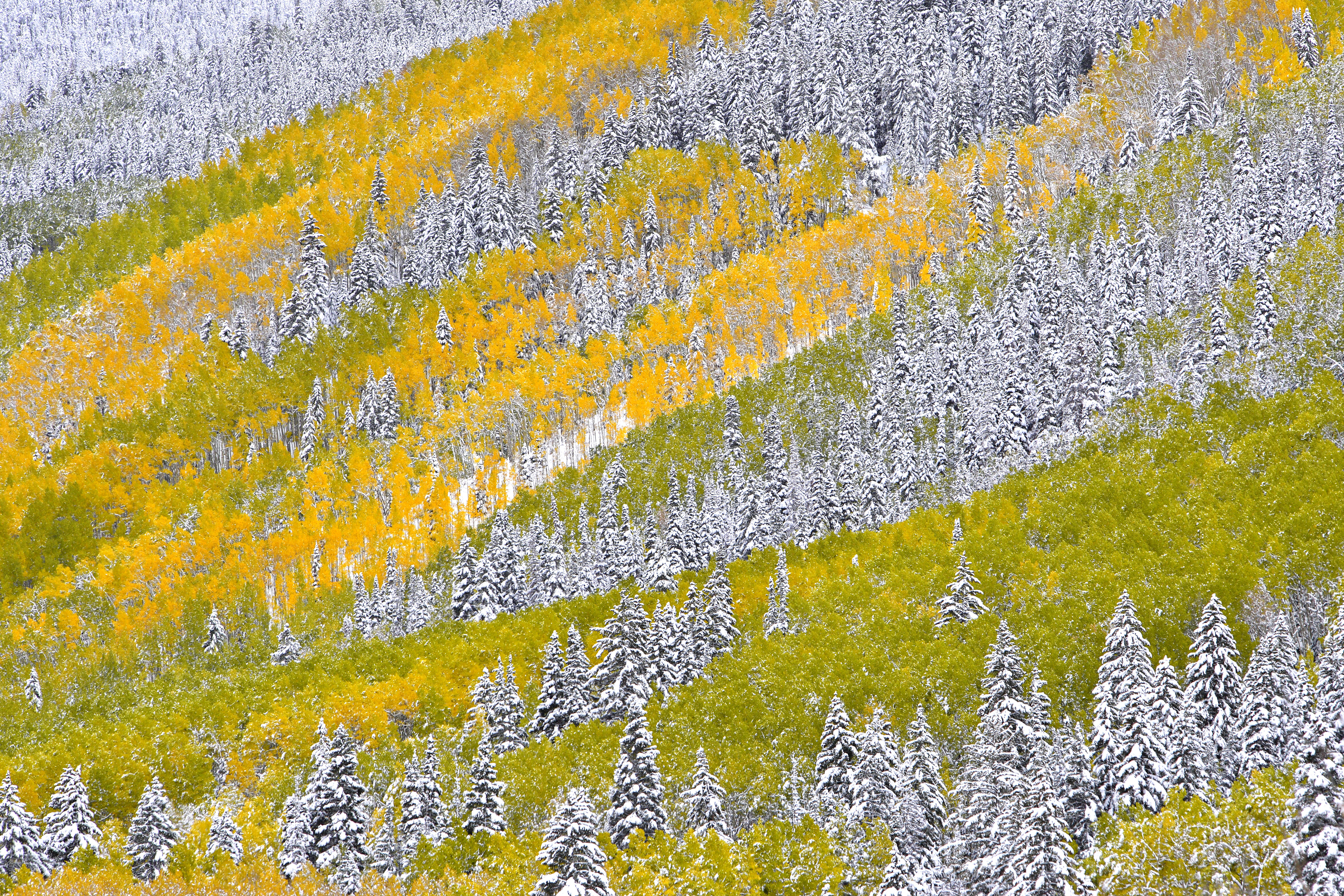
Aspen trees are more than a subject — they are a presence. Their white bark, carved with eyes and stories, reflects light like bone. Their golden leaves shimmer like memory in motion. For the nature photographer, Aspen groves offer not just beauty, but rhythm, geometry, and soul. Their lines are vertical music. Their stillness — sacred.
As a nature photographer who grew up in Aspen, Colorado — a town renamed for these trees — I’ve spent a lifetime among them. From their shimmering gold each fall to their quiet silver shadows in winter, they’ve been both canvas and companion. Their “eyes” felt like guardians in childhood and guides in adulthood. Their groves became cathedrals — places where light, silence, and story intersect.
When photographing Aspens, look for patterns. Let the trunks lead the eye. Use backlight to catch their trembling leaves. Embrace the space between the trees. Focus not just on the golden glory — but on the quiet grayscale beneath. These are enigmatic eyes that see more than we know.
Conclusion: Preserving the Giants of Nature
Aspen trees are not just beautiful — they are wise. In their trembling gold, we see resilience. In their roots, we feel memory. In Pando, we meet one of Earth’s greatest living beings — a quiet, steady witness to change, holding the land together in silence and light.
Their story is one of cooperation, not competition. Of cloning not for dominance, but for survival. Of thriving not as individuals, but as a shared field — a lesson mirrored in The Living Code. Aspen trees remind us that true strength lies in interconnectedness — and that ancient life is still listening beneath our feet.
Let us honor these living giants not just by admiring them, but by protecting them — with our policies, our practices, and our attention. Because when we lose an Aspen grove, we don’t just lose trees — we lose memory, beauty, and the pulse of something much greater than ourselves.
“Pando doesn’t rise to dominate — it spreads to endure.” ~ Robbie George
Explore, Appreciate, and Protect
Aspen trees remind us that resilience is relational, and beauty is born from the bonds beneath the surface. Their story is both ancient and urgent. If this blog resonated with you, here are ways to go deeper — to explore their world, appreciate their wisdom, and help protect their future.
🍂 Read more: The Majestic Aspen Trees
🌿 Explore: The Soil Microbiome – The Lungs of Our Planet
🖼️ Fine Art: Aspen Tree Print – A Walk in the Woods
📷 About: Nature Photography as Reflection & Resonance
🍁 Print: Autumn in Colorado – Aspen Glory
🌲 Print: Enigmatic Eyes – Aspen Trees in Reflection
Explore Fine-Art Prints
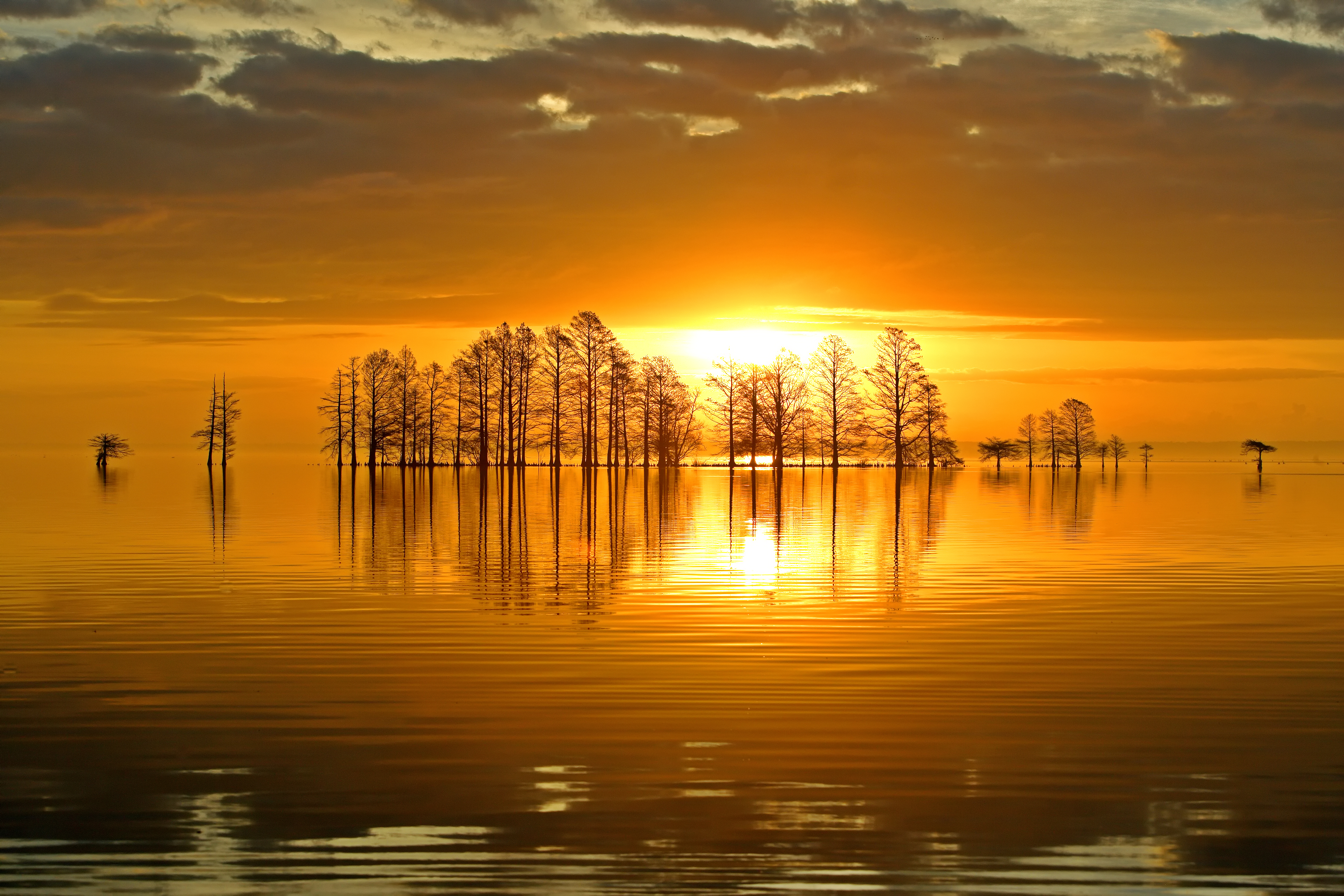
Bring the season home—browse Wildlife, Landscapes, and Seascapes by National Geographic–published photographer Robbie George. See framing, editions, and care on the Collectors page.
 Landscape
  Wildlife
  Seascapes
About Robbie George
Robbie George is a National Geographic–published photographer and resonant naturalist. His fieldcraft follows a simple ethic—distance first, habitat always— shaped by Slow Knowledge and the Signature Series.
Explore calm, undisturbed behavior in the Wildlife Gallery or plan your next trip with the Seasonal Wildlife Calendar, Golden Hour & Moon, and Photography Maps.
“Attention first, image second. The shutter is the period at the end of a sentence you learned by walking.”
FAQs: The Majestic Aspen Trees
1. What makes Aspen trees unique in the plant world?
Aspen trees reproduce clonally, meaning they create genetically identical stems through root suckering. These trees are often part of one vast organism connected underground, like the Pando clone — making them among the oldest and most expansive living systems on Earth.
2. What is the significance of the Pando aspen clone?
Pando, located in Utah, is the largest known living organism by mass and one of the oldest by age. It spans over 106 acres and is composed of around 47,000 stems that share a single root system. Pando is an ecological wonder, offering insight into resilience, memory, and interconnected life.
3. How do Aspen trees support biodiversity?
Aspen groves support a rich variety of wildlife and plant life. They provide habitat and food for animals like deer, elk, moose, owls, and songbirds. Their root systems also support fungi, microbes, and wildflowers, creating layered ecosystems teeming with life.
4. What threats are Aspen trees currently facing?
Major threats include climate change, fungal diseases such as Armillaria root rot and Cytospora canker, and human activities like deforestation and development. These stressors weaken the root systems and disrupt regeneration cycles, endangering entire clonal colonies.
5. How can we help conserve Aspen trees and forests?
Supporting regenerative forestry, soil microbiome health, wildlife corridors, and public land protections can help safeguard Aspen groves. Raising awareness through photography, education, and advocacy also plays a crucial role in preserving their ecological and symbolic value.