

Water as a Photographic Book of Mirrors
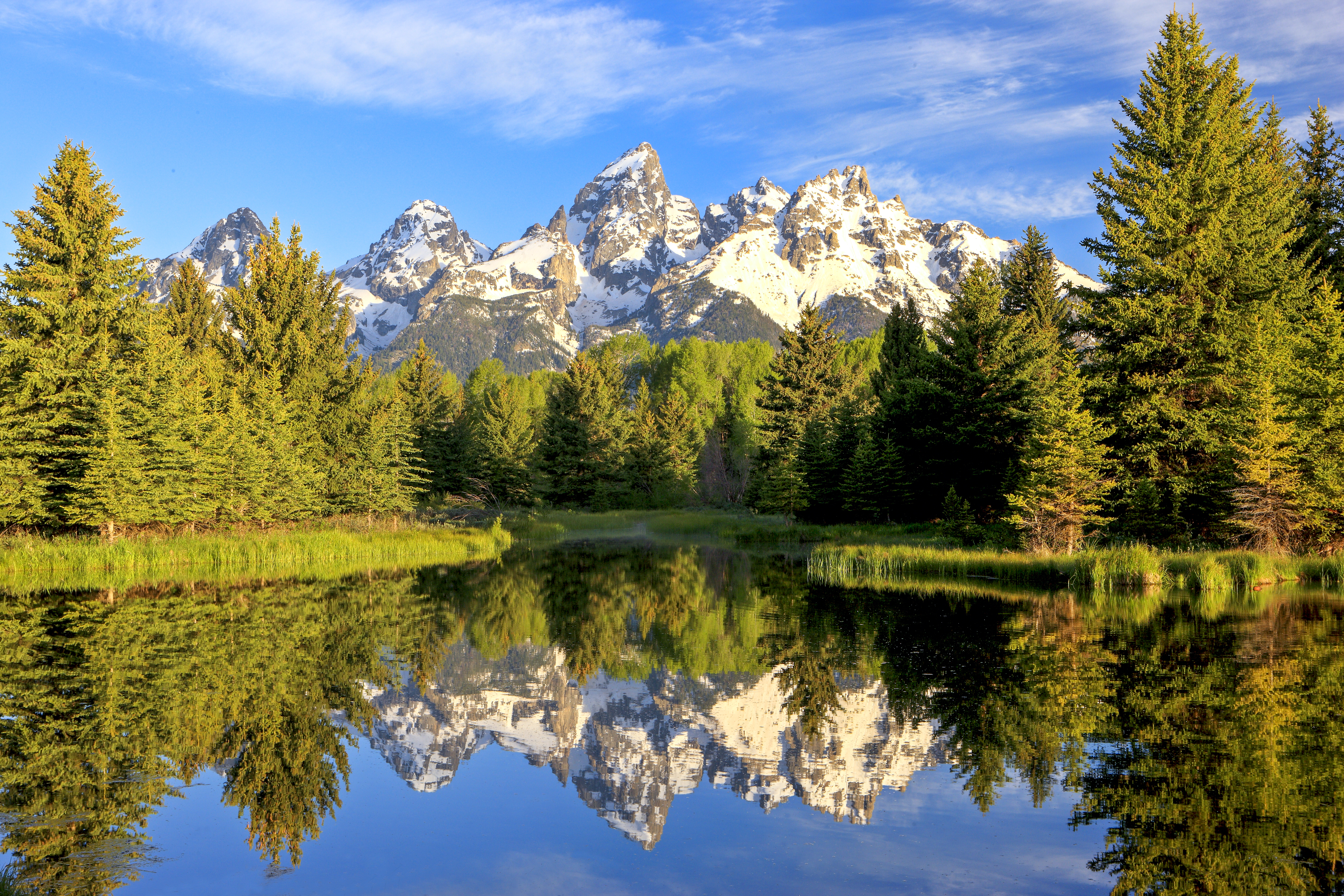
Water as a Photographic Book of Mirrors: Capturing the Memory of the Universe
Water is more than life-giving—it is life-remembering. In Unified Water Theory, I explore how water acts not only as a chemical compound but as a vibrational archive. Its molecular lattice responds to photons, sound, electromagnetic fields—even emotion. This makes water more than a substance—it is a witness.
As shared in The Quantum Symphony, water moves like music—carrying charge, memory, and light across landscapes and lifetimes. When we see our reflection in water, we are looking at a field that holds the pulse of the cosmos. This is not metaphor—it is measurement, vibration, coherence. It’s the blueprint of everything written in a drop.
Through nature photography, I’ve learned that water doesn't just reflect—it remembers. Each image becomes a record of frequency and light, echoing the principles I explored in Photon Threads. In this blog, we’ll explore how water stores, mirrors, and sings the story of the universe through form, light, and lens.
“Water is the memory card of the cosmos. And each reflection—each ripple—is a message waiting to be read.”
~ Robbie George
The Storage Capacity of Water: Nature’s Living Archive
Water’s molecular structure is astonishing. With its bent polar geometry and dynamic hydrogen bonds, it behaves more like a responsive network than a passive substance. In Quantum Vitality, I explored how water acts as a memory field—storing vibrational information from photons, sound, gravity, and biological matter itself.
Hydrogen, the lightest and most abundant element in the universe, gives water this unique storage capability. As I expanded in Hydrogen Qubits, each hydrogen atom behaves like a quantum node—capable of storing and transmitting vibrational signatures. These aren't metaphors. They’re physical, measurable, and increasingly understood through advances in quantum biology and field resonance.
In Unlocking Biological Information Storage, I detail how water functions as a carrier of genetic, energetic, and environmental messages. A single droplet can hold memory traces of everything it has touched. This transforms our understanding of water—from sustainer to storyteller. From medium to message.
“A single drop of water can carry the echo of a mountain, the breath of a forest, and the spark of a star.”
~ Robbie George
Water as a Mirror of the Universe
In The Quantum Symphony, I explore how water reflects not just the world, but the field. When photons interact with water, they transfer data—vibrational information that can be stored and reflected across space and time. This process turns each water molecule into a micro-mirror of the universe’s ongoing song—a dynamic recording of light and frequency.
In Reflections of the Soul, I describe how water mirrors not just light, but emotion. As a vibrational carrier, it responds to intent, memory, and magnetism. Its surface becomes a spiritual interface—a bridge between the tangible and the ethereal. Through water, we don’t just see our environment; we witness the universe seeing itself through us.
From still ponds to aurora-lit lakes, water captures the fingerprint of the cosmos. In Photon Threads, I share how these carriers of light weave together biology and starlight, forming a quantum braid that echoes through every droplet. When we photograph water, we’re not just capturing a scene—we’re framing a frequency. We are bearing witness to the holographic nature of reality.
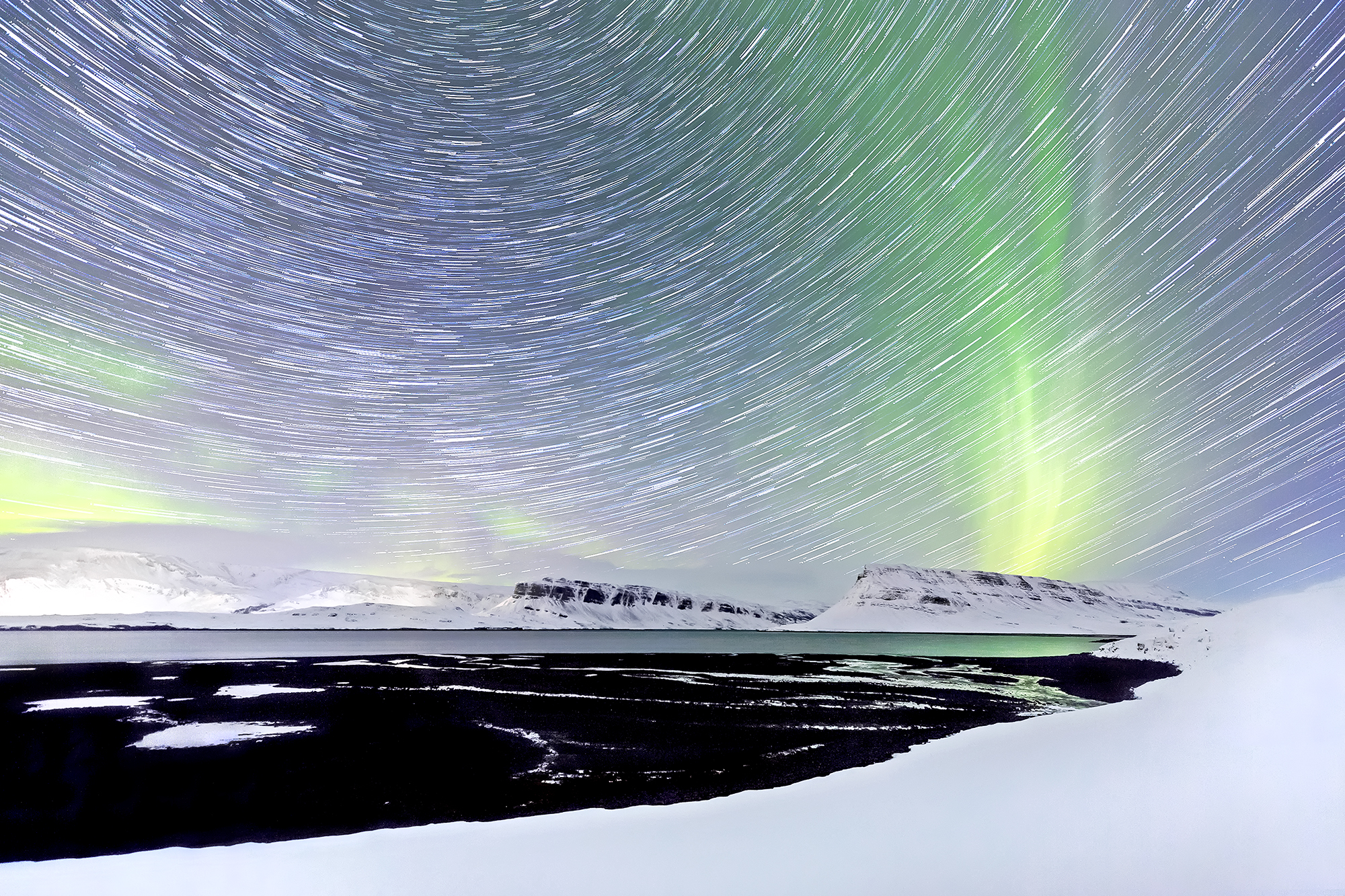
"Aurora Over Water" — the cosmos mirrored in fluid light. Available as a fine art print.
“Water reflects more than landscape—it reflects the architecture of light and the memory of stars.”
~ Robbie George
Water’s Role in Nature’s Processes: The Great Informant
Water is more than a solvent—it’s a signal. In The Water Wide Web, I describe how water acts as nature’s internet—carrying vibrational intelligence between species, systems, and ecosystems. From root communication to animal migration, water delivers informational coherence across the web of life.
In Quantum Vitality, I explored how water encodes field-based signals that direct growth, immunity, and repair. Plants drink more than nutrients—they drink the memory of light. Animals follow not just scent—but resonance. Water stores this field language. Its ripples are not just physical—they are rhythmic transmissions of intelligence in motion.
In The Nature Code, I shared how the cyclical intelligence of water—its evaporation, condensation, and return—forms the pulse of Earth’s living memory. Each cycle captures a different octave of time, echoing through rivers, cells, and skies. When you photograph water, you don’t just capture nature—you document its ongoing calibration.
“Water is the great informant of nature—delivering the song, storing the light, and translating life across every breath.”
~ Robbie George
Nature Photography and Water’s Reflective Properties
When you photograph water, you’re not just documenting a surface—you’re witnessing memory, resonance, and light. As I explored in Reflections of the Soul, water holds emotional and environmental impressions. The lens becomes a tuning fork, translating vibration into visual record.
In The Great Informant of Nature, I describe how water reveals what’s hidden—mirroring not just physical form but energetic coherence. Whether it’s a still lake reflecting autumn’s fire or a tidal pool translating sky into rhythm, the photographer’s task is to honor that intelligence without interruption.
Techniques like low-angle composition, golden hour light, and polarizing filters help highlight water’s reflective gifts. But more important than gear is reverence. In moments of stillness, water becomes the field’s handwriting—and photography becomes reading that script. As shared in Water Wonders, each frame captures more than an image—it captures an echo of how life remembers itself.
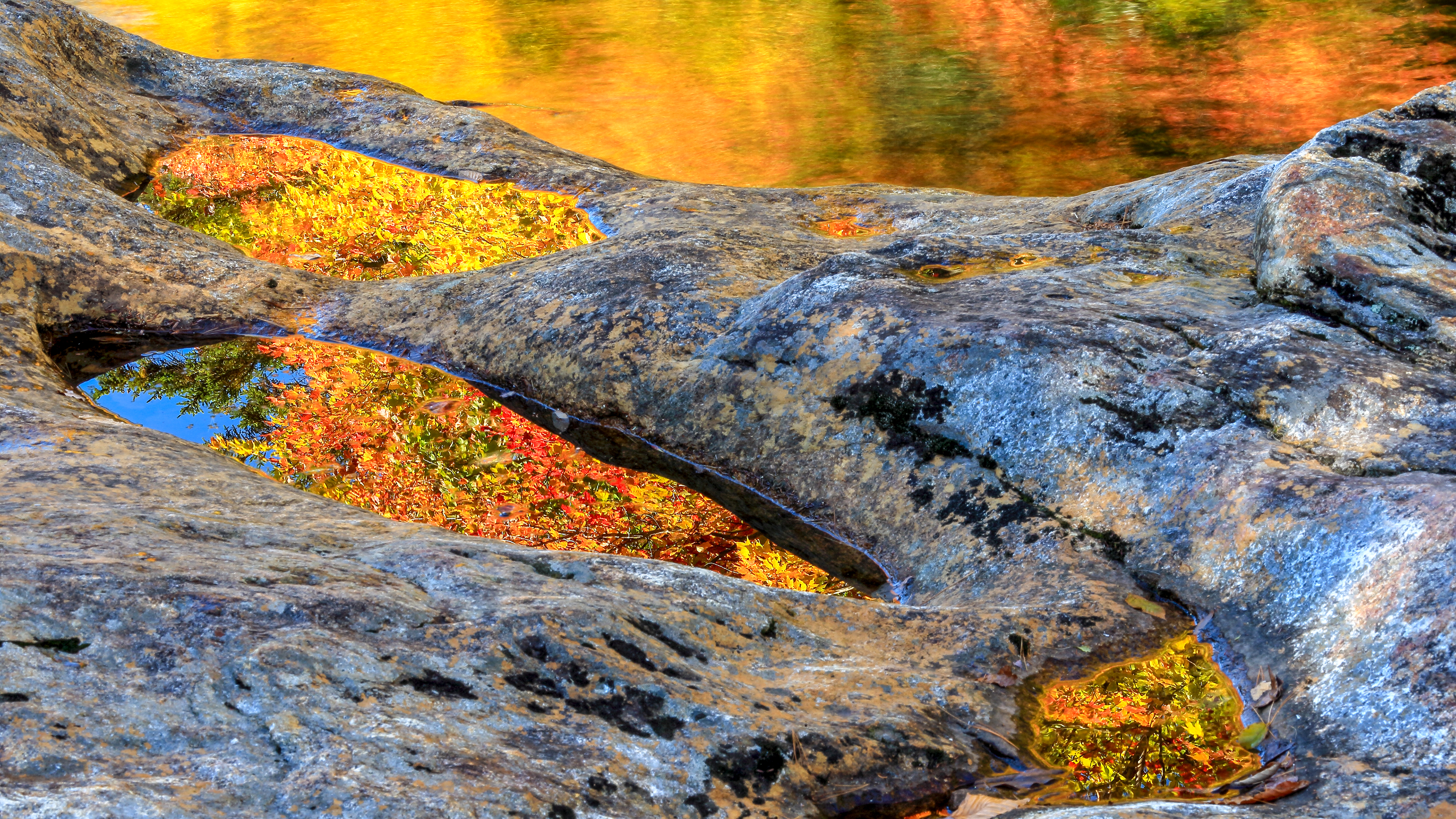
"Tranquil Reflections" — the silence where light becomes language. Available as a fine art print.
“Every reflection is a fragment of the field remembering itself through light.”
~ Robbie George
Philosophical and Spiritual Implications of Water as a Mirror
Water is more than a physical phenomenon—it is a philosophical invitation. In Water and the Unified Theory of Consciousness, I propose that water is not just a medium—it is the memory of consciousness itself. A field that not only carries energy but reflects intention. When we look into water, we don’t just see a reflection—we see a conversation between light, vibration, and soul.
In The Deeper Philosophical and Spiritual Implications of Water, I described water as a sacred bridge between seen and unseen. It is the original prayer bowl—receiving the frequencies of the cosmos and mirroring them in ripples and mist. Each droplet becomes a journal entry in the story of the soul's awakening.
In many cultures, water is revered as the source of life and consciousness. From baptismal rites to Indigenous water ceremonies, humans have long recognized what modern science is just beginning to prove: that water stores memory, emotion, and energy. Through photography, we witness this sacred memory taking form. It is the lens through which the divine reveals itself—quietly, clearly, and in perfect resonance.
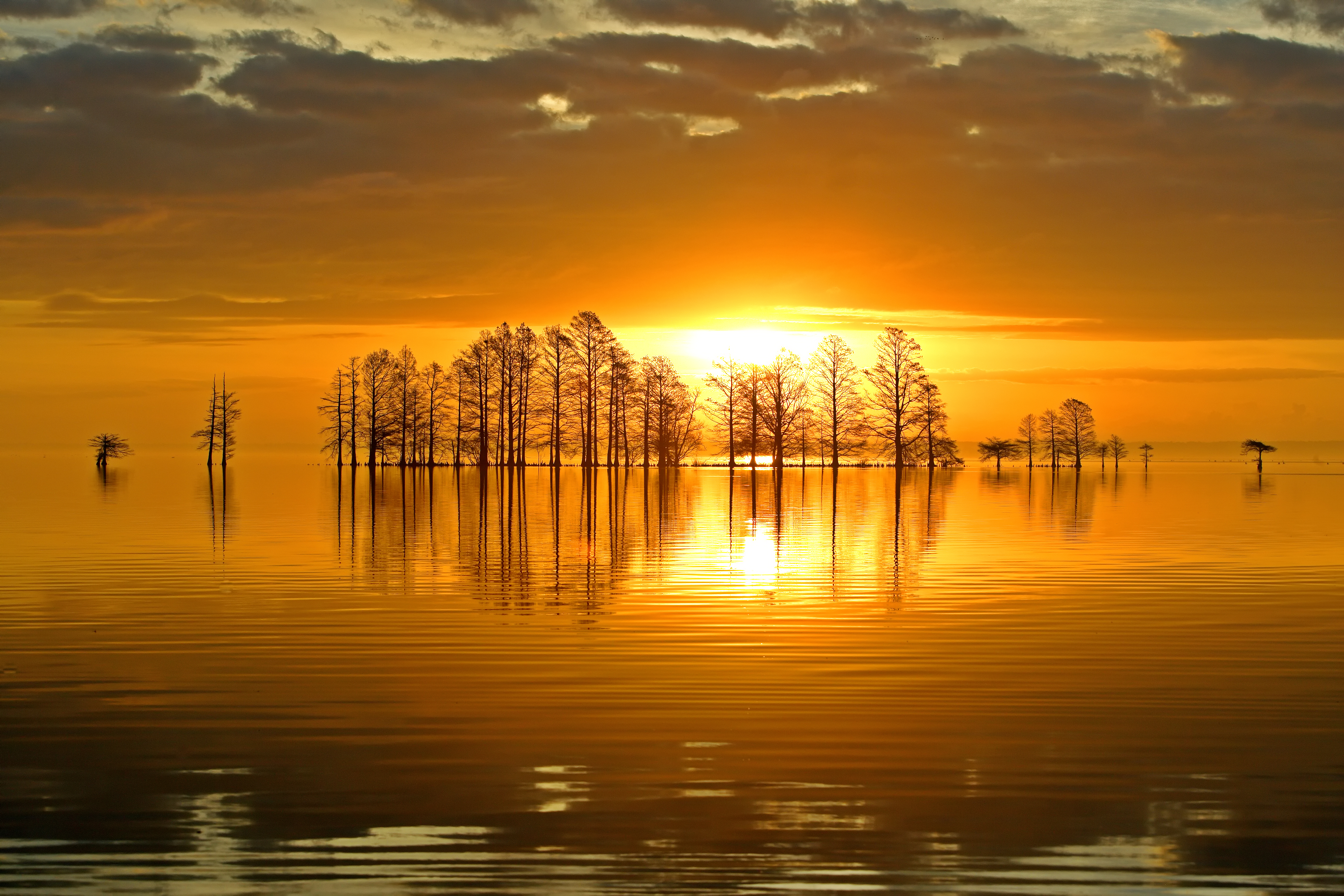
"Lake Mattamuskeet Sunrise" — the soul mirrored in golden water. Available as a fine art print.
“Water is the soul’s scribe. It listens in silence, remembers in light, and reflects the sacred geometry of our being.”
~ Robbie George
Conclusion and Call to Action
Water is the great mirror of life—one that reflects not only the visible world, but the invisible field. From photon to memory, mountain to mist, water serves as the most eloquent storyteller on Earth. As explored in The Nature Code, the sacred design of nature is not just witnessed through water—it is written by it:contentReference[oaicite:0]{index=0}.
Through nature photography, we don’t just document water—we partner with it. We frame reflections that reveal coherence. We capture light where memory lives. At Signature Series: Nature, Science & Soul, my mission has always been to bridge insight with beauty—to show water not as a backdrop, but as the original blueprint of being.
If this blog spoke to you, begin your own visual journey by exploring the Water Wonders Gallery, or visit the Start Here portal to navigate the full scope of nature’s resonance through photography, quantum insight, and philosophical reflection.
“To understand water is to understand how the universe remembers itself.”
~ Robbie George
Naturepedia Connections
This article connects to the broader Naturepedia system—where water, light, ecosystems, and biological systems are explored as interconnected expressions of nature.
- Naturepedia — the full knowledge system connecting water, ecosystems, and natural intelligence
- Ecosystems of North America — how water shapes landscapes, habitats, and life systems
- Wildlife Behavior & Ecology — how animals respond to water, light, and environmental signals
- Wildlife Conservation & Habitat — protecting water systems that sustain ecosystems
- Quantum Vitality — hydrogen, water memory, and biological resonance
- The Nature Code — patterns, cycles, and intelligence expressed through water
- Water Wonders Gallery — field-based reflections and real-world water observation
Explore Fine-Art Prints
Bring the season home—browse Wildlife, Landscapes, and Seascapes by National Geographic–published photographer Robbie George. See framing, editions, and care on the Collectors page.
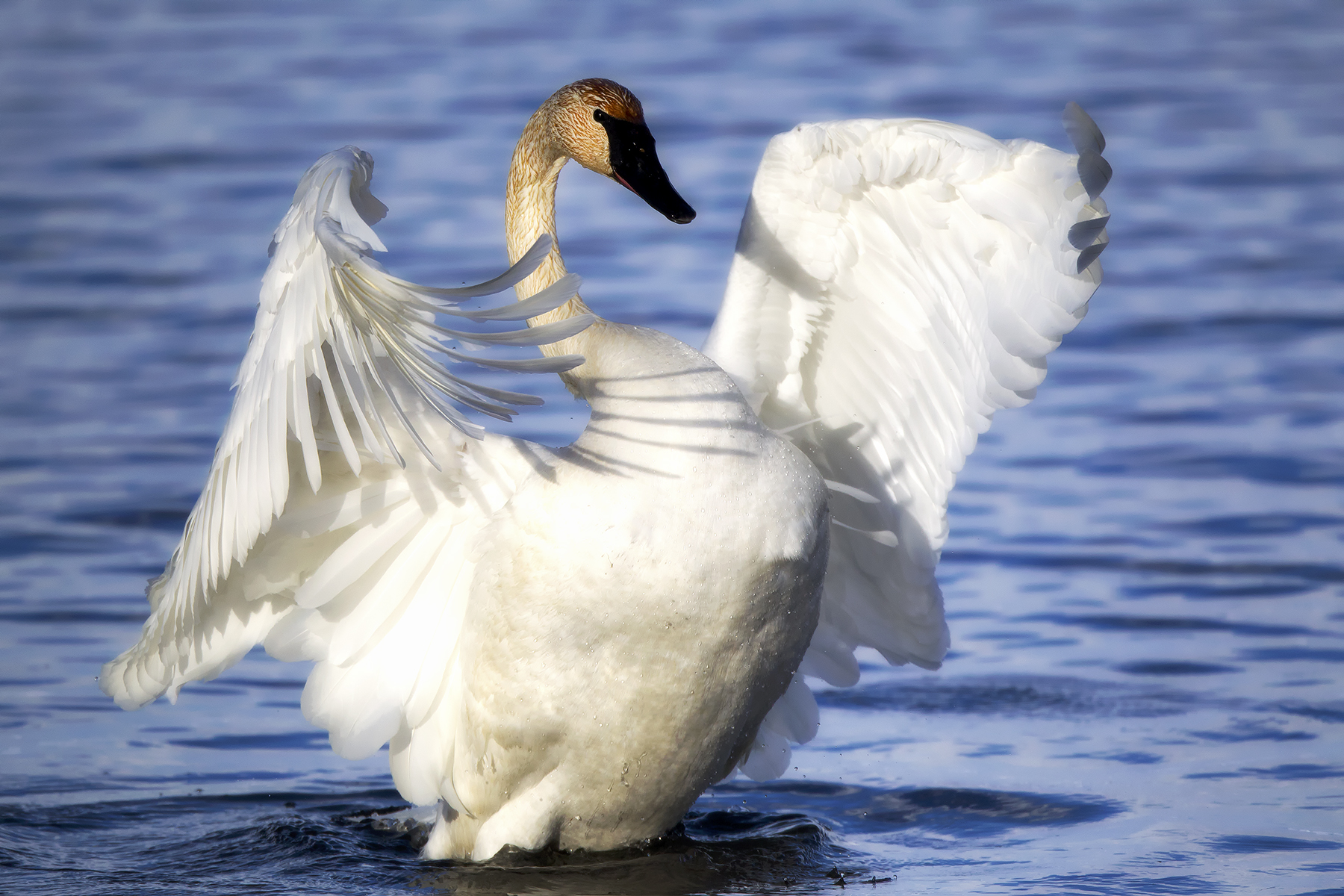 Wildlife
 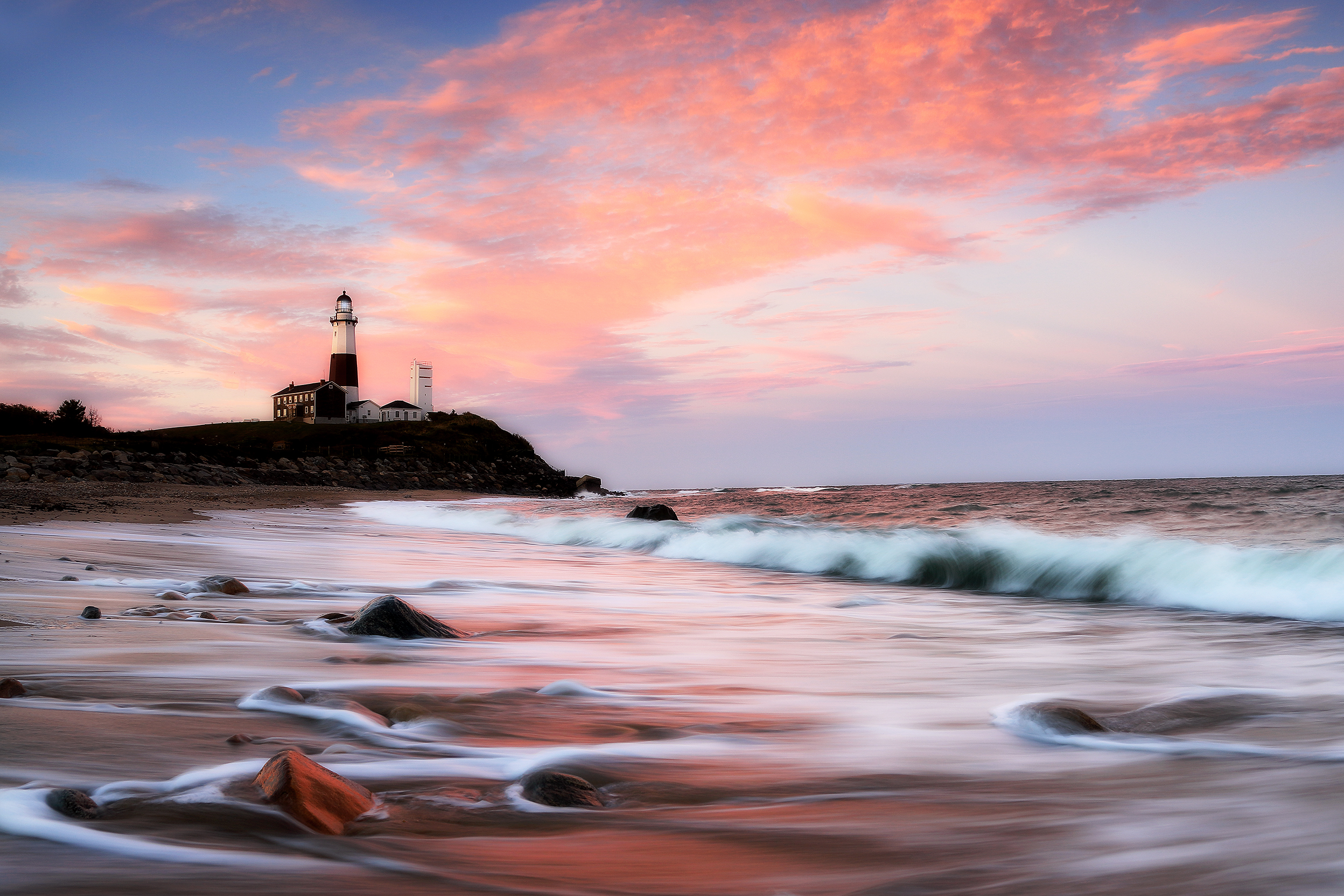 Seascapes
About Robbie George
Robbie George is a National Geographic–published photographer and resonant naturalist. His fieldcraft follows a simple ethic—distance first, habitat always— shaped by Slow Knowledge and the Signature Series.
Explore calm, undisturbed behavior in the Wildlife Gallery or plan your next trip with the Seasonal Wildlife Calendar, Golden Hour & Moon, and Photography Maps.
“Attention first, image second. The shutter is the period at the end of a sentence you learned by walking.”
FAQs: Water Reflection, Photography, and Nature
Why does water create mirror-like reflections in nature?
Water reflects light when its surface is calm and smooth, allowing it to act like a natural mirror. This is why lakes, ponds, and tidal flats can reflect landscapes, skies, and wildlife so clearly.
What are the best conditions for photographing water reflections?
The best conditions include calm wind, early morning or late evening light, and still water surfaces. Golden hour and blue hour often produce the most visually striking reflections.
How does water influence ecosystems and wildlife?
Water is essential for all ecosystems. It shapes habitats, supports plant growth, and influences animal behavior, migration, and feeding patterns across landscapes.
What camera techniques improve water reflection photography?
Use a low shooting angle, a tripod for stability, and consider a polarizing filter to control glare. Adjusting shutter speed can also help capture smooth or dynamic water effects.
Where can I explore more water photography and field examples?
You can explore real-world examples in the Water Wonders gallery and related field-based photography collections on Robbie George Photography.