

The Buy Now Button vs. Sacred Exchange (Slow Food • Slow Money • Slow Knowledge)

What a Click Erases — and What Relationship Restores
The Buy Now reflex is brilliant at removing friction—so brilliant it also removes story. In a single click, the maker disappears, the materials go unnamed, and the time it took to bring a thing into the world evaporates. Convenience collapses the very context that makes ownership meaningful.
What vanishes in a one-click purchase? The who (maker & place), the what (materials & method), and the when (season & patience). Without them, value gets measured in speed, not soul.
By contrast, sacred exchange is slow on purpose. It keeps the thread between people, places, and things intact. It asks simple, grounding questions before we buy:
- Who made this, and can I name them?
- Where did the materials come from, and how were they gathered?
- When is the right season to bring this into my life?
- How will I care for it, repair it, and let it continue after me?
“Convenience collapses story; relationship restores it.”
In the sections ahead, we’ll braid three slow movements into one practice of exchange: Slow Food (taste rooted in soil), Slow Money (capital that circulates like compost), and Slow Knowledge (learning at nature’s pace).
Related context: The Knowledge Wave · From Resonance to Refuse

Slow Seeing Before Slow Buying
Every purchase begins in the eyes. What we practice looking at becomes what we crave. When we train our attention on quiet detail—the way a leaf lands on water, how ripples carry light—we tune our taste toward care and away from speed. Slow seeing is the first act of sacred exchange.
The Buy Now reflex rewards impulse; Slow Knowledge rewards presence. Before you buy, pause long enough to notice materials, making, place, and season. If a thing can’t hold your attention for sixty seconds, it won’t hold your life for very long either.
60-Second Attention Practice (before every purchase)
- Name the maker (or brand owner) and the place of making.
- List the materials and how they were sourced/finished.
- Imagine the item’s afterlife: repair, reuse, resale, or return to earth.
- Ask: “Does this align with my season, my home, and my values?”
Learn the philosophy: Slow Knowledge · Train your eye with light: The Photon’s Journey

The Current We Swim In
Modern commerce is engineered for speed. Algorithms predict desire, compress time, and route us from impulse to delivery before reflection can breathe. The “Buy Now” pipeline is efficient—yet the faster it moves, the more it strips away place, maker, season, and afterlife. That’s how meaning becomes driftwood: present, but unmoored.
Callout: Infinite scroll ≠ insight. Convenience without context collapses story—and with it, care.
What we need isn’t more friction for its own sake, but rhythm: a humane cadence that restores the thread between people, materials, and place. Slow Food, Slow Money, and Slow Knowledge are three ways of rejoining that thread in daily life.
Related context: The Knowledge Wave · From Resonance to Refuse
Field Notes from the Next Generation
My 18-year-old son studies in New York City and resells second-life clothing—sneakers, sweatshirts, jackets—sourced online and in the boroughs. From the outside it might look like flipping. But what he actually practices is Slow Knowledge in motion: research, discernment, and timing. He tracks materials, condition, maker history, and trend cycles before he ever buys. Then he places each piece with intention—matching story to the right buyer.
It’s commerce, yes—but also curation. The same principles I learned on the farm—attention, seasonality, stewardship—he applies to streetwear. Different crop, same field.
“He doesn’t chase drops; he studies patterns. That’s slow exchange in a fast world.”
Slow Food: Place as First Currency
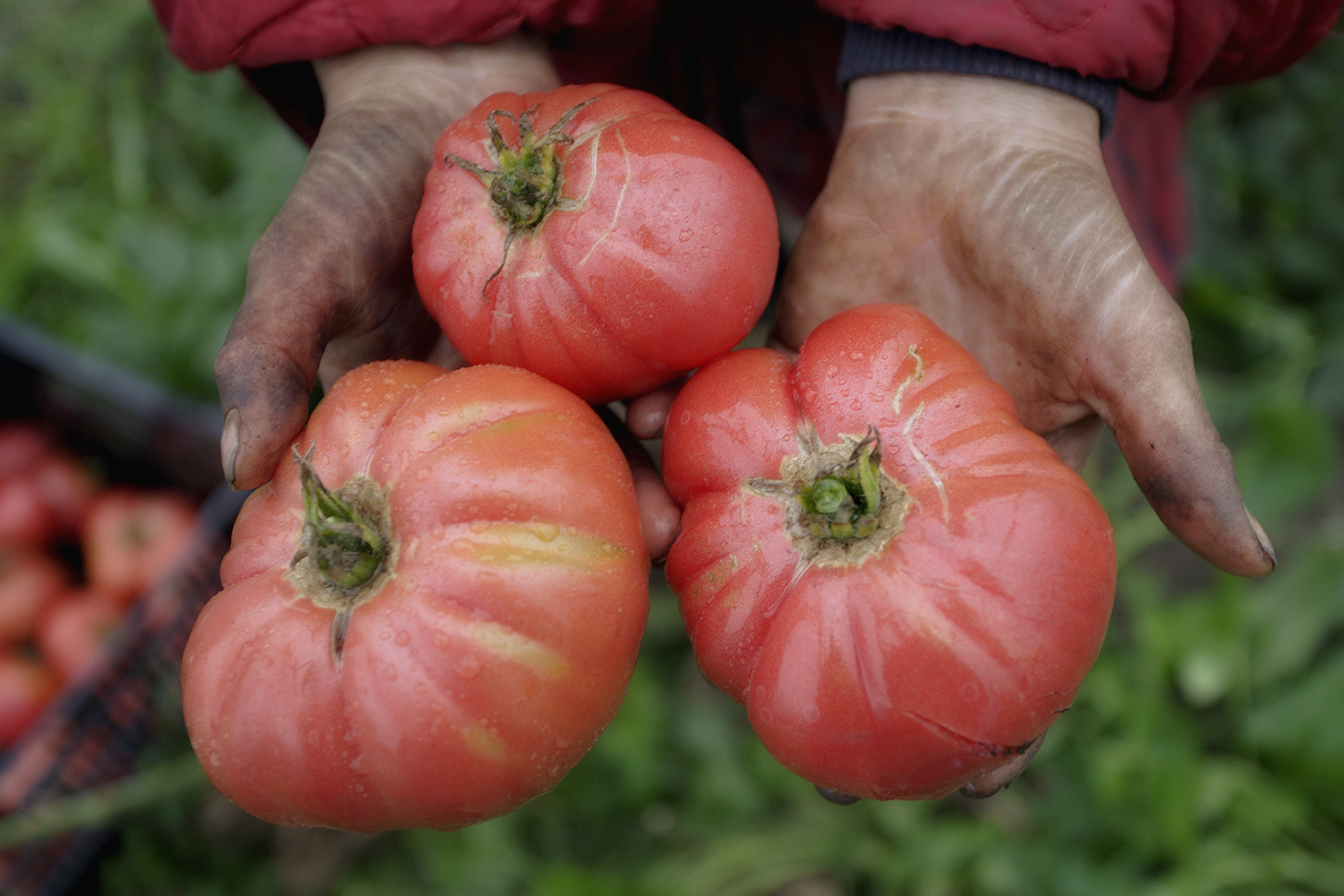
Slow exchange begins in the body. When food carries a face and a place, your biology learns your landscape—the microbes, minerals, and sun angles of home. Taste becomes a record of relationship. That’s why soil-grown, season-tuned food feels different: it returns your attention to the field that feeds you.
The Buy Now model severs that thread—calories without context, packaging without provenance. Slow Food ties it back together: meet the grower, learn the variety, notice the season, cook with intention. In doing so, you’re not just eating; you’re practicing sacred exchange.
Micro-Rituals for Place-Based Eating
- Name the hand: write the grower’s name on your fridge list; say it at the table.
- Seasonal pantry: one shelf that changes with the month (roots → shoots → fruits → stores).
- Market map: draw a 10-mile circle; find a baker, grower, and maker inside it.
- Sunday gratitude prep: wash, chop, and bless the week’s produce—five minutes of thanks.
- Afterlife plan: compost scraps; return peels to soil; keep the loop alive.
Want a simple way to start? Read Earth Day: Return to the Field for rituals that reconnect taste with place—then meet one local grower this week.
Related: Let Nature Be Thy Medicine · The Soil Microbiome · Quantum Agriculture
Slow Money: Circulation, Not Extraction
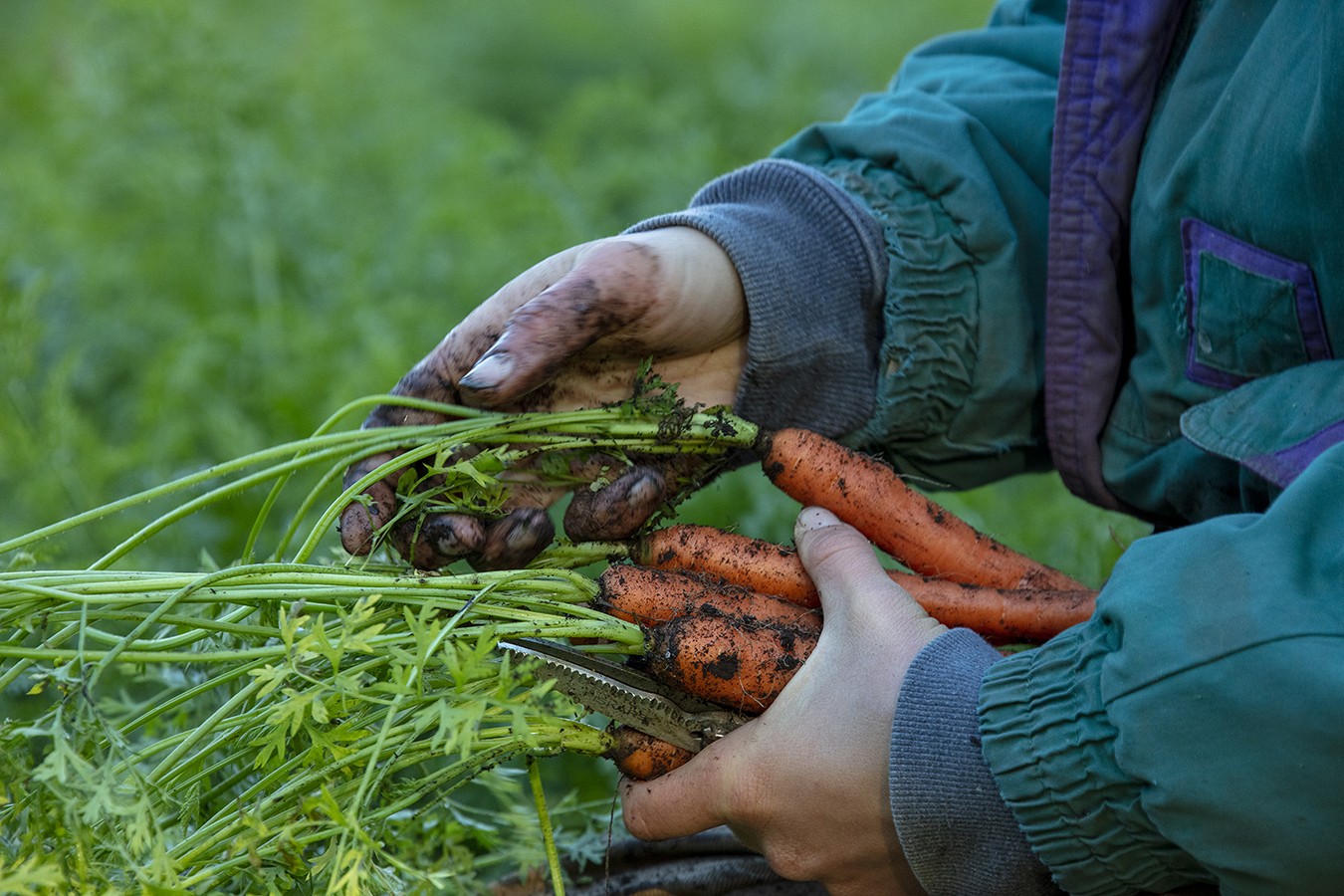
Fast systems maximize throughput; slow systems maximize relationship. Slow Money asks capital to behave like compost—moving through neighborhoods, nourishing makers, and returning value to the soil of a place. When dollars stay local, story stays local. The receipt becomes a relationship.
Start small: move a slice of your monthly spend toward regionally rooted food, goods, and art. You’ll feel it in quality, in repairability, and in the joy of knowing who you supported. The shift isn’t anti-technology; it’s pro-stewardship—capital tuned to living systems.
Build a Local Loop (5-minute checklist)
- Food: add one grower/baker within 10 miles (see Earth Day for rituals).
- Repair: choose fix over replace once this month; log cost saved and lifetime gained.
- Art: buy with provenance—compare materials & care in Print Knowledge, then browse Collectors.
- Care plan: set an end-of-life path (resale, donate, compost) when you buy—see Hang, Light & Care for preservation tips.
- Rhythm: align big purchases to seasons; use Golden Hour & Moon Planner as your cadence cue.
Try a “money window”: divert a fixed amount each month to local makers — track delight, durability, and how often you regret the purchase (hint: less).
Related: Collectors · Print Knowledge · Field Tools · Earth Day: Return to the Field · Start Here

Slow Knowledge: Practice Over Hype
Slow Knowledge is how we learn when we move at nature’s pace. We study light, season, and place first, then let tools help us organize—not optimize for addiction. The result isn’t more content; it’s more coherence: fewer inputs, deeper synthesis, and choices that hold up over time.
Replace feeds with fields. Give your attention a cadence: a set hour for reading, a weekly walk with one question, and a simple ritual for printing or placing what matters. When learning becomes embodied—walked, seen, and handled— you begin to buy, eat, and create with intention.
Three Simple Practices (this week)
- Cycles, not clocks: schedule study time by sunrise/blue hour instead of a random timer. Read Light Mastery: Cycles, Not Clocks.
- Field note → print: after one walk, write a 5-line note and print a small photo; place it where you decide things.
- Organize with tools: use calculators and planners to support practice, not replace it—open Field Tools.
Primer: Slow Knowledge · Study light: The Photon’s Journey · Practice tools: Field Tools
Slow Knowledge & the Grand Compression
Slow Knowledge is, in many ways, the human-scale version of what I call the Grand Compression. The universe compresses vast experience into simple, repeating patterns—then slowly decompresses them back into new forms across seasons, forests, and lifetimes. We do the same thing when we learn at nature’s pace: we compress years of field time into a felt sense of what works, what heals, and what belongs.
Trees are one of the clearest examples of this. Each ring is a stored year—drought, flood, beetles, wind, light—all compressed into a thin band of wood. A pine trunk is Slow Knowledge made visible: decades of weather, soil, mycelial partnership, and sunlight layered into a single coherent form. When we practice Slow Knowledge, we’re doing something similar in our own lives: letting experience grow in rings instead of notifications, so that our choices, purchases, and art come from a deeper, quieter archive of understanding.
See also: Naturepedia: The Grand Compression · Mycelial Networks

Seven Helpful Frictions (They Protect Meaning)
When everything is easy, nothing is cherished. The point of friction isn’t to block desire—it’s to let meaning catch up with it. These seven gentle boundaries restore story, stewardship, and seasonality to how we buy.
F1 · Cooling Period
Wait 24 hours before any non-essential purchase. If it matters tomorrow, it will matter next month.
F2 · Materials Card
Name materials & finish; note care and afterlife (reuse/repair/recycle/compost). See Print Knowledge.
F3 · Maker Note & Provenance
Record the maker, place, and date. Do you know who made it? Could you thank them?
F4 · Repair > Replace Pledge
Choose one item this month to fix, mend, or frame properly. Guidance: Hang, Light & Care.
F5 · End-of-Life Plan
Decide the afterlife at checkout: resale, gift, donate, recycle, or compost. Write it on the receipt.
F6 · Seasonal Window
Align larger purchases to natural cycles (harvest, solstices, light). Use the Golden Hour & Moon Planner as a cadence cue.
F7 · Ritual Receipt
On the back of the receipt, write the item’s story: maker, materials, why now, how you’ll care for it. File it with intention.
Applying this to art? Compare surfaces & care in Print Knowledge, explore sizing via Print Size & PPI Advisor, and review Pricing & Editions before purchasing.

A Ritual of Unboxing (Kitchen-Table Practice)
Fast purchases end on the doorstep; sacred exchange begins at the table. Treat every arrival as a chance to re-thread maker, material, and meaning back into your home. Five quiet minutes turns a transaction into belonging.
Kitchen-Table Ritual (5–8 minutes)
- Clear the table. Make space. Place the package at center as if setting a place for a guest.
- Name the maker & place. Say (or write) the craftsperson/brand and where it was made.
- Handle with care. Open slowly. Notice materials, finish, scent, texture—let attention arrive.
- Provenance note. On a card, jot: maker, materials, date, why now. Tuck it behind or beneath the item.
- Placement. Carry it to its spot. Ask: “What light does it want?” Adjust height/angle for harmony.
- Afterlife plan. On your receipt, add repair path and end-of-life (resale/gift/recycle/compost).
- Gratitude. Send a brief thank-you to the maker or gallery. Relationship completes the loop.
For Fine-Art Prints
- Materials check: confirm surface & finish in Print Knowledge.
- Sizing confidence: validate viewing distance in the Print Size & PPI Advisor.
- Light & care: place away from harsh glare; review Hang, Light & Care.
- Collectors path: explore framing/editions via Collectors.
Want to anchor this as a weekly rhythm? Borrow a ritual from Earth Day: Return to the Field and make a small altar of local food, handmade goods, and one printed photograph.

Case Study: Buying Art the Slow Way
Here’s how the seven helpful frictions turn a fine-art purchase into sacred exchange. We’ll use this Colorado mountain scene as the example, but the steps work for any piece you’re considering.
- Cooling period (F1): Bookmark the artwork and wait 24 hours. If it still sings tomorrow, proceed.
- Materials card (F2): Open Print Knowledge. Compare metal, acrylic, canvas, and giclée (paper) for your room’s light and mood.
- Maker & provenance (F3): Note the artist, location, and season of capture (first snow, low sun angle, alpine air).
- Repair & care (F4): Plan long-life framing or float mount. Review Hang, Light & Care to protect the piece.
- End-of-life plan (F5): If tastes shift years from now, will you resell, gift, or archive? Write it on the receipt.
- Seasonal window (F6): Align installation with a meaningful moment (solstice, birthday, home milestone).
- Ritual receipt (F7): On a note card, write why this image belongs in your life now. Place it behind the frame.
Confidence Tools for This Step
- Right size, right distance: open the Print Size & PPI Advisor.
- Surface & finish recap: revisit Print Knowledge to confirm glare, texture, and weight.
- Placement & light: scan Hang, Light & Care before mounting.
- Browse more intentionally: the Collectors hub groups guides and tools in one place.
The 7-Day Slow Purchase Challenge
Seven tiny moves to turn transactions into relationships. No guilt—just rhythm. Do one prompt each day, then notice how your attention, taste, and home begin to change.
- Day 1 — Audit the last five buys. For each: maker, materials, place, afterlife. Circle any you can’t answer—those are your “friction gaps.”
- Day 2 — Earth Day ritual. Read Earth Day: Return to the Field and pick one: meet a grower, buy local bread/soap, or donate seed money.
- Day 3 — Repair > replace. Mend clothing, fix a hinge, or rehang an artwork. Log lifetime gained. (See Hang, Light & Care.)
- Day 4 — Slow seeing. 60-second attention practice before any purchase today. Name maker, materials, afterlife, season. If unsure, wait 24 hours.
- Day 5 — Local loop. Move $X you’d spend online to a local maker/farmer/artist. Start a running note of how quality and joy compare.
- Day 6 — Kitchen-table placement. Do the unboxing ritual for one item (new or already owned). Write a short provenance card and place it with intention. (See Block 8.)
- Day 7 — Print & reflect. Choose one photograph that centers your week. Place it where decisions happen. Re-read Slow Knowledge for cadence cues.
Tip: If you want a “slow scroll” companion, stream a curated set on your TV with WindowSight and let the room pace your attention.
Read next: The Knowledge Wave · From Resonance to Refuse
Frequently Asked
- Is this anti-Amazon or anti-technology?
- No. This is pro-relationship. Use tech to organize knowledge and reveal provenance, not to bypass story. When you do buy online, add helpful frictions (cooling period, materials card, maker note).
- Is “slow” always more expensive?
- Sometimes at checkout—often cheaper by lifespan. Slow exchange favors durability, repair, and right-fit purchases. Track cost per year, not cost per moment. See Hang, Light & Care and Print Knowledge for long-life choices.
- How do I do this in a city apartment?
- Make a local loop map (10-mile circle). Find one grower, one baker, one maker. Start with weekly markets, repair cafés, and artist fairs. Ritualize small buys with our Earth Day actions.
- Can digital goods be “slow”?
- Yes—credit sources, save & print what matters, and revisit on a cadence. Avoid infinite scroll; prefer serialized essays and field notes. Start with Nature’s Lens: Blog and The Knowledge Wave.
- What if I need something fast?
- Use speed when it truly serves care (medicine, safety, deadlines). Add one friction: a 60-second provenance check (maker, materials, afterlife). If it fails, switch to a local option or wait 24 hours.
- How do gifts fit into sacred exchange?
- Gift with story: include a note about the maker, place, and how to care for it. For art, add a small provenance card and link to Collectors resources.
- Where should I begin?
- Try the 7-Day Slow Purchase Challenge (above), read Slow Knowledge, and browse with intention using Print Size & PPI Advisor and the materials guide.
- What metrics replace “engagement” in a slow model?
- Coherence (clarity after reading), retention (still want it after a week), longevity (years of use), and relationship depth (maker/collector contact). See The Knowledge Wave.
- How do I apply this to fine-art prints?
- Use the seven frictions: cooling period, materials choice, provenance note, care plan, end-of-life, seasonal install, ritual receipt. Then place with intention. Start via Collectors.
Join the Sacred Exchange
If this essay resonated, keep the thread alive. Learn at nature’s pace, place with intention, and let your purchases become relationships. Start small, repeat often—the field remembers.
Related Reading

About the Author — Robbie George
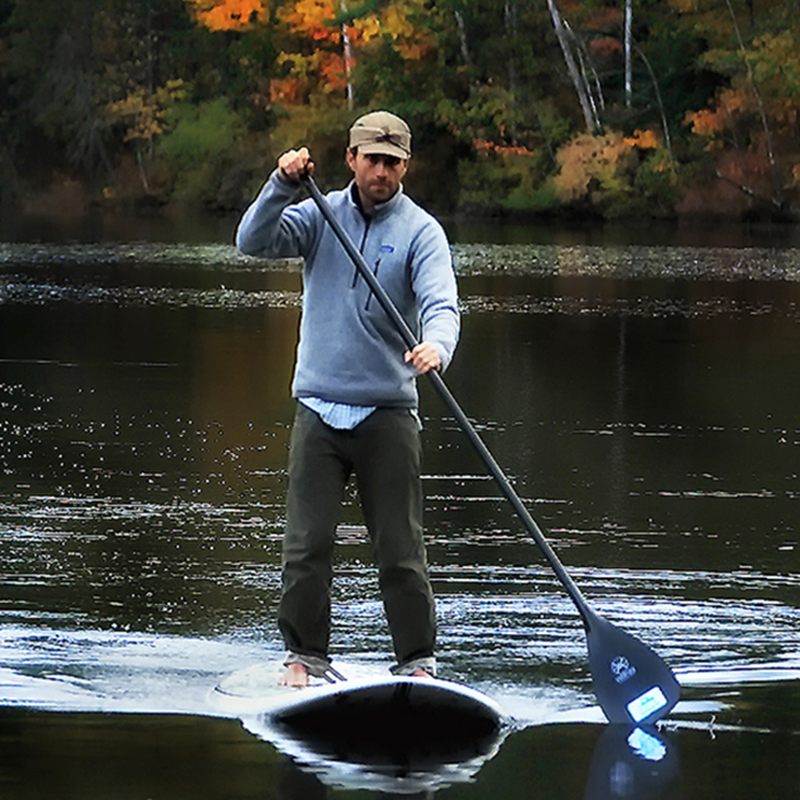
Robbie George is a National Geographic–published photographer and resonant naturalist. His work bridges fine-art image making with field philosophy and regenerative practice—what he calls Slow Knowledge. From kitchen-table conversations with pioneers of Slow Food and Slow Money to wilderness fieldcraft at blue hour, Robbie’s lens centers relationship, rhythm, and reciprocity.
When he isn’t writing or printing, you’ll find him paddling quiet water, timing images to wind and light—attention first, image second. His studio practice favors durable materials, local framing partners, and prints meant to be placed with intention.
“The shutter is the period at the end of a sentence you learned by walking.”