
Climbing A Mountain Without A Summit
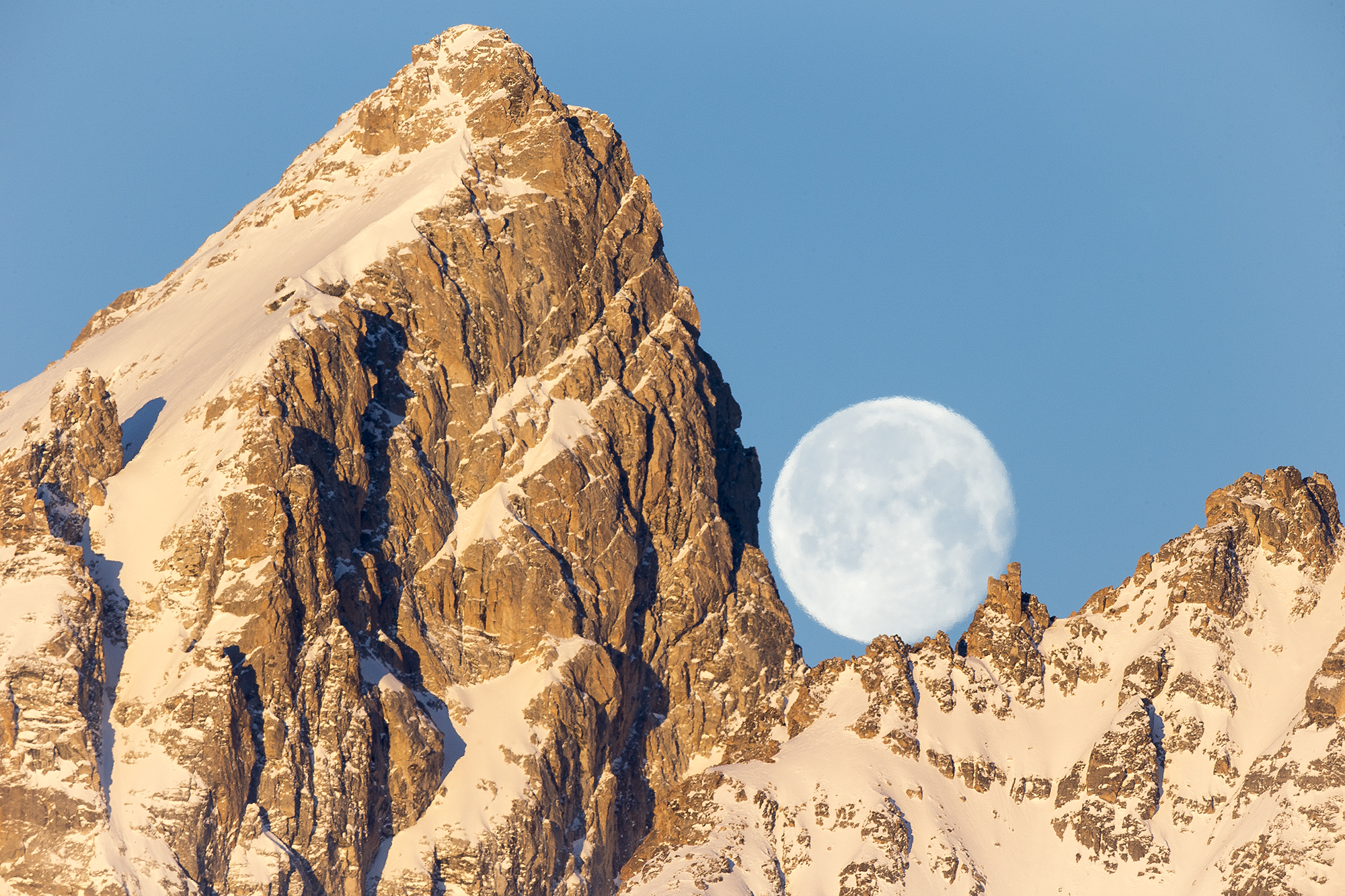
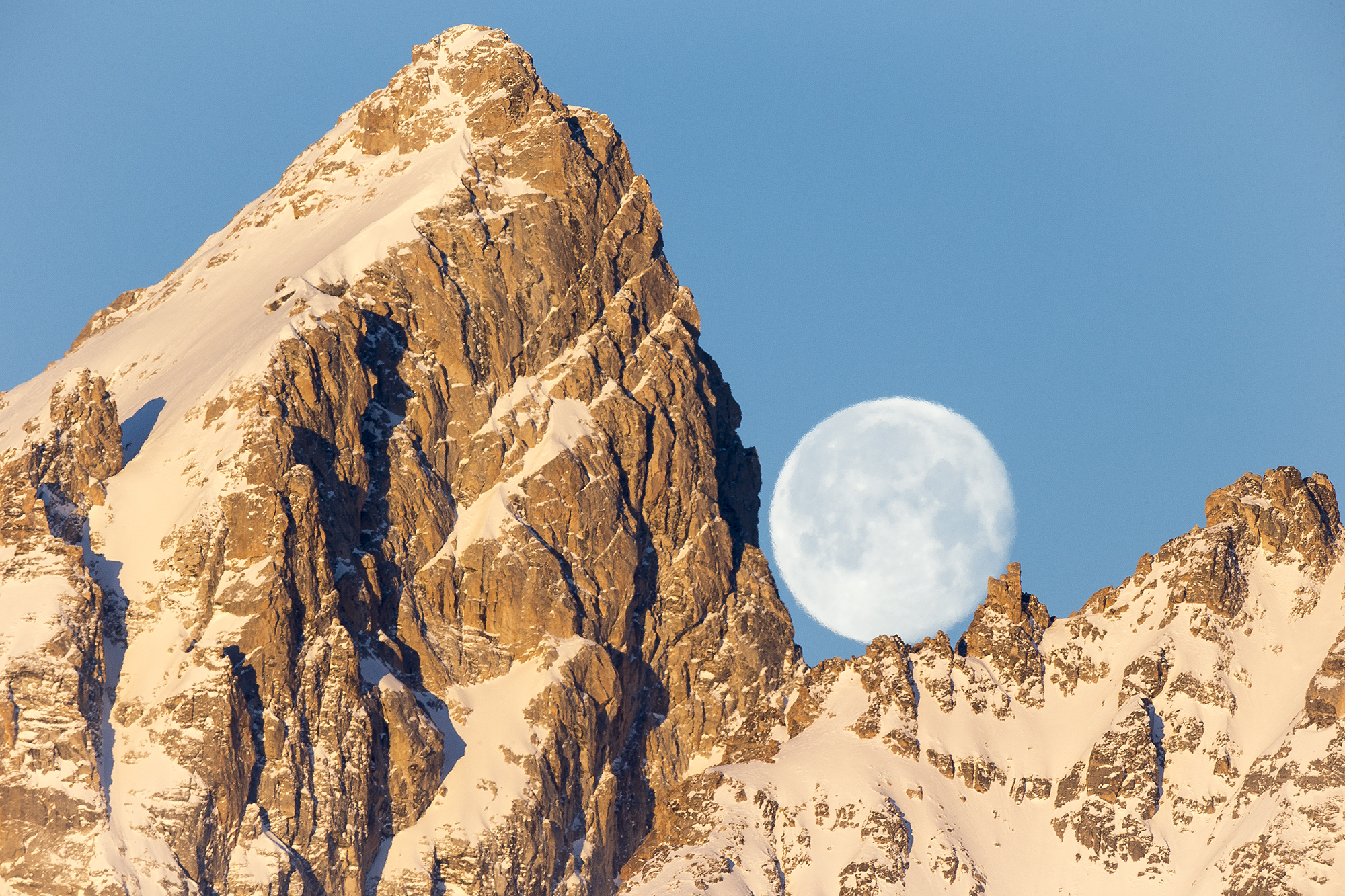
Climbing a Mountain Without a Summit
Each time I return to the wild with a camera in hand, I remember: I am not chasing perfection—I am listening. Listening to how the light breaks through fog, how a tree leans into time, how the land tells its story through every curve of shadow and sun.
In this work, there is no summit—only the ascent. Each image reveals a new facet of our living world, and with it, a deeper awareness of our place within it. I have learned to trust the slow unfolding. To move with reverence. To wait longer. To feel more. And to let intuition guide the lens.
The deeper I go into nature photography, the more I understand that this is not just about beauty—it's about presence. It's about returning, again and again, to where truth still breathes wild and unscripted.
“There is no summit, only a rising—an eternal unfolding of light, shadow, and soul.” ~ Robbie George
Intuitive Observations
What makes a nature photograph linger in the heart is rarely just the light or the composition—it's the unspoken feeling, the resonance. I call this the intuitive view. It’s when I sense something before it appears, when the camera becomes an extension of my presence rather than a tool. These moments are sacred because they ask for trust. Not every photograph needs to shout. Some whisper through decades.
In my post “Nature Photography Mastery”, I dive into the technical elements that support this sensitivity—but technique is only half the journey. What transforms an image into something unforgettable is our ability to recognize presence when it visits. The shape of a cloud. The hush before a wild creature appears. The stillness between breaths.
Intuition doesn’t rush. It watches. It feels. And over time, it teaches the photographer not just how to see—but how to see differently.
The Endless Ascent of Nature Photography
Each time I walk into the wild, I carry with me the understanding that this journey has no final summit. Nature photography is a climb into mystery—a hike where the horizon keeps expanding, where the light shifts with each step, and where the subject teaches you more than any manual can. I’ve learned to trust the slow accumulation of insight, like layers of sediment shaping the landscape of my craft.
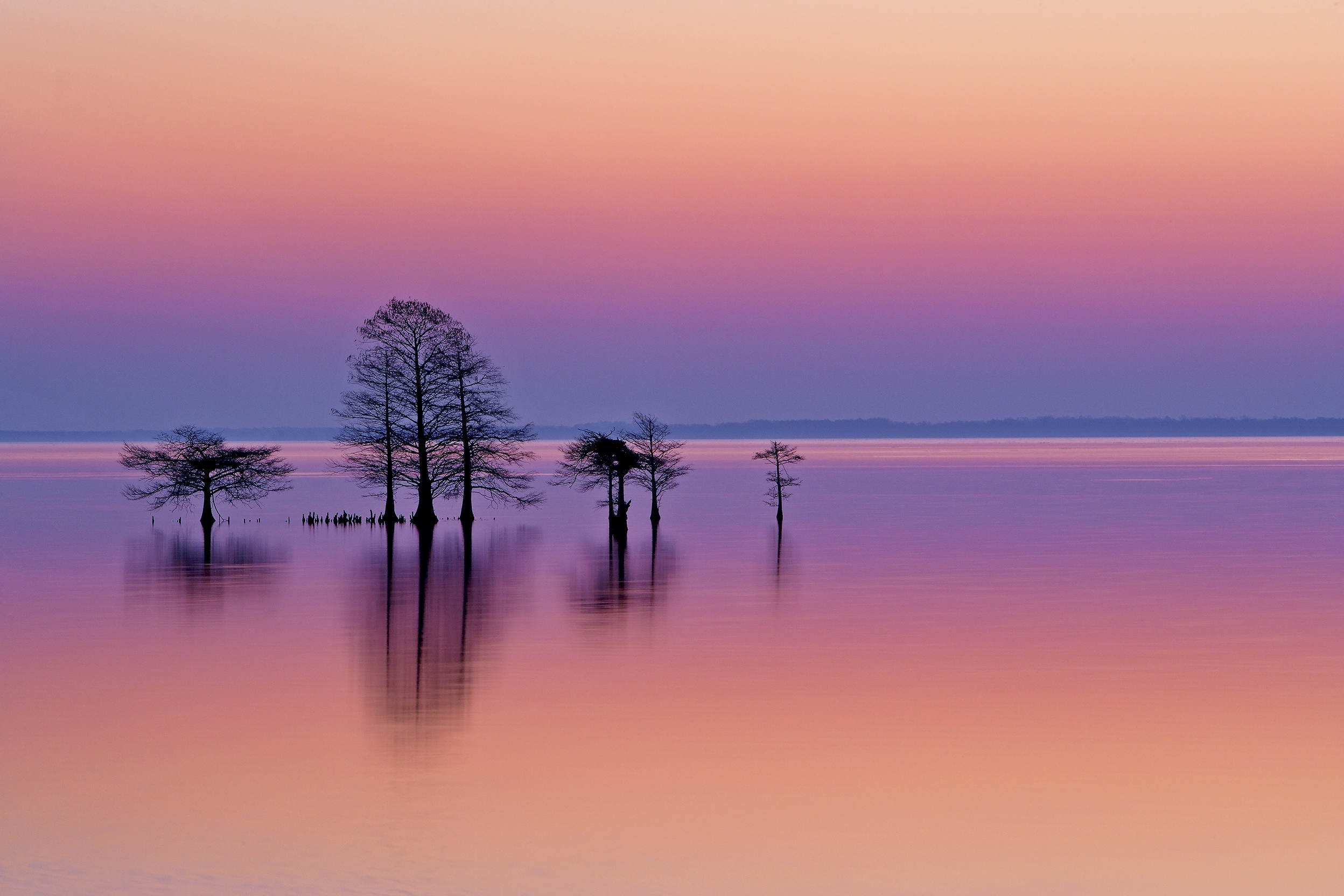
Some of my most meaningful photographs emerged not from planning, but from surrender—being open to the sky, the elements, and the unexpected grace of light. Lake Mattamuskeet is one of those places that has offered such gifts. It holds stillness in a way that feels sacred, reflecting not only the trees above but the layers of time below.
There is no map for this mountain—only the assurance that each image taken with reverence becomes a cairn left behind for others to follow.
Historical Images and Their Importance
Time has a way of revealing what once went unnoticed. Many of the world’s most impactful images weren’t celebrated upon capture—but decades later, when the lens of hindsight gave them new meaning. As light fades from one generation, it becomes a beacon for the next.
I experienced this firsthand when an image I captured at Lake Mattamuskeet was chosen as a highly honored category winner and exhibited at the Smithsonian National Museum of Natural History. That photo, like many others in the National Geographic Image Collection, serves as more than art—it’s a visual memory of our planet’s fragile poetry.
As photographers, we don’t just document the present—we preserve the invisible thread of meaning that connects past, present, and future. Every photograph is a seed of memory, waiting for the light of tomorrow to bloom.
The National Geographic Mission and Image Archive
National Geographic’s mission has always been more than storytelling—it’s a commitment to preserving the spirit of the planet through images. Their Image Collection is the world’s largest photo archive, housing over 60 million images that chronicle not just landscapes and wildlife, but the soul of Earth itself.
I’m honored that one of my images—this Barn Owl portrait—was chosen as part of that legacy. Hung in the National Geographic Fine Art Galleries, it stands as a sentinel of silent wisdom, captured in a fleeting moment of grace. This owl, a creature of dusk and mystery, echoes the mission of National Geographic: to reveal beauty that often hides in plain sight.
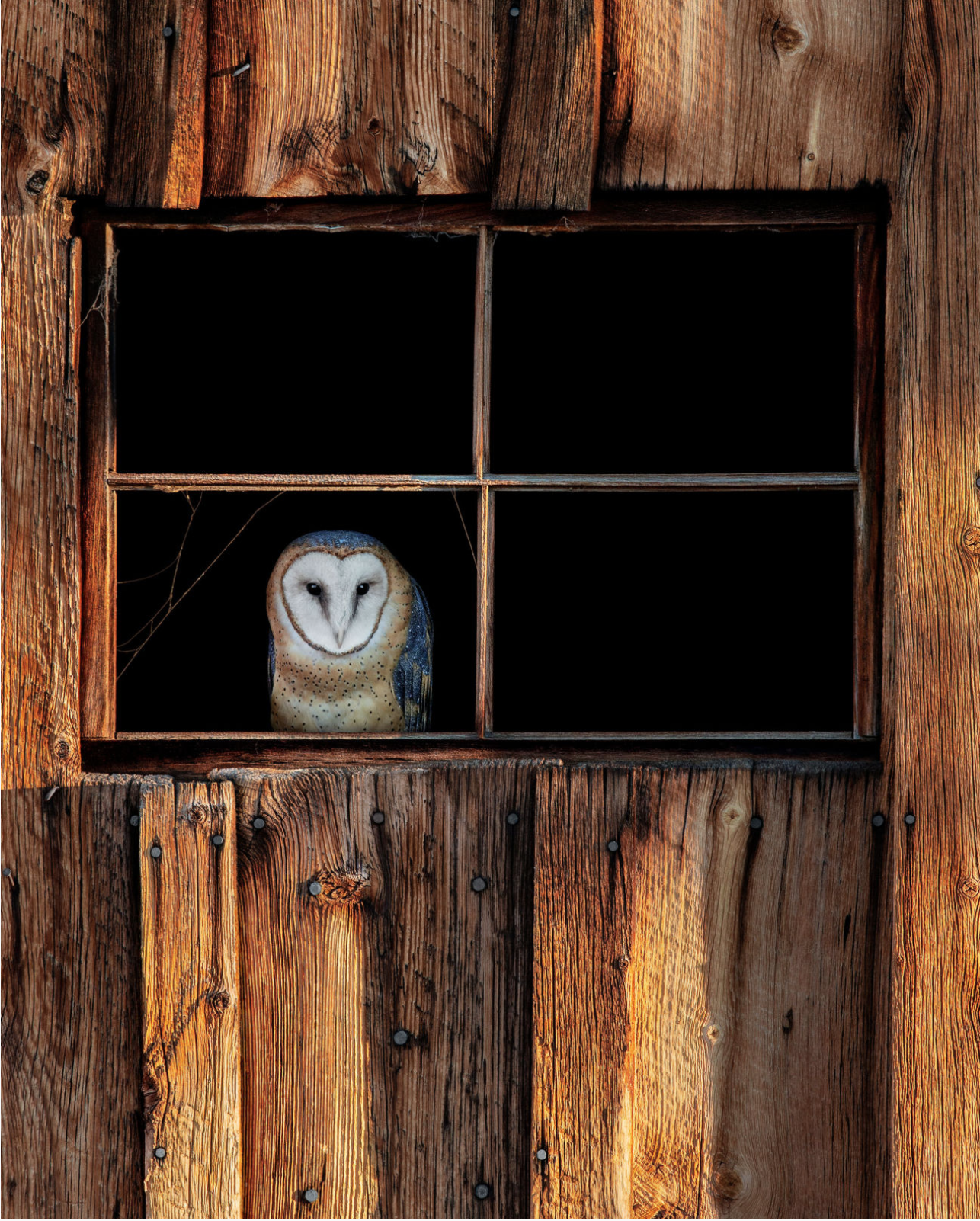
“The archive is not a library of the past—it’s a mirror for the future.” ~ Robbie George
Embracing the Climb – The Ongoing Practice of Photography
Nature photography, like the earth it honors, is not static. It is alive, evolving with each sunrise and tide shift. The deeper I go, the more I realize—there is no summit, only practice. The journey is a meditation of light, patience, and presence. With every step forward, I let go of outcome and step into the sacred act of witnessing.
Whether I’m photographing a thunderhead over a desert plain or tracking moonlight across frozen stillness, I’m reminded that what I’m truly capturing isn’t just scenery—it’s the unseen rhythm behind it. The Living Code whispers through every element, and the lens becomes a tuning fork for its resonance.
No two days are the same in the wild. Some images emerge in seconds; others take years of returning to the same spot, waiting for the light to align with soul. This is the climb. And it’s a path I wouldn’t trade for any summit.
The Soul of the Archive – Photography as a Historical Thread
Some images don’t find their meaning until years later. They quietly wait in the archive until the world is ready to see with new eyes. This is the soulwork of nature photography—preserving memory across time, not just capturing beauty in the moment.
One such photograph is this one, taken at Lake Mattamuskeet. Displayed at the Smithsonian National Museum of Natural History, it became a bridge between personal reflection and collective memory. I’ve returned to this lake countless times, each visit teaching me something new about light, stillness, and the stories water remembers.
As part of the National Geographic Image Collection, my work contributes to a lineage of visual storytellers who document the pulse of Earth. We’re not just taking photographs—we’re stitching together the fabric of remembrance.
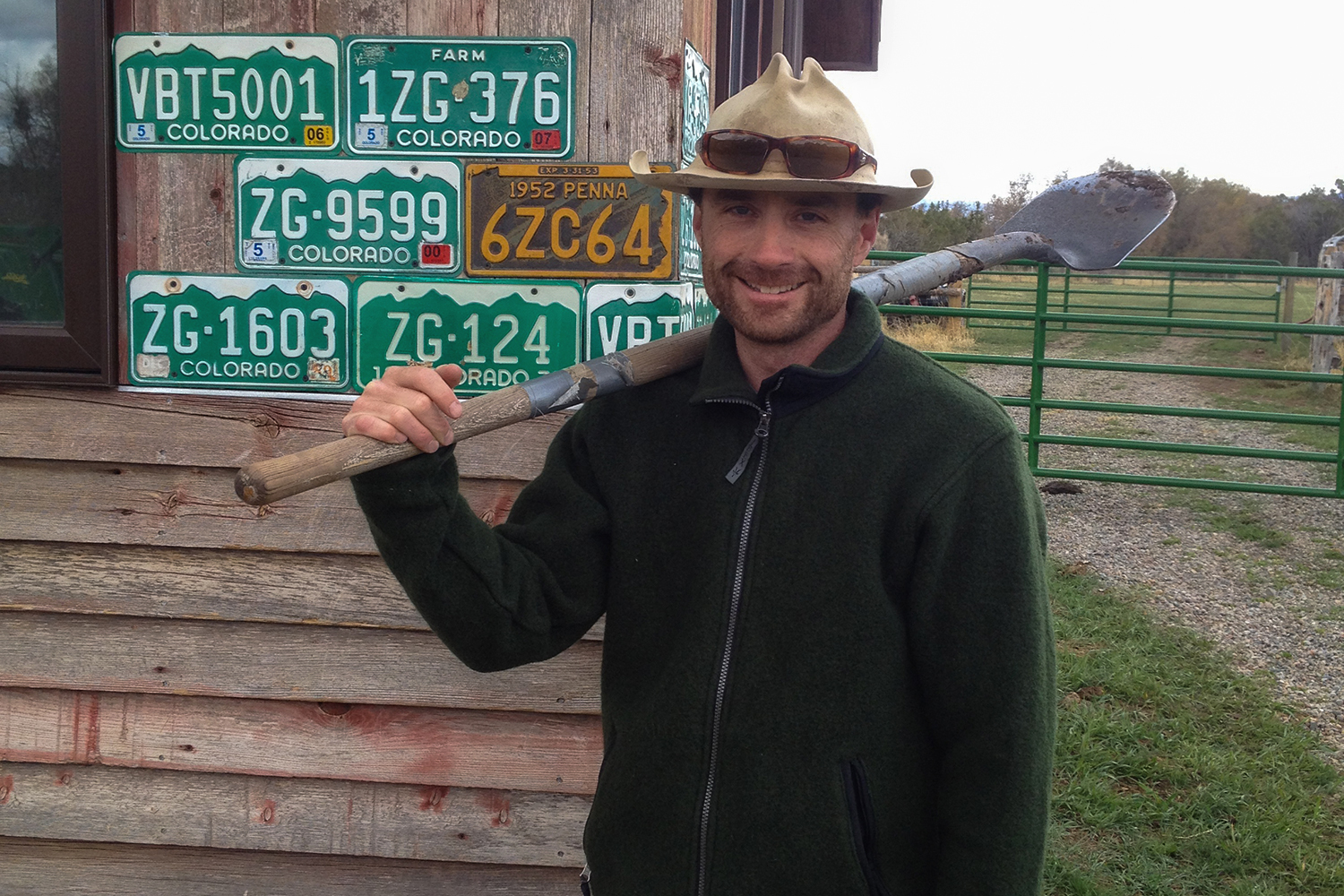

The Original Ute City Spiral Camera — A Glyph of Remembrance
About the Author
Robbie George is a National Geographic photographer, regenerative farmer, and nature philosopher. He captures the harmonic intelligence of nature through fine art photography, quantum storytelling, and ecological insight.
Explore his signature series The Living Code, dive into Quantum Agriculture, or follow his journey on Instagram and LinkedIn.
Walk With Wonder. Frame the Climb. Honor the Light.
If this reflection on the endless ascent of nature photography resonated with you, I invite you to explore more of my journey through fine art nature photography—each image a step on this path of reverence.
Visit the landscape gallery to witness changing light across wild terrains, or wander into the story behind my National Geographic book cover to see how one sunrise became a moment of collective memory.
Whether you are a fellow artist, seeker, or admirer of Earth’s stillness, I hope you’ll continue this journey with me. May each image you encounter offer a new foothold, a quiet truth, a piece of the summitless climb.
Frequently Asked Questions
1. What does "climbing a mountain without a summit" symbolize in photography?
It symbolizes the infinite nature of the creative journey. There’s no final destination—only deeper connection, growing intuition, and evolving relationship with light, time, and Earth.
2. Why do intuitive moments matter in nature photography?
Intuitive moments bypass thought and reveal the soul of a scene. They often produce the most timeless, resonant images—felt before understood.
3. How does unpredictability shape the story in your photographs?
Nature’s unpredictability is the greatest collaborator. Each shift in weather or light introduces surprise, emotion, and authenticity into the frame.
4. Why is historical value important in nature images?
Photographs become historical documents. As time passes, they often reveal what we couldn’t yet see, holding memory, place, and ecological evidence.
5. What is the National Geographic Image Collection and your connection to it?
It’s the world’s largest visual archive for cultural and ecological storytelling. I’m honored to have my work included among images that shape how the world remembers nature.