

Exploring the Maroon Bells in Colorado
What It Feels Like in the Field
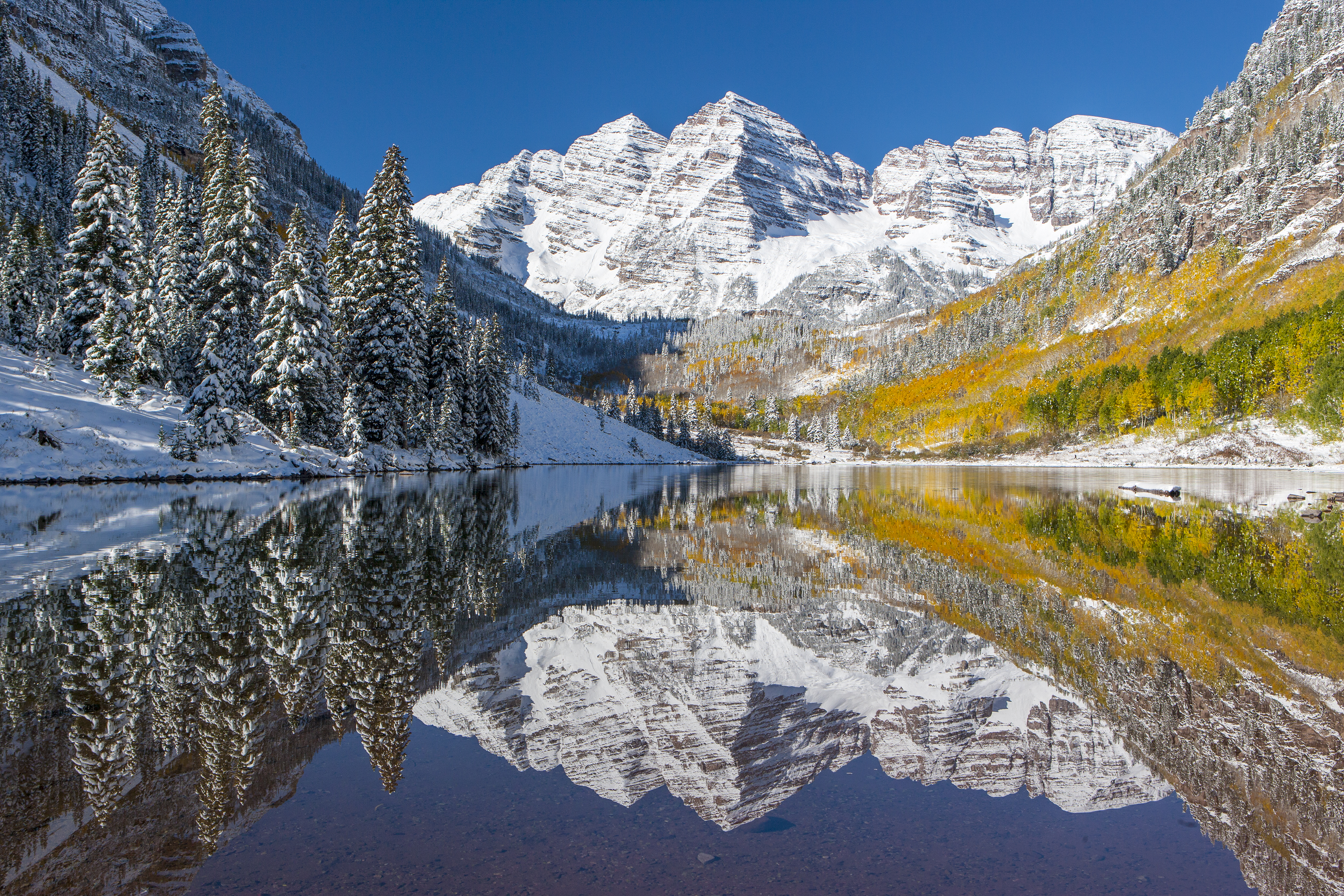
The basin before movement — when reflection becomes possible.
I grew up in Aspen, and this basin was part of how I learned to see. Not through a camera at first, but by returning again and again under different light, weather, and seasons until patterns started to reveal themselves.
You don’t arrive at the Maroon Bells—you ease into them. In the dark, the peaks are only silhouettes. The lake is unreadable. There’s no composition yet, just structure waiting to organize.
Then the system shifts. Wind drops. Surface tension smooths the water. The first band of light touches the ridgeline—and suddenly everything connects: rock → light → water → reflection.
That’s the moment this place teaches you to wait for. Not the scene—but the alignment. Growing up here, that lesson repeated itself over and over: patience reveals structure, and structure is what makes the image.
Landscape System — How the Maroon Bells Basin Organizes the Scene
The Maroon Bells are beautiful at first glance, but what has always mattered most to me here is how the basin behaves as a whole. This is not just a mountain view. It is a tightly connected alpine system where geology, water, elevation, vegetation, and light all shape what becomes possible in the frame.
The peaks themselves rise from the iron-rich sedimentary layers of the Maroon Formation, which is what gives the mountains their distinctive red-maroon color. That geology does more than define appearance. It affects how the slopes catch sunrise, how color holds under changing weather, and how the basin carries contrast from dark timber to illuminated stone.
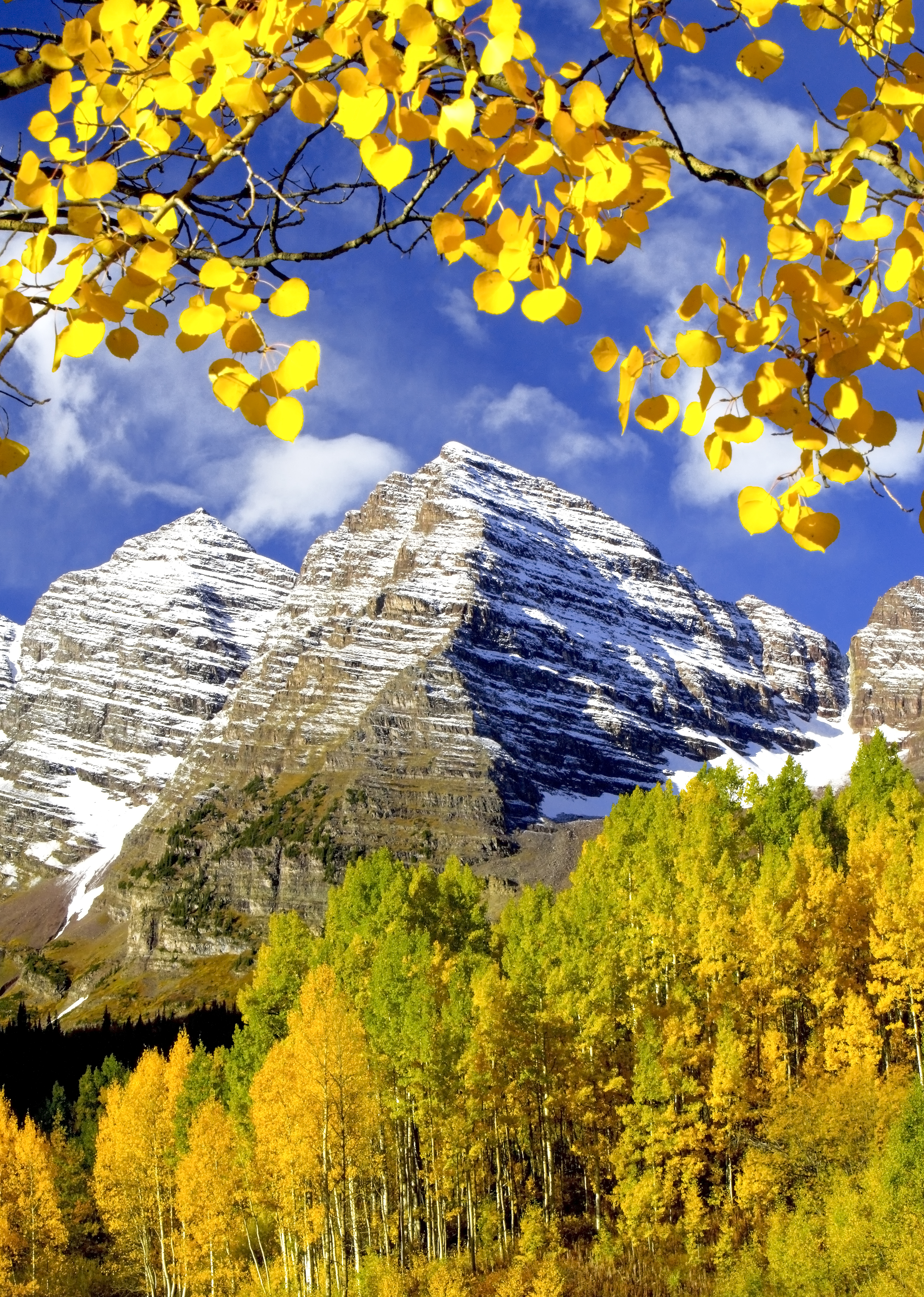
Autumn reveals the basin clearly—stone above, aspen bands below, and reflection tying the whole system together.
The aspen bands are just as important. They soften the transition between alpine stone and water while giving the basin its strongest seasonal pulse. In autumn, they create one of the clearest examples anywhere in the Rockies of how season changes structure. The mountains remain the same, but the system reads differently because color, light angle, and vegetation have shifted together.
For me, the Maroon Bells have always been a lesson in reading relationships, not isolated subjects: peak to shoreline, stone to forest, water to wind, season to light. Once you begin seeing the basin that way, composition becomes less about chasing a postcard view and more about recognizing when the landscape has fully come into alignment.
Wildlife & Behavior — Life Within the Maroon Bells Basin
The Maroon Bells are often approached as a landscape first, but this basin has always felt like far more than scenery to me. It is a living alpine system where wildlife moves through distinct layers of meadow, timber, willow, shoreline, talus, and high ridgeline. Each part of the basin carries its own rhythm, and animals use those transitions with purpose.
That is what makes behavior here so interesting. Movement is shaped by slope, cover, elevation, water access, and changing light. Elk often work meadow and forest edges. Mule deer favor quieter transition zones near aspen and willow. In the rockier alpine margins, marmots and pika use broken stone for shelter, visibility, and quick escape. Above them all, raptors use thermals rising off the basin once morning warmth begins to build.
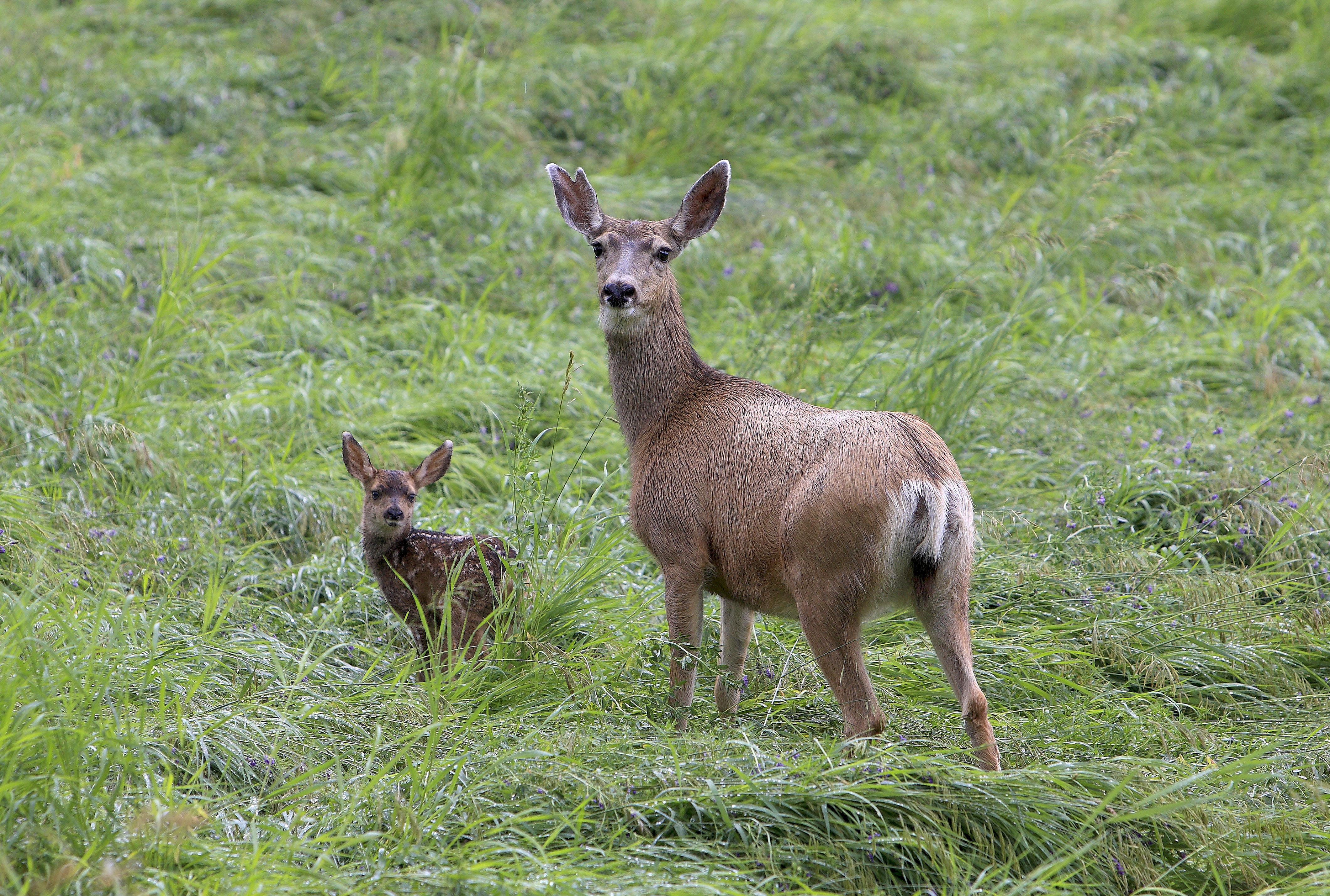
Wildlife here follows habitat transitions—meadow, cover, elevation, and timing all shape behavior.
One of the clearest field lessons at the Maroon Bells is that behavior and timing are inseparable. Dawn and dusk usually offer the best windows because the basin is quieter, temperatures are lower, and animals can move more naturally between feeding areas and cover. As the day develops, wind rises, human traffic increases, and much of that visible movement compresses or shifts deeper into shelter.
For photography, the same ethic applies here as anywhere else: distance first, habitat always. Long lenses matter. Quiet movement matters. Reading posture, direction, and spacing matters. The goal is never to force an encounter, but to recognize how an animal is already using the basin and work within that pattern without changing it.
What makes the Maroon Bells special is that wildlife never feels separate from the place itself. The animals are part of the same structure as the lake, the aspens, the ridgelines, and the weather. When you pay attention to that, the photographs become less about isolated subjects and more about life moving through a real alpine system.
Seasonal Timing — When the System Aligns
At the Maroon Bells, the landscape doesn’t just change with the seasons—it reorganizes. Light angle, water behavior, vegetation, and wildlife patterns all shift together. If you understand those shifts, you stop guessing and start timing the basin correctly.
This is one of the clearest places I know where season directly controls structure. The mountains remain constant, but everything else—color, reflection quality, movement, and access—moves around them.
Autumn — Peak Alignment
Autumn is when the system aligns most cleanly. Aspen bands turn gold, air becomes crisp, and morning winds often settle enough for full reflections across Maroon Lake. Light hits the maroon rock with maximum contrast, and everything simplifies into clean layers.
- Best for: reflection symmetry, color contrast, classic compositions
- Timing: narrow window—peak color can shift quickly year to year
- Field note: arrive before sunrise to catch still water before wind develops
Summer — Depth & Movement
Summer expands the basin. Wildflowers fill the lower elevations, water is more active from snowmelt, and cloud build-up introduces dynamic light. Reflections are still possible, but less predictable due to wind.
- Best for: wildflowers, layered compositions, atmospheric skies
- Timing: early morning still matters most for calm water
- Field note: afternoon storms can rapidly reshape light and mood
Spring — Transition & Texture
Spring is less predictable but often more subtle. Snowmelt creates movement through the basin, mist forms in the mornings, and the landscape carries a mix of winter structure and emerging growth.
- Best for: mood, fog, water flow, quieter conditions
- Timing: highly variable depending on snowpack
- Field note: expect partial access and changing terrain
Winter — Minimal Structure
Winter strips the basin down to its essentials. Snow covers foreground complexity, the lake may freeze, and contrast between light and shadow becomes the dominant visual element.
- Best for: minimalism, contrast, quiet scenes
- Timing: shorter light windows but often very clean conditions
- Field note: access is limited—travel beyond the road requires ski or snowshoe
To plan these shifts more precisely, use the Seasonal Wildlife Calendar and track light windows with the Golden Hour & Moon Planner.
The key takeaway here is simple: the Maroon Bells don’t offer one scene—they offer a system that changes throughout the year. When you match your timing to that system, the place opens up in ways most people never see.
Locations & Field Strategy — Where the System Comes Together
Where you stand in the Maroon Bells basin determines everything—foreground structure, reflection quality, light angle, and even how the mountains read in the frame. Small shifts in position can completely change how the system organizes visually.
Over time, I’ve learned that it’s less about finding a single “best spot” and more about understanding how each location interacts with light, wind, and terrain. The basin offers a few core positioning zones that behave differently depending on conditions.
Maroon Lake Shoreline — Reflection Control
The shoreline is where most images are made, but it’s also where the most variation exists. Moving just a few feet left or right changes foreground elements, water texture, and how clean the reflection appears.
- Best use: sunrise reflections, layered compositions
- Key variable: wind—calm conditions are critical
- Field tip: arrive early and watch the water before committing to a composition
Crater Lake — Elevated Perspective
A short hike beyond Maroon Lake leads to a quieter, more textured alpine setting. Here, the composition shifts from symmetry to structure—rock, shoreline curves, and elevation create stronger leading lines and depth.
- Best use: less crowded compositions, natural framing
- Key variable: light direction across uneven terrain
- Field tip: use shoreline arcs and rocks to anchor the frame
West Maroon Pass — System Scale
Higher elevation opens the system up. Instead of focusing on reflection, the view becomes about scale—rolling terrain, weather movement, and how light travels across the range.
- Best use: panoramic views, weather-driven scenes
- Key variable: cloud movement and atmospheric depth
- Field tip: be prepared for fast-changing conditions
Use this map to connect position with timing. Each location behaves differently depending on wind, season, and light angle. Planning your movement through the basin is just as important as choosing the right lens.
For broader field planning, you can also reference the Photography Maps and tools inside the Field Tools hub.
Planning & Field Ethics — How You Move Matters
The Maroon Bells may feel accessible, but it is still a high-elevation alpine system where small decisions carry weight. How you enter the basin, where you step, and how you interact with wildlife all affect both the landscape and your experience of it.
Planning here isn’t just logistics—it’s about reducing friction with the environment so you can move quietly within it. The less you disrupt the system, the more it reveals itself.
Access & Timing
- Arrive early: Before sunrise is critical for calm water, minimal wind, and lower foot traffic
- Seasonal access: Summer and fall often require shuttle systems; winter access is limited to ski or snowshoe
- Altitude awareness: The basin sits above 9,500 ft—hydrate, pace yourself, and allow time to adjust
Field Movement
- Stay on durable surfaces: Shorelines and alpine vegetation are fragile and recover slowly
- Move slowly and deliberately: Sudden movement disrupts both wildlife and water conditions
- Observe before acting: Watch wind patterns, light, and behavior before setting up
Wildlife Ethics
- Distance first, habitat always: Use long lenses and never alter an animal’s natural behavior
- Do not bait or call: Let behavior unfold naturally within the environment
- Respect movement paths: Yield space—animals use this basin as a living corridor
Leave No Trace
- Pack everything out: Including food scraps and organic material
- Protect the shoreline: Avoid trampling grasses and sediment edges
- Minimize impact: Leave the basin exactly as you found it
For planning tools that help align timing and conditions, use the Seasonal Wildlife Calendar and the Golden Hour & Moon Planner.
The Maroon Bells reward patience and awareness. When you move carefully through the landscape, the experience shifts—from visiting a place to becoming part of how it unfolds.
Naturepedia Connection — Maroon Bells as a Living System
The Maroon Bells are not just a location—they function as a complete ecological system where geology, water, vegetation, wildlife, and light interact continuously. Every visible element in the basin is part of a larger relationship that changes through time.
The iron-rich slopes of the mountains influence how light reflects and holds color. Maroon Lake acts as both mirror and stabilizer, responding instantly to wind and temperature. Aspen groves shift the visual structure seasonally, while elevation gradients determine which species can occupy each layer of the basin.
Wildlife behavior follows this same structure. Elk move through meadow and timber transitions. Small mammals occupy rock fields shaped by glacial history. Birds of prey ride thermal currents that rise off the slopes once the basin warms. Each of these patterns is tied directly to habitat and timing.
This is why the Maroon Bells are best understood not as a single scene, but as a node within a larger network of alpine ecosystems. To explore how these relationships extend across regions, see Ecosystems of North America, Wildlife Behavior & Ecology, and Wildlife Conservation & Habitat.
Within Naturepedia, locations like the Maroon Bells connect directly to species, seasonal timing, and field observation practices—forming a structured knowledge system rather than isolated pages.
When you view the Maroon Bells through that lens, the experience deepens. It becomes less about capturing a single image and more about understanding how the landscape functions—and how each moment fits into a larger ecological pattern.
Maroon Bells — Frequently Asked Questions
What is the best time to photograph the Maroon Bells?
Autumn offers the strongest alignment—golden aspens, crisp air, and calm morning reflections. Summer brings wildflowers and cloud drama, while winter creates minimalist contrast. Regardless of season, sunrise is usually the most stable window.
Where should I position myself for the best shots?
Maroon Lake provides classic reflections, but small shoreline adjustments make a big difference. Crater Lake offers quieter compositions with stronger foreground structure, and higher elevations like West Maroon Pass open wider landscape perspectives.
What wildlife can be seen at the Maroon Bells?
Elk, mule deer, marmots, and pika are common depending on elevation. Birds of prey such as golden eagles and hawks use ridge thermals. Activity is highest at dawn and dusk, especially along meadow and forest edges.
Do I need a reservation or shuttle to access the area?
During peak summer and fall seasons, access is often managed by a shuttle system. Private vehicles are typically allowed before early morning hours for sunrise photography. Always check current access guidelines before visiting.
What gear should I bring for photography?
A wide-angle lens (14–24mm) works best for reflections, while a mid-range zoom (24–70mm) helps with layering. A sturdy tripod is essential for low-light conditions, and a polarizer can help manage glare on the water.
How do I photograph reflections on Maroon Lake?
Calm wind is critical. Arrive before sunrise and watch the water surface closely. Position low to maximize reflection coverage, keep your horizon level, and avoid overusing a polarizer which can reduce reflection strength.
What is the most important field principle here?
Patience. The Maroon Bells are driven by timing—light, wind, and seasonal alignment. When those elements come together, the scene organizes itself. Until then, observation matters more than shooting.
About Robbie George
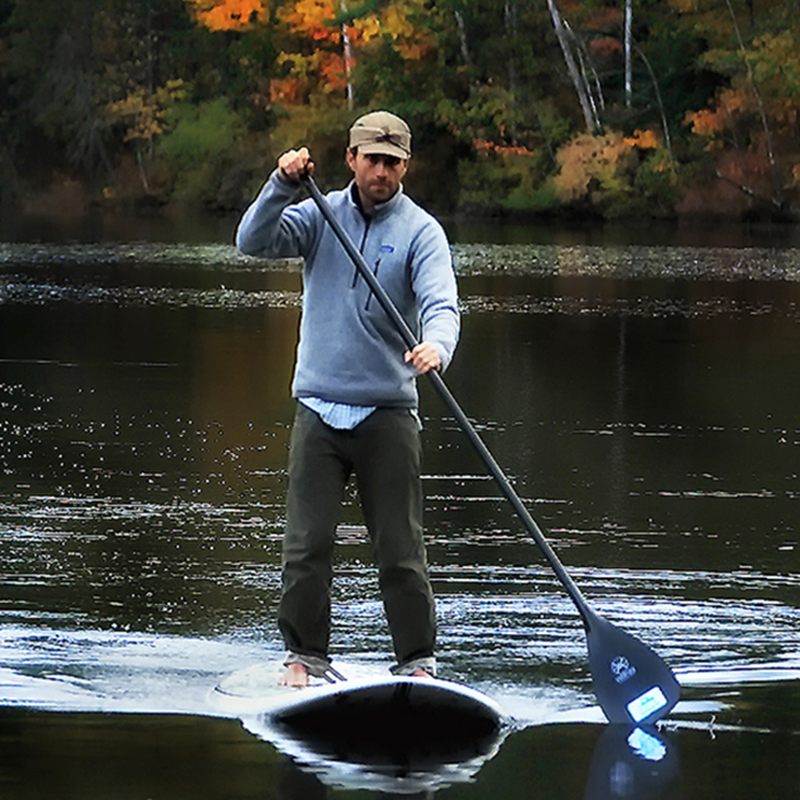
I’m Robbie George, a National Geographic–published photographer whose work grows out of field experience, repeated observation, and long-term relationship with the natural world. I was born and raised in Aspen, so places like the Maroon Bells are not just locations I photograph—they are part of how I learned to read light, weather, season, and landscape structure.
My approach is rooted in patience and pattern recognition. I return to places under changing conditions, watching how behavior, habitat, and atmosphere shift together. That field process shapes everything I create, from photography guides like this one to the larger ecological knowledge system inside Naturepedia.
To explore more of my work, visit Landscape Photography, browse the Wildlife Photography Gallery, or use practical planning resources in Field Tools and the Golden Hour & Moon Planner.
“Attention first, image second. The photograph comes after the relationship.”