
Delmarva Fox Squirrel: Discovering Its Unique Habitat and Behavior
A Species That Nearly Disappeared — And Came Back
When I’m in the field, the Delmarva fox squirrel doesn’t feel rare in the way numbers suggest—it feels rare in how it moves through the system. Slower. More grounded. More connected to the forest floor than the trees above it.
This species once ranged across the Delmarva Peninsula, but as forests were cleared and fragmented, it nearly vanished. By the mid-1900s, only isolated pockets remained. What followed was one of the most important conservation recoveries in North America—driven by habitat restoration, protection, and long-term ecological thinking.
Today, its presence connects directly into larger systems across my site—from wildlife species to behavior and ecology, through ecosystems, and into conservation systems.
That’s how I approach this species—not as an isolated animal, but as part of a living network. And once you see it that way, the story becomes much bigger than a squirrel.
“The return of a species is never just about the species—it’s about the system learning how to hold it again.”
~ Robbie George
Jump to a Section
Natural History of the Delmarva Fox Squirrel
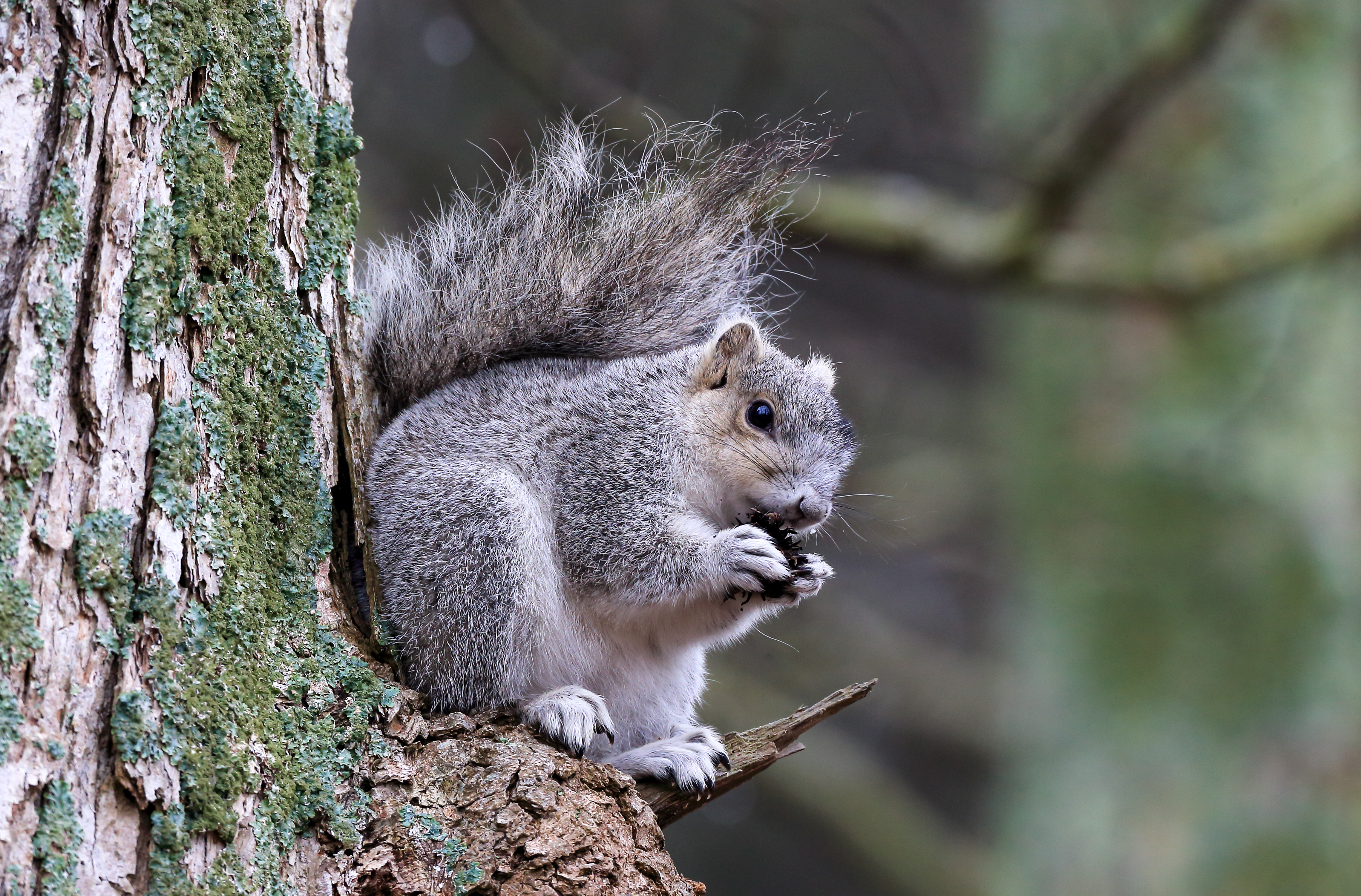
The Delmarva fox squirrel (Sciurus niger cinereus) carries a different presence than the gray squirrels most people are used to seeing. In the field, what stands out to me first is not speed but weight and calm. It feels larger, quieter, and more deliberate—an animal shaped by open woodland, broad forest floor movement, and a life tied closely to mature Eastern forests.
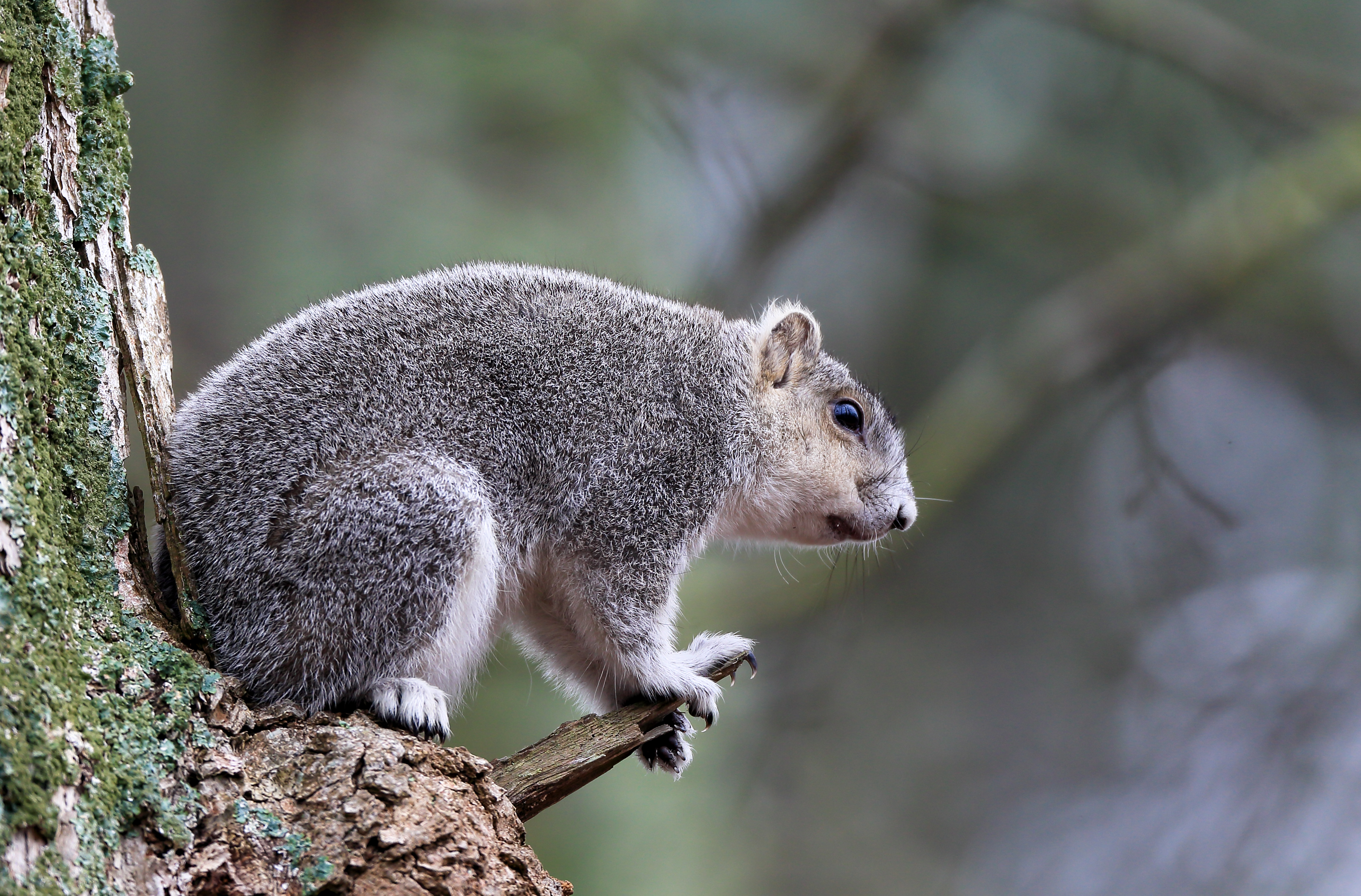
This is one of the largest tree squirrels in North America, recognized by its silver-gray coat, full tail, and heavy-bodied frame. Unlike smaller squirrels that often flash through the canopy, the Delmarva fox squirrel spends much of its time moving low through the woods, crossing open understory, pausing often, and foraging with a kind of measured patience.
Its historic range once extended broadly across the Delmarva Peninsula, linking Maryland, Delaware, and Virginia through connected forest habitat. As those forests were cleared, fragmented, and converted, the squirrel’s world shrank with them. That decline is part of what makes this species so important now. It is not just a rare mammal—it is a living reminder of what happens when forest structure breaks apart, and what becomes possible when that structure is protected again.
I think that is part of why the species feels so meaningful in places like Blackwater and within the broader mammals of North America layer of my site. It helps connect species identity to habitat quality, recovery, and observation. The Delmarva fox squirrel is best understood not as an isolated rarity, but as part of a larger pattern that runs through wildlife systems and ecology.
“The animal tells the truth of the habitat. When the Delmarva fox squirrel is present, the forest is saying something important.”
~ Robbie George
Habitat — Where the Forest Holds Them
The Delmarva fox squirrel depends on a very specific kind of landscape—open, mature forests where sunlight reaches the ground and the understory stays navigable. In the places I’ve observed them, it’s not dense wilderness that supports them, but balance: tall pines and hardwoods above, space and visibility below.
These forests are often dominated by loblolly pine mixed with oaks and hickories, creating a steady supply of mast—acorns, nuts, and seeds—that sustain them through the seasons. Just as important are the gaps in the canopy. Without light reaching the forest floor, the structure they rely on disappears.
This is why places like Blackwater National Wildlife Refuge are so critical. The habitat isn’t accidental—it’s actively managed. Controlled burns, reforestation, and long-term land protection maintain the exact forest conditions this species needs to survive.
From a larger perspective, this connects directly into ecosystems of North America and wildlife habitat zones. The squirrel doesn’t just live in the forest—it reflects whether that forest is functioning the way it should.
“Habitat isn’t just where a species lives—it’s what allows it to exist at all.”
~ Robbie George
Diet — What Sustains the Forest Forager
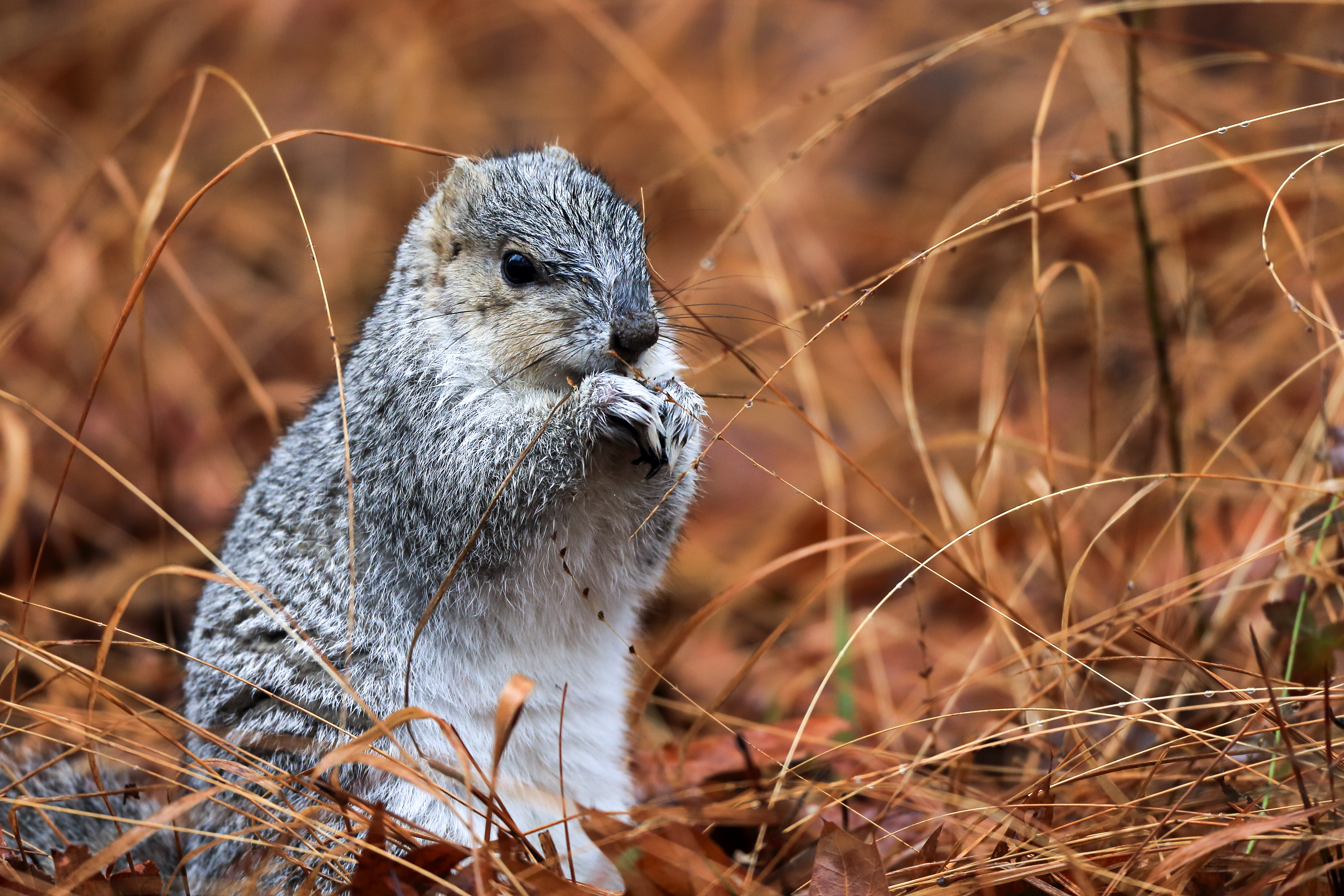
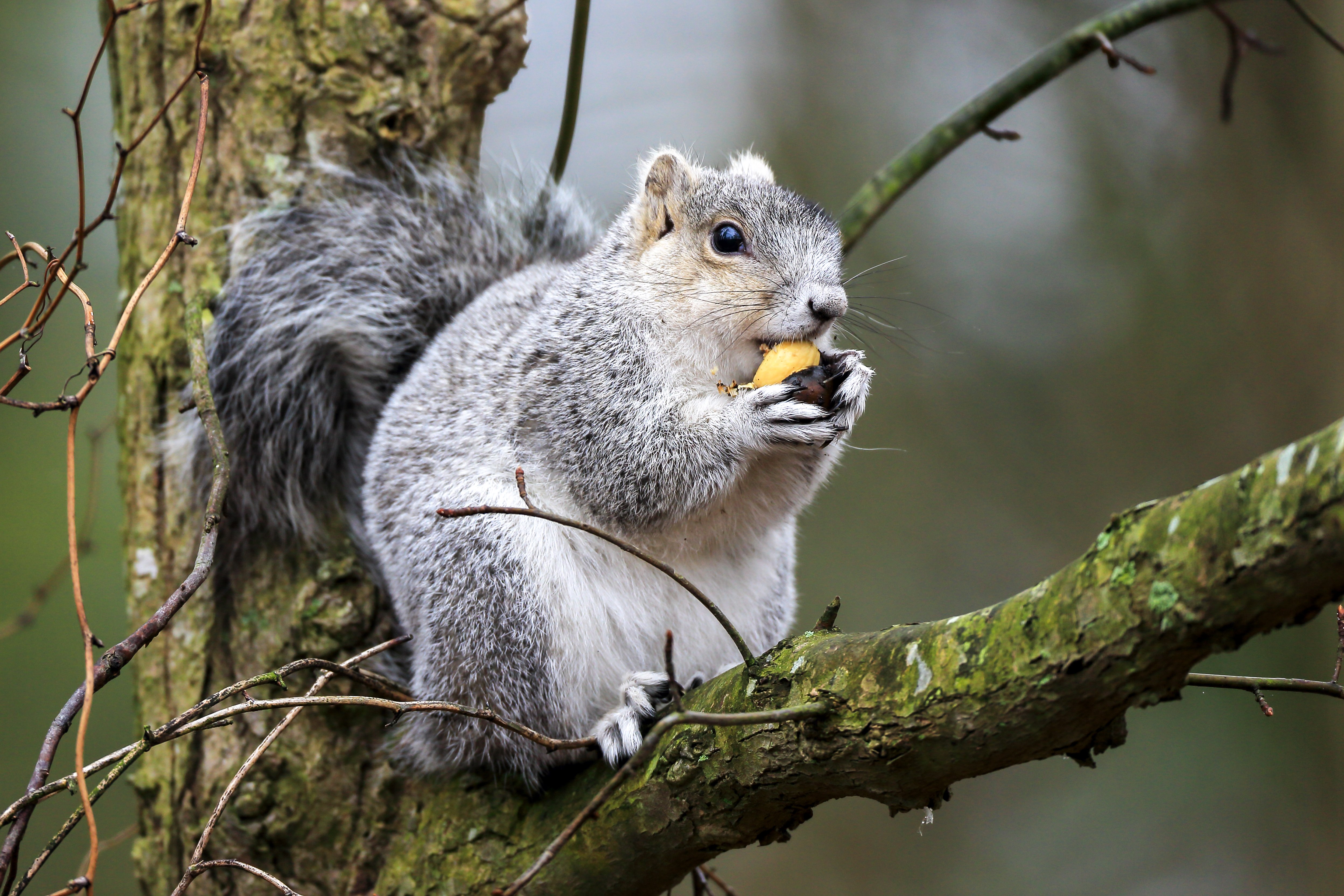
When I watch the Delmarva fox squirrel in the field, most of what I see is feeding behavior. Slow movement across the forest floor, pauses, digging, listening—it’s a constant interaction with the ground beneath it. This species lives off what the forest produces, and that connection is direct.
Its diet is centered on mast: acorns, hickory nuts, pine seeds, and other seasonal food sources that fall from the canopy. These forests function like a living pantry, and the squirrel’s survival depends on that annual cycle. In strong mast years, the forest feeds everything. In weak years, pressure increases across the entire ecosystem.
What makes this species especially important is what happens after feeding. Like many squirrels, it caches food—burying nuts across the landscape. But not everything is recovered. Those forgotten seeds become the next generation of trees. In that way, the Delmarva fox squirrel is not just feeding itself—it is actively shaping the future of the forest.
This behavior connects directly into food webs and ecological relationships and the broader system of biodiversity and ecosystem balance. What looks like a simple act—burying an acorn—is actually part of a much larger regenerative cycle.
“Every seed carried is a decision the forest will remember.”
~ Robbie George
Life Cycle — Timing Within the Forest
The life cycle of the Delmarva fox squirrel follows the rhythm of the forest more than the calendar. When I think about this species, I don’t think in months—I think in food availability, temperature shifts, and forest conditions. Everything about its survival is tied to timing.
Breeding typically occurs in late winter, with a second breeding window sometimes appearing in early summer if conditions allow. After a gestation period of about 45 days, females give birth to small litters—usually two to four young—hidden in tree cavities or leaf nests built high enough to avoid predators but close enough to feeding areas.
The young develop slowly compared to smaller squirrel species. For the first weeks, they remain completely dependent—eyes closed, motion limited, entirely protected by the nest. As they grow, they begin to explore cautiously, learning the structure of the forest floor, the spacing of trees, and the patterns of movement that define survival.
By late summer into early fall, juveniles are foraging independently—entering the same cycle of feeding, caching, and movement that sustains the population. This transition is critical. If food is abundant, survival rates increase. If not, fewer individuals make it into the next season.
This entire process connects directly into seasonal wildlife patterns and the broader cycle captured in nature’s seasons. The Delmarva fox squirrel doesn’t just live in the forest—it lives within its timing.
“Life in the forest isn’t measured in years—it’s measured in cycles that either align… or don’t.”
~ Robbie George
Behavior — Movement, Stillness, and Awareness
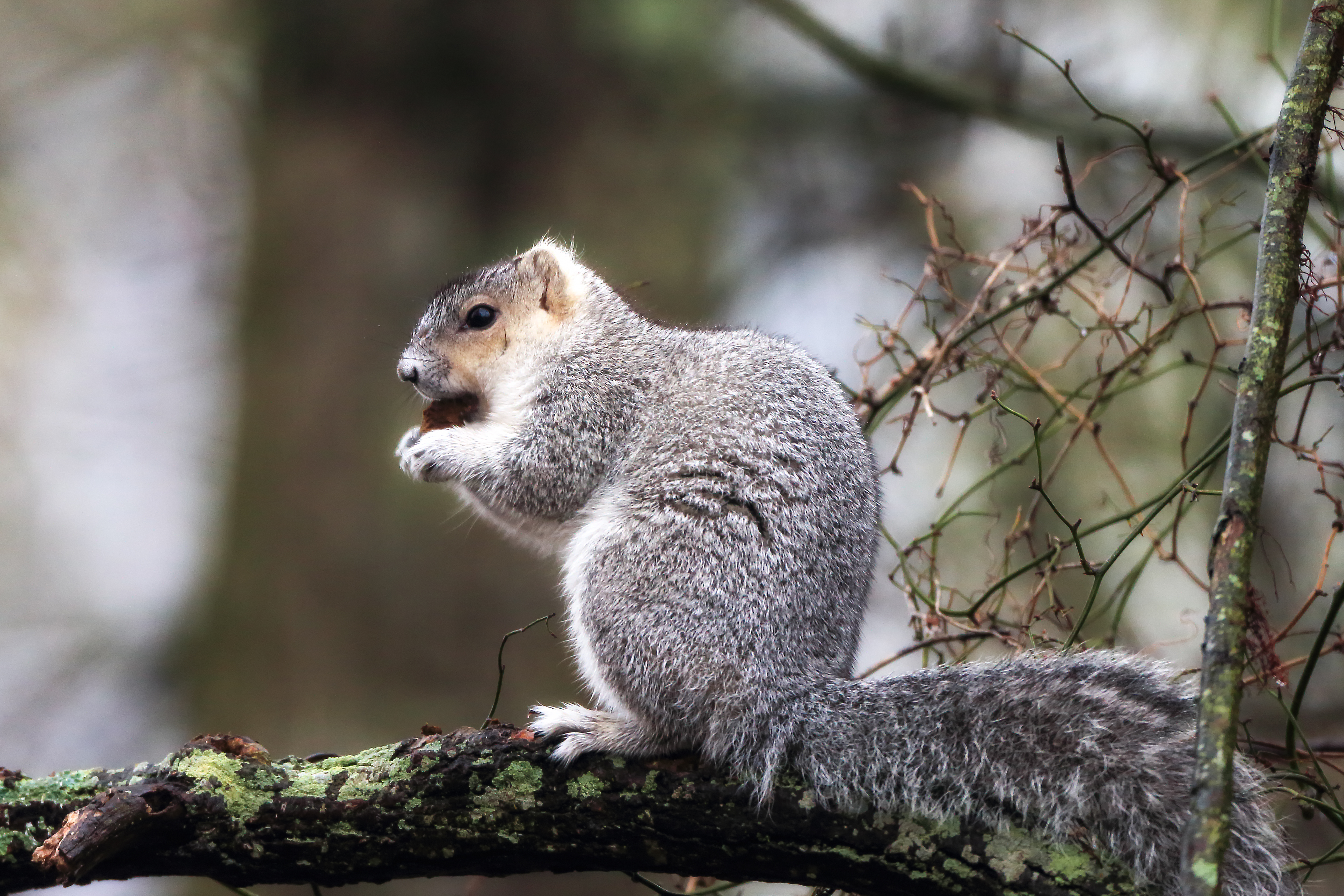
What stands out most to me when observing the Delmarva fox squirrel is how different its behavior feels compared to other squirrels. It doesn’t rush. It doesn’t dart unpredictably. Instead, it moves with intention—pausing often, scanning, listening, and then continuing in a slow, grounded rhythm across the forest floor.
This species is largely solitary. Individuals maintain space between one another, interacting primarily during breeding periods. That separation reduces competition and allows them to move efficiently through their environment without constant conflict. In the field, encounters feel quiet and individual—never crowded, never chaotic.
Their behavior is also shaped by vulnerability. Spending more time on the ground exposes them to predators, so awareness becomes everything. Head movements are frequent. Pauses are deliberate. Even feeding is cautious—often interrupted by moments of stillness where the animal seems to read the entire forest before continuing.
From a system perspective, this connects directly into wildlife behavior and ecology and adaptation and survival. This is not random movement—it’s refined behavior shaped by habitat, predators, and the structure of the forest itself.
The more time I spend watching them, the more I realize their behavior is not about speed—it’s about awareness. And in that awareness, there’s a kind of efficiency that fits perfectly within the system they belong to.
“Survival isn’t always about moving faster—it’s about knowing when not to move at all.”
~ Robbie George
Conservation — From Near Loss to Recovery
The Delmarva fox squirrel is one of the clearest examples I’ve seen of what long-term conservation can actually accomplish. By the mid-20th century, it had nearly disappeared—reduced to small, isolated populations as forests were cleared and fragmented across the Delmarva Peninsula.
Its listing under the Endangered Species Act became a turning point. Habitat protection, reforestation, and carefully managed translocation efforts slowly rebuilt populations across suitable landscapes. This wasn’t a quick recovery—it unfolded over decades, requiring consistency, monitoring, and a deep understanding of how forest systems function.
Places like Blackwater National Wildlife Refuge became anchors for that recovery. Protected land, active management, and stable habitat conditions allowed the species to expand again. In 2015, the Delmarva fox squirrel was officially removed from the endangered species list—a rare and meaningful milestone.
But recovery doesn’t mean finished. The same pressures that caused its decline—habitat fragmentation, development, and environmental change—are still present. Long-term survival depends on maintaining connected forests and continuing to manage land with the species in mind.
This is where the larger system becomes clear. The story of this squirrel connects directly into wildlife conservation and habitat, biodiversity and ecosystem balance, and broader land protection efforts across North America. Protecting one species ultimately means protecting the system it depends on.
“Recovery is proof that systems can heal—but only if we keep them intact.”
~ Robbie George
Seasonal Patterns — Living Within the Year
The Delmarva fox squirrel doesn’t migrate, but its behavior shifts noticeably with the seasons. When I observe them across different times of year, what changes most is not where they are—but how they move, how often they appear, and what they’re focused on.
In spring, activity increases as breeding season begins and food sources expand. Fresh growth across the forest floor creates new feeding opportunities, and movement becomes more frequent. By summer, visibility can decrease as vegetation thickens, but the squirrels remain active—often feeding early and late in the day to avoid heat.
Fall is when their behavior becomes most pronounced. This is the season of preparation. Acorns, hickory nuts, and seeds become the focus, and caching behavior intensifies. When I’m in the field during this time, I see more movement, more digging, more purposeful travel across the forest floor than at any other point in the year.
Winter slows everything down. Activity drops, but it doesn’t stop. On milder days, squirrels reappear to recover cached food, moving carefully through more open forest conditions where visibility increases but exposure also rises.
These patterns tie directly into seasonal wildlife timing and the broader framework of nature’s seasons. The species may stay in one place, but it still moves through time—and everything about its survival depends on staying aligned with that cycle.
“The forest doesn’t change all at once—it shifts in rhythms. The ones who survive are the ones who move with it.”
~ Robbie George
Naturepedia Connection — Understanding the Delmarva Fox Squirrel in the Larger System
The Delmarva fox squirrel makes the most sense when it is understood as part of a larger living system. It is not just a rare mammal with a recovery story. It is a species shaped by forest structure, seasonal food cycles, predator awareness, and the long-term health of the Delmarva Peninsula itself.
What I find most compelling about this animal is how clearly it connects the layers of ecological understanding. Its behavior reflects the conditions of the forest floor. Its habitat reveals the importance of mature pine and hardwood systems. Its diet ties directly into seed dispersal, regeneration, and food web relationships. Its recovery shows what becomes possible when habitat protection and conservation are taken seriously over time.
That is why this species belongs within a larger framework of mammals of North America, wildlife behavior and ecology, ecosystems, and conservation. It also connects naturally to place-based observation through Blackwater and to seasonal field awareness through seasonal timing.
This is how I’ve built my site—connecting species into structure, behavior into ecology, and ecology into a broader Naturepedia system that helps make the living world easier to understand. The Delmarva fox squirrel is a perfect example of that approach because its story only becomes complete when species, habitat, season, geography, and conservation are all seen together.
To explore this deeper, continue into the Naturepedia system and follow the connections outward.
Frequently Asked Questions — Delmarva Fox Squirrel
What makes the Delmarva fox squirrel different from other squirrels?
The Delmarva fox squirrel is significantly larger and moves much more slowly than gray squirrels. It spends more time on the forest floor and depends on open, mature forest habitat rather than dense canopy environments.
Where can I see the Delmarva fox squirrel in the wild?
One of the best places to observe this species is Blackwater National Wildlife Refuge. They can also be found in protected forests across the Delmarva Peninsula, particularly where habitat has been restored and maintained.
Why was the Delmarva fox squirrel endangered?
The primary cause was habitat loss. Large sections of forest were cleared for agriculture and development, leaving isolated patches that could not support stable populations.
How did the species recover?
Recovery came through long-term conservation efforts including habitat protection, reforestation, and translocation programs. These efforts helped reconnect fragmented populations and restore suitable forest conditions.
Is the Delmarva fox squirrel still at risk?
While it has recovered enough to be removed from the endangered species list, it still depends on protected and well-managed habitat. Ongoing development and fragmentation remain long-term concerns.
What role does it play in the ecosystem?
The Delmarva fox squirrel helps disperse seeds through its food caching behavior, contributing to forest regeneration. It also plays a role in the food web, supporting predator species and maintaining ecological balance.
When is the best time to observe them?
Early morning and late afternoon are the best times. Fall is especially active due to food gathering behavior, while winter can offer clearer visibility with less foliage.
About Robbie George
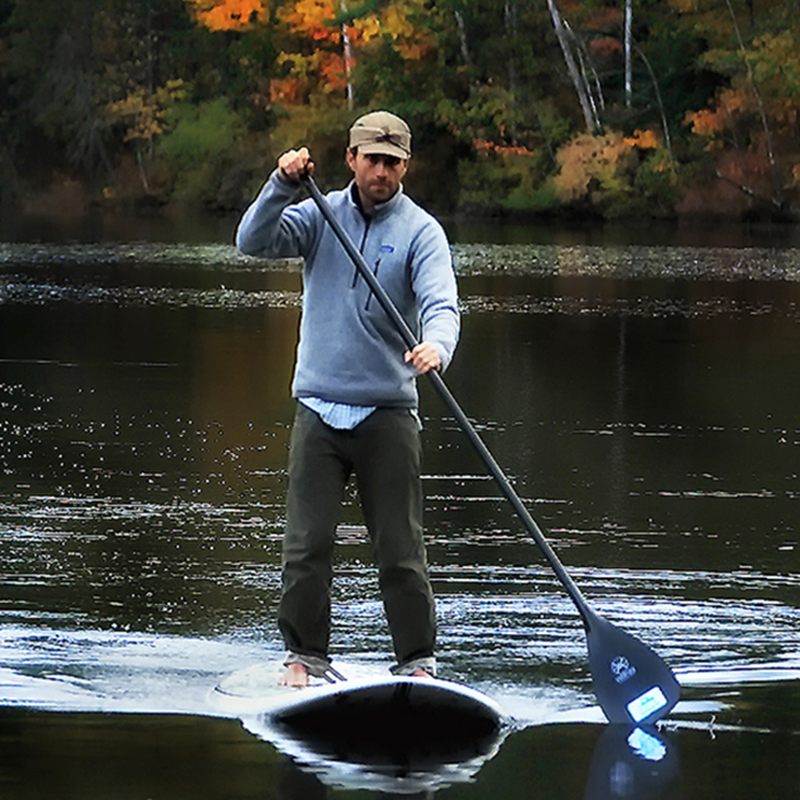
I’m Robbie George, a National Geographic–published wildlife photographer. My work is built through repeated time in the field—returning to landscapes across seasons to understand how animals move, feed, adapt, and fit within the ecological systems around them.
The Delmarva fox squirrel is one of those species that teaches patience. To photograph it well, you have to slow down and pay attention to forest structure, feeding rhythm, light on the understory, and the quiet intervals where behavior reveals itself. That same field-based perspective shapes how I build the broader Naturepedia Wildlife Knowledge System.
You can explore more field-based work in the Wildlife Gallery, or plan your own time in the field using tools like the Seasonal Wildlife Calendar and Photography Maps.
“The Delmarva fox squirrel teaches you that stillness is not inactivity—it is awareness shaped by the forest.”