
Wild Turkeys: Fascinating Facts and Their Role in Nature
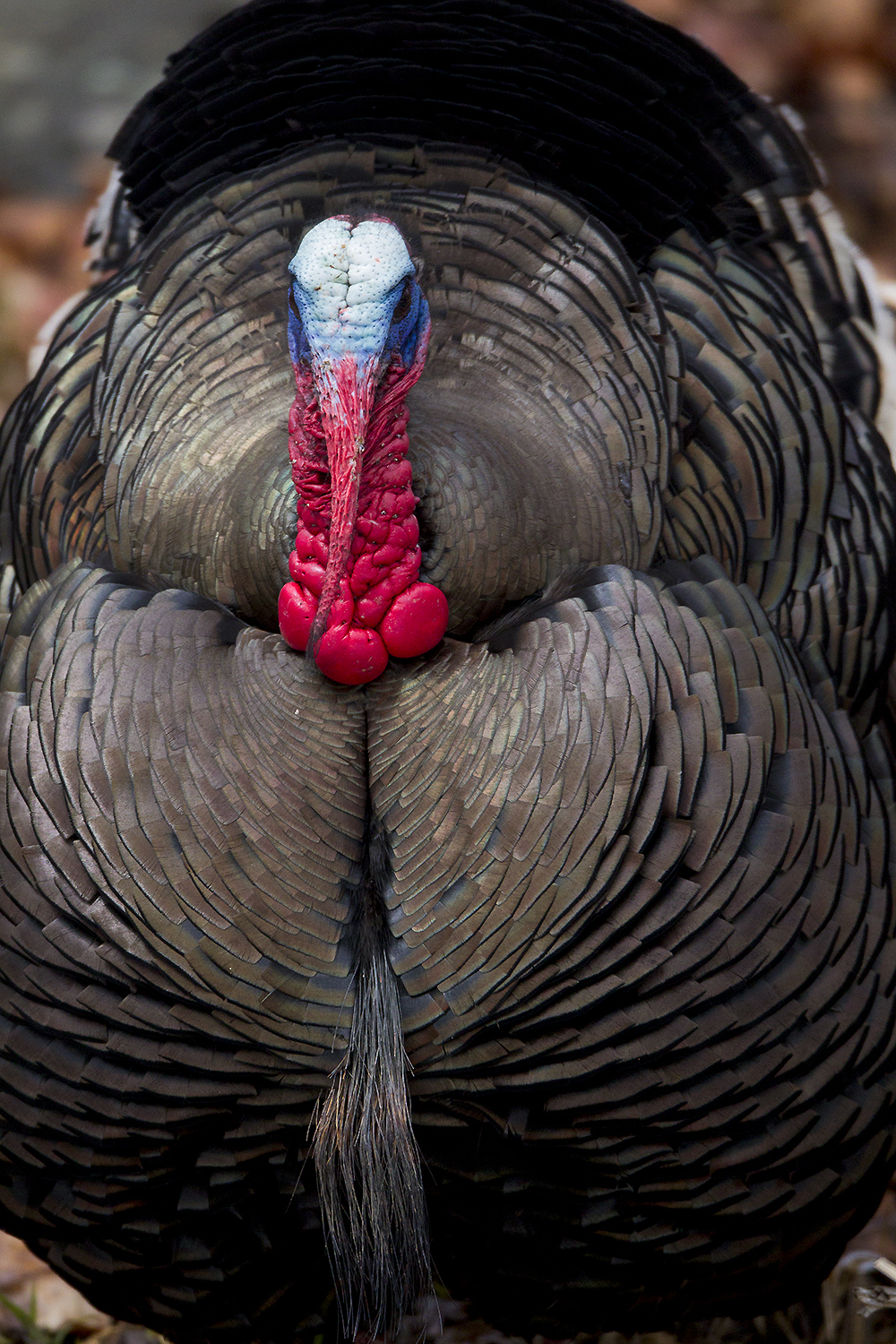
The Wild Turkey in the Field
When I photograph wild turkeys, I don’t think of them as isolated subjects. They are always part of movement across the landscape—crossing from forest cover into open ground, feeding along edges, or regrouping as a flock shifts direction. They exist in transition zones, where multiple parts of the ecosystem overlap.
What stands out most is their awareness. Turkeys see everything. With wide fields of vision and constant scanning behavior, they respond instantly to subtle changes—light shifts, movement, sound. That level of awareness is what allows them to survive across such a wide range of habitats, from deep woods to suburban edges.
This is where the wild turkey fits into the broader system—connecting wildlife, ecosystems, behavior, and conservation. They are not just part of the landscape—they help shape how it functions.
“The wild turkey doesn’t hide from the system—it moves through it with complete awareness.” — Robbie George
On This Page
Explore the wild turkey through field behavior, habitat use, diet, life cycle, conservation, seasonal movement, and its larger connection to the Naturepedia system.
Continue exploring the larger system through wildlife, behavior & ecology, ecosystems, conservation, and the seasonal wildlife calendar.
Core Behavior: Awareness, Flock Structure, and Constant Motion
Wild turkeys are among the most alert birds I see in the field. Even when feeding, they are never fully at rest. Heads stay high, eyes track movement, and the flock seems to read the landscape together. That awareness is part of what makes them so successful across North America. They do not move casually through habitat—they assess it continuously.
Their social structure is just as important as their individual vigilance. Turkeys live within flocks shaped by hierarchy, spacing, and communication. Hens often travel with poults or other females, while males form their own groupings outside of breeding season. In spring, that structure changes as courtship intensifies and dominant birds begin displaying more aggressively. This is where the species opens naturally into broader patterns of wildlife behavior and ecology.
Communication also runs deeper than most people realize. Gobbling gets the most attention, but it is only one part of a much larger system of sound and posture. Clucks, purrs, yelps, and subtle body signals help maintain flock cohesion, reduce conflict, and warn of danger. Much of turkey behavior is actually quiet, measured, and cooperative.
When I watch wild turkeys, what stands out most is how behavior changes with context. At the woodland edge they feed differently than they do in open fields. In spring they carry themselves differently than they do in winter. Their behavior is never disconnected from habitat, season, or pressure. It is a living response to the land itself.
Habitat: Forest Edges, Open Ground, and Ecological Overlap
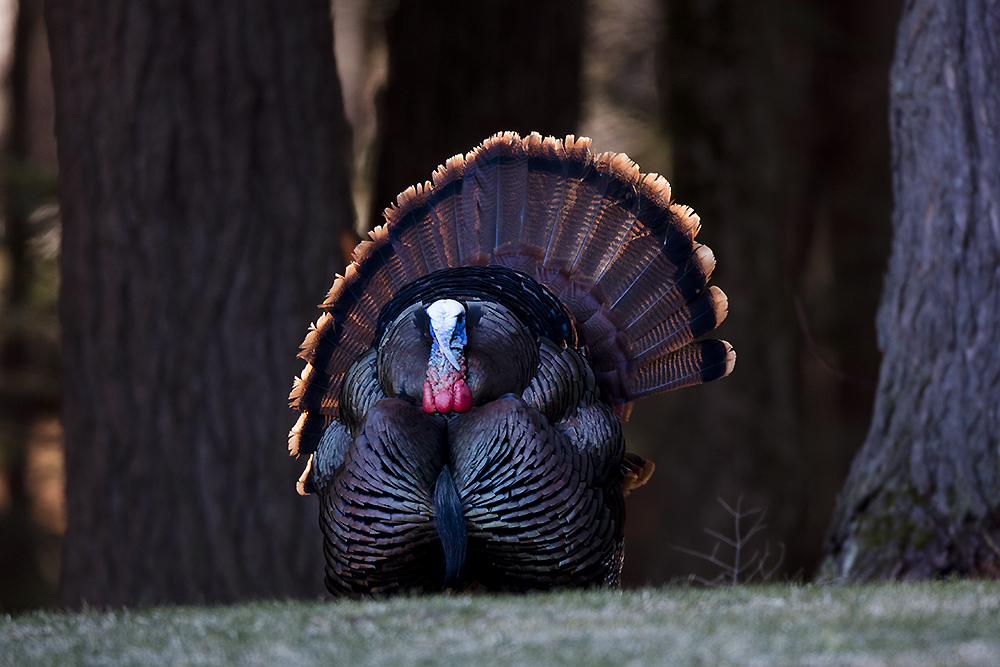
Wild turkeys don’t belong to a single type of habitat—they belong to transitions. In the field, I consistently find them where forest meets open ground. Mature woods provide roosting and cover, while nearby clearings, fields, or edges provide food. It’s this combination—not either environment alone—that defines turkey habitat.
They require tall trees for nighttime roosting, often choosing elevated positions that offer safety from predators. During the day, they move down into more open areas where they can forage. This daily vertical and horizontal movement connects directly to broader patterns found in habitat zones and ecosystem structure.
One of the reasons wild turkeys have expanded so successfully is their adaptability. They now occupy forests, agricultural land, wetlands, and even suburban environments. But even in developed areas, the pattern holds: they still seek out edges—places where cover and food overlap.
When habitat becomes too uniform—too dense or too open—the system breaks down for them. But when structure is balanced, turkeys thrive. Their presence is one of the clearest signals that a landscape still supports layered, functional ecosystems across North America.
Diet: Foraging, Seasonality, and the Forest Floor
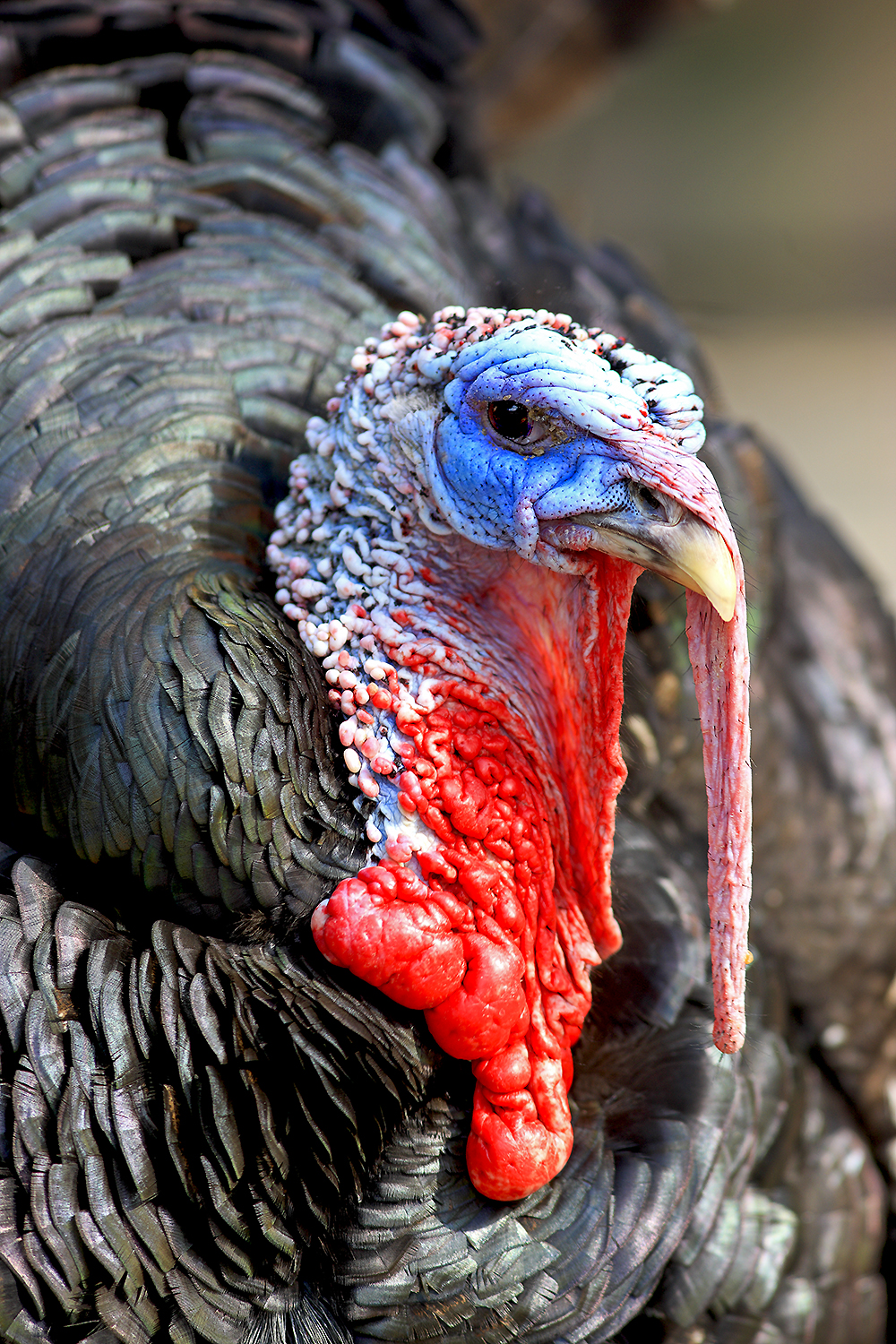
When I watch wild turkeys feed, I’m really watching the forest floor come alive. Their diet reflects whatever the land is offering at that moment—seeds, acorns, berries, insects, and small invertebrates. They don’t specialize in one food source. They respond to availability, moving constantly as they forage.
Their foraging method is physical and direct. Turkeys scratch through leaf litter with strong legs, exposing hidden food beneath the surface. That behavior does more than feed them—it reshapes the soil, redistributes nutrients, and supports broader processes described in food webs and ecological relationships.
Seasonality plays a major role. In fall and winter, acorns and mast become critical energy sources. In spring and summer, insects provide protein—especially important for hens raising poults. This shift in diet aligns directly with the rhythms of nature’s seasons, where food availability changes across the year.
Because of this, wild turkeys act as both consumers and contributors within the ecosystem. They control insect populations, disperse seeds, and influence plant regeneration. What they eat—and how they eat—connects them directly to the larger balance of biodiversity on the landscape.
Life Cycle: Nesting, Poults, and Survival in the Open
The life cycle of a wild turkey is grounded entirely in the landscape. There are no elevated nests or hidden cavities—everything begins on the forest floor. Hens choose nesting sites carefully, often selecting areas with enough cover to conceal eggs while still allowing visibility to detect approaching danger.
A typical clutch contains 10 to 12 eggs, incubated solely by the female for about 28 days. During this time, the hen remains highly vulnerable, relying on stillness and camouflage rather than movement. This stage reflects deeper principles of adaptation and survival, where risk is managed through behavior rather than strength.
Once hatched, poults are mobile almost immediately. Within hours, they are moving with the hen, feeding on insects and navigating the terrain. Early life is the most fragile phase—weather, predation, and food availability all play a critical role in survival. The entire brood depends on the hen’s ability to lead, protect, and find resources.
As they grow, juveniles begin to integrate into broader flock structures. By late summer and fall, they are largely independent, transitioning into the social and seasonal rhythms that define adult life. The entire cycle—from egg to fully aware bird—is shaped by timing, habitat quality, and the constant pressures of the natural system.
Behavior: Displays, Hierarchy, and Seasonal Shifts
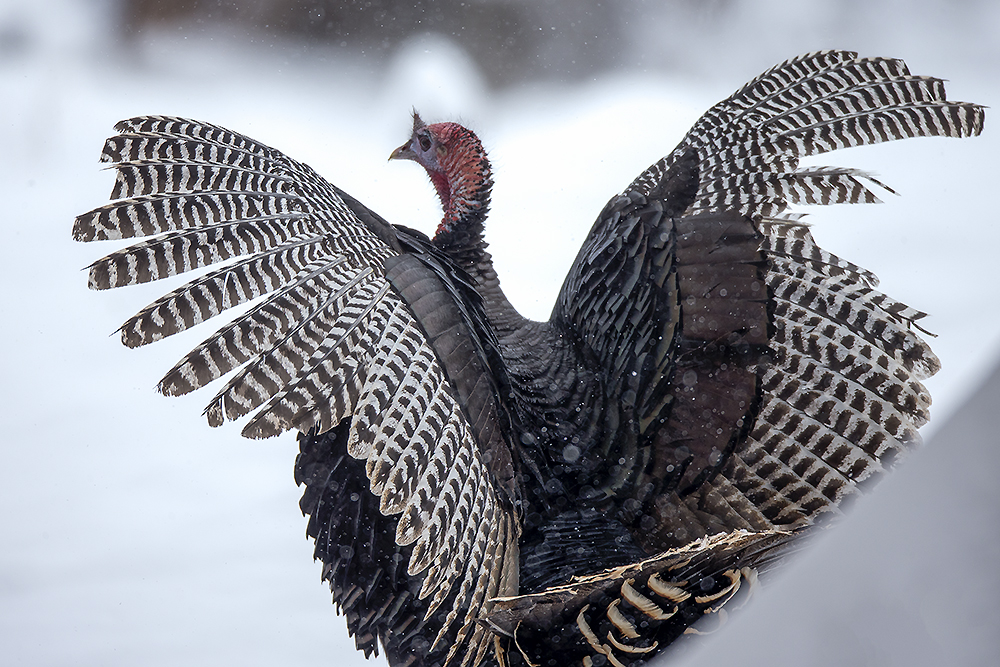
As spring arrives, wild turkey behavior changes dramatically. What was once quiet flock movement becomes structured display. Males begin to strut—fans fully spread, wings lowered, bodies expanded—turning open ground into a stage. These displays are not random. They are signals of strength, health, and dominance within the flock.
Hierarchy becomes more visible during this period. Dominant toms claim priority in breeding access, while subordinate males adjust their behavior around them. This structure reduces constant conflict and creates order within the group. It mirrors broader dynamics explored in behavioral ecology systems, where social organization improves survival and reproductive success.
Outside of breeding season, that intensity fades. Flocks reorganize, and behavior becomes more cooperative and less competitive. Feeding, movement, and roosting return to a shared rhythm. These seasonal shifts are tied directly to environmental pressure—food availability, weather, and predation risk—linking behavior back to the larger ecological system.
What makes wild turkeys unique is how visible these patterns are. Their behavior is not hidden in dense cover or distant terrain. It plays out in open space, where posture, movement, and timing can all be observed clearly. The more time you spend with them, the more you realize that every action—every display, every pause, every shift in position—is part of a larger pattern unfolding in real time.
Conservation: One of North America’s Greatest Wildlife Comebacks
Wild turkeys are one of the clearest examples I’ve seen of what happens when conservation aligns with how nature actually works. At one point, populations had dropped to critically low levels—habitat loss and unregulated hunting had pushed them close to disappearing from large parts of their range.
Their recovery didn’t come from a single solution. It came from rebuilding the system—protecting habitat, restoring forest structure, regulating hunting, and reintroducing birds into areas where they had been lost. This integrated approach reflects the principles found in wildlife conservation and habitat management, where long-term success depends on restoring ecological balance rather than focusing on a single species.
Today, wild turkeys are found across most of North America, occupying forests, farmland, and even suburban areas. Their return is not just a population increase—it is a signal that large portions of the landscape are functioning again at a meaningful level.
But that success does not remove pressure. Habitat fragmentation, climate shifts, and human expansion continue to shape how and where turkeys can live. Their story is not finished—it is ongoing. And like most conservation stories, it depends on whether we continue to support the systems that made their recovery possible in the first place.
Seasonal Patterns: Movement Without Migration
Wild turkeys don’t migrate in the traditional sense, but they are far from static. What I see in the field is constant adjustment—small shifts in range driven by food, weather, and pressure. They move within a home range rather than across continents, but those movements are just as important to how they survive.
In spring, movement tightens around breeding areas. Males establish display zones, while hens begin nesting in carefully selected ground cover. As summer progresses, flocks spread out slightly, following food availability and raising young across a wider area.
Fall and winter bring another shift. Flocks regroup, often forming larger, more stable groups. Movement becomes more predictable, focused on reliable food sources like mast and protected roosting areas. These seasonal adjustments align closely with patterns outlined in the seasonal wildlife calendar, where behavior changes are tied directly to environmental conditions.
What makes wild turkeys interesting is that their movement is local but highly responsive. They don’t leave the system—they stay within it and adjust continuously. That makes them a strong indicator species for understanding how seasonal change affects wildlife at a landscape level.
Naturepedia Connection — Understanding the Wild Turkey in the Larger System
The wild turkey makes the most sense when it is understood as a systems species. In the field, it connects forest structure, edge habitat, mast production, insect abundance, predator pressure, flock behavior, and seasonal timing into one visible pattern. What looks like a familiar bird on the surface is actually a highly responsive participant in a much larger ecological network.
That is why I connect the wild turkey not just to a single species page, but to a broader framework of understanding. It belongs within the larger wildlife layer of the site, while also opening into behavior and ecology, ecosystem structure, conservation, and seasonal patterns.
Wild turkeys also help reveal how edge systems function across North America. They depend on the overlap between woods and openings, on the relationship between roost and forage, and on the ability of a landscape to provide both cover and visibility. When those conditions hold, turkeys thrive. When they break down, the species becomes harder to sustain.
This is how I’ve built the site: species connected to habitat, habitat connected to behavior, and behavior connected to the larger intelligence of living systems. To continue deeper, explore the full Naturepedia Wildlife Knowledge System, where wildlife is organized as a connected ecological structure rather than a collection of isolated pages.
Frequently Asked Questions — Wild Turkey
Where do wild turkeys live?
Wild turkeys live across most of North America in mixed habitats—mature forests for roosting combined with nearby openings such as fields, meadows, or forest edges for feeding.
What do wild turkeys eat?
They are omnivores, feeding on acorns, seeds, grasses, berries, and insects. Their diet shifts seasonally, with mast (like acorns) dominating in fall and insects providing protein in spring and summer.
Can wild turkeys fly?
Yes. Despite their size, wild turkeys are strong short-distance flyers, capable of bursts up to around 50 mph. They typically fly into trees at dusk to roost safely overnight.
Do wild turkeys migrate?
No, they do not migrate long distances. Instead, they shift locally within their home range based on food availability, weather, and seasonal conditions.
How do wild turkeys communicate?
They use a range of vocalizations including gobbles, clucks, purrs, and yelps. These sounds help maintain flock structure, attract mates, and warn of danger.
Why are wild turkeys important to ecosystems?
Wild turkeys help regulate insect populations, disperse seeds, and aerate soil through their foraging behavior. Their presence often indicates a healthy, functioning ecosystem.
Are wild turkeys endangered?
No. After severe population declines in the early 1900s, conservation efforts restored wild turkeys to over 7 million birds across North America. They remain a major conservation success story.
About Robbie George
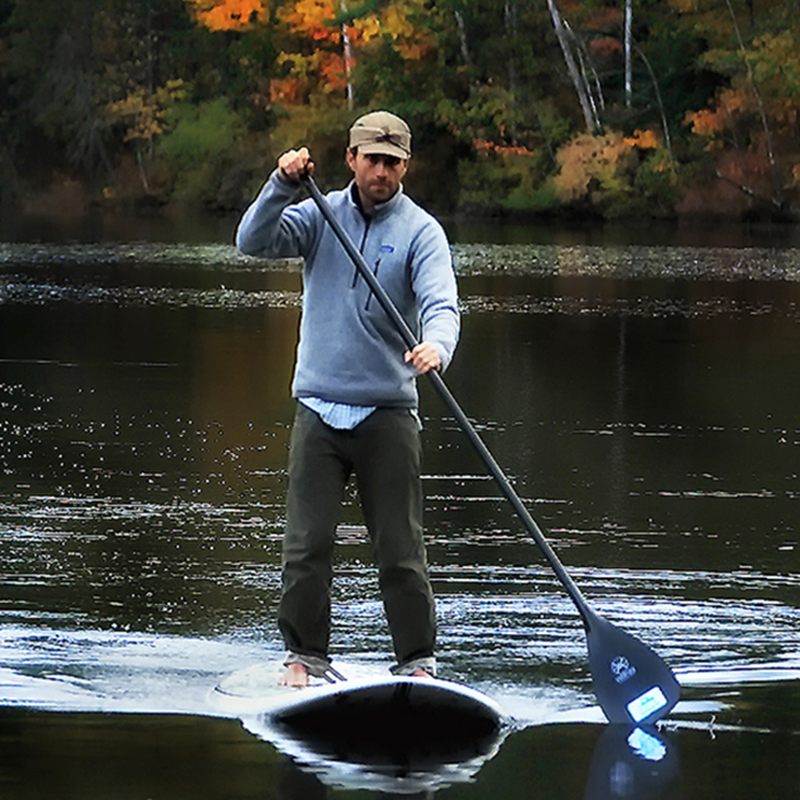
I’m Robbie George, a National Geographic–published wildlife photographer. My work comes from time in the field—returning to the same places across seasons to understand how behavior, habitat, and light come together.
Wild turkeys are one of the species that taught me how important edges are in nature. Forest, field, and transition zones all come together in how they move and survive. That perspective is what shapes how I photograph and how I build the broader Naturepedia Wildlife Knowledge System.
You can explore more field-based work in the Wildlife Gallery, or plan your own time in the field using tools like the Seasonal Wildlife Calendar and Photography Maps.
“The more time you spend at the edge of a system, the more you understand how everything connects.”