


Bison vs. Buffalo: Facts & Distinctions of American Bison
What I See in the Field — Bison vs. Buffalo
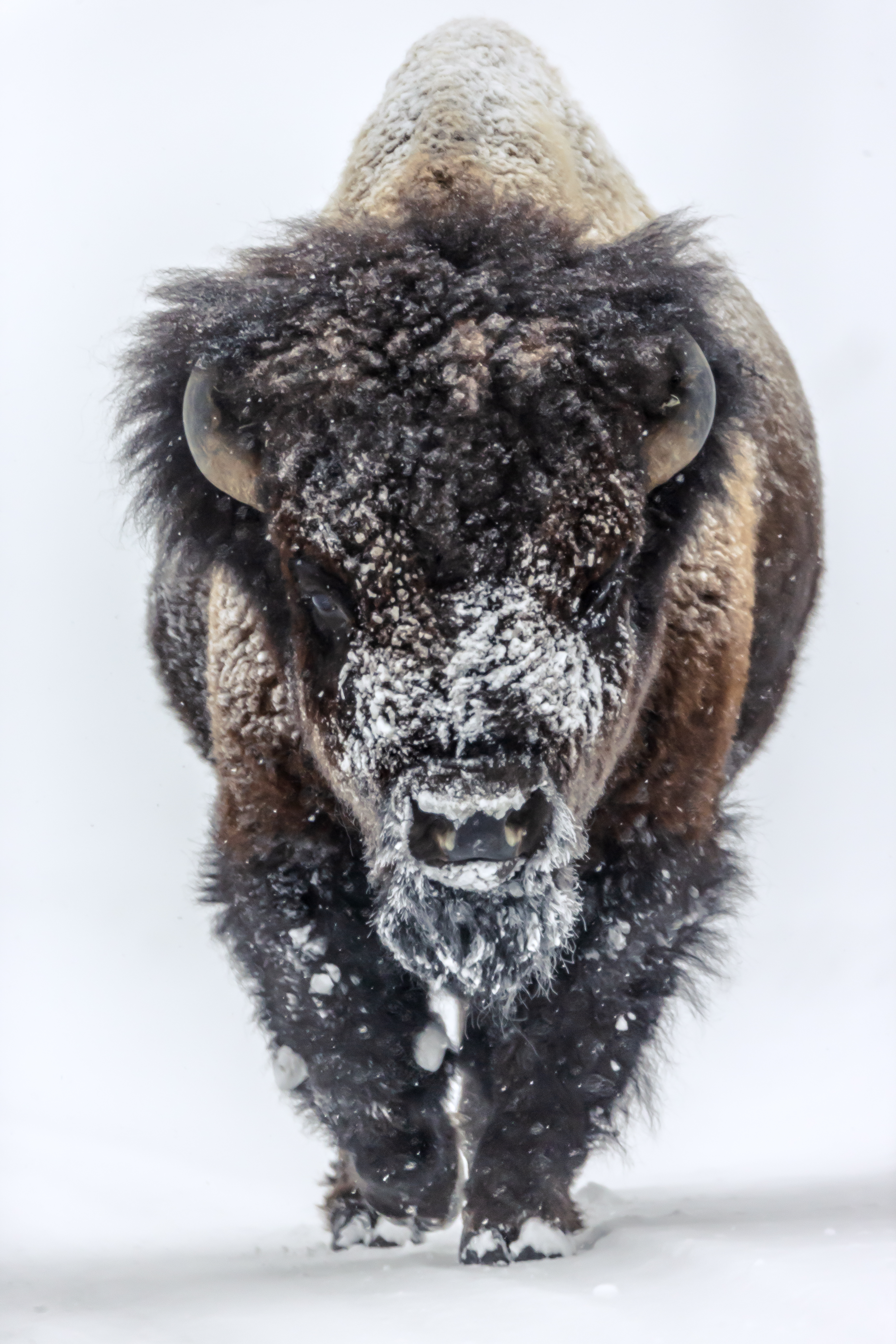
When I’m out in the field photographing bison, the difference between perception and reality becomes very clear. People call them buffalo—but standing there watching how they move, how they hold space, how they interact with the land… it’s obvious this is a different animal entirely.
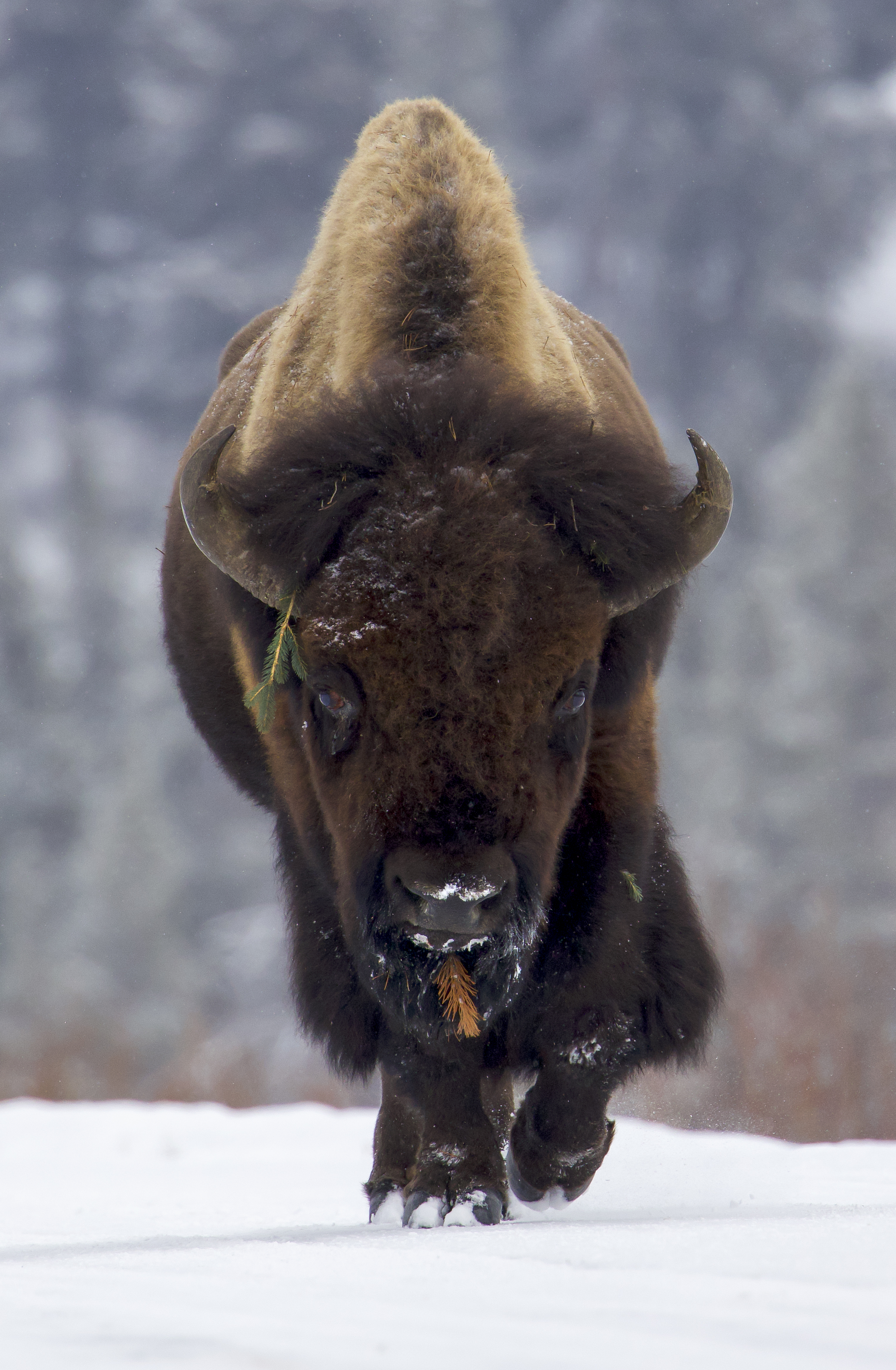
The American bison (Bison bison) is built for North America. You see it immediately in the massive shoulder hump, the dense winter coat, and the way they push through snow rather than avoid it. This is an animal shaped by cold, distance, and open terrain—not wetlands or tropical grasslands like true buffalo.
Understanding that distinction matters, especially if you’re trying to read behavior in the field. What you’re seeing isn’t just an animal—it’s a living system participant, interacting constantly with behavior, terrain, and season.
This is where the confusion between “bison” and “buffalo” breaks down. In the field, the land tells you the truth—if you’re paying attention.
Explore This Guide
This guide connects into the broader system: Mammals of North America, Behavior & Ecology, Ecosystems, and Conservation.
Explore the full system in Naturepedia.
Core Behavior — How Bison Move, Read the Land, and Hold Space
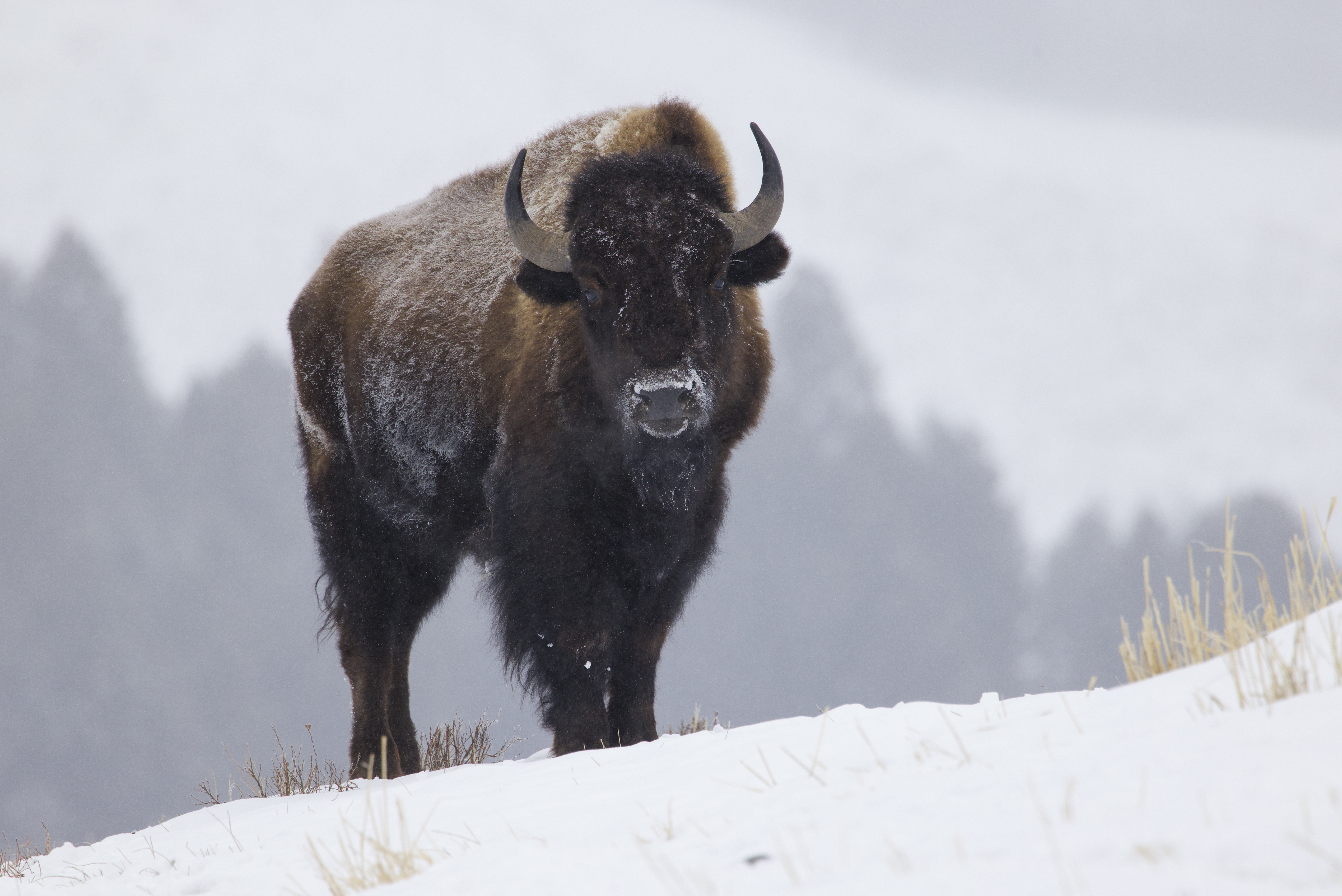
When I watch bison in the field, what stands out first is how deliberate they are. They do not move with wasted energy. Even in winter, when conditions are harsh and the landscape feels stripped down to its essentials, bison carry themselves with steadiness. That rhythm is part of what makes them so well adapted to the open plains, valleys, and cold interior landscapes of North America.
Bison are highly social grazers that rely on group awareness, body positioning, and collective movement. A herd is never random. Individuals constantly read one another, adjusting spacing, direction, and pace as they move across the land. This is one reason they are so important within wildlife systems and ecology: their behavior shapes trails, grazing pressure, and even how other species use the same terrain.
Their physical design supports that behavior. The large shoulder hump powers the head and neck, allowing bison to sweep snow aside and reach forage below. Their dense coat helps them remain active through severe weather rather than retreat from it. In places where winter defines survival, this matters. It also ties directly into broader patterns of adaptation and survival across the continent.
Bison also communicate constantly through posture, proximity, vocalizations, and movement. A lowered head, a pause in stride, a shift in the herd’s line—these all mean something. Reading that behavior is essential for photography and field observation. It is one of the reasons I place so much value on patient watching rather than rushing an encounter. The more time you spend with them, the more clearly you see that their behavior is not blunt or chaotic. It is structured, responsive, and ecological.
That is also why bison belong in a larger conversation about wildlife behavior and ecology. They are not just large mammals occupying space. They are active participants in how grasslands function, how seasonal resources are used, and how the land remains biologically dynamic over time.
Habitat — Where Bison Live and Why It Matters
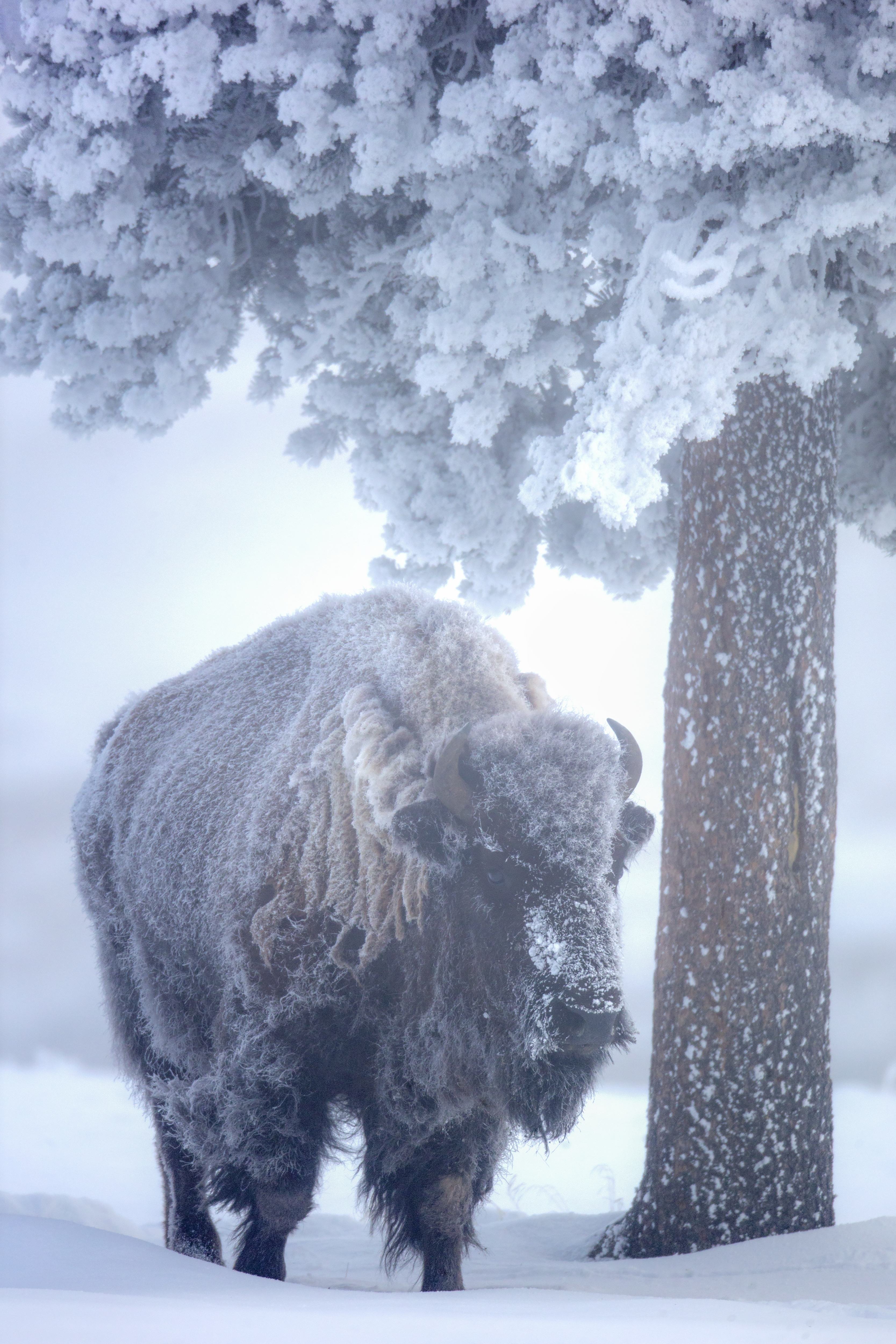
In my field experience, bison are inseparable from open space. You don’t find them tucked into dense forest or fragmented terrain—they belong to landscapes that breathe. Wide grasslands, rolling valleys, geothermal basins, and high plains are where they operate best. These environments allow for movement, visibility, and seasonal flexibility.
Historically, bison ranged across much of North America—from the interior plains to parts of the eastern woodlands. Today, their strongest wildhold remains in places like Yellowstone, where they still move across large, connected landscapes shaped by elevation, weather, and geothermal influence.
What defines good bison habitat isn’t just grass—it’s scale. They require room to move seasonally, shifting between grazing areas depending on snow depth, forage availability, and pressure from weather. This is why habitat fragmentation is such a major issue in modern wildlife conservation. Without connected land, their natural movement patterns break down.
Bison also interact directly with the structure of their habitat. Their grazing patterns prevent overgrowth, their movement opens corridors, and their wallows create microhabitats that support insects and plant diversity. This is why they are considered a keystone presence within North American ecosystems.
When you’re in the field with them, you start to see that they don’t just live in the habitat—they actively shape it. The land you’re looking at is, in part, a result of their presence over time.
Diet — What Bison Eat and How They Feed the System
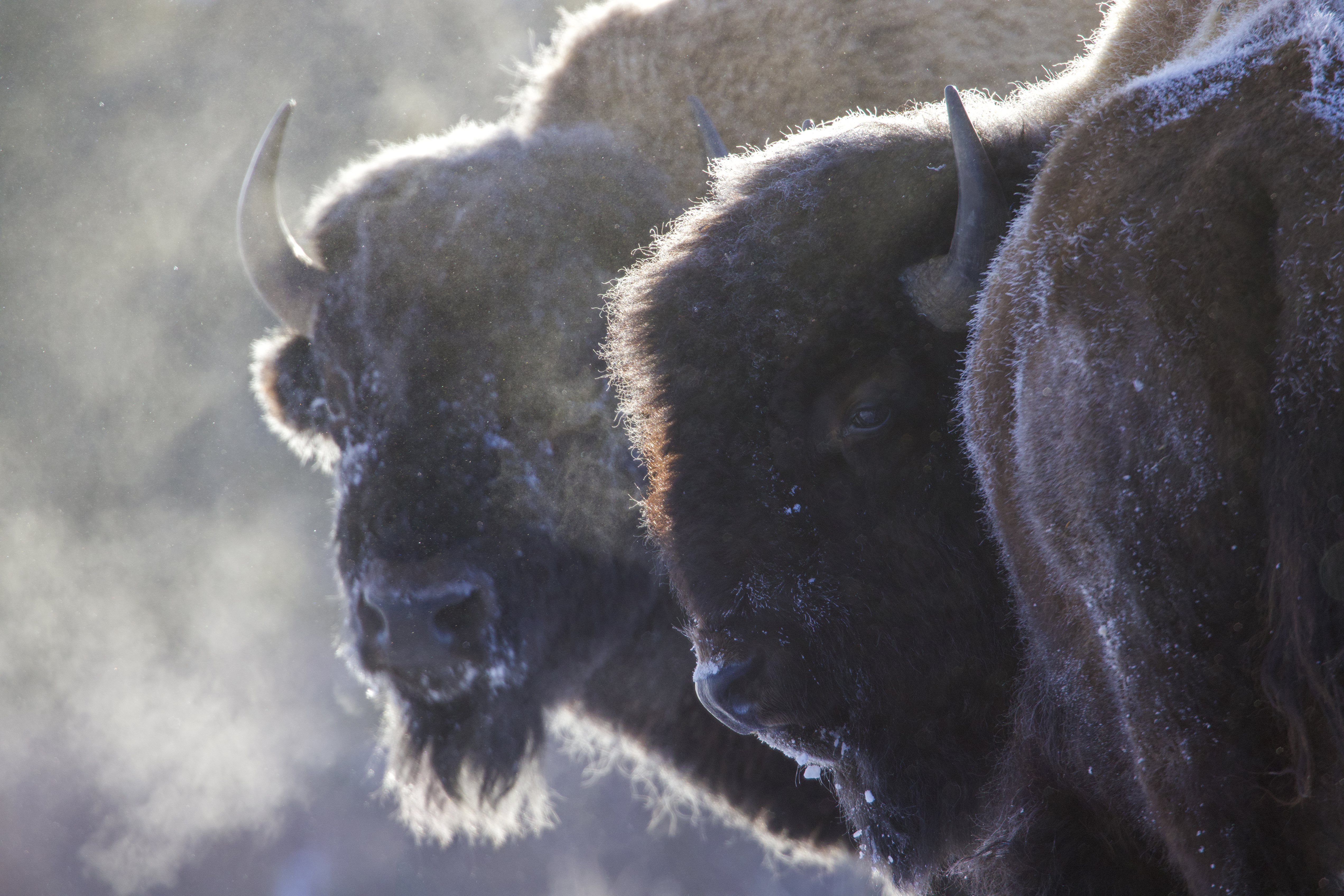
One of the most important things I’ve observed in the field is that bison are not selective grazers in the way people might expect. They are efficient, consistent, and deeply tied to the availability of grasses across the landscape. Their diet is primarily made up of native grasses, sedges, and forbs—plants that dominate open prairie and high-elevation valleys.
In winter, this becomes even more apparent. I’ve watched bison use the strength of their head and neck to sweep snow aside, exposing buried vegetation beneath. Unlike many species that migrate away from harsh conditions, bison stay and work through them. That ability is directly tied to how they feed—it allows them to remain present in environments where other grazers would struggle.
Their feeding behavior also plays a critical role in shaping food webs and ecological relationships. By grazing in a moving pattern, they prevent overuse of a single area, allowing grasses to regenerate naturally. This movement supports long-term plant health and contributes to overall biodiversity across the system.
What’s equally important is what happens after they eat. Their waste returns nutrients directly to the soil, feeding microorganisms and supporting plant regrowth. This constant cycle—consume, move, fertilize—is one of the reasons bison are so tightly connected to biodiversity and ecosystem balance.
In the field, it becomes clear that bison are not just eating from the land—they are actively participating in its renewal. Their diet is not separate from the ecosystem. It is one of the main drivers of how that ecosystem continues to function.
Life Cycle — From Calf to Dominant Bull
Watching bison over time, you begin to understand that their life cycle is not just biological—it’s seasonal, behavioral, and tied directly to the land. Everything from birth timing to herd structure follows patterns that align with grass growth, weather, and movement across the landscape.
Calves are typically born in late spring, when forage is abundant and conditions are more stable. These young bison—often called “red dogs” because of their lighter coat—can stand and move shortly after birth. That early mobility is critical in open environments where staying with the herd is essential for protection.
As they grow, their role within the herd begins to take shape. Females tend to remain within maternal groups, while males gradually separate as they mature. Over time, young bulls begin testing strength, engaging in sparring behavior that prepares them for future dominance during breeding seasons.
By the time a bull reaches full maturity, its physical presence is unmistakable—larger frame, heavier front build, and a more assertive posture. During the rut, these bulls compete for access to females, using strength displays and controlled aggression rather than constant conflict. This is a clear example of structured behavior tied directly to wildlife behavior and ecology.
What stands out most in the field is how each stage of life connects back to the system. Birth aligns with food availability. Growth aligns with herd structure. Maturity aligns with reproduction cycles. It’s not random—it’s integrated into the larger rhythm of seasonal change.
That’s what makes the bison life cycle so powerful to observe—it’s a clear example of how a species stays synchronized with its environment over time.
Conservation — From Near Extinction to Recovery
Standing in the field today, it’s hard to imagine that the American bison was once pushed to the edge of extinction. In the late 1800s, their numbers dropped from tens of millions to just a few hundred individuals. This wasn’t a natural decline—it was driven by overhunting, habitat loss, and deliberate removal tied to westward expansion.
What we see now is the result of one of the most important recovery efforts in North American history. Through a combination of protected lands, tribal-led restoration, and conservation programs, bison populations have rebounded. Places like Yellowstone serve as critical strongholds where bison still live and move as wild animals.
But conservation is not just about numbers—it’s about restoring function. Bison need space to move, graze, and interact with the land the way they historically did. Without that, they become confined populations rather than fully functioning ecological contributors. This is why habitat connectivity remains a central issue in wildlife conservation and habitat management.
There are also ongoing challenges. Many herds outside protected areas are managed in ways that limit natural movement. Genetic purity is another concern, with some populations affected by historic crossbreeding with cattle. These are complex issues that require long-term, coordinated solutions across public, private, and tribal lands.
From what I’ve seen in the field, the most successful conservation efforts are the ones that restore relationship—not just population size. When bison are allowed to move freely across connected landscapes, they begin to function as they were meant to, contributing back into ecosystem balance and biodiversity.
That’s the real goal—not just saving the species, but restoring the role it plays in the larger system.
Seasonal Patterns — How Bison Move Through the Year
One of the most important things I’ve learned watching bison over time is that their movement is seasonal, not random. They are constantly responding to changing conditions—snow depth, forage availability, temperature shifts, and pressure across the landscape. What looks like wandering is actually structured movement tied directly to the rhythm of the year.
In winter, bison tend to move into areas where snow is shallower or easier to break through. I’ve seen them use wind-scoured ridges, geothermal zones, and lower elevations to access buried grasses. Their ability to stay active in harsh conditions is one of the reasons they remain present year-round instead of fully migrating out of range.
As spring arrives, movement shifts again. Calving season aligns with the emergence of new plant growth, and herds spread into areas where forage is fresh and abundant. This connection between birth timing and food availability is tightly linked to broader seasonal wildlife patterns across North America.
Summer brings more stable movement, with herds following grazing cycles across open landscapes. By fall, behavior begins to shift again as the rut approaches and bulls become more active within herd structures. Each season introduces a different layer of behavior, but it all stays connected to the same underlying system.
This is why bison are such a strong example of how species interact with nature’s seasonal cycles. They don’t resist change—they move with it. Their patterns reflect the land itself, adjusting continuously while maintaining long-term stability.
When you spend enough time observing them, you start to see that the herd is essentially tracking the landscape through time—responding to conditions in a way that keeps both the animals and the ecosystem in balance.
Naturepedia Connection — Understanding the American Bison in the Larger System
From everything I’ve observed in the field, the American bison is not just a species—it’s a system driver. Its behavior, movement, and feeding patterns directly influence grassland structure, soil health, and how other species interact with the landscape. When bison move, the land responds.
They connect directly into larger ecological layers: habitat through open plains and valleys, behavior through herd dynamics and seasonal movement, and ecosystem function through grazing and nutrient cycling. This is why they are often considered a keystone presence within ecosystems of North America.
What becomes clear over time is that you can’t isolate the bison from the system it lives in. To understand the species, you have to understand: how it feeds, how it moves, how it interacts with behavior and ecology, and how it contributes to conservation and habitat health.
This is exactly how I’ve structured the broader system—connecting species into: category, behavior, ecosystems, and conservation.
The bison is one of the clearest examples of how those layers come together into a functioning whole.
To explore this deeper, continue into the Naturepedia system.
Frequently Asked Questions — American Bison vs. Buffalo
What is the difference between a bison and a buffalo?
American bison and true buffalo are completely different species. Bison are native to North America and have a large shoulder hump, thick winter coat, and shorter curved horns. True buffalo—such as African cape buffalo and Asian water buffalo—live in different environments and lack the pronounced hump.
Where can you see wild bison today?
Wild bison can still be observed in places like Yellowstone, as well as other protected areas and tribal lands across North America. These locations provide the large, connected landscapes bison need to move naturally.
Why are bison important to ecosystems?
Bison play a major role in maintaining grassland ecosystems. Their grazing patterns help regenerate plant growth, their movement distributes nutrients, and their behavior creates habitat diversity. This is why they are considered a key species in ecosystem balance.
Are bison dangerous to humans?
Yes—bison are large, powerful wild animals and should always be observed from a safe distance. They can run faster than humans and will defend themselves if they feel threatened. In the field, maintaining distance and reading behavior is critical.
Are all bison genetically pure today?
No. Some populations have been affected by historic crossbreeding with cattle. However, certain herds—especially those in protected areas—maintain a high level of genetic integrity. Conservation efforts are focused on preserving these populations.
About Robbie George
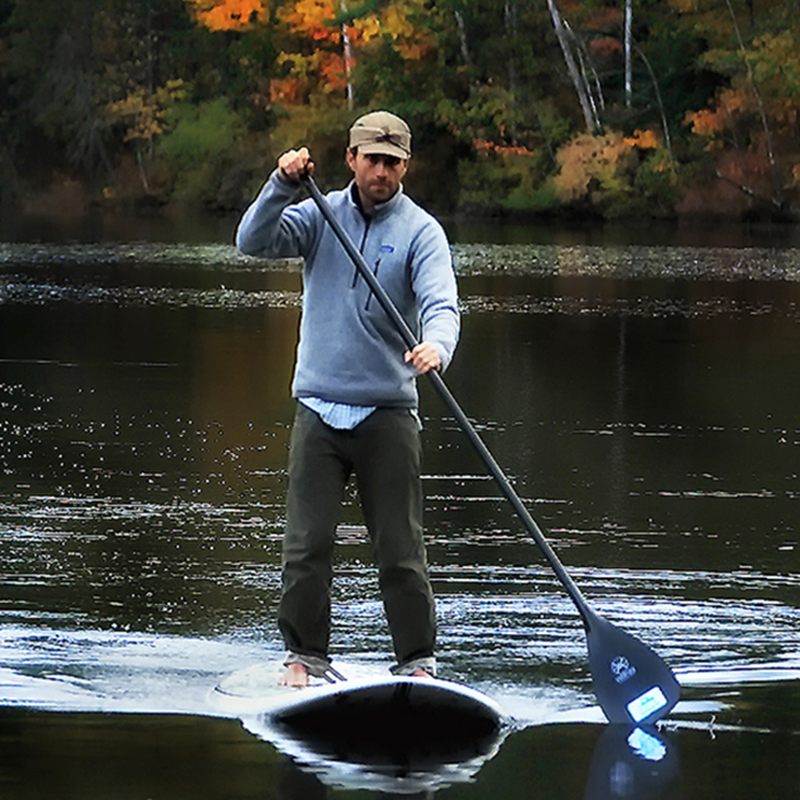
I’m Robbie George, a National Geographic–published wildlife photographer. My work is built through repeated time in the field—returning to landscapes across seasons to understand how animals move, feed, and interact with the systems around them.
Bison are one of the clearest examples of how a species shapes the land it lives in. Watching them over time, you begin to see how their movement, grazing, and herd structure connect directly to grassland health and ecological balance. That perspective carries into how I build the broader Naturepedia Wildlife Knowledge System—linking species to behavior, habitat, and ecosystem function.
You can explore more field-based work in the Wildlife Gallery, or plan your own time in the field using tools like the Seasonal Wildlife Calendar and Photography Maps.
“Bison teach you that the land is not separate from the animal—the two are constantly shaping each other.”





Social Behavior — Herd Structure and Communication
One of the most consistent things I’ve observed in the field is that bison are never operating as isolated individuals. Everything they do is tied to the herd. Even when spacing increases across open terrain, there’s still a constant awareness—visual, spatial, and behavioral—that keeps the group connected.
Herd structure is not random. Females and calves typically form the core group, while mature bulls move more independently outside of the breeding season. When the rut begins, those bulls re-enter the herd and establish dominance through controlled displays—posturing, vocalizations, and physical presence rather than constant fighting.
Communication happens constantly, but it’s subtle. A shift in body angle, a pause in movement, a change in spacing—these are all signals. Once you start paying attention, you realize the herd is operating as a coordinated system rather than a loose collection of animals. This is a strong example of how species function within ecological relationships and group dynamics.
Protection is also built into that structure. When calves are present and a threat is detected, adults will reposition to form a defensive grouping. I’ve seen herds tighten instantly—young animals pulled inward, adults outward. It happens quickly, without chaos, because the behavior is ingrained.
This social organization is one of the reasons bison are so effective at surviving in open environments. It allows them to respond collectively to changing conditions—whether that’s weather, predators, or movement across terrain. It’s not just behavior—it’s a system that supports long-term survival across North American wildlife systems.