
Wildlife Photography: Mastering the Art with Robbie George
Field Context — What I See Before I Ever Press the Shutter
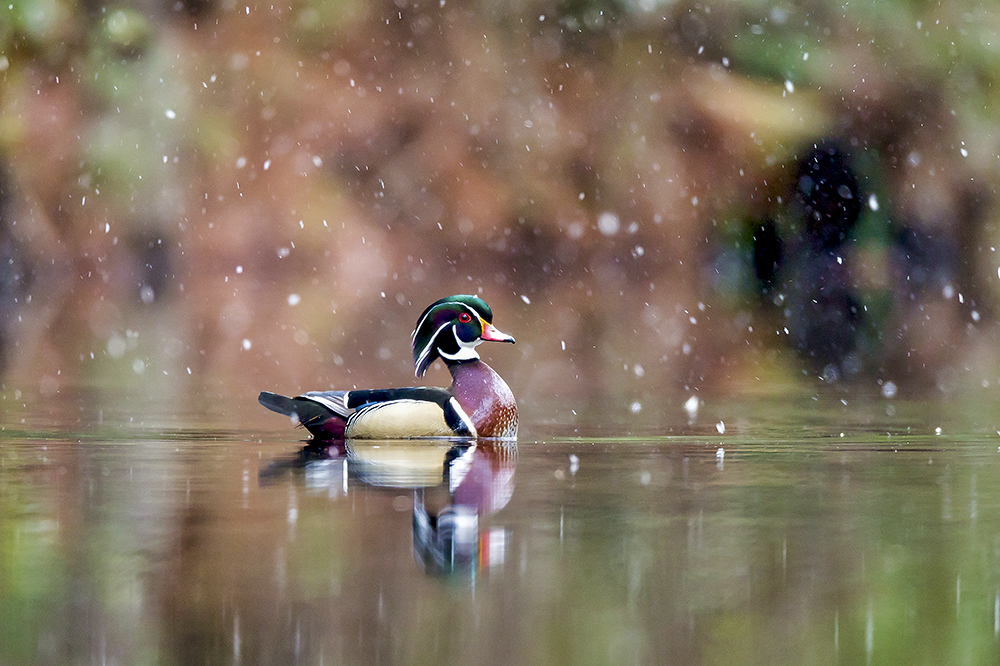
When I arrive at a scene like this, I’m asking a simple set of questions before I do anything else. Where is the bird in relation to cover? Is it feeding, drifting, alert, or repositioning? Is its movement smooth and unbroken, or is it making small corrections because it has noticed me? Those answers tell me whether I am entering a photographable situation or a situation I need to back away from.
What I see here is a wood duck holding calm, fluid movement across protected water in early light. The posture is low and natural. The body is not lifted in alarm. The path is steady. That tells me the bird is not under immediate pressure. It also tells me the scene is fragile. Calm behavior can vanish quickly if I close distance too aggressively or shift my angle at the wrong time.
What it means is that my first responsibility is not composition. It is preserving the conditions that made the moment possible. Soft light, quiet water, and an undisturbed subject are not just visual advantages. They are field conditions built on restraint. If I want the photograph to stay honest, I have to let the bird keep writing the scene.
So what do I do next? I stay patient. I hold position or improve it only in a way that does not change the bird’s line of travel. I avoid sudden movement. I watch for any tightening in posture, head raise, or directional change. And I remind myself of the rule that matters most in the field: if my presence changes the behavior, I’ve already gone too far.
“The first picture is rarely made with the camera. It is made when you understand what the wild is allowing.” ~ Robbie George
Reading Behavior — What the Animal Is Telling Me Before the Image Exists
Before I ever think about composition, I’m reading behavior. The camera stays secondary. What matters first is understanding what the animal is doing — and more importantly, what it is about to do.
With a wood duck like this, the signals are subtle but precise. The glide across the water tells me movement is relaxed and energy-efficient. There’s no abrupt directional change, no tightening in posture, no elevated head scanning for threat. The spacing between the bird and shoreline cover is consistent — not closing fast, not retreating. That consistency is everything.
What I’m watching for are the small shifts:
A slight lift of the head = awareness increasing
A pause in forward glide = evaluating surroundings
A turn toward cover = preparing to disengage
Acceleration or wing tension = imminent movement or escape
Right now, none of those signals are present. That tells me something critical: I am not influencing the behavior yet. The bird is still operating within its natural rhythm. That is the only time a wildlife photograph is truly honest.
Behavior always comes before the image. If I misread this moment — if I move too quickly or close distance at the wrong angle — the behavior changes instantly. And once behavior changes, the photograph stops being a document of the wild and becomes a reaction to me.
That’s the difference most people miss. Wildlife photography is not about finding animals. It’s about reading signals early enough to avoid becoming part of the story.
“If the animal changes because of you, you’re no longer observing — you’re interrupting.” ~ Robbie George
Decision Making — When I Stay, When I Shift, and When I Leave
Once I have read the behavior, the next step is decision-making. This is where wildlife photography becomes fieldcraft. I am no longer asking, Can I get the image? I am asking, What is the correct move for the animal, the habitat, and the integrity of the moment?
In a scene like this, my first option is usually to stay. If the wood duck is holding calm posture, steady movement, and natural spacing, then the best decision is often to do less. I let the bird continue its path. I let the light build. I resist the urge to improve the scene by forcing a better angle too early. Many strong images come from restraint, not pursuit.
Sometimes I shift, but only under strict conditions. A small reposition can make sense if I can improve sightline, background, or reflection without crossing the animal’s awareness threshold. That means moving slowly, keeping a predictable profile, and never stepping into the bird’s line of travel. If my adjustment changes the posture, pauses the glide, or pulls the bird toward cover, then the move was wrong.
Waiting is often the most intelligent choice of all. Wildlife reveals more when I stop trying to force resolution. If I already have a calm subject in good habitat and soft light, time usually improves the situation. The bird may turn into better light, pass through cleaner water, or settle into stronger body angle on its own. Waiting protects the truth of the scene.
And then there is the most important decision: leaving. If the animal begins tightening posture, increasing distance, scanning repeatedly, or redirecting because of me, I am done. I do not negotiate with those signals. I do not convince myself that one more frame is harmless. Leaving is part of the craft. In many cases, leaving well is more important than photographing well.
What I choose not to do matters just as much. I do not crowd approach paths. I do not push for eye contact. I do not keep advancing just because the animal has not fully fled. And I do not mistake tolerance for comfort. The right field decision is the one that protects natural behavior first and image-making second.
“Good field decisions make good photographs possible. Bad field decisions make animals pay for our ambition.” ~ Robbie George
Field Technique — How I Position Without Breaking the Moment
Field technique is not about camera settings. It’s about how I exist inside the scene. Where I stand, how I move, and how I use light and terrain determine whether the behavior stays natural or collapses.
With a subject like this wood duck, my positioning starts with distance and angle. I stay outside the bird’s awareness threshold and avoid moving directly toward it. Instead, I work parallel to its movement whenever possible. Parallel movement feels less like pressure. Direct approach feels like intent.
Light is my second anchor. Early morning light is already doing the work — soft, directional, and low. I position so the light travels across the bird rather than flattening it. That means thinking about where the bird is going, not where it is. I’m setting up for the next moment, not reacting to the current one.
Terrain matters more than most people realize. Water, shoreline, reeds, and background distance all shape the image before the shutter is ever pressed. I look for clean water ahead of the bird, not cluttered reflections. I watch for background separation. I use natural cover when available so I am not fully exposed as a moving silhouette.
Patience ties everything together. I don’t chase alignment. I let alignment happen. When the bird moves into better light, cleaner water, or stronger angle, that is the moment I’ve been preparing for. Good field technique removes the need to force anything.
The goal is simple: position in a way that the animal never has to respond to me. If I’ve done that correctly, the scene continues unfolding on its own — and the photograph becomes a natural result instead of an interruption.
“The best position is the one the animal never notices.” ~ Robbie George
Photography Layer — When the Image Finally Emerges
Only after behavior is understood and positioning is correct does the photograph begin to matter. By this point, most of the work is already done. The animal is calm. The light is aligned. The scene is unfolding naturally. The camera is simply there to receive what the field has already built.
In a moment like this, I’m watching for subtle refinements rather than dramatic action. A slight turn of the head. A cleaner reflection. A smoother line through the water. These small adjustments are what elevate the image from a record to something that feels alive.
Composition becomes intuitive at this stage. I’m not forcing framing — I’m allowing the bird’s movement to define it. Space in front of the subject, balance in the water, and the relationship between subject and environment all come together without pressure. The image builds itself when the conditions are right.
Timing is quiet, not reactive. I’m not firing constantly. I’m waiting for alignment — when posture, light, and placement converge into a single coherent moment. That might last a second, or less. But when it happens, it feels obvious. The field gives a clear signal.
What matters most is that nothing about the image feels forced. The bird is still behaving naturally. The environment remains undisturbed. The photograph reflects what was already there — not something created by intrusion.
“The image doesn’t come from the camera — it comes from everything you did right before you used it.” ~ Robbie George
Ethics & Boundaries — Where the Photograph Must Stop
Every wildlife encounter is governed by an invisible boundary. The animal defines it, not me. My responsibility is to recognize that boundary early — and never cross it for the sake of an image.
Distance is the first rule. If I am close enough to influence behavior, I am too close. With birds like this wood duck, the margin is often smaller than people realize. A slight shift in body angle, a pause in movement, or a turn toward cover can all signal that pressure is building. I treat those signals as a stop sign, not a suggestion.
Pressure is cumulative. It doesn’t always show up immediately. An animal may tolerate presence for a short time before adjusting its behavior. That delayed response is where many photographers make mistakes. Just because the subject hasn’t fled doesn’t mean it is unaffected. Ethical fieldcraft requires me to think ahead, not react after the damage is done.
Seasonal sensitivity matters just as much. During nesting, breeding, or early life stages, the threshold for disturbance is far lower. What might be acceptable at one time of year becomes harmful at another. I don’t treat all encounters equally. I adjust based on what the animal is going through.
There are also things I simply do not do. I don’t bait. I don’t call animals in. I don’t push for interaction. I don’t block movement paths. And I don’t stay once behavior changes. The moment the animal begins responding to me instead of its environment, the encounter is over.
The best wildlife photographers are not the ones who get closest. They are the ones who leave the scene exactly as they found it — with behavior intact and habitat undisturbed. The photograph is never worth more than the well-being of the animal.
“If the animal remembers you, you stayed too long.” ~ Robbie George
Naturepedia Connection — Fieldcraft, Behavior, and Living Systems
This moment with a wood duck is not isolated. It sits inside a larger system — one that connects behavior, habitat, seasonal timing, and ecological balance. What I observe in the field always traces back to something deeper.
Behavior
Calm glide, low posture, and steady movement signal low stress and natural activity. These are the behavioral windows where wildlife photography becomes observation rather than interference.
→ Explore Wildlife BehaviorSpecies
Wood ducks rely on quiet wetland edges, tree cavities, and protected water. Their behavior is tightly linked to cover, breeding cycles, and food availability.
→ Waterfowl & Wetland BirdsHabitat
Wetlands, slow rivers, and sheltered shorelines create the conditions for calm movement and reflection. Habitat structure defines how animals behave long before we arrive.
→ Habitat SystemsGeography
Location shapes everything — from water clarity to human pressure. Knowing where to observe is as important as knowing how.
→ Observation LocationsSeasonal Timing
Early morning light and seasonal cycles influence feeding, movement, and visibility. Timing is often the difference between forcing a shot and receiving one.
→ Seasonal Wildlife CalendarConservation
Ethical distance, habitat protection, and awareness of pressure ensure that these behaviors continue. Photography should support the system, not stress it.
→ Conservation & Habitat🔗 Explore the full system: Naturepedia Wildlife Knowledge System
Frequently Asked Questions — Wildlife Photography, Fieldcraft, and Ethics
1. What matters most in wildlife photography?
Reading behavior matters most. Before composition or timing, I need to understand what the animal is doing, what that behavior means, and whether my presence is changing it.
2. How do you know when to stay or leave?
I stay when posture remains relaxed, movement stays natural, and the animal is still following its own rhythm. I leave when body language tightens, spacing changes, or the animal begins reacting to me instead of its environment.
3. What makes a wildlife photograph honest?
An honest photograph comes from undisturbed behavior. If the animal is calm, the habitat is intact, and the moment is unfolding without pressure from me, the image reflects reality rather than reaction.
4. Do you need expensive gear to photograph wildlife well?
Good fieldcraft matters more than expensive gear. Distance, restraint, timing, and positioning create strong images long before camera equipment makes a difference.
5. Why is ethical distance so important?
Ethical distance protects natural behavior. It reduces stress, preserves feeding or travel patterns, and keeps the encounter centered on the animal instead of the photographer.
6. How does seasonal timing improve wildlife photography?
Seasonal timing helps me understand when certain behaviors are likely to happen. Migration, breeding, feeding windows, and early morning light all shape when the field is most active and most photographable.
About Robbie George
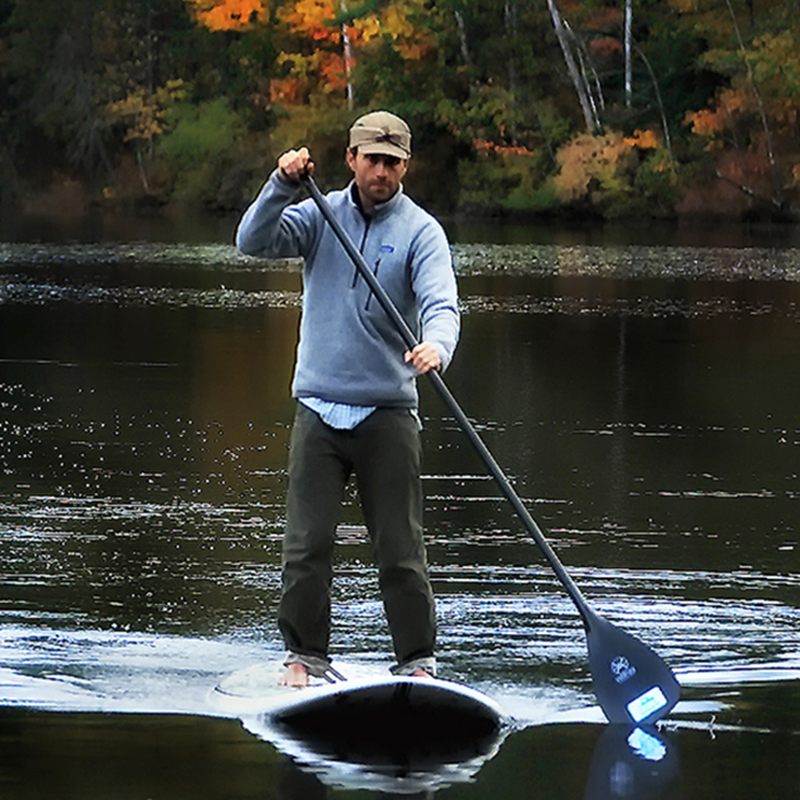
I’m Robbie George, a National Geographic–published photographer whose wildlife work is built on fieldcraft, behavioral reading, patience, and restraint. My approach begins long before the shutter — by studying posture, spacing, habitat, light, and the small signals that reveal whether an animal is calm, alert, feeding, traveling, or under pressure.
Over time, that practice has grown into a larger system across my site: connecting wildlife photography, Naturepedia, seasonal timing, field locations, conservation, and deeper ecological understanding. I treat each encounter as part of a living network — where species, habitat, geography, and time all shape what becomes possible in the field.
My method is simple: distance first, habitat always. The goal is never to force a photograph, but to move through the wild carefully enough that the behavior remains honest. When that happens, the image carries something real — not just beauty, but trust.
Explore more through the Seasonal Wildlife Calendar, Photography Maps, Wildlife Observation & Field Techniques, and the broader Signature Series.
“Attention first, image second. The shutter is the period at the end of a sentence you learned by walking.”