
The Spiritual Essence of Nature: A Journey Through Robbie George's Photography
Introduction: Nature as Spirit, Stillness as Teacher
Every time I step into the wild, I am reminded that nature is more than landscape—it is language. A sacred form of communication that doesn’t speak in syllables, but in resonance. In those quiet, breath-held moments before the shutter clicks, I feel I’ve been invited into something far older and wiser than myself.
This isn’t about photography as performance. It’s about The Living Code of the Earth—a rhythmic intelligence that reveals itself only to those who slow down long enough to listen. As I’ve explored in my reflections on quintessence, there’s a fifth element woven through nature’s form: spirit. And when the camera becomes still enough, it catches that spirit mid-flight.
“When you align your lens with the soul of the Earth, you begin to photograph not just what’s seen—but what’s sacred.”
~ Robbie George
Nature and Spiritual Presence in the Field
When I’m in the field, something shifts. Time slows. The world no longer demands; it invites. The wind becomes a whisper. The light, a prayer. These moments aren’t accidents. They’re openings—thin places where the boundary between spirit and earth softens just enough to be felt, and sometimes seen.
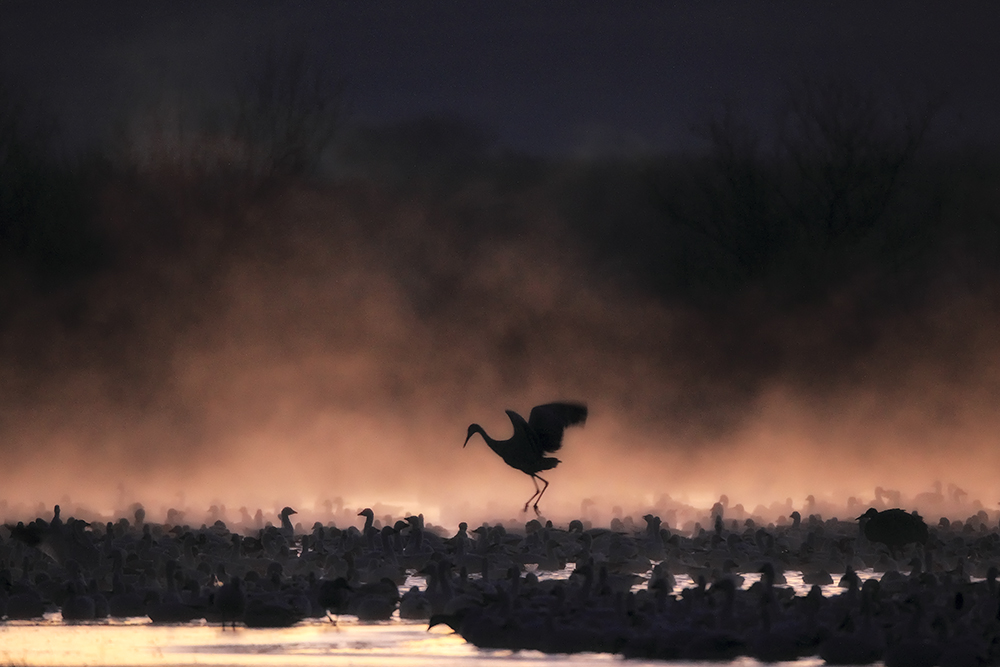
In those quiet pauses, when a sandhill crane crosses a golden marsh or fog lifts from the forest floor, I don’t feel like I’m “taking” a picture—I feel like I’m receiving a message. Photography, at its best, is a form of communion. It brings me into rhythm with something larger, something timeless. It’s why I believe nature itself is a spiritual teacher—and every image is a form of listening.
I explore this idea more deeply in my post on Nature Deficit Disorder, where I reflect on how disconnection from the wild isn’t just a physical loss—it’s a spiritual one. Reentering nature allows us to restore not just our bodies, but our awareness of sacred reciprocity.
Forest Bathing and the Healing Role of Stillness
Stillness is not the absence of movement—it’s the presence of awareness. In Japanese culture, this is known as Shinrin-yoku, or forest bathing: the mindful immersion into nature’s subtle textures, sounds, and scents. But you don’t have to be deep in a forest to receive its medicine. You only need to slow down long enough to feel it.
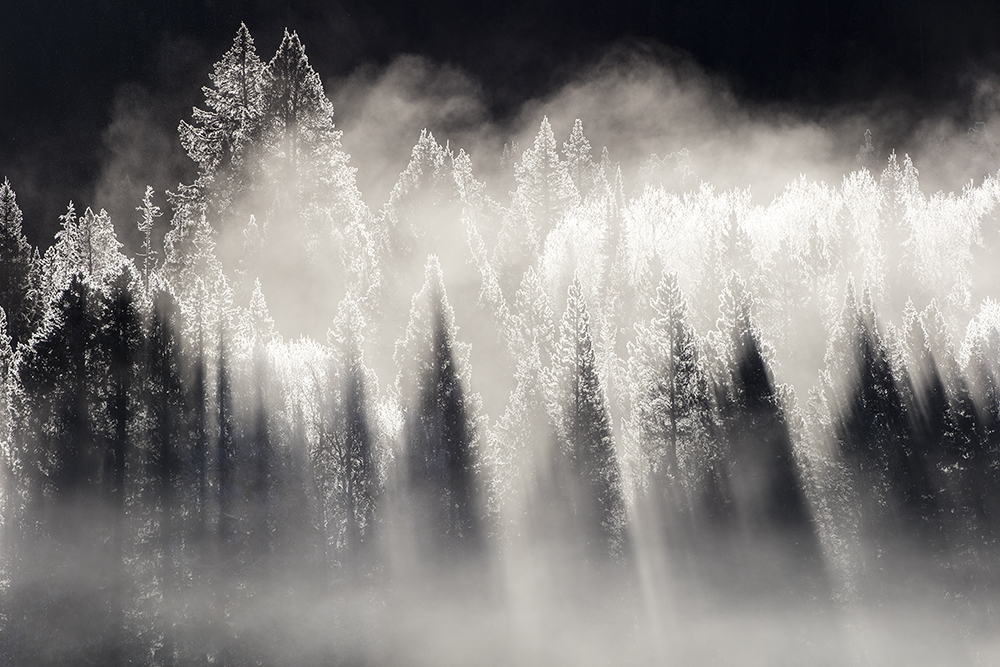
When I’m photographing a snowy woodland at dawn, I’m not just composing an image—I’m breathing with the land. The fog becomes part of the prayer. The branches, outstretched in silence, teach me how to wait. I’ve come to believe that stillness is the sacred soil in which spiritual presence grows. From this stillness, insight and healing rise like morning mist.
In Nature Sounds: Embracing Calm and Serenity, I shared how each natural sound is a tuning fork for the soul. Here, in the hush of a winter forest, sound gives way to silence. And that silence—if you truly listen—can guide you home.
Ancestral Memory and the Spiritual Symbolism of Nature
Long before cameras or carbon footprints, our ancestors knew how to listen to the Earth. They read the wind. They followed the stars. They interpreted the spirals in ferns and the migration of birds as sacred signs. Nature wasn’t scenery—it was scripture. And every leaf, howl, and shadow held meaning.
When I walk with my camera, I walk with them. I feel their presence in the way light drapes over a mountainside or the way a lone tree bends toward the sun. This work is not just artistic—it’s ancestral. It carries echoes of an old remembering, one I’ve explored in The Wisdom of the Egyptians, where sacred geometry, celestial cycles, and elemental forces converge into visual prayer.
I believe we still carry this ancestral connection to nature. It lives in our bones. In the way we feel reverence at the sight of a hawk overhead. Or how a red maple in autumn stops us mid-thought. These are not coincidences. They are cues—reminders—that nature still speaks the same language our ancestors once heard. Photography, for me, is a way of translating that ancient voice into modern light.
Patience, Intuition, and the Sacred Timing of the Wild
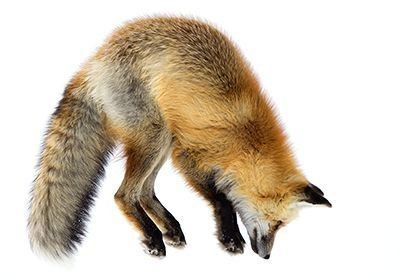
Wild beauty rarely arrives on our timeline. It teaches us instead to wait, to observe, to trust. That fox emerging at twilight… the eagle catching light just before disappearing into fog—these aren’t planned moments. They’re spiritual offerings. You must be present long before they appear, and still long after they’ve gone.
That’s why patience is the first discipline of the wild. And intuition is the second. I’ve stood for hours in silence, not because I’m waiting for a shot—but because I’m listening for permission. I speak more about this in The Wisdom of the Photonic Moment, where light itself becomes the spiritual gatekeeper. Sometimes the shutter opens because I’m ready. Sometimes because the landscape is.
Over time, I’ve learned that intuition isn’t a hunch—it’s a resonance. It’s the way your breath synchronizes with wind. The way your body pauses without knowing why. It’s how you know to look up, just before the heron lifts off. This sacred timing is something the field teaches you—not in hours, but in seasons. And when it arrives, the camera simply affirms what the soul already felt.
Nature Photography as Modern Petroglyph
Long before ink, humans etched their truth into stone. Petroglyphs weren’t art for beauty’s sake—they were sacred records, infused with meaning, vibration, and time. I often think of my camera as a chisel of light. Each photo I take is an offering to that same lineage of storytellers—only now, the medium is pixels instead of sandstone.
Through animal symbolism, elemental patterns, and natural geometry, the Earth still writes her story. As a photographer, I don’t claim to author it—I only translate. In the swirl of a hawk’s flight or the symmetry of a snowflake, I see reminders of what ancient ones already knew: nature is not separate from soul, it is the soul speaking.
This is why I believe nature photography belongs in sacred spaces—in homes, studios, healing rooms. Not because it decorates, but because it remembers. It holds the echo of something eternal. Just as ancient rock carvings preserved cosmologies and visions for future generations, each photograph today can serve as a visual glyph of presence, balance, and reverence.
The Call to Reconnect — Spirit, Stillness, and Soul
Every photograph I take is less about what I see, and more about what I feel. It’s a practice of tuning in—of slowing down long enough to notice the sacred revealing itself in the folds of a mountainside or the shimmer of light on a crane’s wings.
This work has become my daily form of meditation, my soul’s way of keeping rhythm with the Earth. It’s not just about preserving beauty—it’s about honoring presence. And in that presence, the camera becomes more than a tool. It becomes a bridge between this world and the one we can only feel when we’re still.
In a time when noise dominates and attention is scattered, nature’s call to stillness is revolutionary. I believe this is the true gift of nature photography—not to escape reality, but to reenter it through the doorway of spirit. This is the reconnection we all crave. And it’s waiting for us—in the wind, the fog, the light… and yes, in the photograph.
Ready to Walk a Little Slower with the Earth?
If this journey into nature’s spiritual essence resonated with you, I invite you to continue exploring the sacred language of the Earth through my collections and writings. Each image and word is a thread, stitched from stillness, intuition, and reverence.
📸 Wander the visual rhythms in my Nature Photography gallery
🦉 Explore deeper reflections in Animals as Spirit Guides
🌿 Discover the Living Code woven through wild places
🔮 Revisit ancient wisdom in Quintessence
Let these sacred frames be more than images. Let them be gateways. Let them bring you home.
Naturepedia Connections
This article is part of the broader Naturepedia system—an interconnected knowledge base exploring how wildlife, ecosystems, and natural awareness emerge through real-world observation, timing, and field experience.
- Naturepedia — The Wildlife & Ecology Knowledge System
- Wildlife Behavior & Ecology — How Animals Interact with Their Environment
- Ecosystems of North America — Landscapes That Shape Life
- Seasonal Wildlife Calendar — Timing, Migration, and Observation
- Wildlife Photography — Field-Based Observation Through the Lens
- Landscape Photography — Reading Light, Weather, and Place
- Wildlife Photography Maps — Where to Observe Nature in the Field
Explore Fine-Art Prints
Bring the season home—browse Wildlife, Landscapes, and Seascapes by National Geographic–published photographer Robbie George. See framing, editions, and care on the Collectors page.
 Landscape
 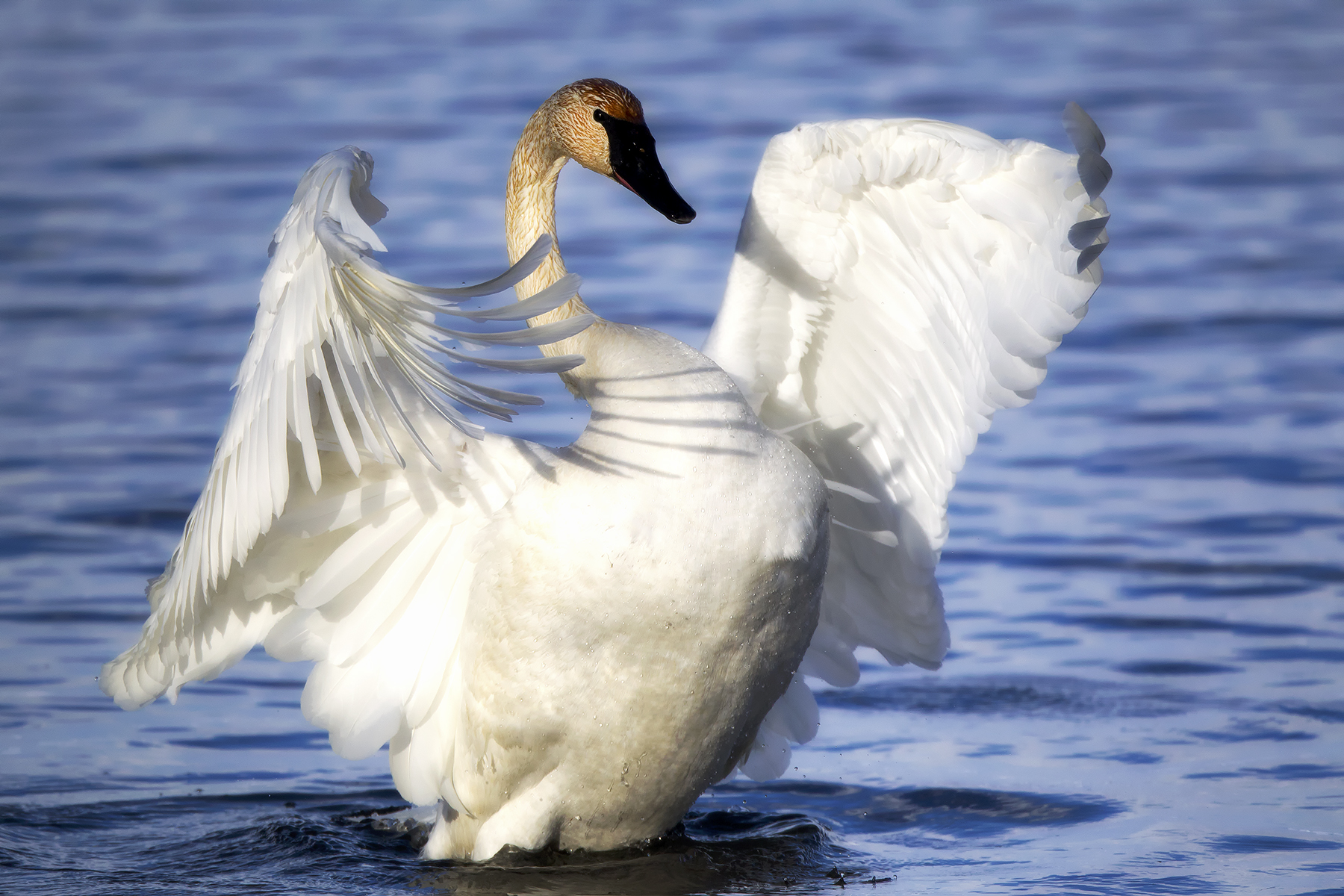 Wildlife
 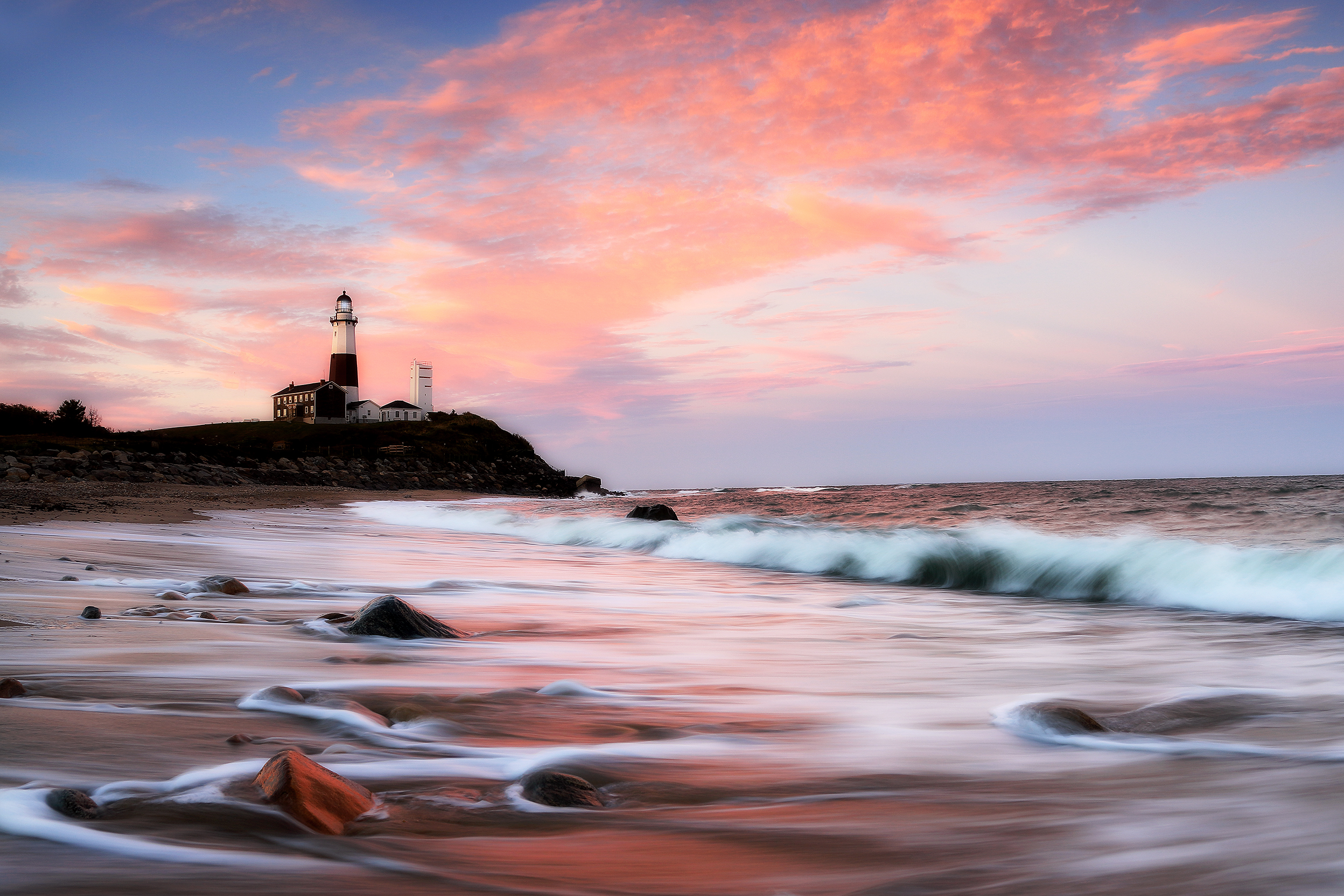 Seascapes
About Robbie George
Robbie George is a National Geographic–published photographer and resonant naturalist. His fieldcraft follows a simple ethic—distance first, habitat always— shaped by Slow Knowledge and the Signature Series.
Explore calm, undisturbed behavior in the Wildlife Gallery or plan your next trip with the Seasonal Wildlife Calendar, Golden Hour & Moon, and Photography Maps.
“Attention first, image second. The shutter is the period at the end of a sentence you learned by walking.”
FAQs: Nature Photography, Stillness, and Field Observation
1. What is nature photography beyond just taking pictures?
Nature photography is the practice of observing light, behavior, and environment in real conditions. It’s less about capturing an image and more about understanding how a moment forms—through timing, weather, and movement in the field.
2. How does being in nature improve awareness and focus?
Spending time in nature slows your pace and sharpens observation. You begin to notice patterns—wind direction, animal movement, shifting light—which improves both photography and overall awareness.
3. What is forest bathing and how does it relate to photography?
Forest bathing is the practice of immersing yourself in a natural environment without distraction. For photographers, it improves patience, composition, and the ability to recognize subtle moments worth capturing.
4. Why is patience important in wildlife and landscape photography?
Natural moments don’t happen on demand. Waiting allows you to align with real conditions—light, behavior, and timing—which leads to stronger and more authentic images.
5. Can photography help someone reconnect with nature?
Yes. Photography encourages you to slow down, observe closely, and spend time outdoors. Over time, this builds a deeper connection to ecosystems, wildlife, and seasonal change.