
River Otter | A Guide to the North American River Otter
An Aquatic Specialist — Movement, Play, and Precision in Water
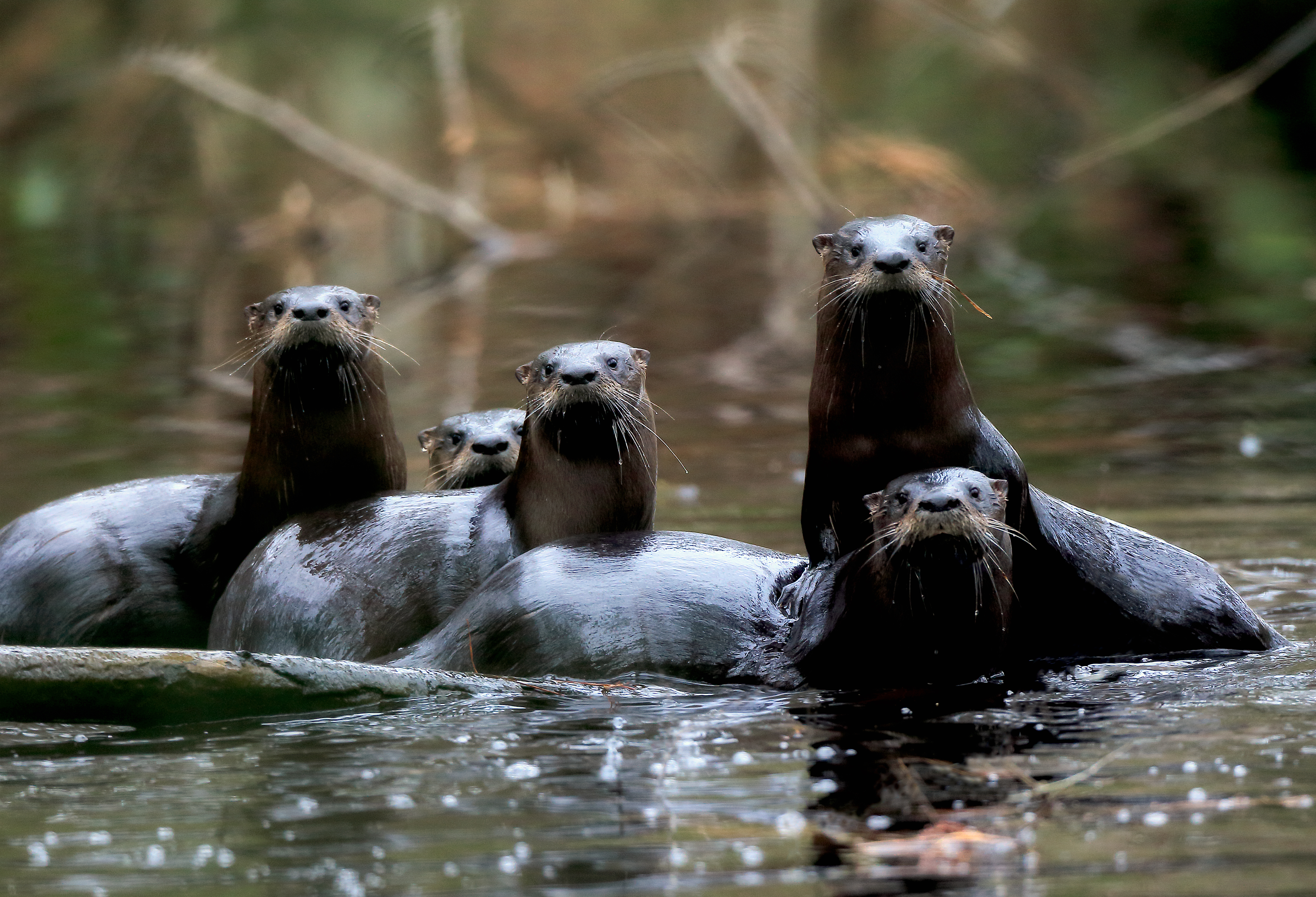
River otters are completely different from most mammals you encounter in the field. Their behavior is defined by water—how they move through it, hunt within it, and use it as both protection and pathway. On land they are capable. In water they are dominant.
What stands out most is how efficiently they transition between environments. I’ve watched otters move from shoreline to current in seconds, diving, resurfacing, and changing direction with almost no resistance. Their bodies are built for this—long, flexible, and responsive to flow.
In wildlife behavior and ecology, river otters represent a specialized predator—one that relies on aquatic awareness, underwater hunting, and environmental sensitivity rather than speed across open terrain.
Across ecosystems of North America, their presence is often tied to water quality and prey availability. Where otters thrive, the system around them is usually functioning well.
An Aquatic Specialist — Movement, Play, and Precision in Water
River otters are completely different from most mammals you encounter in the field. Their behavior is defined by water—how they move through it, hunt within it, and use it as both protection and pathway. On land they are capable. In water they are dominant.
What stands out most is how efficiently they transition between environments. I’ve watched otters move from shoreline to current in seconds, diving, resurfacing, and changing direction with almost no resistance. Their bodies are built for this—long, flexible, and responsive to flow.
In wildlife behavior and ecology, river otters represent a specialized predator—one that relies on aquatic awareness, underwater hunting, and environmental sensitivity rather than speed across open terrain.
Across ecosystems of North America, their presence is often tied to water quality and prey availability. Where otters thrive, the system around them is usually functioning well.
Jump to a Section
Explore river otter behavior, habitat, diet, life cycle, aquatic ecology, conservation, seasonal patterns, and its place in the larger Naturepedia system.
Habitat — Rivers, Wetlands, and Coastal Systems
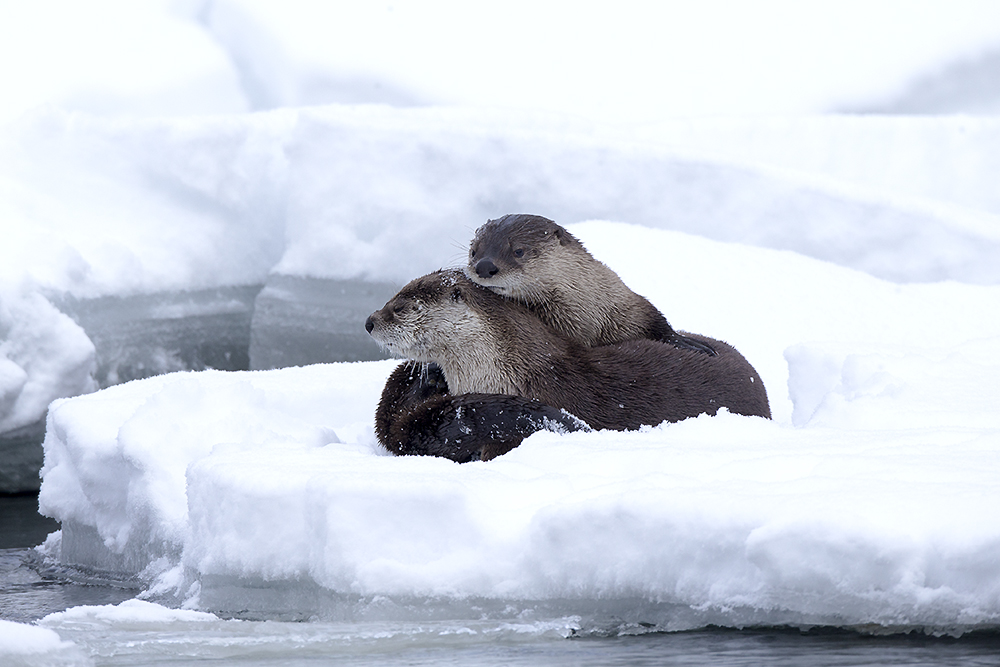
River otters are tied closely to water, but not to a single type of environment. I’ve seen them in mountain streams, quiet lakes, marsh systems, and coastal estuaries. What matters most is not the specific location—it’s the condition of the water and the availability of food.
They prefer waterways with clean, oxygen-rich conditions and stable shoreline structure. Vegetated banks, fallen trees, and undisturbed edges provide resting areas and access points to the water. Dens are often placed near these zones, sometimes in abandoned burrows or natural cavities.
Their range extends across most of North America, from northern regions down through the United States and into parts of Mexico. They are equally capable of living inland or along coastal systems, adjusting their behavior to freshwater or tidal environments.
Across habitats and ecosystem zones, river otters are closely linked to water health. Where they are present, it’s often a sign that the surrounding system is functioning well.
Diet — Fish, Amphibians, and Aquatic Prey
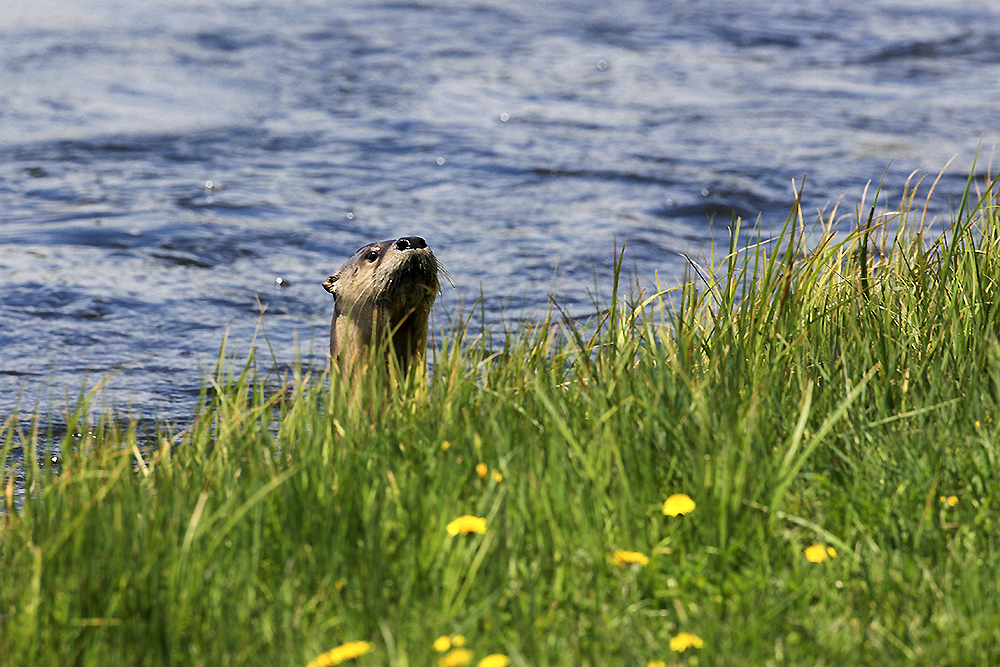
River otters are primarily fish hunters, but their diet is more flexible than it might seem. From what I’ve observed and documented, they adjust what they eat based on season, water conditions, and what is most available in their environment.
Fish make up the majority of their diet, especially slower-moving or easier-to-capture species. They also consume amphibians, crustaceans, and occasionally small mammals or birds. In colder months, when fish behavior changes, otters often shift toward whatever prey remains accessible.
Their hunting style is built around underwater agility. They rely on speed, maneuverability, and awareness rather than ambush from cover. Watching them hunt is very different from land predators—it’s continuous movement rather than pause-and-strike.
Within ecological food webs, river otters function as upper-level aquatic predators, helping regulate fish and amphibian populations while contributing to overall ecosystem balance.
Life Cycle — Delayed Implantation and Raising Young
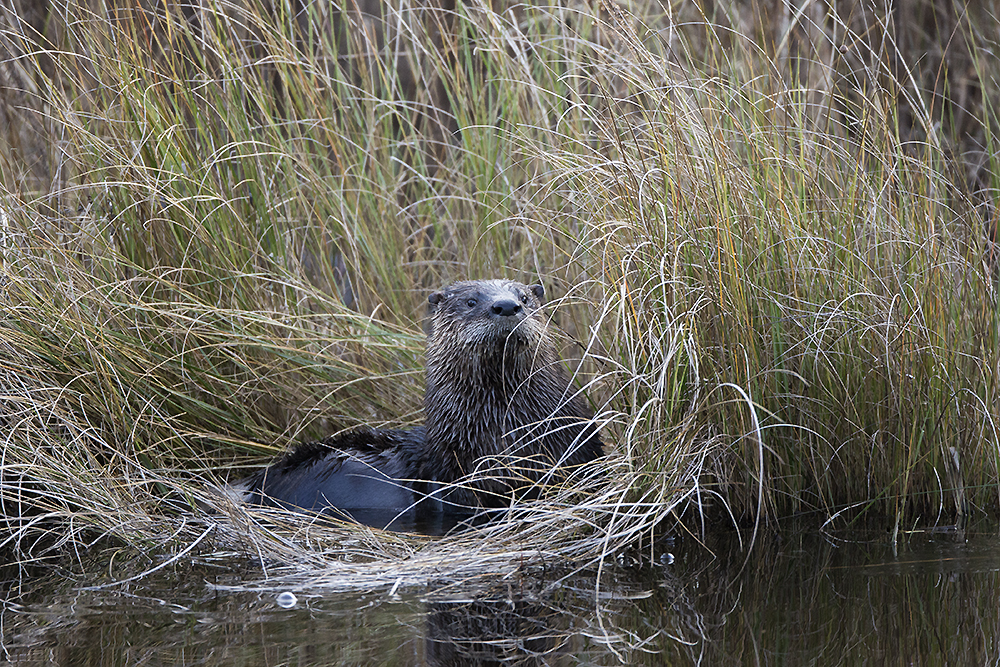
River otters follow a life cycle that is closely tied to seasonal timing and water conditions. One of the most unique aspects of their biology is delayed implantation—a process where the fertilized egg does not immediately develop, allowing birth to occur when environmental conditions are most favorable.
Breeding typically happens in late winter or early spring, but pups are usually born later, once conditions support survival. Litters are often raised in dens near water, using natural cover such as burrows, hollow logs, or abandoned structures.
The female raises the pups on her own. Early on, they are completely dependent—blind and unable to swim. Over time, she teaches them how to move through water, hunt, and navigate currents. Watching this process in the field is one of the clearest examples of learned survival behavior in mammals.
Pups typically stay with their mother for several months before dispersing. This period is critical for learning coordination, hunting techniques, and environmental awareness—skills that determine long-term survival.
This life cycle reflects broader adaptation and survival systems, where timing, development, and environmental alignment all play a role in sustaining the species.
Life Cycle — Delayed Implantation and Raising Young
River otters follow a life cycle that is closely tied to seasonal timing and water conditions. One of the most unique aspects of their biology is delayed implantation—a process where the fertilized egg does not immediately develop, allowing birth to occur when environmental conditions are most favorable.
Breeding typically happens in late winter or early spring, but pups are usually born later, once conditions support survival. Litters are often raised in dens near water, using natural cover such as burrows, hollow logs, or abandoned structures.
The female raises the pups on her own. Early on, they are completely dependent—blind and unable to swim. Over time, she teaches them how to move through water, hunt, and navigate currents. Watching this process in the field is one of the clearest examples of learned survival behavior in mammals.
Pups typically stay with their mother for several months before dispersing. This period is critical for learning coordination, hunting techniques, and environmental awareness—skills that determine long-term survival.
This life cycle reflects broader adaptation and survival systems, where timing, development, and environmental alignment all play a role in sustaining the species.
Conservation — Recovery, Water Quality, and Habitat Protection
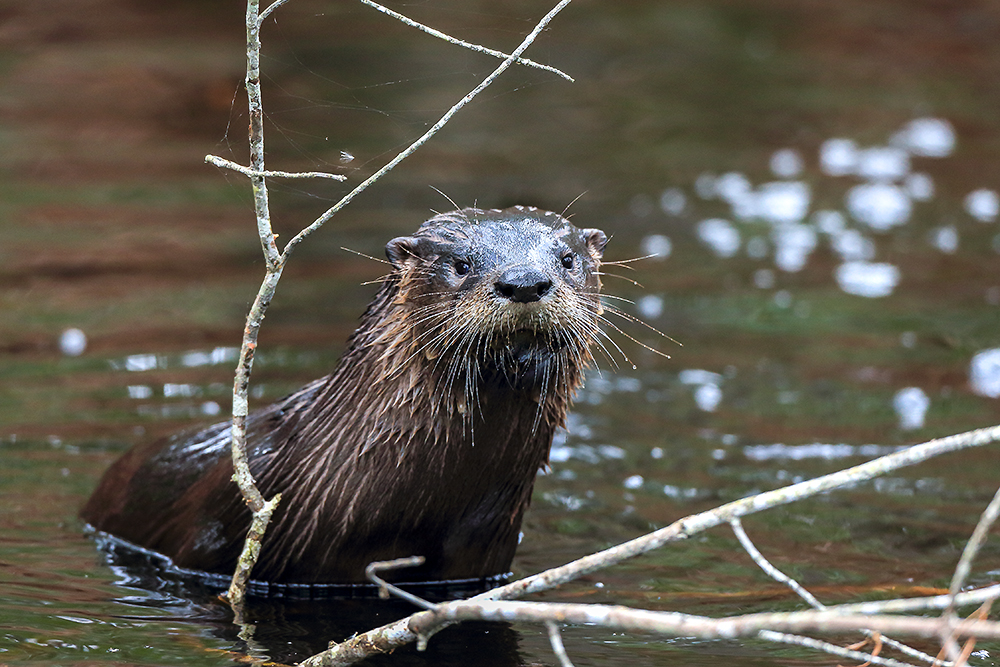
River otters are one of the clearer conservation success stories in North America, but their recovery didn’t happen by chance. In the past, heavy trapping, water pollution, and habitat loss reduced their populations across large parts of their range.
As water quality improved and reintroduction programs were implemented, otters began returning to rivers, wetlands, and coastal systems where they had once disappeared. Their comeback reflects broader ecosystem recovery—not just for a single species, but for entire aquatic environments.
Even today, their presence remains tied to clean water and stable habitat. Pollution, runoff, and habitat fragmentation still pose risks. Because otters depend so heavily on healthy waterways, protecting them means protecting the entire system they live within.
Within wildlife conservation and habitat, river otters represent a key principle: when you restore water systems, everything connected to them begins to recover.
Their return to places like Yellowstone, coastal estuaries, and inland wetlands shows what is possible when ecosystems are given the chance to function again. Protecting river otters is ultimately about protecting the flow of life through water itself.
Seasonal Patterns — Movement, Feeding, and Water Conditions
River otters remain active year-round, but their behavior shifts with seasonal changes in water, temperature, and prey availability. Understanding these patterns makes a big difference when observing or photographing them in the field.
In winter, otters continue hunting beneath ice and along open water channels. Tracks, slides, and entry points become more visible in snow, making it one of the best times to study their movement patterns. Their thick fur and high metabolism allow them to remain active even in freezing conditions.
Spring and summer bring increased feeding activity and pup development. Water systems become more active, and otters often use the same shoreline paths repeatedly. This is also one of the best times to observe family groups.
In coastal environments, otter behavior can also shift with tides, adjusting feeding patterns based on water levels and prey movement. Inland, they follow fish activity and seasonal changes in waterways.
These patterns connect directly into wildlife migration and seasonal patterns and your broader seasonal wildlife calendar, where timing often determines both visibility and behavior.
Naturepedia Connection — Understanding the River Otter in the Larger System
The river otter is one of the clearest examples of how species connect directly to ecosystem function. Its life is built around water—movement, feeding, shelter, and survival all tied to the condition of rivers, wetlands, and coastal systems.
Within the mammals of North America layer, the river otter represents aquatic specialization. In wildlife behavior and ecology, it demonstrates how behavior adapts to environment—shifting from land movement to underwater hunting and navigation.
Across ecosystems of North America, river otters act as both predators and indicators of system health. Their presence reflects functioning waterways, balanced food webs, and clean environmental conditions. In wildlife conservation and habitat, they highlight how protecting water systems supports entire ecological networks.
This is how the Naturepedia system is structured—linking species to behavior, behavior to habitat, and habitat to broader environmental systems. The river otter sits at the center of that connection between land, water, and life.
To explore these relationships further, continue into the Naturepedia system.
Frequently Asked Questions About River Otters
What is the scientific name of the river otter?
The North American river otter is scientifically known as Lontra canadensis. It is a semi-aquatic mammal within the mustelid family, closely related to mink and weasels.
Where do river otters live?
River otters live in freshwater rivers, lakes, wetlands, and coastal estuaries across North America. They depend on clean water and access to food, making them closely tied to healthy aquatic environments.
What do river otters eat?
River otters primarily eat fish, but they also consume amphibians, crustaceans, and occasionally birds or small mammals. Their diet shifts depending on season and habitat conditions.
Are river otters active in winter?
Yes. River otters remain active year-round, even in cold climates. They continue hunting under ice and often use snow-covered terrain to travel efficiently between waterways.
Why are river otters important to ecosystems?
River otters help regulate fish populations and contribute to ecological balance. Because they require clean water, their presence is often a sign of a healthy ecosystem.
Are river otters social animals?
River otters are usually solitary or found in small family groups. Mothers raise pups on their own, and young otters stay with them for several months before dispersing.
Can river otters be photographed ethically?
Yes. Ethical photography means keeping distance, avoiding disturbance, and allowing natural behavior to unfold. Patience and awareness are key when observing otters in the wild.
About Robbie George
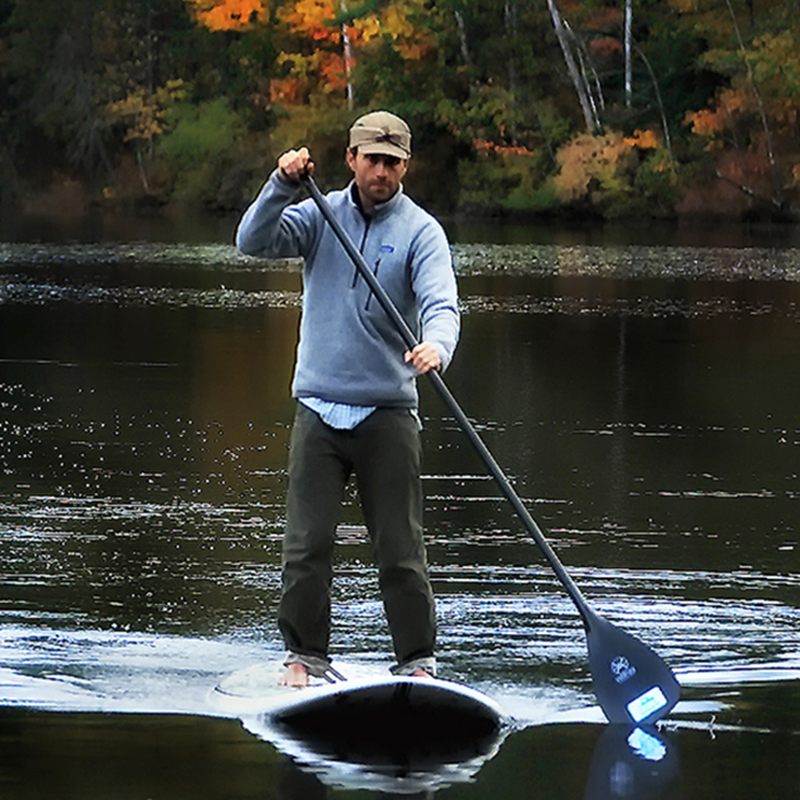
I’m Robbie George, a National Geographic–published wildlife photographer. My work is built through repeated time in the field—returning to landscapes across seasons to understand how animals move, feed, adapt, and belong within the systems around them.
River otters are one of the species that have taught me the most about flow. To photograph them well, you have to understand the water they’re reading—shoreline structure, current, prey movement, and the narrow moments when curiosity brings them briefly into view. That same perspective shapes how I build the broader Naturepedia Wildlife Knowledge System.
You can explore more field-based work in the Wildlife Gallery, or plan your own time in the field using tools like the Seasonal Wildlife Calendar and Photography Maps.
“The river otter teaches you that mastery can look like play—but underneath it is timing, awareness, and complete fluency with the environment.”