


Snowy Owl: Breeding, Migration, Diet & More - All About Bubo Scandiacus
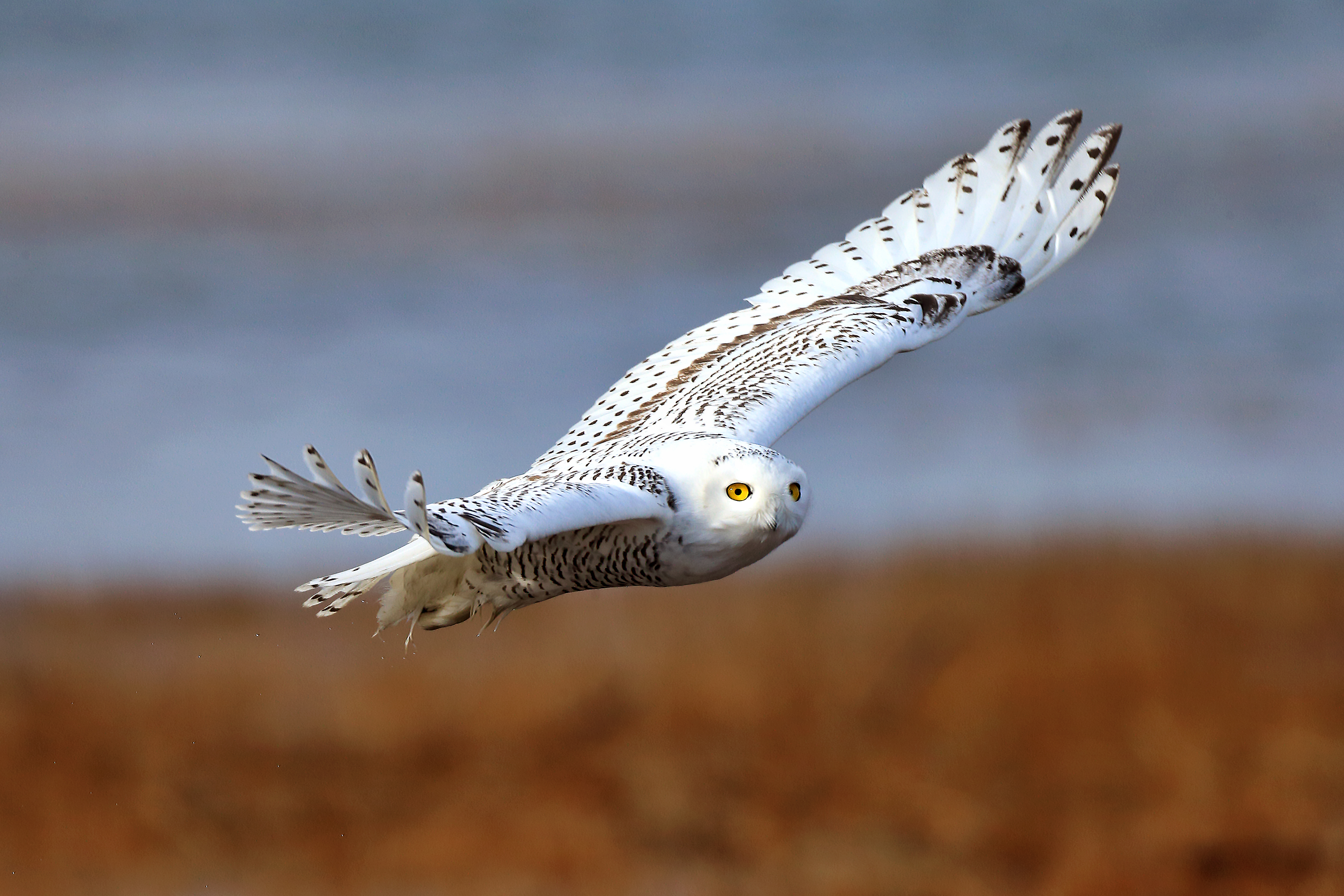
Explore the Snowy Owl Guide
This guide follows the full Naturepedia structure—connecting species to habitat, behavior, geography, season, and conservation. Use the sections below to navigate the Snowy Owl across its full ecological story.
Expand into the full system:
Habitat & Distribution: Life on the Open Tundra
The Snowy Owl is a bird of openness. It belongs to landscapes where visibility stretches for miles—where trees are absent, wind defines the terrain, and survival depends on seeing first and moving efficiently. Its primary home is the Arctic tundra ecosystem, one of the most extreme and specialized environments on Earth.
Across northern Alaska, Canada, Greenland, and Eurasia, these owls occupy vast treeless plains shaped by permafrost, low vegetation, and seasonal light extremes. During summer, the tundra comes alive with breeding activity—long daylight hours allow Snowy Owls to hunt almost continuously, raising young during a narrow but productive window of abundance.
What makes this habitat so important is not just space—it is prey density. Lemming populations fluctuate in cycles, and those cycles directly control Snowy Owl breeding success, movement patterns, and survival rates. This tight relationship between predator and prey is a clear example of how species are shaped by food webs and ecological relationships, not isolated conditions.
Winter Range & Southern Expansion
When winter tightens its grip on the Arctic and prey becomes scarce, some Snowy Owls move south. Unlike predictable migration routes, these movements are irregular and highly dependent on food availability. In certain years, individuals appear far beyond their typical range—reaching coastal New England, the Great Lakes, the Midwest, and even agricultural fields and barrier islands.
In these southern environments, they seek out landscapes that resemble the tundra in structure: open beaches, dunes, airports, frozen lakes, and wide farm fields. The key requirement remains the same—visibility and access to prey. This ability to shift environments while maintaining ecological function highlights their role in adaptation and survival across changing conditions.
Seasonal Context: Why Timing Matters
The presence of Snowy Owls in any given location is inseparable from season. Arctic summer supports breeding. Arctic winter drives movement. Southern sightings often occur between late fall and early spring, aligning with broader patterns tracked in the Seasonal Wildlife Calendar.
Understanding habitat without season creates an incomplete picture. The Snowy Owl is not just a tundra bird—it is a seasonally shifting system participant, moving across landscapes in response to energy, prey, and environmental change. This is the foundation for understanding everything that follows: behavior, hunting, migration, and conservation.
Behavior & Ecology: How the Snowy Owl Lives in an Open World
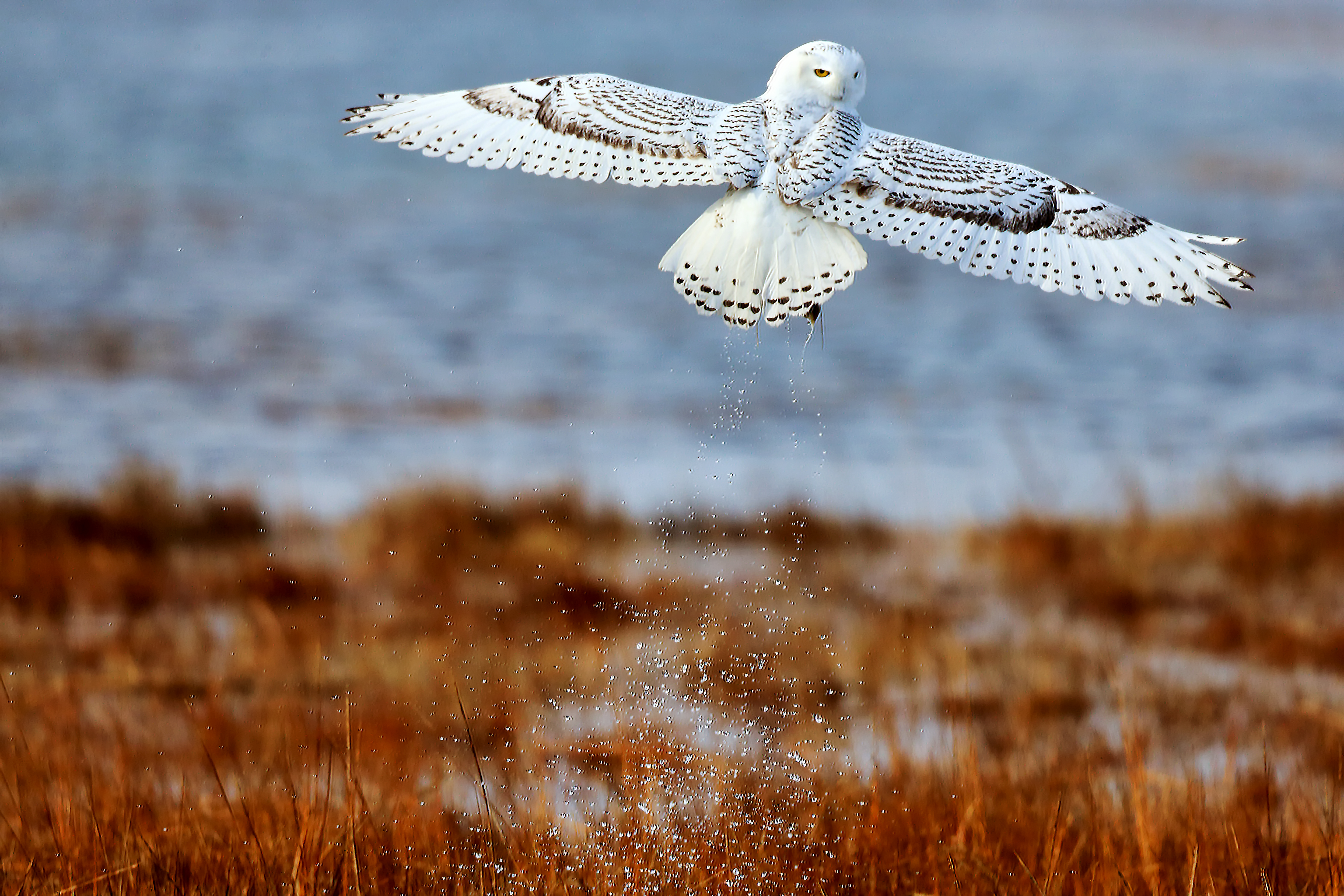
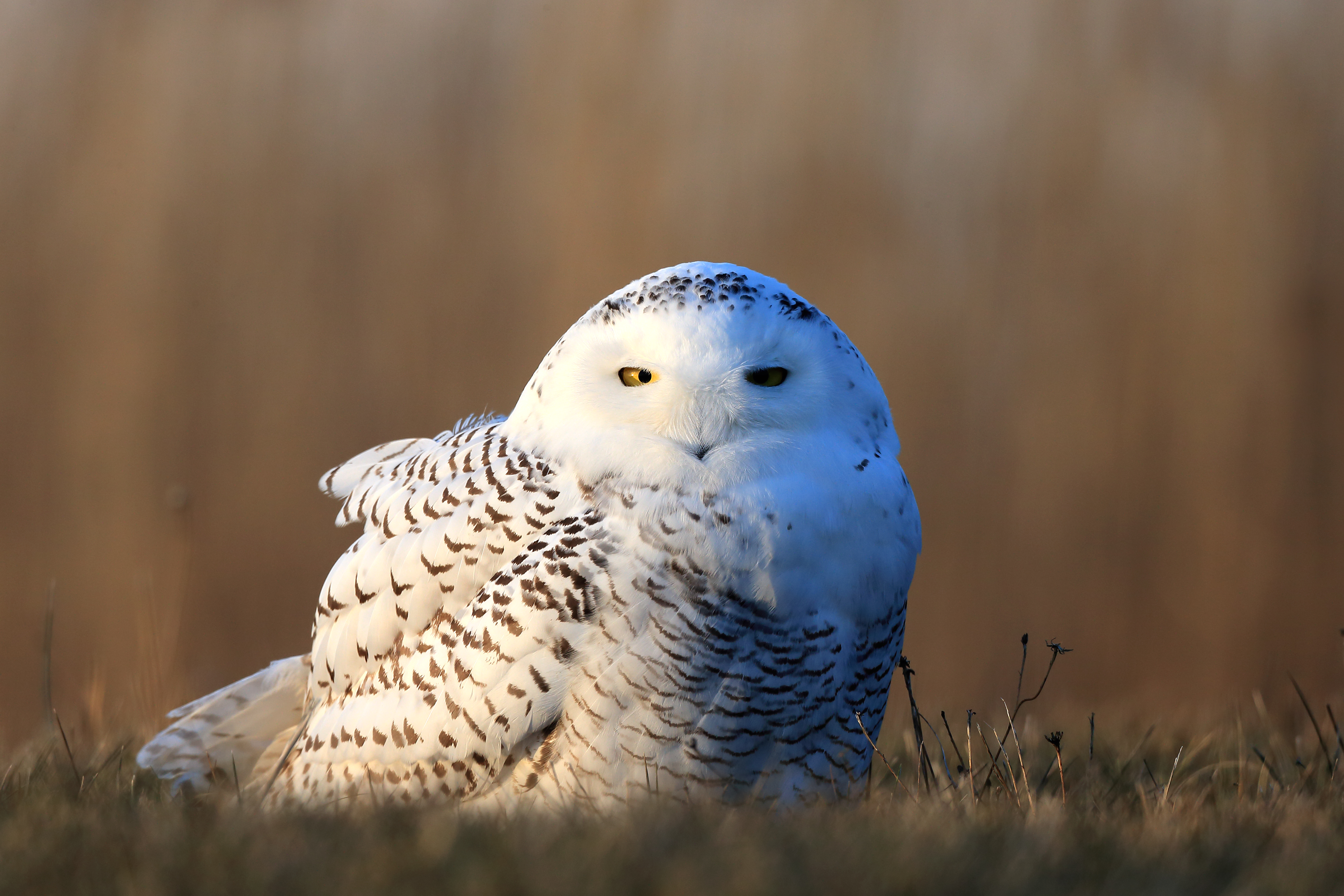
The Snowy Owl is shaped by exposure. In the Arctic tundra, there is little cover, little concealment, and little room for wasted movement. That environment favors a bird that can watch broadly, react quickly, and conserve energy when conditions demand it. As a result, Snowy Owls often appear calm and motionless for long periods, perched low over the landscape, studying the ground and horizon with extraordinary patience.
Unlike many owls that are most active at night, Snowy Owls are frequently active during the day. This is one of the species’ most important ecological adaptations. In the Arctic summer, where daylight can stretch across nearly the entire day, a strictly nocturnal strategy would make little sense. The Snowy Owl instead functions within the light regime of the tundra, hunting when opportunity appears and adjusting activity to prey movement, weather, and breeding demands. This makes it an excellent species for understanding the relationship between behavior and ecology at a systems level.
In wintering areas farther south, that same behavioral pattern often continues. Snowy Owls may be seen hunting at dawn, midmorning, afternoon, or dusk, especially in open coastal or agricultural habitats. They use fence posts, dune rises, driftwood, shoreline berms, hay bales, and other slight elevations as lookout points. Their behavior is rarely random. It is strongly tied to visibility, wind exposure, prey detection, and the energetic economics of surviving in cold, open country.
Daytime Activity
Snowy Owls are far more diurnal than most owl species, an adaptation closely tied to Arctic light cycles, open-country hunting, and the need to exploit short seasonal windows of abundance.
Perch-and-Scan Strategy
Rather than remaining hidden, Snowy Owls often sit in exposed positions where they can monitor wide areas and strike efficiently when prey movement reveals itself.
Energy Conservation
Stillness is part of the strategy. In cold, windy environments, conserving energy matters, and long quiet pauses are often as important to survival as the burst of action that follows.
Territoriality, Space, and Open-Ground Living
During the breeding season, Snowy Owls become strongly territorial. On the tundra, nests are placed on slight rises or elevated ground, giving adults a commanding view of the surrounding terrain. That visibility is essential. With nests exposed on open ground, both adults must detect danger early and respond decisively. Foxes, jaegers, gulls, and other predators can threaten eggs and young, so vigilance becomes a constant part of parental behavior.
Territorial behavior is not just aggression. It is spatial ecology in action. Snowy Owls need enough open ground, prey access, and visual control to raise young successfully. Their behavior reflects the structure of the tundra itself, which is why they link so naturally to broader themes of habitats and ecosystem zones and adaptation and survival.
Predator, Indicator, and Arctic System Participant
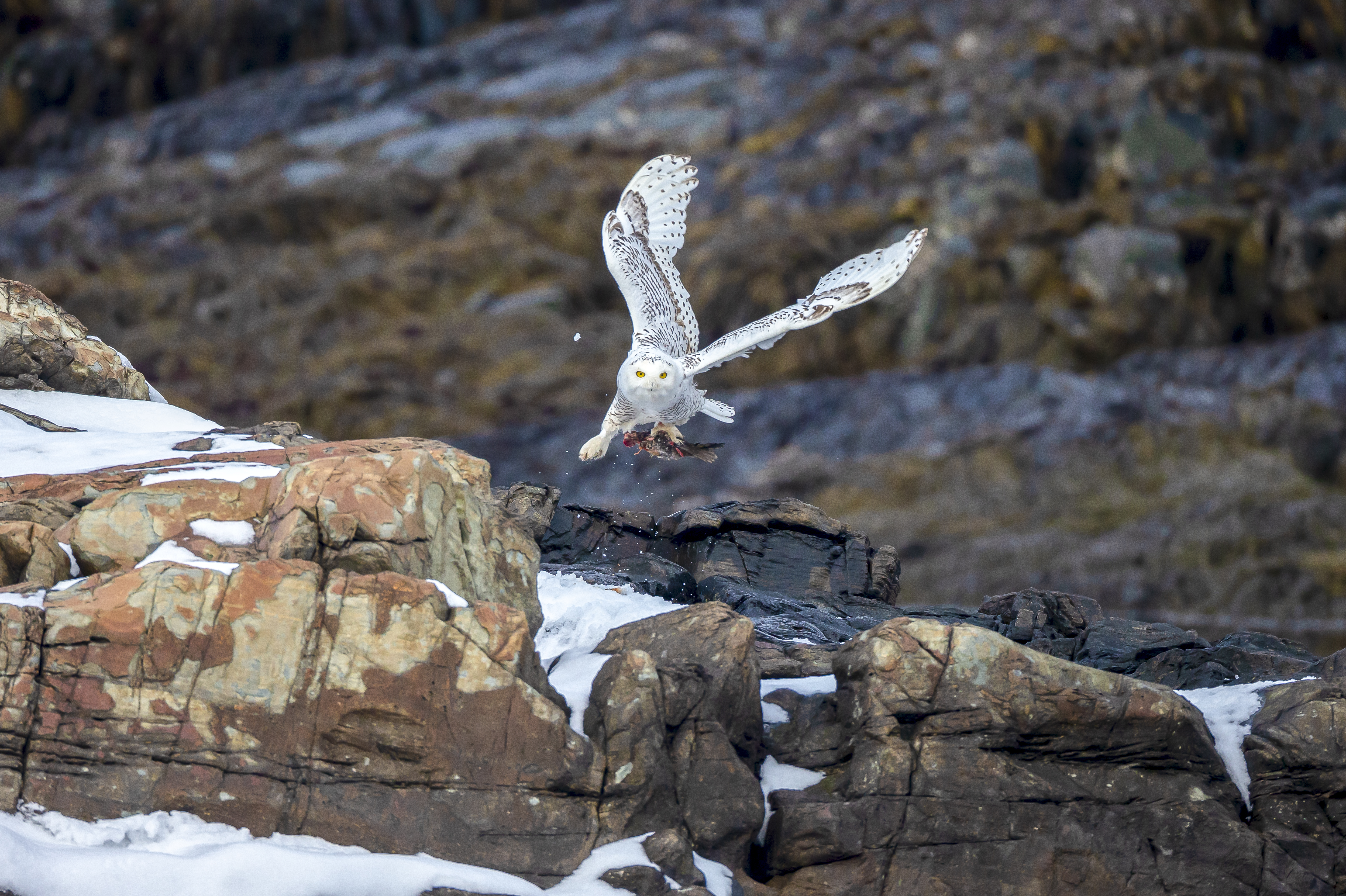
Ecologically, the Snowy Owl is both predator and indicator. It helps regulate populations of small mammals and birds, but it also reflects the condition of the system it inhabits. Strong lemming years can support successful breeding and greater juvenile production. Weak prey years can reduce nesting success and push birds farther south in winter. In that sense, Snowy Owls are not only participants in Arctic food webs—they are visible signals of what those food webs are doing.
This is one reason the species matters beyond its beauty. Snowy Owl sightings, breeding outcomes, and irruption years can reveal changes in prey cycles, snow conditions, and broader northern ecosystem health. That makes the bird especially valuable within a Naturepedia framework, where the goal is to connect species to larger patterns of biodiversity and ecosystem balance rather than treating wildlife as isolated subjects.
“A Snowy Owl teaches you that stillness is not passivity. In wild country, stillness is often the form intelligence takes before movement.”
— Robbie George
Conservation: Protecting a Species Tied to Arctic Change
The Snowy Owl is one of the clearest reminders that a species can feel familiar to people while still depending on places most of us never see. Although many birders and photographers encounter Snowy Owls during winter irruption years, the long-term future of the species is bound to Arctic breeding grounds, prey cycles, and the stability of northern ecosystems. To protect the owl, we have to protect the system that produces it.
Snowy Owls face a set of overlapping pressures. Climate change affects snow conditions, tundra structure, and prey dynamics across the Arctic. Shifts in lemming cycles can influence breeding success, juvenile survival, and winter dispersal. Farther south, the birds also face hazards linked to human infrastructure, including vehicle strikes, airport conflicts, collisions, secondary poisoning, and disturbance from people approaching too closely in open winter habitats.
These pressures make the Snowy Owl a powerful bridge species for understanding wildlife conservation and habitat protection. It shows how conservation is not only about preserving a single bird, but also about maintaining functioning prey systems, intact seasonal processes, and open landscapes where wildlife can move, hunt, and reproduce without constant human interference.
Arctic Vulnerability
Because Snowy Owls breed in tundra ecosystems, they are closely tied to climate, snow cover, and prey cycles that are already shifting across the far north.
Wintering-Range Risks
In southern winter habitats, Snowy Owls often encounter airports, roads, development, and people who may unintentionally stress or displace them.
Why Monitoring Matters
Tracking breeding success, prey abundance, and winter distribution helps reveal what northern systems are doing before the changes become invisible elsewhere.
Ethical Observation and Photography
For photographers and wildlife observers, Snowy Owls demand restraint. Their openness can create the illusion that close approach is harmless, but exposed wintering birds are often conserving energy in cold conditions and need distance to remain undisturbed. Repeated flushing, crowding, or forcing a bird to change position can increase stress and reduce hunting efficiency.
Ethical field behavior means keeping distance, letting the bird set the terms of the encounter, avoiding baiting or pressure, and respecting habitat boundaries. That approach aligns naturally with your broader system around wildlife observation field techniques and reinforces the idea that photography should deepen relationship, not disrupt it.
A Conservation Story Larger Than One Bird
The Snowy Owl matters not only because it is beautiful, but because it reveals connection. Its breeding success depends on prey. Its winter movements reflect system imbalance or system abundance. Its survival depends on both Arctic processes and human behavior farther south. Very few birds make those relationships so visible.
In that sense, protecting Snowy Owls means protecting the larger living network around them—an idea that runs through biodiversity and ecosystem balance, ecosystems of North America, and the deeper field-based awareness that your Naturepedia system is built to support.
Photographing Snowy Owls: Light, Distance, and Stillness
Photographing a Snowy Owl is less about chasing a subject and more about understanding a landscape. These birds live in open environments where approach is visible from a long distance, and any unnecessary movement can change their behavior. The strongest images come from patience, positioning, and letting the encounter unfold naturally rather than forcing proximity.
Because Snowy Owls are often active during daylight hours, photographers have a unique opportunity to work with natural light across a full range of conditions—low winter sun, overcast skies, wind-driven snow, and reflective coastal environments. These conditions shape not only the look of the image, but also the mood and story it conveys.
Distance First
Always begin farther away than you think necessary. Let the owl remain relaxed and undisturbed, and allow the scene to develop naturally.
Work the Landscape
Use dunes, snowbanks, shoreline edges, and subtle terrain features to compose images that reflect the owl’s environment, not just the subject.
Let Behavior Lead
Watch for natural actions—scanning, shifting posture, takeoff moments—and be ready rather than reactive.
Light & Conditions
Snowy Owls are often photographed in winter light, which tends to be lower, softer, and more directional than summer light. Early morning and late afternoon can create subtle contrast across white plumage, while overcast conditions help preserve detail without harsh highlights. Snow, sand, and water surfaces can reflect light upward, adding dimension to the bird’s face and body.
Planning around light and timing is one of the most overlooked advantages in wildlife photography. Tools like the Golden Hour & Moon Phase Planner and Wildlife Photography Maps can help align conditions, location, and seasonal timing for more consistent results.
Composition & Story
The most compelling Snowy Owl images often include space. Negative space, horizon lines, wind patterns, and subtle textures all reinforce the feeling of openness that defines the owl’s world. Rather than filling the frame, consider showing the relationship between the bird and the environment—how small or how present it feels within that space.
This approach connects directly to your broader visual philosophy—where photography becomes a way of revealing patterns rather than isolating subjects. It aligns with the deeper themes found across your Wildlife Photography work and the observational mindset behind Slow Knowledge.
Ethics Before Image
Snowy Owls are particularly vulnerable to disturbance in winter. They are often conserving energy between hunts, and repeated flushing or pressure can reduce their ability to survive in already demanding conditions. Respecting distance, avoiding crowding, and allowing the owl to remain in control of the encounter is essential.
The best Snowy Owl photographs are not taken—they are allowed. When the bird remains calm, the behavior remains natural, and the environment stays intact, the resulting image carries something deeper than detail. It carries truth.
“The distance you keep is part of the photograph. It defines not just what you see, but how honestly you saw it.”
— Robbie George
From Field Observation to the Larger Birds of Prey System
Seeing a Snowy Owl in the field is never just a sighting. It is a glimpse into a much larger ecological pattern shaped by Arctic habitat, prey cycles, seasonal movement, and the open structure of winter landscapes. What looks like a solitary white owl on a dune, field, or shoreline is actually part of a broader system linking tundra breeding grounds to southern winter range.
That is where this species connects naturally to the wider structure of your site. The Snowy Owl belongs within the Birds of Prey hub, while its behavior and ecological role connect directly to Wildlife Behavior & Ecology, Ecosystems of North America, and Wildlife Migration & Seasonal Patterns. For understanding when these birds appear farther south, the Seasonal Wildlife Calendar adds the time layer that turns occasional encounters into repeatable field knowledge.
The next step in the buildout is the dedicated Snowy Owl Naturepedia species page, where habitat, behavior, prey relationships, winter irruptions, conservation context, and field observation guidance can live in a more structured long-form entry.
Frequently Asked Questions: Snowy Owl (Bubo scandiacus)
What makes Snowy Owls different from other owls?
Snowy Owls are one of the few owl species that are regularly active during the day. They are also adapted to open landscapes rather than forests, with white plumage that provides camouflage in snow-covered environments.
Where do Snowy Owls live most of the year?
They primarily live in the Arctic tundra across Alaska, Canada, and Eurasia, where open terrain and abundant prey support breeding and survival.
Why do Snowy Owls come south in winter?
Snowy Owls move south mainly due to changes in prey availability. When lemming populations decline, they travel to find food, sometimes reaching far into the United States during irruption years.
What do Snowy Owls eat?
Their primary diet consists of lemmings in the Arctic. In wintering areas, they expand their diet to include small mammals, birds, and other available prey depending on habitat.
Are Snowy Owls endangered?
Snowy Owls are currently considered vulnerable in some regions due to climate change, habitat shifts, and fluctuating prey populations. Their long-term survival depends on stable Arctic ecosystems.
How can you photograph a Snowy Owl responsibly?
Maintain a respectful distance, avoid disturbing the bird, and let behavior unfold naturally. Ethical observation ensures the owl can conserve energy and continue hunting effectively.
About the Author
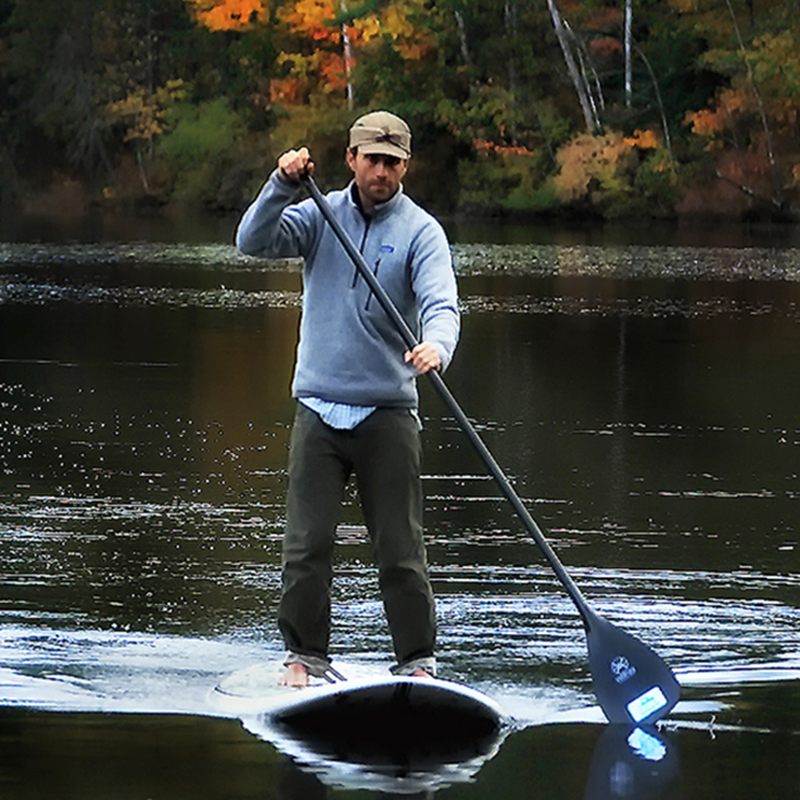
Robbie George is a nature photographer, writer, and field-based observer whose work is rooted in understanding how wildlife behaves across real landscapes, shifting seasons, and changing environmental conditions.
The Snowy Owl represents one of the most powerful examples of that approach. Observing this species—whether on Arctic tundra or winter coastlines—reveals how habitat, prey cycles, light, and seasonal movement all come together in a single moment. This page reflects that field-first perspective, where behavior and environment shape the story more than the subject alone.
Through this process, photography becomes a way of connecting individual species to a larger system—linking birds of prey, ecosystems, migration patterns, and seasonal timing into a structured Naturepedia knowledge base built from direct observation in the field.





