


Seeds and the Big Bang: Unlocking the Dormant Energy of Life

Seeds and the Universe’s Potential Energy
A seed is more than a beginning. It is a capsule of dormant energy, waiting for resonance. In the same way the Big Bang marked the release of unimaginable force into form—stars, galaxies, gravity—so too do seeds await the precise touch of water, sunlight, and soil to become life.
These tiny vessels echo the very nature of hydrogen—the first element born from the Big Bang, simple yet foundational. Where hydrogen ignited stars, seeds ignite ecosystems. In both, we find simplicity concealing profound complexity.
In this blog post, we’ll explore the extraordinary parallels between seeds and stars, between biology and cosmology. We’ll investigate how dormant energy transforms into creation—and why water, light, and soil are not just growing agents, but the quantum messengers that bring the blueprint of life to bloom.
“Every seed holds a silent explosion. Just like stars, they wait for the right spark to remember who they are.”
🌱 Seed to Star: A Unified Energy Equation
Two realms. One cycle. The same signature of creation flowing through soil and sky.
Ehydrogen + Ggravity → Starborn
“Life and light arise from the same law: dormant energy released into form.”
Seeds as Microcosms of the Big Bang
Dormant Energy in Seeds
Seeds are nature’s biological time capsules—perfectly designed to hold life in suspense. They can remain dormant for years, even centuries, until conditions align: water, sunlight, and soil combine to trigger their awakening.
This mirrors the early universe after the Big Bang, when hydrogen—the first and simplest element—floated inert until cosmic conditions converged. Gravity, temperature, and time ignited nuclear fusion, and the stars were born. In both realms, dormant energy becomes expression.
Just like hydrogen, seeds require a spark. And when that spark arrives, complex life emerges from simplicity. A tree from a seed. A galaxy from hydrogen. The signature of life and cosmos is the same: stillness → activation → creation.
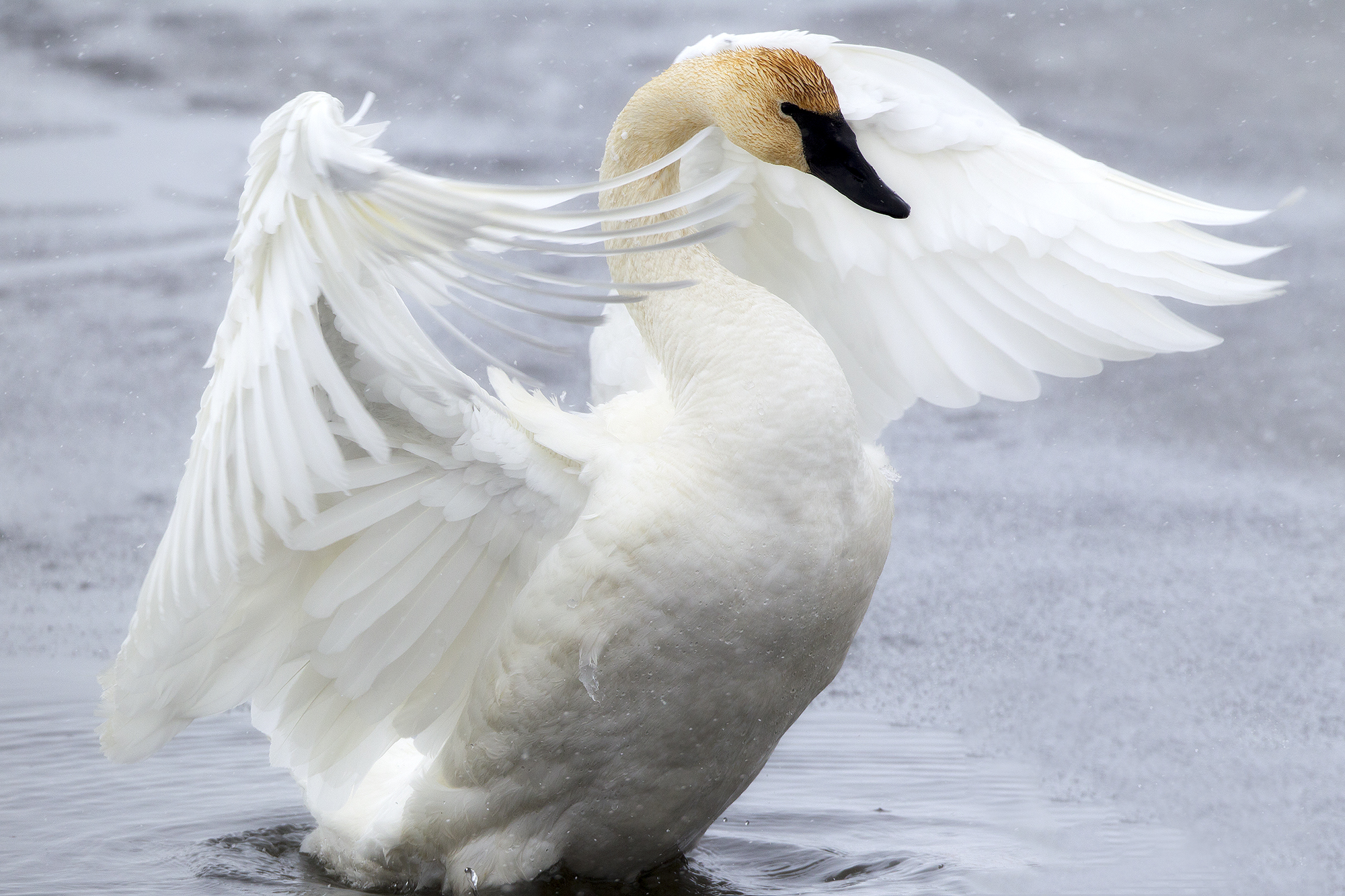
Reflect stillness and symmetry: ‘Heavenly Wings’ →
“Seeds and stars are born from silence. Only when the right forces meet do they remember their purpose.”
The Blueprint for Life: DNA and Hydrogen as Architects
Simplicity with Infinite Potential
Every seed contains a map—a folded code of life stored in DNA. When awakened, that code unspools into forests, meadows, and gardens. Each sprouting stem is a physical act of memory—life remembering what it was always meant to become.
This mirrors the role of hydrogen in the universe. The most abundant element in existence, hydrogen appears simple—but it carries the signature for stars, galaxies, and life itself. Just as DNA is the blueprint for biology, hydrogen is the blueprint for cosmology.
In both systems—biological and cosmic—complexity is born from simplicity. A single seed becomes an ecosystem. A single hydrogen atom becomes a sun. And behind both lies intention encoded in structure.
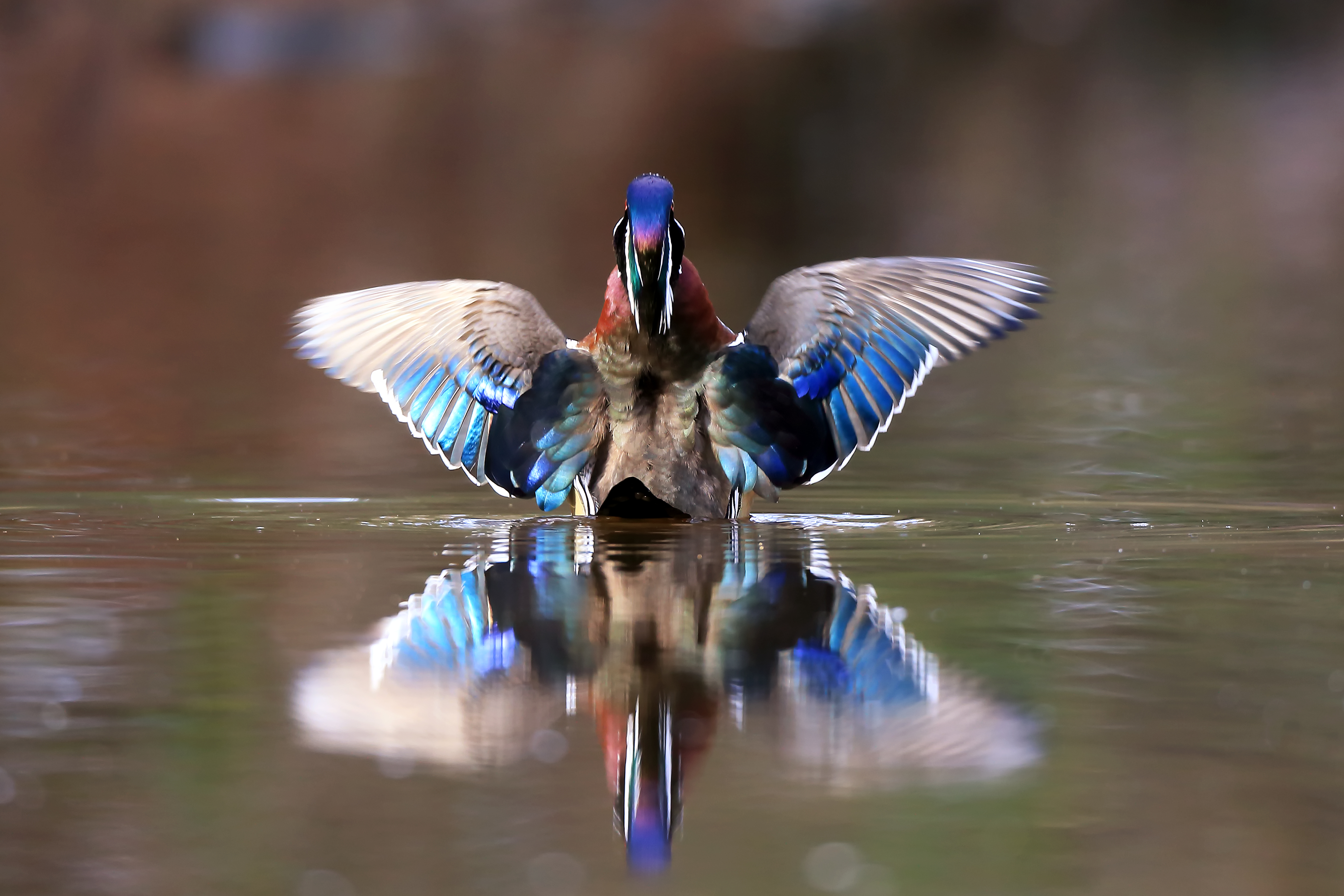
Discover serene reflections: 'Drake Wood Duck' →
“A seed holds a code. A star holds a charge. Both unfold the language of the universe.”
Quantum Holography: Seeds as Miniature Big Bangs
Biophoton Entanglement and the Geometry of Life
At the quantum level, seeds do not merely store potential—they may encode it holographically. Through the lens of quantum holography and bi-photon entanglement, researchers suggest that interactions between light (photons) and hydrogen create quantum blueprints—real-time holograms of life potential.
This theory echoes what ancient seeds have always demonstrated: when exposed to sunlight, water, and soil, a silent code is awakened—not just biologically, but energetically. The seed “remembers” what it is, as if its quantum signature was waiting to be read.
Just as stars form from hydrogen reacting under pressure, seeds transform under light—an elegant mirror of cosmic creation. They are holographic portals to life, containing the entire future of forests within a shell smaller than your fingertip.
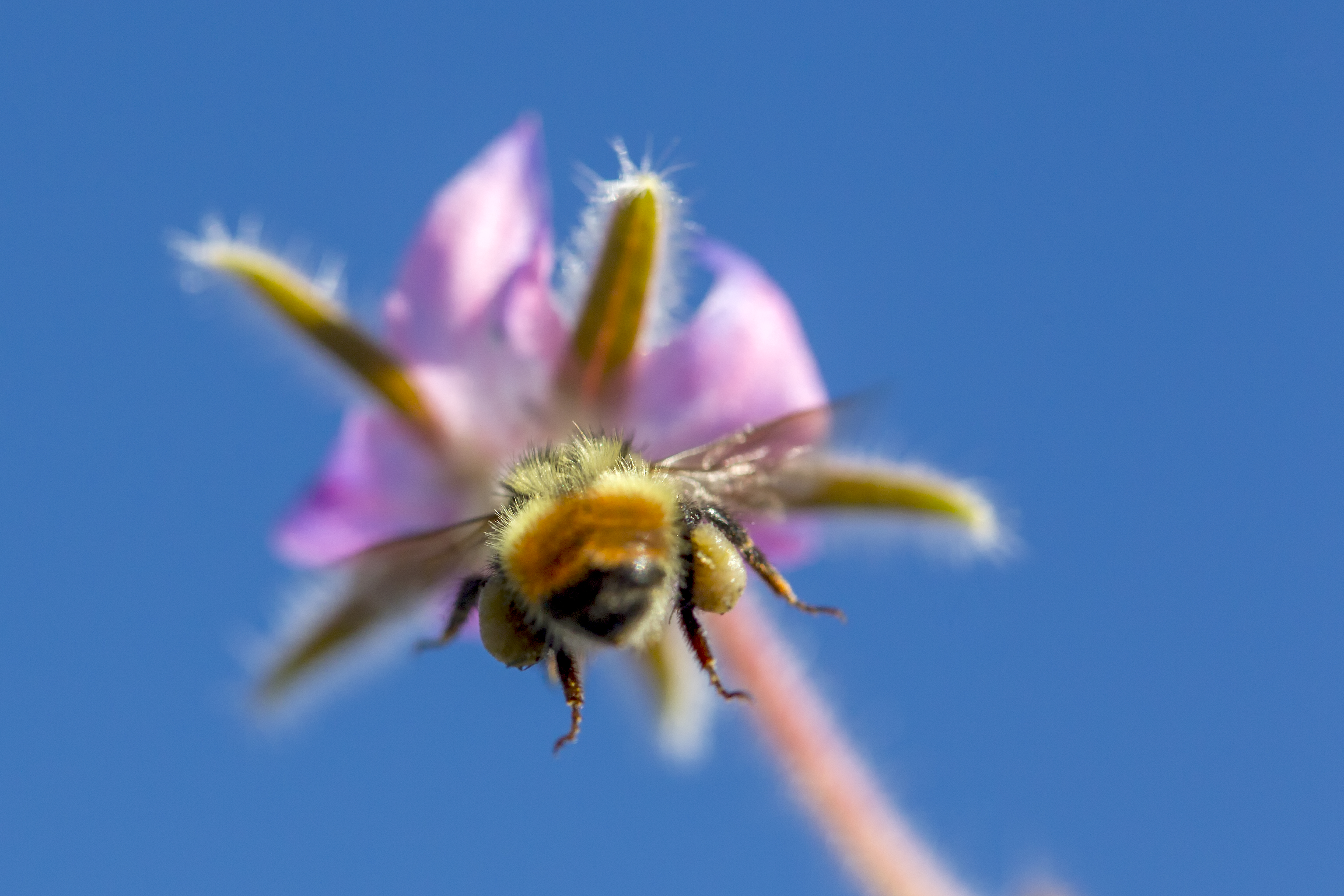
Explore pollination’s quantum poetry: ‘Honey Bee & Wildflower’ →
“The seed is not just a code. It is a hologram. A whisper of the forest hidden in light.”
Unlocking the Energy: Seeds and the Big Bang
The Role of Environmental Conditions
Seeds and hydrogen both require very specific environmental triggers to unleash their stored potential. In the early universe, hydrogen atoms needed heat, pressure, and gravity to catalyze nuclear fusion. On Earth, seeds await the trinity of sunlight, structured water, and living soil to activate their life force.
Water does more than hydrate—it may carry memory. The theory that water holds quantum vibrational signatures opens the possibility that water not only triggers germination, but transmits instructions to the seed. Like a cosmic conductor, water orchestrates the sequence from dormancy to life.
When conditions are right, energy is released. A sprout emerges. A star ignites. The metaphors are more than metaphors— they are fractal expressions of the same cosmic law.
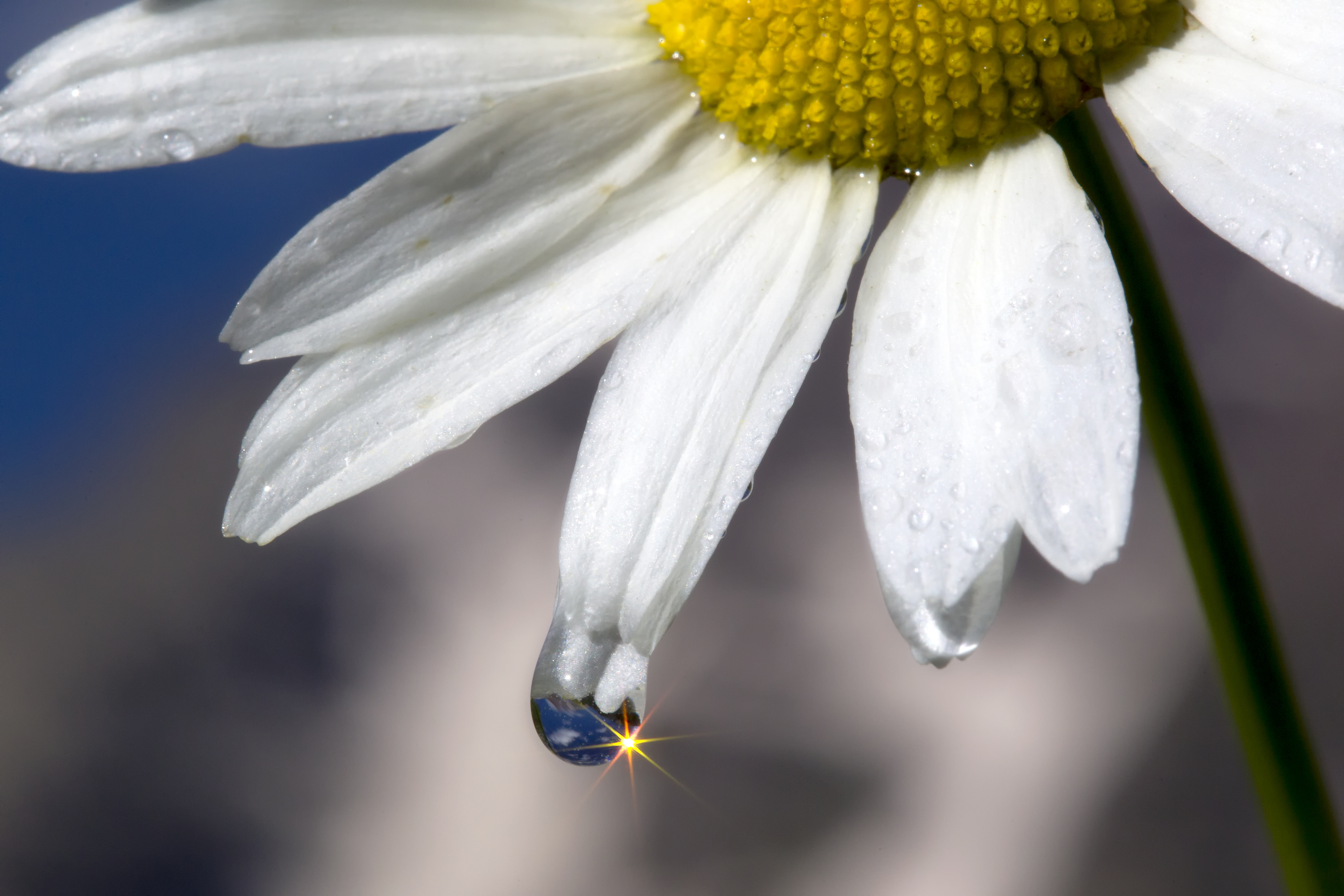
Awaken your space: ‘Daisy with Sunburst’ →
“The conditions for life are few. The possibilities, infinite.”
The Unified Energy Cycle: From Seeds to Stars
Seeds, Hydrogen, and the Cycles of Creation
Whether buried in soil or suspended in cosmic plasma, seeds and hydrogen share a common destiny: to become something greater. One sparks a tree, the other ignites a star. In both, energy moves from dormancy to expression—a sacred pattern across all creation.
The equation of this transformation can be symbolized as:
Eseed + Hsunlight + H2O → Lifesprouted
Ehydrogen + Ggravity → Starborn
In both systems, water and sunlight become catalysts—conductors that unlock encoded blueprints and signal the start of biological or celestial emergence.
This energy cycle is not exclusive to plants or stars—it applies to consciousness, to ecosystems, and to the unseen architecture of unified field theory. When we understand how these simple elements express complexity, we glimpse nature’s algorithm for creation.
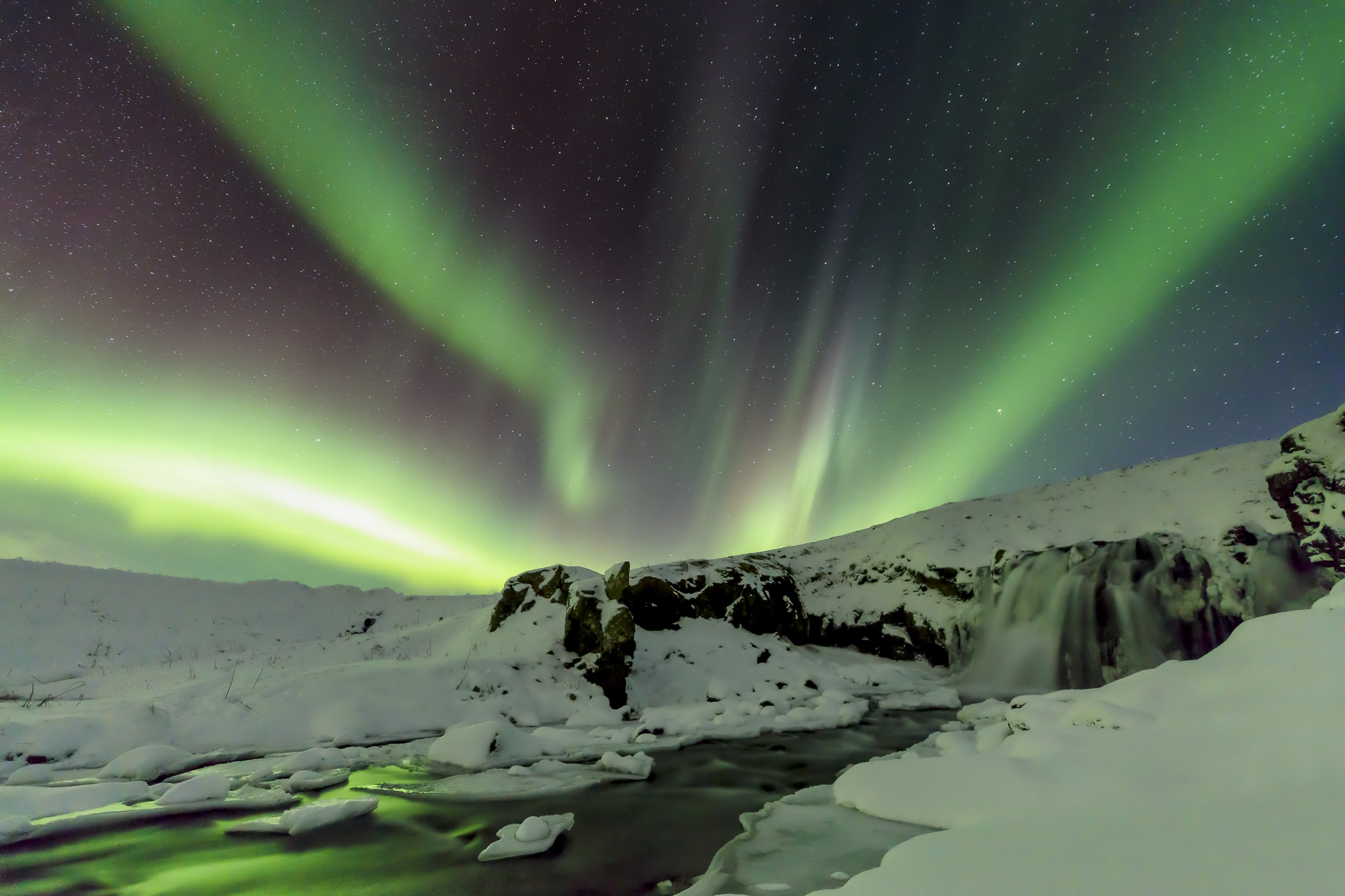
Celebrate light’s dance: ‘Aurora Borealis in Iceland’ →
“Every sprouting seed echoes the stars. They bloom from silence. They rise by light.”
Dormant Planets: Seeds of Potential in the Cosmos
Planets as Cosmic Seeds
What if planets are simply seeds on a galactic scale—holding the potential for life, yet waiting for the right conditions to awaken? Just as a seed lies in dormancy until it feels water and warmth, a planet may rest in cosmic stasis, preserving ingredients for life until time and light converge.
Seeds require water, sunlight, and soil to germinate. Planets may require liquid water, atmospheric balance, and stellar proximity to enter their own blossoming phase. The concept of habitability— a “Goldilocks zone”—is the planetary equivalent of a fertile field.
Through telescopes, we now glimpse exoplanets orbiting distant stars, many resting quietly, silently holding potential. These dormant worlds, like seeds in darkness, may awaken when energy, water, and time align.
“Planets and seeds both wait. In stillness, they hold the story of what could be.”
Water as the Memory Keeper: A Bridge Between Biology and Cosmology
The Intelligence of Liquid Structure
Water is more than a solvent—it is a storyteller. At the quantum level, it may act as a memory bank, storing vibrational signatures of everything it touches. From seed to star, water may be the universal translator—bridging the cellular and the cosmic.
In Nature Photos in a Drop of Water, we explored how water might carry the blueprint of life. Now, imagine this same memory function at play on distant planets. A dormant planet with water may already hold the instructions for life—encoded in hydrogen bonds, awaiting the spark of resonance.
On Earth, water signals seeds when to wake. In the cosmos, it may signal planets when to bloom. Water’s ability to store, transmit, and receive information across time and space may be the key to understanding how life not only begins—but how it remembers.
“Water remembers. What it touches, it carries. What it hears, it holds.”
Cosmic Cycles of Dormancy and Awakening
The Echo of Creation in All Things
From seeds buried in the soil to planets orbiting quiet stars, the universe follows a pattern: wait, listen, and when the moment is right—awaken. These dormant phases are not passive; they are potent with intention. Energy is not lost. It is held, coiled like breath, waiting for the right alignment.
On Earth, seeds may lie in wait for decades, germinating only after rain and sunlight meet in harmony. Across the cosmos, planetary systems may lie in cosmic stasis, until a nearby supernova or solar shift introduces the ingredients for life.
In both, the awakening is sparked by light, sustained by water, and guided by memory-rich soil or elemental forces. These are not separate stories. They are expressions of the same cosmic code.
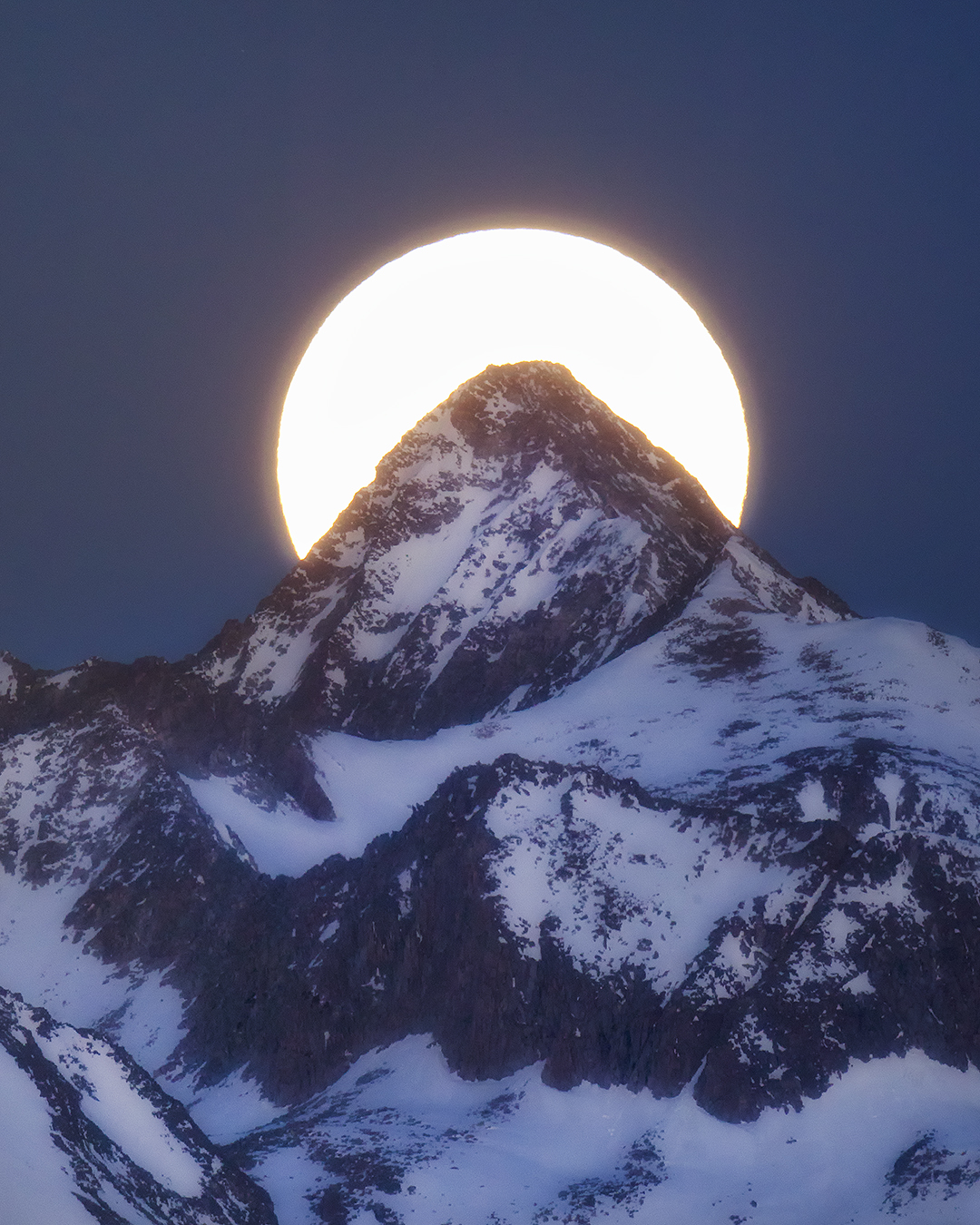
“Dormancy is not death—it is divine preparation. The forest sleeps. The planet listens. And then… the bloom.”
Conclusion: Seeds, Hydrogen, and the Unified Field Theory
From the hydrogen atom that birthed stars to the seed that becomes a forest, the energy of the universe flows through every act of creation. One is cosmic. One is terrestrial. But both obey the same law: dormancy → activation → emergence.
When water awakens a seed, it mirrors the moment when hydrogen fused into starlight. In both events, vibrational coherence becomes structure. Light becomes form. Memory becomes life.
Through quantum water memory, biophoton communication, and the simplicity of a hydrogen bond, we are inching closer to understanding the very equation that unites biology and cosmology. The Unified Field Theory may not only unify gravity, electromagnetism, and quantum mechanics— it may also explain how life begins in every form it takes.
When we look at a seed, we see a tree. When we look at hydrogen, we see a sun. When we understand the energy rhythm behind both, we begin to see ourselves— not separate from the cosmos, but echoing its memory.
“Hydrogen holds the stars. Seeds hold the Earth. Water remembers them both.”
Explore Fine-Art Prints
Bring the season home—browse Wildlife, Landscapes, and Seascapes by National Geographic–published photographer Robbie George. See framing, editions, and care on the Collectors page.
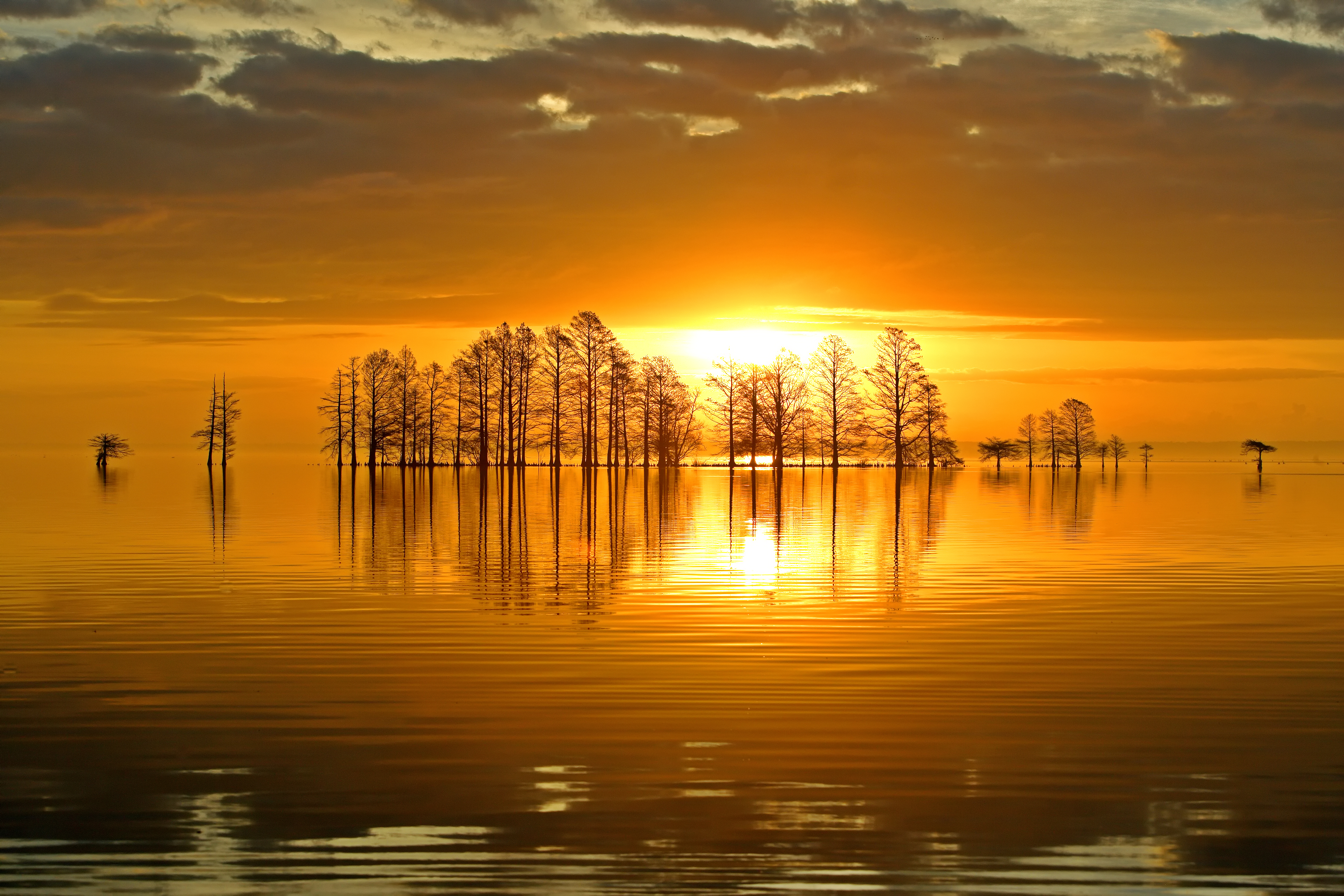 Landscape
 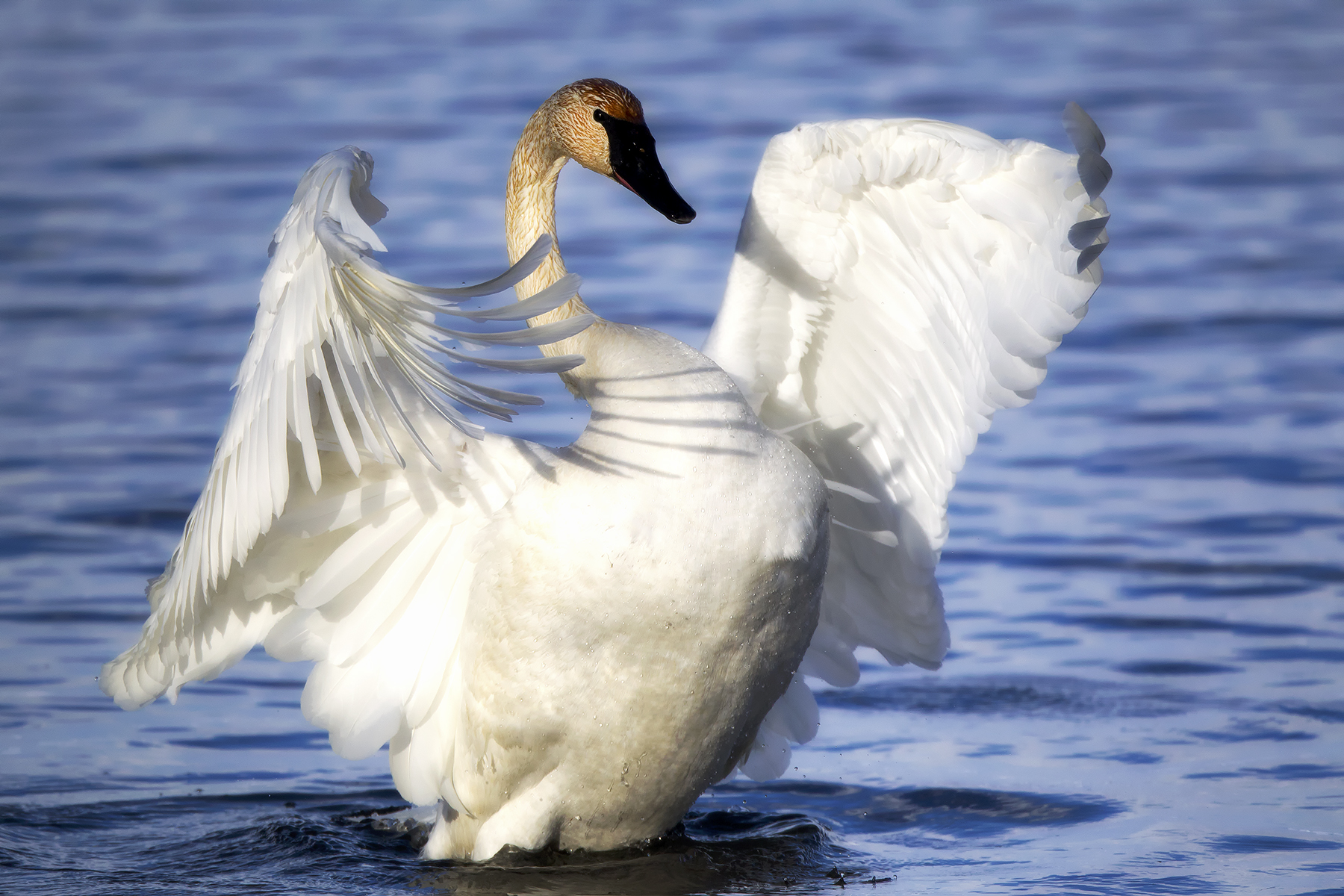 Wildlife
  Seascapes
About Robbie George
Robbie George is a National Geographic–published photographer and resonant naturalist. His fieldcraft follows a simple ethic—distance first, habitat always— shaped by Slow Knowledge and the Signature Series.
Explore calm, undisturbed behavior in the Wildlife Gallery or plan your next trip with the Seasonal Wildlife Calendar, Golden Hour & Moon, and Photography Maps.
“Attention first, image second. The shutter is the period at the end of a sentence you learned by walking.”
Frequently Asked Questions: Seeds and Cosmic Energy
1. How are seeds and the Big Bang connected?
Both represent dormant potential energy waiting to be triggered. Seeds store the blueprint for life, while the Big Bang released hydrogen—the universe’s foundational element. When conditions align, both transform into creation.
2. What role does water play in seed germination and cosmic creation?
Water hydrates, but it also acts as a memory bank, transmitting vibrational information to awaken life. On Earth, it activates seeds. In the cosmos, it may carry encoded energy and participate in planetary emergence.
3. Can planets really be compared to seeds?
Yes. Dormant planets may hold the blueprint for life, just like seeds. They wait in stasis until the right environmental factors—like warmth, water, and proximity to light—ignite transformation.
4. What is the significance of hydrogen in both biology and cosmology?
Hydrogen is the universe’s most abundant element. It fueled the formation of stars and also powers biological processes like photosynthesis. It bridges cosmic and organic creation.
5. What is quantum holography, and how does it relate to seeds?
Quantum holography suggests that information can be encoded in light and structure. Seeds may carry holographic blueprints for life that unfold when exposed to photons, water, and hydrogen—just like DNA.
“Every question we ask of seeds, the stars have already answered.”





