

The Universe’s First Whisper: Weighing the Light of Creation with Hydrogen’s Memory

The Universe’s First Whisper: Weighing the Light of Creation with Hydrogen’s Memory
Long before language, life, or form, the cosmos was a canvas of hydrogen—patient, silent, and saturated with potential. From this primal stillness, the first stars ignited a sacred transition, ushering the Cosmic Dawn when darkness lifted, and light began to dance through space.
What if we could listen to that transition? What if hydrogen—our universe’s first element—recorded the arrival of starlight not as sound or image, but as resonant memory? According to new scientific insights, the 21-centimeter hydrogen signal may hold the key. Like a subtle chime in the void, it could help us measure the very first stars—those ancient Population III luminaries—not with sight, but with vibration.
This moment invites us to revisit the roots of resonance explored in The Living Code and the vibrational architecture revealed through the Nature Code. It also deepens our exploration of time and memory through the unfolding spiral of the Solar Soul Clock. As we journey back to this whispering origin, we’re not just discovering the universe’s past—we’re hearing the harmonic seed from which all life may have been composed.
“The first breath of the universe was not heard—it was felt in the stillness of hydrogen’s heart.”
~ Robbie George
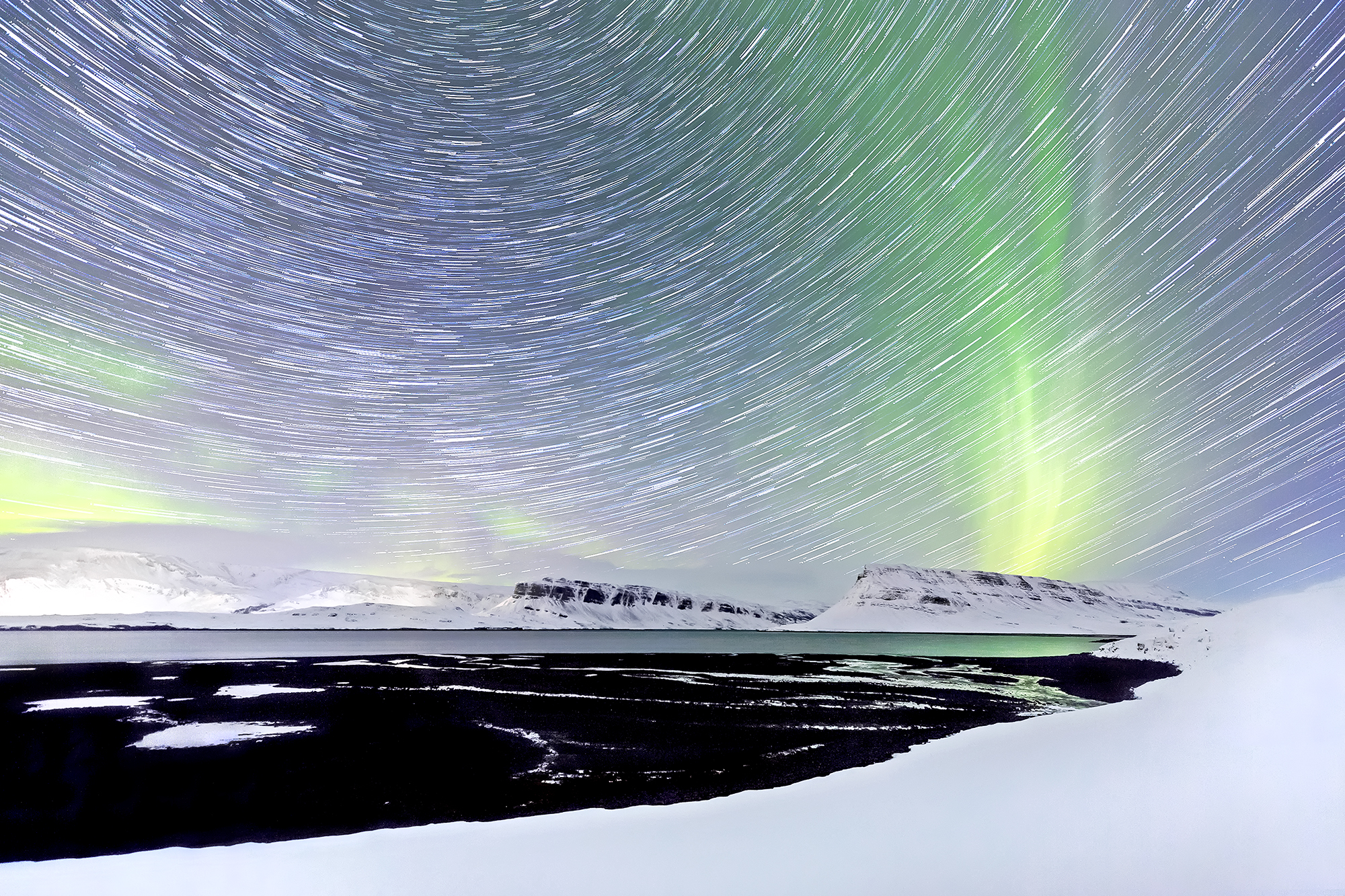
Cosmic Dawn – A Universe in Waiting
Imagine a cosmos cloaked in perfect stillness—no stars, no galaxies, no light. Just a vast ocean of hydrogen and helium, drifting silently through an expanding void. This was the prelude to creation, a vibrational womb in which the first stars would soon ignite and lift the veil of darkness. This turning point, known as the Cosmic Dawn, wasn’t just the birth of stars—it was the beginning of resonance.
These early stars, known as Population III, are hidden from even the best telescopes. Their light was smothered by the thick hydrogen fog that filled the young universe. But now, thanks to advancements in radio astronomy, we may be able to detect their presence indirectly—through the soft murmur of hydrogen’s 21-centimeter line, a quantum fingerprint left behind by the universe’s first pulse of light.
This subtle signal offers more than data—it’s a resonant memory of the moment the cosmos began to awaken. It’s through this whisper that we begin to trace the Unified Field at work—where hydrogen’s vibration, starlight’s birth, and quantum geometry converge. As I’ve explored in Hydrogen Qubits and the Unified Field Theory, even the earliest elements held the potential to encode light and intention. This echoes through the pages of The Eternal Journey of Photons and flows into Quantum Vitality, where we explore how resonance precedes form, and vibration becomes blueprint.

The 21-Centimeter Signal — Hydrogen’s Long Memory
Hydrogen is more than the first element of the universe—it is the first listener. In the silence before light, its lone proton and electron spun in quiet rhythm, waiting. And when the earliest starlight arrived, that spin flipped. This event created the 21-centimeter signal—a radio wave so subtle, yet so powerful, it has traveled across eons to reach us now.
This signal is not static—it bends, deepens, and softens in response to cosmic events, like a river remembering the shape of the wind. When early stars shone their ultraviolet light and later collapsed into X-ray binaries, they heated the surrounding hydrogen fog. These fluctuations in temperature and radiation changed the signal's depth and tone—what I see as a kind of quantum memory encoded in the breath of the cosmos.
We’ve explored this phenomenon in Quantum Vitality, where I dive into the idea that hydrogen doesn’t just carry energy—it carries memory. And as I’ve proposed in The Unified Water Theory, water—so deeply connected to hydrogen—may be the cosmic archivist of life’s first stories. It is in this layered interplay of particle, wave, and memory that I believe we can find the foundation of a resonant universe.

Resonance and Memory — The Living Code at the Dawn of Time
The moment the first stars lit the sky, the universe didn’t just become visible—it began to vibrate. That vibration—seeded in hydrogen, shaped by light—was the first code. Not written in numbers or molecules, but in resonance. This, I believe, is the true beginning of what I call The Living Code: the idea that all of nature is guided by frequencies too subtle for the eye, but deeply known by the soul.
In this earliest epoch, resonance became reality. The spin of hydrogen, the pulse of ultraviolet light, the rhythm of expansion—these were not separate phenomena. They were one unfolding memory—vibration giving birth to form. This aligns with what I explored in The Nature Code: the universe operates not on randomness, but through deeply coherent patterns that spiral from starlight to sunflower to soul.
What the 21-centimeter signal captures is more than a historic event—it captures a sacred frequency. A cosmic “first note” still echoing across time. In The Pulse Manifesto, I described how this kind of resonance is not past—it is present. The signal isn’t gone. It’s just waiting to be heard with new ears, new instruments, and deeper presence.
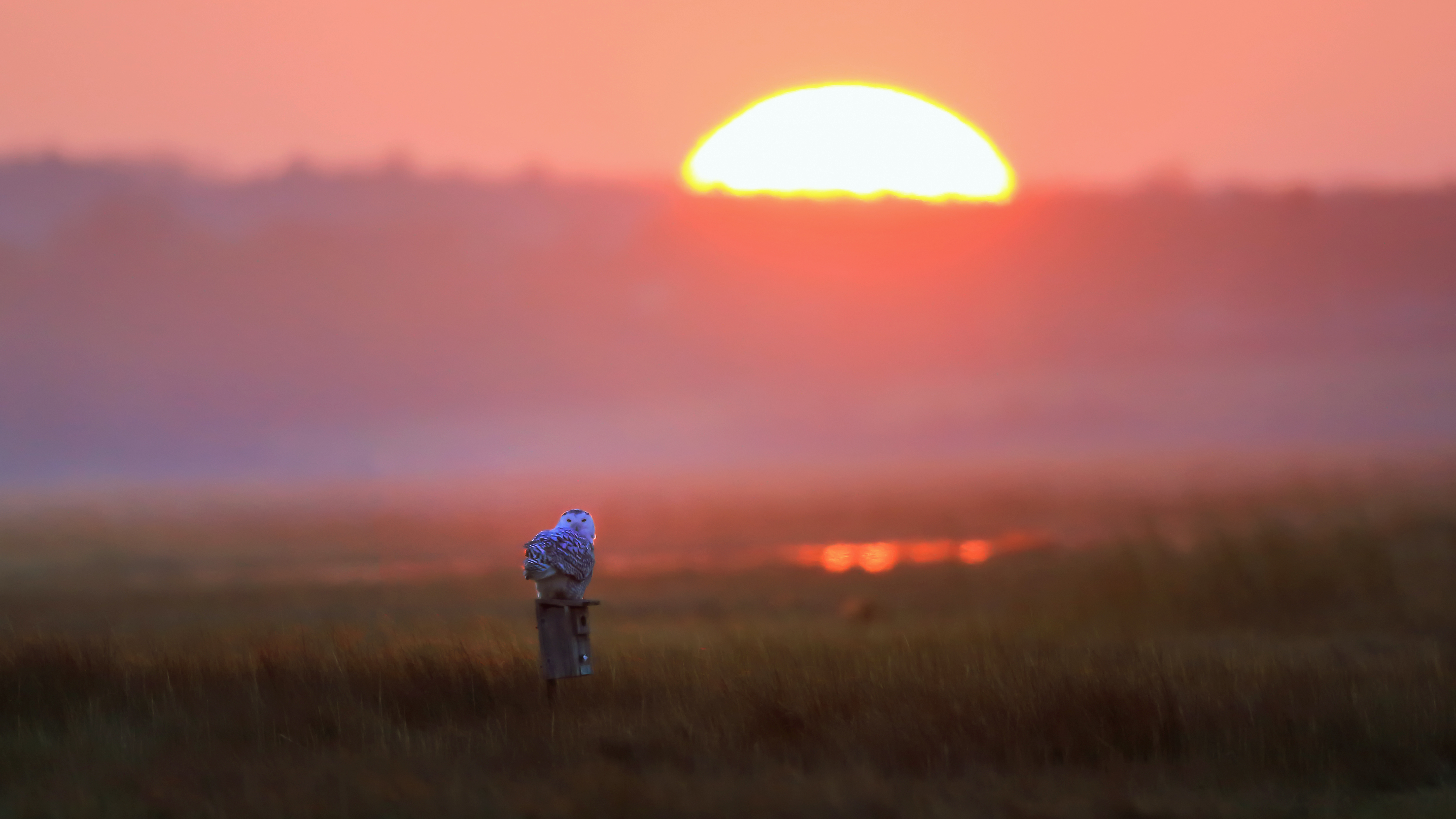
The Solar Soul Clock — When Time First Began to Tock
Before time was measured by orbits or seasons, it was marked by resonance. The moment light moved freely through space—the moment the fog of hydrogen cleared—was not just a change in visibility, but the start of cosmic awareness. This was the first “tick” in what I call the Solar Soul Clock: a living timekeeper guided not by machinery, but by the pulse of stars and the rhythm of light.
In that dawn, hydrogen became a clock, its spin a second hand of the early universe. These transitions—subtle yet eternal—allowed energy to move, memory to form, and consciousness to awaken. This isn’t time as humans measure it. It’s time as the universe remembers it: cyclical, harmonic, and spiraling through fields of light and vibration.
In The Quantum Breath of Time, I describe how these early pulses formed a coherent rhythm—a soul-based cosmology encoded into all things. And in The Spark, I explore the idea that this moment wasn’t just physics—it was presence. A choice to remember. A choice to feel. A whisper becoming a clock.

The Bridge Between Science and Spirit
There’s a moment in nature—just after a waterfall crashes and just before the mist settles—when presence and physics become one. It’s the same space the universe entered when hydrogen began to remember light. In this space, science doesn’t contradict spirit—it becomes its bridge.
As I’ve explored in The Unified Water Theory, water is not just a medium—it’s a memory field. It holds the vibrational story of light’s passage. In The Quantum Symphony, I describe how water’s structure, like the structure of hydrogen, is encoded by frequencies that form the architecture of emotion, awareness, and coherence.
These aren’t metaphors—they’re mechanics. This is the realm where The Quantum Blueprint reveals itself—not as theory, but as breath. The very breath the early stars exhaled when they began to hum. When you stand at the edge of water and feel time soften, you are experiencing the same principle that governed the first light.

Closing Reflection — A Universe That Remembers
What began as hydrogen’s whisper became a howl—echoing not only through space, but through the soul of all that lives. The universe does not forget. Its stars carry memory. Its elements carry rhythm. And its creatures—like this wolf—still sing that resonance into the frozen air. In every sound, a signal. In every silence, a story.
We are not separate from this memory. We are it. Our bodies are structured water. Our breath is fused hydrogen. Our thoughts ride on the same light that once pushed back the void. As I explored in Reflections of the Soul, the more nature clears our inner windows, the more clearly we hear the ancient harmony behind all form.
In The Return Curve, I describe how photons return the field to itself—restoring coherence through memory. And in The Unified Living Field, I explore how this resonance is not symbolic—it is structural. The field remembers. The light returns. The soul sings its echo into the snow.
“We are formed not from time, but from tone—echoes of the first light, still unfolding as the memory of who we are.”
~ Robbie George
About the Author
Robbie George is a National Geographic photographer, regenerative farmer, and nature philosopher. His work bridges the poetic and the scientific — illuminating nature’s vibrational intelligence through fine art photography and resonant storytelling.
Walk Back Into the Light
The 21-centimeter signal may be faint—but its resonance is eternal. If this journey stirred something ancient within you, I invite you to explore the cosmic memory woven throughout my Signature Series—where nature, science, and soul spiral into one field of coherence.
You can also explore my reflections on how The Living Code continues to echo through biology, light, and water—or see how the Solar Soul Clock reveals time as a harmonic field, not a mechanical tick.
And if you’d like to hold a piece of this resonance in your space, consider the fine art prints featured in this story—from the swan’s awakening to the howl of memory. Each image holds the breath of light, captured mid-resonance.
Frequently Asked Questions
What is the 21-centimeter hydrogen signal?
The 21-centimeter signal is a radio wave emitted when the spin of a hydrogen atom’s electron flips. It’s considered a cosmic “whisper,” allowing scientists to study the early universe—even before the first stars became visible.
How does hydrogen “remember” the first stars?
When the first stars emitted light, it interacted with the surrounding hydrogen gas, altering the 21-cm signal. These changes preserve a vibrational memory, offering insight into stellar masses, radiation, and resonance.
What is the Cosmic Dawn, and why is it important?
The Cosmic Dawn refers to the period around 100–200 million years after the Big Bang, when the first stars and galaxies began to form. It marks the moment when light started to travel freely, awakening the universe.
How does this topic relate to The Living Code?
The Living Code proposes that nature operates through resonance and memory. The 21-cm signal is one of the earliest forms of this code—a primordial vibration that shaped form, coherence, and consciousness.
Can we still detect this ancient signal today?
Yes. Modern radio arrays like REACH and the Square Kilometre Array are designed to detect this faint signal, helping scientists reconstruct the story of the first stars from their quantum and vibrational footprints.