
Moose (Alces Alces), European Elk: Habitat, Diet, Behavior & Conservation Insights
Walking With Giants in the Northern Wilderness
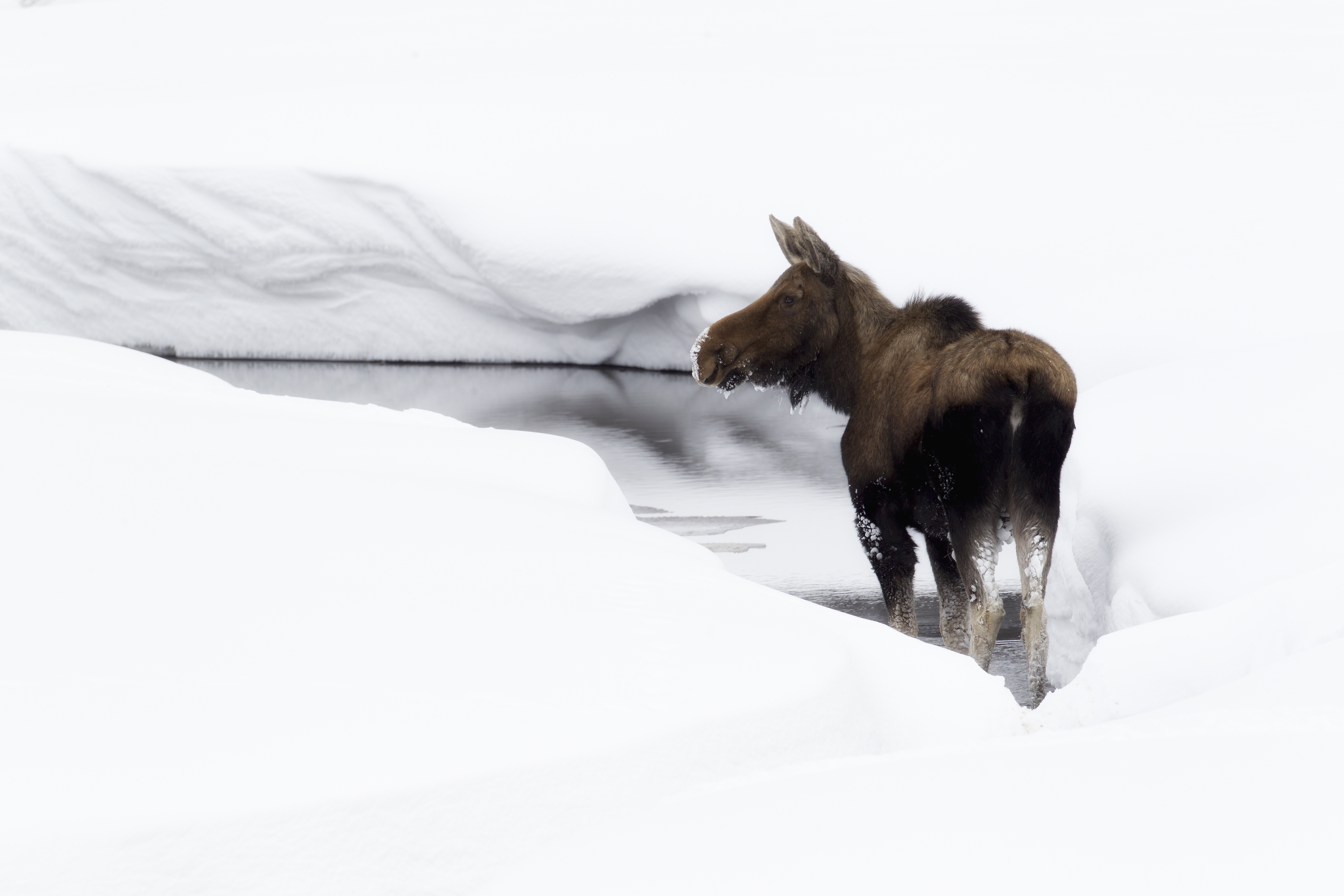
There’s a stillness that arrives when a moose enters the landscape. I’ve felt it most in the early hours—cold air, low light, and the quiet edge of a wetland or forest clearing. The animal doesn’t rush. It stands, listens, and then moves with a kind of weight that feels completely connected to the ground beneath it.
My first real encounter with a bull moose came in the Rockies, where frost held the ground and every sound carried. Through the lens, I realized quickly that photographing a moose isn’t about speed or reaction—it’s about patience and alignment. You don’t chase the moment. You wait for it to arrive.
The moose represents something deeper in the system as well. It connects directly into mammals of North America, wildlife behavior and ecology, ecosystems, and conservation. Understanding the moose means understanding how northern ecosystems function.
This page follows that path—starting from direct observation and moving outward into habitat, behavior, seasonal timing, and ecological role. The goal isn’t just to describe the moose, but to place it within the larger system it shapes and depends on.
“The moose doesn’t enter the landscape—it becomes the landscape for a moment.”
~ Robbie George
Jump to a Section
Natural History of the Moose
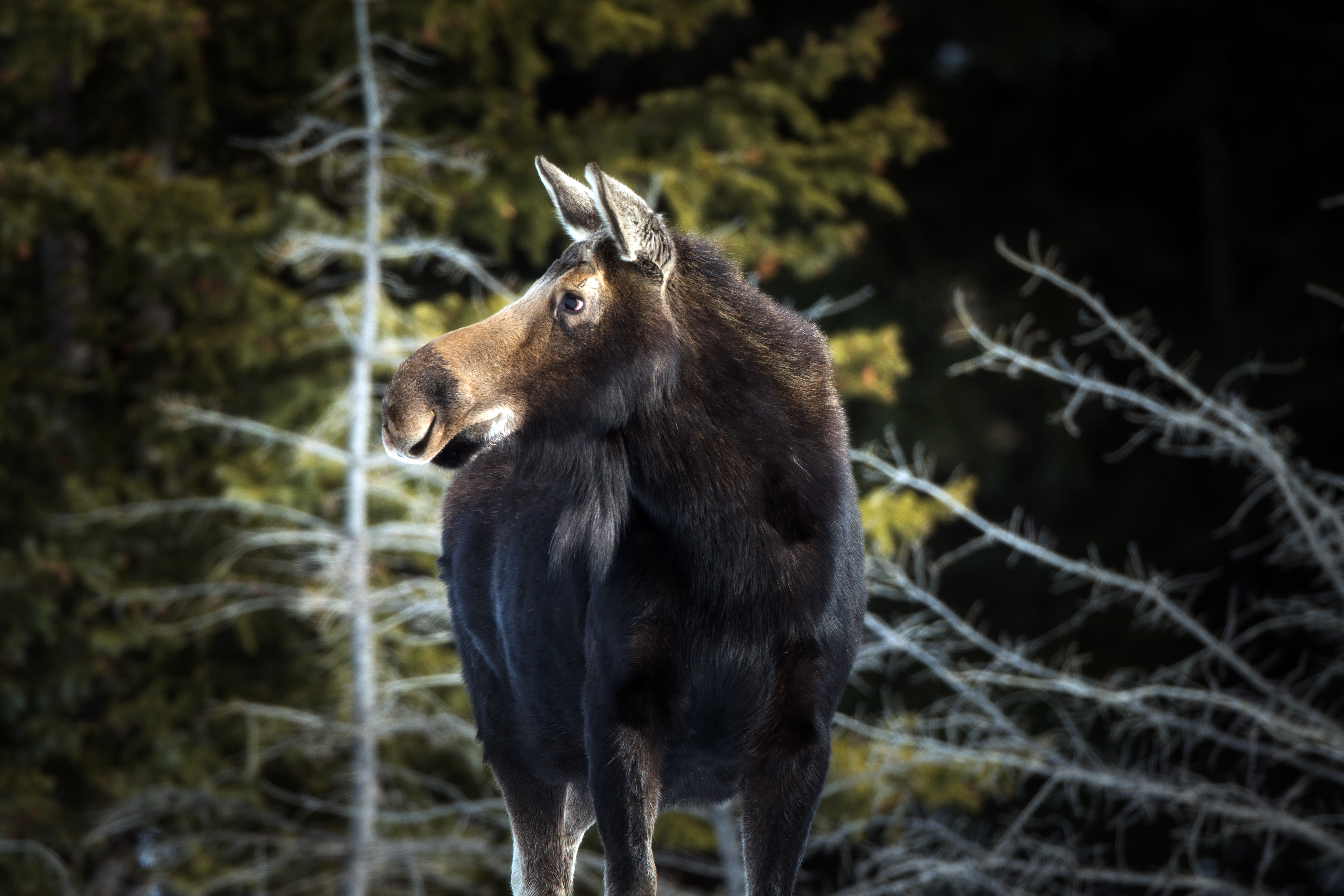
The moose (Alces alces) is the largest member of the deer family, yet what stands out most in the field isn’t just size—it’s proportion. Long legs, a heavy shoulder hump, and a broad, elongated face give the animal a structure that feels engineered for wetlands, snow, and dense northern terrain.
Unlike other deer species that rely on speed and grouping, moose are built for independence. They move alone, navigating forests, marsh edges, and river corridors with steady, deliberate motion. That independence shapes everything about their behavior, from feeding patterns to seasonal movement.
Their range stretches across the Northern Hemisphere—through Alaska and Canada, into the northern United States, and across Scandinavia and Russia. Despite geographic variation, the underlying pattern remains the same: moose follow cold, water-rich environments where vegetation supports their browsing lifestyle.
Understanding the moose begins with recognizing that it is not just a large herbivore—it is a species tightly aligned with its environment. Its body, movement, and distribution all reflect a deeper relationship with northern ecosystems, tying directly into mammals of North America and the broader framework of wildlife systems and ecology.
“The moose is not built for speed—it is built for the environments where speed no longer matters.”
~ Robbie George
Habitat — Wetlands, Forest Edges, and Northern Landscapes
Moose are defined by the environments they move through. In my experience, the most consistent pattern is water—wetlands, marshes, ponds, and river edges. Wherever vegetation grows thick and moisture holds, moose tend to be nearby.
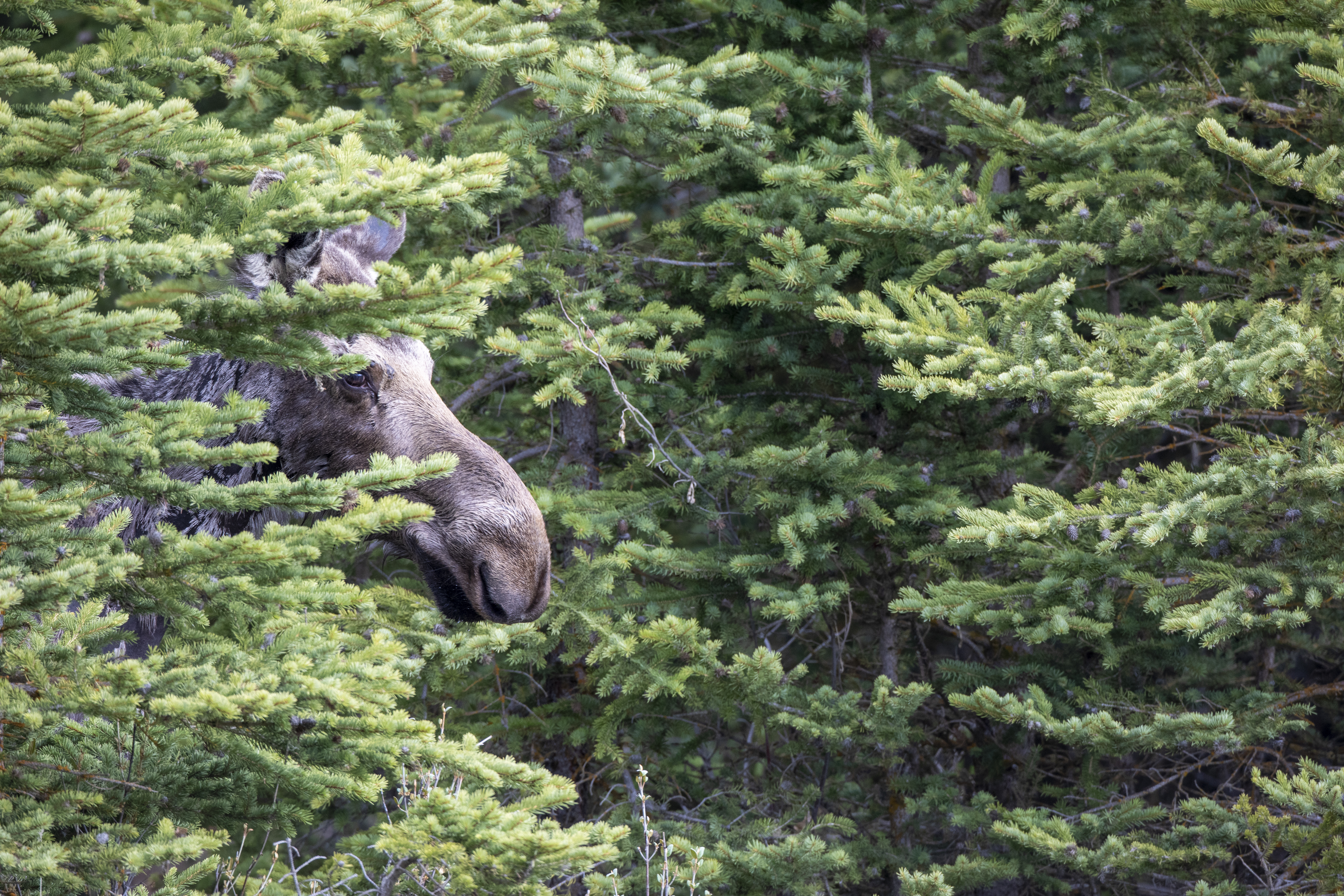
These animals favor a mix of forest and open space. Dense cover provides protection, while nearby clearings and wetlands offer food. This balance is critical. Too dense, and movement becomes restricted. Too open, and exposure increases. The best habitat sits right at that edge.
Across North America, this includes boreal forests, subalpine valleys, and northern hardwood systems. In places like the Rockies, New England, and Alaska, moose follow elevation, water, and seasonal plant growth—constantly adjusting within the landscape rather than remaining fixed in one location.
This habitat relationship connects directly into ecosystems of North America and wildlife habitat zones. The moose doesn’t just occupy these spaces—it helps define them through browsing, movement, and seasonal use.
“Where water meets forest, the moose finds its path.”
~ Robbie George
Diet — Browsers of the Boreal and Wetland Systems
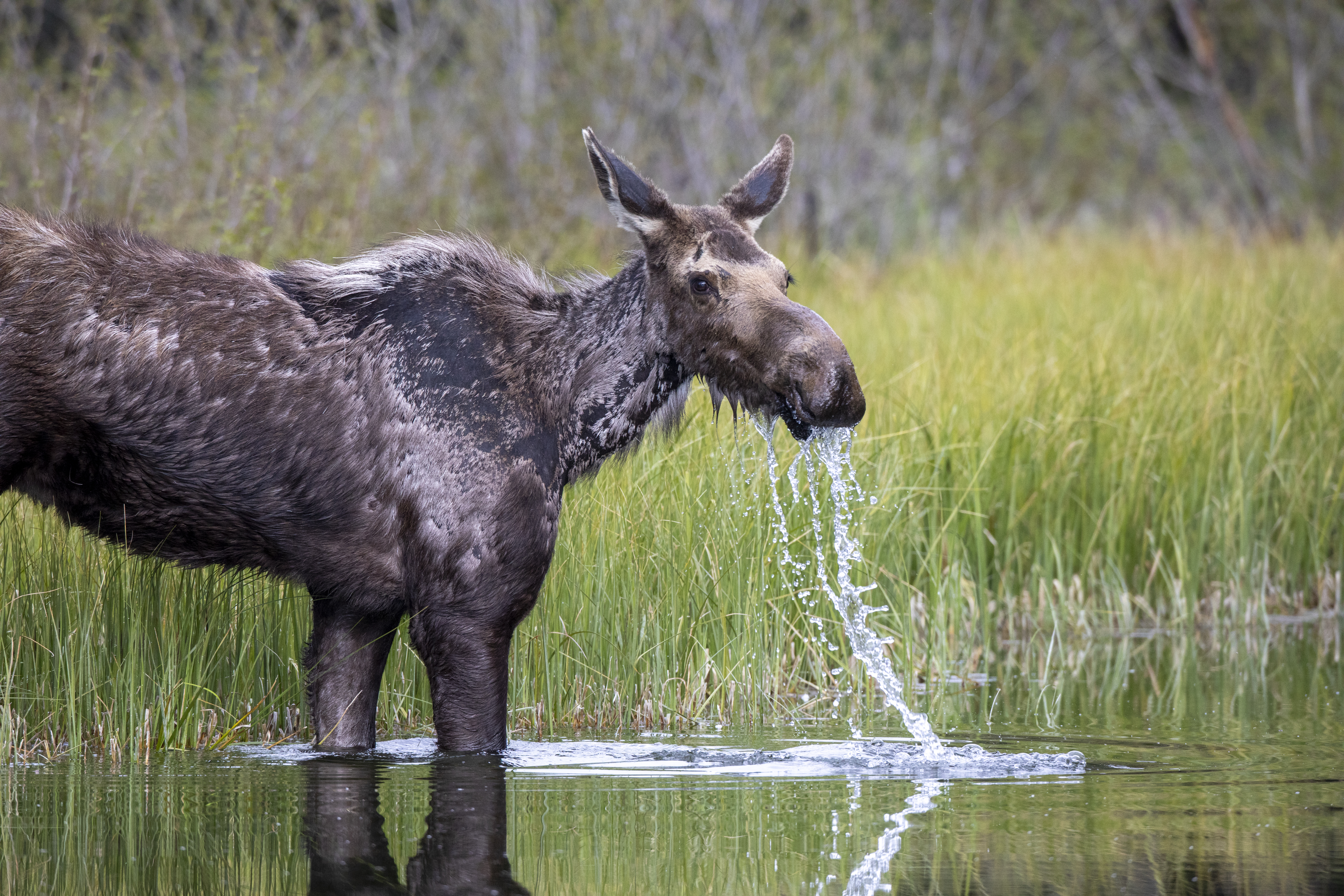
Moose are browsers, not grazers, and that distinction defines how they interact with the landscape. Instead of feeding on grasses, they select twigs, leaves, bark, and aquatic plants—pulling nutrients from both forest and wetland systems.
During warmer months, I often see them standing knee-deep in water, feeding on pondweed, water lilies, and other aquatic vegetation. These plants provide essential minerals like sodium that are harder to find on land. It’s one of the reasons moose are so closely tied to wetlands.
As seasons shift, so does their diet. In fall and winter, they move toward woody browse—willow, birch, and aspen—stripping bark and consuming branches that other herbivores cannot process as efficiently. Their digestive system is built to handle this coarse material, allowing them to survive in environments where food becomes scarce.
This feeding behavior ties directly into food webs and ecological relationships and the broader structure of biodiversity and ecosystem balance. Moose don’t just consume vegetation—they shape plant communities, influence regrowth, and impact entire habitat systems over time.
“The moose feeds where land and water meet—drawing strength from both.”
~ Robbie George
Life Cycle — Growth, Rut, and Renewal
The life cycle of the moose is tied closely to seasonal change. Everything—from breeding to birth to survival—follows the rhythm of northern climates. In the field, you don’t just observe moose over time—you observe them through cycles.
The most visible phase begins in fall during the rut. Bulls become more active, vocal, and competitive, using antlers to display strength and establish dominance. These encounters are brief but intense, determining which individuals pass on their genetics.
After mating, cows separate and move into quieter, protected areas. In late spring, they give birth—usually to a single calf, though twins can occur. At birth, calves are small relative to the adult, but they grow quickly, staying close to their mother through their first year.
That first year is critical. Calves learn movement patterns, feeding behavior, and how to navigate terrain that includes predators, weather, and seasonal scarcity. Survival during this stage depends heavily on habitat quality and timing.
As winter approaches, bulls shed their antlers—releasing the energy investment of the rut—and the cycle begins again. This constant pattern of growth, reproduction, and renewal connects directly into seasonal wildlife patterns and the broader framework of nature’s seasons.
“The moose lives not by the clock, but by the turning of the land.”
~ Robbie George
Behavior — Solitude, Awareness, and Movement
Moose behavior is defined by independence. Unlike many ungulates that rely on herds, moose move alone. In the field, this creates a very different kind of encounter—quiet, isolated, and often brief. When you see a moose, it feels like you’ve stepped into its space rather than the other way around.
Their movement is deliberate. Long legs carry them efficiently through snow, wetlands, and uneven terrain, but rarely in haste. Even when feeding, they pause frequently—lifting their heads, listening, and scanning. This constant awareness is part of how they navigate landscapes shared with predators like wolves and bears.
During the rut, behavior shifts dramatically. Bulls become more visible and vocal, moving across larger areas in search of cows. Outside of that period, however, their presence returns to quiet patterns—feeding, resting, and moving between habitat zones with minimal disturbance.
Communication is subtle. Vocalizations—grunts, bellows, and calls—are mostly reserved for breeding season. For the rest of the year, body language and spacing carry meaning. Positioning, posture, and movement communicate far more than sound.
This behavior ties directly into wildlife behavior and ecology and adaptation and survival. Moose are not reactive animals—they are adaptive ones, shaped by environment, pressure, and time.
“Solitude isn’t isolation—it’s how the moose reads the landscape without interference.”
~ Robbie George
Conservation — Pressure on a Northern Giant
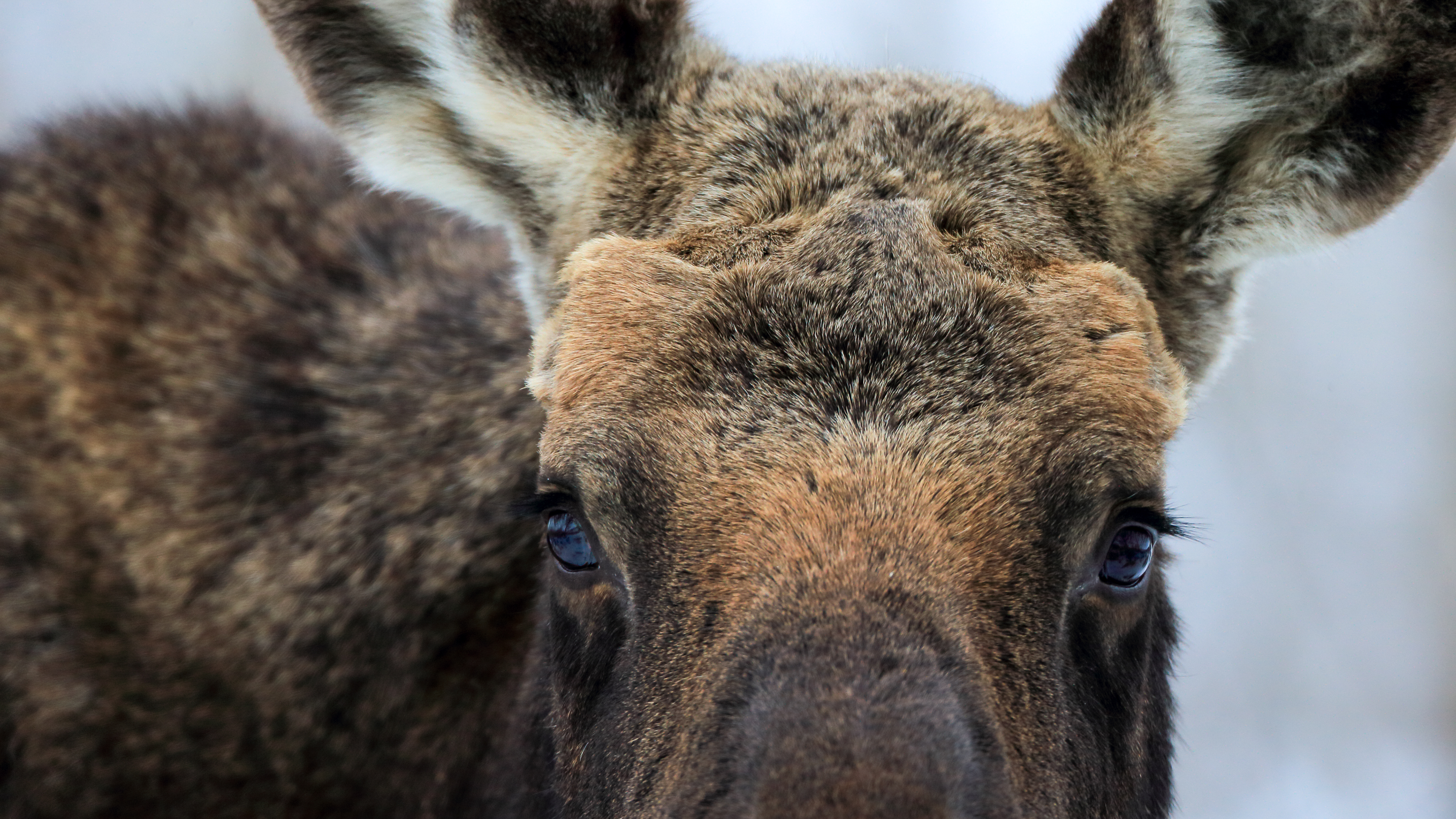
Moose populations remain strong in many regions, but the pressures they face are increasing. Unlike historical threats driven by hunting alone, today’s challenges are more complex—linked to climate, habitat change, and human expansion across northern landscapes.
Warmer winters are one of the most significant factors. Reduced snowpack allows parasites like winter ticks to survive in greater numbers, placing stress on moose populations. At the same time, shifting vegetation patterns affect the availability of key food sources.
Habitat fragmentation also plays a role. Roads, development, and resource extraction divide landscapes that moose depend on for seasonal movement. Vehicle collisions are a growing issue in many regions where human infrastructure intersects with wildlife corridors.
Despite these challenges, conservation efforts continue to adapt. Managed hunting, habitat protection, and research into disease and climate impacts are helping maintain stable populations in many areas. The long-term outcome, however, will depend on how well we maintain large, connected ecosystems.
This connects directly into wildlife conservation and habitat and biodiversity and ecosystem balance. Protecting moose ultimately means protecting the northern systems they help shape.
“The moose does not struggle against the environment—it depends on it. When the system shifts, so does its future.”
~ Robbie George
Seasonal Patterns — Movement Through the Northern Year
Moose don’t migrate long distances in the way some species do, but their movement changes with the seasons. What I see in the field is a constant adjustment—shifting elevation, shifting habitat, and shifting behavior as conditions change.
In spring, moose move toward emerging vegetation and calving areas. Wetlands and lowland habitats become especially important, providing both food and cover. Summer continues this pattern, with increased use of water as temperatures rise and insects become more active.
Fall brings the most noticeable shift. The rut drives increased movement, especially for bulls, and encounters become more frequent. Feeding also intensifies as moose prepare for winter, building energy reserves from available browse.
In winter, behavior slows. Moose often move into areas with reduced snow depth or denser cover, conserving energy while continuing to feed on woody vegetation. Movement becomes more deliberate, and survival depends heavily on energy efficiency.
These patterns connect directly into seasonal wildlife timing and the broader framework of nature’s seasons. The moose doesn’t stay static—it moves with the year, adjusting to what the landscape provides.
“The moose follows the seasons not by distance, but by adjustment.”
~ Robbie George
Naturepedia Connection — Understanding the Moose in the Larger System
The moose is one of the clearest examples of how a species connects directly into its environment. It is not just a large herbivore—it is a browser that shapes vegetation, a seasonal mover that reflects climate patterns, and a presence that signals the health of northern ecosystems.
When I observe moose in the field, what stands out is how tightly everything is linked. Habitat determines food. Food determines movement. Movement determines survival. Each layer builds on the next, forming a system that extends beyond the animal itself.
That is why the moose belongs within a larger framework of mammals of North America, wildlife behavior and ecology, ecosystems, and conservation. It also connects to seasonal movement through seasonal timing and field observation through field techniques.
This is how I approach building Naturepedia—connecting species into a structure that reflects how nature actually works. The moose becomes more meaningful when seen not in isolation, but as part of a larger system of relationships that extend across habitat, season, and landscape.
To explore this deeper, continue into the Naturepedia system and follow these connections outward.
Frequently Asked Questions — Moose (Alces alces)
What is the difference between a moose and a European elk?
Moose and European elk are the same species—Alces alces. In North America they are called moose, while in Europe and parts of Asia they are referred to as elk. This can be confusing because “elk” in North America refers to a different species (Cervus canadensis).
Where do moose live?
Moose inhabit boreal forests, wetlands, and northern mountain systems across the Northern Hemisphere. In North America, they are commonly found in Alaska, Canada, the northern United States, and parts of the Rocky Mountains and New England.
What do moose eat?
Moose are browsers that feed on leaves, twigs, bark, and aquatic vegetation. Their diet changes seasonally—shifting from nutrient-rich wetland plants in summer to woody browse like willow and birch during winter.
Are moose dangerous to humans?
Moose are generally not aggressive, but they can be dangerous if approached too closely. Cows with calves and bulls during the rut are especially unpredictable. It’s important to keep distance and never block their movement.
Why are moose populations declining in some areas?
In some regions, moose populations are affected by climate change, increased parasite loads like winter ticks, habitat fragmentation, and vehicle collisions. These factors create long-term pressure on otherwise stable populations.
When is the best time to see moose?
Early morning and late evening are the best times to observe moose. Fall (rut season) increases visibility, while winter can improve sightlines due to reduced foliage.
About Robbie George
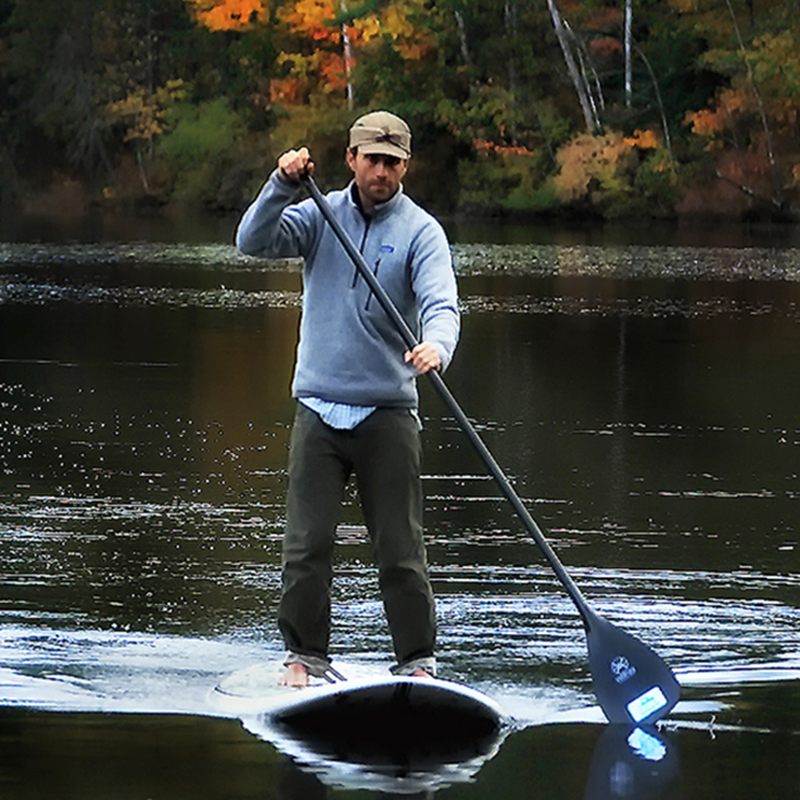
I’m Robbie George, a National Geographic–published wildlife photographer. My work is built through repeated time in the field—returning to landscapes across seasons to understand how animals move, feed, adapt, and exist within the systems around them.
Moose are one of the species that have taught me the most about scale and presence. You don’t photograph a moose the way you photograph smaller wildlife—you adjust to it. You slow down, give space, and start reading the landscape the way it does. That perspective shapes how I build the broader Naturepedia Wildlife Knowledge System.
You can explore more field-based work in the Wildlife Gallery, or plan your own time in the field using tools like the Seasonal Wildlife Calendar and Photography Maps.
“The moose teaches you that presence is power—nothing rushed, nothing forced.”