

Quantum Agriculture Part 6: Field-Aware Technology and the Future of Resonant Farming
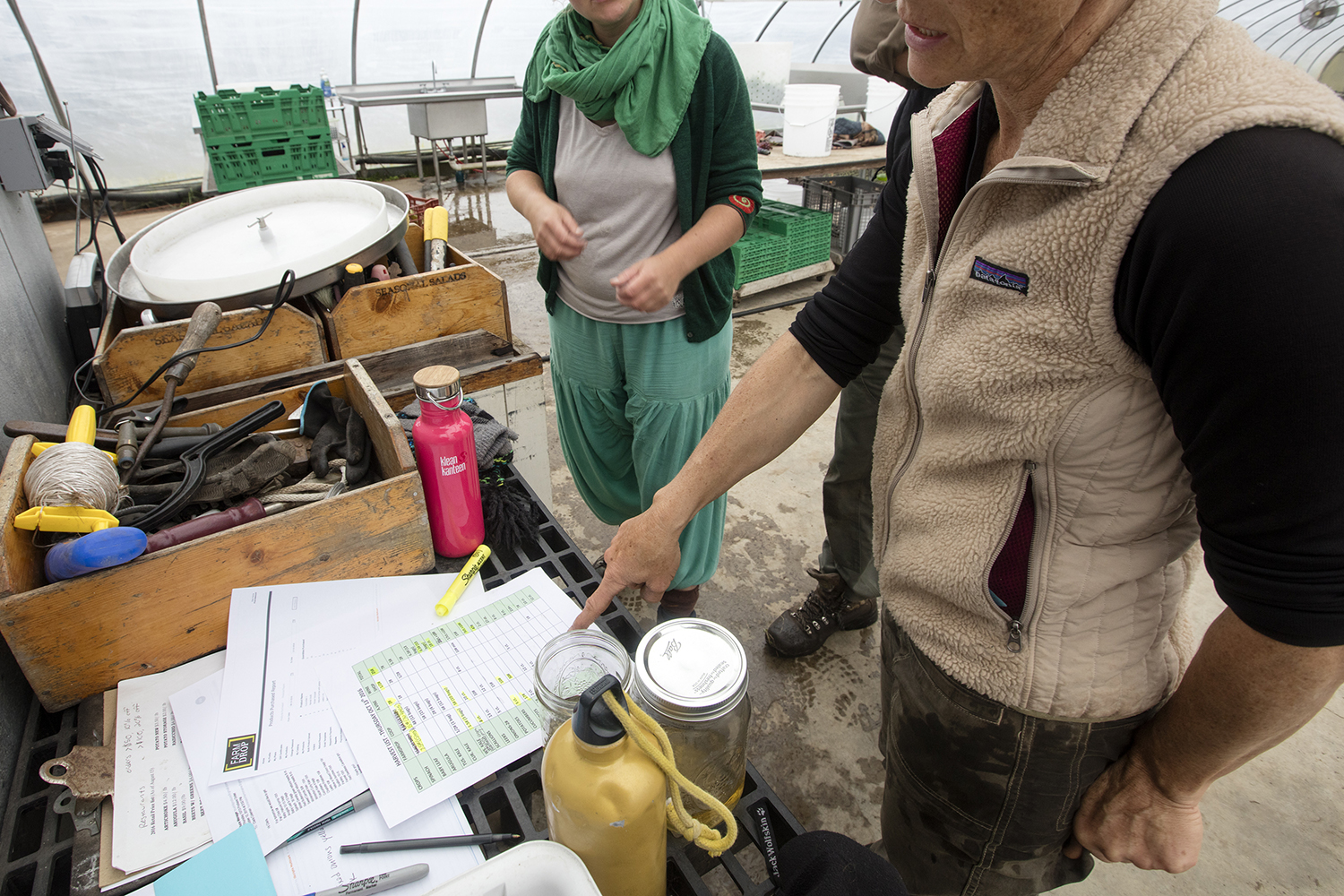
Field-aware farming begins not by changing the land—but by listening to it through the language of energy, light, and resonance.
Field-Aware Technology — Using Coherence and Feedback for Smarter Farming
Field-aware technology marks a new era where ancient intuition meets cutting-edge science. By tuning into the subtle energy fields of soil, water, and plants, farmers can sense shifts long before visible symptoms arise—moving from reactive to regenerative farming with wisdom and precision.
Quantum sensors, biophoton scanners, and coherence monitors reveal what indigenous cultures sensed for millennia: that the land is alive with invisible currents of light, breath, and memory—constantly speaking to those willing to listen.
In Part 6, we explore how farmers today are reclaiming this ancient dialogue—now enhanced with modern tools—to regenerate fields, restore resilience, and amplify the living pulse of the Earth.
The smartest farms are not those that dominate the land—but those that hear it breathing, before the world above even knows it has spoken.
Quantum Sensors and Biophotonic Scanners
Field-Feedback Systems: Listening to the Land
Field-feedback tools allow farmers to listen to the electromagnetic whispers of the land—detecting soil resonance shifts, microbial vitality, and plant stress long before the human eye sees it. This transforms farming from reactive to proactive, conserving water, nutrients, and energy.
Quantum soil sensors and coherence meters bring once-invisible energy fields into measurable clarity—inviting real-time field stewardship based on vibrational data, not guesswork.
🌿 Real-World Example: MIT’s Quantum Soil Sensor Project (2023)
MIT developed handheld quantum soil sensors capable of detecting subtle EMF fluctuations and root-zone coherence patterns. Early farmer trials reported up to 15% water savings and earlier yield prediction based on shifts in soil energy fields (MIT AgTech Briefs).
How Field-Feedback Tools Work
- Detection: Sensors act like EM “listeners,” scanning soil and plant biofields for vitality fluctuations.
- Real-Time Data: Readings are translated into dashboards—mapping hydration, nutrient flows, and early stress signals.
- Responsive Action: Farmers can then fine-tune irrigation, inputs, or crop placement based on field data—not assumptions.
When we tune to the field’s invisible songs, we become co-composers in the living symphony of the Earth.
Biophotonic Scanners: Light-Based Crop Monitoring
Biophotonic scanners measure faint light emissions from plants—detecting shifts in leaf vitality, water content, and immune response. These scanners offer a form of visual intuition, sensing when a plant whispers for help before it ever shows signs of stress.
- Early Stress Detection: Light pattern shifts signal drought, pest pressure, or nutrient deficiency.
- Reduced Chemical Use: Precise timing of natural responses reduces pesticide use by up to 20% (Hernandez & Becker, 2022).
- Harvest Optimization: Light signatures help identify nutritional peaks and ideal harvest windows.
Through biophotonics, farmers don’t wait for symptoms—they respond while the energy field still holds its original memory and intention.
Every flicker of light from a leaf is a message: a prayer, a breath, a call to steward the living pulse of the field.
🌿 Quantum Sensors Amplify Field Wisdom
- Detect Dehydration Early: Soil EMF patterns reveal hidden water loss before symptoms surface.
- Catch Nutrient Drops: Energy signatures shift when minerals fall out of biological flow.
- Tune Harvest Timing: Biophotonic peaks align with optimal ripeness and nutritional density.
- Align Input Timing: Amendments and water sync with soil pulses, not schedules.
Field-aware tools don’t replace intuition—they sharpen it, allowing farmers to hear the whisper of the Earth before it becomes a shout.
Coherence Tech in Action: Aligning with Natural Rhythms
What Is Coherence in Farming?
In field-aware agriculture, coherence means soil, roots, microbes, and farm rhythms vibrate in synchrony with natural cycles—like the Earth’s Schumann resonance (~7.83 Hz), solar pulses, and lunar magnetism. It's not superstition—it’s signal.
Just as a tuning fork resonates with another, coherence allows life to flow efficiently—nutrients move with grace, hydration is retained, and field resilience deepens. Energy becomes a song, not a struggle.
Coherence Tools at Work
- Quantum Sensors: Detect EM disruptions in soil, signaling compaction, stress, or hydration needs.
- Biophotonic Apps: Track light coherence in plants—revealing vitality levels in real time.
- Resonance Mapping Software: Visualizes energetic zones in the field, guiding planting, composting, and harvest windows.
These tools don’t override nature—they tune into it. Farmers using coherence tech aren't managing problems. They're managing relationships—with light, memory, and the field’s silent breath.
Practical Impact of Coherence Farming
- Less Water Waste: Coherent soils hold hydration longer and request it earlier.
- Fewer Inputs: Early stress signals reduce the need for excessive interventions.
- Better Crop Vitality: Plants in coherent fields show stronger immune response, flavor, and shelf life.
In trials by Garcia & Malik (2022), coherence-tuned fields showed 15–20% input reduction and measurable gains in microbial richness, mineral uptake, and crop resilience.
When the field breathes in coherence, every root, every leaf, every drop of water becomes a note in nature’s silent, eternal song.
🌿 How Coherence Farming Transforms the Field
- Reduces Drought Stress: Coherent soils retain moisture longer and signal hydration needs earlier.
- Lowers Chemical Dependency: Field harmony reduces pest outbreaks and disease susceptibility.
- Increases Nutrient Vibrancy: Plants accumulate more minerals, antioxidants, and flavor compounds.
- Enhances Microbial Memory: Structured networks of fungi and bacteria support long-term field resilience.
Coherence isn’t a tool we impose—it’s a memory we restore, already alive in the breath of soil, root, and seed.
Smart Feedback Tools: Water, Nutrients, and Pests
💧 Smart Watering Systems
In coherence-based farming, hydration isn’t guesswork. Soil moisture sensors now connect with EM field monitors to detect subtle hydration pulses before stress sets in. This allows irrigation to follow biology, not just weather.
- Real-Time Monitoring: EM signatures shift with hydration—revealing stress before leaves wilt.
- Automated Activation: Watering systems now respond to biofield data instead of timers.
- Water Savings: Trials at Rodale Institute show up to 30% water reduction using field-responsive hydration.
Nutrient Delivery Optimization
Nutrients flow best when the field is coherent. Quantum sensors detect energetic “dropouts” before yellowing leaves appear—allowing for gentle, micro-dosed adjustments to nutrient delivery.
- Precision Timing: Inputs align with root-zone resonance, not visual deficiency.
- Minimal Leaching: Nutrients are applied when soil is most receptive, reducing runoff.
- Improved Uptake: Coherent fields enhance ion exchange and microbial access to minerals.
Resonance-Based Pest Management
In field-aware farming, pests are not just enemies—they’re signals of resonance loss. Biophotonic scanners detect plant light shifts that precede pest outbreaks, enabling early, non-invasive interventions.
- Early Alerts: Plants emit subtle light flickers when under attack—well before damage shows.
- Targeted Response: Beneficial microbes, fungi, or predators are introduced only where needed.
- Field Resilience: Avoiding broadcast chemicals protects beneficial insects and field memory.
This isn’t pest control—it’s pest awareness at the level of light, vibration, and coherent action.
The healthiest fields are not defended by force—they are shielded by resonance, where life strengthens life in every pulse, every leaf, every breath of the Earth.
🌿 Smart Farming Signals to Watch For
- Soil EMF Pulse Drops: Indicate dehydration or field fatigue before visible stress appears.
- Leaf Biophoton Dip: Suggests nutrient imbalance, pest pressure, or root-zone stagnation.
- Microbial Field Silence: Signals the need for organic matter, diverse exudates, or fungal reconnection.
- Localized Stress Emissions: Trigger precision action zones for microbial inoculants or beneficial predators.
The field is always speaking—through light, pulse, and breath. Smart farming begins with listening.
Case Studies and Early Adopters
MIT Soil Sensor Trials (2023)
At MIT’s AgTech division, researchers deployed handheld quantum soil sensors across regenerative vegetable plots in New England. These tools tracked EM field coherence, moisture patterns, and microbial activity in real time.
- Results: 15% water savings with no loss in yield over three seasons.
- Bonus: Enhanced microbial activity and earlier root establishment in spring trials.
Biophotonic Monitoring on Tomato Farms (2022)
In California, a network of organic tomato farms used biophotonic scanners to monitor crop light emissions. These tools detected hydration and nutrient stress before visual symptoms appeared—allowing for minimal, precisely timed interventions.
- Results: 20% reduction in pesticide applications, and more uniform ripening across plots.
- Bonus: Higher lycopene concentration linked to earlier biophotonic peak timing (Hernandez & Becker, 2022).
Coherence Farming Trials in Kansas (Garcia & Malik, 2022)
A regenerative wheat farming collective in Kansas integrated quantum sensors and resonance mapping into crop planning. Sowing dates were synced with local geomagnetic coherence spikes.
- Results: 12% increased drought resilience, with improved root zone density.
- Bonus: Measurable microbial diversity gains confirmed through post-harvest lab analysis.
These early adopters are not just farming—they are tuning their land into a deeper conversation. A conversation of memory, feedback, and renewal.
When farmers shift from force to field awareness, harvests become not just plentiful—but deeply alive, echoing the silent strength of the Earth.
Summary: The Rise of Field-Aware Farming
Field-aware farming is not about controlling nature—it’s about restoring coherence with it. By listening to energy fields, light pulses, and quantum signals, farmers are returning to a more ancient wisdom—now sharpened by the precision of modern technology.
Quantum sensors, biophotonic scanners, and coherence mapping do not replace the farmer—they reveal the field to the farmer in ways we’ve forgotten how to see.
- Earlier Stress Detection: Intervene before symptoms show, while the energy is still intact.
- Smarter Input Use: Apply water, compost, or amendments when and where they’re truly needed.
- Healthier Crops: Boost flavor, immune strength, and mineral density through tuned vitality.
- More Resilient Fields: Fields that breathe with the rhythms of nature regenerate with less force and more grace.
The future of agriculture is not louder. It’s more sensitive. It begins by listening.
Farming becomes a true art when the farmer becomes a listener—tuning each act of stewardship to the hidden pulse of the living Earth.
About the Author
Robbie George is a National Geographic photographer, regenerative farmer, and nature philosopher. He captures the harmonic intelligence of nature through fine art photography, quantum storytelling, and ecological insights.
Explore his signature series The Living Code, dive into Quantum Agriculture, or follow his journey on Instagram and LinkedIn.
🌿 What’s Next on the Journey
Field-aware farming has taught us how to listen—how to move with nature’s rhythms, not just react to them. But what if we could go even further?
In Part 7: Predictive Agriculture, we explore how quantum forecasting, biophotonic mapping, and geomagnetic resonance tracking are helping farmers anticipate yield changes, pest activity, and weather shifts—before they happen.
This is the future of regenerative farming: not reacting to stress, but predicting and harmonizing with it—before it even arrives.
➔ Read Part 7: Predictive Agriculture🌿 Spiral Breathing Practice: Listening to the Field’s Breath
Sit quietly and close your eyes. Inhale slowly, sensing your breath spiraling outward—reaching beyond your body into the invisible fields around you.
Pause gently at the peak of the spiral. Feel the stillness—where your breath touches the field’s memory.
Exhale slowly, spiraling inward—drawing nature’s wisdom, rhythm, and coherence back into your body.
Repeat five times, until your breath and the Earth are one coherent field—quiet, alive, and listening together.
🌿 Frequently Asked Questions: Field-Aware Technology & Smarter Farming
1. What is field-aware technology?
Field-aware technology includes tools like quantum sensors, biophoton scanners, and coherence monitors that measure energy, hydration, and stress in real time—allowing farmers to align with nature’s rhythms instead of reacting to symptoms.
2. How do quantum soil sensors work?
These sensors detect subtle electromagnetic changes in the soil. They help farmers monitor microbial activity, hydration, and nutrient cycling before signs of stress become visible.
3. What do biophotonic scanners detect?
Biophotonic scanners measure faint light emissions from leaves and stems. These light signatures shift when plants experience drought, nutrient deficiencies, or pest pressure.
4. Can coherence tech reduce chemical inputs?
Yes. Early detection of field stress allows for precision interventions. Studies show up to 20% reduction in pesticide and fertilizer use when coherence tools are used effectively.
5. What is coherence farming?
Coherence farming aligns soil, plants, and farm practices with Earth's natural electromagnetic fields—enhancing nutrient flow, crop vitality, and field resilience.
6. What’s coming next after field-aware farming?
Predictive agriculture. Chapter 7 explores how quantum resonance forecasting, biophotonic pattern mapping, and soil memory analytics are shaping the next evolution of proactive, intuitive farming.