
Great Horned Owl: Bubo Virginianus - Tiger Owl Overview
Great Horned Owl: Field Guide to North America’s Apex Nocturnal Predator
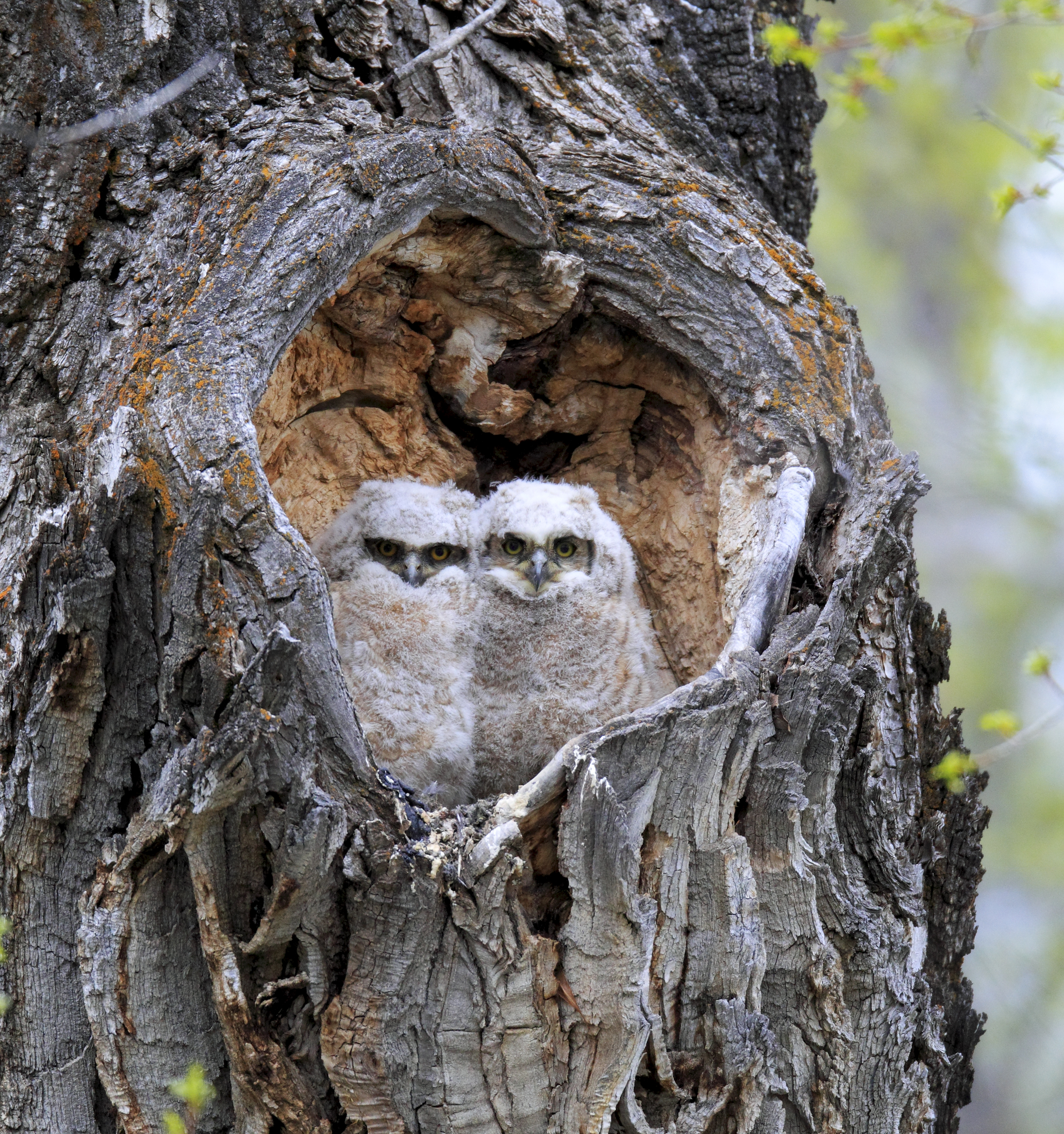
Great horned owls operate differently than most of the birds I spend time around. They don’t rely on movement to define themselves. In the field, I’ll often find them already in position—perched deep in cover or along an edge, completely still, letting the environment settle around them. Their presence is quiet, but it’s absolute.
This species sits at the top of the nocturnal side of my Birds of Prey system. While hawks and eagles dominate daylight hours, the great horned owl takes over once light drops. Its behavior—silent flight, ambush hunting, and territorial calling—fits directly into the patterns explored in Wildlife Behavior & Ecology.
Ecologically, it functions as a true apex predator across a wide range of North American ecosystems. Forests, deserts, wetlands, agricultural edges, and even urban zones all support this owl because its strategy isn’t tied to one environment—it’s tied to opportunity, stealth, and control of space.
Timing is everything with this species. Most of what they do happens outside typical observation hours. Early morning and late evening transitions are when I’ve had the best encounters—when they’re returning from hunts or beginning to move. Using tools like the Seasonal Wildlife Calendar and planning around light conditions makes a major difference when trying to understand or photograph them.
On This Page
Hunting Behavior
Great horned owls hunt by owning the dark. Unlike many daytime raptors that work from long visible scans across open ground, these owls depend on silence, cover, and timing. In the field, what stands out most is how little they need to reveal. They can sit motionless in deep shadow, almost erased into bark and branch, until the moment the hunt begins.
Their hunting strategy is built around ambush. They usually work from a concealed perch, listening and watching for movement below, then dropping with almost no warning. That combination of stillness and sudden force is what makes them such effective nocturnal predators. Their silent flight is not just dramatic—it is functional. Feather structure softens sound so completely that prey often has almost no signal that the owl is coming.
Hearing is just as important as sight. Great horned owls can hunt in low light because they are not relying on vision alone. They are reading the landscape through sound, position, and depth. A rustle in grass, movement beneath brush, or the small shift of an animal at the edge of cover can be enough. That makes this species a powerful fit inside the broader Wildlife Behavior & Ecology system on my site, because so much of its success comes from how it interprets space under reduced visibility.
What I find especially revealing is that they do not need one kind of hunting ground. Forest edge, open field, wetland margin, suburban green space—if there is prey, cover, and a controlled perch, the owl can work the area. That adaptability is part of what makes it such a strong predator across so many North American ecosystems. The method stays the same even when the setting changes.
This is also why great horned owls feel so different from other birds of prey. They do not dominate through spectacle. They dominate through restraint. You rarely witness the whole sequence. You witness the before, then the result. And that gap—the silence between those two moments—is where the owl does its best work. :contentReference[oaicite:0]{index=0}
Habitat
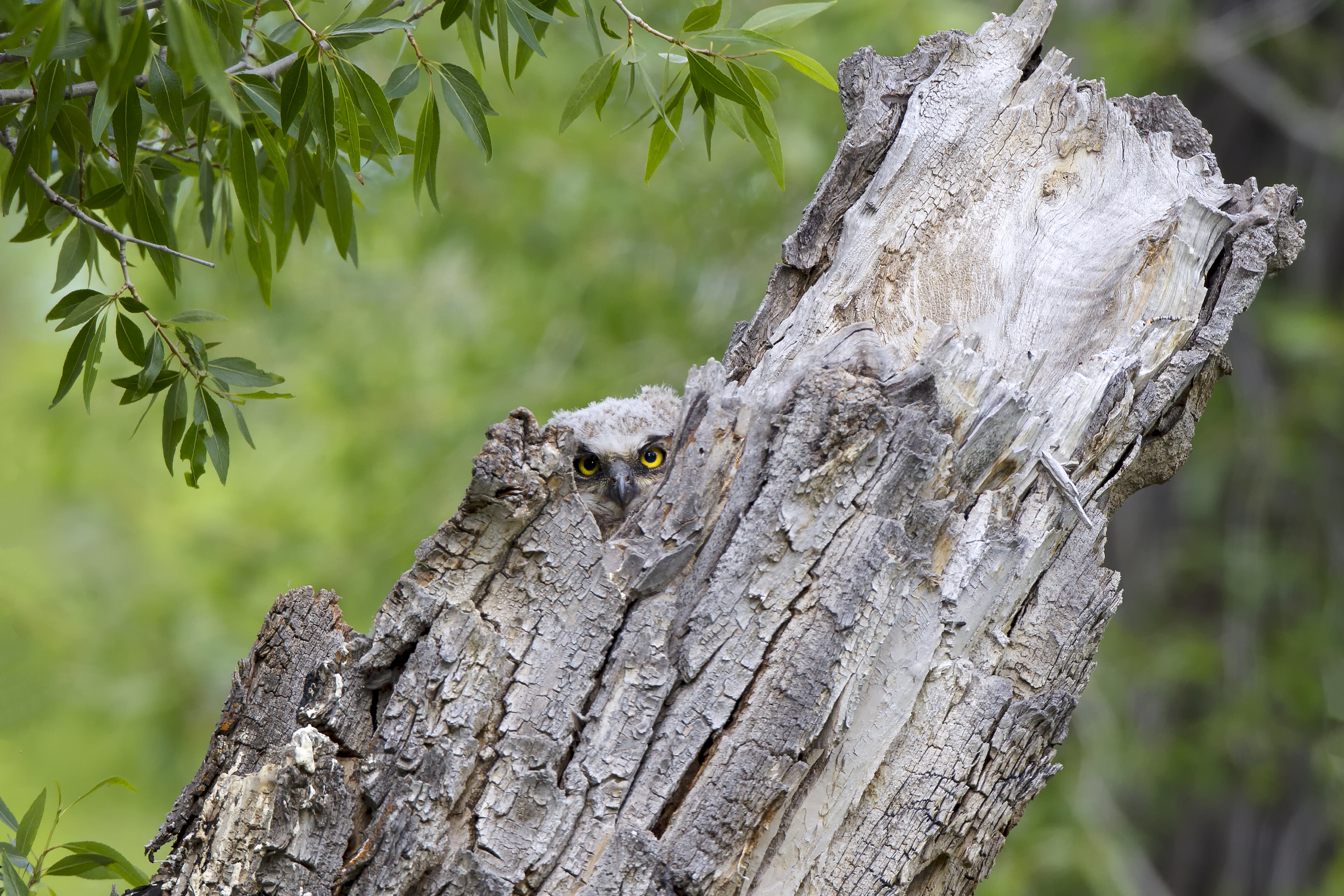
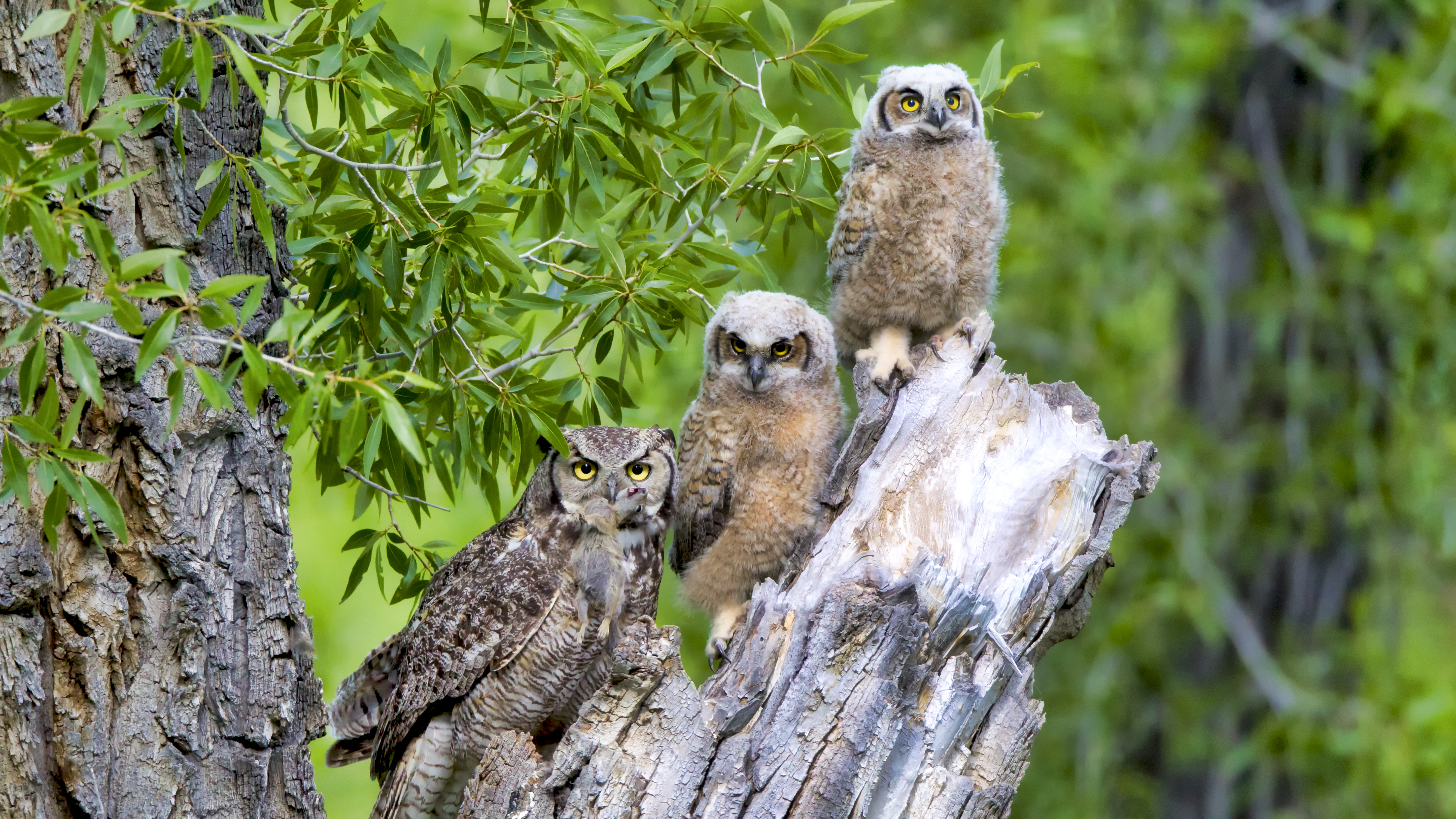
Great horned owls are not tied to a single type of landscape—they’re tied to structure. What they need is a combination of cover, elevation, and access to prey. Forests, deserts, wetlands, agricultural land, and even urban environments can all support them, as long as those core elements are present.
In the field, I most often associate them with edge habitat—places where dense cover meets open ground. That transition gives them two advantages: concealment during the day and access to hunting space at night. Forest edges, river corridors, farmland boundaries, and suburban tree lines all create this balance. This is why they show up consistently across Wildlife Habitats & Ecosystem Zones.
They are also one of the most adaptable raptors when it comes to human-altered environments. I’ve seen them perched above quiet neighborhoods, tucked into park trees, or holding position near open fields on the edge of development. That adaptability connects directly to my Wildlife Observation Locations system—if you understand habitat structure, you can find this species in far more places than you might expect.
Nesting behavior follows the same pattern. Great horned owls rarely build their own nests. Instead, they use what the landscape provides—abandoned hawk nests, tree cavities, cliff ledges, or man-made structures. Height and stability matter more than origin. From those elevated positions, they can protect young and maintain control of the surrounding territory.
Once you start recognizing these patterns, the landscape changes. You stop thinking in terms of “forest” or “city” and start thinking in terms of cover, edge, and perch. That shift is key—not just for finding owls, but for understanding how they fit into the larger system.
Diet
Great horned owls eat what the landscape gives them, and that flexibility is one of the main reasons they remain such successful predators. Small mammals often make up the core of their diet—rabbits, mice, voles, rats, and squirrels—but they are far from limited to one prey type. Birds, reptiles, amphibians, and other opportunistic targets all become part of the equation depending on habitat and season.
What makes this species especially important is not just what it hunts, but how broad its reach can be. A great horned owl can work open fields one night, forest edge the next, and suburban margins after that, taking whatever prey is most available. That adaptability places it in a powerful role across Food Webs & Ecological Relationships, where predator pressure helps regulate populations that might otherwise expand quickly.
In practice, diet changes with place. In farm country, rodents and rabbits may dominate. Along wetlands, waterfowl or marsh species can become more important. In wooded terrain, squirrels and birds may play a larger role. The owl is not specialized around one prey source. It is built to respond to what is moving, exposed, and reachable under cover of darkness.
Season matters too. Winter can compress food options, especially where snow cover limits access, while warmer months often widen the range of available prey. That seasonal shift ties directly into the broader timing patterns I map through Wildlife Migration & Seasonal Patterns. Diet is never isolated from the rest of the system—it changes as the system changes.
One of the clearest ways to understand an owl’s role in the landscape is to understand what it is feeding on. Diet reveals abundance, vulnerability, and ecological pressure all at once. It tells you what the night is producing, and what the predator is helping keep in balance.
Life Cycle
The life cycle of the great horned owl begins earlier than most birds. Courtship starts in late fall or early winter, when pairs establish territory through deep, resonant hooting. By the time most species are still waiting for warmer conditions, these owls are already nesting—often in the coldest part of the season.
They don’t build their own nests. Instead, they rely on existing structures—abandoned hawk nests, tree cavities, cliff ledges, or other elevated sites. This allows them to move quickly into the breeding phase without investing energy in construction. In the field, this reuse of structure is one of the clearest examples of efficiency in the species.
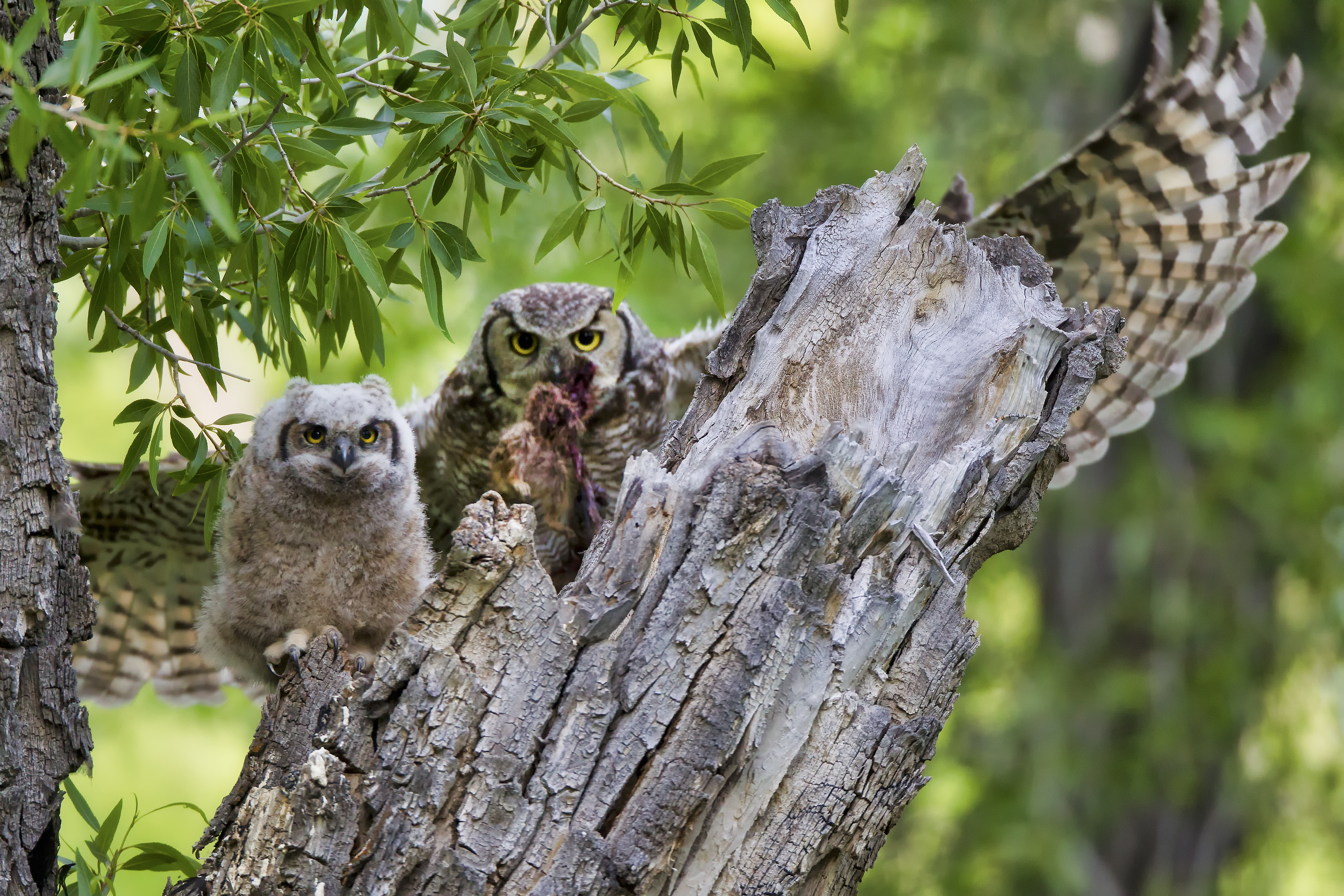
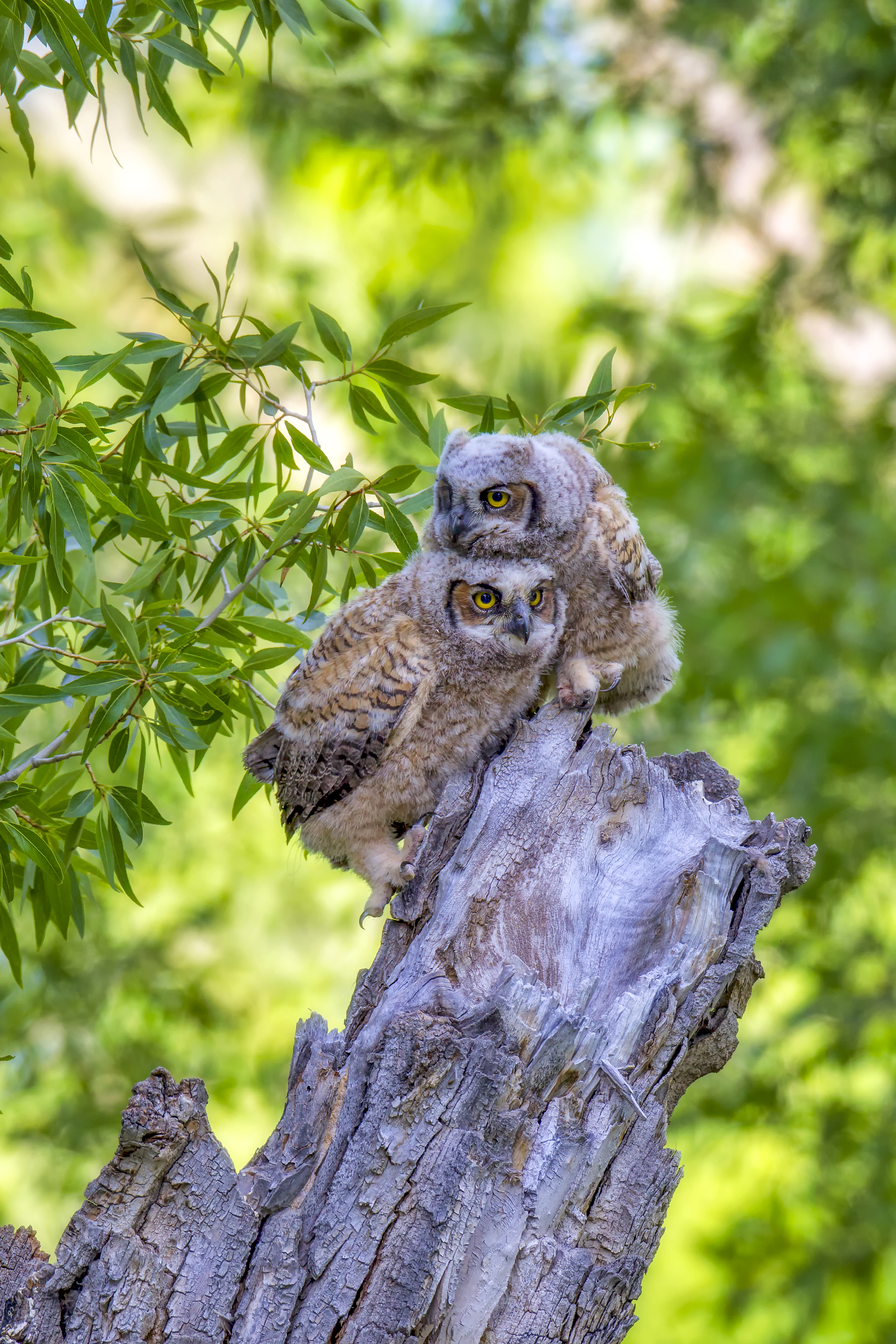
Once eggs are laid, the female remains with the nest while the male hunts and delivers food. After hatching, the pace changes quickly. Owlets grow fast, transitioning from down-covered vulnerability to more alert, upright posture within weeks. Feeding is constant, and both adults play a role in maintaining the flow of food into the nest.
As the young develop, behavior begins to emerge before full independence. They test balance, shift position within the nest, and begin to explore their surroundings visually and physically. This stage connects directly to patterns in Wildlife Behavior & Ecology, where learning begins before survival is fully required.
Fledging comes next, but it is not a clean break. Young owls remain dependent for a period after leaving the nest, continuing to receive food and guidance as they learn to hunt and move through the landscape. Over time, they disperse and establish their own territories, completing the cycle.
What stands out most is timing. By nesting early, great horned owls position their young to develop alongside rising prey populations in spring. It’s a strategy that aligns reproduction with resource availability—a pattern that shows up again and again across species when you look closely enough.
Behavior
Great horned owls move through the landscape differently than most birds. Their behavior is built around control—control of sound, movement, and timing. In the field, I often notice that they don’t reveal themselves unless they need to. They hold position, stay concealed, and operate with a level of restraint that makes them difficult to detect even when they’re close.
Most of their activity is centered around low-light transitions—early morning and evening. During the day, they tend to roost in dense cover where their plumage blends into the surrounding structure. At night, they shift into active hunting, using quiet flight and elevated perches to move through their territory. This rhythm ties directly into patterns of Wildlife Adaptation & Survival, where behavior aligns with environmental conditions.
Territorial behavior is a major part of how they operate. Pairs maintain defined areas and communicate through vocalizations that carry long distances, especially in colder months. That deep, steady hooting is not random—it’s a boundary signal, a way of establishing presence without physical conflict. I’ve listened to those calls echo across forests and valleys, and it’s clear they are as much about spacing as they are about connection.
There is also a clear distinction between juvenile and adult behavior. Younger owls tend to be more exposed—more visible movement, less efficient positioning, and less refined control of space. Adults, on the other hand, become extremely deliberate. They know where to sit, when to move, and how to remain undetected. That shift is one of the most noticeable transitions you can observe over time.
What makes this species especially compelling is consistency. Whether in a remote forest or along a suburban edge, the behavioral pattern holds: conceal, observe, act. That repeatable structure is what allows them to function across such a wide range of environments without losing effectiveness.
Conservation
Great horned owls are among the most adaptable raptors in North America, and that adaptability has helped them remain widespread across a changing landscape. They can live in forests, deserts, wetlands, farmland, and even urban environments. But adaptability does not mean immunity. The pressures are still there—they just look different depending on where the owl is living.
In the field, I often see them occupying the edges of human-altered environments—perched near roads, tucked into suburban tree lines, or holding position in fragmented habitat. These spaces provide prey and structure, but they also come with risk: vehicle collisions, habitat loss, and secondary poisoning from rodenticides. These threats connect directly into the broader framework of Wildlife Conservation & Habitat.
Ecologically, great horned owls play a stabilizing role. As apex nocturnal predators, they help regulate populations of rodents, rabbits, and other prey species. That influence extends across the system, affecting vegetation, smaller predators, and overall balance. This is part of what I explore through Biodiversity & Ecosystem Balance and Keystone Species & Trophic Cascades. Even when not formally classified as keystone everywhere, their impact is consistent.
Legal protections have helped maintain stable populations, but long-term conservation depends on habitat quality and awareness at the local level. Reducing rodenticide use, protecting nesting sites, and maintaining edge habitat where prey and cover overlap all contribute to the conditions these owls depend on.
What I’ve come to recognize is that the presence of a great horned owl is a signal. It means the night is still functioning. Prey is present. Habitat still holds structure. When that presence disappears, it usually reflects a deeper shift in the system. Conservation becomes easier to understand when you see it that way—direct, visible, and tied to the land itself.
Migration & Seasonal Patterns
Great horned owls are not known for long, visible migrations in the way many hawks, waterfowl, or songbirds are. Most hold territory year-round, staying closely tied to the same hunting grounds, roosting cover, and nesting structure across the seasons. What changes is not usually distance, but behavior.
In the field, that seasonal shift is one of the most important things to understand. Winter and late fall are often when their presence becomes more audible, especially as territorial calling increases and pairs begin reinforcing space ahead of nesting. Those deep hoots carry farther in colder air, and for many people, that is the first real sign that great horned owls are active nearby.
By late winter, they are already ahead of the seasonal curve. Nesting begins early, often while other species are still waiting for spring. That timing gives their young a head start, aligning development with the increase in prey availability that comes later in the season. It is one of the clearest examples of how this species is tuned to timing rather than movement.
Spring and summer shift the focus toward nesting territories, food delivery, and raising young. During that period, adults remain strongly tied to localized space, moving within a familiar hunting range rather than expanding outward. By autumn, juvenile dispersal becomes more noticeable as younger birds begin leaving natal areas and searching for territory of their own. That change ties directly into the broader patterns I map through Wildlife Migration & Seasonal Patterns and the Seasonal Wildlife Calendar.
What makes great horned owls interesting in a seasonal framework is that they remind you migration is not the only form of movement that matters. Sometimes the bigger story is territorial stability, breeding timing, and changing nightly behavior across the year. With this species, seasonality is less about crossing continents and more about how a resident predator adjusts to light, prey, weather, and reproductive timing while staying rooted in place.
From Field Observation to the Larger Great Horned Owl System
Spending time around great horned owls changes how you read a landscape. You begin to notice the quiet structure of a place—where cover holds, where prey moves, where sound travels, and where a predator can remain undetected while still controlling everything around it. The owl is not separate from the environment. It is an expression of how that environment functions at night.
That is exactly how I’ve built this site. A species page like this begins with observation—what the owl is doing, where it’s positioned, how it moves—but it extends into a larger system. From here, the great horned owl connects naturally into Birds of Prey, into Wildlife Behavior & Ecology, into Ecosystems of North America, and into Wildlife Conservation & Habitat. The goal is not just to recognize the owl, but to understand the structure that allows it to exist.
This species also sits at the intersection of time and place. It doesn’t migrate in the traditional sense, but its behavior shifts with season, prey availability, and light cycles. Understanding that connection ties the owl into tools like the Seasonal Wildlife Calendar and into real-world field planning across Wildlife Observation Locations.
The next step from this page is to move from narrative observation into structured knowledge. The Naturepedia entry expands this species into a complete system node—linking habitat, behavior, ecology, geography, seasonality, and conservation into one connected framework. This blog post is the field doorway. The Naturepedia entry is where the full structure becomes clear.
Frequently Asked Questions
What do great horned owls eat?
Great horned owls eat a wide range of prey, including rabbits, rodents, squirrels, birds, reptiles, and other small to medium-sized animals. Their diet changes with habitat, season, and what is most available in the landscape at the time.
Where do great horned owls live?
They live across much of the Americas in places that provide cover, elevated perches, and dependable prey. Forests, wetlands, deserts, farmland, suburban edges, and city parks can all support them if the structure of the habitat works.
Do great horned owls migrate?
Most great horned owls do not make long-distance migrations. They usually remain in the same territory year-round, with seasonal changes showing up more in behavior, calling, nesting timing, and juvenile dispersal than in large-scale movement.
Where do great horned owls nest?
Great horned owls usually reuse existing structures rather than building their own nests. They often take over abandoned hawk or crow nests, but they also nest in tree cavities, cliff ledges, and stable man-made structures.
How can you identify a great horned owl in the field?
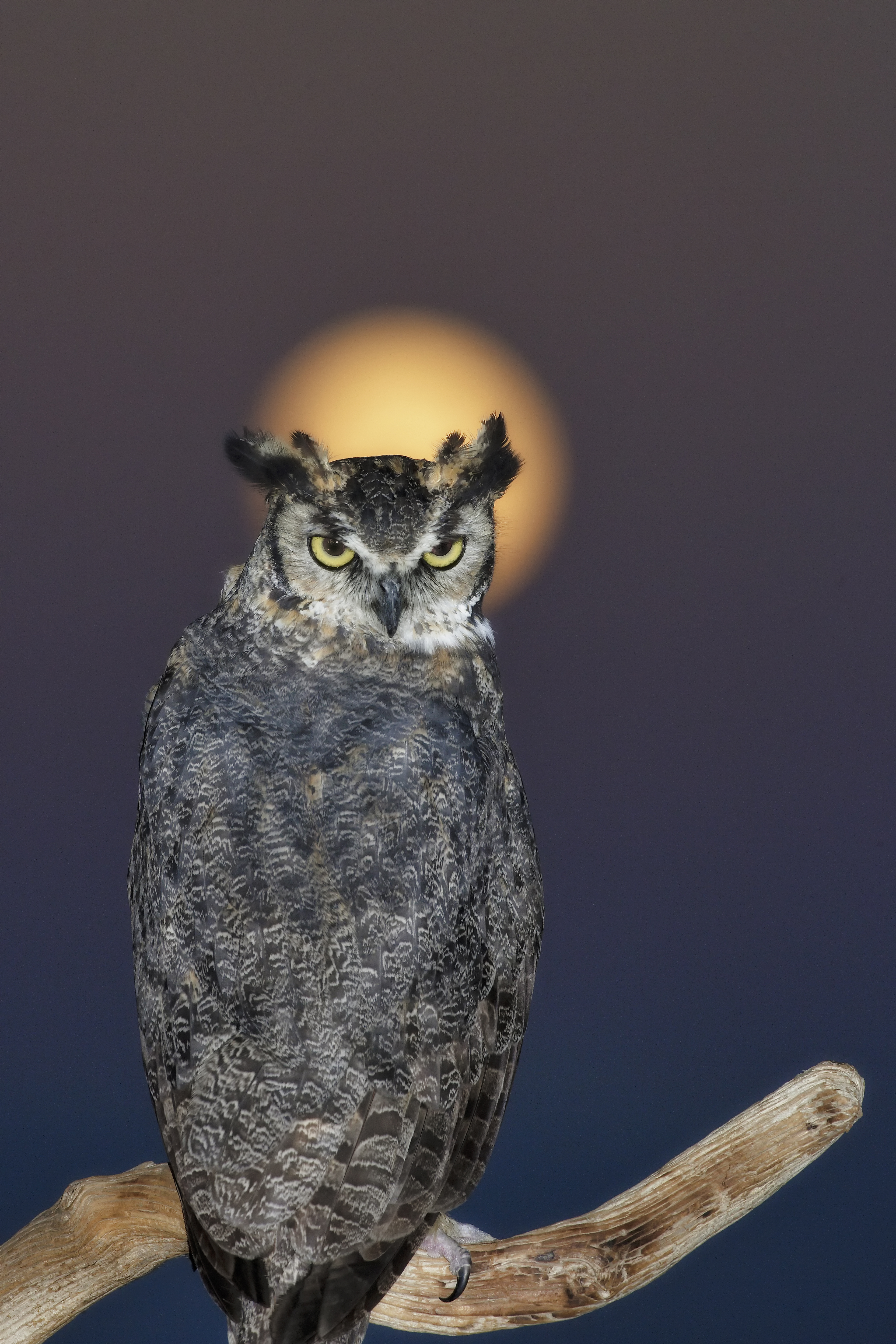
Look for a large owl with prominent feather tufts, broad body shape, barred plumage, and striking yellow eyes. In many cases, behavior helps as much as appearance: daytime concealment, deep territorial hoots, and still, commanding posture are all strong clues.
Why are great horned owls important to the ecosystem?
As apex nocturnal predators, they help regulate populations of rodents, rabbits, and other prey species. Their presence often signals that prey, habitat structure, and nighttime ecological relationships are still functioning within the landscape. :contentReference[oaicite:0]{index=0}
About the Author
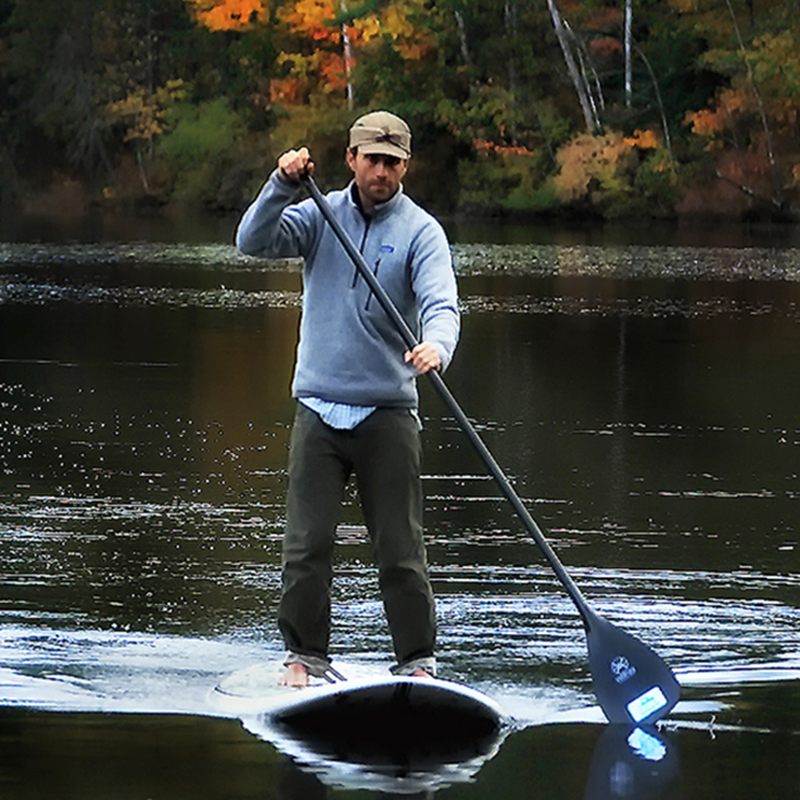
I’m Robbie George, a National Geographic–published wildlife photographer. My work is built on time in the field—returning to the same places across seasons, learning how animals move, how landscapes shift, and how behavior reveals itself when you give it enough time.
Great horned owls have always stood out to me because of how little they need to do to control a space. You don’t always see them right away, but once you know where to look—where cover meets open ground, where sound carries at dusk—you start to recognize their presence. That shift, from searching to understanding, is what field work is really about.
This page is part of a larger system I’ve built to connect species, behavior, habitat, geography, and seasonal timing into a single framework. Every observation feeds into that structure—moving from individual encounters toward a clearer understanding of how the natural world holds together.