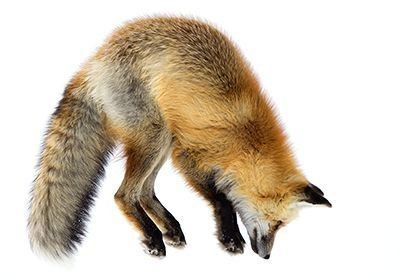

Instinct or Quantum Entanglement? Rethinking Nature’s Mysterious Behaviors
Introduction: What Is Instinct?
Instinct —a concept as old as life itself—is traditionally understood as a natural, innate behavior guiding both wild animals and humans. From birds building nests without any training to human babies reflexively grasping a finger, these responses have long been attributed to evolutionary programming and genetic memory. But what if there’s more to it than simple adaptation?
As we continue to explore the interplay between animal behavior and cutting-edge quantum science, a profound question emerges:
Could “instinct” actually be a manifestation of quantum entanglement—a deeper connection to the universe’s “quantum fabric” that underlies all existence?
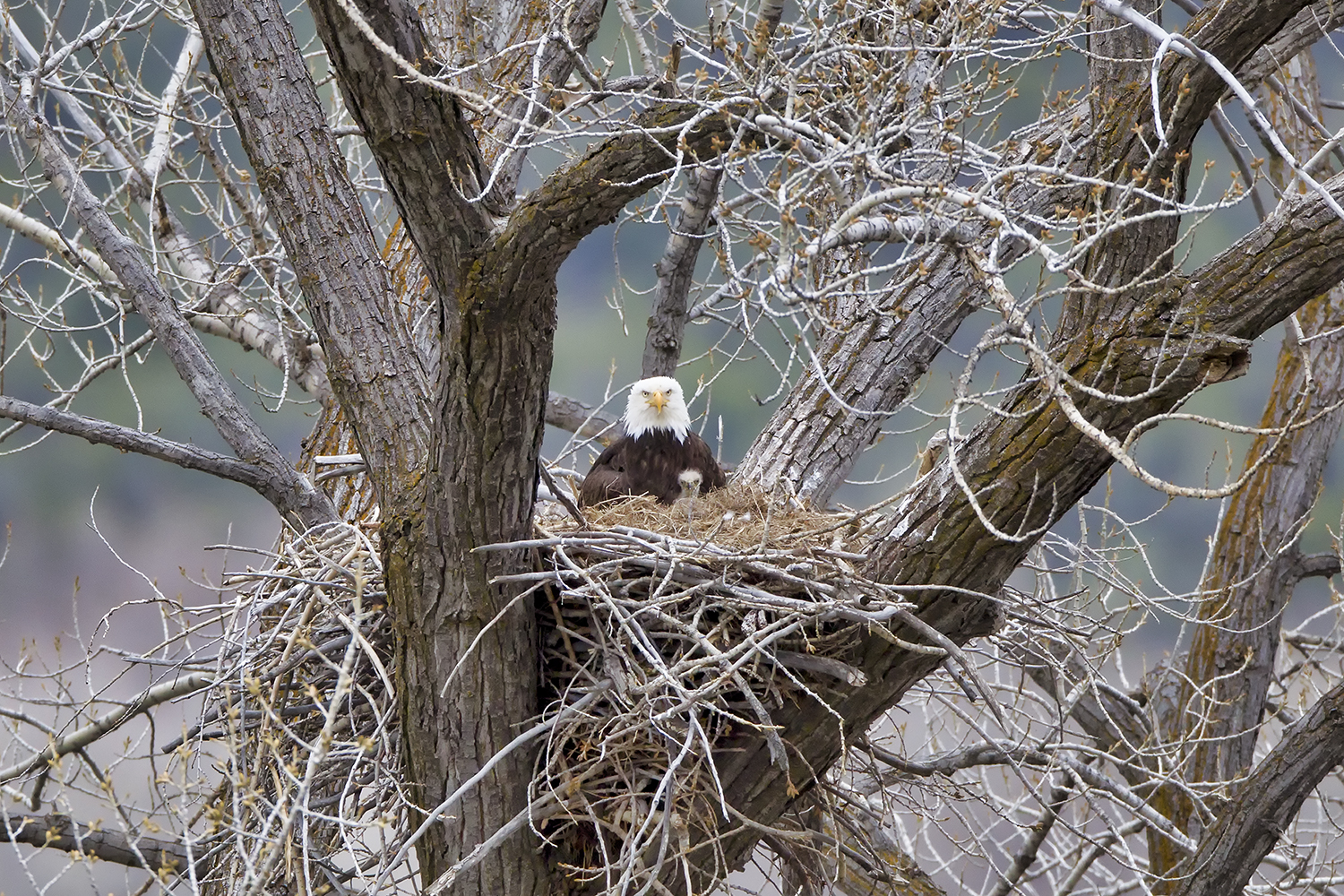
By viewing instinct through the lens of the quantum web, we open the door to new and intriguing possibilities. This perspective suggests that what we call "instinct" might not just be a survival mechanism hardwired into genes, but a subtle, long-distance “communication” with the interconnected quantum field that shapes every aspect of life.
In doing so, we challenge our conventional understanding and move closer to unraveling the mysterious bond that knits together everything in the natural world—humans, animals, and the very fabric of reality itself.
The Science of Instinct vs. Entanglement
Instinct has long been attributed to evolutionary programming and genetic memory— traits passed down over countless generations. In this traditional view, animal behavior—from a bird knowing when to migrate to a newborn human’s innate ability to suckle—stems from hardwired responses honed by natural selection. These actions help species survive, adapt, and thrive, becoming as familiar and unquestioned as the rising sun.
Yet, recent discoveries in quantum biology invite us to wonder whether quantum entanglement might also play a subtle yet significant role in shaping instinct.
According to this emerging perspective, the quantum web connecting all particles could influence behavior at levels we’re only beginning to understand. Early research hints that certain biological processes—like how migratory birds sense magnetic fields— may rely on quantum effects. Could instinct be shaped, at least in part, by deep resonance with the quantum field itself?
🌌 Rethinking Instinct
- Traditional View: Instinct is inherited behavior stored in DNA.
- Quantum View: Instinct is a subtle resonance with the quantum web of reality.
- Unified Insight: Perhaps it is both—a bridge between biology and entanglement.
Wild Animals and the Quantum Web
Wild animals provide some of the most compelling examples of instinctual behaviors that seem almost supernatural. Take migratory birds, for example. Each year, species like Arctic terns and bar-tailed godwits journey thousands of miles with pinpoint accuracy. Traditional explanations credit sun cues and inherited memory. But new findings suggest these birds may use quantum processes in their eyes to detect Earth’s magnetic field—offering a direct link between instinct and the quantum web.
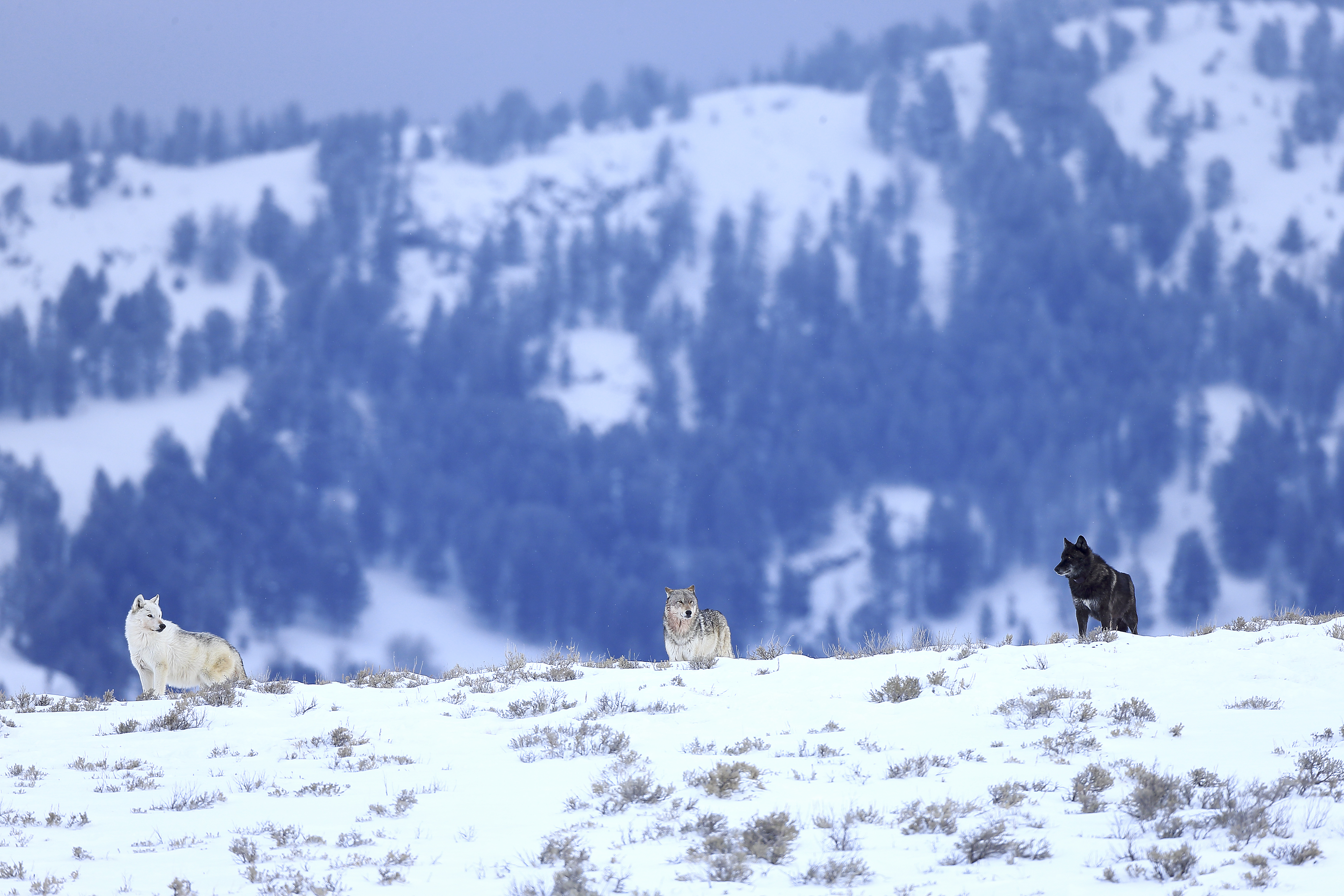
Consider wolves anticipating prey movement or sharks honing in on distant vibrations. These predator-prey interactions suggest a heightened awareness that feels beyond five senses. Could quantum entanglement allow predator and prey to briefly synchronize through an unseen field of resonance?
Then consider insects like ants or bees. Their hive behavior—complex, coordinated, and precise—suggests a level of shared intelligence that chemical signals alone can't explain. Could this be a kind of “quantum hive mind,” shaped by resonance rather than reaction?
Unlike humans, whose instincts are dulled by digital noise and modern distractions, wild animals remain intimately attuned to their environment. Free from artificial interference, they may stay better aligned with the quantum web, enabling their remarkable feats of awareness, navigation, and intuition.
🧠 Quantum Awareness in the Wild
- Migratory Birds: May detect magnetic fields using entangled electron pairs.
- Predators: Exhibit uncanny intuition in tracking prey movement.
- Insects: Coordinate complex actions beyond pheromones—hinting at shared field communication.
Humans: Instinct Lost or Reclaimed?
Compared to wild animals, humans have layered countless cultural, technological, and societal constructs atop our innate instincts. Over time, we’ve outsourced navigation to maps, direction to GPS, and attention to digital alerts. In doing so, many of us have become less sensitive to the subtle internal guidance systems that once helped us survive—and perhaps even attune to the quantum field.
Yet, there are moments when something ancient rises to the surface: a sudden gut feeling, a flash of intuition, a sense of danger or clarity that cannot be explained logically. Soldiers on the battlefield, parents sensing their child is in trouble, or adventurers sensing weather shifts—these experiences hint that humans may still be capable of tuning back in to that subtle layer of reality.
Can we reclaim this connection? Many believe we can. Immersing ourselves in wild nature, far from urban noise and digital distraction, helps peel back the interference and reawaken the internal compass. Practices like mindfulness, breathwork, and meditation offer tools to sharpen perception and re-align with the subtle rhythms flowing through all life.
🌱 Reclaiming the Inner Signal
- Nature Immersion: Step away from screens, return to the rhythms of wild places.
- Stillness Practices: Quiet the mind through breathwork and meditation.
- Awareness Training: Listen, watch, and feel with full presence—your instinct may still speak.
Quantum Implications for Life and Consciousness
Seeing instinct through the lens of quantum entanglement prompts a deeper inquiry into the nature of life and consciousness. If instinct isn’t just genetic programming but a resonance with an underlying quantum web, then our understanding of biology—and of ourselves—shifts profoundly.
In this view, consciousness is no longer confined to neurons or brains. It becomes a distributed phenomenon, woven across living systems like an intelligent field. Our intuition may not be guesswork, but subtle guidance from this network. Our thoughts may ripple outward, influencing and receiving patterns beyond space and time.
This lens reframes how we relate to ourselves, to animals, and to nature. Perhaps we are not separate beings with instincts buried in DNA, but participants in an active, intelligent universe—each of us resonating through entangled threads of light, sound, breath, and awareness.
💡 Reflect: If Consciousness Is Quantum...
- Are our instincts small expressions of a greater cosmic knowing?
- Could empathy and intuition be entangled across space and species?
- What would change if we truly believed all life was energetically connected?
The idea may remain speculative, but its implications are breathtaking: we are not alone, not isolated—not even individual in the way we’ve been taught. We are nature aware of itself, guided not only by reason, but by resonance.
Photography as a Lens into Instinct
As a wildlife photographer, I’ve spent years tracking the rhythms of wild animals through a lens—not just to capture their beauty, but to witness the deeper awareness beneath their movements. Whether it’s the sudden stillness of a deer sensing unseen danger, or the synchronous takeoff of a flock moments before a storm, these moments reveal instinct as something more than behavior—they reveal it as presence.
Could these animals be tapping into the quantum field— effortlessly responding to energetic cues most humans have forgotten how to hear? Behind the camera, I’ve learned to anticipate these cues myself: a flicker of light, a rustle in the grass, the tension before something emerges. In those moments, photography becomes less about seeing—and more about listening.
Through this practice, I’ve come to believe that nature photography isn’t just observation— it’s participation. Each image is more than a frozen instant. It’s a visual record of something unseen: a field of instinctual intelligence that connects photographer, subject, and setting. Photography, at its best, reveals how life communicates beyond words—through attention, rhythm, and resonance.
📷 What I’ve Learned Behind the Lens
- Instinct is visual. You can see it in the eyes, the posture, the silence before movement.
- Intuition grows with immersion. The more time in wild spaces, the sharper your awareness becomes.
- Photography is a mirror. What we capture often reflects something we’ve forgotten to feel.
Philosophical and Ethical Reflections
Viewing instinct as a potential manifestation of quantum entanglement does more than challenge our understanding of animal behavior—it reshapes how we engage with the natural world. If animals are attuned to an unseen quantum web of resonance and information, then preserving their habitats becomes more than ecological—it becomes spiritual.
Protecting wild spaces may mean protecting the vibrational integrity of the planet itself— safeguarding the invisible channels that allow species to communicate, migrate, and survive. Conservation is no longer about saving animals from extinction; it’s about defending a living field of quantum coherence that binds all of life into one breath, one pulse.
As participants in this field, humans are not above nature—we are an expression of it. If empathy, awareness, and cooperation can ripple across a quantum web, then every choice we make matters—how we walk, how we build, how we listen. Instinct, seen this way, becomes an ethical compass—a call to realign not just with nature, but with each other.
🌎 From Instinct to Ethics
- If instinct is entangled: then we are already connected to what we protect—or destroy.
- If animals listen to the field: then we can learn to do the same.
- If all life is resonant: then love, respect, and stillness are acts of conservation.
A Note on Speculation and Further Exploration
While the idea that instinct may be influenced by quantum entanglement is both compelling and poetic, it remains speculative. This conversation exists at the boundary between verified science and emerging thought— a bridge not yet fully built, but worth exploring.
We do have evidence that quantum biology plays a role in processes like photosynthesis, enzyme reactions, and bird navigation— where cryptochrome proteins are believed to help animals detect magnetic fields. However, linking these processes directly to instinctual behavior or intuition is still under study.
Institutions like Nature Physics and PNAS have begun publishing serious explorations of how quantum mechanics may intersect with biological systems. But these are early chapters in what may become a profound story.
🧠 How to Explore Thoughtfully
- Stay curious, but grounded.
- Read both scientific and philosophical perspectives.
- Let wonder guide your inquiry, not replace your discernment.
The ideas in this post are not offered as final truths, but as an open door—for your mind, your heart, and your field of perception. May they spark respectful curiosity and reverent observation of the mystery we all share.
Conclusion: Instinct, Quantum Entanglement, and the Future
The idea that instinct may be more than inherited behavior— that it could be a subtle alignment with a universal quantum web— offers a transformative vision of life. While classical science explains much, it cannot yet capture the whisper between creatures, the navigational marvels of birds, or the invisible harmony felt deep in a quiet forest.
Whether instinct is evolutionary encoding or quantum resonance, the result is the same: a profound reminder that all beings participate in an elegant intelligence far greater than themselves. We are not apart from nature—we are within it, moved by it, shaped by it, and returned to it with every breath.
From wolves sensing their pack across snowy ridgelines, to bees navigating invisible trails to pollen, to humans feeling the ache of a distant loved one— instinct reveals the sacred infrastructure of connection. It reminds us that life is not a closed circuit but an open system of awareness, capable of responding to field, pattern, and presence.
🌀 Final Reflection
Could your instincts be more than impulse?
Could they be your soul’s antenna, gently tuned to the frequency of the living world?
We may never fully measure the quantum mechanics of instinct—but we can live in harmony with it. We can listen. We can protect the silence it speaks from. And we can honor the unseen threads that connect us to every wingbeat, ripple, howl, and heartbeat in this magnificent living field.
“Instinct is the breath of the wild inside us—guiding us home, not by direction, but by resonance.”
~ Robbie George
Frequently Asked Questions (FAQs)
What is the relationship between instinct and quantum entanglement?
Instinct is traditionally viewed as genetically inherited behavior. However, this blog explores the idea that instinct may also be influenced by a quantum web connecting all life. While speculative, this view suggests that instinct could be a subtle form of resonance with the universe’s underlying field.
Is there scientific evidence that animals use quantum entanglement to guide behavior?
While direct evidence is limited, research shows quantum effects in biological systems—such as magnetoreception in birds and coherence in photosynthesis. These may not yet prove entanglement, but they support the idea that quantum phenomena could influence instinctual behavior.
Can humans reconnect with their instinctual awareness?
Yes. Time in wild nature, along with mindfulness and meditation, can help us retune our sensitivity to subtle signals— allowing us to reconnect with ancient instinct and perhaps even the quantum fabric beneath it.
How does this view impact conservation and ethics?
If instinct relies on a shared field of entanglement, protecting ecosystems becomes more than saving space—it means preserving the invisible bonds that allow life to function as a unified whole. Conservation becomes a spiritual and energetic responsibility.
Is this view of instinct scientifically accepted?
Not yet. The link between instinct and quantum entanglement is still hypothetical. However, as quantum biology evolves, it may provide tools to explore these ideas more deeply. Until then, this perspective invites reflection, not rigid conclusion.
🌌 Explore More from the Quantum Wild
Continue your journey through instinct, intuition, and the quantum fabric of life with these featured explorations:
Explore how wolves, birds, and bees may be attuned to the quantum field through instinct.
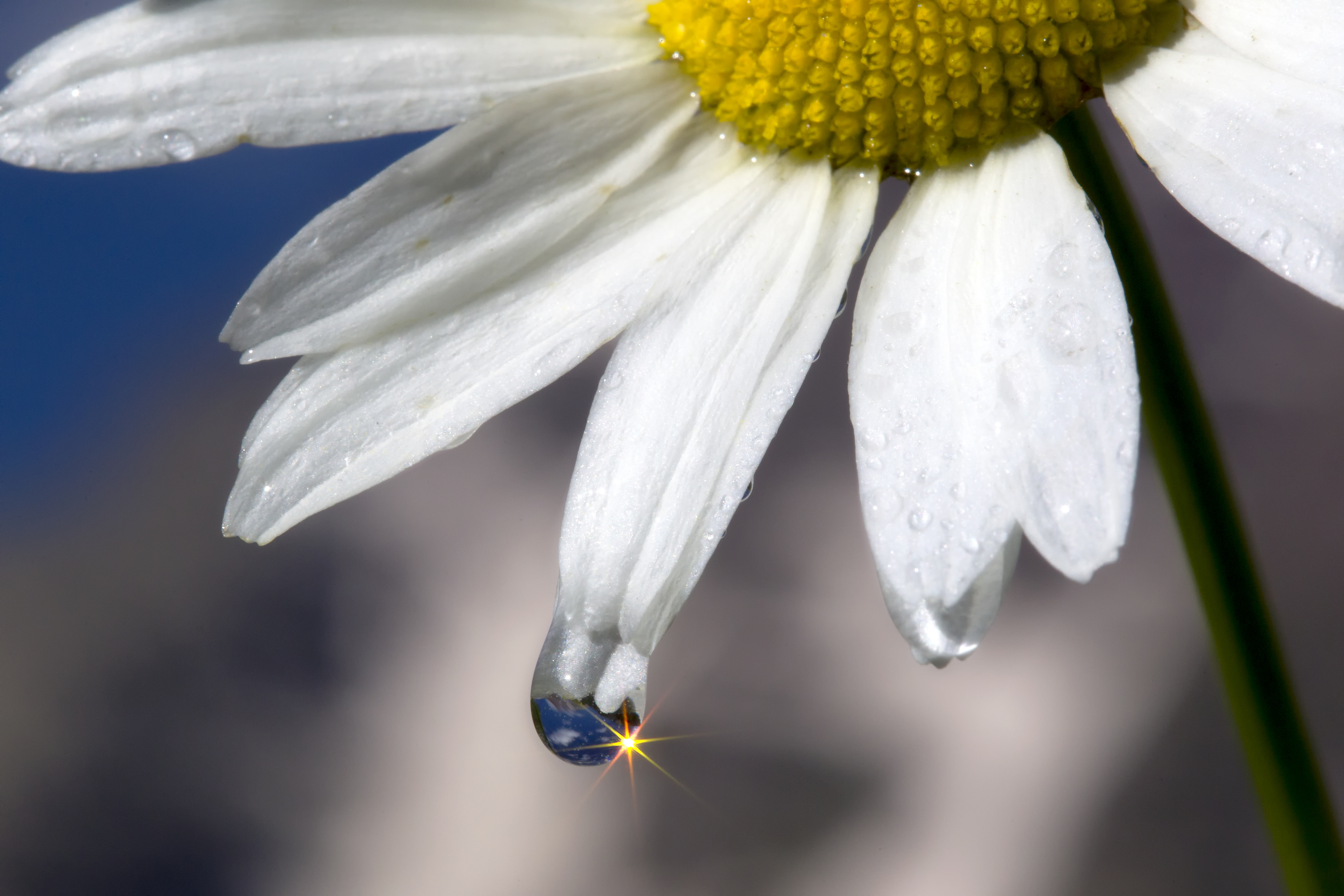
Discover the role of the simplest element in quantum communication and instinctual resonance.
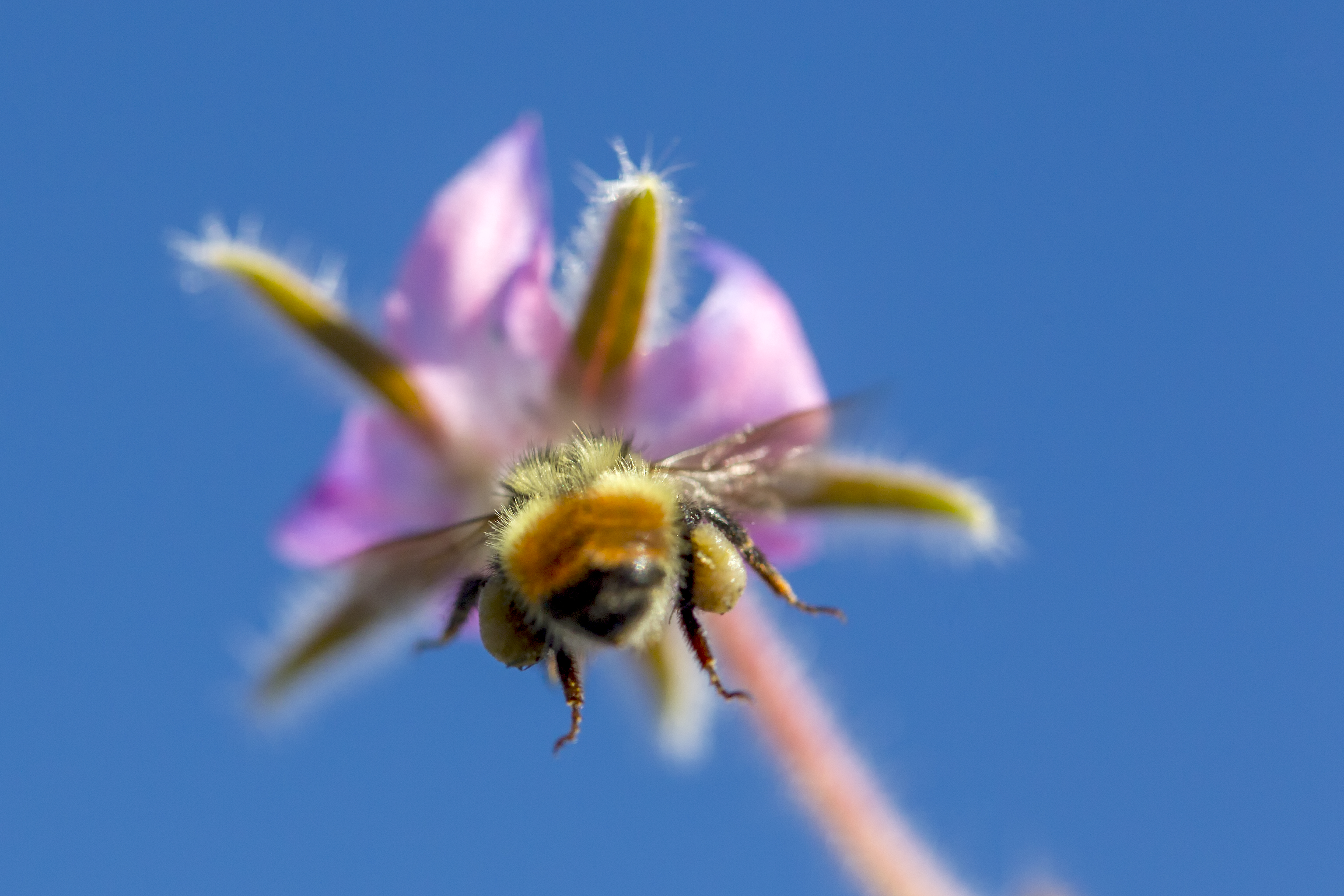
A visual and scientific dive into how bees may resonate with vibrational fields in nature.

About the Author
Robbie George is a National Geographic photographer, regenerative farmer, and nature philosopher. He captures the harmonic intelligence of nature through fine art photography, quantum storytelling, and ecological insights.
Explore his signature series The Living Code, dive into Quantum Agriculture, or follow his journey on Instagram and LinkedIn.