
The Impact of Nature Photography: Capturing Beauty and Promoting Wildlife Conservation and Environmental Awareness
Field Context — When a Photograph Becomes Evidence of What Still Matters
In the field, conservation does not begin as an abstract idea. It begins with attention. I see an animal holding its ground, scanning the edge of a marsh, feeding in a narrow window of calm, or moving carefully through habitat that has to keep working if that life is going to continue. Before I ever make an image, I am reading the situation: what the animal is doing, how settled it is, what the habitat is providing, and whether my presence changes any of that.
That is where nature photography becomes more than visual art. A strong image holds behavior, place, timing, and vulnerability in one frame. It can show not just that a species exists, but that it depends on intact wetlands, migration corridors, seasonal rhythms, and enough distance to remain undisturbed. This is why photography can play such an important role in wildlife conservation and habitat awareness: it helps people feel the reality of what is at stake.
I do not think of the camera as a tool for taking from nature. I think of it as a way of recording relationship without breaking it. The best images come when observation leads, restraint holds, and the animal remains fully itself. That is the foundation beneath everything else on this page: nature photography matters because it can help people see wildlife as part of a living system — one connected to behavior, ecosystems, and the long work of protection.
“A photograph can hold beauty, but its deeper power is that it teaches us what must remain whole.” — Robbie George
On This Page
Reading Behavior — What the Animal Is Telling You Before the Image Exists
Posture, Spacing, and Subtle Signals
Before I take a single frame, I am reading the animal. Not just what it is—but what it is doing. A whooping crane standing tall with a slightly extended neck is not just resting—it is aware. A shift in posture, a pause in feeding, or a slight turn of the head tells me everything about the level of comfort in that moment.
Spacing matters just as much as posture. The distance between myself and the subject, and the space the animal is maintaining within its environment, reveals whether the situation is stable or beginning to tighten. If that space compresses too quickly, behavior changes—and once behavior changes, the photograph is no longer honest.
Movement is the next layer. Is the animal feeding in a steady rhythm? Is it pausing more frequently? Are transitions becoming sharper or more abrupt? Calm behavior flows. Tension interrupts. When I see that interruption, I know I am approaching a threshold—and that threshold determines everything that comes next.
What I am really asking in every moment is simple: Is this animal continuing its natural behavior because I am here—or in spite of it? If the answer shifts, my role shifts immediately. Reading behavior is not just about getting closer—it is about knowing when the situation is still intact, and when it is no longer mine to be part of.
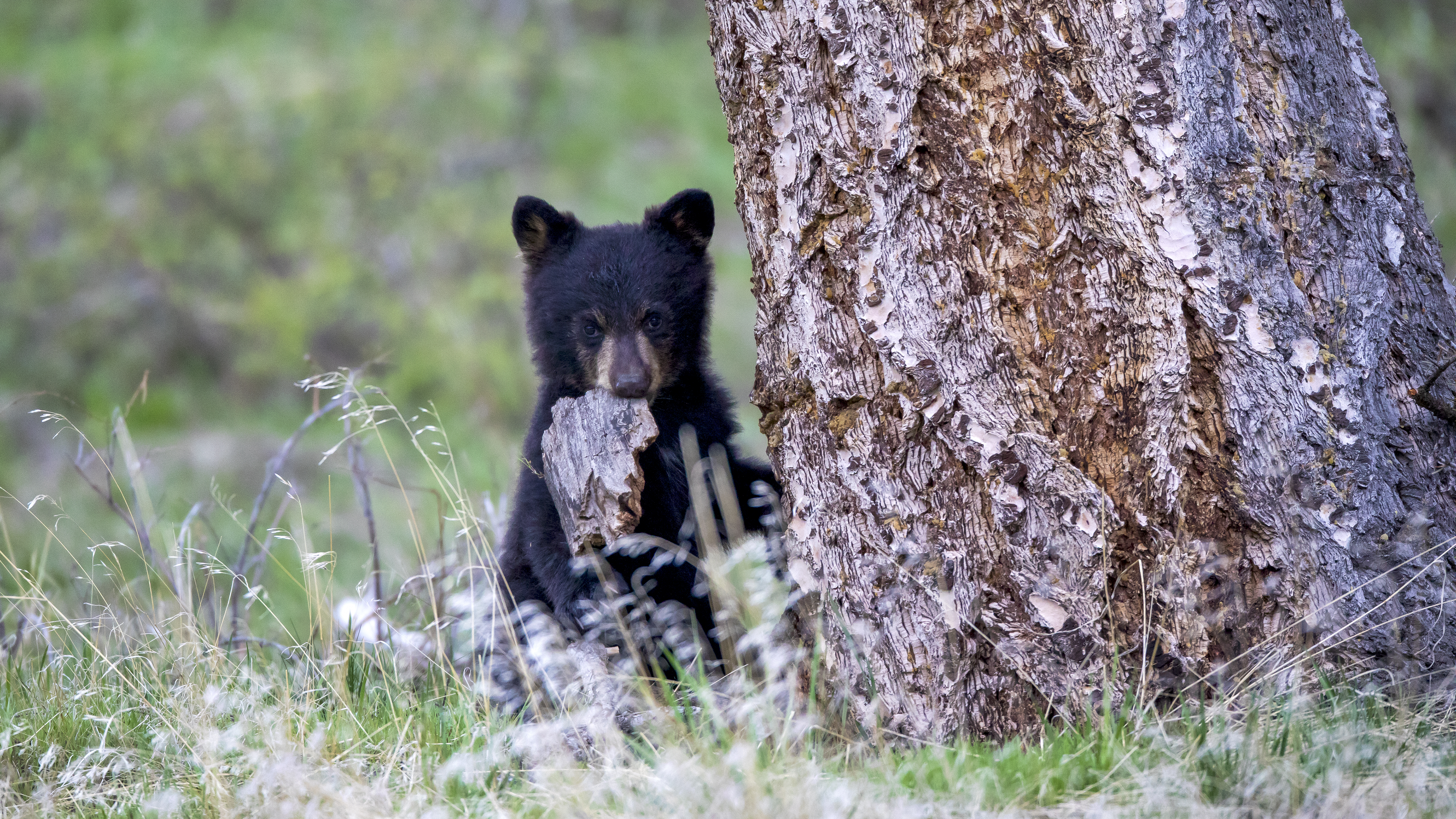
“Bravest Journey” — A black bear cub shifting between curiosity and caution, revealing how posture and movement signal awareness in the wild.
Decision Making — When to Stay, When to Move, When to Leave
Reading the Moment and Choosing the Right Action
Once I understand the behavior, the next step is decision. Not technical decision—field decision. Do I stay where I am? Do I move slightly to improve my angle? Or do I back out completely and let the moment pass?
If the animal remains relaxed—feeding, preening, or moving naturally—I hold position. Stability is everything. The best images come from situations that are already working, not from forcing something new.
If I see opportunity without pressure—better light, cleaner background, or improved alignment—I may adjust slowly. Every movement is measured. I watch for immediate feedback: a pause, a glance, a shift in posture. If I see even a small change, I stop. The animal decides how close the situation can go.
And then there are moments when the answer is clear: leave. If behavior tightens, if movement becomes cautious, if the animal starts tracking me instead of its environment, I am already too far in. That is the point where restraint matters more than any image.
What I choose not to do is just as important as what I do. I do not push distance. I do not chase behavior. I do not trade the animal’s comfort for a stronger frame. The field always comes first—and when it does, the right images tend to follow naturally.
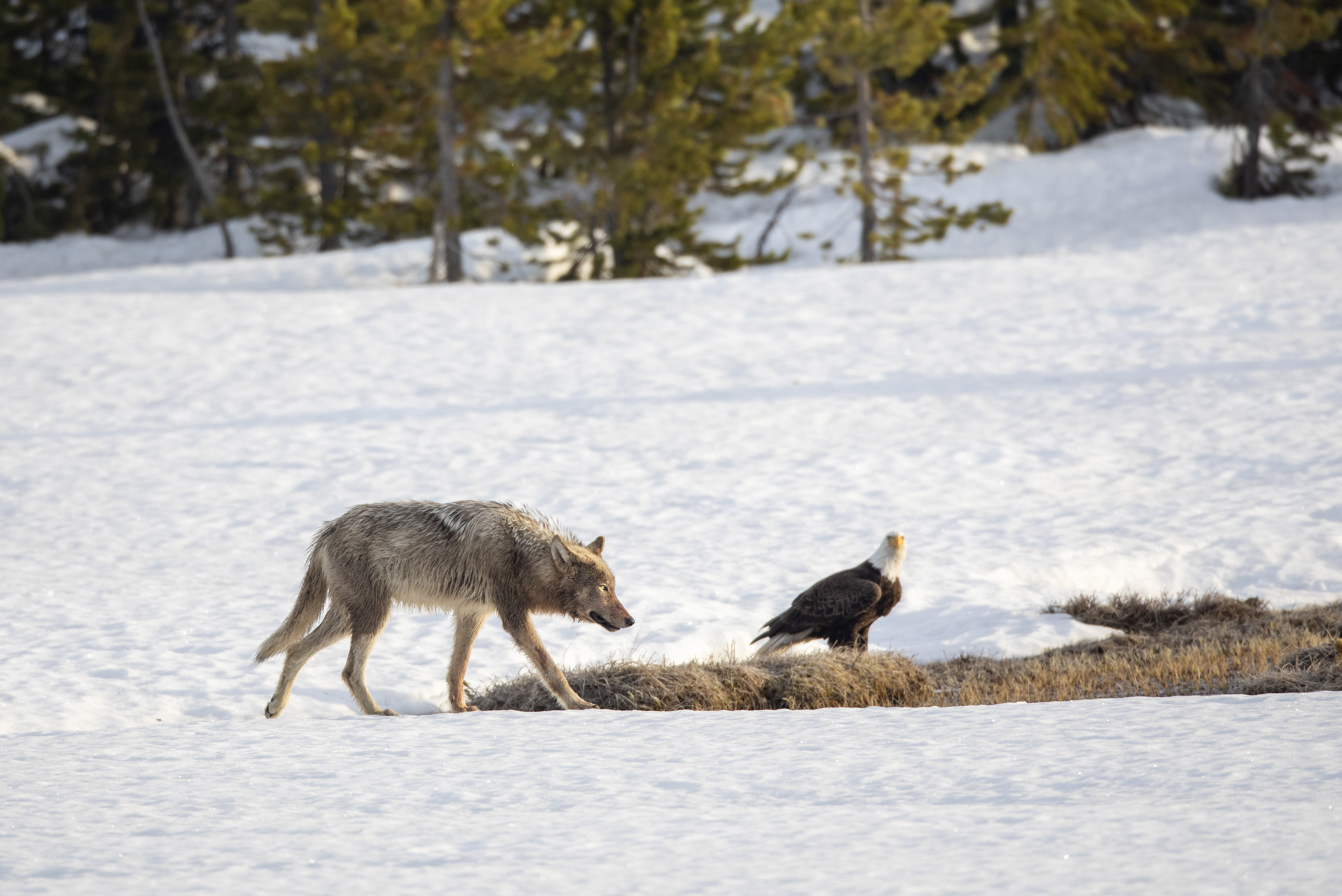
“Grey Wolf and Bald Eagle” — A moment that only exists because the scene was allowed to unfold without pressure or interference.
Field Technique — Position, Light, and Letting the Scene Come Together
Working With the Environment Instead of Against It
Technique in the field is not about camera settings—it’s about where I place myself in relation to the animal, the light, and the terrain. If those three elements are not aligned, no technical adjustment will fix the image.
Position is the first decision. I look for angles that allow the animal to move naturally through the frame without crossing my presence. That often means staying low, using terrain for cover, or placing myself where the animal is already moving—not where I want it to go.
Light is the second layer. Early and late light soften the scene and allow behavior to feel intact rather than exposed. I pay attention to direction—side light reveals form, backlight reveals atmosphere, and front light simplifies the moment. The choice is not aesthetic first—it’s behavioral. Which light allows the scene to remain undisturbed?
Terrain is what ties everything together. Open ground, water edges, tree lines, and elevation all influence how animals move and how I can observe without being seen as a threat. The more I understand the terrain, the less I need to move—and the less I move, the more natural the behavior remains.
The goal is simple: be in the right place before the moment happens. When that is done well, the image doesn’t need to be forced—it arrives.
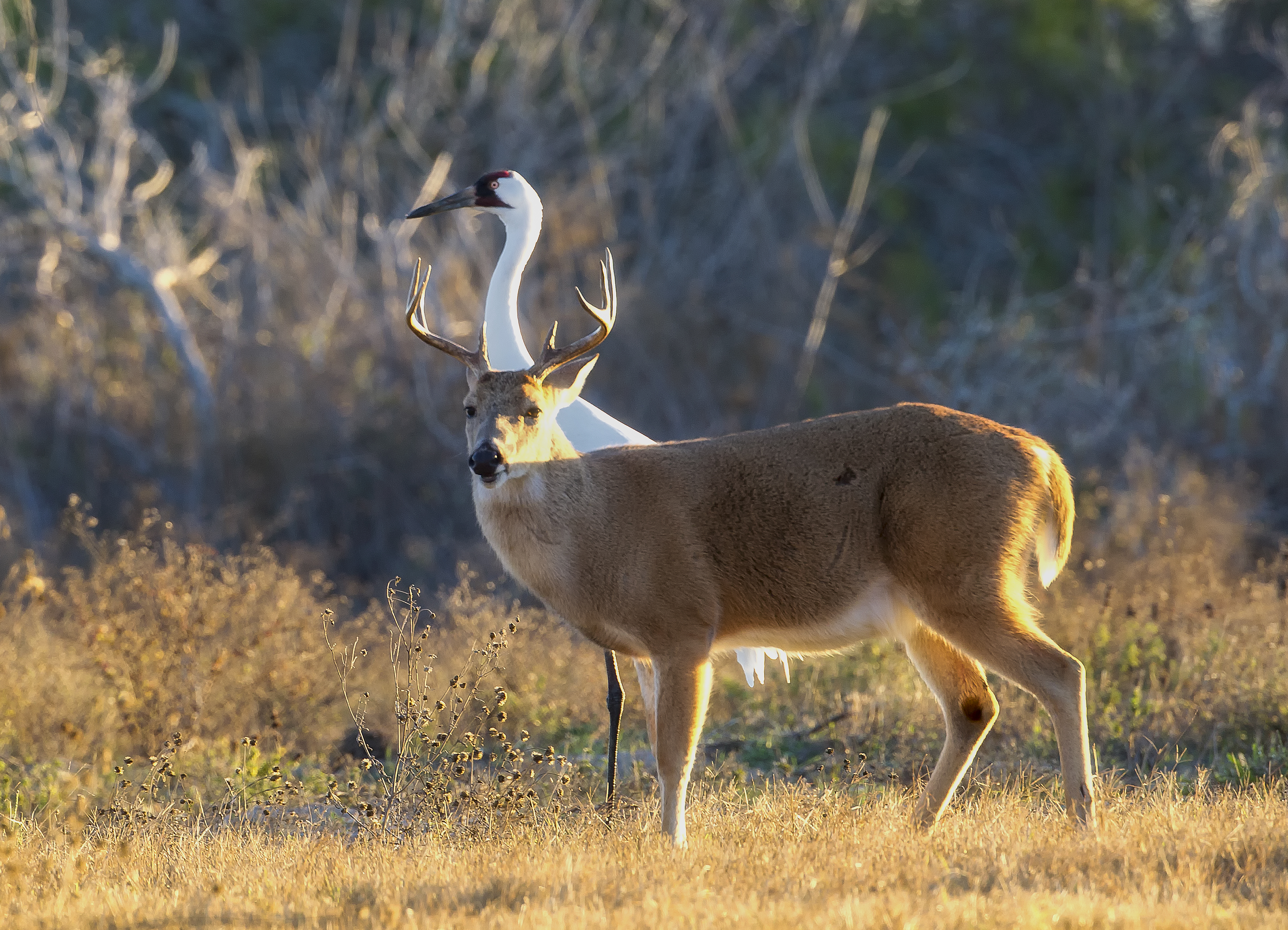
Whooping crane moving through open wetland — a scene shaped by position, light, and allowing the animal to remain fully undisturbed.
Photography Layer — When the Image Emerges From the Field
Letting Behavior Shape the Frame
By the time I reach this layer, most of the work is already done. The animal is settled, the behavior is intact, and my position is set. The photograph is no longer something I am trying to create—it is something I am ready to receive.
What matters now is timing. Not fast reactions, but accurate ones. I wait for the moment when posture aligns, when the head angle opens, when movement settles into a natural rhythm. The difference between a record shot and a meaningful image often comes down to a fraction of a second—but that fraction is built on patience, not speed.
Composition follows behavior. I am not forcing the animal into a frame—I am allowing the frame to form around the animal. Space, direction, and background all work together to support what the animal is doing, not distract from it. When everything aligns, the image feels complete before the shutter is even pressed.
This is where photography becomes honest. The image is not staged, rushed, or taken at the expense of the moment. It reflects exactly what was happening—nothing more, nothing less. And because of that, it carries weight beyond the frame.
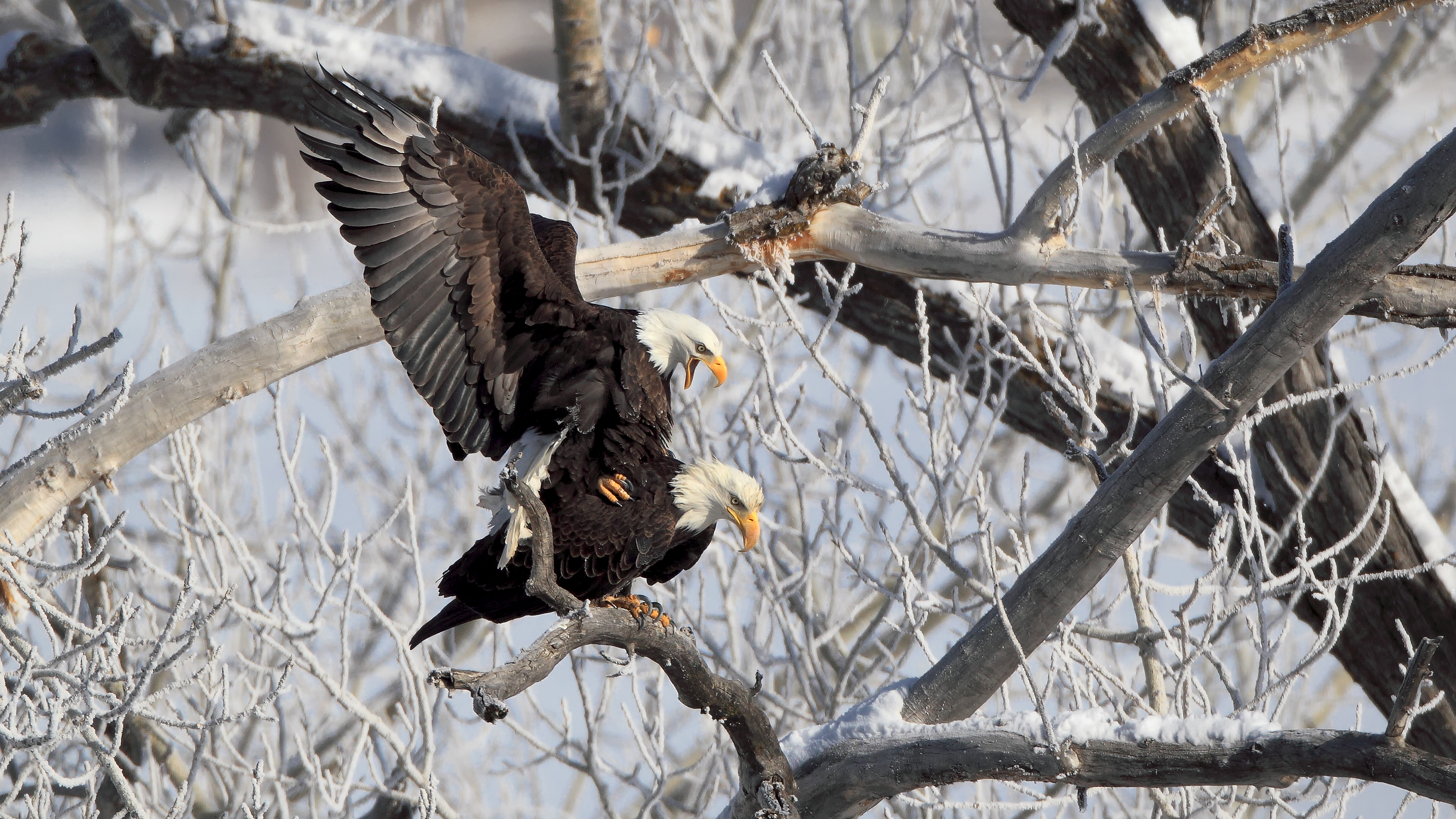
“Bald Eagles Mating” — A moment shaped by timing, patience, and allowing behavior to unfold without interference.
Ethics & Boundaries — Knowing When the Image Is Not Worth It
Distance, Pressure, and Respecting the Limits of the Field
The most important decisions I make in the field are often the ones no one sees. Distance is not just a number—it is a relationship. If an animal changes behavior because of me, I have already crossed a boundary that matters more than any photograph.
Pressure builds slowly. It shows up as shorter feeding cycles, more frequent scanning, tighter movement, or subtle shifts in posture. These signals are easy to ignore if the moment feels close to something special—but that is exactly when they matter most.
Seasonal sensitivity adds another layer. During nesting, rut, migration, or winter stress, animals operate with narrower margins. What might be a neutral presence in one season can become disruptive in another. Understanding timing is part of ethical distance.
There are moments when the correct decision is simple: step back, or leave entirely. I have walked away from stronger compositions, closer encounters, and rare behavior because the situation was no longer stable. That choice is not a loss—it is the work.
Ethical wildlife photography is not defined by how close you get, but by how little you change. When the animal remains fully itself, the image carries truth. And that truth is what gives the photograph its lasting value.
“Bravest Journey” — A moment that exists because distance and restraint were maintained throughout the encounter.
Naturepedia Connection — Fieldcraft, Behavior, and Conservation
Every image in this process connects to something larger. Wildlife photography is not separate from ecology—it is a way of seeing how behavior, habitat, geography, and timing all work together in a living system.
Behavior → What the Animal Is Doing
Every photograph begins with behavior—feeding, scanning, resting, or moving. Understanding these patterns is central to both photography and conservation. Explore deeper behavior patterns in Wildlife Behavior & Ecology.
Species → Who You Are Observing
Each species carries its own behavioral rhythm and ecological role. From cranes to bears to wolves, these patterns define how and where encounters happen. Explore species-level understanding in Wildlife of North America.
Habitat → Where Behavior Happens
Wetlands, forests, alpine zones, and coastlines all shape behavior. Without intact habitat, the moments we photograph disappear. Learn how ecosystems function in Ecosystems of North America.
Geography → Where to Observe
Locations like Yellowstone, Bosque del Apache, and coastal refuges create the conditions where wildlife can be observed responsibly. Explore key locations in Wildlife Observation Locations.
Timing → When Behavior Emerges
Migration, seasonal change, and daily light cycles determine when wildlife is most active. Timing is one of the most important field variables. Plan around it using the Seasonal Wildlife Calendar.
Conservation → Why It Matters
Photography helps people see what is still intact—and what is at risk. Protecting wildlife means protecting the systems that support it. Learn more in Wildlife Conservation & Habitat.
FAQ — Nature Photography & Conservation
How does nature photography support conservation?
It makes ecological reality visible. When people can see behavior, habitat, and vulnerability in a single frame, they understand what needs to be protected. Photography turns abstract environmental issues into something tangible and personal.
What makes a wildlife photograph “ethical”?
An ethical image is one where the animal’s behavior has not been altered by the photographer. Distance is maintained, pressure is avoided, and the animal remains fully engaged with its environment—not reacting to human presence.
Why is behavior more important than getting closer?
Because behavior is the truth of the moment. If proximity changes that behavior, the image no longer represents reality. Strong wildlife photography depends on preserving natural action, not forcing a closer view.
How can photography increase awareness of environmental issues?
A single image can show habitat loss, species vulnerability, or ecological balance in a way that words often cannot. These images are used in education, conservation campaigns, and policy discussions to communicate urgency and importance.
What should I focus on if I want to photograph wildlife responsibly?
Focus on observation first. Learn to read posture, movement, and spacing. Let the animal dictate distance and timing. When the field remains undisturbed, the resulting images carry far more meaning and impact.
Can photography really influence conservation outcomes?
Yes. Photography has historically played a major role in shaping public perception of wildlife and protected areas. Strong visual evidence can inspire funding, policy changes, and long-term protection efforts.