Wildlife Viewing Windows — Moon Phase & Twilight Planner
In the field, timing changes everything. A few minutes of blue hour can soften a marsh into silence, a rising moon can shift how open ground feels to wildlife, and the difference between a good window and a missed one is often smaller than it seems. Light, lunar conditions, weather, and species behavior all overlap in ways that make certain moments far more promising than others.
This planner helps you find those windows more deliberately. Use it to combine twilight timing, moon phase and altitude, and species-based viewing patterns so you can plan wildlife photography and field observation with a clearer sense of when conditions are most aligned.
What this tool helps you do:
Find stronger wildlife viewing windows using moon phase and twilight timing
Compare AM and PM field windows with transparent scoring
Adjust for species group, cloud cover, wind, and tide
Plan observation and photography sessions with more confidence
Use this planner to compare wildlife viewing windows by location, date, twilight timing, moon phase, weather, and species group.
The results are designed to help you make stronger field decisions, not guarantee wildlife activity.
How to Use the Tool
This planner is designed to help you make better field decisions before you ever arrive on location. Instead of guessing when activity might peak, it combines twilight timing, moon position, and environmental conditions into a clearer picture of when the field is most likely to come alive.
Use it as a guide — not a guarantee — to identify stronger windows, compare morning and evening opportunities, and refine your plan around the realities of weather, habitat, and species behavior.
1. Set Location & Date
Enter your coordinates or use your current location, then choose the date. These define sunrise, sunset, twilight windows, and moon timing for your specific place.
2. Choose Your Subject
Select a species group to bias the scoring. Crepuscular animals, nocturnal mammals, shorebirds, and raptors respond differently to light and lunar conditions.
3. Adjust Conditions
Add cloud cover, wind, and tide where relevant. These modifiers help refine the scoring so it reflects how conditions may shape real-world visibility and activity.
4. Compare AM & PM Windows
Review blue-hour windows, moonrise/set, illumination, and scores. Use the breakdown to understand why one window may be stronger than another.
Simple approach: use this tool to narrow the best windows, then combine that timing with real field awareness — habitat, season, animal movement, and patience — to turn planning into actual encounters.
Understanding Wildlife Viewing Windows
Wildlife activity does not happen randomly. It follows patterns shaped by light, visibility, risk, and energy balance. Certain moments — especially around twilight — consistently create better conditions for movement, feeding, and observation.
A “viewing window” is simply the overlap of these factors. The goal of this planner is to help you recognize when those overlaps are strongest so you can place yourself in the right location at the right time.
Twilight Light
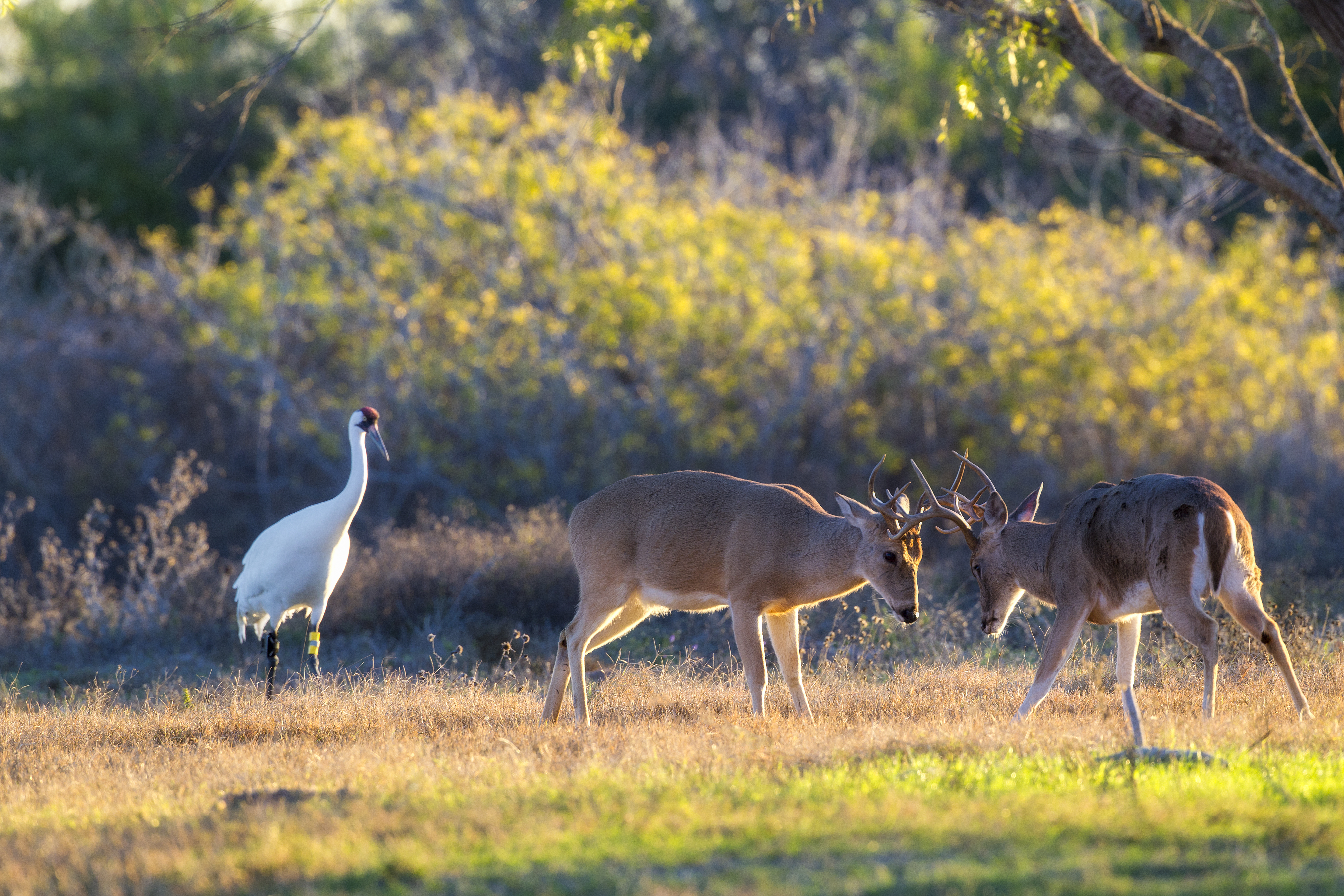
Dawn and dusk reduce contrast, soften shadows, and create safer-feeling conditions for many animals. These transitions often trigger movement, especially for crepuscular species like deer and elk.
Moon Phase & Illumination
Moonlight changes visibility at night and during twilight. Brighter phases can increase visibility in open environments, while darker phases often encourage movement in more exposed areas.
Moon Altitude
The position of the moon above the horizon affects how light spreads across the landscape. Lower angles create directional light, while higher angles flatten contrast and reduce shadow depth.
Weather Conditions
Cloud cover, wind, and atmospheric conditions influence both visibility and behavior. Light cloud cover can soften light, while strong wind may reduce movement or shift patterns.
Key idea: no single factor determines a good viewing window. It’s the overlap — twilight, moonlight, weather, and species behavior — that creates the moments where the field becomes more active and more observable.
Why This Matters in the Field
Arriving at the right place at the wrong time often leads to empty landscapes. Arriving during a stronger window doesn’t guarantee wildlife, but it increases the probability that movement, interaction, or behavior will occur while you are there.
From Light Cycles to Wildlife Behavior — The Naturepedia Timing Layer
This planner is not just a tool — it is a simplified model of how natural systems organize themselves through time. Every wildlife viewing window emerges from overlapping cycles of light, energy, behavior, and environment.
In Naturepedia, these cycles are not isolated. They connect across multiple layers — from photons and atmospheric light to animal movement, ecosystems, and seasonal migration.
Light → Behavior
Twilight and moonlight shape how animals perceive risk and visibility, influencing when they move, feed, and interact.
Grand Compression Insight: Wildlife viewing windows follow a repeatable structure — conditions compress into patterns, patterns express as behavior, behavior leaves memory in the landscape, and those memories repeat as cycles.
Different animals respond to light and lunar conditions in different ways. Some move more freely in low light, others depend on daylight clarity, and some are influenced by how visible they feel under moonlit skies.
The planner uses species groups to bias its scoring, but understanding these patterns in the field helps you interpret the results more effectively.
Crepuscular Animals (Deer, Elk)
These animals are most active during dawn and dusk. Twilight reduces visibility and perceived risk, making it one of the most reliable windows for movement and behavior.
Moonlight can influence how exposed areas are used, but twilight timing typically remains the strongest driver.
Nocturnal Mammals
Nocturnal species often move more freely under darker conditions. Lower moon illumination can increase activity in open areas, while brighter nights may shift movement toward cover.
Transitional periods between night and twilight can be especially productive when activity overlaps with usable light.
Shorebirds & Coastal Species
For coastal environments, moon phase and altitude can shape light reflections and feeding behavior. Moderate illumination with the moon above the horizon often produces stronger visual conditions.
Tide timing can be just as important as lunar phase, especially for feeding activity along shorelines.
Raptors & Day Birds
Day-active birds rely more on sunlight, thermals, and visibility than lunar conditions. Early morning and late afternoon light often provide the best opportunities.
Moon phase typically plays a smaller role, but twilight transitions can still offer strong moments of movement and interaction.
Key idea: the best viewing windows are species-specific. The same conditions that increase activity for one animal may reduce it for another, which is why this tool adapts its scoring based on what you are trying to observe.
Light and lunar timing set the stage, but weather and environmental conditions often determine whether a moment actually becomes active or remains quiet. These factors can amplify or weaken a viewing window in ways that are immediately visible in the field.
The planner includes these modifiers to help reflect how real-world conditions influence visibility, movement, and the overall feel of a location at a given time.
Cloud Cover
Light cloud cover can soften contrast and extend usable light during twilight, while heavy overcast can flatten scenes and reduce visibility.
In some situations, clouds improve conditions. In others, they suppress activity or limit visual clarity. The effect depends on habitat and subject.
Wind
Wind influences both animal behavior and photographic conditions. Calm air often supports more predictable movement, while strong wind can reduce activity or shift it into sheltered areas.
For photography, wind also affects stability, water surfaces, and how light interacts with the environment.
Tide (Coastal)
Along coastlines and wetlands, tide can strongly influence feeding behavior. Lower or changing tides often expose feeding areas and concentrate activity.
Combining tide timing with twilight and moon position often produces the most reliable coastal viewing windows.
Season & Habitat
Seasonal cycles often override short-term conditions. Migration, breeding, and food availability all shape where animals are and how they move.
The same lunar and weather conditions can produce very different outcomes depending on the time of year and ecosystem.
Key idea: strong viewing windows happen when timing and conditions align. Twilight and moon phase may define the window, but weather, tide, and season determine whether that window actually produces activity.
In the field, you don’t experience “data” — you experience conditions. Light shifts, wind moves through grass, clouds diffuse the sky, and animals respond to those changes in ways that are subtle but consistent. Over time, patterns begin to emerge. Certain combinations of light, time, and environment simply feel more active than others.
This tool translates those conditions into a more structured form. It doesn’t replace field awareness — it supports it. By combining twilight, moon phase, weather, and species behavior into one view, it helps you recognize when those patterns are likely to align.
The goal is not prediction, but positioning. You are increasing the chance of being present when the field becomes more dynamic — when movement, interaction, or behavior is more likely to unfold in front of you.
Strong viewing windows are not random — they emerge when light, timing, and behavior align in the field.
The key idea: the best wildlife encounters happen when conditions overlap. This planner helps you recognize those overlaps — but the field is where they become real.
Wildlife viewing windows are shaped by the same underlying forces that structure nature itself — light, time, energy, and environmental interaction. What this tool models in simplified form is part of a larger system of patterns that unfold continuously in the field.
Light & Time
Twilight transitions shape visibility, contrast, and behavior. The same light that defines photography also governs when animals move and interact.
Planning a strong wildlife viewing window is only one part of the process. The most consistent results come from combining timing with location, field technique, and an understanding of how animals use their environment.
These next steps help you connect timing decisions to real field outcomes — from where to go, to how to position yourself, to how to capture the moment when it happens.
Best use of this page: use the planner to identify stronger windows, then combine that timing with location, habitat knowledge, and patience in the field. The tool helps you arrive at the right time — the rest happens through observation.
About the Author
Robbie George is a nature photographer, writer, and field-based observer whose work connects wildlife, ecosystems, light, and the lived experience of the natural world.
That field perspective shapes how he approaches planning. Wildlife viewing is not only about where you go, but when conditions align — when light, weather, season, and animal behavior briefly overlap to create a stronger chance of real observation.
This page is part of the larger Robbie George Photography system, helping connect timing decisions back to field tools, observation strategy, wildlife behavior, and the deeper Naturepedia framework behind light, cycles, and environmental interaction.
Wildlife Viewing FAQs — Timing, Light & Field Conditions
Clear answers to the most common questions about wildlife timing, moon phase, twilight, weather, and how to use this planner in real field conditions.
Does the moon really affect wildlife activity?
It can, especially for nocturnal and open-habitat species. Moonlight changes visibility and perceived risk, which can influence when animals move, feed, or stay in cover. The effect varies by species, habitat, and season.
Is twilight usually better than full daylight for wildlife viewing?
For many species, yes. Dawn and dusk reduce contrast, soften light, and lower perceived exposure. These conditions often trigger movement, especially for crepuscular animals like deer and elk.
What moon phase is best for wildlife photography?
There is no single best phase. Darker nights can increase movement in exposed areas for nocturnal species, while moderate to brighter moonlight can improve visibility and certain coastal or landscape conditions.
Why does moon altitude matter?
Moon altitude affects how light reaches the landscape. A lower moon creates directional light and longer shadows, while a higher moon spreads light more evenly and reduces contrast.
How important is weather compared to moon phase?
Often more important. Cloud cover, wind, and local conditions can quickly change visibility and behavior. Moon phase sets context, but weather frequently determines how the field actually performs.
When does tide matter most?
Tide matters most in coastal and wetland environments. Feeding areas expand and contract with water levels, and combining tide with twilight and moon conditions often produces the strongest viewing windows.
Can this tool guarantee wildlife encounters?
No. This planner improves your positioning by identifying stronger windows, but wildlife is still influenced by habitat, season, pressure, and chance. It increases probability, not certainty.
What is the Wildlife Timing Engine?
The Wildlife Timing Engine is the system behind this page. It combines light cycles, moon phase, weather, species behavior, and environment into a practical way to identify stronger wildlife viewing windows.
How does this page connect to Naturepedia?
This page is the precision timing layer of Naturepedia. Species pages explain what you may see, ecosystem pages explain where wildlife activity occurs, migration pages explain seasonal timing, and this planner refines when daily viewing windows are strongest.
How does Robbie’s Razor apply to wildlife timing?
Wildlife timing follows a repeatable pattern. Light, weather, and environment combine into conditions, animals respond through behavior, patterns repeat across time, and those patterns become predictable viewing windows. This page helps you recognize and use that structure in the field.
The presence of this badge signifies that this business has officially registered with the Art Storefronts Organization and has an established track record of selling art.
It also means that buyers can trust that they are buying from a legitimate business. Art sellers that conduct fraudulent activity or that receive numerous complaints from buyers will have this badge revoked. If you would like to file a complaint about this seller, please do so here.
Verified Returns & Exchanges
The Art Storefronts Organization has verified that this business has provided a returns & exchanges policy for all art purchases.
Description of Policy from Merchant:
What is your Policy on Returns/Exchanges/Refunds?
I take great pride in my work and prints, and I want you to be completely happy with your investment in my nature art. If for any reason you are unsatisfied with your print, you may return it within 14 days of delivery, and/or exchange it for another print. Prints must be returned in new condition, packaged carefully in the original packaging if possible. Your refund will be issued as soon as I receive the returned print. Please contact me if you would like to arrange a return or exchange.
In the event that you receive a damaged or defective print, please let me know within 7 days of receipt, and I will arrange for a new print to be shipped to you at no additional cost.
Verified Secure Website with Safe Checkout
This website provides a secure checkout with SSL encryption.
Verified Archival Materials Used
The Art Storefronts Organization has verified that this Art Seller has published information about the archival materials used to create their products in an effort to provide transparency to buyers.
Description from Merchant:
Fine Art Prints are made with high-quality archival inks on fine art papers using a high-resolution large format inkjet printer. Our premium archival inks produce images with smooth tones and rich colors. Prints are made with care on your choice of exquisite Fine Art Papers using a high-resolution large format inkjet printer. https://www.graphikprintworks.com
Become a supporter of Robbie George Photography and be the first to receive new content and special promotions.
“Every image is a field. Every quote is a key. Welcome back to the rhythm.” ~Robbie
Cart
Your cart is currently empty.
Saved Successfully.
This is only visible to you because you are logged in and are authorized to manage this website. This message is not visible to other website visitors.
Import From Instagram
Click on any Image to continue
This Website Supports Augmented Reality to Live Preview Art
This means you can use the camera on your phone or tablet and superimpose any piece of nature art onto a wall inside of your home or business.
To use this feature, Just look for the "Live Preview AR" button when viewing any piece of nature art on this website!
Pounce Now—Save 20% on Your First Order
Join the collector list for your first-order discount, new wildlife releases, and occasional field notes.