🌿 Print Size & PPI Advisor — Find the Sweet Spot for Your Wall
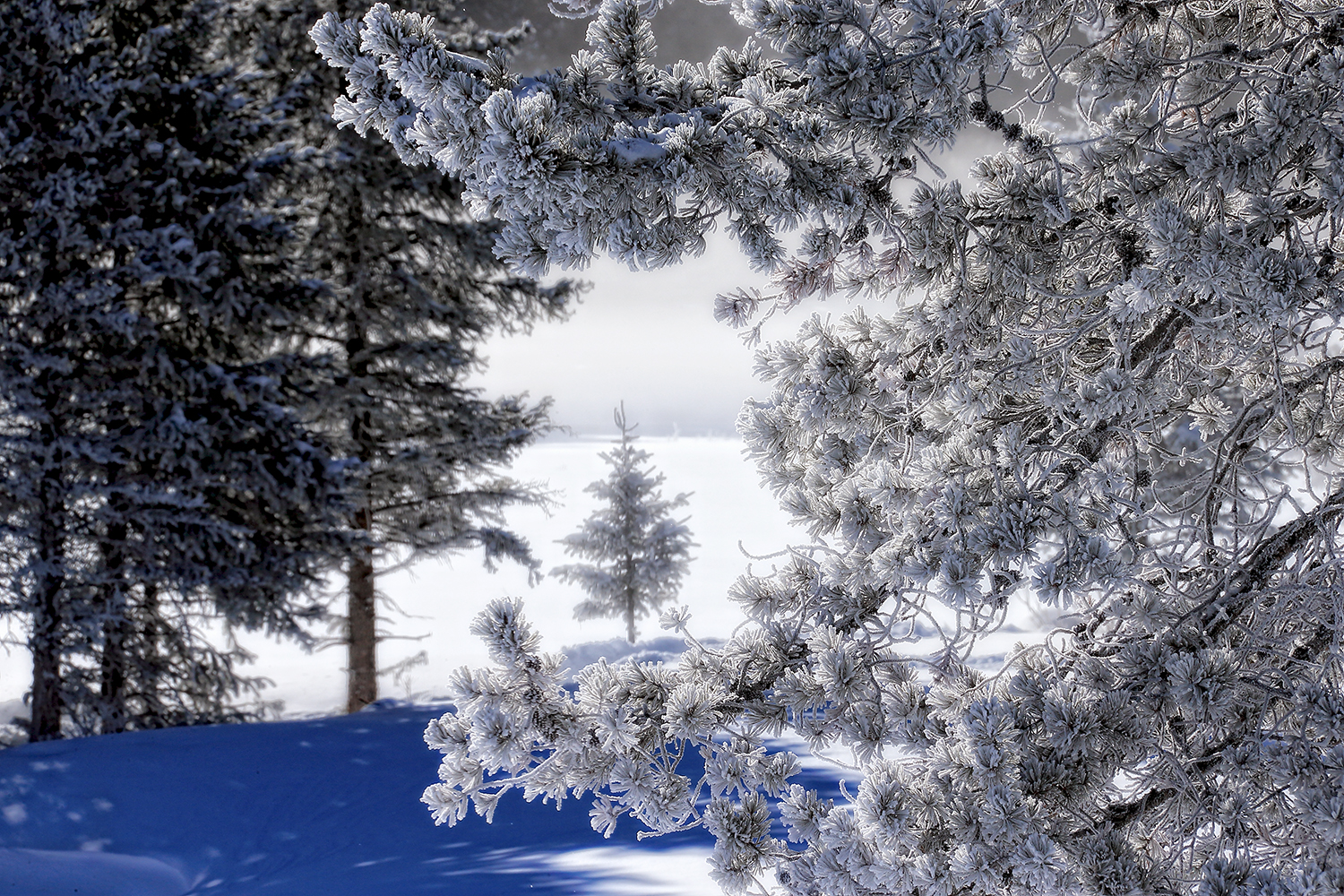
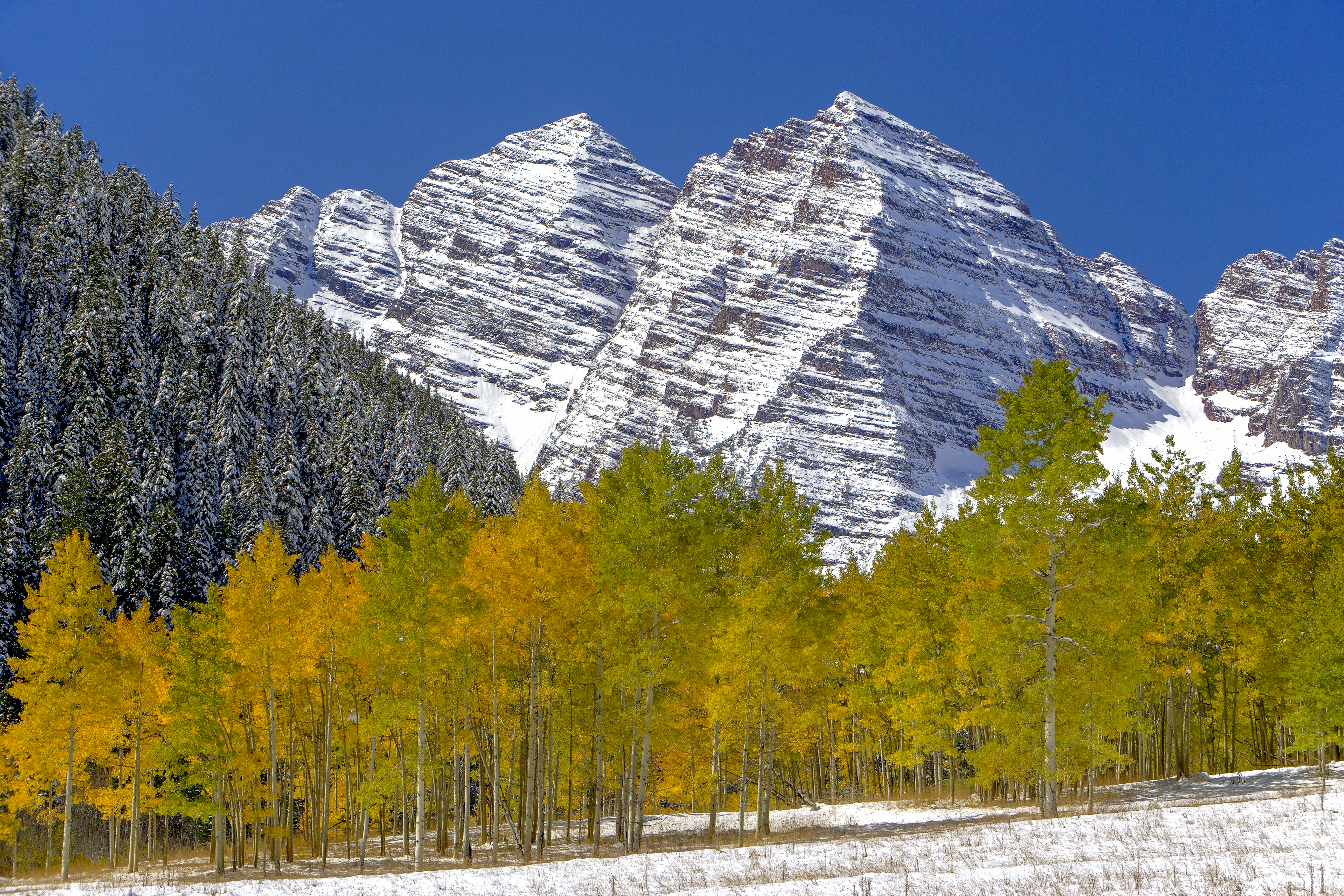
Frosted Pines in the Rockies — fine-art photograph by Robbie George
Print Size & PPI Advisor
🌿 Find the Right Size, Clarity, and Viewing Distance for Your Space
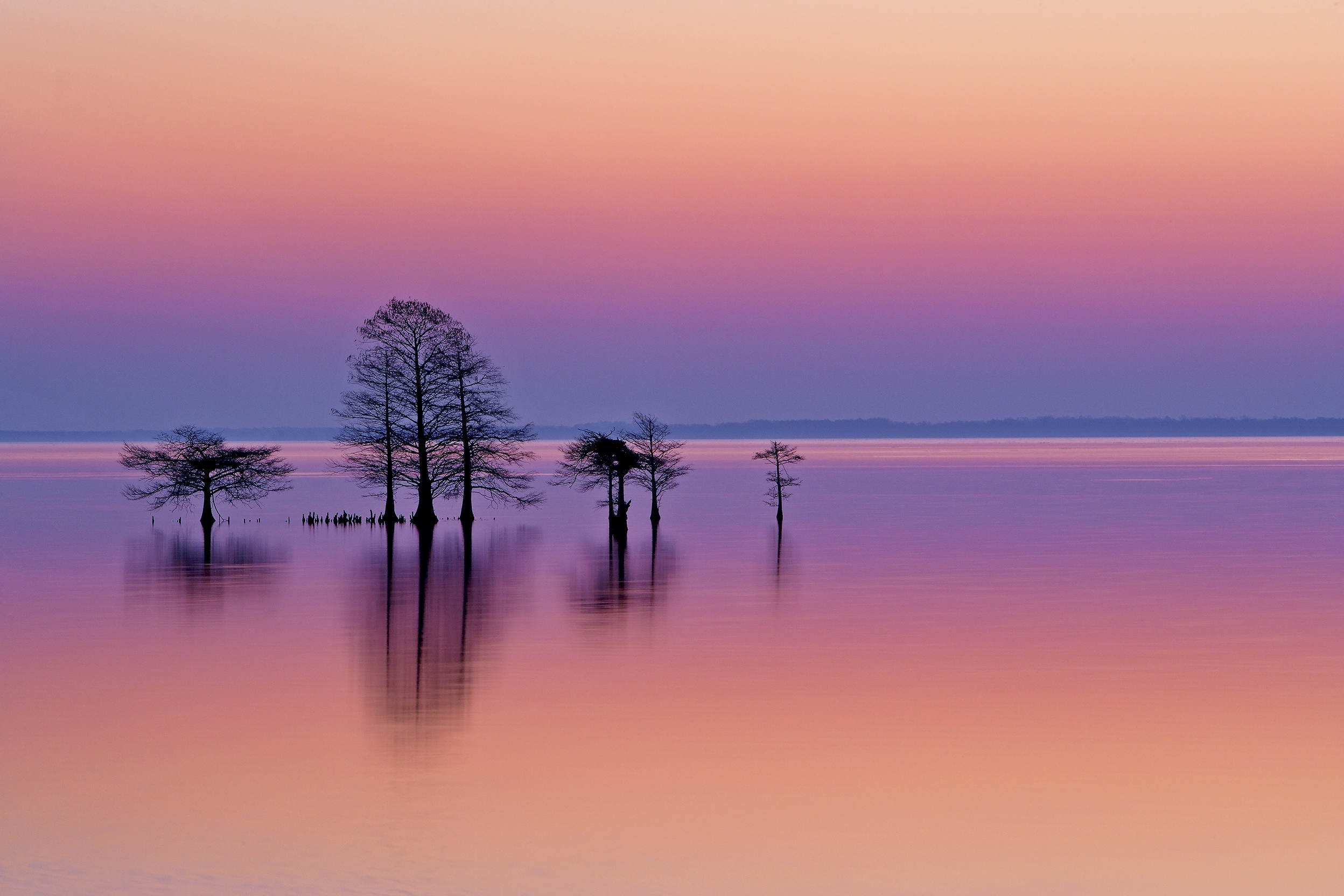
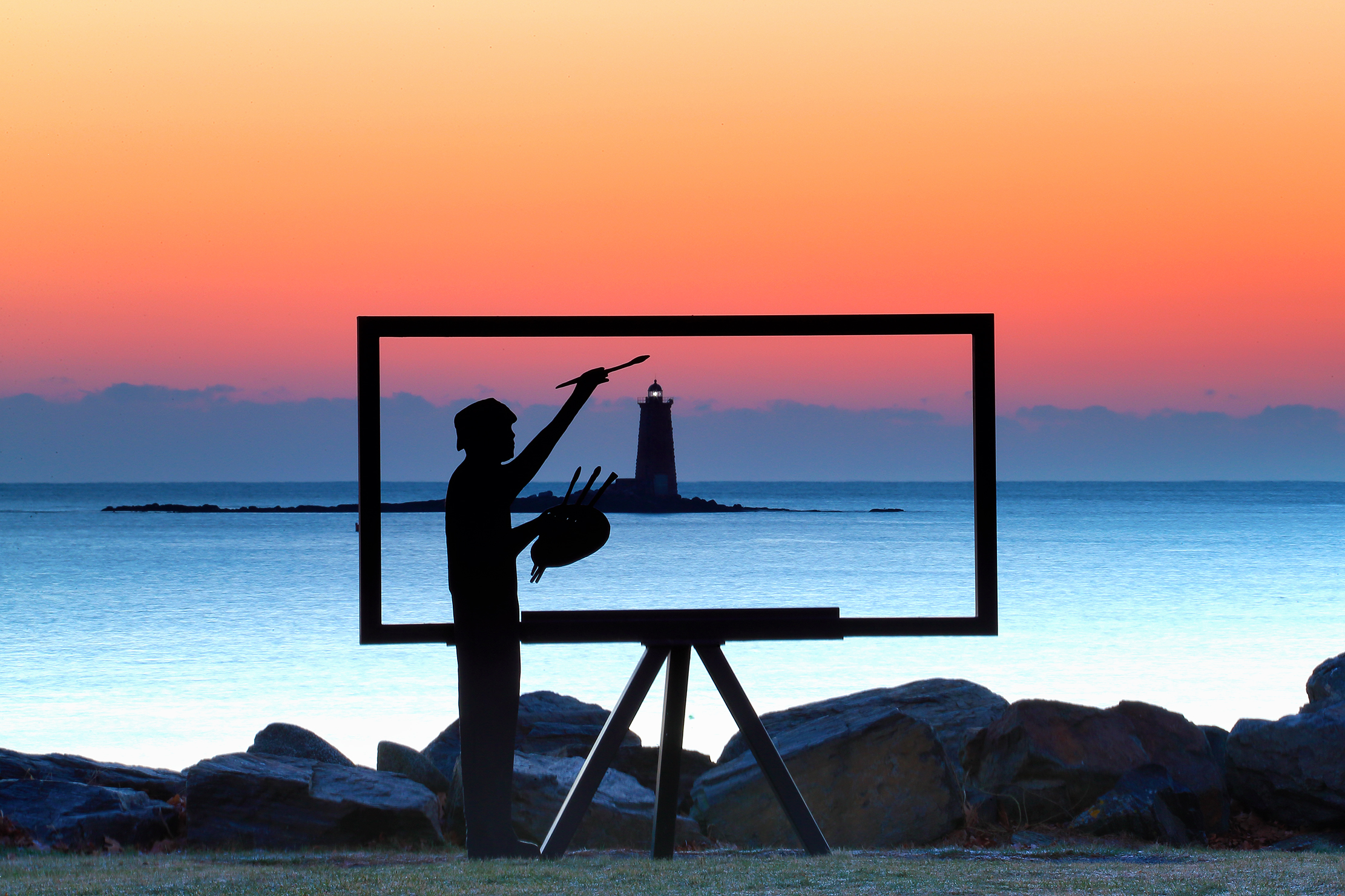
Choosing the right print size is not only about wall space. It is also about how an image reads from a real viewing distance, how much detail the subject carries, and how the final surface affects clarity. A misty forest scene, a high-detail wildlife portrait, and a graphic silhouette can all tolerate size differently.
This page helps you connect print width, viewing distance, and PPI so you can make better decisions before ordering. It is designed to remove guesswork whether you are choosing a modest print for a hallway, a framed piece above a console, or a larger statement work for a living room wall.
Below: quick distance-to-size guidance, PPI ranges by subject type, material considerations, and room-based size recommendations to help you choose the right scale with confidence.
Distance, Size & PPI — Start with How the Print Will Actually Be Seen
The best print size usually begins with viewing distance. The farther away you experience a piece, the larger it can be while still appearing sharp and well resolved. That is why a large landscape over a sofa can look excellent from across a room, while a close-view floral or wildlife portrait may need more pixel density to hold its finest detail.
This section gives you a practical way to connect distance, width, and PPI before you choose a final size.
A Simple 3-Step Approach
Measure your normal viewing distance from the wall.
Choose a width range that feels natural for that distance.
Check the subject type and material to see how much detail needs to hold up.
Viewing Distance
Comfortable Width Range
Best Use
Notes
4–5 ft
24–36 in
Hallways, desks, entry spaces, smaller walls
Closer viewing usually benefits from stronger detail.
6–7 ft
36–48 in
Most living rooms, above furniture, general wall display
A common sweet spot for medium to larger statement pieces.
8–10 ft
48–72 in
Large rooms, open walls, wider panoramic presentation
Longer viewing distance makes larger prints read cleanly.
Fine Detail & Close Viewing
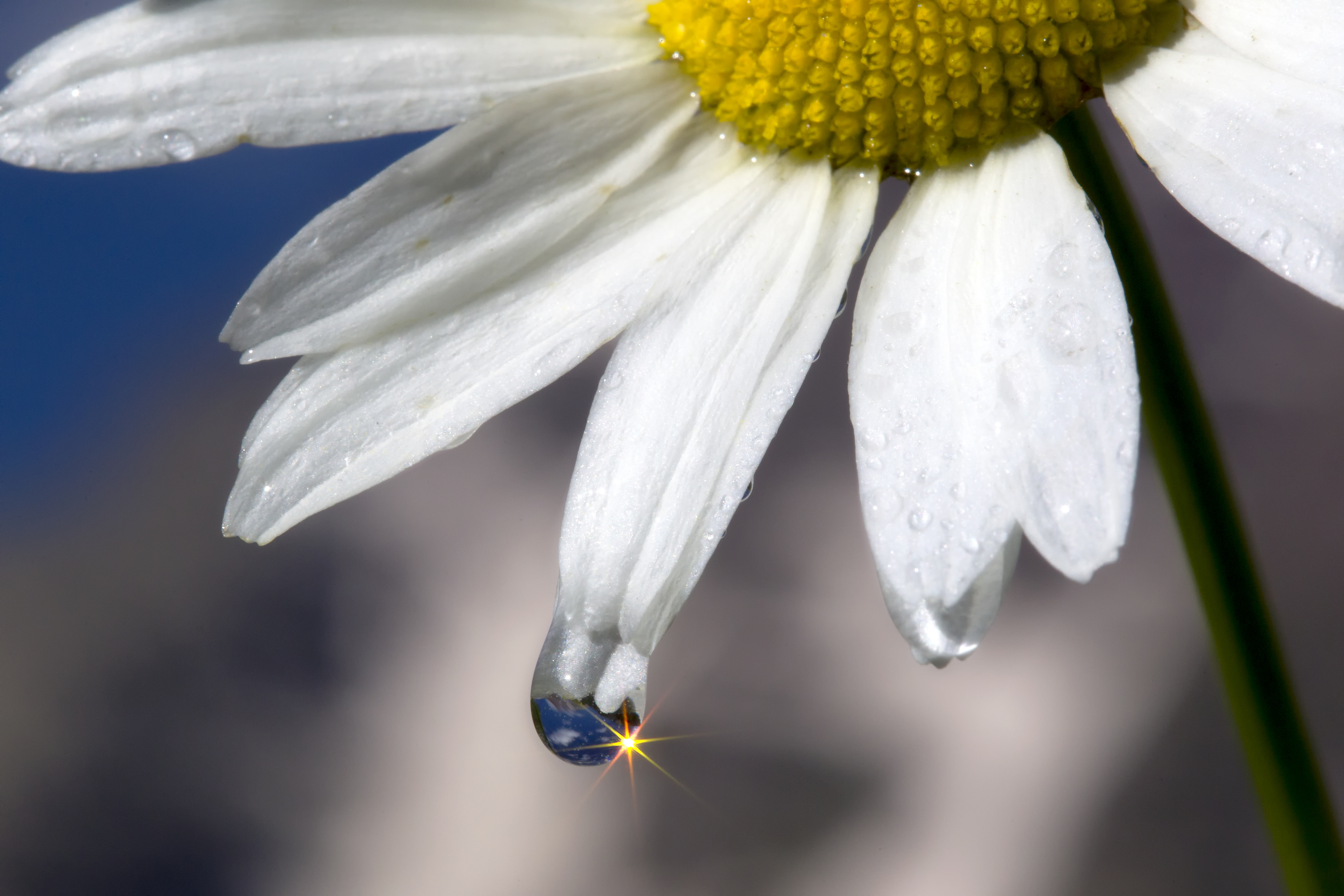
Macro subjects, intricate textures, and delicate detail usually ask for more effective PPI, especially when viewed from nearby. These are the kinds of images where smaller changes in size can noticeably affect perceived sharpness.
Landscapes & Mixed Detail
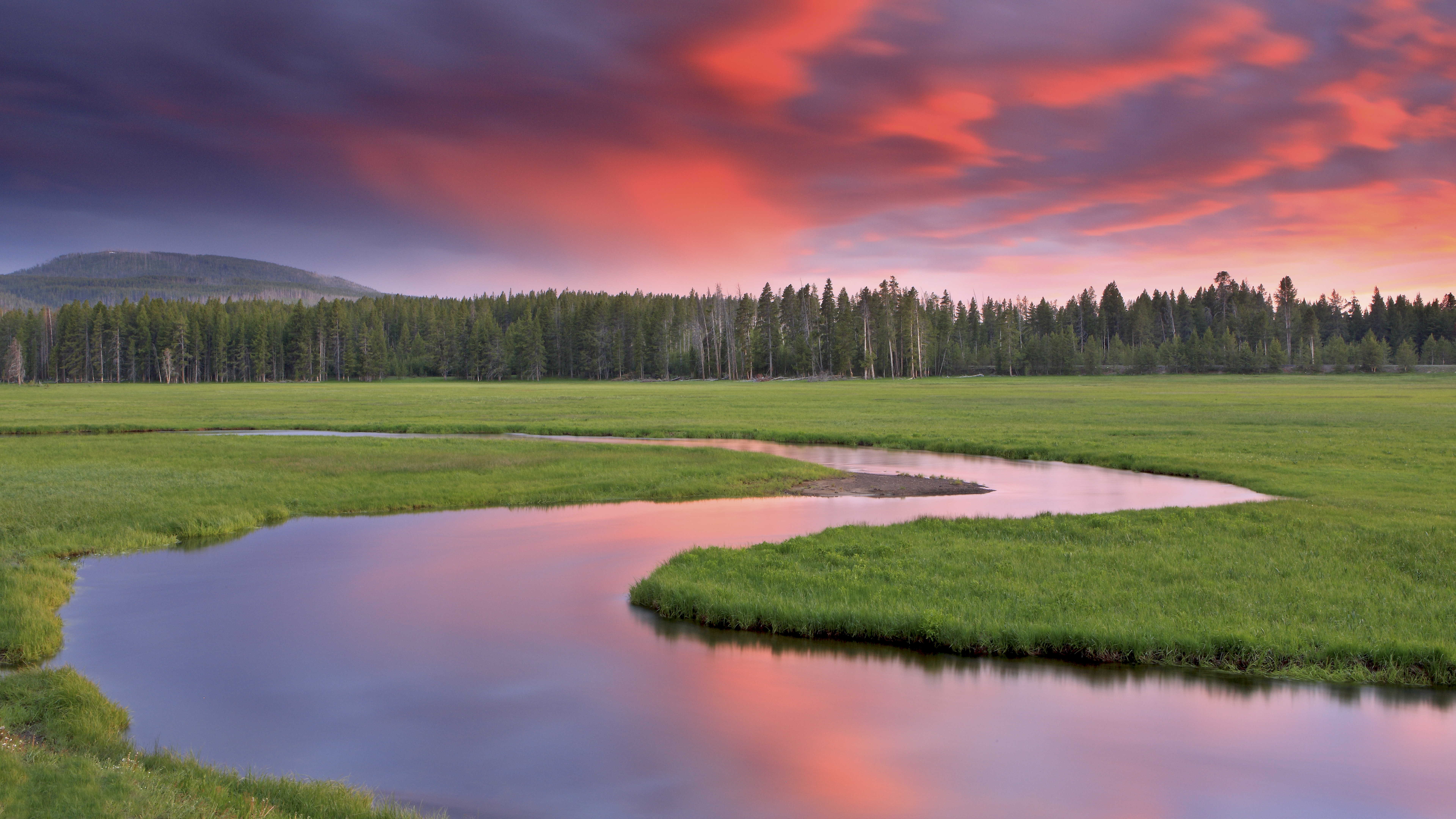
Landscapes often balance broad atmosphere with moderate detail. They tend to scale very well, especially when the print is viewed from normal room distance rather than up close.
Graphic Subjects & Silhouettes
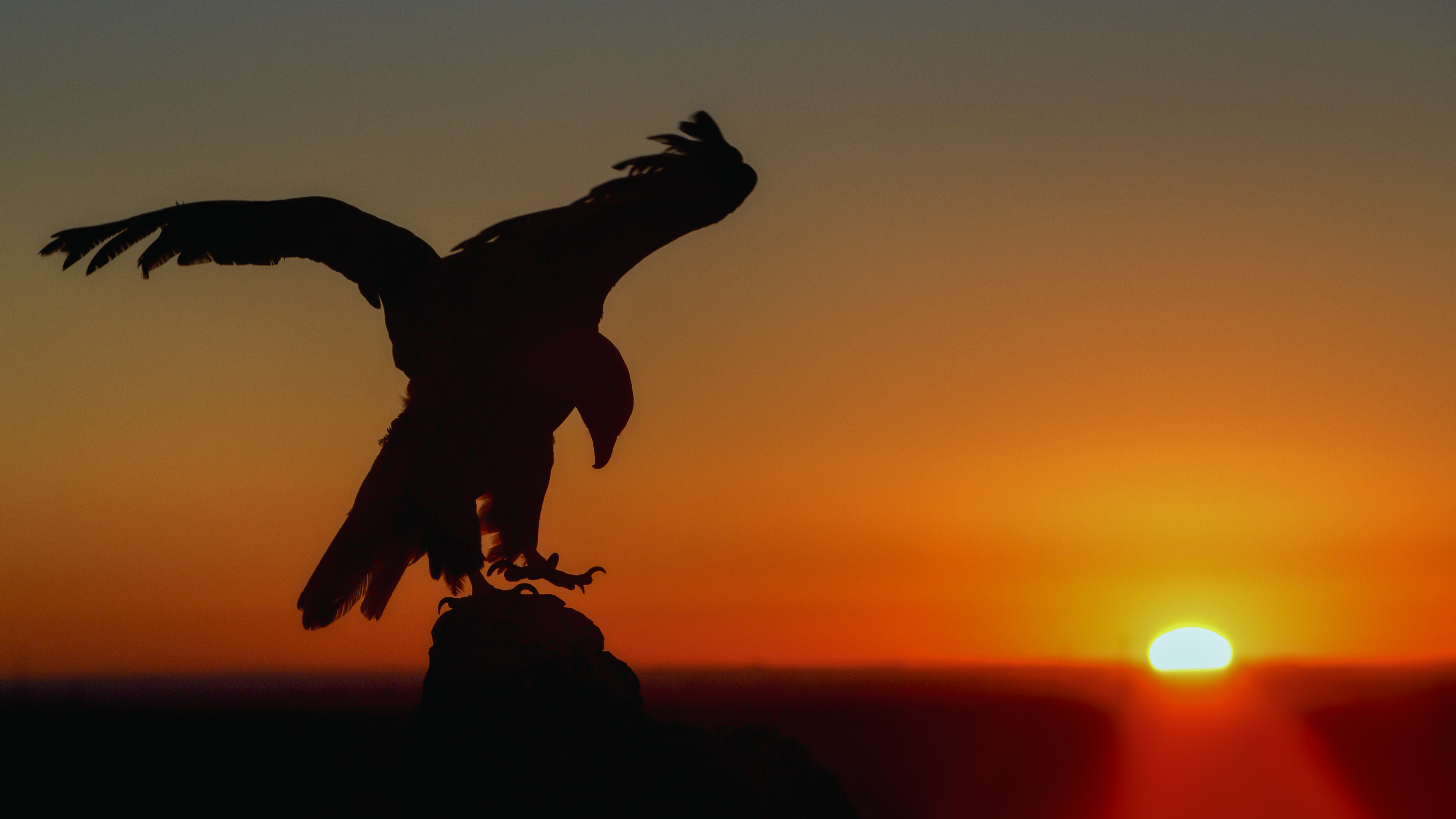
Strong shapes, silhouettes, and high-contrast compositions are often more forgiving at larger sizes. They usually remain visually powerful even when viewed from farther away on a larger wall.
Material also changes what you see. Canvas tends to soften and forgive. Acrylic tends to reveal more micro-detail and also more flaws if you go too large for close viewing. Metal and framed fine-art paper usually sit somewhere in between depending on light, finish, and subject. That is why size decisions work best when paired with Print Materials and Fine Art Print Knowledge.
You don’t need to overthink the math—but having a simple way to check your image against a print size can remove uncertainty. These quick formulas and examples help you confirm whether a size will look sharp at your normal viewing distance.
Use this as a sanity check after choosing a size from the previous section.
Formula 1 — Check PPI for a Given Size
PPI = image pixels ÷ print width (inches)
Compare your result to the recommended ranges from Block 3 (e.g., ~120–180 for landscapes).
Formula 2 — Find Maximum Size from Your Image
Max width = image pixels ÷ target PPI
Choose your target PPI based on subject type and viewing distance.
Landscape Example — Living Room
At a viewing distance of about 6–7 ft, a print size around 40–48 inches wide works well.
Landscapes typically look great at ~120–180 PPI, meaning you can often size up comfortably without losing perceived detail.
Macro Example — Close Viewing
At 4–5 ft viewing distance, a size around 24–30 inches keeps fine textures crisp.
Macro subjects benefit from ~180–240 PPI, especially on acrylic or framed prints where detail is more visible.
Graphic Example — Large Wall
At 8–10 ft viewing distance, you can scale up to 60–72 inches wide.
High-contrast subjects often look strong even around ~100–150 PPI, making them ideal for larger statement pieces.
Key takeaway: You’re not chasing a single perfect number. You’re balancing distance, subject, and surface. The farther you view a print, the more forgiving the PPI becomes—and the more freedom you have to go larger.
Material & Finish — How the Surface Changes What You See
The same image can feel completely different depending on the surface it’s printed on. Texture, reflectivity, and depth all influence how detail is perceived from real-world viewing distances.
This is why print size decisions work best when paired with the right material.
Canvas — Soft, Forgiving, and Low Glare
Canvas texture softens fine detail and hides minor imperfections, making it one of the most forgiving options at larger sizes. It works especially well in living spaces where you want a warmer, less reflective feel.
Metal — Crisp, Durable, and Clean
Metal prints maintain strong edge detail and contrast while still being fairly forgiving at normal viewing distances. Satin finishes help reduce glare, making them a strong choice for brighter rooms and larger wall pieces.
Acrylic — High Detail and Depth
Acrylic reveals the most detail and depth, which makes it ideal for high-resolution images—but also less forgiving at close viewing distances. It works best when paired with images that can support that level of clarity.
Fine-Art Paper — Natural and Balanced
Framed fine art prints offer strong tonal range with a natural, refined look. With museum glass or acrylic, they control reflections well while maintaining a high level of perceived detail.
Key takeaway: If you want to go larger, choose a more forgiving surface like canvas or satin metal. If you want maximum detail, choose acrylic or fine-art paper—but match it carefully with viewing distance and image resolution.
Once you understand distance and PPI, the final step is applying that to real spaces. Different rooms naturally change how far you view a print—and that changes how large it should be.
Use these quick reference layouts to match size, placement, and feel in your home.
Living Room — Above a Sofa
This is the most common placement for larger prints. You are typically viewing from across the room, which allows for more scale.
Viewing distance: 6–8 ft
Recommended width: 40–60 inches
Span rule: ~60–75% of sofa width
Best subjects: landscapes, panoramas, wildlife scenes
Hallway — Close Viewing
Hallways bring you closer to the artwork, which means detail matters more than scale.
Viewing distance: 4–6 ft
Recommended width: 24–36 inches
Layout: single prints or evenly spaced series
Best subjects: wildlife portraits, detail-rich images
Bedroom — Softer, More Intimate
Bedrooms benefit from slightly smaller, calmer compositions that don’t overwhelm the space.
Viewing distance: 5–7 ft
Recommended width: 30–42 inches
Feel: softer materials like canvas often work well
Best subjects: forests, water scenes, minimal compositions
Large Feature Wall — Statement Piece
Open walls allow for larger prints that anchor a space visually. Distance gives you flexibility here.
Viewing distance: 8–10 ft+
Recommended width: 50–72+ inches
Best formats: panoramas or large single pieces
Best subjects: bold landscapes, strong silhouettes
Tip: If you’re unsure, it’s usually better to go slightly larger rather than too small—especially for main walls. Larger prints tend to feel more intentional and balanced in a space.
Print size and clarity decisions don’t exist in isolation. They are connected to how we observe nature itself—distance, light, detail, and pattern. These Naturepedia pages expand that deeper understanding.
Wildlife Observation
Understanding how animals are seen in the field—distance, movement, and behavior—directly parallels how detail is perceived in prints.
Common questions about print size, viewing distance, PPI, materials, and choosing the right scale for your space.
How do I choose the right print size for my wall?
Start with your normal viewing distance and the size of the wall or furniture beneath it. In most cases, a print should feel large enough to hold the space without overwhelming it. Living rooms and feature walls usually support wider prints, while hallways and closer-viewing spaces often work better with more moderate sizes.
What does PPI mean in print sizing?
PPI means pixels per inch. It helps describe how much image detail is being spread across a printed surface. Higher PPI generally matters more for close viewing and fine-detail subjects, while lower PPI can still look excellent from farther away.
How much viewing distance affects perceived sharpness?
Quite a lot. The farther away you view a print, the less visible small detail loss becomes. That is why larger prints often look beautiful on main walls even when the effective PPI is lower than what you might want for a close-view hallway or small room.
Which print materials are most forgiving at larger sizes?
Canvas is usually the most forgiving because its texture softens detail slightly and reduces glare. Satin metal can also work very well at larger sizes. Acrylic and fine-art paper tend to reveal more detail, which can be beautiful, but they usually ask for more care in matching size, image resolution, and viewing distance.
Is it better to size up or size down if I’m unsure?
On most main walls, slightly larger is usually better than too small. A print that is undersized often feels disconnected from the room, while a well-scaled larger print tends to feel more intentional and complete.
How does this page connect to the rest of the site?
This page connects practical print decisions to the larger system of photography, field observation, Naturepedia, print materials, and collector guidance. It is designed to help you choose size more confidently while keeping that decision connected to the image, the subject, and the space where it will live.
About the Author
Robbie George is a nature photographer, writer, and field-based observer whose work connects photography, place, light, season, and the living patterns of the natural world.
His photographs are shaped by direct experience in wild landscapes and wildlife habitats, and that same field perspective guides how he approaches print presentation, scale, materials, and the relationship between an image and the space where it will be lived with.
This page is part of that larger system—helping collectors make better decisions about size and clarity while connecting each print back to the deeper photography, observation, and knowledge framework behind the work.
The presence of this badge signifies that this business has officially registered with the Art Storefronts Organization and has an established track record of selling art.
It also means that buyers can trust that they are buying from a legitimate business. Art sellers that conduct fraudulent activity or that receive numerous complaints from buyers will have this badge revoked. If you would like to file a complaint about this seller, please do so here.
Verified Returns & Exchanges
The Art Storefronts Organization has verified that this business has provided a returns & exchanges policy for all art purchases.
Description of Policy from Merchant:
What is your Policy on Returns/Exchanges/Refunds?
I take great pride in my work and prints, and I want you to be completely happy with your investment in my nature art. If for any reason you are unsatisfied with your print, you may return it within 14 days of delivery, and/or exchange it for another print. Prints must be returned in new condition, packaged carefully in the original packaging if possible. Your refund will be issued as soon as I receive the returned print. Please contact me if you would like to arrange a return or exchange.
In the event that you receive a damaged or defective print, please let me know within 7 days of receipt, and I will arrange for a new print to be shipped to you at no additional cost.
Verified Secure Website with Safe Checkout
This website provides a secure checkout with SSL encryption.
Verified Archival Materials Used
The Art Storefronts Organization has verified that this Art Seller has published information about the archival materials used to create their products in an effort to provide transparency to buyers.
Description from Merchant:
Fine Art Prints are made with high-quality archival inks on fine art papers using a high-resolution large format inkjet printer. Our premium archival inks produce images with smooth tones and rich colors. Prints are made with care on your choice of exquisite Fine Art Papers using a high-resolution large format inkjet printer. https://www.graphikprintworks.com
Become a supporter of Robbie George Photography and be the first to receive new content and special promotions.
“Every image is a field. Every quote is a key. Welcome back to the rhythm.” ~Robbie
Cart
Your cart is currently empty.
Saved Successfully.
This is only visible to you because you are logged in and are authorized to manage this website. This message is not visible to other website visitors.
Import From Instagram
Click on any Image to continue
This Website Supports Augmented Reality to Live Preview Art
This means you can use the camera on your phone or tablet and superimpose any piece of nature art onto a wall inside of your home or business.
To use this feature, Just look for the "Live Preview AR" button when viewing any piece of nature art on this website!
Pounce Now—Save 20% on Your First Order
Join the collector list for your first-order discount, new wildlife releases, and occasional field notes.