The Solar Soul Clock: Awakening the Breath of Light
“Seasonal light does not just mark the year. It helps organize the rhythms through which life responds, adapts, and remembers.” ~ Robbie George
Signature Series
The Solar Soul Clock: Awakening the Breath of Light
A seasonal framework for reading light, rhythm, and biological time through the turning year.
The Solar Soul Clock reframes time through recurring solar thresholds—solstices, equinoxes, and the changing balance of light and darkness that shape living systems. Rather than treating the year as a flat calendar, this page presents it as a cyclical pattern of environmental change, inner response, and seasonal return.
At its strongest, the Solar Soul Clock works as a readable bridge between observation and interpretation: sunrise and sunset length, seasonal transitions, circadian rhythm, ecological timing, and the psychological weight humans often place on seasonal change. That makes this page less about abstraction and more about how light organizes experience across landscapes, bodies, and memory.
Across the page, that framework opens into deeper pathways through Start Here, Nature, Science & Soul, The Grand Compression, and Naturepedia. It serves as a Signature Series gateway into seasonal rhythm, light-based pattern, and the wider Robbie George knowledge system.
What This Page Helps You See
This page is for readers interested in how seasonal light shapes rhythm, perception, ecology, and symbolic meaning—connecting the observable turning of the year with deeper patterns of timing, adaptation, and return.
Explore the Solar Soul Clock
Move through the seasonal framework, core chapter sequence, scientific rhythm layer, and wider system connections below. This jump navigation keeps the page readable while making the full structure easier to follow.
The Seasonal Framework Behind the Solar Soul Clock
At its core, the Solar Soul Clock is built on observable solar cycles—specifically the shifting balance between daylight and darkness across the year.
These transitions are not abstract. They directly influence ecosystems, migration patterns, plant growth, hormone regulation, and human circadian rhythm. The page uses those same anchor points—equinoxes, solstices, and seasonal transitions—as a structured way to read time as a repeating pattern rather than a linear progression.
🌱 Spring Equinox
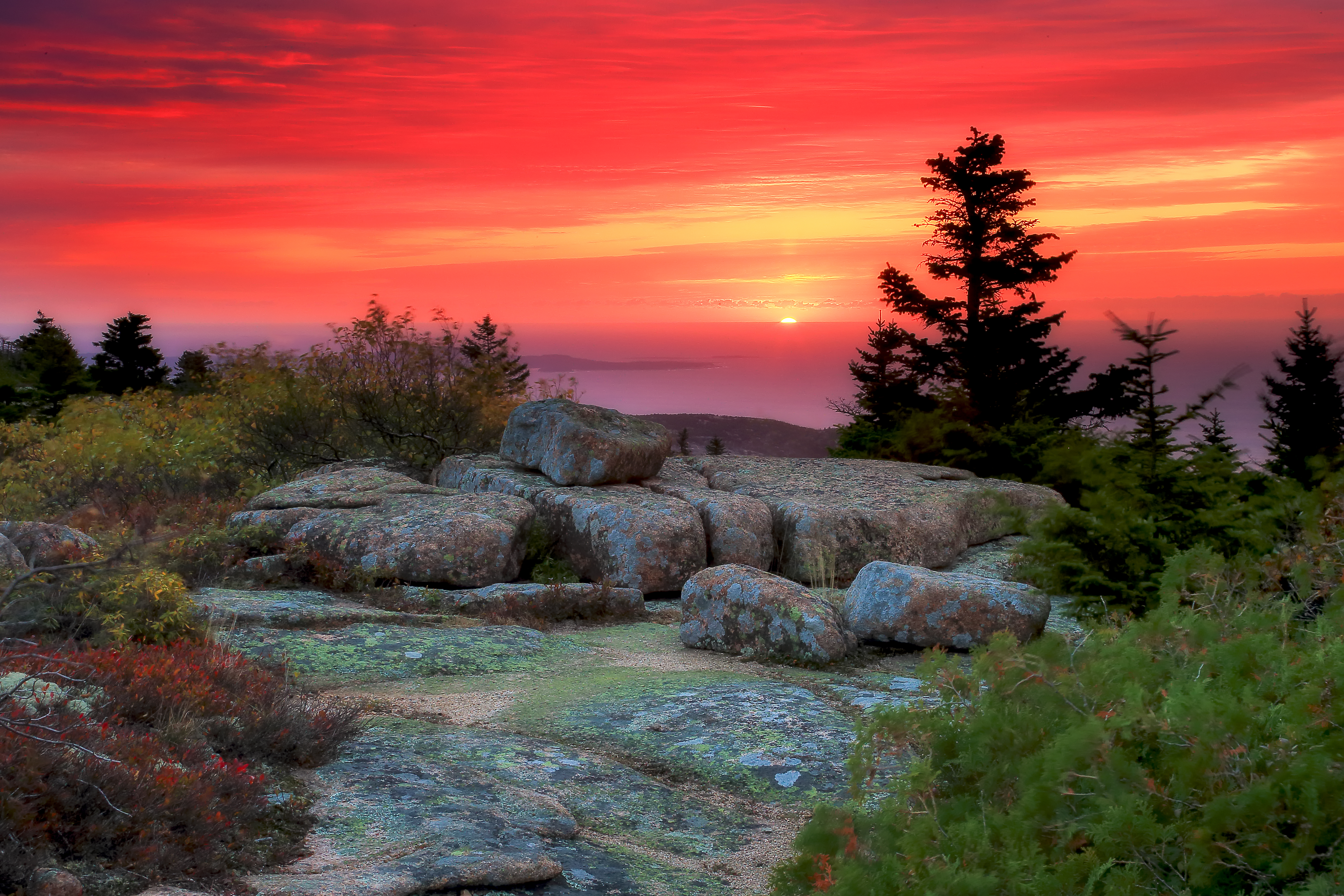
Day and night reach balance. Increasing daylight begins driving plant growth, animal activity, and reproductive cycles across many species.
🔥 Summer Solstice
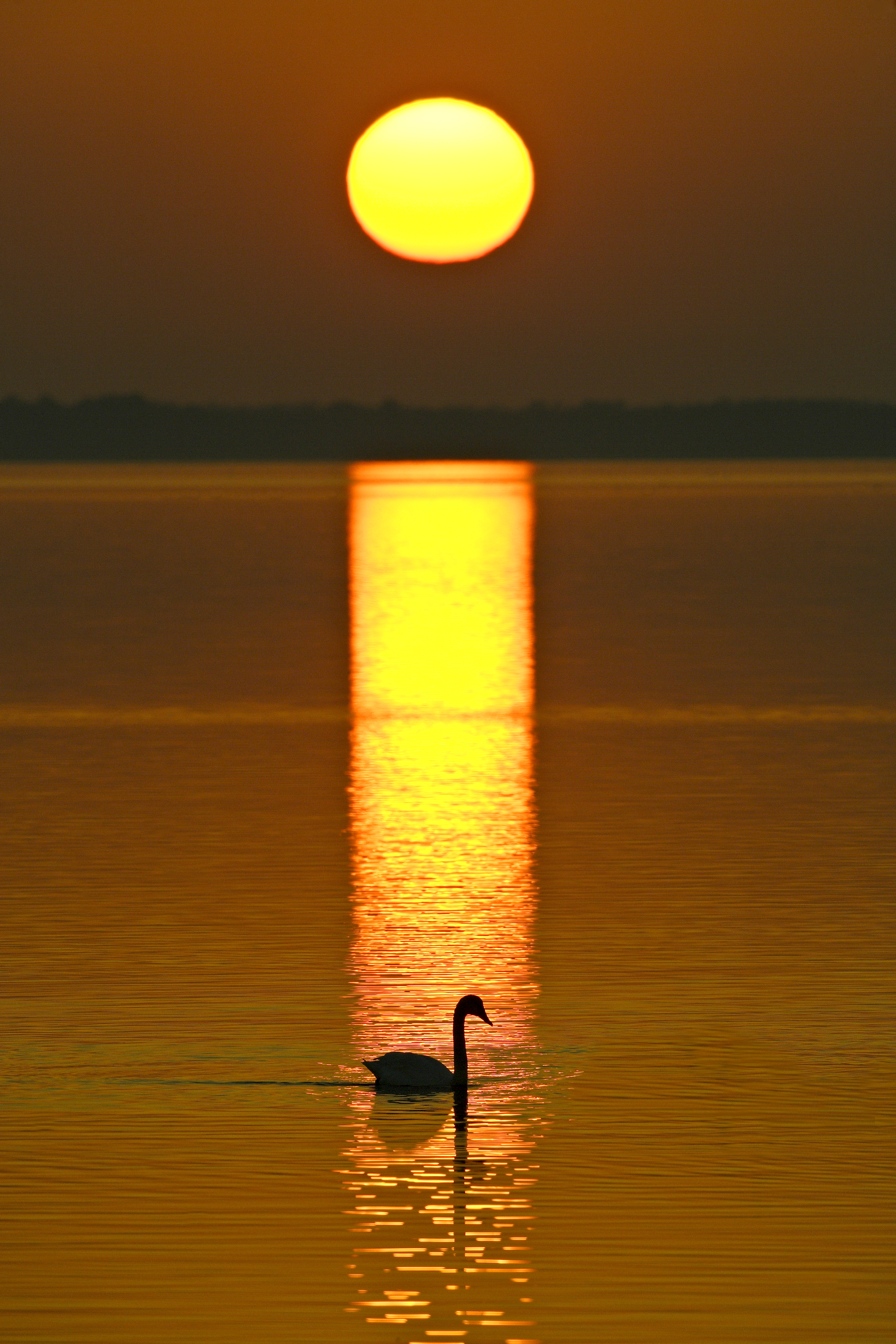
Peak daylight. Energy input from the sun reaches its annual maximum in the Northern Hemisphere, supporting growth, activity, and ecological productivity.
🍂 Autumn Equinox
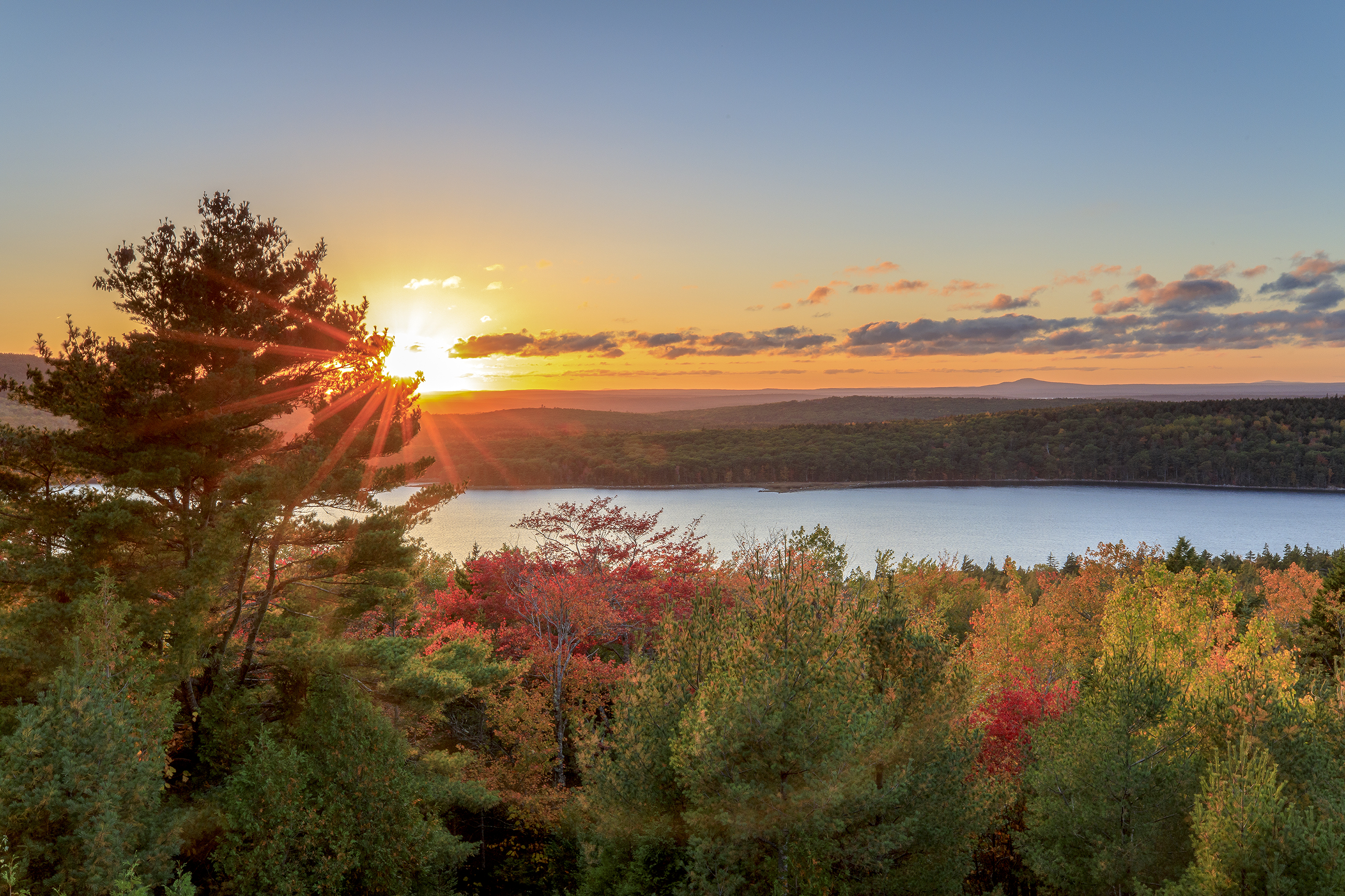
Light begins to decline. Many ecosystems transition into storage, migration, and preparation phases as energy availability decreases.
🕯️ Winter Solstice
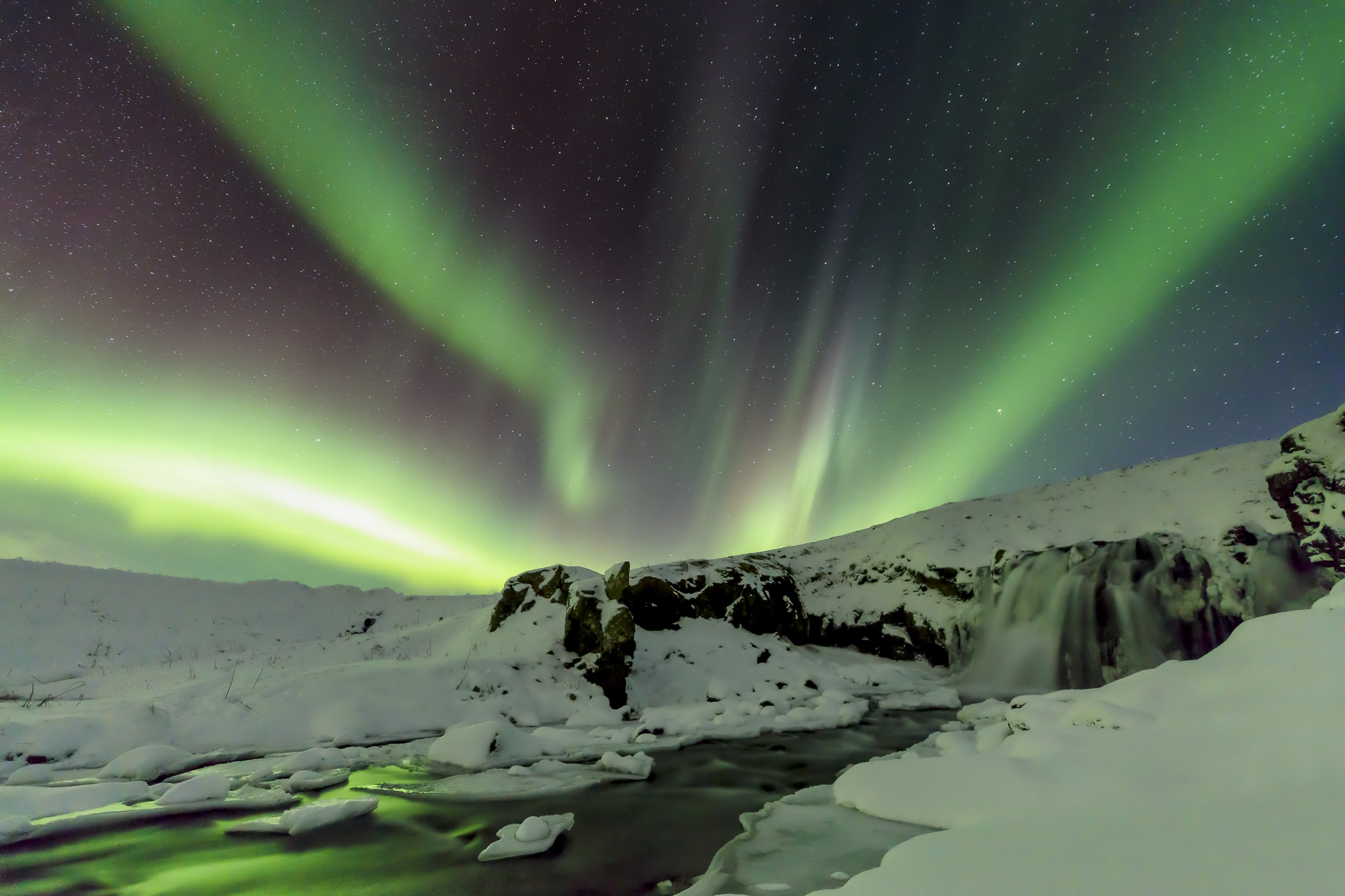
Minimum daylight. Biological systems shift toward conservation, dormancy, or adaptation to lower energy conditions.
From Seasonal Change to Pattern Recognition
The Solar Soul Clock takes these well-established seasonal transitions and presents them as a repeating cycle of activation, peak energy, decline, and reset. This mirrors how many natural systems operate—from plant growth cycles to animal migration to human biological rhythms.
Rather than treating time as a uniform measurement, this framework emphasizes timing as relationship—between light and life, environment and response, and external cycles and internal states.
The Grand Compression — A Deeper Pattern Layer
The Solar Soul Clock maps seasonal rhythm at the surface level—light increasing, peaking, declining, and resetting across the year.
The Grand Compression describes a deeper pattern that appears across many natural systems.
That pattern can be summarized as:
compression → expression → memory → recursion.
When viewed this way, seasonal cycles are not isolated—they follow the same structural logic seen in weather systems, ecological cycles, and biological processes.
Periods of reduced energy or input—such as winter—where systems consolidate, conserve, and prepare.
⬆️ Expression
Expansion phases—spring and summer—where energy is released into growth, movement, and visible change.
💾 Memory
Systems retain the effects of prior cycles—seen in soil health, biological adaptation, and accumulated environmental conditions.
🔁 Recursion
The cycle repeats, but not identically—each pass carries forward changes, creating evolving patterns over time.
Why This Matters for the Solar Soul Clock
Viewing seasonal change through this lens connects the Solar Soul Clock to a broader class of repeating systems. The yearly cycle becomes one example of a more general pattern that appears across scales—from weather cycles to ecological succession to long-term environmental change.
This perspective helps ground the page: instead of treating seasonal rhythm as symbolic alone, it becomes part of a larger, observable structure of how systems organize, repeat, and evolve over time.
Main Route
The Solar Soul Clock Sequence
This sequence follows the annual solar cycle through its major transition points. Each phase corresponds to measurable changes in daylight, environmental conditions, and biological response.
Phase 1
Emergence
Increasing daylight triggers growth, migration, and activation across ecosystems following winter dormancy.
Phase 2
Expansion
Peak solar input supports maximum biological productivity, long daylight hours, and heightened activity.
Phase 3
Transition
Declining light shifts systems toward storage, migration, and preparation for lower energy conditions.
Phase 4
Reset
Minimal daylight conditions support rest, conservation, and system-level reset before the cycle begins again.
Reading the Cycle as Pattern
The Solar Soul Clock becomes clearer when viewed as a repeating system rather than a sequence of isolated events. The same pattern—activation, peak, decline, and reset—appears across ecological, biological, and environmental processes.
This allows the seasonal cycle to function as a reference model for understanding timing, adaptation, and change across multiple scales.
How to Use This Section
Start with the four phases
Map them to seasons you know
Compare with real-world timing
Use chapters below for depth
Below, each phase expands into individual chapters with images and deeper context.
These first chapters establish the framework of the Solar Soul Clock, beginning with its seasonal foundation and moving into spring and summer as the year shifts from emergence to peak expression.
Part 1
The Birth of the Solar Soul Clock
This opening chapter establishes the central model: time read through seasonal light, cyclical return, and the annual structure of solar change.
These chapters move through the second half of the annual cycle, where light begins to decline and systems shift toward transition, storage, and adaptation.
Part 4
Surrender — Autumn Equinox
Equal day and night return, but the trend shifts toward decreasing light. Systems begin reallocating energy toward storage and preparation.
These final chapters expand beyond the seasonal cycle into interpretation, narrative, and broader system thinking—connecting solar rhythm to memory, perception, and collective experience.
Part 7
The First Soul Watcher (Interpretive Layer)
A narrative layer that explores how early humans may have interpreted seasonal cycles through observation, myth, and symbolic structure.
The Solar Soul Clock is not a fixed model—it is a recurring system. Each year repeats the same structure, but with variation driven by climate, geography, and biological response.
Understanding that pattern helps connect seasonal observation with broader system thinking, where cycles repeat but outcomes evolve.
Scientific Layer
Light, Circadian Rhythm, and Seasonal Timing
Beyond interpretation, the Solar Soul Clock aligns with well-studied biological and environmental processes—particularly how light regulates time across living systems.
☀️ Solar Input
Changes in solar radiation across the year influence temperature, weather systems, and energy availability in ecosystems.
🧠 Circadian Rhythm
Light exposure regulates sleep cycles, hormone release, and daily biological timing through internal clocks synchronized with sunrise and sunset.
🌿 Seasonal Biology
Plants, animals, and ecosystems respond to seasonal light shifts through growth cycles, migration, reproduction, and dormancy.
📆 Photoperiodism
Many species use day length (photoperiod) as a trigger for seasonal behaviors, making light duration a primary timing signal.
🔁 Annual Cycles
The yearly cycle repeats predictably, but variations in climate and geography create differences in timing and intensity.
🌎 Environmental Synchronization
Ecosystems remain stable when organisms align their timing with seasonal changes, creating synchronized patterns across species.
Connecting Science to the Solar Soul Clock
The Solar Soul Clock can be understood as a simplified model of these processes. It translates measurable environmental changes—light duration, solar angle, and seasonal variation—into a readable framework for understanding timing and pattern.
In this sense, the “spiral” is not literal—it represents how cycles repeat with variation. Each year follows the same structure, but conditions shift based on climate, geography, and long-term environmental change.
This grounding helps connect the page back to observable reality: light drives rhythm, rhythm organizes systems, and seasonal change becomes a measurable pattern rather than an abstract idea.
Summary Layer
Key Elements of the Solar Soul Clock
These are the recurring ideas that hold the page together, connecting seasonal observation, biological timing, and system-level interpretation.
☀️ Light
Seasonal light is the primary signal shaping the structure of the page and the timing of the yearly cycle.
🕰️ Rhythm
Daily and seasonal rhythms organize behavior, physiology, and environmental response across living systems.
🔁 Cyclical Return
The year repeats through recognizable phases, but each cycle carries forward environmental variation and accumulated change.
🌿 Seasonality
Solstices, equinoxes, and transitions between them provide the framework for reading time as patterned change.
🧠 Timing & Memory
Organisms and systems retain the effects of prior cycles, shaping how they respond to future conditions.
🌎 System Connection
The page connects seasonal observation to broader frameworks in Naturepedia, Signature Series pages, and system-level thinking.
What’s Next on the Cycle?
The Solar Soul Clock works best as part of a larger system. From here, the next step is to move outward into seasonal planning tools, broader Signature Series pathways, and the Naturepedia knowledge graph.
Use the site’s main orientation page to move into Naturepedia, tools, galleries, and deeper reading.
The year repeats. The framework expands. The next layer is connection.
Naturepedia Connections
Where the Solar Soul Clock Connects
The Solar Soul Clock is one layer of a larger system. These pages expand its ideas into wildlife timing, ecosystems, seasonal behavior, and broader environmental patterns.
The Solar Soul Clock becomes more useful when connected outward—linking seasonal timing to wildlife, ecosystems, and real-world observation.
FAQ
Frequently Asked Questions
These questions clarify how the Solar Soul Clock works, how to interpret it, and how it connects to observable seasonal patterns.
What is the Solar Soul Clock?
The Solar Soul Clock is a seasonal framework that interprets time through changes in daylight, solar position, and environmental cycles rather than fixed calendar units.
Is this based on science or symbolism?
It is grounded in real seasonal changes—light cycles, circadian rhythm, and ecological timing—but also allows for interpretive or symbolic reading depending on how the user engages with it.
How does this differ from a normal calendar?
A standard calendar divides time evenly. The Solar Soul Clock focuses on uneven but meaningful transitions—solstices, equinoxes, and seasonal shifts driven by solar change.
Why is light so important?
Light regulates biological timing across species. It influences sleep cycles, hormone release, plant growth, migration, and overall ecosystem behavior.
Can this be used practically?
Yes. It can support wildlife observation, photography planning, seasonal awareness, and understanding ecological timing in real environments.
Where should I go next?
Continue into Naturepedia for broader ecological context, or use seasonal tools like the Wildlife Calendar and Golden Hour Planner for real-world application.
About the Author
Robbie George is a nature photographer, writer, and field-based observer whose work is grounded in real landscapes, seasonal timing, and the recurring patterns that shape the natural world.
The Solar Soul Clock emerges directly from that field perspective—watching how light changes across seasons, how wildlife responds to shifting conditions, and how timing influences behavior in both ecosystems and human experience. Rather than starting from abstraction, the work builds outward from observation into pattern recognition.
This page is part of a larger interconnected system that includes Naturepedia, Migration & Seasonal Patterns, and Ecosystems of North America. Together, these pages connect field experience, ecological timing, and system-level understanding into one structured knowledge graph.
The presence of this badge signifies that this business has officially registered with the Art Storefronts Organization and has an established track record of selling art.
It also means that buyers can trust that they are buying from a legitimate business. Art sellers that conduct fraudulent activity or that receive numerous complaints from buyers will have this badge revoked. If you would like to file a complaint about this seller, please do so here.
Verified Returns & Exchanges
The Art Storefronts Organization has verified that this business has provided a returns & exchanges policy for all art purchases.
Description of Policy from Merchant:
What is your Policy on Returns/Exchanges/Refunds?
I take great pride in my work and prints, and I want you to be completely happy with your investment in my nature art. If for any reason you are unsatisfied with your print, you may return it within 14 days of delivery, and/or exchange it for another print. Prints must be returned in new condition, packaged carefully in the original packaging if possible. Your refund will be issued as soon as I receive the returned print. Please contact me if you would like to arrange a return or exchange.
In the event that you receive a damaged or defective print, please let me know within 7 days of receipt, and I will arrange for a new print to be shipped to you at no additional cost.
Verified Secure Website with Safe Checkout
This website provides a secure checkout with SSL encryption.
Verified Archival Materials Used
The Art Storefronts Organization has verified that this Art Seller has published information about the archival materials used to create their products in an effort to provide transparency to buyers.
Description from Merchant:
Fine Art Prints are made with high-quality archival inks on fine art papers using a high-resolution large format inkjet printer. Our premium archival inks produce images with smooth tones and rich colors. Prints are made with care on your choice of exquisite Fine Art Papers using a high-resolution large format inkjet printer. https://www.graphikprintworks.com
Become a supporter of Robbie George Photography and be the first to receive new content and special promotions.
“Every image is a field. Every quote is a key. Welcome back to the rhythm.” ~Robbie
Cart
Your cart is currently empty.
Saved Successfully.
This is only visible to you because you are logged in and are authorized to manage this website. This message is not visible to other website visitors.
Import From Instagram
Click on any Image to continue
This Website Supports Augmented Reality to Live Preview Art
This means you can use the camera on your phone or tablet and superimpose any piece of nature art onto a wall inside of your home or business.
To use this feature, Just look for the "Live Preview AR" button when viewing any piece of nature art on this website!
Pounce Now—Save 20% on Your First Order
Join the collector list for your first-order discount, new wildlife releases, and occasional field notes.