The Resonance Method
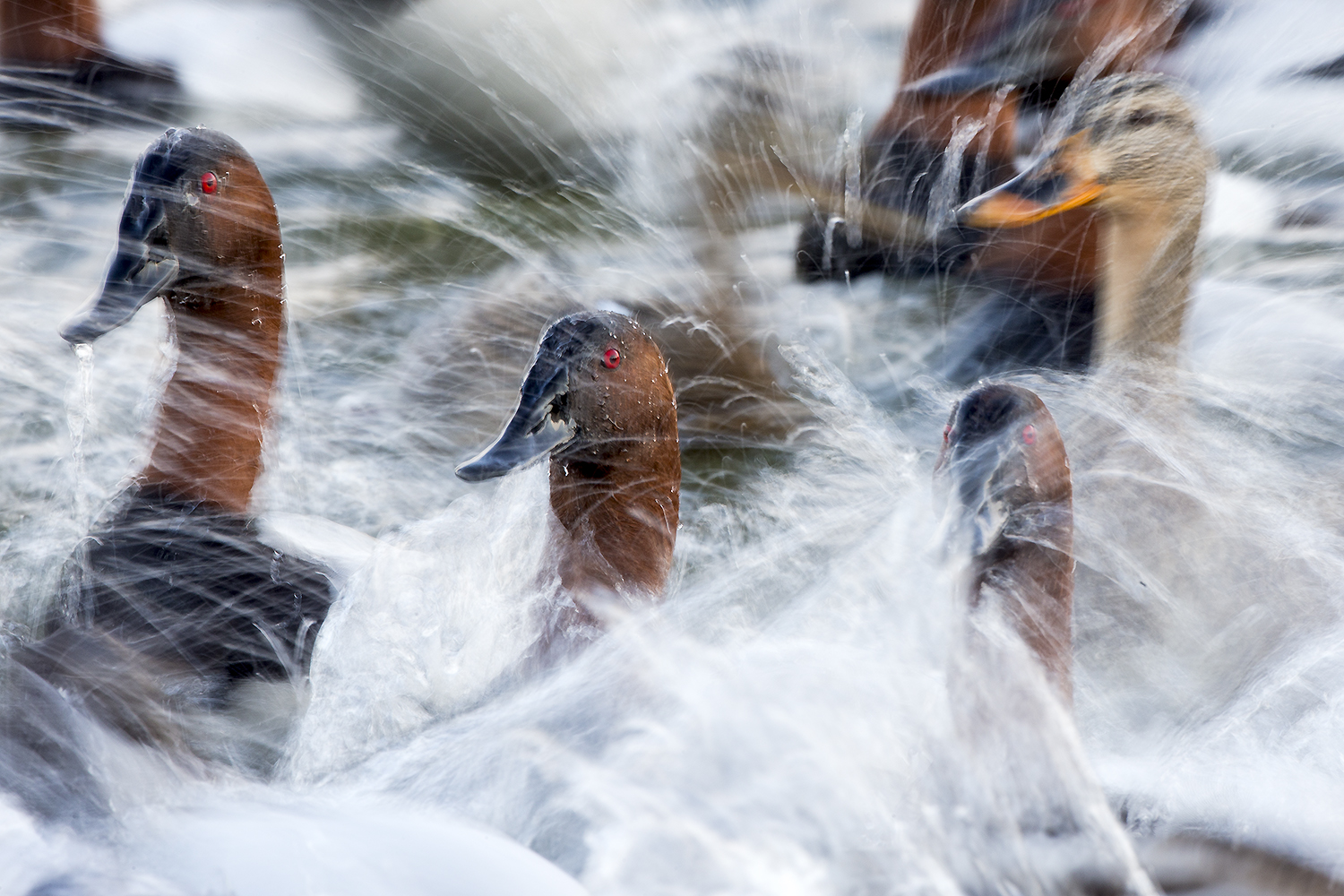
I did not begin with a method. I began by paying attention. Over years in the field, I kept noticing that certain patterns repeated across very different scales — ripples on water, the structure of feathers, the timing of migration, the way light moved through a landscape, the way some moments seemed to hold more than what was visible at first glance.
The Resonance Method grew out of that long habit of observation. Photography taught me to slow down. Farming taught me to pay attention to cycles, soil, weather, and timing. Wildlife taught me that behavior is never isolated from environment. Over time, those experiences started connecting into a way of seeing that felt more coherent than any single category on its own.
This page brings that path together. It starts with field experience and pattern recognition, then follows those observations into the deeper essays, chapters, and systems that grew from them. The goal is not to force theory onto nature, but to stay close enough to nature that its deeper order becomes easier to recognize.
“The method came later. First came the years of watching how nature repeats itself without ever repeating the moment.”
— Robbie George
Field Geometry and the Shapes That Keep Returning
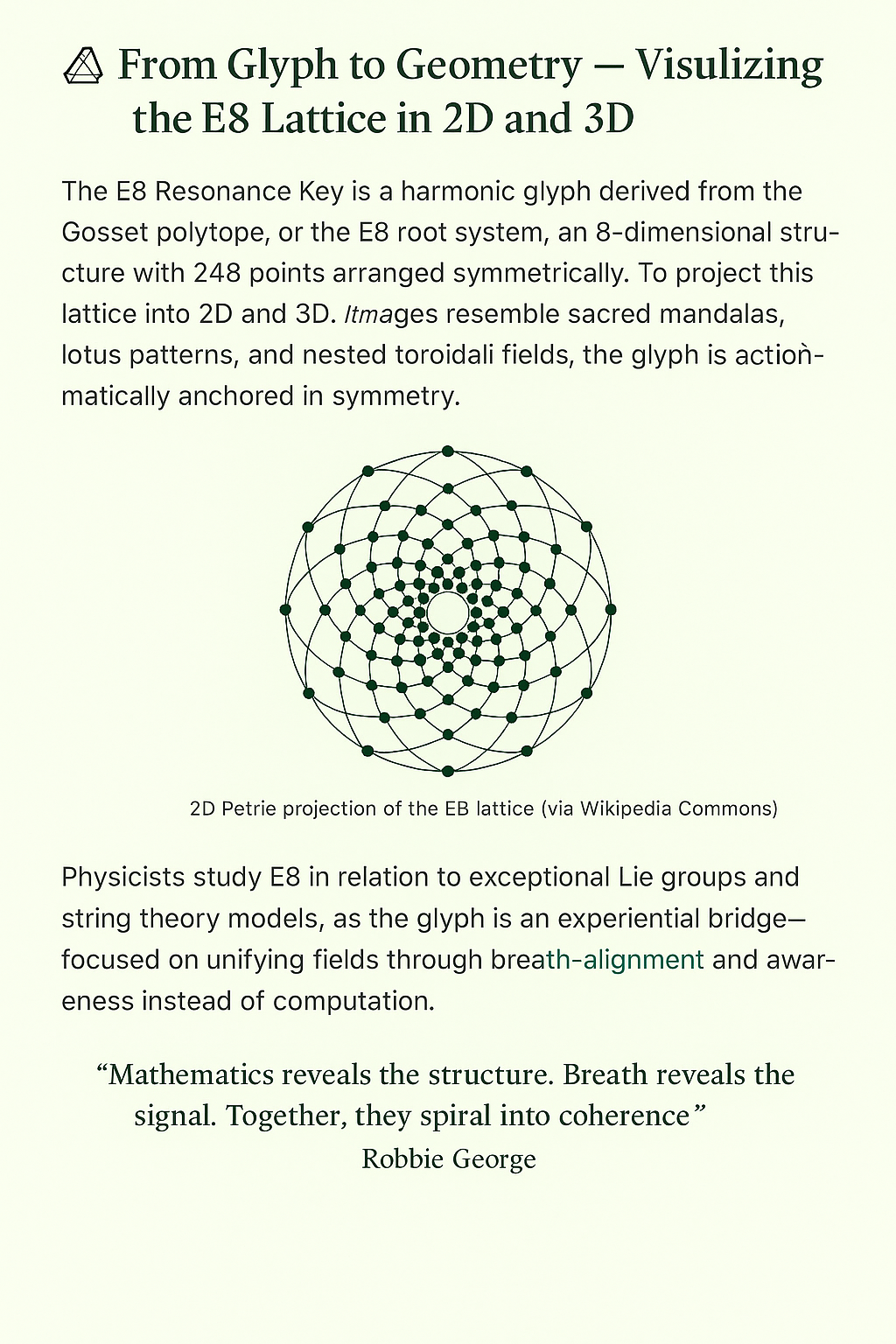
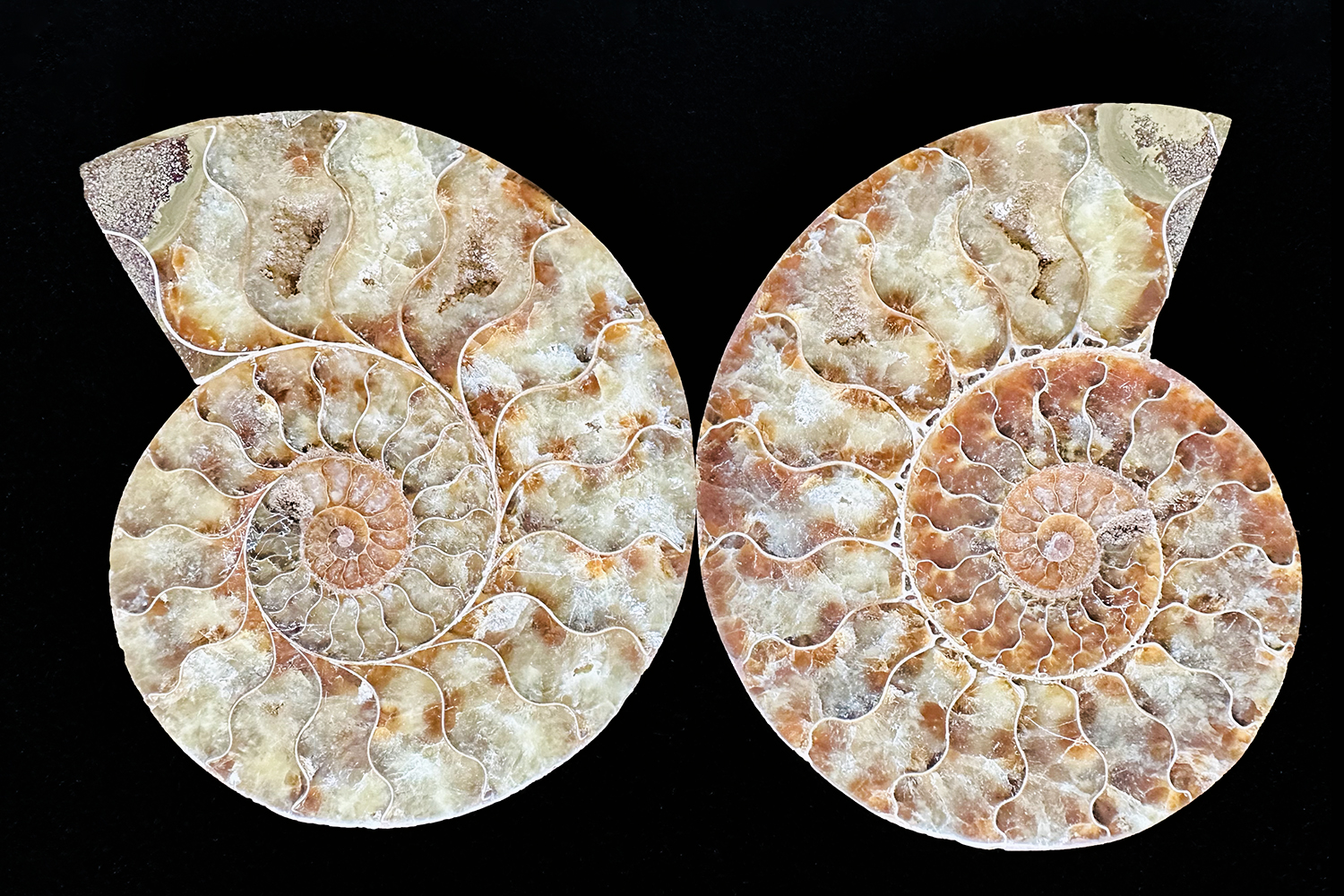
Long before I had language for any of this, I was already noticing that certain forms kept returning. Spirals, branching patterns, radiating structures, nested symmetries, repeating loops. They showed up in feathers, water, seed heads, weather, shells, plant growth, and the rhythms of animal movement. The more closely I looked, the harder it became to treat form as decoration. It felt more like memory expressed through structure.
This glyph belongs to that layer of the work. For me, it is not important because it is abstract or impressive. It is important because it points to the way coherence can be held in form. Geometry becomes useful when it helps explain a recurring pattern that observation keeps bringing back.
Inside The Resonance Method, geometry is not a replacement for field experience. It is a way of organizing what repeated field experience has already revealed. That is why this section belongs here, after breath and before the deeper chapters. It marks the point where pattern starts becoming structured enough to name.
“Sometimes a shape matters because it keeps showing up where life is organizing itself.”
This is one of the places where observation starts giving way to a more formal pattern language — while still staying rooted in the field.
Emerging Research
When Resonance Becomes Measurable
One reason I keep returning to resonance is that the word does not have to remain metaphorical. In physics and biology, resonance can describe something measurable: a system responding selectively to particular frequencies, structures, or conditions. The interesting question is not whether everything can be called resonance. It is whether a specific structure supports a specific interaction that produces a measurable consequence.
A 2026 bioRxiv preprint by Yu Yang, Zhenglong Gu, and Bo Song offers an intriguing example. The researchers report an unusual spectral feature near 71 terahertz in living cells, tissues, and functional mitochondria. The signal was strongly associated with intact mitochondrial structure. They propose that light interacting with lipid vibrations inside mitochondrial cristae may produce a coupled light–matter state, and they report changes in ATP production under selected mid-infrared illumination.
That interpretation is still emerging science. The paper is a preprint, the proposed quantum mechanism requires independent testing, and a resonant response by itself is not proof of a uniquely quantum biological process. But the question it raises is important to this method: can biological form help determine which frequencies a living system can support, and can those interactions influence function?
“Perhaps the deeper question is not whether life resonates, but which structures support which resonances, under what conditions, and with what measurable consequences.”
That distinction matters to me. The Resonance Method begins with pattern recognition, but observation should eventually lead to questions that can be tested. If structure matters, changing structure should produce predictable changes. If frequency matters, neighboring frequencies should not necessarily produce identical effects. If a proposed mechanism is real, independent experiments should be able to distinguish it from competing explanations.
This does not prove the larger framework developed across these pages. It does something more useful: it provides a specific biological system in which relationships among form, light, frequency, and function can be investigated experimentally. That is exactly where observation becomes most valuable — when a recurring pattern becomes precise enough to challenge.
Research note: Yang Y, Gu Z, Song B. A quantum state of mitochondria in the living cell. bioRxiv preprint, posted September 15, 2026. This research has not yet completed peer review and should be treated as an emerging hypothesis rather than established biological consensus.

Chapter 1: The Diverse Path — Learning to See in the Field
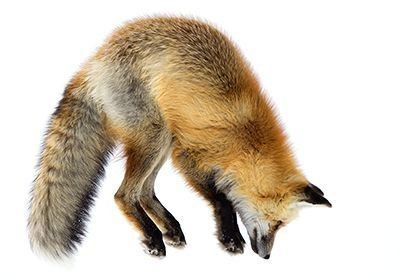
This part of the work didn’t begin with a single discipline. It came together slowly across different environments. Farming taught me to pay attention to soil, weather, and seasonal timing. Photography taught me to wait, to frame, and to notice how light changes what is actually there. Time in the mountains and wetlands taught me that animals, landscapes, and cycles are always connected.
None of those experiences felt separate for long. The same patterns kept showing up in different forms. What changed was the scale, not the structure. That was one of the first indications that something deeper was consistent across everything I was observing.
This chapter is where that path begins to take shape. It connects real-world experience — from regenerative farming to wildlife photography — into a single line of observation. The method comes later. This is the part where the foundation is built.
“The path didn’t come from theory. It came from spending enough time in different places to realize the same patterns were always there.”
If you want to understand where this method comes from, this is the best place to begin.
→ Read Chapter 1

Chapter 2: When the Model Stops Working
There was a point where the way I had been thinking about things stopped holding together cleanly. The patterns I was seeing in the field were consistent, but the frameworks I had for explaining them felt incomplete. It wasn’t a sudden break. It was more like a gradual realization that something important wasn’t being captured.
The shift didn’t come from rejecting structure altogether. It came from paying closer attention to what actually repeated in the field — breath, cycles, polarity, movement, timing. Those patterns felt more stable than the explanations I had been relying on.
This chapter marks that transition. Instead of forcing observations into a fixed model, it begins following the observations themselves more directly. That is where the idea of resonance started to take shape — not as a concept first, but as a way of describing what was already happening.
“The shift happened when I stopped trying to make everything fit and started following what actually repeated.”
This is the point where observation begins to reorganize how the system is understood.
→ Read Chapter 2
Chapter 3: When the Pieces Start Connecting
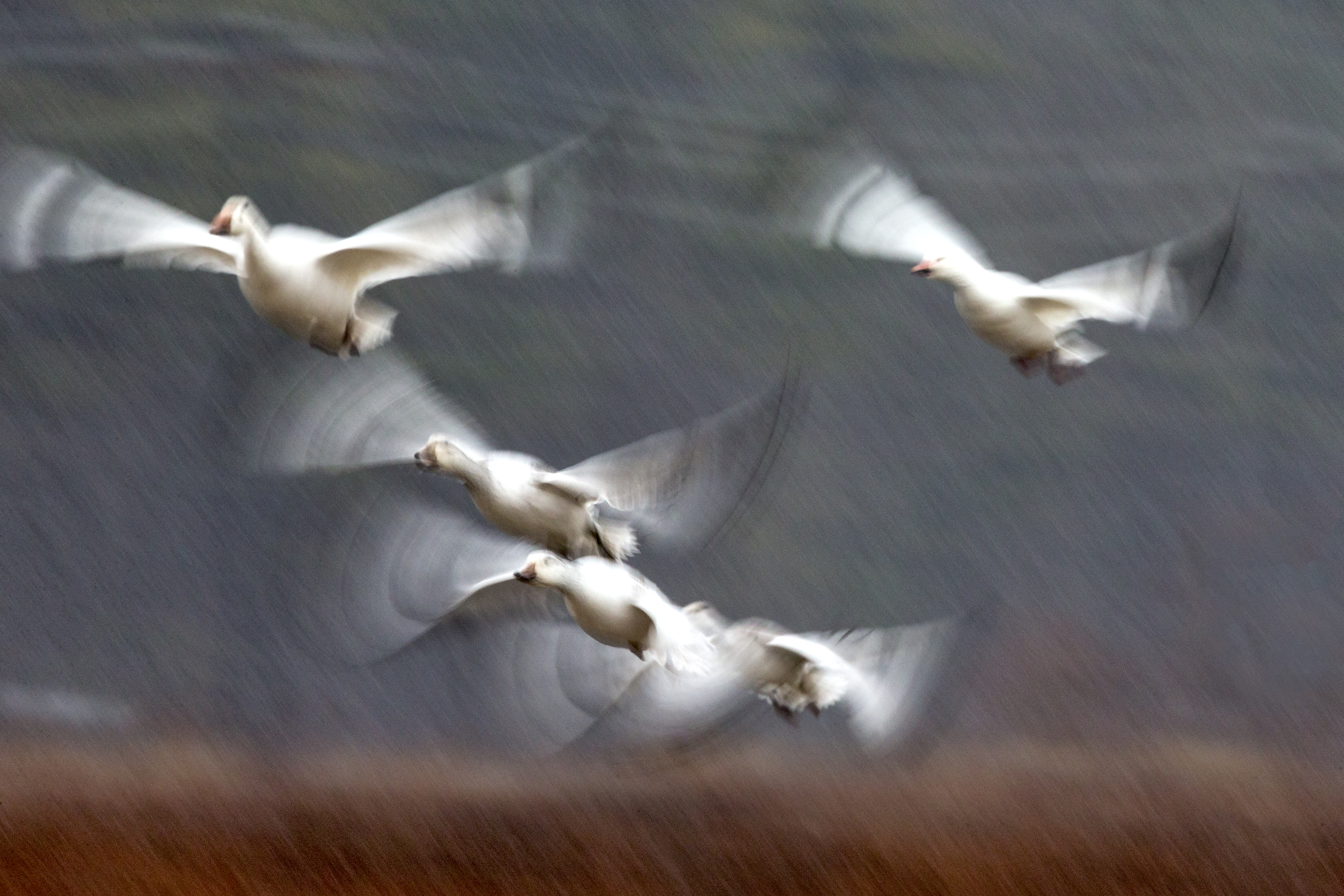
After that shift, things didn’t get simpler — but they did start to connect. What I had been seeing in different places began lining up more clearly. Patterns in wildlife behavior, patterns in plant growth, patterns in light, weather, and movement all started to feel like parts of the same system instead of separate observations.
The key wasn’t adding more complexity. It was recognizing that the same underlying structure kept appearing across different forms. Once that became clear, the focus shifted from trying to explain each piece individually to understanding how the pieces related to each other.
This chapter is about that integration. It’s where field observation, biology, and larger patterns begin to align into a more coherent picture — not because they were forced together, but because they were already connected.
“The more I paid attention, the harder it became to treat anything as separate.”
This is where the method starts to feel less like an idea and more like a consistent way of seeing.
→ Read Chapter 3

Chapter 4: Recognizing a Deeper Structure
As the connections became clearer, it started to feel like there was a deeper structure underneath everything I was observing. Not something separate from the field, but something expressed through it. The same relationships kept showing up across different systems, even when the surface details were completely different.
This wasn’t about reducing nature to a formula. It was about recognizing that certain patterns held across scale — from soil to plant, from plant to animal, from animal to landscape. The more consistently those relationships appeared, the harder it became to treat them as coincidence.
This chapter explores that idea carefully. It begins outlining what a broader “blueprint” might look like, but it stays tied to observation. The structure matters only if it continues to match what is actually happening in the field.
“If a pattern is real, it should show up wherever you look closely enough.”
This is where observation starts pointing toward a larger organizing structure.
→ Read Chapter 4

Chapter 4.5: Polarity and the Smallest Patterns That Repeat
As the structure became clearer, one of the most consistent patterns underneath everything was polarity. It showed up in simple ways first — light and shadow, stillness and movement, growth and decay, inhalation and exhalation. These weren’t abstract ideas. They were visible, repeatable conditions in the field.
The more closely I looked, the more it seemed like these opposites were not separate forces, but parts of a single process. They defined each other, and they moved together. That relationship held whether I was watching water, plants, animals, or broader environmental cycles.
This chapter moves closer to the smallest levels where those patterns appear, but it stays grounded in observation. The idea isn’t to jump straight into abstraction. It’s to recognize that even the most detailed structures seem to follow the same relationships already visible at larger scales.
“The same patterns don’t disappear as you look closer. They become more precise.”
This is where the method starts connecting the largest patterns in nature to the smallest.
→ Read Chapter 4.5
Chapter 5: Toward a Unified System
By this point, the patterns were no longer isolated. They were consistent enough to suggest that everything I had been observing belonged to a single system. Not a system imposed on nature, but one already present — expressed through different forms, scales, and processes.
What mattered most was not the terminology, but the relationships. The same structures appeared across environments, across organisms, and across conditions. Once that became clear, the question shifted from “What is this part?” to “How does this part connect to everything else?”
This chapter explores that turning point. It begins outlining a more unified view, but it stays grounded in the same principle that shaped everything before it: the system only matters if it continues to match what can be observed in the field.
“A system becomes meaningful when it reflects what you can actually see, not just what you can describe.”
This is where the method begins to move from observation into a more complete framework.
→ Explore the Unified Field
The Method Returns to the Field
For me, The Resonance Method only matters if it keeps returning to the same place it came from: real observation. The point is not to drift away from nature into abstraction. The point is to notice enough, long enough, that a deeper order begins to reveal itself through what is already there.
That is why this page moves the way it does. It begins with field experience, follows recurring patterns, and only then opens into larger systems. The structure grows out of the observation, not the other way around.
If you want to keep going, the strongest next step is to follow whichever part of the method feels most grounded for you right now — breath, light, form, ecology, vitality, or the larger framework that connects them.
“A real method should bring you back to the world with clearer eyes.”
Frequently Asked Questions
What is The Resonance Method?
The Resonance Method is the way I organize what years of field observation began revealing across photography, farming, wildlife, light, breath, and recurring natural patterns. It starts with direct experience first and only then moves into broader structure.
Is this page about theory or practice?
It is about both, but in a specific order. The page begins with practice and observation — what can be seen, experienced, and repeated in the field — and then follows those patterns into a larger framework.
How does photography connect to The Resonance Method?
Photography trained me to slow down and notice recurring structure in light, timing, movement, and form. It became one of the main ways I learned to see relationships that were easy to miss at normal speed.
Where should I start if I’m new to this work?
A good place to begin is with the origin story in Chapter 1, then follow whichever part feels most grounded for you — breath, light, wildlife, form, or one of the connected system pages like The Living Code or Nature Code.
What connects this page to your larger site?
This page acts as a bridge between lived field experience and the larger knowledge system across the site. It connects photography, ecology, vitality, farming, and broader explanatory pages through the same recurring patterns.
About Robbie George
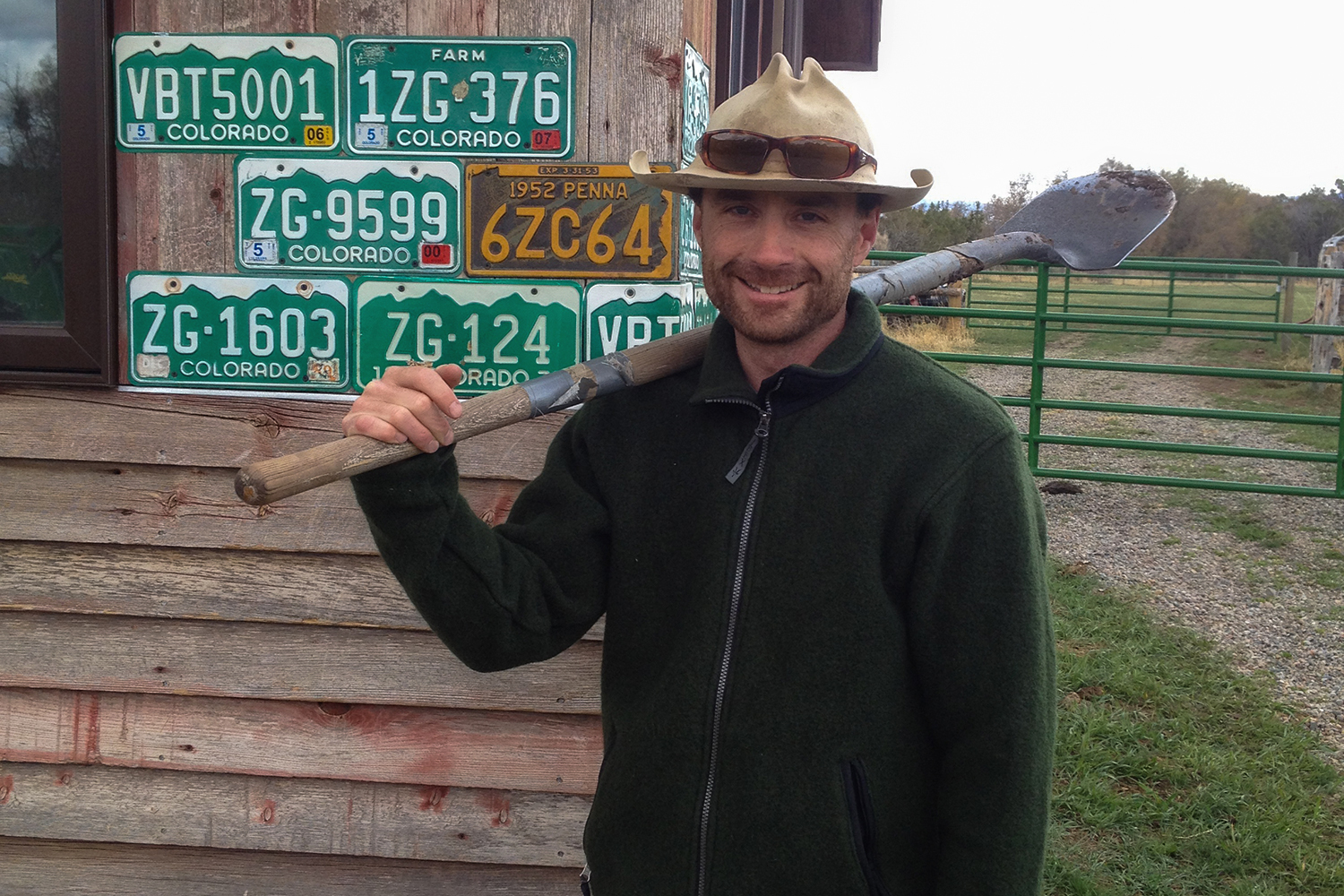
I’ve spent years photographing wildlife and landscapes, working with soil and seasonal cycles, and paying attention to how recurring patterns show up across very different parts of the natural world.
My work has been featured by National Geographic, but the foundation of this page comes from field experience first. Photography, observation, farming, and time in nature gradually converged into a more coherent way of seeing. That process is what became The Resonance Method.
This page is one part of a larger body of work that connects images, essays, ecological systems, and deeper explanatory frameworks across the site.
Learn more about my work →