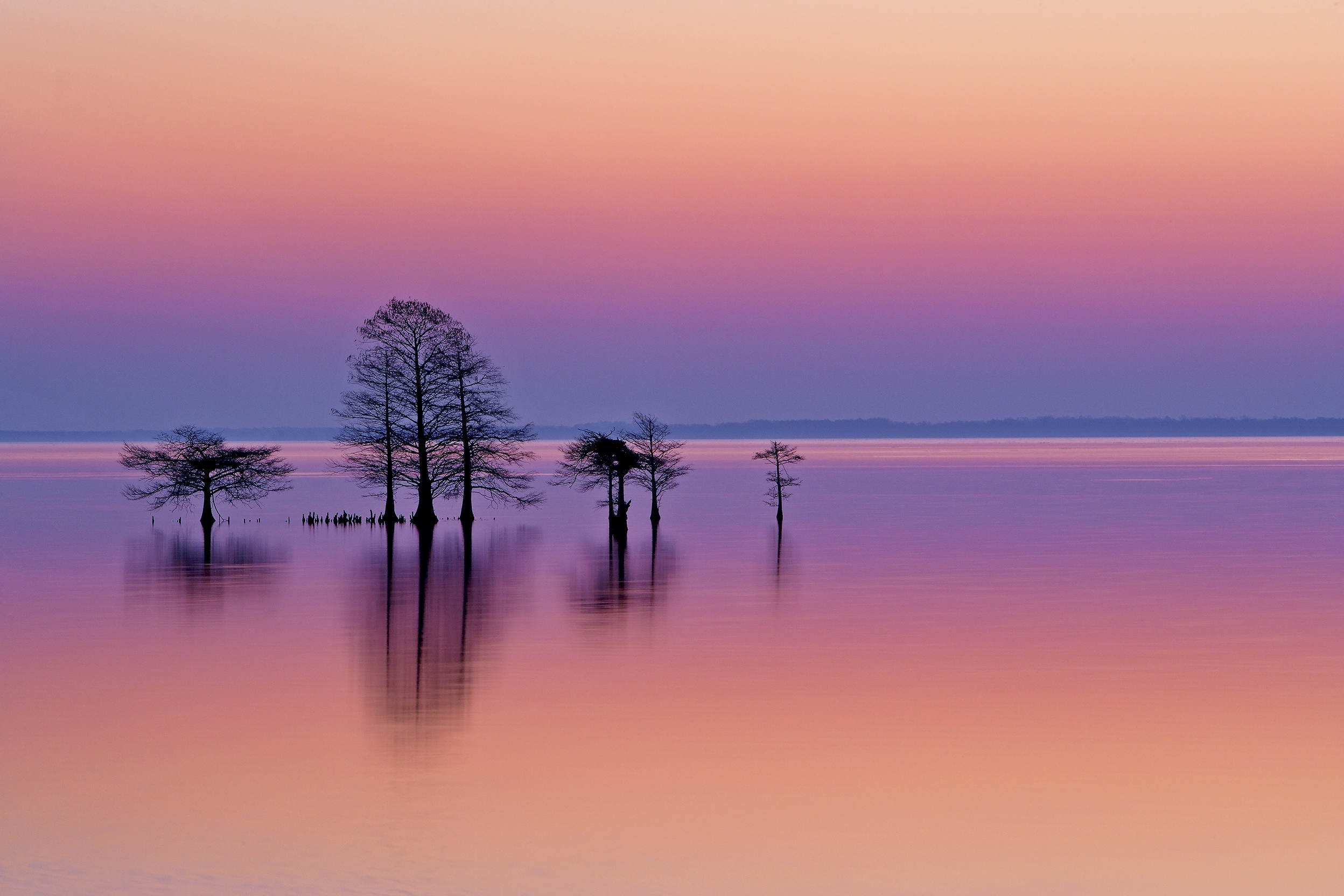
Aspect Ratios — Choose the Format That Fits Your Wall and the Story
Aspect ratio changes more than shape. It affects how a photograph breathes, how the eye moves through the image, how much wall space it occupies, and whether a piece feels calm, balanced, expansive, or tightly focused in a room.
This guide will help you compare square, classic, vertical, panoramic, and widescreen formats so you can choose the one that best fits your space, your furniture, and the way the image was meant to be experienced.
This guide will help you compare how different print formats behave on the wall, which ratios work best in different rooms, how viewing distance affects size, and how framing choices can strengthen the format you choose.
Compare the Main Ratios — How Format Changes the Feel
Aspect ratio shapes more than the outer dimensions of a print. It changes how much space surrounds the subject, how movement is felt inside the frame, and whether the final piece reads as intimate, balanced, vertical, or expansive on the wall.
These examples are a practical way to compare formats before choosing a size, material, or room placement.
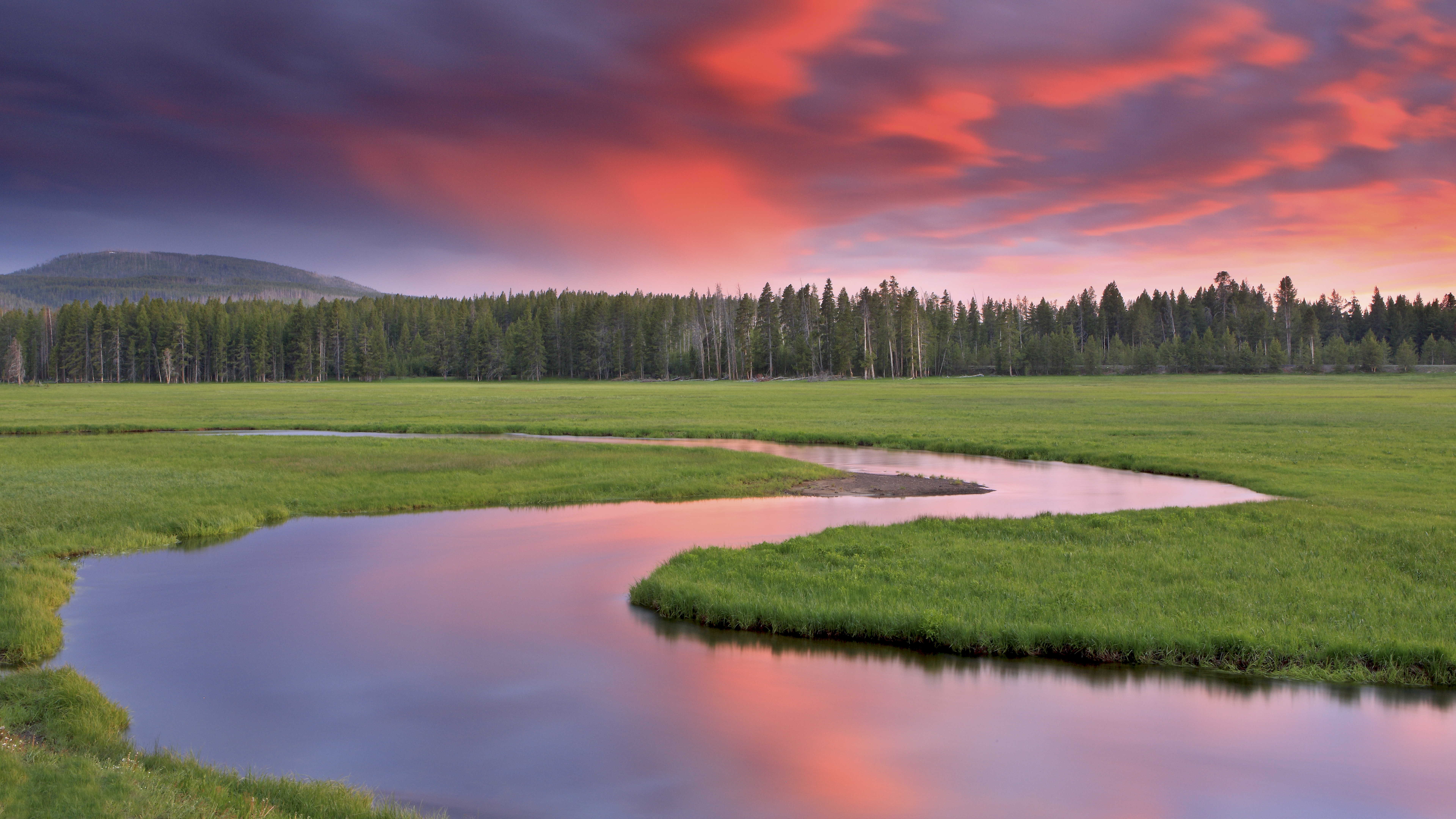
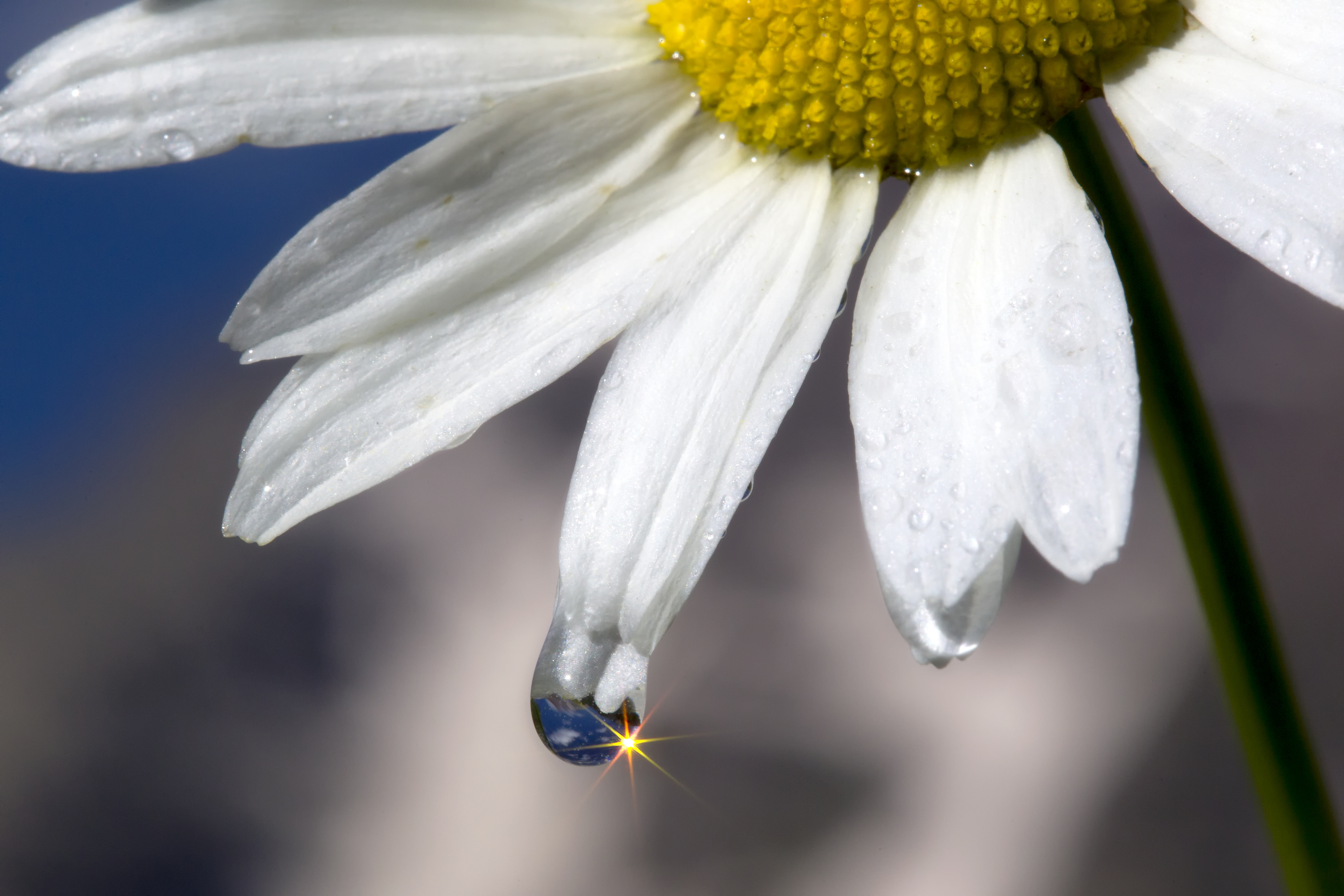
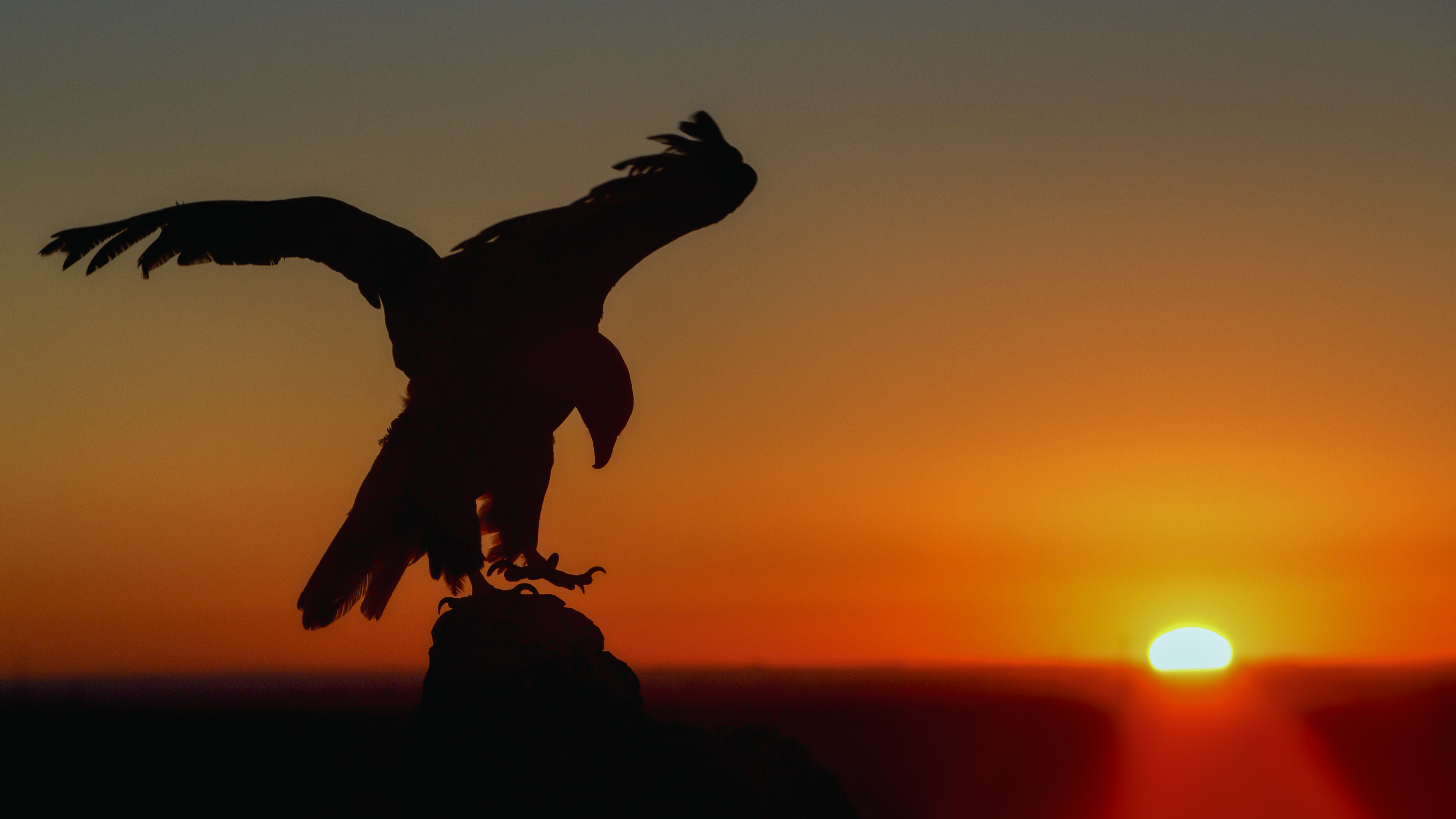
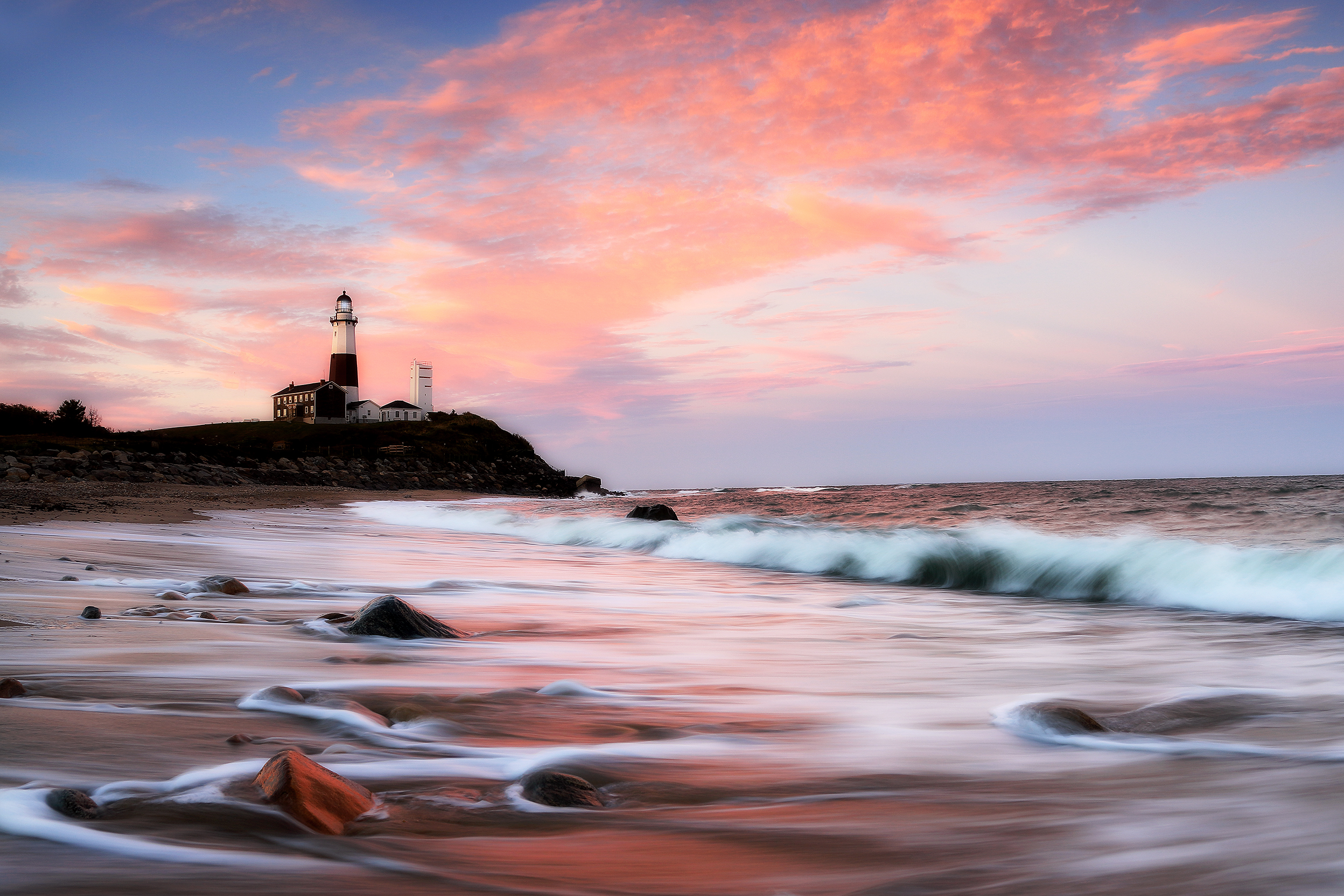
1:1 Square — Centered, calm, and symmetrical. Best when the subject itself carries the composition and the wall needs a compact, balanced shape.3:2 — The classic camera-native ratio. Open, versatile, and easy to live with across many subjects, sizes, and rooms.4:5 Vertical — Taller and more room-friendly. Ideal when you want upward movement, a stronger vertical subject, or a format that fits narrow wall spaces well.2:1 Panoramic — Expansive and cinematic. Excellent for long walls, sweeping landscapes, and situations where width matters more than height.16:9 Widescreen — Closely aligned with screens and TV displays. Useful for digital presentation, though many printed works feel more natural in 2:1 when framed for the wall.
Helpful next step: Once a ratio feels right, confirm the size with the Print Size & PPI Advisor, then preview it in your space using Wall Preview or Live Preview AR from the artwork page.
Which Ratio Fits Which Wall?
The best aspect ratio isn’t just about the image — it’s about the wall, the furniture, and how the space is used. Choosing the right format helps the artwork feel intentional instead of forced.
Use these quick guidelines to match ratio to real-world placement. From there, small adjustments by eye will always give you the best result.
Over a Sofa or Long Console
Best ratios: 2:1 panoramic · 3:2
Why: Wide formats fill horizontal space without adding too much height
Tip: Leave 6–10 inches above furniture for balance
Narrow Wall or Between Windows
Best ratios: 4:5 vertical · 1:1 square
Why: Taller or compact shapes avoid crowding trim and edges
Tip: Keep consistent spacing from window frames
Hallway or Gallery Wall
Best ratios: 3:2 series · 1:1 grid
Why: Repeating shapes create rhythm and flow
Tip: Keep spacing consistent (2–3 inches works well)
Above a Desk or Dresser
Best ratios: 4:5 vertical · 1:1
Why: Adds presence without overwhelming smaller surfaces
Why: Keeps visual alignment with widescreen displays
Tip: Use 2:1 prints for easier framing and wall balance
Helpful next step: Once you’ve chosen a ratio for your space, use the Print Size & PPI Advisor to match size to viewing distance, then preview it on your wall before committing.
Viewing Distance & Size — Getting Scale Right
Aspect ratio determines the shape of a print, but viewing distance determines how large it should feel. The goal is to choose a size that fills your field of view comfortably without overwhelming the space or revealing unwanted detail limitations.
A simple rule of thumb works well for most rooms: the width of the artwork should be roughly 60–90% of your viewing distance. From there, adjust based on the ratio and the feel you want.
Viewing Distance
Recommended Width
Best Ratios
4–5 ft (1.2–1.5 m)
24–36 in (61–91 cm)
1:1 · 4:5 · small 3:2
6–7 ft (1.8–2.1 m)
36–48 in (91–122 cm)
3:2 · 4:5 · moderate 2:1
8–10 ft (2.4–3.0 m)
48–72 in (122–183 cm)
2:1 · large 3:2
*Panoramic formats can run wider because they carry less vertical height. Always confirm with in-room preview tools.
1:1 Square — Feels tighter and more focused. Works best at smaller to medium sizes or in grouped layouts.
3:2 Classic — Scales naturally across sizes and distances. One of the most forgiving formats.
4:5 Vertical — Adds height and presence without requiring excessive width.
2:1 Panoramic — Can go wider without overwhelming the room. Ideal for large walls and long viewing distances.
16:9 Widescreen — Best aligned with digital displays. For wall prints, 2:1 often feels more natural.
The right frame and mat should support the image, not compete with it. Different aspect ratios naturally call for slightly different framing approaches to keep proportions feeling clean, balanced, and intentional on the wall.
These guidelines help you match framing style to format so the final piece feels complete — not cropped, cramped, or overly heavy.
1:1 Square
Mats: Keep borders even to reinforce symmetry. Frames: Medium-width profiles work best without overpowering the square. Look: Calm, centered, and balanced.
3:2 Classic
Mats: Slightly wider bottom margin can add visual stability. Frames: Thin to medium profiles keep the composition open. Look: Natural, versatile, and easy to place.
4:5 Vertical
Mats: Balanced sides with a slightly heavier bottom margin. Frames: Narrow profiles maintain vertical flow. Look: Strong upward movement and presence.
2:1 Panoramic
Mats: Often best with minimal or no mat to avoid adding height. Frames: Thin, clean lines preserve the wide sweep. Look: Expansive and cinematic across the wall.
16:9 Widescreen
Frames: Clean, minimal styles work best. Tip: Consider a 2:1 print for easier framing while maintaining a similar feel. Look: Modern and aligned with screen-based layouts.
Aspect ratio may seem like a design decision, but it also changes how light, space, balance, and movement are experienced. The format you choose affects how a photograph holds attention and how the natural world inside the frame is felt on the wall.
Photons — Every composition begins with light, and ratio changes how that light is distributed across the frame.
Resonance — Different formats create different visual rhythms, from quiet symmetry to panoramic sweep.
Vibration — Small shifts in proportion can change the energy and pacing of an image.
Quantum Fields — A deeper layer behind light, structure, and how the visible world takes form.
Once you know which ratio feels right, the next questions are usually about size, surface, framing, and how the piece will actually live in the room. These pages will help you keep moving with confidence.
Size and Viewing Distance
Use the Print Size & PPI Advisor to match your chosen ratio to wall size, viewing distance, and image sharpness before you print.
Panoramic 2:1 and classic 3:2 are usually the strongest choices. They span width without becoming too tall and tend to feel balanced above long furniture.
What’s the difference between 3:2 and 4:5?
3:2 feels wider and more open, which makes it great for sweeping scenes. 4:5 is taller and more room-friendly, making it a strong choice for narrow walls and vertical compositions.
When should I choose a square print?
Square formats work best when symmetry, stillness, or a single centered subject is the main focus. They are also excellent for grids, smaller walls, desks, and dressers.
Is 16:9 a good print ratio?
It can work, especially near screens, but for many wall displays a 2:1 panoramic print feels more natural and is often easier to frame while giving a similar widescreen impression.
How do I choose the right size for my viewing distance?
A good starting point is to make the artwork width about 60–90% of your viewing distance. Then refine it with the Print Size & PPI Advisor and in-room preview tools.
Can you print custom ratios?
Yes. Many images can support custom crops depending on the subject and composition. Send your wall width, preferred ratio, and a room photo through the contact page for a tailored recommendation.
Does aspect ratio affect price or editions?
Pricing is driven mainly by size and material. Limited editions will note format when relevant. Aspect ratio matters most in how the piece fits the wall and composition.
What ratio works best for triptychs?
3:2 and 2:1 usually split especially well into triptychs because they preserve horizontal flow and spacing rhythm across the wall.
Ready to Choose Your Format?
Compare a few ratios, confirm the right size for your wall, and narrow down the material that best fits your room. If you’d like a second eye, I’m happy to help you choose a format that feels balanced, natural, and true to the image.
Tip: Use Wall Preview or Live Preview AR on any artwork page to compare ratios at real scale before you commit.
About the Photographer
I’m Robbie George, a field-based wildlife and nature photographer. My work is shaped by time spent in places like Yellowstone, Bosque del Apache, and along the Atlantic coast — learning how light, composition, and timing come together in real environments.
Every image begins in the field — in changing light, shifting conditions, and moments that don’t repeat. Aspect ratio is part of that process. It’s not just a crop — it’s a decision about how the scene is experienced, how space is used, and how the image ultimately lives on the wall.
The presence of this badge signifies that this business has officially registered with the Art Storefronts Organization and has an established track record of selling art.
It also means that buyers can trust that they are buying from a legitimate business. Art sellers that conduct fraudulent activity or that receive numerous complaints from buyers will have this badge revoked. If you would like to file a complaint about this seller, please do so here.
Verified Returns & Exchanges
The Art Storefronts Organization has verified that this business has provided a returns & exchanges policy for all art purchases.
Description of Policy from Merchant:
What is your Policy on Returns/Exchanges/Refunds?
I take great pride in my work and prints, and I want you to be completely happy with your investment in my nature art. If for any reason you are unsatisfied with your print, you may return it within 14 days of delivery, and/or exchange it for another print. Prints must be returned in new condition, packaged carefully in the original packaging if possible. Your refund will be issued as soon as I receive the returned print. Please contact me if you would like to arrange a return or exchange.
In the event that you receive a damaged or defective print, please let me know within 7 days of receipt, and I will arrange for a new print to be shipped to you at no additional cost.
Verified Secure Website with Safe Checkout
This website provides a secure checkout with SSL encryption.
Verified Archival Materials Used
The Art Storefronts Organization has verified that this Art Seller has published information about the archival materials used to create their products in an effort to provide transparency to buyers.
Description from Merchant:
Fine Art Prints are made with high-quality archival inks on fine art papers using a high-resolution large format inkjet printer. Our premium archival inks produce images with smooth tones and rich colors. Prints are made with care on your choice of exquisite Fine Art Papers using a high-resolution large format inkjet printer. https://www.graphikprintworks.com
Become a supporter of Robbie George Photography and be the first to receive new content and special promotions.
“Every image is a field. Every quote is a key. Welcome back to the rhythm.” ~Robbie
Cart
Your cart is currently empty.
Saved Successfully.
This is only visible to you because you are logged in and are authorized to manage this website. This message is not visible to other website visitors.
Import From Instagram
Click on any Image to continue
This Website Supports Augmented Reality to Live Preview Art
This means you can use the camera on your phone or tablet and superimpose any piece of nature art onto a wall inside of your home or business.
To use this feature, Just look for the "Live Preview AR" button when viewing any piece of nature art on this website!
Pounce Now—Save 20% on Your First Order
Join the collector list for your first-order discount, new wildlife releases, and occasional field notes.