ATTENTION: To use this site, it is necessary to enable JavaScript in your browser.
Here are the Instructions on how to enable JavaScript in your web browser.

🌿 Align Your Body with the Field: A Resonance-Based Guide to Biotuning

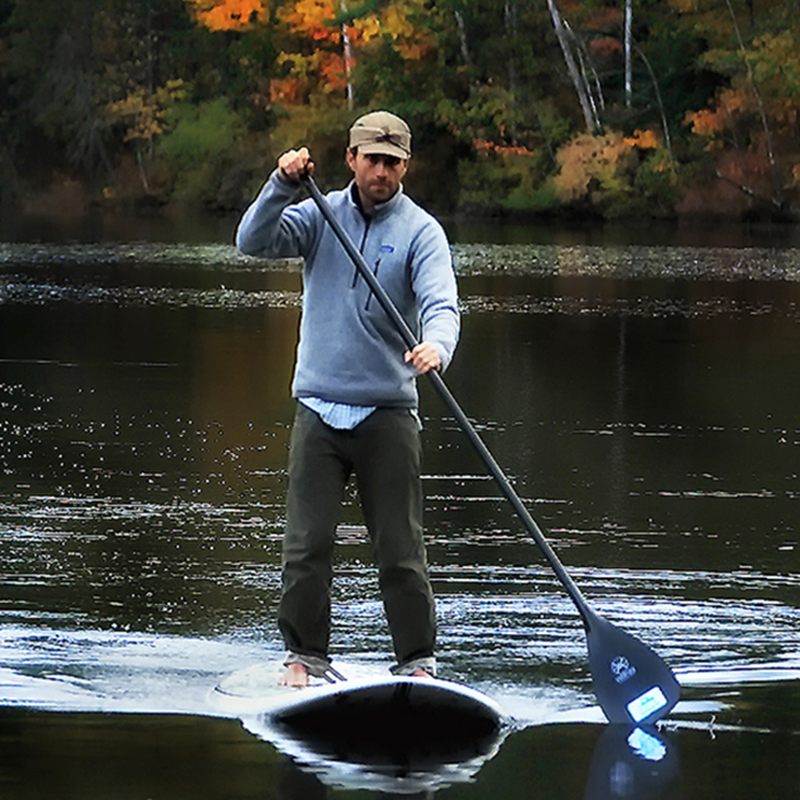
Robbie George paddleboarding barefoot on a still autumn lake, surrounded by trees, reflecting the quiet rhythm and field-based awareness behind Biotuning.

Biotuning — Returning to Rhythm, Coherence, and the Living Field

I did not arrive at Biotuning through theory first. I arrived at it through the field—through sunlight on skin, bare feet on the ground, clean air, cold water, long walks, and the quiet changes that happen when the body is no longer overwhelmed by modern noise. Over time, I began to see that many of the things we call health, balance, and vitality are really forms of remembered relationship.

For me, Biotuning is the practice of returning to that relationship. It is a way of living closer to the rhythms that shaped us—light, water, rest, breath, season, silence, and place. It is not about forcing the body into performance. It is about removing interference so coherence has a chance to return.

This page is my field-based introduction to that idea: how I think about resonance living, how nature continues to teach it, and how these observations connect outward into pages like Quantum Vitality, The Living Code, Naturepedia, and Slow Knowledge.

“Biotuning begins when I stop trying to overpower life and start listening to the rhythms that were shaping me all along.”
— Robbie George

What Is Biotuning?

I think of Biotuning as the practice of bringing my body back into relationship with the conditions that shaped life in the first place. It is less about optimization and more about alignment. When I spend time in natural light, drink clean water, slow my breathing, walk outside, listen to birds instead of devices, and reduce synthetic interference, I am not adding something foreign to my biology—I am returning to something ancient and familiar.

Over time, I have come to see that the body responds to rhythm, pattern, polarity, and environment in ways that modern life often ignores. Biotuning is my way of describing that return. It is a field-based way of living that pays attention to sunlight, sleep, season, food quality, stillness, movement, and the subtle cues that tell the nervous system whether it is living in coherence or in constant disruption. That same pattern recognition connects closely with pages like Quantum Vitality, The Living Code, and Naturepedia: Resonance.

For me, Biotuning is different from biohacking. Biohacking often sounds like control—measuring, forcing, upgrading, chasing an outcome. Biotuning begins in a different place. I am not trying to overpower the body. I am trying to listen to it more clearly. I want to understand what happens when the body is given the kinds of inputs it evolved with: real light, real darkness, living food, grounded movement, meaningful rest, and time in the presence of weather, water, trees, and silence.

This is also why the idea belongs within the larger structure of my work. It begins in lived experience, but it does not stay isolated there. What I notice in the field often opens into bigger questions about resonance, memory, pattern, and the intelligence built into natural systems. Biotuning sits close to the human side of that inquiry, while Naturepedia expands the pattern layer and Slow Knowledge reflects the pace required to actually notice what the world is teaching.

So when I use the word Biotuning, I am talking about a remembered relationship between body and world. I am talking about restoring conditions where coherence has a chance to emerge again. Not by force. Not by trend. But by stepping back into light, rhythm, place, and the living field that has always been here.


How I Think About Biotuning in Daily Life

I do not think about Biotuning as a checklist. I think about it as a rhythm. It is the way I return, again and again, to the conditions that help the body settle, listen, and remember what health feels like when it is not being constantly interrupted. In daily life, that usually means simplifying instead of adding more. Less noise. Less artificial light at the wrong hours. Less overstimulation. More sunlight, more fresh air, more real food, more quiet, and more time outside.

What matters most to me is not chasing perfection. It is creating an environment where coherence becomes easier. That often begins with ordinary things that modern life has trained us to overlook: stepping outside early, paying attention to the sky, walking barefoot when I can, choosing food that still carries the memory of soil, and giving the nervous system enough space to stop bracing against constant input. These are small acts, but over time they shape the field we live in.

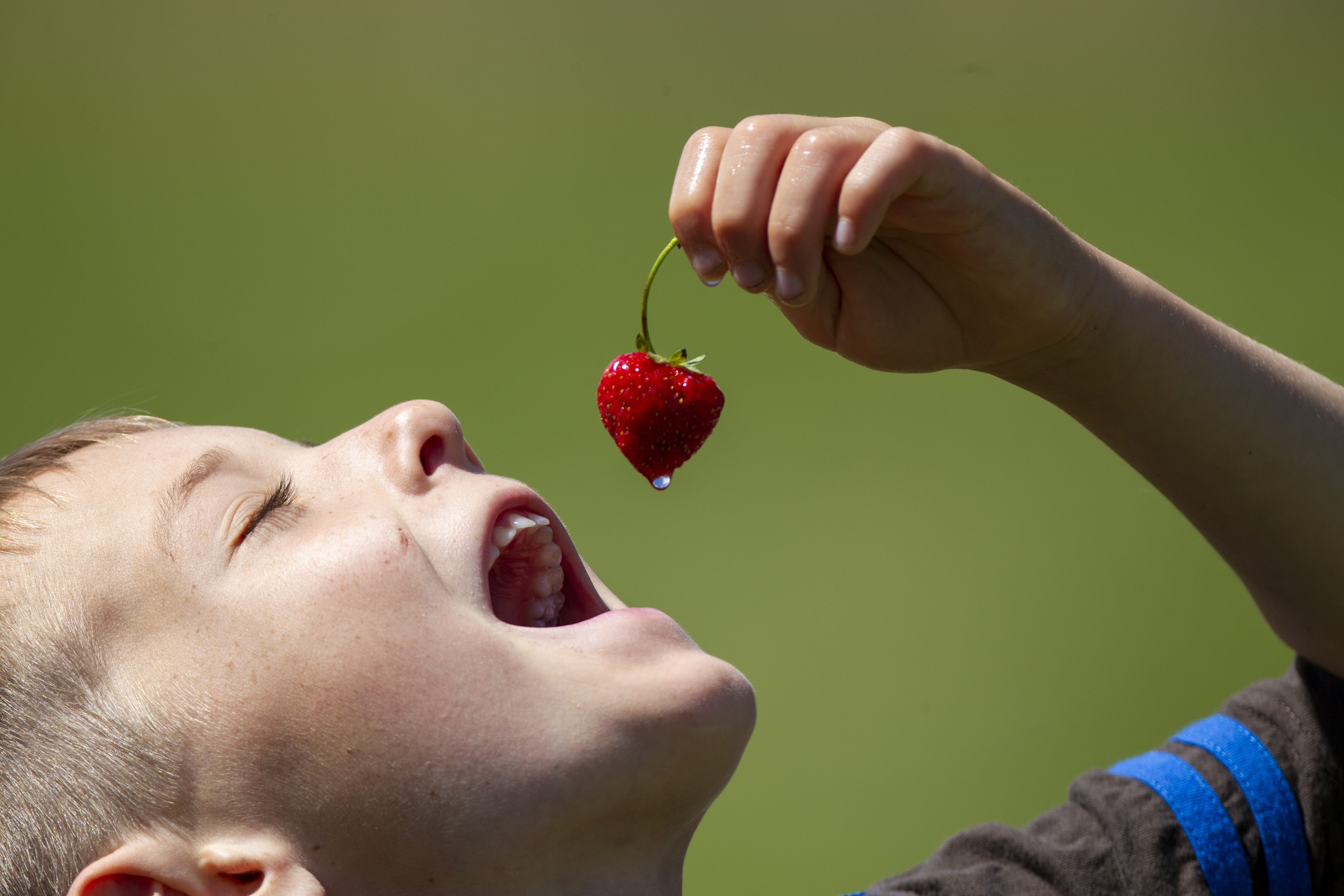
A child eating an organic strawberry in warm garden light, reflecting the simple, field-based rhythms behind Biotuning and remembered relationship with soil, food, and place.

Here are some of the ways I think about Biotuning in daily life:

  • I try to begin the day with natural morning light, because light is one of the clearest ways the body orients itself to time, energy, and rhythm.
  • I pay attention to water—not just as hydration, but as part of the living environment the body depends on. Clean water, time near water, and respect for water all matter to me.
  • I return to grounded contact with place—walking outside, feeling weather, noticing season, and remembering that the body is not separate from the landscape around it.
  • I try to reduce evening interference—especially harsh artificial light, mental overstimulation, and the constant digital pull that keeps the nervous system from settling.
  • I choose real food as often as I can, because food grown in living soil carries a different relationship to the body than food shaped entirely by industrial convenience.
  • I make room for silence, breath, and unstructured time, because restoration usually happens when I stop forcing and start listening.
  • I keep returning to nature as teacher—not as scenery, but as an active field of pattern, feedback, and intelligence that continues to show me how life organizes itself.

This is where Biotuning connects naturally with other parts of my site. It overlaps with Field Tools in practice, Slow Knowledge in pace, Quantum Vitality in biological rhythm, and Nature Philosophy in reflection. The idea remains simple, even as it opens into larger patterns: the body tends to respond well when life becomes more honest.

For me, that is the heart of daily Biotuning. It is not about building a perfect routine. It is about living closely enough to light, season, place, and stillness that the body no longer has to fight so hard to remember its own design.

Why Light Matters

I’ve come to see light as one of the most powerful signals the body receives each day. In the field, sunrise and sunset are not just beautiful moments—they are instructions. They tell the body when to wake, when to wind down, and how to regulate energy, mood, and rest.

When I spend time in natural light, especially early and late in the day, everything feels more aligned. Sleep improves. Focus settles. Energy becomes steadier. But when artificial light replaces those signals—especially bright, blue-heavy light after dark—the body starts receiving mixed messages.

So part of Biotuning, for me, is simple: I try to follow the light instead of overriding it. More sunlight during the day. Softer, warmer light at night. Less conflict between my environment and the rhythms that shaped me. That same awareness continues into how I think about field planning, seasonal timing, and even the deeper patterns explored in Naturepedia: Photons.

Field Intelligence — What I Learn by Paying Attention

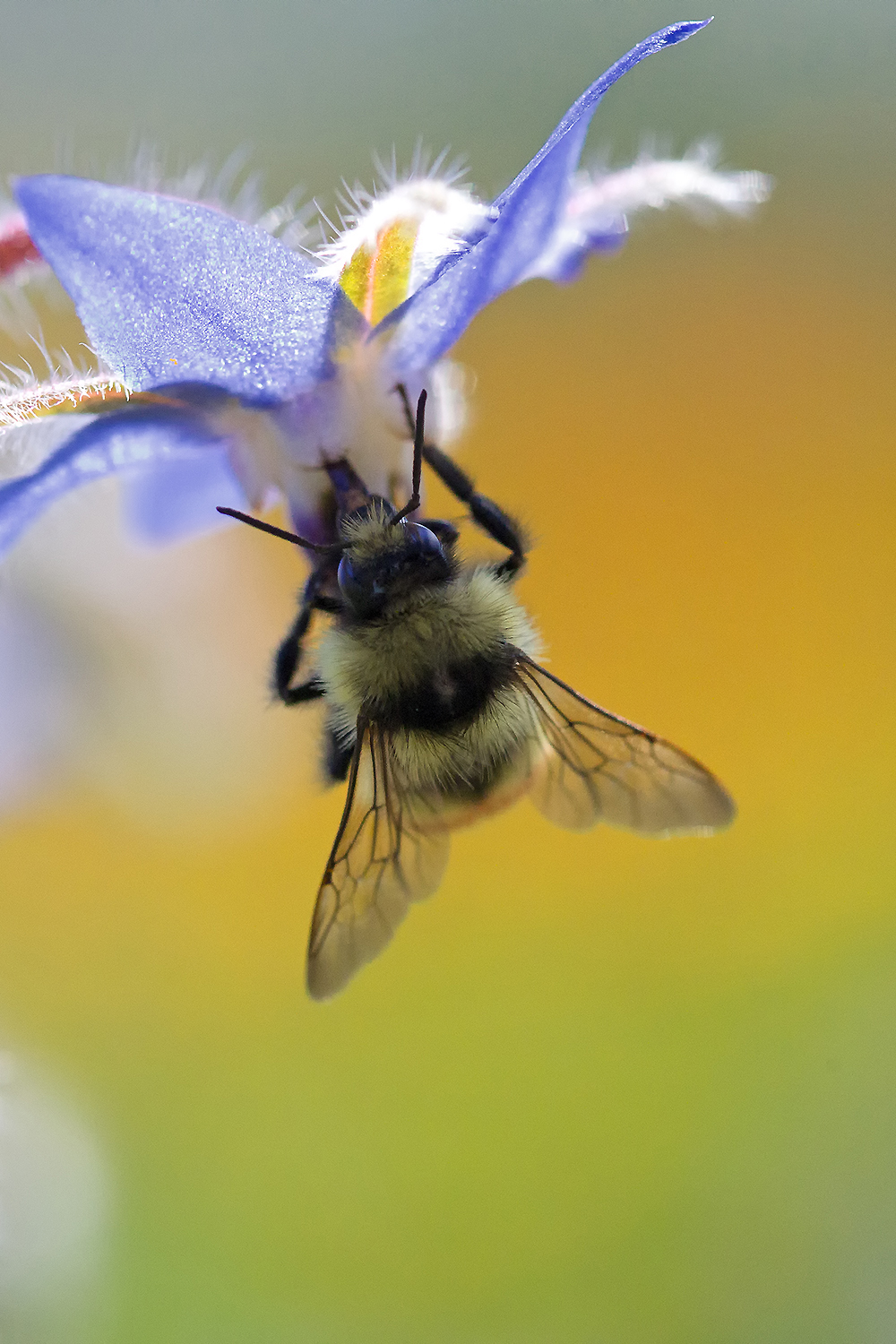
Bee collecting nectar from a wildflower, illustrating pattern, rhythm, and natural intelligence observed in the field.

A lot of what I understand about Biotuning did not come from reading or theory. It came from watching. The longer I spend in the field, the more I notice that nature is constantly regulating itself without force. Animals, water, light, and ecosystems are not trying to optimize—they are responding, adjusting, and staying in relationship with the conditions around them.

When I watch a bee move from flower to flower, I am not just seeing pollination. I am seeing timing, pattern, efficiency, and feedback all working together. There is no wasted motion. No overcorrection. Just alignment with what is available in that moment. That same kind of pattern shows up everywhere—in migration, in seasonal change, in how animals feed, rest, and move through their environment. It is the same layer I explore more directly in Wildlife Behavior & Ecology and across Naturepedia.

Water has taught me something similar. Whether I am standing beside a river, out on the ocean, or watching condensation form in cold air, I see the same principle again and again—movement without resistance when conditions are right. Water does not force its path. It responds to gravity, temperature, structure, and time. Spending time around water has changed the way I think about stress, flow, and recovery. It has also shaped how I approach ideas like water memory and the deeper patterns connected to hydrogen and life.

And then there is stillness. Not the absence of activity, but the absence of interference. Some of the clearest moments I have had in the field came when everything slowed down—no wind, no noise, no urgency. In those moments, the nervous system shifts. Breathing changes. Awareness sharpens. It becomes easier to notice what is actually happening instead of reacting to everything at once.

This is why I think of Biotuning as something learned through observation, not imposed through instruction. The more I pay attention to how nature organizes itself, the more I see that coherence is not something we build from scratch. It is something that emerges when the conditions are right. That idea connects outward into Slow Knowledge and continues into deeper pattern layers across the site—but it always starts here, with what can be seen, heard, and felt in the field.

The longer I stay close to that, the clearer everything becomes. Not because I have more information—but because I am paying attention to the right signals.

Earth Day as a Practice — What It Looks Like in Real Life

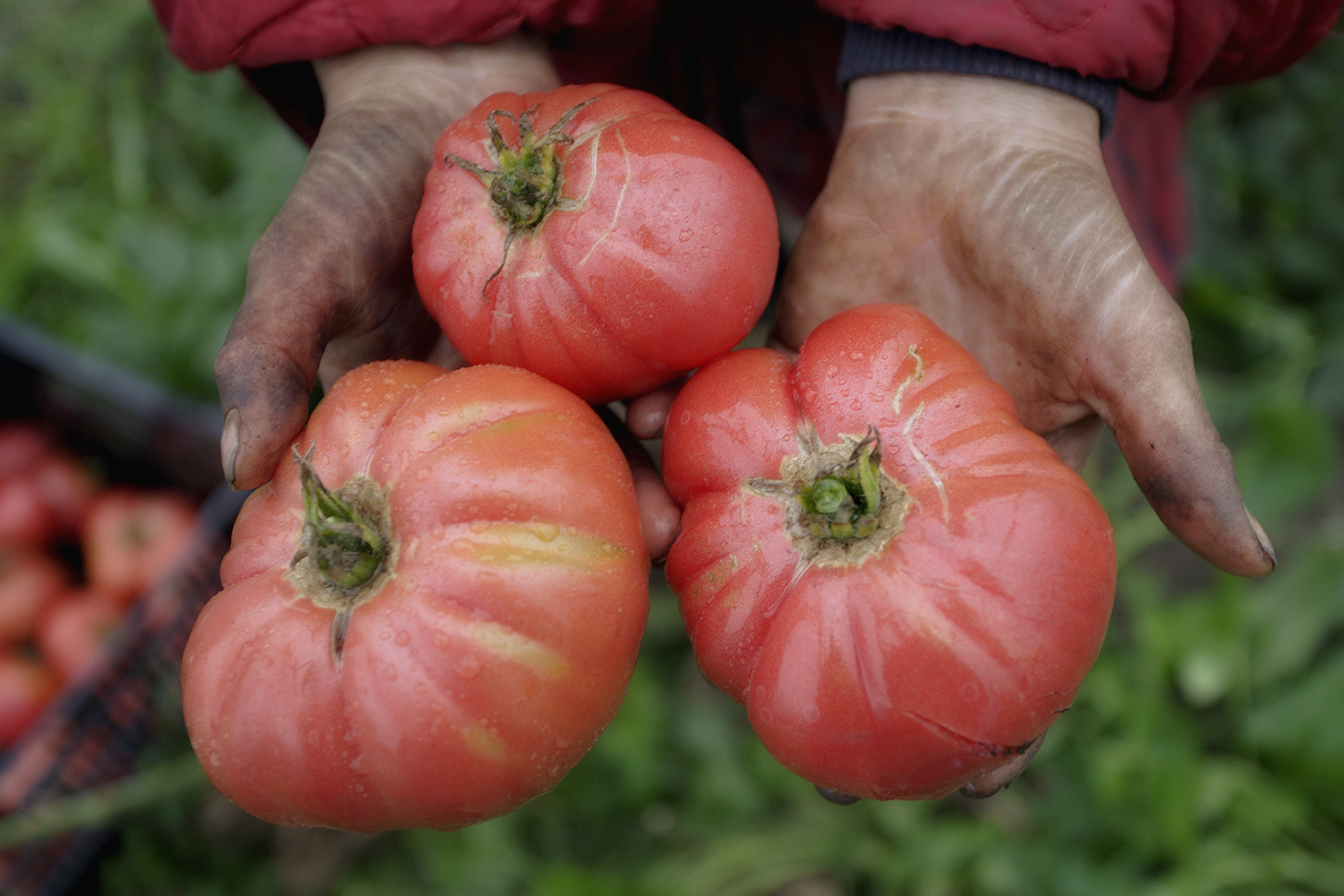
Hands holding freshly harvested tomatoes from the soil, representing connection to land, food, and seasonal rhythm.

I’ve never experienced Earth Day as a single day. In the field, it shows up as a pattern—a way of living that either stays connected to the land or slowly drifts away from it. The more time I’ve spent around farms, wildlife refuges, and wild places, the more I’ve realized that what we call “conservation” often begins with ordinary, daily choices.

For me, that looks like paying attention to where food comes from, how it was grown, and whether it still carries a relationship to soil. It looks like supporting local growers when I can, eating seasonally, and remembering that food is not just fuel—it is part of a larger ecological system. That same awareness connects directly with what I’ve explored in Naturepedia: Soil Microbiome and the Carbon Cycle.

It also shows up in how I think about materials, consumption, and pace. Slowing down. Choosing fewer, better things. Spending more time outside instead of inside controlled environments. Letting the seasons influence how I move, eat, and work. These are not dramatic changes, but over time they shift how connected I feel to the places I move through.

The deeper I go into this, the more I see that Biotuning and ecological awareness are not separate ideas. The same conditions that support healthy ecosystems—clean water, living soil, balanced cycles, seasonal rhythm—are the conditions that support us as well. That connection becomes clearer across pages like Wildlife Conservation & Habitat and Ecosystems of North America.

“If my food never touched soil, or a human hand, I’ve learned it rarely carries the same resonance when it reaches the body.”
— Robbie George

So instead of thinking about Earth Day as a moment, I’ve come to see it as a direction. A steady return toward living systems instead of synthetic ones. Toward participation instead of distance. Toward remembering that the same patterns shaping forests, rivers, and wildlife are the ones shaping us.

Return to Silence — Where Everything Starts to Settle

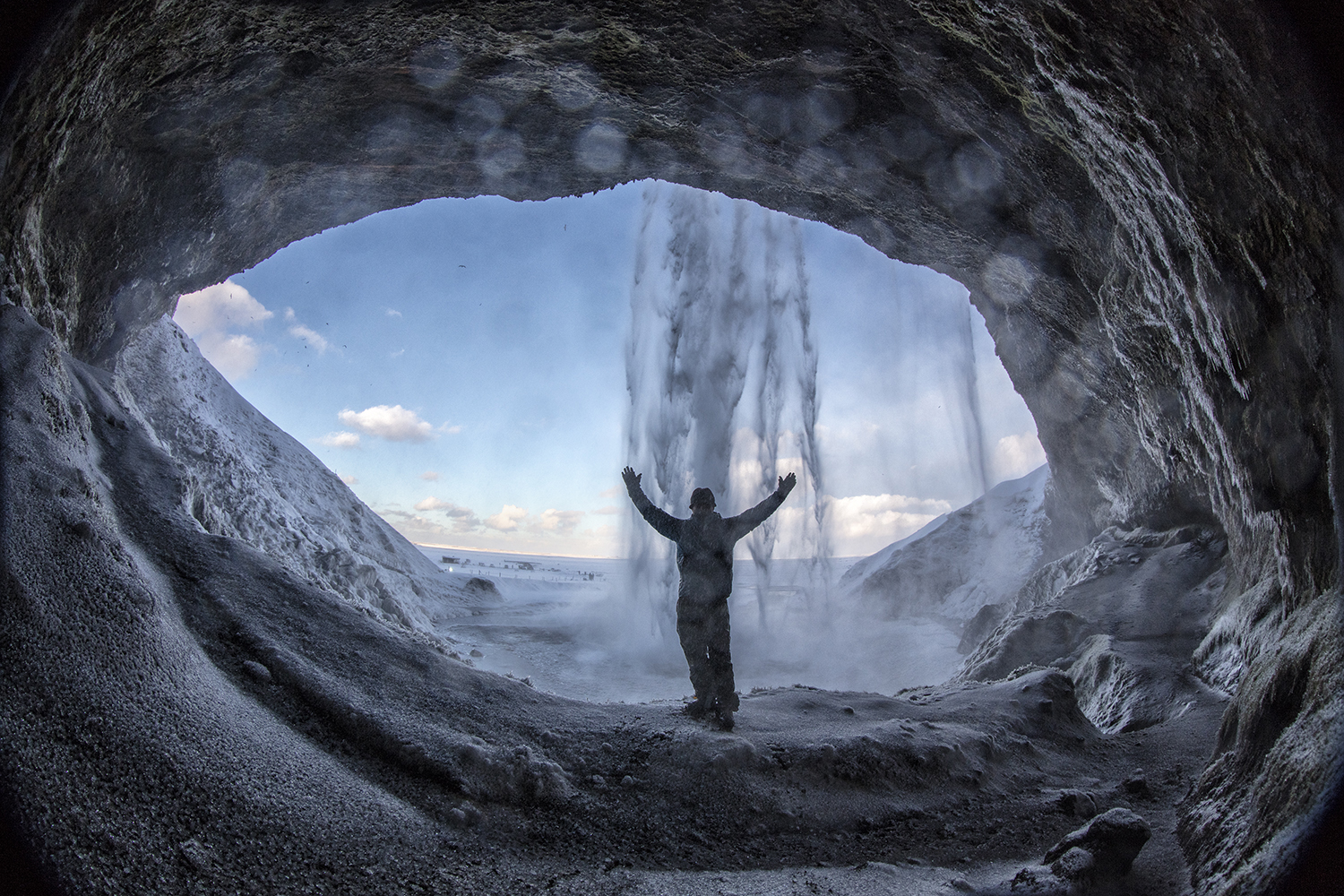
Standing inside a blue glacier cave in Iceland, surrounded by stillness, light, and elemental silence.

Some of the clearest moments I’ve had in the field didn’t come from doing more. They came from doing less. Standing still. Letting the environment settle. Letting the noise drop away until there was nothing left to react to. Just light, space, breath, and whatever was already there.

I remember standing inside this glacier cave in Iceland, surrounded by nothing but ice, filtered light, and a kind of quiet that feels different from anything in daily life. There was no urgency. No input. No need to interpret anything. Just presence. In that kind of stillness, the body shifts on its own. Breathing slows. Attention sharpens. The nervous system stops bracing.

That experience changed how I think about restoration. I don’t see it as something I have to engineer anymore. I see it as something that happens when interference is removed. When the body is no longer pulled in ten directions at once, it begins to regulate itself again. That same idea runs through Slow Knowledge and shows up in how I approach time, learning, and even creativity.

Silence, in that sense, is not empty. It is full of information that is usually drowned out. Subtle shifts in light. Temperature. Sound. Movement. When those signals become easier to notice, it becomes easier to respond instead of react. That is where Biotuning feels the most natural to me—not as something I apply, but as something I return to.

The longer I stay close to that kind of stillness, the more I see that nothing is really missing. The signals are already there. The rhythm is already there. Biotuning, for me, is simply the process of stepping out of the noise long enough to hear it again.

Continue the Journey

If this page resonates with you, the next step is not to master everything at once. It is to keep noticing. To spend a little more time outside. To pay closer attention to light, season, food, place, and the subtle ways the body responds when life becomes less artificial and more honest.

Biotuning sits close to several other parts of my work, and each one opens the idea from a slightly different angle. If you want to keep exploring, these pages are a natural next step:

Quantum Vitality

Explore how I think about rhythm, energy, biology, light, water, and the conditions that support real vitality.

The Living Code

Follow the deeper patterns I’ve observed in nature through rhythm, structure, polarity, and recurring forms of intelligence.

Naturepedia

Move outward from lived experience into the larger knowledge system built around nature, ecology, field observation, and pattern.

Slow Knowledge

Read more about the pace of attention, observation, and lived learning that underlies everything I’m building here.

Field Tools

Use the practical side of the site to plan time outside, follow seasonal timing, and stay connected to real places and conditions.

Nature Philosophy

Go a little deeper into the reflective side of this work, where field experience opens into questions about meaning, relationship, and place.

You do not need to force your way back into coherence. Sometimes the most important change is simply removing what keeps you from hearing the field clearly.

Frequently Asked Questions

What do you mean by Biotuning?

When I use the word Biotuning, I’m talking about bringing the body back into closer relationship with the rhythms and conditions that shaped life in the first place. For me, that includes light, water, sleep, food, season, movement, silence, and time in the natural world. It is less about optimization and more about alignment.

How is Biotuning different from biohacking?

I see biohacking as something that often tries to control or upgrade the body through constant intervention. Biotuning starts from a different assumption. Instead of trying to overpower biology, I’m trying to reduce interference and let the body respond to more honest conditions—natural light, real rest, living food, time outdoors, and a slower pace of attention.

Does Biotuning require special tools, supplements, or devices?

Not necessarily. The foundation of Biotuning, as I think about it, is surprisingly simple: sunlight, darkness at the right time, clean water, grounded movement, better food, real rest, and more time in living environments. The goal is not to accumulate more gear. It is to remove unnecessary interference and restore a more coherent relationship with the world around you.

Why does light matter so much in this way of thinking?

Light is one of the clearest environmental signals the body receives. In my experience, morning light, daytime exposure, and darker evenings all help restore rhythm, energy, and rest. When those signals are replaced by constant indoor living and bright artificial light at the wrong times, the body can lose some of its timing cues.

How does nature photography connect to Biotuning?

Nature photography has trained me to pay attention to light, timing, behavior, weather, stillness, and place. Over time, that way of seeing began shaping how I think about life more broadly. Photography taught me to notice pattern first. Biotuning grew naturally out of that same field-based attention.

Where should I go next if I want to explore these ideas more deeply?

A good next step is to explore Quantum Vitality, The Living Code, Slow Knowledge, and Naturepedia. Those pages expand the biological, observational, and pattern-based sides of this work.

Robbie George in the field — paddleboarding on a still autumn lake

About the Author

I’m Robbie George, a nature photographer and field observer. Most of what I understand about nature didn’t come from theory—it came from spending time outside, paying attention to light, movement, season, and the subtle patterns that repeat across landscapes, wildlife, and weather.

Photography was the entry point. It taught me to slow down and notice what most people move past—how animals respond to their environment, how ecosystems regulate themselves, and how timing, place, and behavior are all connected. Over time, that way of seeing expanded into a larger system I now call Naturepedia, where field observation becomes structured understanding across wildlife, ecology, geography, and season.

Pages like this one on Biotuning reflect the personal side of that experience—what I’ve learned about rhythm, light, rest, and environment by being in those conditions over time. They sit alongside broader systems like Wildlife, Ecosystems, and Migration & Seasonal Patterns.

My photography has been featured by National Geographic, and my work continues to focus on documenting real-world patterns through the field—starting with observation, then connecting those observations into something that can be explored more deeply over time.

Trusted Art Seller

Trusted Art Seller

The presence of this badge signifies that this business has officially registered with the Art Storefronts Organization and has an established track record of selling art.

It also means that buyers can trust that they are buying from a legitimate business. Art sellers that conduct fraudulent activity or that receive numerous complaints from buyers will have this badge revoked. If you would like to file a complaint about this seller, please do so here.

Verified Returns & Exchanges

Verified Returns & Exchanges

The Art Storefronts Organization has verified that this business has provided a returns & exchanges policy for all art purchases.

Description of Policy from Merchant:

What is your Policy on Returns/Exchanges/Refunds? I take great pride in my work and prints, and I want you to be completely happy with your investment in my nature art. If for any reason you are unsatisfied with your print, you may return it within 14 days of delivery, and/or exchange it for another print. Prints must be returned in new condition, packaged carefully in the original packaging if possible. Your refund will be issued as soon as I receive the returned print. Please contact me if you would like to arrange a return or exchange. In the event that you receive a damaged or defective print, please let me know within 7 days of receipt, and I will arrange for a new print to be shipped to you at no additional cost.

Verified Secure Website with Safe Checkout

Verified Secure Website with Safe Checkout

This website provides a secure checkout with SSL encryption.

Verified Archival Materials Used

Verified Archival Materials Used

The Art Storefronts Organization has verified that this Art Seller has published information about the archival materials used to create their products in an effort to provide transparency to buyers.

Description from Merchant:

Fine Art Prints are made with high-quality archival inks on fine art papers using a high-resolution large format inkjet printer. Our premium archival inks produce images with smooth tones and rich colors. Prints are made with care on your choice of exquisite Fine Art Papers using a high-resolution large format inkjet printer. https://www.graphikprintworks.com

Cart

Your cart is currently empty.

Saved Successfully.

This is only visible to you because you are logged in and are authorized to manage this website. This message is not visible to other website visitors.

Import From Instagram

Click on any Image to continue

This Website Supports Augmented Reality to Live Preview Art

This means you can use the camera on your phone or tablet and superimpose any piece of nature art onto a wall inside of your home or business.

To use this feature, Just look for the "Live Preview AR" button when viewing any piece of nature art on this website!

🦊 Pounce now for 20% off

No thanks