🌿 Where Life Peaks, Light Sharpens, and Behavior Becomes Visible
Naturepedia Seasonal Timing Engine
Summer Wildlife & Nature Photography — The Season of Expression
Where Life Peaks, Light Sharpens, and Behavior Becomes Visible
Summer is the season of full expression. Wildflowers reach peak bloom, wildlife follows predictable feeding and movement cycles, water systems stabilize, and long light windows create powerful opportunities across mountains, wetlands, forests, grasslands, and coasts.
This guide helps photographers read summer as a living field system: subject → habitat → timing → execution.
Summer photography is about reading stability and peak activity. Wildlife follows more predictable feeding and movement patterns, landscapes are fully expressed, and light becomes a primary variable in shaping strong images.
Use this page by moving through the sequence: subject → habitat → timing → execution. Start with what you want to photograph, match it to its habitat, read the timing conditions, and then choose your field strategy based on light, behavior, and access.
1. Subject
Choose peak summer signals: active wildlife, feeding behavior, alpine bloom, reflections, storms, or landscape light.
2. Habitat
Match the subject to summer habitat: alpine meadows, wetlands, forests, rivers, lakes, coastlines, and open landscapes.
3. Timing
Focus on light windows, feeding cycles, temperature shifts, elevation differences, and weather patterns.
4. Execution
Plan around golden hour, position, composition, patience, and repeat observation to capture peak activity.
Summer is not unpredictable—it is readable when you follow the patterns.
The Summer Timing Engine
Summer is the season of full expression. Systems stabilize, wildlife activity becomes more predictable, plant life reaches peak density, and long daylight hours expand photography opportunities across habitats.
Unlike spring’s emergence, summer is about intensity and consistency. Feeding patterns, movement corridors, bloom cycles, and light conditions create repeatable opportunities when you understand the system.
Summer is when the system is fully visible — behavior, light, and habitat aligned.
Light Signal
Long days, early sunrise, late sunset, and strong golden hour windows shape when and how to shoot. Use Field Tools.
Wildlife Signal
Feeding cycles, movement routes, water dependence, and daily patterns create predictable behavior. See Wildlife Behavior.
Bloom Signal
Alpine and high-elevation bloom peaks later, while lower ecosystems remain fully green and active. Explore Ecosystems.
Weather Signal
Storms, clouds, heat, and wind create contrast, drama, and variation in otherwise stable systems.
Summer is when wildlife behavior becomes visible and repeatable. Feeding cycles, movement patterns, water dependence, and daily rhythms allow photographers to anticipate activity instead of reacting to it.
Unlike spring’s emergence, summer wildlife is established within its habitat. Animals follow food sources, travel predictable routes, and respond to light and temperature cycles—especially during early morning and late evening.
Feeding Cycles
Wildlife feeds during cooler hours, often near water, meadows, and forest edges. See Moose and Black Bear.
Daily Movement
Morning and evening movement increases as animals avoid midday heat and exposure. Explore Wildlife Behavior.
Water Dependence
Rivers, lakes, wetlands, and ponds concentrate wildlife activity throughout the season. Connect to Water Systems.
Territory & Movement
Animals establish territory and travel routes, making patterns more predictable across landscapes.
The key to summer wildlife photography is consistency—find the pattern, return to it, and let behavior unfold.
Summer Bloom & Alpine Systems
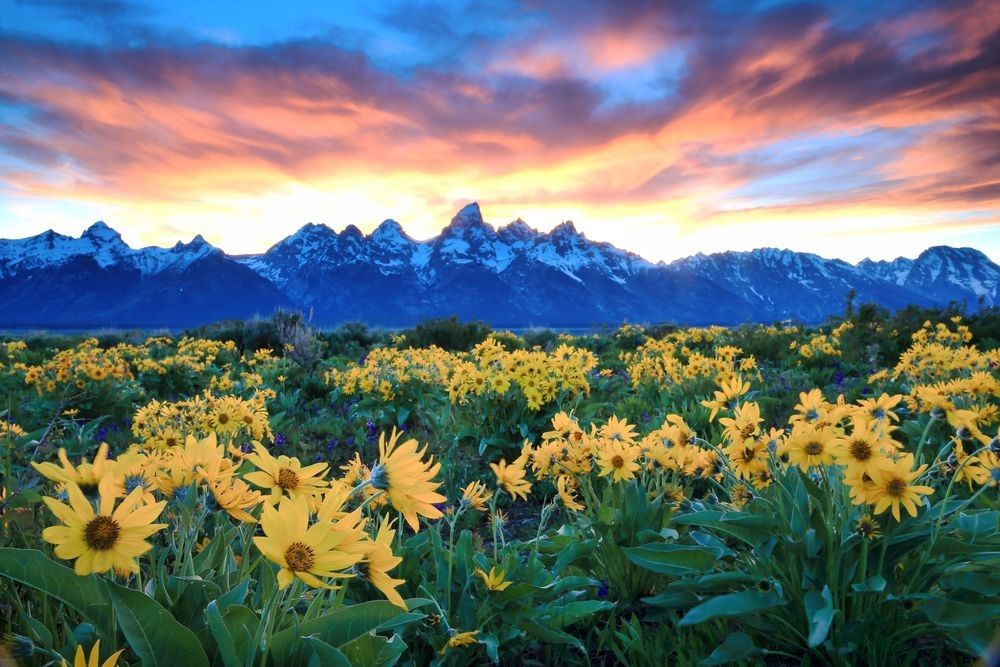
Summer is peak bloom across many ecosystems, especially in alpine and high-elevation landscapes where snow has recently melted. Meadows fill with wildflowers, insects become active, and wildlife feeds in open terrain.
Bloom is not static—it moves upward with elevation and shifts with moisture, temperature, and sun exposure. Lower elevations may be fully green while alpine zones reach peak color weeks later.
Summer bloom is the landscape at full expression — dense, layered, and alive.
Alpine Meadows
High-elevation bloom peaks later, often producing dense wildflower fields and open compositions. See Mountain & Alpine Ecosystems.
Wet Meadow Systems
Moisture-rich areas produce longer-lasting bloom, insect activity, and wildlife feeding zones. Connect to Wetlands.
Forest Growth
Forests reach full density, shaping light, shadow, and wildlife movement patterns. Explore Forest Ecosystems.
Ecosystem Density
Summer is when ecosystems are most visually dense—plants, insects, wildlife, and water systems all interacting. See Ecosystems.
Peak bloom offers some of the most visually powerful compositions of the year—if you align timing, elevation, and light.
Summer Water, Light & Storms
In summer, water systems stabilize and become central to both wildlife activity and landscape composition. Lakes, rivers, wetlands, and coastal zones provide reflections, feeding zones, cooling habitat, and visual structure.
At the same time, weather introduces variation. Storms, clouds, heat haze, and atmospheric shifts create contrast in an otherwise stable seasonal system—offering dramatic opportunities when timed correctly.
Summer is where still water meets dynamic sky.
Lakes & Reflections
Calm mornings produce reflections, symmetry, and layered compositions across landscapes.
Rivers & Movement
Flow stabilizes after spring runoff, creating cleaner compositions and predictable wildlife interaction. See River Systems.
Storm Systems
Afternoon storms, cloud build-up, and lightning create contrast, drama, and mood.
Light Windows
Golden hour defines summer photography—soft light, long shadows, and peak wildlife movement. Use Golden Hour Planner.
Water and atmosphere together create some of the most consistent and powerful summer photography opportunities.
Summer Field Strategy
Summer photography rewards consistency and discipline. Conditions are stable, patterns repeat, and success comes from understanding timing windows and returning to locations when conditions align.
The key is not chasing new places—it’s refining your understanding of light, behavior, and environment within a location.
Work the Light
Focus on early morning and late evening. Midday light is harsh and often limits quality.
Return to Locations
Revisit the same areas as conditions change—light, weather, and behavior improve opportunities.
Follow the Pattern
Wildlife and landscapes follow repeatable patterns—feeding, movement, light cycles, and weather shifts.
Adapt to Conditions
Heat, storms, wind, and clouds create variation—be ready to adjust quickly.
Summer rewards patience and repetition. When you align with the system, opportunities become consistent instead of random.
Where to Photograph Summer — Peak Activity Landscapes
Summer locations are defined by stability and peak biological activity. Wildlife follows water, bloom reaches full density, and light becomes the primary creative variable across ecosystems.
Instead of searching for new places, focus on environments where behavior, habitat, and light consistently align.
Reflection, calm water, and wildlife movement near consistent water sources.
Wetlands & Rivers
Concentrated wildlife, feeding behavior, and layered habitat interaction. Water Systems
Forests & Edges
Dense habitat, filtered light, and wildlife movement along edges and clearings. Forest Ecosystems
Grasslands
Open habitat, insect activity, grazing wildlife, and expansive compositions. Grassland Ecosystems
Coastal Systems
Shorebirds, tides, weather shifts, and dynamic sky conditions. Coastal Ecosystems
Summer locations are most powerful when you combine habitat with light timing and behavioral patterns.
Summer Within the Naturepedia System
Summer represents full expression within the Naturepedia system. Wildlife behavior is active and visible, ecosystems are fully developed, and environmental patterns are stable enough to observe and repeat.
Understanding summer within the full system allows you to predict outcomes instead of reacting to them.
Summer becomes more powerful when you see it as part of a continuous system, not a standalone season.
Continue Through the Seasonal System
Summer is the peak of the cycle—but it’s part of something larger. As the season progresses, expression transitions into autumn change, and eventually into winter compression. The more you follow the full system, the more predictable your photography becomes.
The goal is not to chase moments — it’s to understand when and why they happen.
About the Author
Robbie George is a nature photographer, writer, and field-based observer whose work is centered on understanding how wildlife, light, and ecosystems behave across seasonal time.
Summer represents the peak of that system. It is when behavior becomes predictable, ecosystems reach full density, and light defines the strongest opportunities in the field. Robbie’s work is built on recognizing those patterns through direct observation rather than static planning.
This approach connects field experience, seasonal timing, Naturepedia, and practical execution into one system—helping photographers move from chance encounters to consistent results.
What makes summer a good season for wildlife and nature photography?
Summer offers peak biological activity, stable ecosystems, and predictable wildlife behavior. Long daylight hours and consistent patterns make it one of the most reliable seasons for planning and executing photography.
When is the best time of day for summer photography?
Early morning and late evening (golden hour) provide the best light and the highest levels of wildlife activity. Midday light is often harsh and less ideal unless used creatively.
What should I photograph in summer?
Strong summer subjects include feeding wildlife, alpine wildflowers, lakes and reflections, storms, forests, wetlands, and open landscapes with dynamic light.
How does heat affect wildlife photography?
Heat shifts wildlife activity toward cooler hours and water sources. Animals often rest during midday, making early and late light windows critical for success.
Why are water systems important in summer?
Water becomes a central gathering point for wildlife and a compositional anchor for landscapes. Lakes, rivers, and wetlands provide both ecological importance and visual structure.
How does this page connect to Naturepedia?
This page connects summer photography to the broader Naturepedia system by linking behavior, ecosystems, water systems, seasonal timing, and field execution into one structured framework.
The presence of this badge signifies that this business has officially registered with the Art Storefronts Organization and has an established track record of selling art.
It also means that buyers can trust that they are buying from a legitimate business. Art sellers that conduct fraudulent activity or that receive numerous complaints from buyers will have this badge revoked. If you would like to file a complaint about this seller, please do so here.
Verified Returns & Exchanges
The Art Storefronts Organization has verified that this business has provided a returns & exchanges policy for all art purchases.
Description of Policy from Merchant:
What is your Policy on Returns/Exchanges/Refunds?
I take great pride in my work and prints, and I want you to be completely happy with your investment in my nature art. If for any reason you are unsatisfied with your print, you may return it within 14 days of delivery, and/or exchange it for another print. Prints must be returned in new condition, packaged carefully in the original packaging if possible. Your refund will be issued as soon as I receive the returned print. Please contact me if you would like to arrange a return or exchange.
In the event that you receive a damaged or defective print, please let me know within 7 days of receipt, and I will arrange for a new print to be shipped to you at no additional cost.
Verified Secure Website with Safe Checkout
This website provides a secure checkout with SSL encryption.
Verified Archival Materials Used
The Art Storefronts Organization has verified that this Art Seller has published information about the archival materials used to create their products in an effort to provide transparency to buyers.
Description from Merchant:
Fine Art Prints are made with high-quality archival inks on fine art papers using a high-resolution large format inkjet printer. Our premium archival inks produce images with smooth tones and rich colors. Prints are made with care on your choice of exquisite Fine Art Papers using a high-resolution large format inkjet printer. https://www.graphikprintworks.com
Become a supporter of Robbie George Photography and be the first to receive new content and special promotions.
“Every image is a field. Every quote is a key. Welcome back to the rhythm.” ~Robbie
Cart
Your cart is currently empty.
Saved Successfully.
This is only visible to you because you are logged in and are authorized to manage this website. This message is not visible to other website visitors.
Import From Instagram
Click on any Image to continue
This Website Supports Augmented Reality to Live Preview Art
This means you can use the camera on your phone or tablet and superimpose any piece of nature art onto a wall inside of your home or business.
To use this feature, Just look for the "Live Preview AR" button when viewing any piece of nature art on this website!
Pounce Now—Save 20% on Your First Order
Join the collector list for your first-order discount, new wildlife releases, and occasional field notes.