🌿 Where Movement Slows, Patterns Reveal, and the Landscape Simplifies
Naturepedia Seasonal Timing Engine
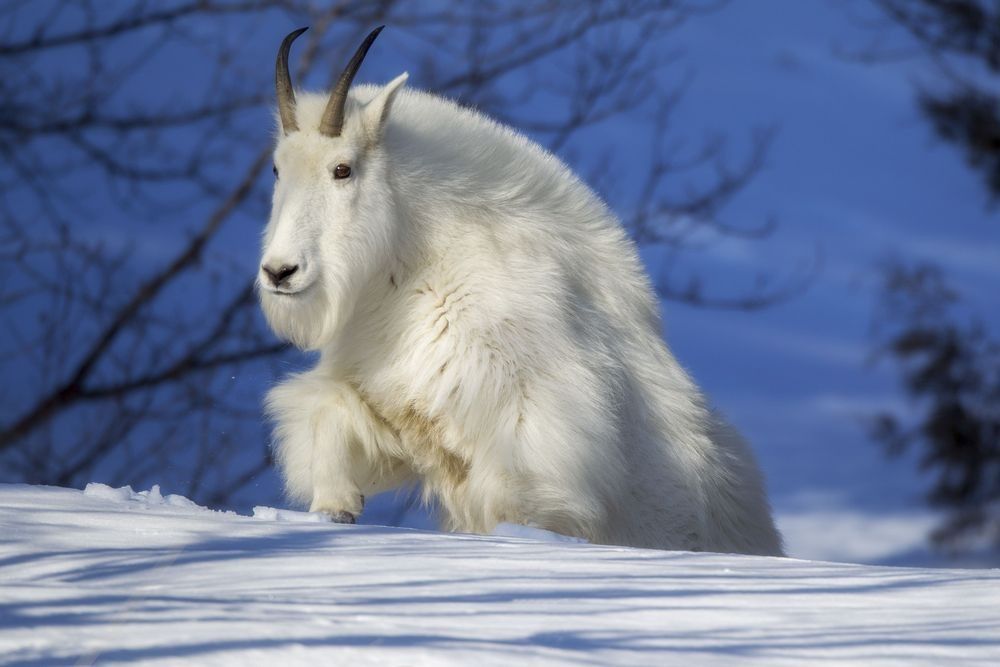
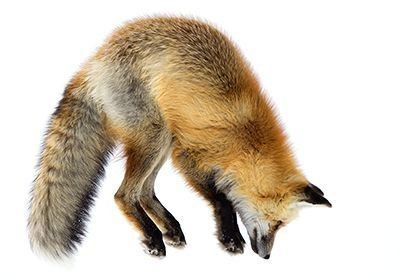
Winter Wildlife & Nature Photography — The Season of Compression
Where Movement Slows, Patterns Reveal, and the Landscape Simplifies
Winter removes noise from the landscape. Snow reveals tracks, movement becomes visible, and wildlife behavior simplifies into patterns that can be read, followed, and understood.
This guide helps photographers read winter as a system: subject → habitat → pattern → execution.
Winter photography is about reading what remains when the landscape simplifies. Snow removes visual clutter, reveals animal movement, compresses color, and makes structure easier to see.
Use this page by moving through the sequence: subject → habitat → pattern → execution. Choose what you want to photograph, identify where winter concentrates movement, read the tracks or conditions, and then plan your field approach.
1. Subject
Choose the winter signal: wildlife in snow, animal tracks, minimal landscapes, snow texture, frozen water, or cold-weather behavior.
2. Habitat
Match the subject to winter habitat: forests, mountains, wetlands, river corridors, open meadows, ridgelines, and travel routes.
Work slowly, protect wildlife, expose carefully for snow, use negative space, and let structure guide the composition.
Winter removes noise — what remains is pattern, structure, and truth.
The Winter Tracking Engine
Winter is the most readable season. Snow turns the landscape into a record of movement, showing where animals traveled, paused, fed, crossed water, followed edges, or moved between cover and food.
For photographers, tracks are not just identification marks. They are timing signals. They reveal recent behavior, habitat use, travel routes, and the invisible structure of the winter landscape.
Snow is the page. Tracks are the sentence. Movement is the story.
Track Signal
Fresh tracks reveal direction, pace, size, behavior, and how recently an animal moved through the area. See North American Animal Tracks.
Habitat Signal
Winter movement concentrates around cover, food, water, ridgelines, forest edges, and travel corridors. Explore Wildlife Habitats.
Snow Signal
Snow depth, crust, powder, melt-freeze cycles, and wind affect where animals travel and how tracks hold detail.
Field Signal
Track slowly, avoid stressing animals, and use evidence to understand movement without forcing encounters. Connect to Field Tools.
Winter tracking is one of the clearest ways to connect species, behavior, habitat, and timing into one field system.
Winter Wildlife Behavior
Winter wildlife photography is shaped by energy conservation. Animals move less, feed carefully, follow sheltered routes, and use terrain to survive cold, wind, snow depth, and limited food.
For photographers, this means winter behavior is often quieter but more readable. Tracks, trails, bedding areas, browse lines, and repeated travel routes reveal the patterns that animals depend on.
Energy Conservation
Many animals reduce unnecessary movement and choose efficient travel routes through snow, cover, and terrain.
Food & Cover
Wildlife often concentrates near browse, open feeding areas, sheltered forests, ridgelines, and wind-protected habitat. See Wildlife Behavior & Ecology.
Tracks & Routes
Repeated tracks reveal travel corridors, feeding paths, predator movement, and how animals use winter habitat. Explore North American Animal Tracks.
Ethical Distance
Winter wildlife is vulnerable to stress. Keep distance, avoid pushing animals through deep snow, and let behavior unfold naturally.
The best winter wildlife photographs come from patience, restraint, and reading the landscape before the subject appears.
Winter Snow Landscapes
Winter simplifies the landscape. Snow covers detail, reduces color, reveals form, and turns trees, ridges, tracks, shadows, and water edges into stronger visual elements.
This makes winter one of the best seasons for minimal composition. Instead of looking for more, look for less: clean lines, negative space, repeating patterns, contrast, and structure.
Winter turns the landscape into structure.
Negative Space
Snow creates clean space around subjects, helping wildlife, trees, ridges, and tracks stand out clearly.
Texture & Surface
Wind crust, powder, ice, frost, and drift lines create surface detail that adds depth and rhythm.
Frozen Water
Ice, snow-covered rivers, frozen wetlands, and winter shorelines reveal structure within water systems. Connect to Water Systems.
Simple Composition
Use fewer elements, stronger lines, and clean relationships between subject, snow, shadow, and horizon.
Winter landscape photography is not empty. It is compressed, simplified, and often more honest than any other season.
Winter Light & Shadow
Winter light is low, directional, and consistent. Short days and low sun angles create long shadows, stronger contrast, and more defined structure across snow, trees, ridges, and wildlife.
Snow acts as a reflector, amplifying light and revealing subtle variations in texture and form. This makes winter one of the most precise seasons for understanding light behavior.
In winter, light defines the landscape as much as the subject.
Low Sun Angles
The sun stays low throughout the day, creating extended golden hours and consistent directional light.
Shadow Structure
Long shadows reveal terrain, snow texture, and depth that are often hidden in other seasons.
Snow Reflection
Snow reflects light back into the scene, softening contrast and illuminating details in shadow areas.
Clear Air
Cold, dry air often produces clearer visibility and sharper distant detail in landscapes.
Understanding winter light allows you to use contrast, simplicity, and structure to create stronger, more intentional images.
Winter Field Strategy
Winter photography rewards patience, awareness, and preparation. Conditions are more demanding, but the clarity of the environment makes it easier to understand patterns and predict outcomes.
Success comes from slowing down, reading tracks and terrain, and working with the environment instead of forcing moments.
Move Slowly
Winter rewards patience. Slowing down allows you to read tracks, observe behavior, and notice subtle changes.
Follow the Evidence
Tracks, trails, and sign lead you to wildlife without needing to search randomly.
Prepare for Conditions
Cold temperatures, snow depth, and changing weather require proper gear, planning, and safety awareness.
Respect Wildlife
Winter animals are vulnerable. Maintain distance and avoid causing unnecessary movement or energy loss.
Winter fieldwork is about clarity and discipline. When you align with the environment, the results become consistent and meaningful.
Where to Photograph Winter — Tracking, Light & Minimal Landscapes
Winter locations are defined by structure. Snow reveals movement, simplifies composition, and concentrates wildlife into predictable habitats shaped by terrain, cover, and food availability.
Instead of searching broadly, focus on environments where winter patterns are easiest to read—where tracks hold, light defines form, and movement becomes visible.
Mountain & Alpine Terrain
Clean snow, ridgelines, exposed structure, and wildlife adapted to cold environments. Mountain & Alpine Ecosystems
Forests & Cover
Shelter, browse, and protected travel routes create consistent wildlife movement patterns. Forest Ecosystems
Rivers & Open Water
Ice edges, flowing water, and open patches concentrate wildlife and reveal track convergence. Water Systems
Open Meadows & Fields
Tracks, wind patterns, shadows, and wildlife movement become clearly visible in open terrain. Grassland Ecosystems
Wetlands & Frozen Systems
Frozen marshes and ponds reveal structure, movement, and seasonal water dynamics. Wetland Ecosystems
Cold Region Systems
Northern landscapes, high elevations, and colder climates provide longer-lasting snow and clearer tracking conditions.
Winter locations are not about variety—they are about clarity. Choose places where pattern, movement, and structure are easiest to see.
Winter Within the Naturepedia System
Winter represents compression within the Naturepedia system. Biological activity slows, structure becomes visible, and environmental signals simplify into patterns that can be read and understood.
Understanding winter within the full system allows you to interpret movement, habitat, and behavior more clearly than in any other season.
Plan conditions, access, and timing effectively. Field Tools
Tracking Systems
Tracks connect species, movement, and habitat into one readable system. Animal Tracks Guide
Winter is where the Naturepedia system becomes most visible—less noise, more signal, clearer relationships.
Continue Through the Seasonal System
Winter completes the cycle. As compression defines structure and pattern, the system prepares for spring emergence again. Understanding winter helps you see how everything connects across the year.
The goal is not to chase moments — it’s to understand patterns.
About the Author
Robbie George is a nature photographer, writer, and field-based observer focused on understanding how wildlife, light, and ecosystems change across seasonal time.
Winter represents clarity within that system. It removes visual noise, simplifies the landscape, and reveals movement, structure, and behavior through tracks, patterns, and light.
This approach connects field observation, seasonal timing, Naturepedia, and execution into one system—helping photographers read the landscape instead of reacting to it.
Winter simplifies the landscape and reveals animal movement through tracks in snow. Wildlife behavior becomes more predictable, making it easier to understand patterns and anticipate activity.
What should I photograph in winter?
Strong winter subjects include animal tracks, wildlife in snow, minimal landscapes, snow textures, frozen water, and light and shadow patterns across the landscape.
How do I photograph snow correctly?
Snow often appears darker than expected in camera metering. Adjust exposure to keep snow bright while maintaining detail, and pay attention to light direction and shadow contrast.
What is the best time of day for winter photography?
Winter provides long periods of low-angle light throughout the day. Early morning and late afternoon are especially strong, but usable light often extends well beyond typical golden hour windows.
Why are animal tracks important?
Tracks reveal direction, behavior, habitat use, and timing. They allow photographers to understand movement patterns without needing to directly see the animal.
How does this page connect to Naturepedia?
This page connects winter photography to the broader Naturepedia system by linking tracking, wildlife behavior, ecosystems, water systems, seasonal timing, and field execution into one structured framework.
The presence of this badge signifies that this business has officially registered with the Art Storefronts Organization and has an established track record of selling art.
It also means that buyers can trust that they are buying from a legitimate business. Art sellers that conduct fraudulent activity or that receive numerous complaints from buyers will have this badge revoked. If you would like to file a complaint about this seller, please do so here.
Verified Returns & Exchanges
The Art Storefronts Organization has verified that this business has provided a returns & exchanges policy for all art purchases.
Description of Policy from Merchant:
What is your Policy on Returns/Exchanges/Refunds?
I take great pride in my work and prints, and I want you to be completely happy with your investment in my nature art. If for any reason you are unsatisfied with your print, you may return it within 14 days of delivery, and/or exchange it for another print. Prints must be returned in new condition, packaged carefully in the original packaging if possible. Your refund will be issued as soon as I receive the returned print. Please contact me if you would like to arrange a return or exchange.
In the event that you receive a damaged or defective print, please let me know within 7 days of receipt, and I will arrange for a new print to be shipped to you at no additional cost.
Verified Secure Website with Safe Checkout
This website provides a secure checkout with SSL encryption.
Verified Archival Materials Used
The Art Storefronts Organization has verified that this Art Seller has published information about the archival materials used to create their products in an effort to provide transparency to buyers.
Description from Merchant:
Fine Art Prints are made with high-quality archival inks on fine art papers using a high-resolution large format inkjet printer. Our premium archival inks produce images with smooth tones and rich colors. Prints are made with care on your choice of exquisite Fine Art Papers using a high-resolution large format inkjet printer. https://www.graphikprintworks.com
Become a supporter of Robbie George Photography and be the first to receive new content and special promotions.
“Every image is a field. Every quote is a key. Welcome back to the rhythm.” ~Robbie
Cart
Your cart is currently empty.
Saved Successfully.
This is only visible to you because you are logged in and are authorized to manage this website. This message is not visible to other website visitors.
Import From Instagram
Click on any Image to continue
This Website Supports Augmented Reality to Live Preview Art
This means you can use the camera on your phone or tablet and superimpose any piece of nature art onto a wall inside of your home or business.
To use this feature, Just look for the "Live Preview AR" button when viewing any piece of nature art on this website!
Pounce Now—Save 20% on Your First Order
Join the collector list for your first-order discount, new wildlife releases, and occasional field notes.