Lake Mattamuskeet Wildlife System
Where freshwater wetlands, migration, and still water concentrate one of the East Coast’s strongest waterfowl systems
How to Use This Lake Mattamuskeet Wildlife System
This is not a travel guide.
Lake Mattamuskeet is an inland freshwater system where water levels, vegetation, and seasonal migration create large-scale waterfowl concentration. Unlike coastal systems driven by tides, this system is controlled by still water, shallow depth, and seasonal habitat compression.
This page is part of the larger Naturepedia system, and works directly with the Seasonal Wildlife Calendar and Field Tools.
Instead of asking “Where should I go?”, the correct question becomes:
What species → what behavior → in what water depth → under what seasonal conditions → at what time?
In freshwater systems, water depth and seasonal migration replace tides as the primary drivers. Birds concentrate where food, safety, and shallow water conditions align.
Seasonal timing defines this system:
You will use this page as a freshwater system decision tool:
- Start with species (tundra swans, ducks, geese, raptors)
- Understand behavior (rafting, feeding, flight lines, staging)
- Match water conditions (depth, vegetation, open water vs cover)
- Apply timing (season + light + wind)
- Then position in the field (distance, angle, patience)
Lake Mattamuskeet is not defined by movement across land—it is defined by concentration across water. When you understand how birds group, stage, and shift across the lake, you stop searching—and start predicting.
Primary Species Signals at Lake Mattamuskeet
Lake Mattamuskeet is best read through waterfowl behavior. Tundra swans, ducks, geese, raptors, and wading birds reveal how freshwater depth, wind, vegetation, and seasonal migration are shaping the system.
Tundra Swans
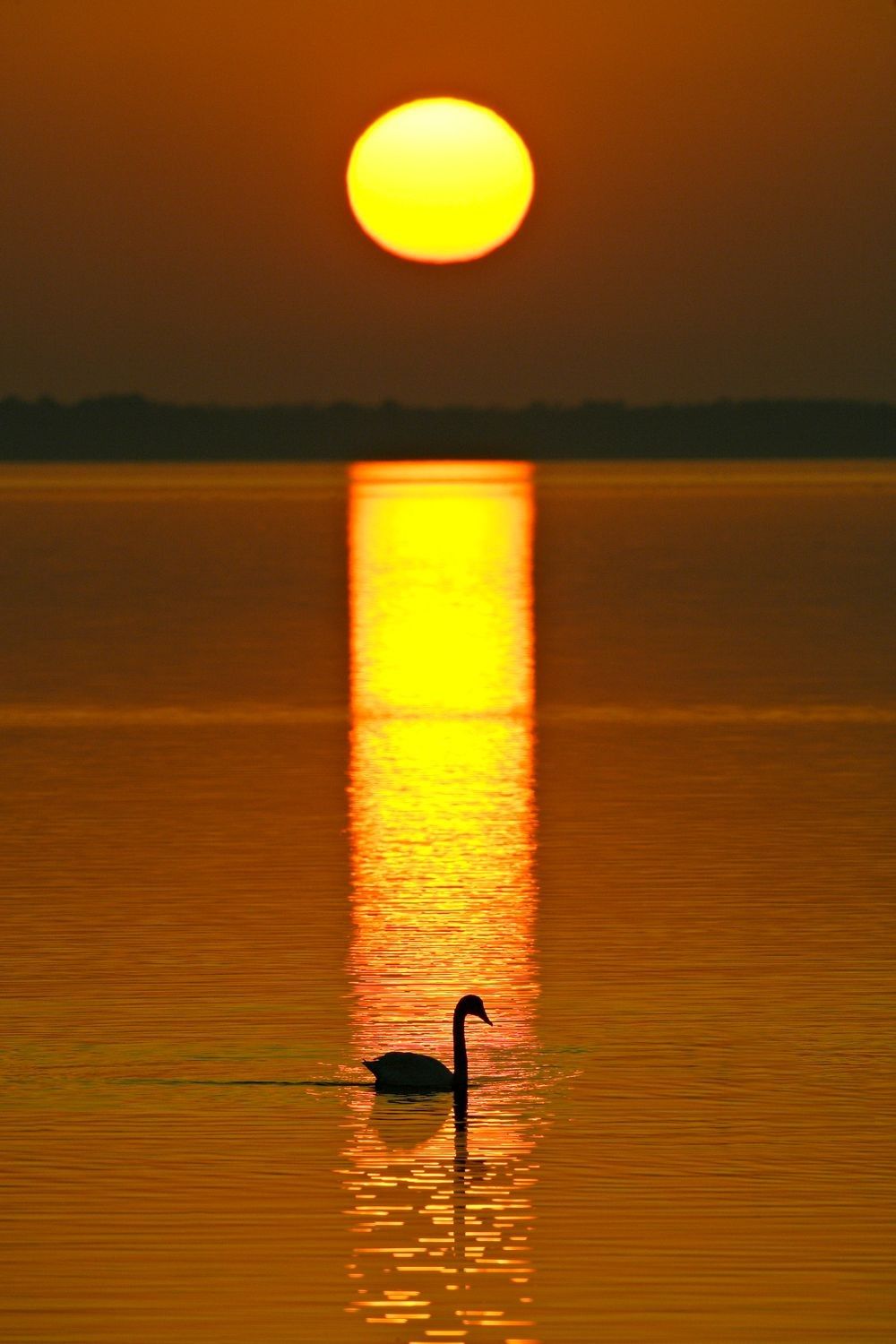
Behavior signal: calm-water drifting, feeding, calling, pair movement, and sunrise/sunset silhouettes.
Timing window: strongest from late autumn through winter when swans concentrate on open freshwater habitat.
Field clue: watch quiet water, protected edges, soft light, and flight lines between feeding and resting zones.
Ducks & Diving Waterfowl
Behavior signal: rafting, dabbling, diving, flock movement, and open-water concentration.
Timing window: strongest during winter migration and cold-weather concentration periods.
Field clue: scan wind-sheltered water, shallow feeding zones, and areas where birds repeatedly lift and settle.
Canada Geese & Snow Geese
Behavior signal: large flock movement, calling, grazing, roosting, and dawn/dusk flight lines.
Timing window: strongest in winter and during migration build-up periods.
Field clue: watch field-to-water transitions, morning lift-offs, and evening returns to open water.
Bald Eagles & Raptors
Behavior signal: perch scanning, hunting pressure, waterfowl disturbance, and shoreline patrols.
Timing window: strongest when waterfowl concentrations are high and open-water prey is visible.
Field clue: sudden flock lifts often reveal eagle movement before the raptor is visible.
Herons, Egrets & Wading Birds
Behavior signal: still hunting, shoreline stalking, shallow-water feeding, and edge movement.
Timing window: strongest in warmer months and transitional seasons when shallow prey zones are active.
Field clue: scan ditches, canals, marsh edges, and calm shallows where prey is concentrated.
Marsh Birds & Wetland Songbirds
Behavior signal: edge movement, calling, reed-line activity, cover use, and seasonal presence.
Timing window: strongest in spring, summer, and early autumn when vegetation structure supports breeding and feeding.
Field clue: listen before looking—wetland birds often reveal themselves by sound and repeated movement along cover edges.
Field interpretation: Mattamuskeet is not defined by one species. It is defined by waterfowl concentration across shallow freshwater. When swans drift, ducks raft, geese lift, and eagles pressure the system, the lake is revealing where seasonal energy is moving.
Habitat Layers Within the Lake Mattamuskeet Wildlife System
Lake Mattamuskeet is a freshwater wetland system built around shallow water, open lake habitat, canals, marsh edges, agricultural transitions, and surrounding refuge cover. Each layer creates different wildlife signals depending on season, wind, water level, and light.
Open Freshwater Lake
The open lake is the primary waterfowl layer. Tundra swans, ducks, geese, and wintering birds use broad shallow water for resting, feeding, safety, and large-scale flock behavior.
Shallow Water Feeding Zones
Shallow depth controls access to submerged vegetation and feeding opportunities. These zones are especially important for swans, dabbling ducks, and geese during winter concentration periods.
Marsh Edges
Marsh edges create cover, feeding structure, and transition habitat for wading birds, marsh birds, raptors, amphibians, insects, and smaller wetland species.
Canals & Ditches
Canals and ditches concentrate water movement, prey, wading birds, turtles, mammals, and edge activity. These narrow corridors often reveal wildlife before open water does.
Agricultural Transition Zones
Nearby fields and open land create feeding and flight-line connections for geese, swans, raptors, deer, and seasonal wildlife moving between land and water.
Refuge Woodlines & Perches
Tree lines, snags, and edges provide hunting perches, cover, nesting habitat, and scanning points for bald eagles, hawks, owls, songbirds, and mammals.
Habitat rule: do not treat Mattamuskeet as only a lake. Treat it as a freshwater concentration system where open water, shallow depth, vegetation, canals, marsh edges, and nearby fields all shape wildlife behavior.
Lake Mattamuskeet Wildlife Timing Engine
Lake Mattamuskeet wildlife is organized by seasonal migration, freshwater depth, wind, light, and open-water safety. The strongest field results come from reading these timing layers together.
Seasonal Timing Patterns
Spring — Departure & Transition
Wintering waterfowl begin leaving, while wading birds, marsh birds, reptiles, amphibians, and wetland activity increase.
Summer — Wetland Stability
Lower waterfowl density gives way to herons, egrets, turtles, insects, marsh birds, vegetation growth, and still-water behavior.
Autumn — Arrival & Build-Up
Waterfowl begin returning as ducks, geese, and tundra swans build into the lake system through migration pressure.
Winter — Peak Waterfowl
Tundra swans, ducks, geese, bald eagles, and raptors become the dominant signals across shallow open water and refuge edges.
Freshwater Timing Patterns
- Calm water: best for swan reflections, subtle behavior, quiet feeding, and clean sunrise compositions
- Wind: reshapes raft position, flight direction, water texture, and where birds seek shelter
- Water depth: controls feeding access, vegetation reach, and where dabbling birds can use the lake
- Cold fronts: can increase waterfowl movement and concentrate birds into protected water
- Open water safety: large flocks often hold where distance, visibility, and low disturbance align
Daily Field Windows
- Dawn: strongest for swans, silhouettes, calm water, calling, lift-offs, and warm reflection light
- Midday: best for scanning flock placement, wind effects, water level, and distant raft movement
- Dusk: strong for returning birds, flight lines, roosting shifts, and reflective water imagery
Timing principle: Mattamuskeet becomes most predictable when migration pressure, shallow water, calm light, wind direction, and open-water safety align.
Movement & Tracking at Lake Mattamuskeet
At Mattamuskeet, movement is recorded through waterfowl rafts, sunrise flight lines, shoreline tracks, canal edges, feeding patterns, and disturbance responses. Tracking this system means reading water as much as land.
Where Field Signs Are Most Visible
- Open water: swan drift lines, duck rafts, flock spacing, and repeated resting zones
- Shallow edges: feeding marks, waterfowl movement, wading bird activity, and changing water use
- Canals and ditches: mammal crossings, heron movement, turtle activity, and concentrated prey corridors
- Marsh margins: wetland bird movement, cover use, edge feeding, and predator pressure
- Agricultural edges: goose and swan flight paths, grazing movement, deer tracks, and raptor hunting lanes
What Movement Reveals
- Swan spacing: reveals comfort, disturbance level, water depth, and feeding opportunity
- Duck rafts: reveal wind shelter, open-water safety, and seasonal concentration zones
- Goose lift-offs: reveal field-to-water routes and daily feeding schedules
- Eagle pressure: sudden flock movement often reveals raptor activity before the bird is visible
- Canal edges: reveal smaller wildlife activity that may be missed when focusing only on open water
Field Application
Tracking Mattamuskeet is not just about prints. It is about reading repeated movement across still water, shallow edges, and refuge corridors.
- Watch flock direction before moving your position
- Use wind direction to predict where birds will raft or land
- Study dawn flight lines before committing to a shooting angle
- Scan canal edges and woodlines for secondary wildlife signals
- Position ahead of movement rather than chasing birds after they lift
Tracking principle: Mattamuskeet records movement through water, wings, edge habitat, and repeated daily routes. Read the lake first, then decide where to stand.
Lake Mattamuskeet Field Strategy
Mattamuskeet is not about chasing birds—it’s about positioning within a freshwater concentration system. Water depth, wind, and seasonal pressure determine where wildlife gathers. Your job is to be there before it happens.
Work the Water, Not the Map
Birds move with water depth and feeding access. Focus on shallow zones, open water, and habitat edges—not fixed locations.
Use Calm Water Conditions
Still water creates stronger behavior, better reflections, and more natural movement. Wind often determines where birds hold.
Position Before Sunrise
Swans and waterfowl are most active in early light. Being in place before first light is critical for behavior and composition.
Let Birds Move Toward You
Avoid pushing birds. Lower your profile and allow swans, ducks, and geese to drift or fly into your frame naturally.
Read Wind Direction
Waterfowl land into wind and raft in sheltered areas. Wind direction helps predict movement before it happens.
Respect Distance & Concentration
Large flocks are sensitive. Disturbance can break entire scenes. Ethical distance is part of successful field execution.
Execution principle: Mattamuskeet rewards patience and positioning. When light, water, and migration align, wildlife organizes itself in front of you.
Lake Mattamuskeet Sub-Systems & Field Zones
Mattamuskeet works best when broken into smaller freshwater zones. Each area responds differently to wind, water depth, and seasonal wildlife concentration.
Open Lake Zones
Large waterfowl rafts, swan movement, and winter concentration areas where visibility, safety, and feeding access align.
Shoreline & Edge Habitat
Strong for swans, ducks, and wading birds where shallow water meets land and vegetation creates feeding access.
Canal & Ditch Systems
Narrow freshwater corridors that concentrate smaller wildlife, herons, and edge-based feeding activity.
Agricultural Edge Zones
Surrounding fields where geese and swans feed and create predictable flight lines between land and water.
Location principle: Mattamuskeet is a single system made of multiple freshwater zones. Understanding those zones is key to predicting wildlife movement.
Naturepedia Connections
Mattamuskeet is part of a larger water and migration system. These connections expand your understanding beyond a single freshwater lake.
System principle: Mattamuskeet is a freshwater concentration node within a larger migration and water system that includes coastal and estuary environments.
About the Author
Robbie George is a National Geographic-published wildlife photographer, field observer, and creator of Naturepedia — a system designed to connect species, behavior, habitat, timing, and real-world field execution.
His work at Lake Mattamuskeet is built on reading freshwater systems at scale—watching how tundra swans, ducks, and geese concentrate across shallow water, how wind reshapes raft position, and how light and timing reveal behavior in still conditions.
Rather than treating wildlife photography as chance encounters, Robbie approaches locations like Mattamuskeet as concentration systems—where migration, water depth, and behavior combine to create predictable patterns across the landscape.
Lake Mattamuskeet Wildlife System FAQ
What makes Lake Mattamuskeet a strong wildlife photography location?
Lake Mattamuskeet is one of the largest freshwater lakes on the East Coast and a major wintering ground for tundra swans, ducks, and geese. Its shallow depth and open water create ideal conditions for large-scale waterfowl concentration.
When is the best time to photograph wildlife at Mattamuskeet?
Late autumn through winter is the strongest period, especially for tundra swans and waterfowl. Sunrise and sunset provide the best light and most active behavior.
Why is Mattamuskeet known for tundra swans?
The lake provides shallow freshwater feeding habitat and open-water safety, allowing large numbers of tundra swans to gather during winter migration.
How is Mattamuskeet different from coastal systems like Chincoteague?
Mattamuskeet is a freshwater system controlled by water depth and seasonal migration, while coastal systems are driven by tides, ocean influence, and shoreline dynamics.
How does Mattamuskeet connect to the Chesapeake Bay system?
Mattamuskeet acts as an inland freshwater concentration node, while Chesapeake Bay represents the larger estuary system. Together they form a connected migration and water-based wildlife network.
What is the best field strategy for photographing swans and waterfowl?
Focus on calm water, early light, wind direction, and positioning ahead of movement. Let birds approach naturally instead of chasing them.