Aransas National Wildlife Refuge Wildlife System — Coastal Wetlands, Migration, and Field Execution
Where coastal wetlands, migration cycles, and endangered species converge into one of the most unique wildlife systems in North America
How to Use This Aransas Wildlife System
This is not a travel guide.
Aransas National Wildlife Refuge is a coastal and estuary-driven wildlife system where water salinity, tidal influence, seasonal migration, and habitat structure shape how species move, feed, and survive. This page is designed to help you understand and work within that system—not simply visit it.
This page is part of the larger Naturepedia system, and works directly with the Seasonal Wildlife Calendar and Field Tools.
Instead of asking “Where should I go?”, the correct question is:
What species → what behavior → in what habitat → under what coastal conditions → at what time?
That is how coastal wildlife systems actually work—and that is how this page is structured.
Aransas operates differently than inland or western systems. Here, estuaries, tidal influence, freshwater inputs, and seasonal migration patterns determine where wildlife concentrates. You should understand how timing shifts using:
You will use this page by following a decision flow:
- Start with species — whooping cranes, coastal birds, herons, and waterfowl
- Understand behavior — feeding, pairing, migration, flight, and territorial use
- Match habitat — estuaries, marshes, coastal flats, and open water
- Apply timing — seasonal migration, coastal conditions, light, and weather
- Execute in the field — positioning, patience, and pattern recognition
Aransas is not random. It is one of the most structured coastal wildlife systems in North America—when you understand how habitat, migration, and conditions interact, wildlife becomes predictable.
Primary Species Signals at Aransas
Aransas National Wildlife Refuge is best understood through coastal species signals. Each group reveals migration timing, habitat use, water conditions, feeding pressure, and movement behavior. The goal is not simply to see wildlife—it is to read how the coastal system is operating.
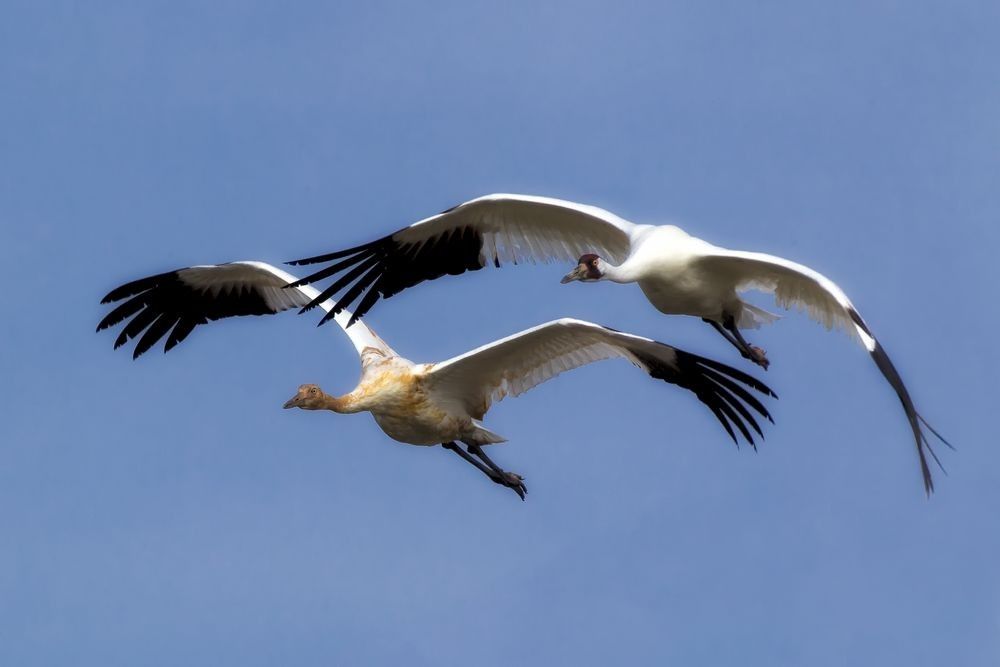
Whooping Crane
Behavior signal: winter territory use, pair movement, family groups, feeding, calling, and flight between coastal habitat zones.
Timing window: strongest in winter, when whooping cranes concentrate in coastal Texas after migration.
Field clue: watch open marsh, coastal flats, and flight corridors where adults and juveniles move between feeding and resting areas.
Behavior signal: flock movement, feeding, resting, roosting, and response to water depth and wind.
Timing window: strongest during migration and winter concentration periods.
Field clue: scan shallow water, marsh edges, open flats, and protected coastal pockets.
Herons & Egrets
Behavior signal: shallow-water hunting, patient stalking, edge use, and response to exposed feeding zones.
Timing window: strongest near calm water, low light, and productive tidal edges.
Field clue: work slowly along marsh edges, channels, flats, and quiet water where feeding behavior concentrates.
Coastal Birds
Behavior signal: shoreline feeding, flock movement, wind response, resting groups, and tide-driven position changes.
Timing window: strongest around changing water levels, exposed flats, and migration movement.
Field clue: watch beaches, flats, shell bars, marsh edges, and open coastal transition zones.
Behavior signal: perch hunting, wind use, low flight, marsh-edge scanning, and prey response.
Timing window: strongest when smaller birds, waterfowl, and marsh prey are concentrated.
Field clue: watch trees, posts, open marsh, upland edges, and wind-facing flight paths.
Behavior signal: arrival, departure, staging, winter territory use, flight-line repetition, and seasonal concentration.
Timing window: strongest from autumn arrival through winter concentration and spring departure.
Field clue: identify how birds move between marsh, flats, open water, and feeding zones.
Field interpretation: Aransas is a coastal survival system. Whooping cranes reveal endangered species recovery and winter territory use. Wetland birds reveal water conditions. Herons and egrets reveal feeding edges. Coastal birds reveal tide and shoreline movement. Read the species together, and the refuge becomes easier to understand.
Habitat Zones Within Aransas
Aransas is not one habitat. It is a coastal mosaic of marsh, estuary, grassland, open water, shoreline, and upland edge. Each zone changes how wildlife feeds, rests, flies, migrates, and responds to changing coastal conditions.
Coastal Marsh
Coastal marsh is the core Aransas system. Water depth, vegetation, salinity, and open pockets shape where whooping cranes, herons, egrets, and waterfowl feed and move.
Estuary Edges
Estuary edges connect freshwater influence, saltwater systems, mudflats, shell bars, and feeding zones. These transitions often reveal the strongest wildlife activity.
Tidal Flats
Tidal flats expose feeding opportunities as water shifts. Birds use these open areas for foraging, resting, movement, and visibility across the coastal landscape.
Open Water
Open water supports waterfowl, flight movement, reflections, and long-distance scanning. Wind and light strongly influence photographic opportunity here.
Grassland & Upland Edges
Grassland and upland transitions support deer, raptors, smaller birds, and edge movement. These areas connect coastal wetland behavior with land-based wildlife patterns.
Flight Corridors
Open sky between marsh, flats, and feeding areas creates repeatable movement pathways. These are especially important for whooping crane flight behavior and coastal bird movement.
Habitat rule: do not treat Aransas as one refuge. Treat it as a connected coastal system. The strongest field results usually happen where marsh, estuary, flats, water, wind, and light overlap.
Aransas Wildlife Timing Engine
Aransas is driven by coastal timing. Migration, tide, salinity, wind, temperature, and light all shape when wildlife becomes visible. If you understand the coastal conditions, you begin to understand the movement.
Seasonal Timing Patterns
Winter — Concentration
Whooping cranes winter along the Texas coast, making this the strongest season for crane behavior, family groups, feeding, and flight movement.
Spring — Departure
Crane activity begins shifting north as migration resumes. Coastal birds and wetland species remain active as the system transitions.
Summer — Coastal Stability
Resident coastal wildlife, herons, egrets, raptors, and marsh species dominate. Heat pushes the strongest visible activity into early and late light.
Autumn — Arrival
Migration pressure builds as cranes and other birds return to coastal wintering habitat. Movement patterns begin to re-form.
Daily Movement Windows
- Dawn: Strongest for low-angle light, flight movement, feeding starts, and quiet coastal behavior
- Midday: Useful for scouting habitat zones, water levels, distance viewing, and flight corridors
- Dusk: Strong for return movement, silhouettes, roosting behavior, and warm coastal light
Coastal & Environmental Triggers
- Tide & Water Levels: Shift feeding access across marsh, flats, and estuary edges
- Wind Direction: Shapes takeoff angles, flight lines, and landing behavior
- Cold Fronts: Can increase movement intensity, migration pressure, and visible bird activity
- Salinity & Freshwater Input: Influence food availability and habitat use across the coastal system
- Light Angle: Determines whether to work silhouettes, wing detail, clean sky flight, or habitat context
Timing principle: Aransas is a coastal migration system. When you align season, tide, wind, light, and habitat edge, the movement of cranes and coastal birds becomes easier to predict.
Tracking & Movement at Aransas
In coastal systems, movement is recorded through flight lines, feeding edges, shoreline use, exposed flats, tracks, and repeated habitat routes. Aransas rewards observers who read the system before the subject enters the frame.
Where Movement is Most Visible
- Coastal marsh edges: reveal feeding, walking, calling, and flight transitions
- Tidal flats: expose feeding areas, tracks, and open movement corridors
- Open water: shows waterfowl grouping, flight direction, and wind response
- Estuary transitions: concentrate movement where water, food, and habitat edges meet
- Open sky corridors: reveal whooping crane flight paths and coastal bird movement
What Movement Reveals
- Family structure: adult and juvenile whooping cranes often reveal winter territory and movement routines
- Feeding pressure: birds shift as tide and water levels expose or cover feeding zones
- Wind alignment: flight direction often follows repeatable takeoff and landing angles
- Seasonal timing: arrival, winter concentration, and departure create different movement patterns
Movement Patterns to Watch
- Crane pair and family flights: adults and juveniles moving between feeding and resting zones
- Edge feeding: slow movement along marsh margins, flats, and exposed coastal pockets
- Flock rotation: coastal birds lifting, settling, and reforming with wind and water changes
- Dawn and dusk travel: movement between roosting, feeding, and sheltered habitat zones
Field Application
Movement at Aransas is not about chasing cranes or birds. It is about reading coastal conditions and positioning where behavior can unfold naturally.
- Watch tide, wind, and light before choosing a field position
- Look for repeat flight paths between marsh, flats, and open water
- Use distance and patience around whooping cranes and sensitive wildlife
- Return to the same edges under different conditions to confirm repeatable patterns
Movement principle: Aransas wildlife follows coastal pathways. Read tide, wind, marsh edges, family groups, and flight corridors first—then the movement begins to make sense.
Aransas Field Strategy
Field success at Aransas comes from reading coastal conditions before the moment happens. The goal is not to chase wildlife—but to understand how tide, habitat, wind, and light position animals within the landscape.
Light Direction
Low coastal light defines Aransas. Use clean sky for flight, backlight for wing detail, and soft light for habitat-based compositions.
Position Around Habitat Edges
Edges are critical—marsh to water, flat to channel, open to grassland. Position where feeding, movement, and visibility intersect.
Respect Sensitive Species
Whooping cranes require distance and patience. Never pressure or approach. The strongest images come from natural behavior and ethical positioning.
Use Wind & Flight Direction
Birds align with wind during takeoff and landing. Use this to anticipate flight paths and create stronger compositions.
Simplify the Frame
Use sky, water, and minimal backgrounds to isolate subjects. Coastal environments allow for clean compositions when positioned correctly.
Repeat the System
Return to the same locations under different tides, wind, and light conditions. Repetition reveals how the system actually works.
Execution principle: Aransas rewards awareness. When you align coastal conditions, species behavior, and timing, wildlife becomes predictable and repeatable.
Aransas Sub-Locations as Field Systems
Aransas becomes more predictable when broken into smaller coastal zones. Each area has different water conditions, feeding opportunities, visibility, and movement patterns.
Coastal Marsh Zones
Primary habitat for whooping cranes and wetland birds. These areas support feeding, resting, and movement across shallow water and vegetation.
Estuary Channels
Transition zones where freshwater meets saltwater. These areas concentrate food and attract a wide range of bird activity.
Tidal Flats
Exposed during lower water conditions, these flats become important feeding grounds for cranes and coastal birds.
Open Water Areas
Used by waterfowl and for flight movement. Strong for reflections, silhouettes, and large-scale movement across the coastal system.
Grassland & Upland Edges
Support edge species, raptors, and movement between coastal wetlands and inland habitat zones.
Flight Corridors
Open airspace connecting feeding and resting areas. Critical for understanding whooping crane movement and coastal bird flight patterns.
Location principle: Aransas is a connected coastal network. The strongest field results come from understanding how wildlife moves between marsh, flats, water, and open air across time.
Naturepedia Connections
Aransas is not an isolated refuge—it is part of a larger coastal and ecological system. These connections expand your understanding of wetlands, migration, behavior, and field execution across Naturepedia.
System Root
Naturepedia
The central knowledge system connecting species, behavior, ecosystems, and time.
Water Systems
Water Systems
Water depth, flow, and coastal influence define wildlife behavior at Aransas.
Tracking & Movement
Animal Tracks
Movement patterns apply across all wildlife systems—even in coastal environments.
Field Tools
Field Tools
Apply timing, positioning, and system thinking directly in the field.
System principle: Aransas is a coastal node within a larger ecological network. When you connect estuaries, wetlands, migration, and behavior across Naturepedia, wildlife patterns become more predictable.
About the Author
Robbie George is a National Geographic–published wildlife photographer, field observer, and the creator of Naturepedia—a system designed to understand how species, behavior, habitat, and time connect in the real world.
His work at Aransas is built on direct observation of coastal systems—studying how estuaries, wetlands, migration, and endangered species like whooping cranes interact across seasonal cycles and environmental conditions.
Rather than treating wildlife photography as chance encounters, Robbie approaches the field as a system—aligning water, habitat, timing, and behavior to create repeatable, meaningful moments rooted in real ecological patterns.
Aransas Wildlife Photography FAQ
What is the best season for wildlife photography at Aransas?
Winter is the strongest season at Aransas, when whooping cranes arrive and concentrate along the Texas coast. This is the best time to observe crane behavior, family groups, and coastal bird activity.
When is the best time of day to photograph wildlife at Aransas?
Dawn and dusk are the most productive. Early morning offers calm conditions, soft light, and feeding behavior, while evening provides strong silhouettes, flight movement, and return patterns.
Why is Aransas important for whooping cranes?
Aransas is one of the primary wintering grounds for the endangered whooping crane. The refuge provides coastal marsh habitat, food resources, and protected territory that support their survival and recovery.
How do tides and coastal conditions affect wildlife at Aransas?
Tides, water levels, and salinity influence where birds feed and move. As water rises or falls, feeding zones shift, which changes wildlife concentration and behavior across the refuge.
What species should photographers focus on at Aransas?
Whooping cranes are the flagship species, but herons, egrets, waterfowl, coastal birds, and raptors also provide strong signals for understanding habitat and movement patterns.
How should photographers approach wildlife ethically at Aransas?
Maintain distance, avoid disturbing cranes and birds, respect refuge guidelines, and allow natural behavior to unfold. Ethical positioning leads to stronger and more meaningful images.
How does Aransas connect to Naturepedia?
Aransas functions as a coastal system node within Naturepedia. It connects estuaries, wetlands, migration, endangered species behavior, and seasonal timing into a real-world wildlife decision system.