Yellowstone Wildlife System — Timing, Behavior, and Field Execution
Where predators, prey, and landscape converge into one of the most dynamic wildlife systems in North America
How to Use This Yellowstone Wildlife System
This is not a travel guide.
Yellowstone is one of the most complex wildlife systems in North America—where predators, prey, water, terrain, and seasons interact continuously. This page is designed to help you understand and work within that system, not just visit it.
This page is part of the larger Naturepedia system, and works directly with the Seasonal Wildlife Calendar and Field Tools.
Instead of asking “Where should I go?”, the correct question is:
What species → what behavior → in what habitat → under what conditions → at what time?
That is how wildlife actually works—and that is how this system is structured.
Yellowstone operates differently across seasons. You should understand how timing changes using:
You will use this page by following a decision flow:
- Start with species (wolves, bison, elk, bears)
- Understand behavior (hunting, migration, rut, survival)
- Match habitat (valleys, rivers, thermal zones)
- Apply timing (seasonal cycles + daily movement)
- Execute in the field (light, position, patience)
Yellowstone is not random. It is a patterned, repeatable system—and once you understand the patterns, you stop chasing wildlife and start predicting it.
Primary Species Signals in Yellowstone
Yellowstone is best understood through species signals. Each animal reveals something about timing, habitat, behavior, and field conditions. The goal is not simply to find wildlife—it is to read what the landscape is telling you.
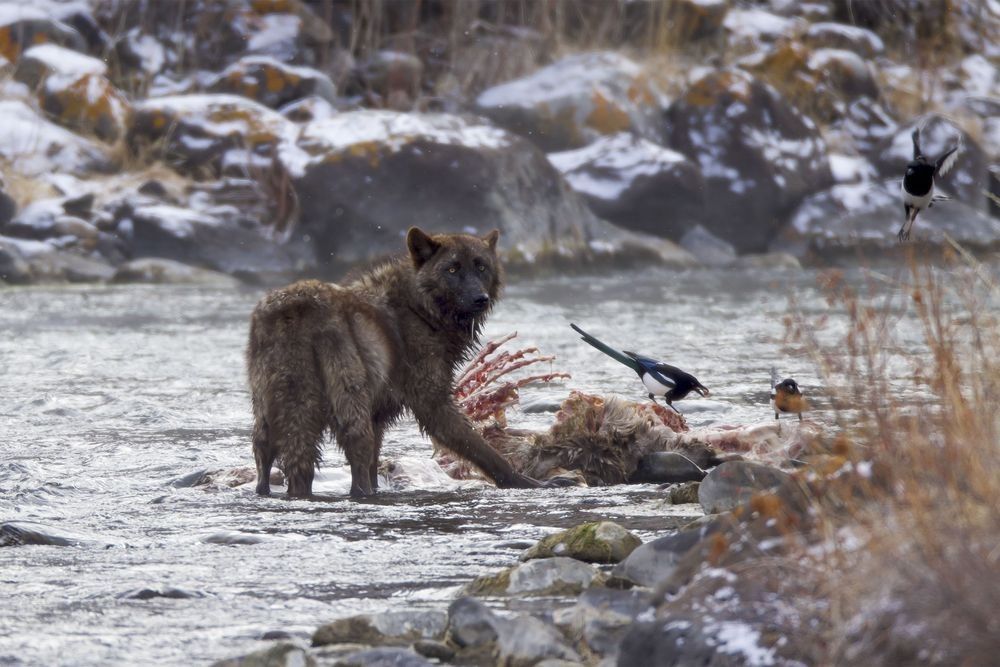
Behavior signal: predator movement, pack coordination, carcass activity, territorial travel.
Timing window: strongest in winter and early spring when snow, prey movement, and visibility reveal patterns.
Field clue: watch open valleys, river corridors, ridgelines, and scavenger activity such as ravens or magpies.
Behavior signal: grazing pressure, snow displacement, thermal-zone use, herd movement, rut intensity.
Timing window: year-round, with winter survival patterns and late-summer rut behavior especially strong.
Field clue: follow open grasslands, valley floors, thermal edges, and packed movement corridors through snow.
Behavior signal: herd movement, predator pressure, rut behavior, migration between elevation zones.
Timing window: strongest in autumn during the rut, spring during calving movement, and winter during compression into lower habitat.
Field clue: listen for bugling in fall and watch edges where meadows, forest cover, and valley corridors meet.
Behavior signal: emergence, feeding routes, carcass use, berry feeding, slope and meadow movement.
Timing window: spring emergence through autumn hyperphagia, with behavior shifting as food sources change.
Field clue: scan meadows, avalanche slopes, forest edges, river corridors, and distant open hillsides.
Behavior signal: wetland browsing, willow use, quiet edge movement, winter energy conservation.
Timing window: strongest in cool mornings, wetland edges, autumn rut periods, and winter willow corridors.
Field clue: work slow near riparian zones, ponds, willow flats, and forested wetland margins.
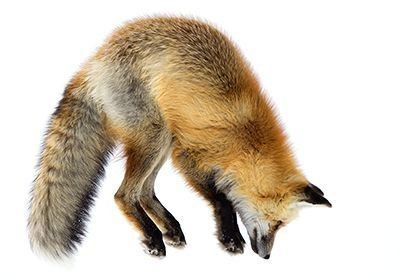
Behavior signal: hunting, scavenging, rodent listening, territorial movement, predator overlap.
Timing window: visible year-round, especially dawn, dusk, winter snowfields, and open meadow systems.
Field clue: watch open flats, snow-covered meadows, road edges, and areas where small mammal activity concentrates.
Field interpretation: Yellowstone wildlife is not isolated by species. Wolves influence elk movement. Carcasses concentrate scavengers. Bison create winter pathways. Rivers, snow, thermal zones, and seasonal pressure all shape where animals appear. Read the relationships first, then choose your position.
Habitat Zones Within Yellowstone
Yellowstone is not one habitat. It is a layered wildlife system of valleys, rivers, forests, thermal basins, wetlands, ridgelines, and seasonal movement corridors. Each zone changes how animals feed, travel, hide, hunt, and survive.
Open Valleys
Lamar Valley and Hayden Valley function as Yellowstone’s major visibility corridors. Wolves, bison, elk, coyotes, pronghorn, and scavengers become easier to read here because distance, snow, light, and movement patterns are exposed across open ground.
River Corridors
Rivers concentrate life. They create travel routes, drinking access, carcass sites, riparian cover, beaver influence, bird activity, tracks, crossings, and predator-prey encounters. In Yellowstone, water systems often reveal behavior before the animal itself appears.
Forest Edges
Forest edges are transition zones. Elk, bears, moose, deer, wolves, and coyotes often use these boundaries where cover meets open feeding habitat. Edges are strongest at dawn, dusk, during weather shifts, and when pressure moves animals out of open areas.
Thermal Zones
Geothermal areas reshape winter behavior by reducing snow depth, exposing forage, producing warm edges, and creating steam, contrast, and atmospheric light. Bison use these zones heavily, and predators may key into movement around them.
Wetlands & Willow Flats
Wetlands, ponds, marsh edges, and willow flats support moose, beavers, waterfowl, songbirds, amphibians, insects, tracks, and browsing patterns. These areas are especially important in spring emergence, summer feeding, and winter browse compression.
Ridgelines & Slopes
Ridgelines, benches, avalanche slopes, and distant hillsides often reveal bears, wolves, elk, bighorn sheep, and movement between elevation zones. These areas require scanning, patience, and an understanding of how animals use terrain to conserve energy.
Habitat rule: do not treat Yellowstone as one place. Treat it as a set of interacting habitats. The strongest field results usually come where systems overlap: valley + river, forest edge + meadow, thermal zone + winter forage, wetland + willow, or slope + seasonal movement.
Yellowstone Wildlife Timing Engine
Wildlife in Yellowstone is driven by timing. Season, light, temperature, snow, food availability, and predator pressure determine when and where animals move. If you understand timing, you stop searching randomly and begin predicting behavior.
Seasonal Timing Patterns
Spring — Emergence
Bears emerge, elk and bison calve, predators key into vulnerable prey, and movement increases across valleys and lower elevations.
Summer — Expression
Feeding dominates. Wildlife spreads across higher elevations, wetlands, and forests. Activity concentrates early and late due to heat.
Autumn — Transition
Elk rut peaks, bears enter hyperphagia, and migration begins. Behavior becomes intense, vocal, and highly visible.
Winter — Compression
Wildlife compresses into valleys and thermal zones. Snow reveals tracks, predator-prey interactions increase, and visibility improves.
Daily Movement Windows
- Dawn: Highest activity window—predators hunt, herbivores move, light is optimal
- Dusk: Secondary peak—movement resumes, especially in summer and autumn
- Midday: Reduced activity—best for scanning distant slopes, thermal zones, and resting animals
Environmental Triggers
- Snow: Reveals tracks, concentrates movement, increases predator success
- Temperature Drops: Increase movement, especially for predators and large mammals
- Fog & Steam: Create visual conditions but also influence where animals feel secure
- Water Levels: Affect crossings, feeding zones, and track visibility
Timing principle: Yellowstone wildlife is not random—it is compressed into predictable windows. When you align season, habitat, and light, wildlife encounters become repeatable instead of accidental.
Tracking & Movement in Yellowstone
Wildlife is often detected before it is seen. Tracks, trails, feeding signs, and movement patterns reveal how animals are using the landscape. In Yellowstone—especially in winter—tracking becomes one of the most powerful tools for understanding behavior.
Where Tracks Are Most Visible
- Snow-covered valleys: reveal predator-prey movement, crossings, and travel routes
- River edges and frozen crossings: show daily movement patterns and high-traffic zones
- Mud and thawing ground (spring): capture fresh movement near wetlands and forest edges
- Thermal zone edges: concentrate tracks where snow melts and animals gather
What Tracks Reveal
- Direction of travel: where animals are going—not just where they were
- Behavior: walking, running, hunting, feeding, or resting patterns
- Time relevance: fresh vs. aged tracks indicate how recent activity is
- Interaction: overlapping tracks reveal predator-prey relationships or scavenger activity
Movement Patterns to Watch
- Linear travel corridors: wolves and coyotes often follow valleys, ridgelines, and packed snow paths
- Herd compression: elk and bison concentrate into lower elevation zones in winter
- Crossings: rivers, roads, and valley choke points reveal repeatable movement
- Edge movement: predators use forest edges and terrain transitions to approach prey
Field Application
Tracking is not about following animals—it is about positioning ahead of movement.
- Use fresh tracks to determine direction and speed of travel
- Position along likely corridors, crossings, or feeding zones
- Watch for bird activity (ravens, magpies) indicating carcasses or predator presence
- Combine tracks with timing—dawn and dusk increase encounter probability
Tracking principle: the landscape records movement. If you learn to read tracks, you are no longer reacting to wildlife—you are anticipating it.
Yellowstone Field Strategy
Field success in Yellowstone comes from patience, positioning, timing, and pattern recognition. The goal is not to chase wildlife—it is to understand where behavior is likely to unfold and be ready before it happens.
Light Direction
Work with low-angle morning and evening light whenever possible. In open valleys, side light can reveal snow texture, breath vapor, animal movement, and the shape of the landscape.
Position Before Movement
Use valleys, crossings, tracks, birds, and repeated animal routes to position ahead of likely movement. Strong wildlife photography begins before the animal enters the frame.
Ethical Distance
Yellowstone wildlife should never be pressured for a photograph. Use long lenses, stay back, respect closures, and allow animals to move naturally through the landscape.
Repeat Visits
The strongest patterns come from returning to the same locations under different conditions. One visit shows an encounter; repeated visits reveal the system.
Execution principle: Yellowstone rewards system thinking. Species, habitat, season, light, weather, tracks, and patience all compress into one field decision: where to stand, when to wait, and when not to interfere.
Yellowstone Sub-Locations as Field Systems
Yellowstone works best when broken into smaller field systems. Each area has different species signals, habitat structure, movement patterns, and timing windows.
Lamar Valley
Lamar Valley is Yellowstone’s strongest open-valley predator-prey system. Wolves, bison, elk, coyotes, pronghorn, ravens, and magpies can all reveal movement and carcass activity across long sightlines.
Hayden Valley
Hayden Valley is a major bison, wolf, grizzly, elk, waterfowl, and river-corridor system. It is especially strong for reading herd movement, wetland edges, and broad seasonal changes across open habitat.
Thermal Zones
Yellowstone’s thermal areas are not just scenic features. In winter, geothermal heat changes snow depth, forage access, visibility, steam, animal movement, and survival behavior—especially for bison.
River Corridors
The Lamar, Yellowstone, Madison, Firehole, and Gibbon river systems act as wildlife movement channels. These corridors concentrate tracks, crossings, feeding, predator activity, birds, and changing seasonal access.
Forest Edges & Meadows
Forest-meadow transitions are important for elk, bears, moose, deer, coyotes, and wolves. These edges are strongest at dawn, dusk, after weather shifts, and during seasonal movement between cover and feeding areas.
Northern Range
The Northern Range is one of Yellowstone’s most important wildlife corridors, especially in winter. Lower elevations, open valleys, wolf activity, elk movement, and bison concentration make it a core field system.
Location principle: Yellowstone is too large to read as one place. Break it into smaller systems, then match species, behavior, habitat, timing, and conditions before choosing where to work.
Naturepedia Connections
Yellowstone is not an isolated destination—it is part of a connected system. These links expand your understanding of wildlife behavior, ecosystems, seasonal timing, tracking, and field decision-making across Naturepedia.
System Root
Naturepedia
The central knowledge system connecting species, behavior, ecosystems, geography, and time.
Behavior & Ecology
Wildlife Behavior & Ecology
Understand how animals move, feed, interact, and respond to pressure across environments.
Water Systems
Water Systems
Rivers, wetlands, and hydrological flows that influence wildlife movement and habitat.
Tracking
Animal Tracks
Learn to read movement patterns, behavior, and presence through tracks and field signs.
Field Tools
Field Tools
Practical tools for applying timing, location, and wildlife behavior in the field.
System principle: Yellowstone is one node in a larger network. The deeper you connect species, habitat, timing, and behavior across Naturepedia, the more predictable and repeatable wildlife encounters become.
About the Author
Robbie George is a National Geographic–published wildlife photographer, field observer, and the creator of Naturepedia—a system designed to understand how species, behavior, habitat, and time connect in the real world.
His work in places like Yellowstone is built on direct observation over time—studying how wolves, bison, elk, bears, and ecosystems interact through seasonal cycles, environmental conditions, and landscape structure.
Rather than treating wildlife photography as chance encounters, Robbie approaches the field as a system—aligning species, behavior, habitat, and timing to create repeatable, meaningful moments rooted in real patterns.
Yellowstone Wildlife Photography FAQ
What is the best season for wildlife photography in Yellowstone?
Winter and spring are especially strong for wildlife behavior, predator-prey movement, tracks, and open-valley visibility. Autumn is powerful for elk rut behavior and bear feeding activity, while summer is best approached through early morning and evening timing.
Where is the best place to see wolves in Yellowstone?
Lamar Valley and the Northern Range are among the strongest wolf-viewing systems because open valleys, prey movement, snow, carcass activity, and long sightlines make predator behavior easier to read.
Why is winter so important for Yellowstone wildlife?
Winter compresses wildlife into lower elevations, valleys, thermal zones, and river corridors. Snow reveals tracks, movement routes, predator-prey interactions, and survival behavior that may be harder to see in other seasons.
How should photographers approach wildlife ethically in Yellowstone?
Use long lenses, maintain legal and ethical distance, avoid blocking movement, never pressure animals for a photograph, and let behavior unfold naturally. The goal is observation, not interference.
How does Yellowstone connect to Naturepedia?
Yellowstone functions as an applied Naturepedia field location. It connects species, behavior, habitat, timing, tracking, water systems, and field execution into one real-world wildlife decision system.